LGBTQ+ Travel in Uruguay: South America’s Most Open Country (2026)
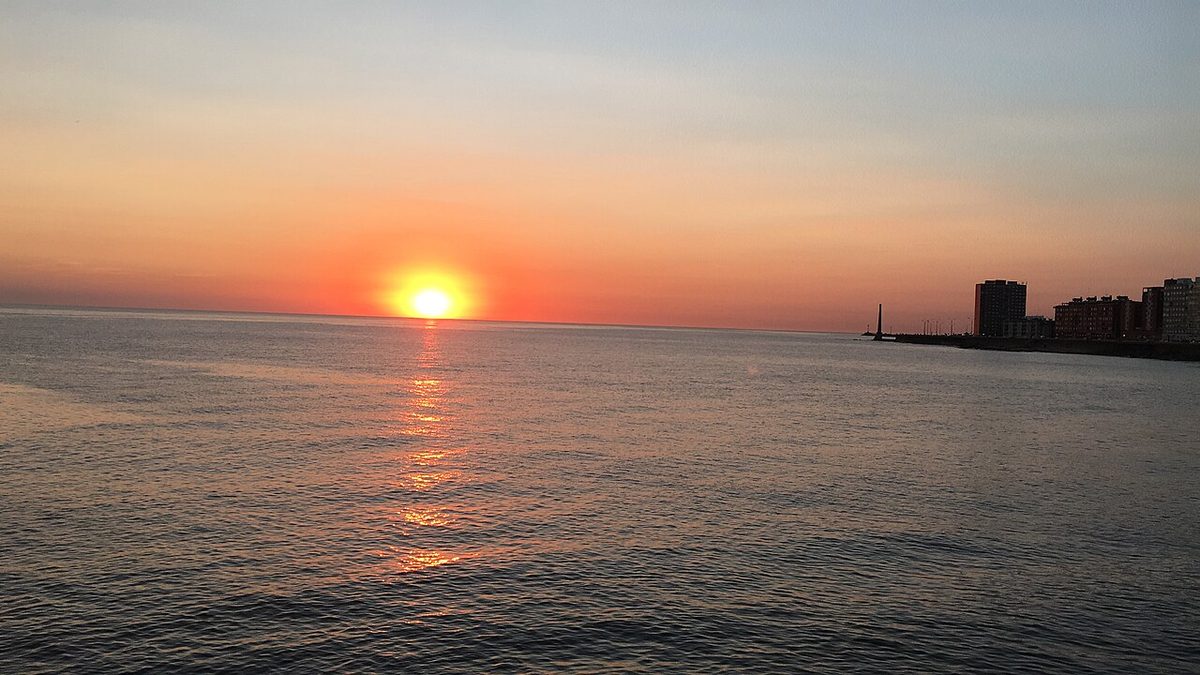
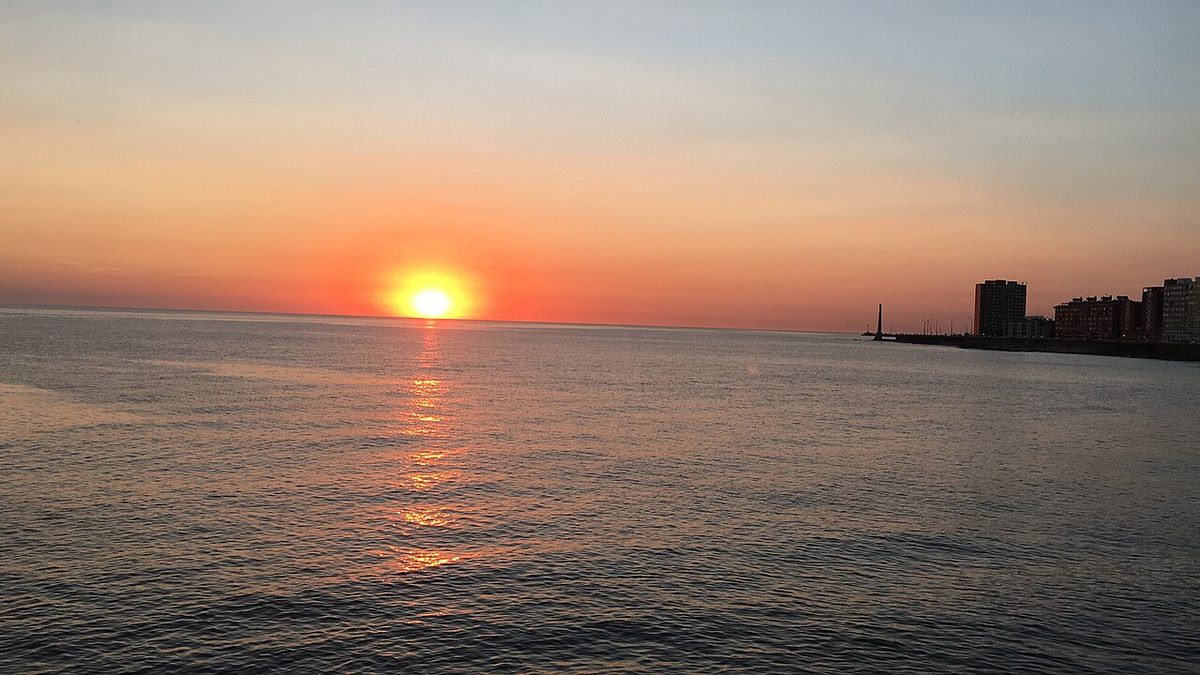
The first time I noticed it, I almost missed it. Two men were sharing a bench on the rambla in Montevideo, one resting his head on the other’s shoulder, watching the brown-gold river do nothing in particular. A family walked past with a thermos and mate gourd. Nobody looked twice. I’d just come from another South American capital where that same scene would have drawn stares, maybe worse, and the sheer ordinariness of it stopped me cold.
That ordinariness is the whole story of gay friendly Uruguay for queer travelers. It isn’t a marketing slogan stapled onto a few hotels, it’s a legal reality and a social default that runs from the constitution down to that bench. Marriage equality since 2013, a gender-identity law that’s among the most progressive on the continent, anti-discrimination protections older than most of the people reading this.
I’ve spent a fair amount of time here, in the cities and out in the gaucho interior, and I want to give you the honest version, not the brochure. So let’s get into where to go, when, what the scene actually looks like, and the one place where the welcome gets noticeably thinner.
Uruguay is, by most credible measures, the most LGBTQ-friendly country in South America and arguably in the Americas outside Canada. Same-sex marriage has been legal since 2013, anti-discrimination law covering sexual orientation dates to 2004, and a 2018 trans-rights law lets people change their legal gender without surgery or a diagnosis. In the cities, holding hands draws no reaction.
This guide is for LGBTQ+ travelers planning a trip here, whether that’s a long weekend in the capital or a two-week loop down the coast. I’ll cover the legal and social landscape in plain terms, Montevideo’s nightlife, the late-September Diversity March, Punta del Este in summer, where to stay, and a candid read on safety and public affection. For the broader route planning, I’ll point you to the main Uruguay itinerary guide rather than rebuild it here.
| At a glance | The short version |
|---|---|
| Marriage equality | Legal since 2013 (third in the Americas, after Canada and Argentina) |
| Anti-discrimination law | Sexual orientation protected since 2004 |
| Gender-identity law | 2018 law; legal gender change without surgery or diagnosis |
| Adoption by same-sex couples | Legal since 2009 |
| Big annual event | Marcha por la Diversidad, Montevideo, last Friday of September |
| Main gay nightlife | Montevideo (Centro / Cordon); summer scene in Punta del Este |
| PDA in cities | Completely normal, unremarkable |
| One honest caveat | Rural interior is far more conservative than the coast |
Why Uruguay earns the “gay friendly Uruguay” label
Plenty of places call themselves welcoming. Uruguay actually wrote it down. The legal scaffolding here is real, layered, and older than you’d guess for a country of only about 3.4 million people.
Start with the foundation. An anti-discrimination law covering sexual orientation and gender identity has been on the books since 2004, which predates similar protections in a lot of wealthier nations. Same-sex couples won the right to adopt jointly in 2009. Gay, lesbian, and bisexual people serve openly in the military.
Then came the headline. In April 2013 the Senate passed the Marriage Equality Act by a vote of 23 to 8, making Uruguay the third country in the Americas to legalize same-sex marriage after Canada and Argentina. Human Rights Watch and Amnesty International both flagged it at the time as a regional milestone, not a footnote.
The piece people overlook is the gender-identity framework. A 2018 trans-rights law lets transgender people change their legal name and gender marker without a medical diagnosis, hormone therapy, sterilization, or surgery, which is a genuinely high bar of self-determination. The World Bank has held Uruguay up as a global leader on LGBTI inclusion, and that’s a hard reputation to fake.
What does all that mean on the ground, as a traveler? It means the law is on your side in a dispute, and more importantly, it means the social temperature matches the legal one. Uruguay is aggressively secular for the region, the Church holds little political sway, and “live and let live” is close to a national personality trait. You’ll feel that long before you ever need a lawyer.
Montevideo: small scene, big heart
Let me set expectations honestly, because this matters. Montevideo is not Buenos Aires across the river, and it’s certainly not Berlin or Mexico City. The gay scene is small. There are a handful of dedicated venues, not dozens, and on a quiet Tuesday in winter you might wonder where everyone is.
Here’s the thing though: it makes up for size with a kind of unhurried warmth, and the whole city functions as gay-friendly space rather than the scene being walled off into one district. You’re as comfortable at a generic Cordon wine bar as at a flagged venue. For the lay of the land, the wider Montevideo city guide covers neighborhoods and logistics in depth.
Gay bars in Montevideo
The two names you’ll hear over and over are Chains and Il Tempo, and they work as a pair. Chains, in the Centro, is the warm-up: locals and visitors drift in during the early evening for a few drinks before the night gets serious. Last I checked there was a small minimum charge, roughly the cost of a drink or two, which is normal here.
Il Tempo is the main event. Before about 1am it’s a bar; after that it becomes a proper club with house and techno, a young mixed crowd of gay guys and their straight friends, and drag shows that genuinely deliver. It runs Thursday through Sunday and goes very late, sometimes until breakfast. Cover is modest. The catch is timing: if you show up at 11pm expecting a packed floor, you’ll be standing in an empty room. Uruguayans go out late, and I mean late.
Beyond those two, the scene scatters. There are gay-friendly bars around Cordon and Ciudad Vieja, occasional pop-up parties, and a long-running sauna in Cordon. The honest drawback for Montevideo nightlife is consistency: outside the late-September Pride window and the summer high season, options thin out and hours wobble, so always check socials the day-of rather than trusting a list (including this one).
Where the night lives: Ciudad Vieja and Cordon
The general nightlife you’ll actually spend most evenings in clusters in Ciudad Vieja, the old town, and along the Cordon and Centro corridor. This is bar-hopping territory, plenty of it gay-friendly by default, with old buildings, cheap-ish drinks, and a slow build that doesn’t peak until well after midnight.
Ciudad Vieja in particular has had a real revival, and it’s walkable and atmospheric after dark. I’d steer you to the Ciudad Vieja guide for the specifics on which streets are lively versus dead. And when you need to line your stomach before a 2am club, the city’s parrilla (grill) and bistro scene is excellent; the rundown of the best restaurants in Montevideo is where I’d start.

Montevideo Pride: the Marcha por la Diversidad
If you can time your trip to one thing, make it this. Montevideo Pride, properly the Marcha por la Diversidad (March for Diversity), happens on the last Friday of September, not in June like the northern-hemisphere calendar. In 2025 that fell on Friday 26 September, and 2026 will land on the last Friday of the month as well.
The scale surprises people. This is not a token parade. The march regularly pulls more than 30,000 participants through the heart of the city, and in a metro area this size, that’s enormous. It starts at Plaza Independencia, the city’s central square, and finishes at the steps of the Intendencia, the Montevideo city hall, where speeches and music take over.
What I love about it is the tone. It’s celebratory but it keeps its political teeth, more rights-march than corporate float parade, with a distinctly Uruguayan mix of activism, drag, families, and candombe drums. September is also broadly treated as diversity month in the city, so you’ll find film screenings, talks, and parties clustered around the date.

One planning note. Late September is spring here, shoulder season, and the weather can swing from warm sun to a cold wind off the river in the same afternoon, so pack layers. It’s a lovely, underrated time to visit generally; the guide to Uruguay in spring covers what else is happening, and the broader best time to visit Uruguay breakdown helps if Pride isn’t your only consideration.
Punta del Este: the summer gay-friendly hotspot
If Montevideo is the year-round heart, Punta del Este is the summer flex. From December through February this peninsula resort turns into the playground of the southern cone, packed with Argentines and Brazilians, and it’s thoroughly gay-friendly inside that glittery, moneyed chaos.
The anchor for queer visitors is Playa Chihuahua, a few kilometers west of the main peninsula. It’s Uruguay’s best-known clothing-optional beach and has long been the de facto gay beach, with a relaxed, sun-soaked crowd and a large clothing-optional section. It’s not signposted as an LGBTQ+ beach and the vibe is mixed rather than exclusive, but everyone knows what Chihuahua is.
Punta also throws its own summer Pride, typically in February, which makes it one of the very few South American beach towns with a dedicated queer event during peak season. It’s the opposite of the September march in spirit: less political, more party, set against the sand and the summer-house glamour. The nightlife the rest of the season skews mainstream-but-welcoming rather than dedicated-gay, so go for the beach-club energy, not a Chelsea-style gayborhood.
For the full picture of the resort, including the famous sculpture of fingers rising from the beach, see the Punta del Este guide. If you want quieter and chicer, the nearby fishing-village-turned-design-darling of José Ignacio is an easy add and well covered in the best beaches in Uruguay roundup.

The honest drawback for Punta del Este is brutal seasonality and price. Show up in January and it’s electric but eye-wateringly expensive, with hotels at peak rates and reservations essential. Show up in May and half the town is shuttered and you’ll feel like the last person on Earth. Plan around that calendar deliberately.
Where to stay as an LGBTQ+ traveler
Good news first: you do not need to seek out “gay hotels” here, because the default is acceptance. A same-sex couple checking in and asking for one bed is a complete non-event in Montevideo, Punta del Este, Colonia, and the coastal towns. Nobody blinks, nobody re-rooms you.

In Montevideo I’d base myself in Ciudad Vieja for atmosphere and walkability to the old-town nightlife, or in Pocitos if you want the beach-rambla, leafier-residential feel with easy transport. Both put you near the action without being in a party-noise zone. The Montevideo neighborhood guide breaks down the trade-offs block by block.
In Punta, your choice is really peninsula-versus-elsewhere. The peninsula is walkable, central, and where the summer buzz is; La Barra and José Ignacio are more boutique and design-forward but need a car. For a romantic trip, a lot of the country’s most swooning hotels are along this coast, and the Uruguay honeymoon guide doubles nicely as a same-sex couples’ splurge list. For the broad national picture across regions, the where to stay in Uruguay overview covers everywhere from city to estancia.
Safety, PDA, and the one honest drawback
I’ll be direct, because vague reassurance helps nobody. In Montevideo, Punta del Este, Colonia, and the populated coast, public displays of affection between same-sex couples are genuinely a non-issue. Hold hands, kiss goodbye at the bus terminal, share that rambla bench. I have never seen or heard of it provoking trouble in these places, and the data and the lived experience line up.
Uruguay is also one of the safest countries in the region overall, with the usual big-city petty-crime caveats. None of that risk is queer-specific; it’s pickpocket-and-phone-snatching stuff, the same advice any visitor gets. For the general rundown, the Uruguay travel tips piece is solid, and if you’re traveling alone the solo travel in Uruguay guide gets into safety specifics.
Now the honest drawback, and it’s a real one. The further you get from Montevideo and the coast into the rural interior, gaucho country, small farming towns, the deep north, the more conservative and Catholic things become. The law is identical everywhere, so you are protected. But the social ease that’s so striking on the rambla can fade in a one-street town in the interior, where a same-sex couple holding hands might draw the kind of second look you won’t get in the capital.
This isn’t hostility so much as unfamiliarity, and I’ve never felt unsafe in the interior, only a bit more visible. Plenty of queer travelers do estancia (ranch) stays and the wine-country routes without incident, just with slightly more situational awareness than they’d need in the city. If gaucho life calls you, the estancia guide is worth a read, and the same measured approach applies to the rural wineries.
Building it into a trip
You don’t need a separate “gay itinerary” for Uruguay, you need a good Uruguay itinerary that happens to be welcoming, which describes basically all of them. Most queer visitors I know build a loop that combines Montevideo’s culture and nightlife with a few days on the coast, and maybe Colonia del Sacramento on the way in from Buenos Aires.
For a first trip, a week is the sweet spot: a few days in Montevideo, a couple in Punta, a day in Colonia. The 7-day Uruguay itinerary maps exactly that, and it slots Pride or the Punta summer scene in cleanly depending on your dates. From there, the master Uruguay itinerary planner scales the same logic up to two weeks or down to a long weekend.
| If you want… | Go when | Base yourself |
|---|---|---|
| Montevideo Pride / the march | Last Friday of September | Ciudad Vieja or Centro, Montevideo |
| Beach + summer party Pride | December to February | Punta del Este peninsula |
| Quieter, cheaper, still warm | March to early April (autumn) | Montevideo + a coast day trip |
| City culture, low crowds | Winter (June to August) | Montevideo, Pocitos or Ciudad Vieja |
| Romantic couples’ trip | Shoulder season, Nov or March | José Ignacio / coastal boutique hotels |
Practical planning for LGBTQ+ travelers
A few things worth knowing before you book, beyond the rainbow-flag stuff.
Getting here is easiest via Buenos Aires, with a quick ferry across the River Plate to Colonia or Montevideo, or a short flight; the getting to Uruguay guide lays out ferries, flights, and buses. A huge number of visitors combine the two countries, and an Argentina and Uruguay itinerary is one of the great queer-friendly trips in the region, since Buenos Aires has one of the continent’s biggest gay scenes and Montevideo offers the calmer, more relaxed counterpoint.
On money and timing: summer (December to February) is peak everywhere on the coast, with the highest prices and the most life. Pride season in late September is shoulder, cheaper, and to my mind a smarter time to focus on Montevideo. Book accommodation early for both windows. Dining and going out happen late, so adjust your body clock; restaurants fill at 10pm and clubs don’t peak until 2am or later.
Language is the one practical friction. English is less widely spoken than in some tourist economies, so a little Spanish goes a long way, especially in the interior. People are patient and kind about it. And bring layers year-round; the maritime climate means even summer evenings on the coast can turn cool.
Gay friendly Uruguay: your questions answered
Is Uruguay safe for LGBTQ+ travelers?
Yes, broadly it’s one of the safest and most accepting countries in the Americas for queer travelers. Marriage equality dates to 2013 and anti-discrimination law to 2004. In Montevideo, Punta del Este, and the coast, public affection between same-sex couples is unremarkable. The main caveat is that the rural interior is socially more conservative, though still legally protected.
When is Montevideo Pride?
Montevideo Pride, the Marcha por la Diversidad, takes place on the last Friday of September, not in June. It draws over 30,000 people, starting at Plaza Independencia and ending at the city hall steps. September is treated as diversity month citywide, with related events around the march date, so plan a few days rather than just turning up for the Friday.
Are there gay bars in Montevideo?
Yes, though the scene is small. The two main venues are Chains, a centrally located early-evening bar, and Il Tempo, the city’s main gay club, which runs Thursday to Sunday with house music and drag shows until very late. Beyond those, much of Ciudad Vieja and Cordon nightlife is gay-friendly by default rather than segregated into one district.
Is Punta del Este gay-friendly?
Very much so, especially in summer. The resort fills with a glamorous regional crowd from December to February, Playa Chihuahua is the long-standing gay and clothing-optional beach, and Punta hosts its own beach-focused Pride event, usually in February. The nightlife skews mainstream-but-welcoming rather than dedicated-gay, so it’s more beach-club scene than gayborhood.
Can same-sex couples marry in Uruguay as foreigners?
Same-sex marriage has been fully legal in Uruguay since 2013, and the country is a genuinely welcoming place for a queer wedding or honeymoon. Requirements and residency rules for foreigners marrying there change over time, so verify the current civil-registry paperwork through official Uruguayan government sources before planning a destination wedding around it.
Final thoughts
Uruguay won’t dazzle you with the sheer size of its gay scene, and if you measure a destination by the number of clubs, it’ll come up short next to its neighbors. That’s not the point of this place.
What it offers instead is rarer: a country where your relationship is legally equal, socially ordinary, and met with a shrug rather than a stare across the parts you’ll spend most of your time. The bench on the rambla, the non-event hotel check-in, the 30,000 people marching in spring. Go for the warmth, the beaches, the beef, and the quiet decency of a place that figured this out early. Just pack a layer, learn a little Spanish, and read the room when you head inland.
Credits & sources
Sources & further reading
- LGBTQ rights in Uruguay (overview of laws and milestones)
- Human Rights Watch: Uruguay marriage equality approved (2013)
- Intendencia de Montevideo: Marcha por la Diversidad (official)
- IGLTA: Uruguay LGBTQ+ travel guide
Photo credits
All images via Wikimedia Commons: Rambla Montevideo Sunset by Marinna (CC BY-SA 4.0); Ciudad Vieja Montevideo Street by Felipe Restrepo Acosta (CC BY-SA 4.0); Plaza Independencia Montevideo by Alejandro albertti (CC BY 4.0); Punta Del Este Beach by Zulmabm (CC BY-SA 4.0); Jose Ignacio Village by Giuliana Pezzutti (CC BY-SA 3.0).