Solo Travel in Uruguay (Including Solo Female Safety) (2026)
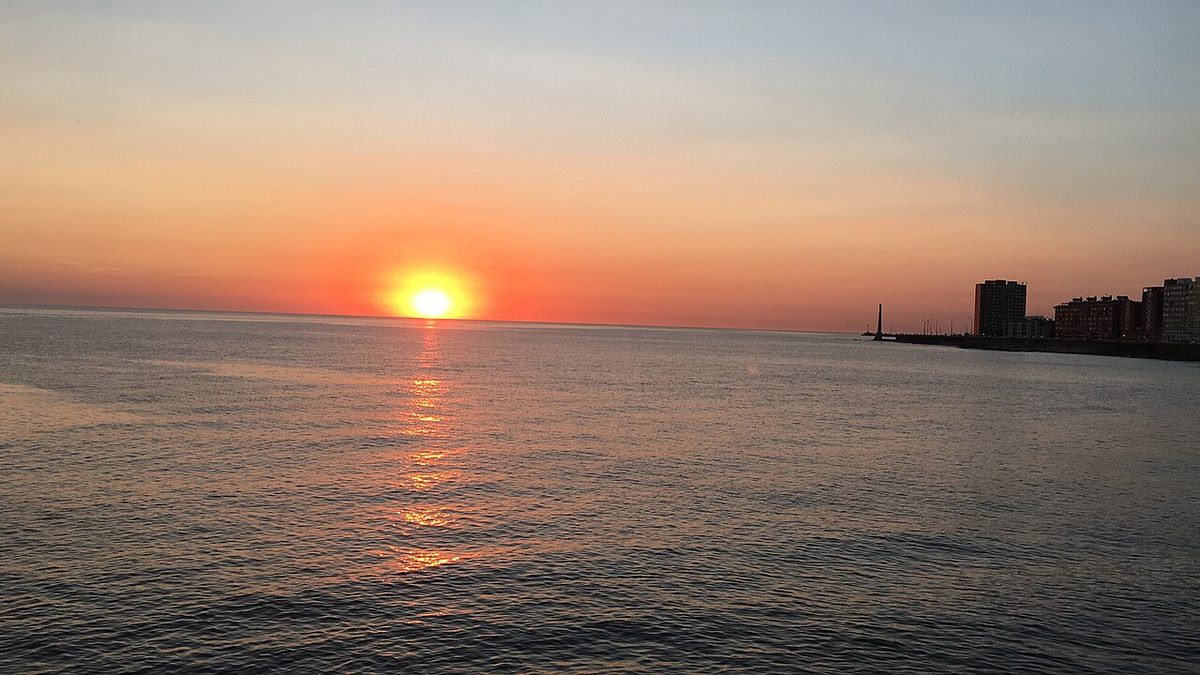
The first night I spent alone in Montevideo, I walked the rambla — the long seafront promenade that runs the length of the city — until nearly midnight, mate flask in hand because I’d already gone half-local. Couples, dog-walkers, teenagers, old men on benches. Nobody looked at me twice. I remember thinking that solo travel uruguay-style felt less like an adventure and more like being let into a quiet living room where everyone minds their own business.
That’s the thing people miss when they ask whether this country is “doable” alone. It isn’t thrilling in the backpacker-hub sense. It’s calm. And after a few weeks of moving through it on my own — Montevideo, Colonia, the wild beaches out east — I came to think calm is exactly what makes it one of the easier places in South America to travel by yourself.
So this is the honest version. Not “it’s totally safe, go!” but the neighborhood-level, bus-by-bus, eating-dinner-alone-on-a-Tuesday version I wish I’d had before I went.
Is solo travel uruguay actually a good idea? Yes — it’s one of the safest, easiest countries in South America to travel alone, including for women. Crime is mostly petty and concentrated in specific Montevideo pockets, the long-distance buses are excellent, and locals are reserved but helpful. The trade-off is that it’s quiet, so you’ll work a little to find a social scene.
This guide covers how safe Uruguay really is for solo travelers and specifically for women, where it’s easy to meet people, getting around alone by bus, budgeting and eating solo, the language, and the one honest drawback nobody warns you about. I’ll point you to the deeper sibling guides rather than rebuild them here.
| Place | Solo vibe | Safety note |
|---|---|---|
| Montevideo (Centro / Cordón) | Easy base, walkable, some hostel life | Very safe by day; normal city wits at night |
| Ciudad Vieja (Old City) | Gorgeous, great by day, fun bar nights on weekends | Lively Thu–Sat; dead and best avoided alone late on quiet nights |
| Colonia del Sacramento | Sleepy, romantic, easy day or overnight solo | Among the safest spots in the country, day or night |
| Punta del Diablo | Best solo-social scene in summer, surf-village energy | Very safe; sleepy and near-empty off-season |
| La Pedrera | Bohemian, small, easy to fall in with people in season | Safe; tiny, so transport planning matters |
| Punta del Este | Polished, pricey, more couples/families than solos | Very safe; expensive to do alone |
| Long-distance buses | Comfortable, reliable, the solo traveler’s lifeline | Safe, including at night; mind your bag at terminals |
How safe is solo travel uruguay, really?
Let me give you the boring, accurate answer first: Uruguay is consistently ranked the safest or near-safest country in South America, and as a solo traveler you’ll feel that most of the time. Violent crime against tourists is rare. What you actually need to manage is opportunistic petty theft — phones snatched, bags lifted, a distracted moment at a bus terminal — and that’s concentrated in a few predictable places.
I’m not going to relitigate the whole safety picture here because our dedicated guide to Uruguay’s safety does it properly. If you want the full statistical breakdown, scam list, and emergency numbers, read the honest take on whether Uruguay is worth visiting and the broader Uruguay travel tips rundown, which both go deeper on this than I will. Consider this the solo-specific layer on top.
The Montevideo neighborhood reality
Montevideo is where nearly all the country’s petty crime lives, and even there it’s hyper-local. The Centro, Cordón, Pocitos and Punta Carretas neighborhoods are comfortable to walk alone day and night — Pocitos especially feels like a calm residential beach suburb. I wandered those at all hours without a second thought.
Ciudad Vieja, the Old City, is the one that needs nuance. By day it’s the best part of town: cobbled streets, the port market, museums, café tables in the sun. On Thursday-to-Saturday nights the bar blocks around Bartolomé Mitre fill up and feel safe and sociable. But on a quiet weeknight, once the offices empty and the tourists leave, parts of it go genuinely deserted, and that’s when phone-snatchings happen. My rule: enjoy Ciudad Vieja by day and on weekend nights, and take a cheap taxi or Uber back rather than walking its emptier edges alone after dark.
The areas to be more deliberate about are around the Terminal Goes, parts of the Cerro, and the immediate blocks behind the main bus terminal, Tres Cruces, late at night. None of this is dramatic — it’s the same street-smarts you’d use in any mid-size city. Keep your phone in your pocket, not your hand, on a quiet street, and you’ve solved 90% of it.
Buses and nights: what I actually did
Long-distance buses at night are fine. I took them, plenty of solo women take them, and the terminals are well-lit and staffed. The vulnerable moment isn’t the journey — it’s the arrival, when you’re tired, disoriented, and standing in a terminal at 1 a.m. wondering which exit is which. Arrange your onward ride before you board, keep your daypack on your front through the terminal, and don’t accept help with your bag from anyone who isn’t visibly staff.
Walking alone at night in beach towns is a different and easier story. Colonia, Punta del Diablo, La Pedrera, José Ignacio — these are small and overwhelmingly safe. The risk there isn’t people; it’s unlit ripio (gravel) roads with no sidewalk and the occasional loose dog. Bring a headlamp or use your phone torch, and you’re set.

Uruguay solo female travel: the candid version
I’ll be direct because vague reassurance helps nobody. For uruguay solo female travel, this is one of the most comfortable countries on the continent. The machismo that can wear you down elsewhere in Latin America is noticeably dialed back here. Catcalling exists but is mild and infrequent compared with, say, parts of Argentina or Brazil. Several solo women I met on the road said the same thing unprompted: they felt more relaxed here than almost anywhere they’d been in the region.
That said, “safer than the neighbors” is not “switch your brain off.” Here’s what genuinely matters.
In Montevideo at night, the same Ciudad Vieja and bus-terminal caveats apply, just dial up the caution a notch. I’d skip walking the empty Old City streets alone late and take the taxi every time — it costs a couple of dollars and buys you total peace of mind. Rideshare (Uber and the local app) works well in the capital and is a solo woman’s best friend for late returns.
Drink-spiking is rare but not unheard of in the summer party spots of Punta del Este and the Rocha beach towns. The advice is the universal stuff: watch your drink, leave with people you arrived with or trust, and don’t get so deep into the fernet that you can’t read the situation. Honestly, the bigger “risk” for a solo woman in Uruguay is overspending in Punta del Este, not personal safety.
Where solo women tend to feel most at ease
Colonia del Sacramento is about as gentle an introduction as exists — tiny, walkable, romantic, and safe at any hour. It makes a perfect first solo stop, especially if you’re arriving by ferry from Buenos Aires. The full Colonia del Sacramento guide covers what to do, but as a solo woman I’d just say: this is the town where you exhale.

Pocitos in Montevideo, with its beach, rambla and café-lined streets, is the residential neighborhood I’d point a first-time solo woman toward for a base. And in summer, Punta del Diablo’s surf-hostel scene is welcoming and mixed in a way that makes solo female travelers feel part of a group fast rather than conspicuous.
One small practical note: pharmacies, period products and basic toiletries are easy to find in any town of size, and Uruguayan pharmacists are helpful. You won’t be hunting for anything essential.
The social scene: where it’s easy to meet people
Here’s where I have to be honest, because it’s the single most misunderstood thing about traveling alone here. Uruguay is not a backpacker highway. There’s no Gringo Trail momentum carrying a constant stream of twenty-somethings through party hostels the way there is in Peru or Colombia. If you arrive expecting that, you’ll be confused by how quiet it is.
But “quiet” doesn’t mean “lonely” — you just have to know where the social pockets are and when they’re switched on.
Montevideo
The capital has a real, if small, hostel scene clustered in Ciudad Vieja, the Centro and Cordón. The good ones run free walking tours, asados (the Uruguayan barbecue ritual), and bar crawls that make meeting people effortless even if you’re shy. Beyond hostels, the city’s café and bar culture is genuinely sociable on weekends — sit at the counter, attempt some Spanish, and Uruguayans warm up once you’ve broken the ice. There’s plenty to fill the days, too; skim the things to do in Montevideo if you want a structure to hang your week on.
Punta del Diablo
If you want the easiest place in the country to fall in with other travelers, it’s Punta del Diablo in summer — December through February. This scruffy fishing-village-turned-surf-town has a cluster of hostels right by the beach, communal dinners, bonfires, and a young international crowd. I met more fellow solo travelers here in two days than in a week elsewhere. It’s the closest thing Uruguay has to a backpacker hub, and it’s a good one.
La Pedrera and the Rocha coast
This neighbour up the coast is smaller and more bohemian — fewer dedicated party hostels, more a mellow, artsy crowd that gathers around a handful of bars and the famous sunsets. It’s easy to strike up conversation here in season. The whole stretch of the wild eastern coast has this low-key sociability when the weather’s warm; the Rocha coast guide maps out the towns from Cabo Polonio to the Brazilian border, and any of them can deliver a good solo summer.

The one honest drawback: it’s quiet
This is the warning I’d give a friend over the one I’d put in a glossy brochure. Uruguay’s defining solo-travel feature — its calm, low-key, un-touristed character — is also its one real downside if you’re craving energy. Off-season, roughly from April through November, the beach towns largely empty out. Hostels reduce hours or close. Punta del Diablo in June can feel like a ghost town with great waves and almost nobody to surf them with.
If you’re an extrovert who recharges off a buzzing social scene and you come outside summer, you may find Uruguay lonelier than you expected. There’s no shame in that — it’s just a mismatch of expectations. The fix is simple: come in the high season (December–March) if meeting people is your priority, and lean on Montevideo and Punta del Diablo as your social anchors. The shoulder months reward a different kind of traveler — one who likes solitude, empty beaches and lower prices. Check the best time to visit Uruguay before you lock in dates, because for solo travelers the timing matters more than it does for couples.
Getting around alone by bus
The single best thing about travelling alone in uruguay is the bus network. You do not need a car. The long-distance coaches are comfortable, punctual, affordable, and they connect everywhere you’ll want to go. As a solo traveler this is a gift — no driving fatigue, no navigating ripio roads at night, no parking, and you can nap or read while someone else handles the road.
Companies like COT, CUT, Agencia Central and Rutas del Sol run frequent services. From Montevideo’s Tres Cruces terminal you can reach Colonia in around two and a half to three hours, Punta del Este in about two hours, and the Rocha beach towns in four to five. Buy tickets at the terminal counter or online; in summer, book popular coastal routes a day or two ahead because they fill.
The whole transport picture — buses, the ferry from Buenos Aires, internal flights, and whether to bother renting a car — is laid out in the getting to (and around) Uruguay guide. For solo travelers my verdict is short: buses for everything, with the occasional taxi or rideshare for the last mile and for late nights.
One honest caveat about bus-only travel: the genuinely remote spots — Cabo Polonio, some inland estancias — take effort to reach without your own wheels, sometimes involving a transfer and a 4×4 shuttle over the dunes. It’s doable solo, just slower. Build in buffer time and don’t plan tight connections.
Solo budgeting: the real costs
Uruguay is the most expensive country in South America, and as a solo traveler you feel that more than couples do, because you can’t split a room, a taxi, or a bottle of Tannat. The good news is the savings levers are real and easy to pull.
Hostel dorm beds run roughly US$15–25 depending on season and town; a private room or simple guesthouse pushes US$45–80. Long-distance bus fares are gentle — most intercity hops cost well under US$20. A casual lunch (a chivito — the loaded steak sandwich that’s basically the national dish — or a slice of fugazza) lands around US$8–12. Punta del Este in January is where budgets go to die; everything inland and off-season is dramatically cheaper.
The smartest solo move is to lean into the free and cheap pleasures, because the best things here genuinely are low-cost: walking the 22 km rambla, lazing on public beaches, sipping mate in a plaza, browsing the Sunday Tristán Narvaja market. There’s a whole list of free and cheap things to do in Uruguay that’s tailor-made for a solo traveler watching the budget. Cooking in hostel kitchens and self-catering from the supermarket also cuts costs hard when you’re feeding only yourself.

Eating alone in Uruguay
Dining alone can be the most quietly intimidating part of any trip, so let me set you at ease: Uruguay is gentle on the lone diner. The food culture is centered on the parrilla (the grill) and the chivito, and you can eat both with zero awkwardness.
Mercado del Puerto in Montevideo — a cavernous hall of grills — is built for solo eating: pull up a stool at a counter facing the fire, order a tira de asado (short ribs) or a provoleta (grilled cheese), and watch the parrilleros work. Counter seating everywhere is your friend. The Mercado del Puerto guide explains how the stalls work, but the short version: no reservation, no judgment, just point and eat.

For lighter solo meals, the café culture carries you — a cortado and a media luna for breakfast, a chivito or empanadas for lunch, all easy to do with a book or your phone. Dinner runs late by northern standards, often 9 p.m. onward, so if you want company an earlier solo dinner at a parrilla or a hostel asado works well. If you want to actually understand what you’re ordering, the deep dive on Uruguayan food is worth a read before you go.
One drawback worth flagging: portion sizes here are built for sharing — an asado for one can defeat you, and ordering “a parrillada” solo often means a platter meant for two. Ask for a half portion (media porción) where it’s offered, or stick to the chivito, milanesa or empanadas when you’re flying solo.
Language: how much Spanish you need
You can travel Uruguay solo with very little Spanish, but a little goes a long way toward the human connection that makes solo travel worthwhile. English is spoken in Montevideo tourism, in Punta del Este, and in hostels, but it thins out fast in smaller towns and on buses. Locals are patient and kind with attempts at Spanish.
A few quirks: Uruguayan Spanish uses “vos” instead of “tú,” the double-L and Y are pronounced “sh” (so “calle” sounds like “ca-shay”), and you’ll hear Italianate intonation everywhere. None of it will trip you up much. Download an offline translation app, learn your numbers and greetings, and you’re fine. The mate ritual, by the way, is the fastest social shortcut there is — accept a gourd when offered and you’ve made a friend.
Building a solo itinerary
For a first solo trip I’d shape it around safety, ease, and social pockets rather than trying to see everything. A clean week looks like this: two or three nights in Montevideo to find your feet, a night or two in Colonia for the gentle reset, then east to Punta del Diablo or La Pedrera for beach and people. That’s all bus-connected and all solo-friendly. Queer travelers can run that same loop without much adjustment: same-sex marriage has been legal here since 2013, and I go through the country region by region in the guide to LGBTQ+ travel in Uruguay.
If you’ve got more time and want the full sweep — wine country, hot springs, the deep interior — the master Uruguay itinerary walks you through how to plan anything from three days to two weeks, and it’s the planning backbone I’d start from. Slot the solo-specific logic in this article on top of whichever route length you choose.
Should your trip be more about romance or a special occasion than backpacking — say you’re meeting a partner partway, or simply want the more polished, comfortable version of the country — the Uruguay honeymoon guide leans into the boutique hotels and quieter luxury that also happen to suit a solo traveler who’d rather spend on comfort and safety than save every peso.
Solo travel uruguay: your questions answered
Is Uruguay safe for solo female travelers?
Yes — it’s one of the safest countries in South America for women traveling alone, with noticeably milder street harassment than neighboring countries. The main risks are petty theft in a few Montevideo pockets and the universal nighttime common sense. Use rideshare for late returns in the capital, watch your drink in summer party towns, and you’ll likely feel very at ease.
Is it easy to meet other travelers in Uruguay?
It’s easy in the right places at the right time. Montevideo’s hostels and Punta del Diablo in summer are your best bets, with La Pedrera close behind. Off-season, the beach towns empty out and the social scene shrinks dramatically. If meeting people is a priority, come between December and March and base yourself where the hostels are.
Can I travel Uruguay solo without a car?
Absolutely — the long-distance bus network is excellent and reaches everywhere most travelers want to go, comfortably and cheaply. Solo travelers actually benefit, skipping driving fatigue and parking. The only spots that are awkward by bus are the truly remote ones like Cabo Polonio, which need a transfer. Pair buses with the occasional taxi or rideshare for late nights.
How much does solo travel in Uruguay cost?
Budget on the higher side for South America: figure roughly US$50–80 a day on a hostel-and-buses budget, more in Punta del Este or in peak summer. Solo travelers lose the splitting savings couples enjoy, so cook in hostels, eat chivitos at lunch counters, and lean on free pleasures like the rambla and the beaches to keep costs down.
Is Ciudad Vieja safe to walk alone at night?
It depends on the night. On Thursday-to-Saturday evenings the bar blocks are lively and feel safe. On quiet weeknights, once it empties out, the Old City can get deserted and that’s when phone-snatchings happen. Enjoy it freely by day and on weekend nights; take a cheap taxi or Uber back rather than walking its empty edges late.
Final thoughts
Uruguay won’t give you a wild solo-travel story to dine out on for years. What it gives you instead is a rare thing for a woman or anyone traveling alone in South America: the freedom to stop scanning over your shoulder and just be present. Walk the rambla at night. Sit at a parrilla counter. Accept the mate.
Come in summer if you want company, in the shoulder months if you want quiet, and either way let the country’s calm do its work. For a first solo trip on the continent, I can’t think of a softer landing — and that’s a compliment.
Credits & sources
Sources & further reading
- Ministerio de Turismo del Uruguay — the national tourism ministry’s official site.
- U.S. State Department: Uruguay travel information — current safety and entry guidance.
- UK FCDO: Uruguay travel advice — practical, regularly updated safety notes.
Photo credits
All images via Wikimedia Commons: Rambla Montevideo Sunset by Marinna (CC BY-SA 4.0); Ciudad Vieja Montevideo Street by Felipe Restrepo Acosta (CC BY-SA 4.0); Colonia Del Sacramento Street by Banfield (CC BY-SA 3.0); Punta Del Diablo Beach by rodoluca (CC BY-SA 3.0); Chivito Uruguay Food by TitiNicola (CC BY-SA 4.0); Mercado Del Puerto Grill by Felipe Restrepo Acosta (CC BY-SA 4.0).
2 comments