Uruguay Honeymoon: Romantic Hotels & a 10-Day Itinerary (2026)
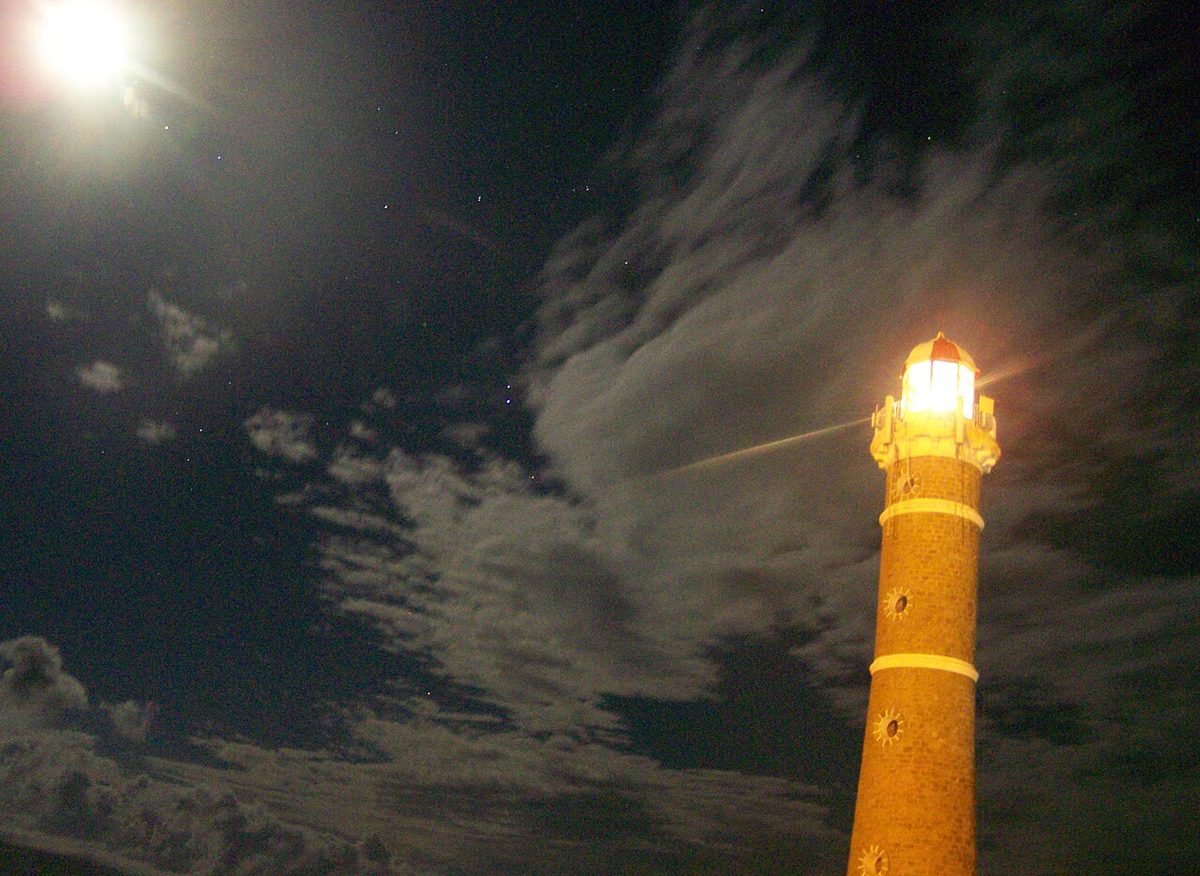
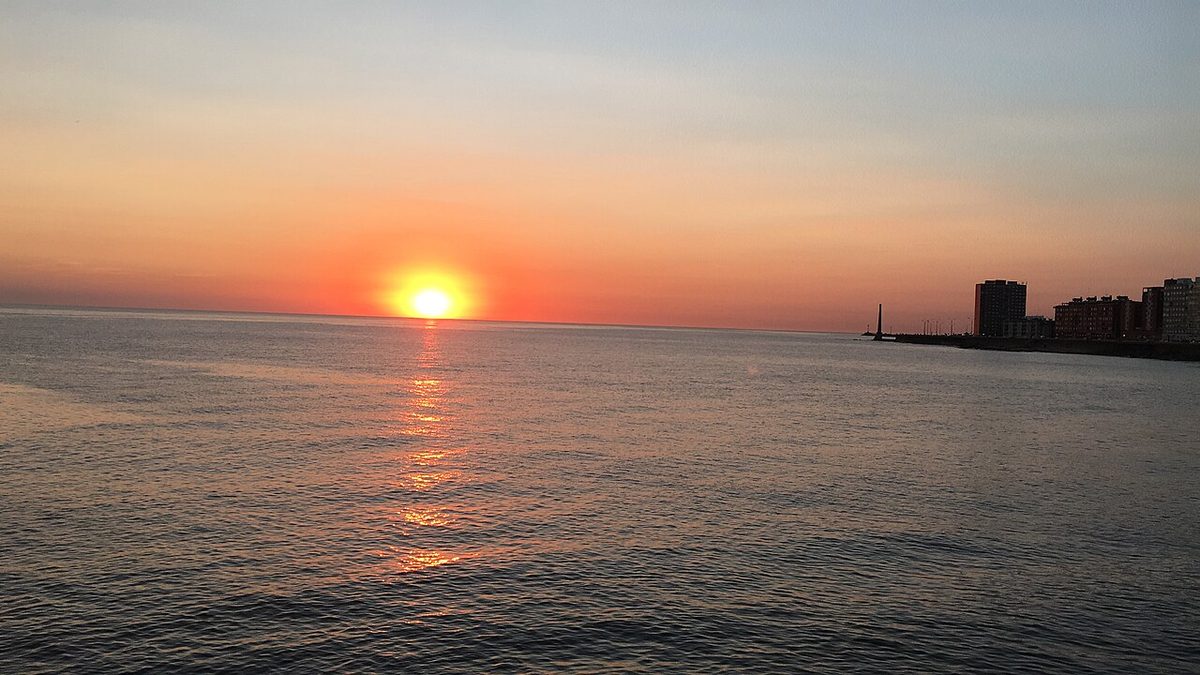
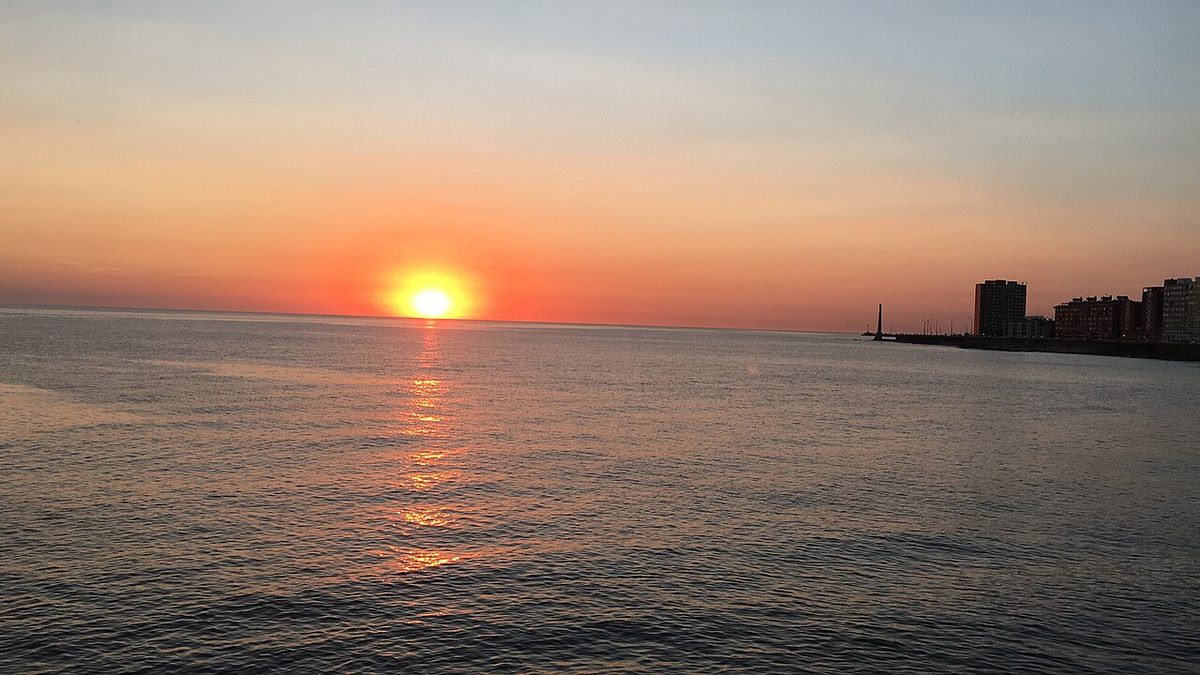
We arrived in José Ignacio late on a January evening, jet-lagged and slightly arguing about who had packed the wrong shoes. Then the road bent toward the lighthouse, the sky did that long pink thing it does over the water here, and the argument just stopped. My partner reached over and squeezed my hand. That was the moment the trip turned into the thing we’d hoped it would be.
A good Uruguay honeymoon is less about ticking off sights and more about a particular feeling: unhurried, a little wild at the edges, expensive only where you choose it to be. This is a country that does romance quietly. No crowds fighting for the same sunset, no resort strip with a hundred identical balconies. Just long beaches, candlelit parrillas, a few genuinely lovely hotels, and the kind of empty road that makes you feel like the only two people who found the place.
I’ve now done this trip twice — once newly married, once for an anniversary do-over — and made enough mistakes to save you some. Here’s how I’d plan it, where I’d actually stay, and the one honest catch behind each recommendation. The version of this trip with children along is a different animal entirely, and I’ve written that one up separately in the family guide to Uruguay.
A Uruguay honeymoon works best as a 10-day loop split between the chic-but-low-key beaches around José Ignacio and Punta del Este, a night or two in the wine country near Garzón or Carmelo, an estancia stay in the countryside, and a finish in Montevideo. Rent a car, build in slow mornings, and lean into long dinners — this is a slow-romance destination, not a sightseeing sprint.
This guide is aimed squarely at couples — it’s my take on Uruguay for couples specifically, rather than a general trip plan. If you’re planning the trip’s mechanics — drive times, where to start, how to sequence the days — I lean on the dedicated 10-day Uruguay itinerary for the logistics and keep this page focused on the romantic version: the hotels, the dinners, the sunsets, the deliberately slow bits. For the wider planning picture across every trip length, the main Uruguay itinerary guide is the hub I’d start from.
| Stop | The vibe | Nights |
|---|---|---|
| Montevideo (arrival) | Faded-grand city, easy first night, great food | 1 |
| Carmelo / Colonia | Riverside wine country, cobblestones, golden light | 2 |
| Estancia (interior) | Horses, silence, fireplaces, stars | 1 |
| José Ignacio | Barefoot luxury, the chic-est beach village | 3 |
| Garzón (wine country) | Vines, a famous restaurant, total calm | 1 |
| Punta del Este & Casapueblo | Glamour, the sunset terrace, one last splash | 2 |
That’s nine nights across ten days — the way these trips usually shake out once you count an arrival evening. You can shuffle the order, but I’d keep the structure: city, wine, countryside, then the coast as your grand finale. Below, I’ll walk through each stretch and tell you where I’d actually book.
Why Uruguay is so good for a honeymoon
Most honeymoon lists send you to the same dozen places, and Uruguay almost never makes the cut. That is exactly why it works, and why romantic getaways in Uruguay feel so private compared with the usual honeymoon islands. You get the polish of a luxury beach destination without the package-holiday crush, and you get it in a country that feels safe, slow, and refreshingly unbothered by you. That same calm — low crime, excellent buses, locals who leave you be — is also why it works for anyone travelling Uruguay alone, before or after the two of you meet up.
The romance here is specific. It’s the empty stretch of Playa Mansa at dusk. It’s a long lunch at a vineyard where you’re the only table that hasn’t ordered a second bottle. It’s the gaucho who saddles your horses without small talk because the silence is the point. If your idea of a honeymoon involves jet skis and a swim-up bar, this isn’t your country. If it involves reading on a deck while someone grills lamb over coals nearby, it very much is.
There’s also a practical romance to it. Distances are short — you can drive the whole loop without a single exhausting transfer day. The food is extraordinary and unfussy. And because the country leans pricey by South American standards but cheap by Caribbean-honeymoon standards, your budget stretches further than it would on most “official” honeymoon islands. If you’re still deciding whether the country earns a spot on your shortlist at all, my honest take lives over on is Uruguay worth visiting — the short version is yes, especially for two.
Best time to go for a romantic getaway in Uruguay
Timing changes the entire character of the trip, so decide what kind of honeymoon you want before you book flights.
December through February is high summer — warm seas, long evenings, José Ignacio at its glamorous peak. It’s also when prices spike and the chic crowd arrives, especially over the Christmas-to-mid-January window. I love it, but it is the opposite of a quiet getaway in late December. If you want the beaches without the scrum, aim for late February or early March, when the water’s still warm and the rosé crowd has thinned out. I break the trade-offs down by month on the best time to visit Uruguay.
For a winter honeymoon — roughly June to August — flip the whole concept. The coast goes quiet and many beach hotels close, but this is prime season for the cozy version: wood fires at an estancia, long lunches in wine country, and the steamy thermal pools of the Litoral. A spa-and-termas honeymoon in winter is genuinely underrated, and I make the case for it on Uruguay in winter. The drawback is real, though: if you’re set on swimming in the sea or experiencing José Ignacio’s buzz, winter will disappoint you, and you should plan a wine-and-countryside trip instead.
Romantic hotels in Uruguay, by area
This is the part couples actually want, so let me be specific. I’ll go area by area, hedge the prices honestly, and give you the one drawback for each so you book with eyes open. Rates move constantly and shift wildly between summer and winter — treat everything here as “around, last I checked,” not gospel.
José Ignacio: barefoot luxury
José Ignacio is the heart of a romantic Uruguay trip and the village I’d build the honeymoon around. It’s tiny — a lighthouse, a handful of restaurants, sand streets — and it has perfected a kind of barefoot luxury that never tips into flashy. I’ve written a full love letter to the place on my José Ignacio guide, but for couples, the headline is: this is where you splurge.
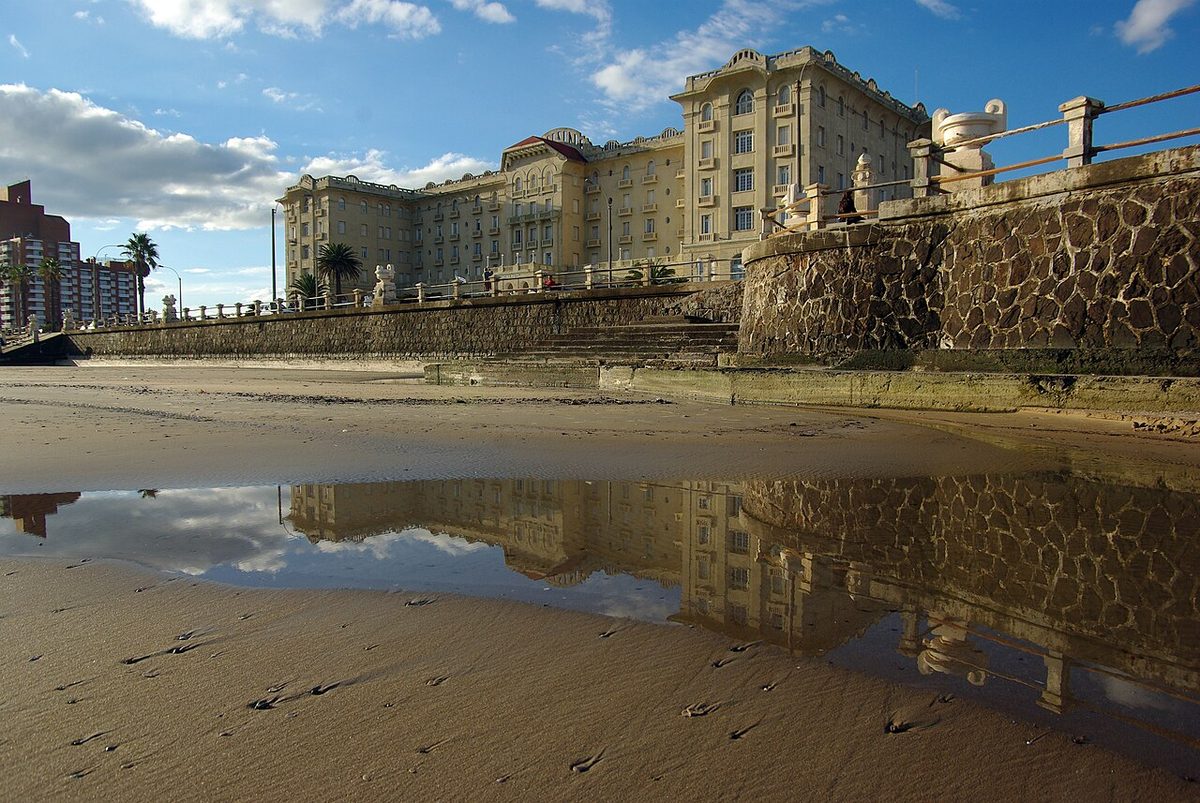
Playa Vik is the showpiece — a sculptural property right on the sand, all art and infinity pool and impeccable service. Expect to pay a small fortune in peak summer (think well north of US$700 a night when I last looked), but the shoulder-season rates soften considerably. The honest drawback: it’s a scene, and if you want total seclusion you’ll feel slightly on display.
For something gentler, Posada del Faro sits steps from the lighthouse with sea-view rooms and a pool that catches the afternoon light. It’s a touch more relaxed and ran somewhere around US$300–450 in shoulder season last I checked. The catch: rooms vary a lot, so it’s worth asking for one with a real ocean view rather than a garden glimpse.
The drawback that applies to the whole village: you really do need a car here, and almost everything shuts down outside summer. A José Ignacio honeymoon in July would be a ghost-town honeymoon.
Punta del Este & La Barra: a little more glamour
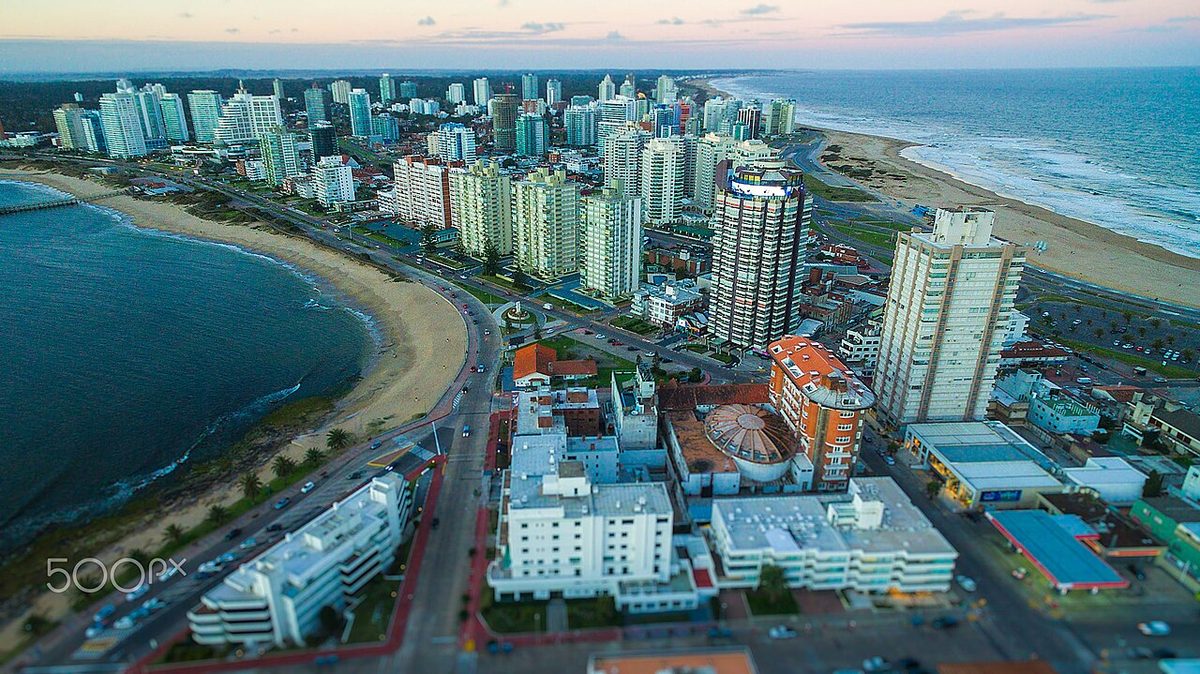
If you want a buzzier night or two — restaurants open later, a casino, more life around you — base part of the trip closer to Punta del Este. It’s flashier than José Ignacio and not to everyone’s taste, but a couple of nights here adds a fun contrast. I cover the lay of the land on where to stay in Punta del Este.
The Fasano Las Piedras, set inland between Punta and José Ignacio, is my pick for romance with space — private bungalows scattered across a hillside, a spa, a golf course, and serious privacy. It’s a splurge (roughly US$500-plus in season), and the one downside is that you’re not on the beach, so you’ll drive to the sand. For couples who’d rather have seclusion than surf, that’s a feature, not a bug.
In bohemian La Barra, smaller boutique posadas run far gentler on the wallet — often US$150–250 in shoulder season — and put you near good restaurants and a more artsy, low-key crowd. The trade-off is street noise on summer weekends, when La Barra’s nightlife kicks off and the area stops being sleepy.
Carmelo & the wine country: riverside calm
On the western, river side of the country, Carmelo is the great romantic surprise — vineyards, olive groves, and the wide Río de la Plata turning gold at sunset. The Carmelo Resort & Spa (a Hyatt) has forest bungalows, a spa, and a calm that’s hard to overstate; rates have sat around US$300–400 when I’ve looked. The honest catch: it’s a long way from the Atlantic beaches, so it works as its own slow chapter rather than a base for the coast.
Carmelo pairs naturally with a stop in Colonia del Sacramento, whose cobblestoned old town is one of the most quietly romantic places to walk at dusk anywhere in the country — full details on my Colonia del Sacramento guide. There’s deeper background on the region’s bodegas and Tannat on the Uruguay wine country page if you want to plan tastings properly.
Garzón: vines and a famous table
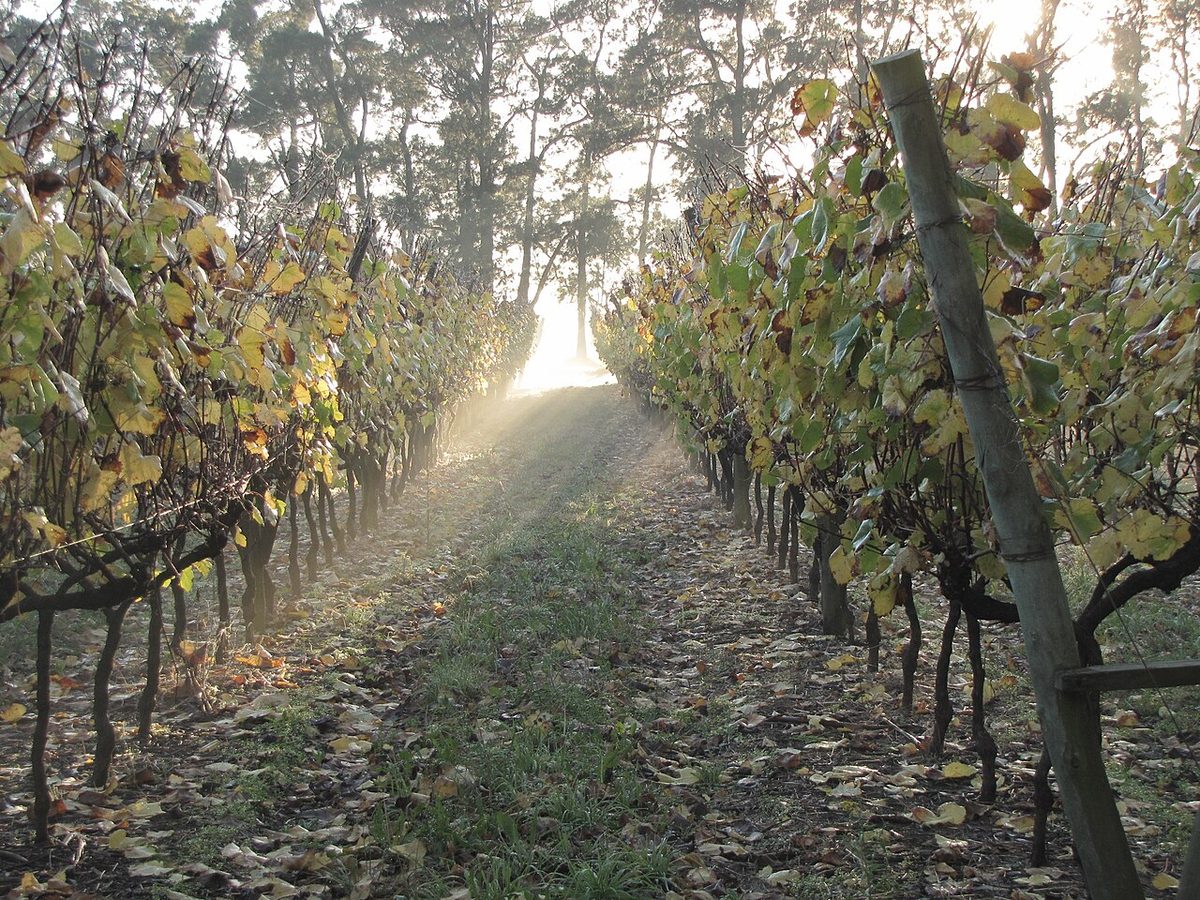
Inland from José Ignacio, the village of Garzón has become a tiny pilgrimage site for couples who love food and wine. The big draw is chef Francis Mallmann’s Hotel Garzón, with just a handful of suites above one of the most famous open-fire restaurants in South America. It is not cheap — the restaurant alone is a special-occasion splurge — and the rooms book out far ahead, which is the real drawback: you need to plan this one months in advance.
Nearby, the Bodega Garzón estate offers tastings and long lunches among the vines, and several smaller vineyard lodges have opened in the area. The vibe is total calm — vineyards to the horizon, almost no through-traffic, stars at night. The catch is the same as everywhere out here: without a car you’re stranded.
An estancia night: horses, fire, silence
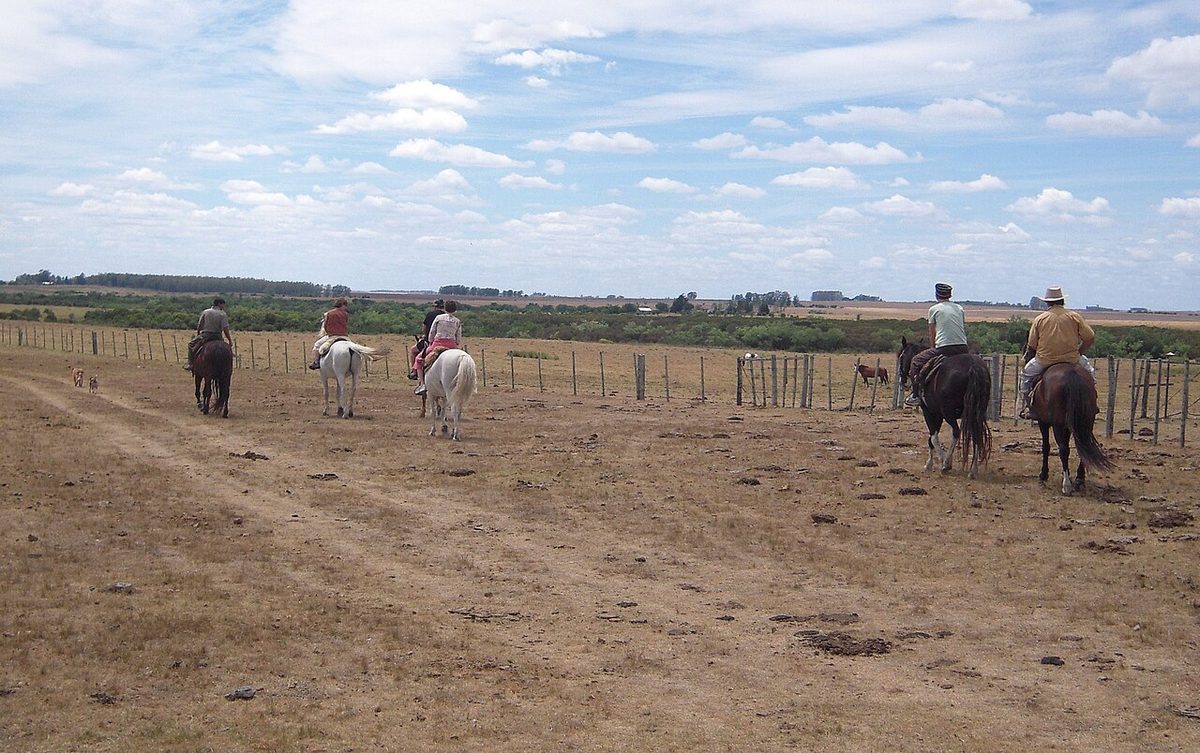
If you do one thing on this list, make it a night at an estancia — a working cattle ranch that takes guests. It’s the most distinctly Uruguayan romantic experience there is, and the one couples always tell me they remember most. Picture horseback riding at golden hour, an asado (barbecue) cooked over an open fire, no Wi-Fi to speak of, and a sky absolutely thick with stars. I go deep on how it works and which ones take couples on the estancia and gaucho country guide.
Places like Estancia Vik (the countryside sibling of Playa Vik) deliver this with serious style and a price to match. More modest family-run estancias in the interior run far cheaper — sometimes US$120–200 a night including meals — and feel more authentic, if less polished. The honest drawback: rural estancias can be isolated and basic, and one rainy day with nothing to do can test a couple’s patience. Treat it as one or two magical nights, not a week.
The romantic things to actually do
Hotels set the stage, but it’s the days that make the honeymoon. Here’s what I’d build the trip around.
The Casapueblo sunset
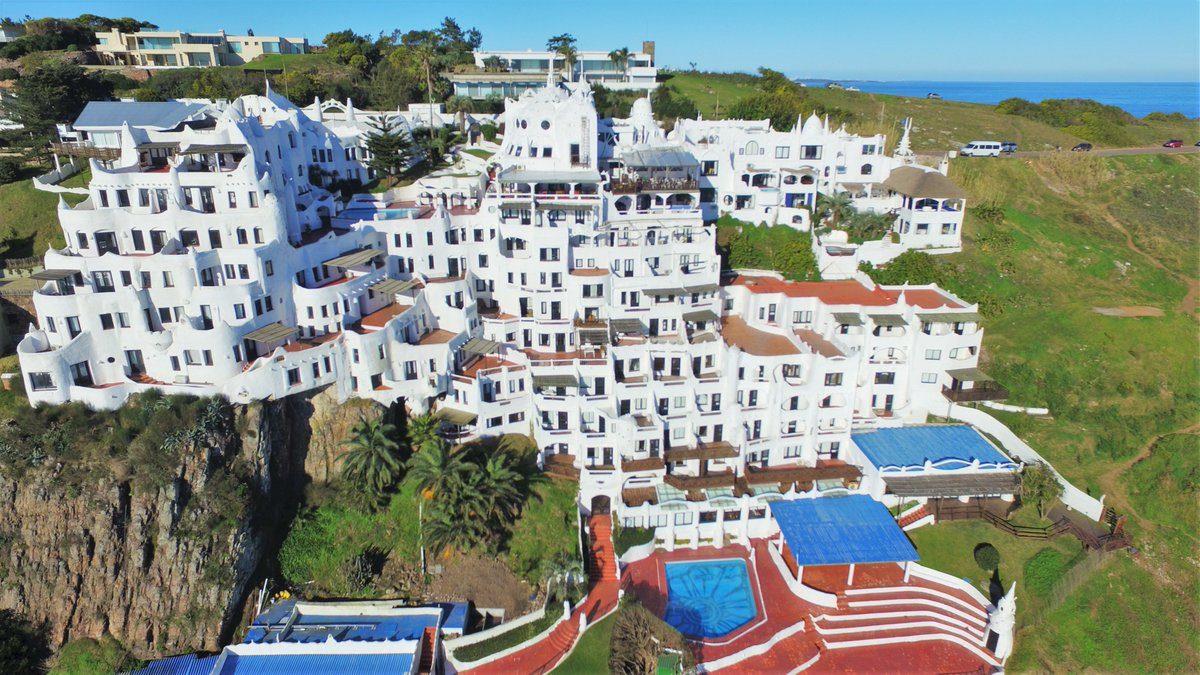
This is the one non-negotiable. Casapueblo, artist Carlos Páez Vilaró’s white, free-form sculpture-building tumbling down a cliff near Punta Ballena, hosts a daily sunset ceremony — a recorded poem, the sun dropping into the sea, the whole terrace going quiet. It is unapologetically romantic and worth the crowd. Go early, get a drink, claim a spot on the terrace. My full timing guide is on the Casapueblo page. The drawback: it’s popular, so it’s not a private moment — but it’s a shared one worth having.
Long, slow dinners
Uruguay’s food is built for romance because it’s built for time. A parrilla — a grill restaurant where short ribs and sweetbreads cook slowly over coals — is meant to be lingered over. In José Ignacio, La Huella is the legendary beachfront table (book ahead, especially in summer). Around Punta, the restaurant scene runs from polished to barefoot, and I round up the best on my Punta del Este restaurants guide.
Order a bottle of Tannat, the bold red Uruguay does better than anyone, and don’t rush. If you want to understand what you’re eating before you go — chivito, dulce de leche, the whole asado ritual — the Uruguayan food guide is a tasty bit of homework.
Spa days and winter termas
For a slower, more pampered thread, the country’s thermal springs in the Litoral region — around Salto and Daymán — are a quietly brilliant honeymoon idea, especially in the cooler months when steaming in an outdoor pool feels like a luxury. It’s a long drive west, so it suits a winter or wine-focused trip more than a beach one. The full rundown is on Uruguay’s hot springs. The catch: these resorts can be family-heavy and dated, so pick a quieter adults-oriented spa hotel if pure romance is the goal.
Empty beaches, just the two of you
The romance of the Uruguayan coast is space. Beyond the polished sand of Punta, you can find genuinely empty beaches where it’s plausibly just the two of you and a few seabirds. The wild Rocha coast, further east, takes this to an extreme — windswept, half-deserted, beautiful. I’d point you to the best beaches in Uruguay to choose your stretch. For a honeymoon I’d dip into Rocha for a day rather than base there, since the lodging is rustic and the wind can be relentless.
A sample 10-day romantic itinerary
Here’s how I’d thread it all together. This is the romantic overlay — for the nuts-and-bolts version with exact drive times and the reverse-direction option, send yourself to the 10-day Uruguay itinerary and read this alongside it.
Day 1 — Montevideo. Fly in, sleep off the journey, and have an easy first dinner in the old town. One night is plenty to land softly; the capital is more a bookend than a honeymoon highlight, though it’s a lovely one. See the Montevideo guide for a first evening.
Days 2–3 — Carmelo & Colonia. Drive west into wine country. Spend a night at a spa resort among the vines, a night in Colonia’s cobbled old town, and watch the river turn gold at sunset. Slow, golden, very few other tourists.
Day 4 — Estancia. Cut inland for a night on a ranch. Ride horses at dusk, eat an asado by the fire, and look at more stars than you’ve seen in years.
Days 5–7 — José Ignacio. The heart of the trip. Three nights of barefoot luxury, beach mornings, La Huella dinners, and absolutely nothing on the schedule. This is where the honeymoon actually happens.
Day 8 — Garzón. A short drive inland for vineyards and that famous open-fire dinner. One indulgent night among the vines.
Days 9–10 — Punta del Este & Casapueblo. Finish with a little glamour: the Casapueblo sunset, one last beach day, a final dinner, then the drive back to fly out. End on a high.
If your trip is shorter or longer, the structure flexes easily. Trim the estancia or a Garzón night for a tighter week; add Rocha or the termas to stretch toward two weeks. The main itinerary hub has versions for every length.
Planning the honeymoon: costs, cars & lead times
A few practical things that make or break the romantic version of this trip.
You will need a car. I can’t stress this enough for a couples’ trip. The magic here is the freedom to pull over for an empty beach or a vineyard sign, and the best hotels are scattered down sand roads buses don’t reach. Rent at Montevideo’s airport and keep it the whole trip. The one honest downside: ripio (gravel) roads near José Ignacio and in the interior can rattle a small rental, so don’t book the cheapest tin-can option.
Book the headline hotels early. The romantic places — Playa Vik, Hotel Garzón, the best estancia rooms — are small and fill months ahead for summer and holidays. If your honeymoon dates are fixed, reserve the marquee nights first and fill in around them. For the bigger picture on neighborhoods and trip-wide lodging strategy, where to stay in Uruguay is the overview.
Budget honestly. Uruguay is not a cheap-and-cheerful honeymoon; in peak summer the good hotels rival European prices. But you can dial it up or down — mixing one true splurge (a night at Playa Vik or Garzón) with gentler posadas keeps it special without bankrupting you. Shoulder season, late February into March, is the sweet spot for value and weather both.
Getting there. Most couples fly into Montevideo, or into Buenos Aires and cross by ferry — a surprisingly romantic way to arrive. The options are laid out on getting to Uruguay. A few travel basics — tipping, money, the mate everyone’s drinking — are worth a skim on Uruguay travel tips before you go.
Uruguay honeymoon: your questions answered
Is Uruguay good for a honeymoon?
Yes, and it’s underrated for one. You get luxury beach villages, excellent wine country, romantic estancias, and superb food without the crowds of more obvious honeymoon spots. It suits couples who want slow, scenic, and a little wild over resort buffets and nightlife. The main caveat is that you’ll want a car and a decent budget for the best hotels.
How many days do you need for a Uruguay honeymoon?
Ten days is the sweet spot — enough for wine country, an estancia night, and several unhurried days on the coast without a single rushed transfer. A week works if you skip the interior and focus on the beaches and one vineyard. Two weeks lets you add the wild Rocha coast or the western hot springs at a truly languid pace.
When is the best time for a romantic getaway in Uruguay?
Late February into March is my top pick: warm seas, long evenings, and far fewer people than the December–January peak. Full summer is glorious but busy and pricey. For a cozy winter honeymoon built around wine, estancias, and thermal spas instead of swimming, June to August is quietly wonderful — just know most beach hotels close.
Is Uruguay or Argentina better for couples?
They’re different moods. Argentina brings Buenos Aires’s tango-and-steak drama and Patagonia’s grandeur; Uruguay offers calm, space, and beach-village intimacy. Many couples do both, crossing by ferry. If you want quiet romance and empty beaches, lean Uruguay; if you want big-city energy and epic landscapes, lean Argentina. I compare them properly on the Uruguay vs Argentina page.
How much does a Uruguay honeymoon cost?
It varies enormously with season and how much you splurge. In peak summer, the marquee hotels run US$400–800-plus a night, while shoulder-season posadas can be US$150–300. Budget for a rental car the whole trip and long restaurant dinners. A realistic mid-to-high honeymoon, mixing one splurge with gentler stays, lands well below a comparable Caribbean trip.
Final thoughts
The thing I’d tell any couple is this: don’t over-plan it. Uruguay rewards the slow version of a honeymoon — the morning where you skip the beach and read on the deck, the dinner that runs three hours, the drive where you pull over for no reason. Book the few special hotels early, rent the car, and then leave room for the days to find their own shape.
That January sunset by the lighthouse is still the picture in our hallway. Not because it was a famous sight, but because it was ours, and almost nobody else was there. That’s the Uruguay honeymoon in a sentence — gorgeous, unhurried, and quietly yours.
Credits & sources
Sources & further reading
- Ministerio de Turismo del Uruguay — the national tourism ministry, for official regional and seasonal information.
- Uruguay Natural — official destinations — the government’s destination portal covering the coast, wine regions and interior.
- UNESCO — Historic Quarter of Colonia del Sacramento — background on the romantic riverside old town.
Photo credits
All images via Wikimedia Commons: Jose Ignacio Lighthouse Sunset by Pablo Torrado (CC BY-SA 3.0); Vineyard Garzon Uruguay by Viñavarelazarranz (CC BY-SA 3.0); Casapueblo Punta Ballena Sunset by Re Uruguayo (CC BY-SA 4.0); Estancia Uruguay Horses by Helge Høifødt (CC BY-SA 3.0); Playa Mansa Punta Del Este Beach by Marcelo Campi (CC BY-SA 3.0).