Uruguay Wine Country: Tannat, Regions & the Best Wineries to Visit (2026)

Uruguay wine deserves far more attention than it gets. The world’s fourth-largest South American producer makes inky, Atlantic-cooled Tannat and salty Albariño across four visitable regions — Canelones, Maldonado, Carmelo, and the far north — most within ninety minutes of Montevideo or Punta del Este. Here’s how to drink your way through it properly.
I’ll say this up front: the wine press has done Uruguay a strange disservice. Decanter and Wine Folly will tell you everything about granite soils and polyphenol counts, and almost nothing about how you, a person with a rental car and a free Tuesday, actually get to a tasting room. The travel side is where the magic is — family wineries where the person pouring is the founder’s granddaughter, lunches that run three hours, cellar doors with nobody else in them. This guide covers both: what makes the wine good, and exactly how to go drink it.
Uruguay Wine Regions at a Glance
Four regions matter for visitors. Here’s how they compare before we go deeper:
| Region | Base yourself in | Drive time | Known for | Best for |
|---|---|---|---|---|
| Canelones & Montevideo | Montevideo | 20–45 min from the capital | Old-school Tannat, family bodegas, ~60% of national production | Day trips without a car; history and value |
| Maldonado | Punta del Este or Garzón | 30–60 min from Punta | Glossy estates (Garzón, Viña Edén), ocean-cooled Albariño | Architecture, restaurants, big-budget days out |
| Carmelo (Colonia) | Carmelo | 1 hr from Colonia; 3 hrs from Montevideo | Boutique cellars, riverside calm, wine lodges | Romantics, cyclists, Buenos Aires escapees |
| Rivera & the north | Rivera | 5–6 hrs from Montevideo | Cerro Chapeu’s sandstone reds, zero crowds | Completists and road-trippers |
Why Uruguay Wine Is Worth the Detour

Some numbers first, because they explain the feel of the place. Uruguay has roughly 6,000 hectares of vines — about the same as Saint-Émilion, one Bordeaux appellation. Around 170 wineries operate commercially, and about 90% of them are family-owned. Production is small enough that the entire country makes less wine than one big Chilean brand. Nothing here is built for tour buses, because there aren’t enough tour buses to build for.
Uruguayans also drink most of it themselves. They’re the biggest per-capita wine consumers outside Europe — comfortably ahead of the British, roughly double the Chileans. Wine isn’t a luxury product here; it’s what lands on the table next to Sunday asado. That domestic culture is why visits feel like being let into somebody’s house rather than processed through a brand experience.
The climate is the other piece. Forget the irrigated deserts of Mendoza. Uruguay is green, humid and Atlantic, with 1,000–1,300mm of annual rain — the comparisons that get thrown around are Bordeaux and Galicia, and they’re fair. Cool ocean air keeps acidity high and alcohol moderate. The wines taste more European than almost anything else in South America, which surprises people who arrive expecting a Malbec clone.
The history is quick to tell. Basque and Italian immigrants planted vines in the 1870s — a Basque named Pascual Harriague gets credit for introducing Tannat near Salto around 1874. For a century the industry made rustic table wine for domestic thirst. Then the market opened in the 1980s and 90s, flying winemakers arrived, families like Pizzorno and Deicas converted to quality production, and a new generation of Uruguayan enologists started studying abroad and coming home with ideas. The last twenty years have been a steady run of gold medals and quietly stunned wine critics.
Tannat: The Grape That Found Its Home

Every wine country gets one signature grape, fairly or not. Argentina took Malbec, Chile claimed Carmenère, and Uruguay ended up with Tannat — a brooding, massively tannic variety from Madiran in southwest France that most of the wine world found too aggressive to bother with. Uruguay planted it because it was the only thing that reliably survived the rain. As Garzón’s general manager once put it, it was survival of the fittest: every other variety would lose a vintage or five, while Tannat delivered colour and acidity every single year.
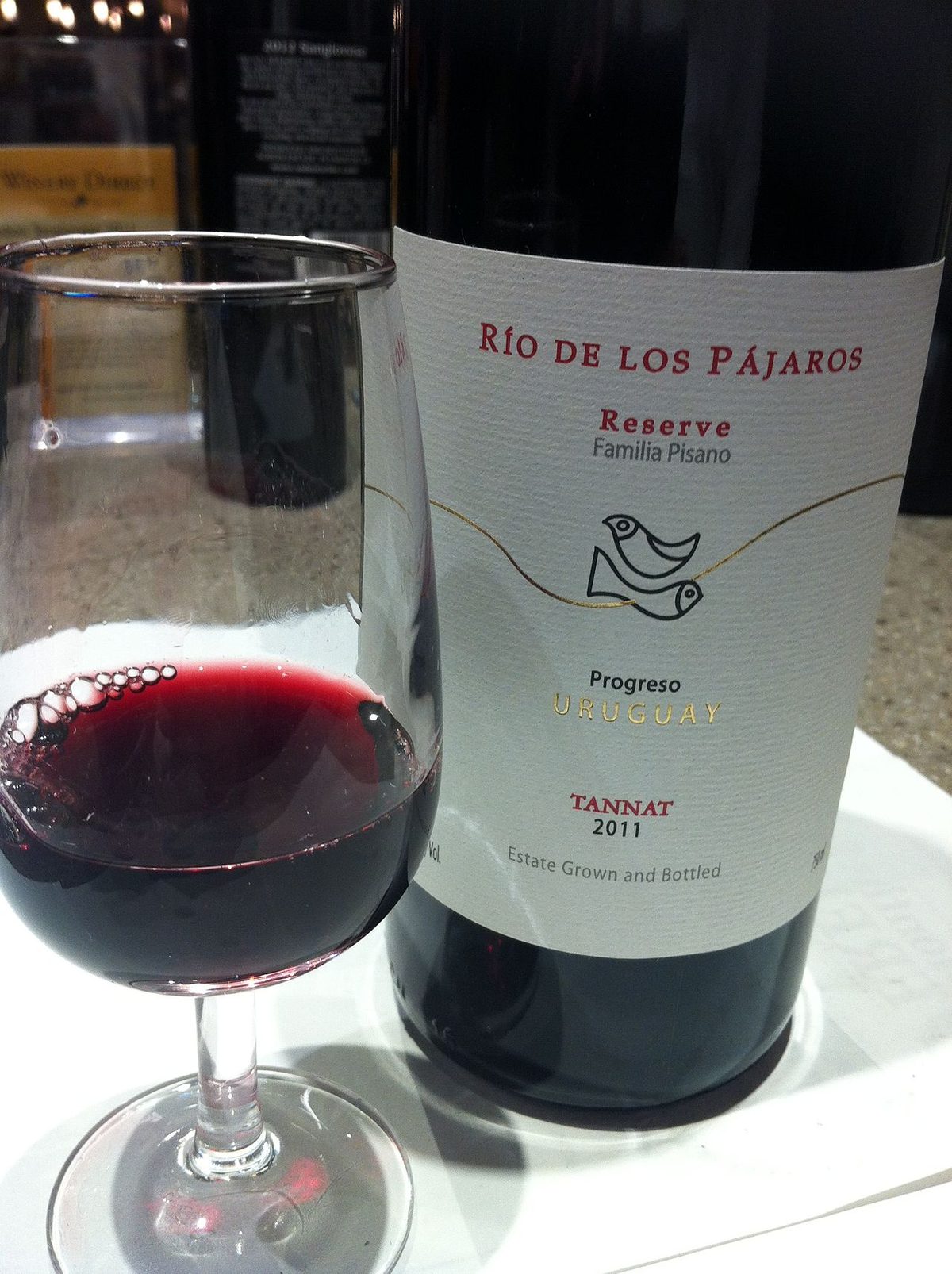
One in three bottles produced in Uruguay is Tannat, and it accounts for about 27% of all plantings. What does it taste like? Blackberry and black plum at the core, then leather, dark chocolate, a little smoke and spice. The colour is nearly opaque — hold a glass over this page and you won’t read much through it. Tannins are the grape’s calling card, but Uruguayan Tannat is noticeably softer and rounder than French Madiran, partly the maritime climate, partly winemaking choices. The modern style gets lighter extraction, juicier fruit, and reaches the shelf a year or two after harvest rather than a decade.
You’ll hear two more claims at every cellar door. First, that Tannat is the “healthiest” red wine — it does have the highest polyphenol and resveratrol levels of any major variety, though I’d file that under pleasant rationalisation rather than medical advice. Second, that it’s the perfect asado wine. That one I’ll defend to the death. Big tannins need fat and char, and a rack of ribs over wood embers is exactly that. If you want to understand why Uruguayans never abandoned this grape, drink it the way they do — alongside the meat-heavy cooking I covered in my guide to Uruguayan food.
Within Tannat there’s real range now: cheap and cheerful young versions around US$8 in the supermarket, single-vineyard bottlings from old Harriague-era massal selections, rosés, even a local tradition of Tannat with cola at country barbecues (called “vino con Coca” — try it once, tell no one). The grape rewards curiosity.
Beyond Tannat: Albariño and the Quiet White Revolution
Here’s the twist nobody saw coming in a country of beef and red wine: the whites might be the most exciting thing happening. Uruguay’s cool, damp Atlantic climate produces natural acidity that arid wine countries would kill for, and the variety leading the charge is Albariño — the grape of rainy Galicia in Spain, first planted here in 1954 by Galician immigrants and revived commercially by the Bouza family in the 2000s.
Uruguayan Albariño is stone fruit and citrus with a saline, sea-spray finish, and from a producer like Bouza or Garzón it stands comparison with good Rías Baixas. Garzón’s version became the country’s unofficial second flag. Beyond that, look for barrel-fermented Chardonnay (Familia Deicas’ Preludio has been a benchmark for years), Sauvignon Blanc from the coast, Viognier, and oddballs like Petit Manseng, Marsanne and even Nebbiolo from the experimentalists. Moscatel de Hamburgo — Black Muscat — is quietly the country’s second most planted grape, mostly for rosés and sweet wines that rarely leave Uruguay.
Merlot, Cabernet Franc and Marselan round out the reds. Cabernet Franc in particular is developing a cult following among local sommeliers; if you see one from Pizzorno or Garzón on a list, order it.
The Wine Regions, Properly Explained
Canelones & Montevideo: The Engine Room

If Uruguay wine has a heartland, this is it. The department of Canelones, draped over gentle clay-and-granite hills just north of the capital, holds well over half the country’s vineyards and the large majority of its wineries. The original immigrant families planted here for a practical reason: it was a horse-cart ride from the port of Montevideo. A hundred and fifty years later, that accident of logistics is a traveler’s gift — you can be tasting at a fourth-generation bodega twenty-five minutes after leaving your hotel downtown. I can’t think of another capital city with serious wine country this close. Studies have compared Canelones clay to parts of Bordeaux, and the old-vine Tannat grown on it has a structure the newer regions haven’t matched yet.
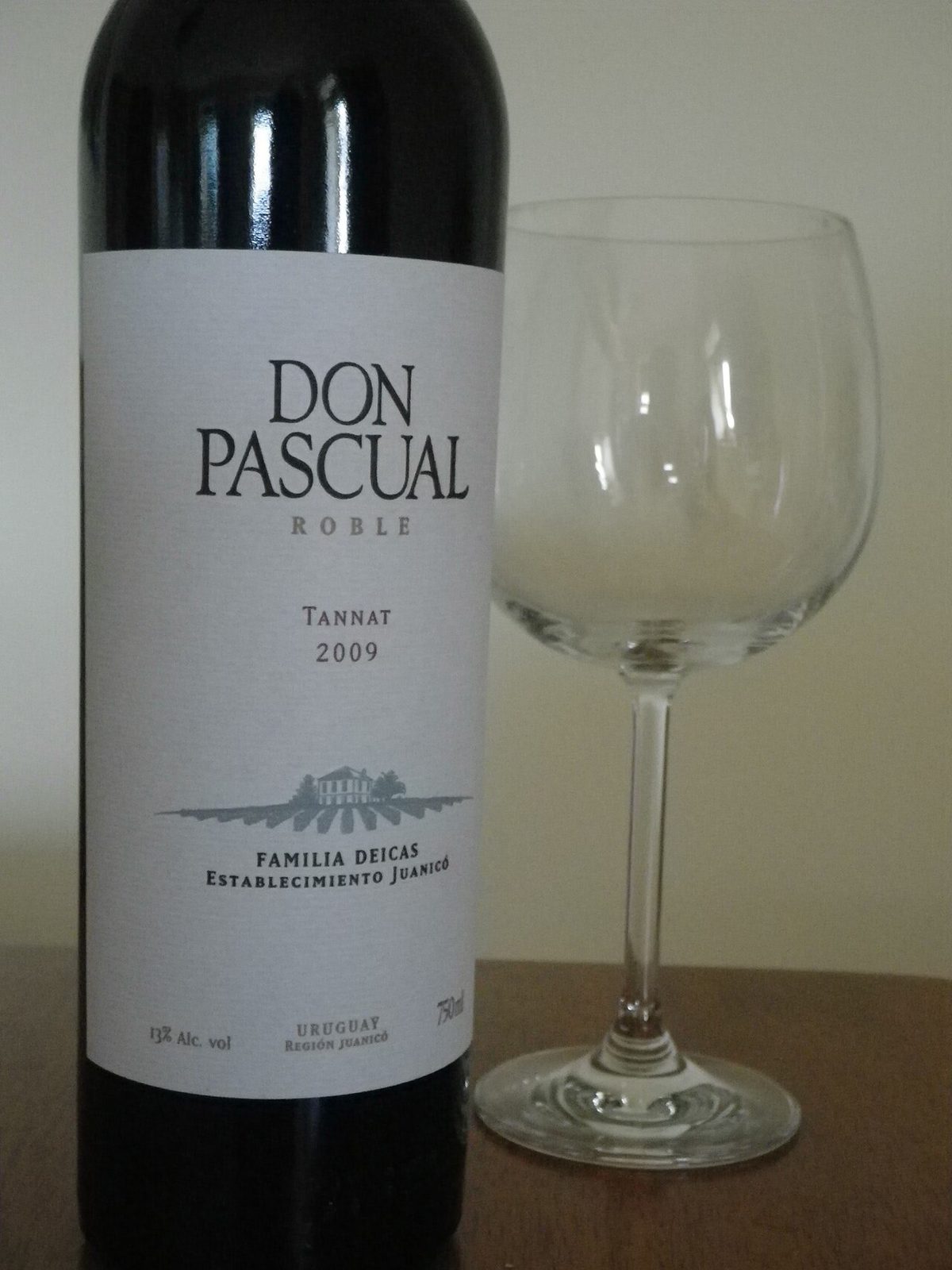
The names to know: Establecimiento Juanicó (the Deicas family operation, with cellars dating to the 1830s), Pizzorno, Marichal, Pisano in Progreso, Bodegas Carrau, Castillo Viejo, Varela Zarranz with its photogenic lyre-trained vines, and Bouza, which is technically inside Montevideo department in semi-rural Melilla. Most are small, most require a heads-up before you visit, and tastings tend to run around US$25–50 with generous pours and frequently a family member doing the pouring.

Base yourself in the capital and treat the wineries as half-day outings — my Montevideo guide covers the city side of that equation. The honest drawback of Canelones: it’s farm country, not postcard country. Flat fields, working sheds, the occasional highway hum. You come for what’s in the glass and who’s pouring it, not for alpine drama.
Maldonado: The Glamorous Upstart
Drive an hour and a quarter east of Montevideo and the landscape changes — granite hills, palm groves, ocean light. Maldonado is Uruguay’s newest and most ambitious wine region, planted seriously only since Alto de la Ballena pioneered it in 1998. The Atlantic does the work here: cooler ripening, ferocious freshness, and free-draining granite that Tannat and Albariño both love.
The region’s flagship is impossible to miss. Bodega Garzón is a US$100-million estate built by Argentine billionaire Alejandro Bulgheroni, complete with a Wine Enthusiast “New World Winery of the Year” trophy (2018), olive groves, a restaurant overseen by Francis Mallmann, and tasting rooms with views across rolling hills to the sea haze. It’s spectacular and it knows it. Nearby, Viña Edén pairs modern architecture with picture-window vineyard views, Alto de la Ballena still makes some of the country’s best Syrah on a whale-watching hillside, and Cerro del Toro grows vines practically into Piriápolis itself.
This is the natural wine region for anyone already holidaying on the coast — most estates sit thirty to forty-five minutes from Punta del Este, and tasting menus here slot neatly into a beach trip. Budget accordingly: Garzón’s experiences start around US$60–90 and climb steeply, which buys polish but loses the someone’s-grandmother-made-this intimacy of Canelones.
Carmelo & Colonia: Slow Wine Country

In the far southwest, where the Río de la Plata narrows toward Buenos Aires, Carmelo might be my favourite corner of Uruguay wine country — not for the wine, which is very good, but for the pace. The New York Times once called it Uruguay’s answer to Tuscany, which oversells the architecture but gets the rhythm right. Eight or so boutique wineries sit among eucalyptus and riverside lanes: Narbona (a restored 1909 estate with a wine lodge, next to an 18th-century chapel), Familia Irurtia (the big one, a century of family history), Campotinto, El Legado (three thousand bottles a year — the founder will probably pour for you), Zubizarreta, Cordano with its creaky general-store cellar, and Los Cerros de San Juan, which claims the country’s oldest winery title from 1854.
Carmelo works best as a two-day stay with a bicycle, ideally bolted onto a visit to Colonia del Sacramento an hour down the road, or as a first stop after the ferry from Buenos Aires — the Carmelo crossing from Tigre is covered in my getting to Uruguay guide. The drawback is the flip side of the charm: services are thin, some wineries effectively close outside summer, and if nobody answers the phone, they’re simply not opening that day. Patience required.
Rivera & the North: For the Committed
Five-plus hours north, on red sandstone hills along the Brazilian border, Cerro Chapeu (the Carrau family’s northern outpost) makes some of Uruguay’s most distinctive reds — deeper soils, drier air, longer sun. Salto and Paysandú along the river add a handful more producers, and Salto is where Harriague first planted Tannat in the 1870s. None of this is practical as a day trip; it’s road-trip territory, best combined with the hot-springs corridor in the country’s northwest. The reward for the drive is tasting wines almost nobody outside Uruguay has met, often with the winemaker, often for almost nothing.
The Wineries Worth Your Time

You could spend a month working through Uruguay’s cellar doors. If you have three or four slots, these are the ones I’d argue over, each with the catch nobody mentions:
Bodega Bouza (Melilla, Montevideo). The complete package: restored 1940s bodega, vintage car collection, benchmark Albariño and single-vineyard Tannats, and a restaurant that justifies the trip on its own. Twenty minutes from downtown Montevideo, which is exactly why you must book days ahead — it’s the one winery every visitor knows about, and lunch tables vanish, especially December through February.
Bodega Garzón (Maldonado). The showpiece, and yes, it lives up to the brochure — the building alone is worth an hour. The Albariño and the Balasto blend are world-class. The catch: it’s the least personal visit in Uruguay. You’ll be one of many, the experience is polished to a corporate sheen, and prices for tastings and the Mallmann restaurant are pure Punta del Este. Go, but pair it with somewhere tiny the same week.
Pizzorno (Canelón Chico, Canelones). Fourth-generation estate that helped lead the quality conversion in the 90s. Excellent across the range — their sparkling and Cabernet Franc surprise people — with tastings in the original family cellar, plus a small guesthouse among the vines. Drawback: the surroundings are pancake-flat farmland; this is an inside-the-glass experience.
Narbona Wine Lodge (Carmelo). A 1909 farmhouse turned five-room Relais & Châteaux lodge, with Tannats from some of the country’s oldest vines and house-made dulce de leche in the store. Romantic to the point of parody. The catch is the price tag — rooms commonly clear US$400 — and day visitors can find the restaurant fully taken by lodge guests in season.
Alto de la Ballena (Sierra de la Ballena, Maldonado). The pioneers of the modern Maldonado scene, pouring on a hillside where you can sometimes spot whales in spring. Their Syrah and Tannat-Viognier are personal favourites. It’s a small family operation: visits are by appointment only, and facilities are simple — no restaurant, no shop theatre, just very good wine and a view.
Marichal (Etchevarría, Canelones). Fifth-generation growers who sold grapes for decades before bottling their own; their Reserve Collection Tannat is one of Uruguay’s best value-for-money reds, and the family-led harvest experiences in February and March are the real thing. Drawback: modest infrastructure and limited English on some visits — charming if you lean in, awkward if you don’t.
Cerro Chapeu (Rivera). For the pilgrimage-minded: a dramatic gravity-flow winery dug into a sandstone hilltop, run by a branch of the Carrau family, producing reds with a depth nothing in the south matches. The obvious catch is the 470km drive from Montevideo. Combine it with the northern hot springs or don’t bother.
Viña Edén (Pueblo Edén, Maldonado). Glass-walled tasting room above a bowl of vines and sierra, with electric-vehicle vineyard tours and a serious sparkling program. The drawback is that it trades on the view — on a grey day, half the ticket price evaporates.
Planning a Uruguay Wine Trip: The Practical Part

Book everything ahead. This is the single most important sentence in this guide. Uruguayan wineries are not Napa: there are no drop-in tasting bars with printed menus and a guy named Chad. Almost every visit — even at big names — is by reservation, usually via WhatsApp or email a few days out. The payoff for this minor friction is that when you arrive, they’re expecting you, not a crowd.
Do one or two wineries a day, maximum. Visits here are long — ninety minutes to two hours is normal, and a winery lunch will swallow an afternoon whole. Cramming four into a day, Napa-style, is physically possible and socially baffling to your hosts. Two with lunch in between is the civilised rhythm of the place.
Costs, roughly. Standard tastings run around US$25–50 at family wineries in Canelones and Carmelo; premium experiences at Garzón, Bouza or Narbona sit around US$60–120, more with lunch. Last I checked, most wineries credit part of the tasting fee against bottle purchases. Supermarket Tannat starts around US$6–8; very good bottles rarely pass US$25 retail, which after a week here will permanently damage your tolerance for restaurant markups back home.
Getting around. Uruguay enforces a zero-tolerance drink-driving law — 0.0 blood alcohol, no exceptions — so the rental-car-plus-spitting approach is a genuine discipline test. Realistic options: a taxi or Uber to close-in wineries like Bouza (entirely doable from Montevideo), a private driver or organised tour for a Canelones or Maldonado day (figure around US$150–250 per person with tastings), or basing in Carmelo and cycling between cellars, which is both practical and the most fun option in the country. There’s no useful public transport to any winery; don’t plan around buses.
When to come. Harvest is the show: it kicks off with whites in early February and runs to mid-April, with Tannat traditionally last off the vine. February and March bring grape-treading events, harvest lunches and the Vendimia festival atmosphere in Canelones — some wineries let you pick and tread grapes yourself. Late autumn (April–May) means golden vineyards and zero crowds; winter visits move into the cellar, which has its own appeal; spring is green and quiet. January works but coastal wineries fill with the Punta crowd. The broader seasonal calculus is in my best time to visit Uruguay guide.
Which Wine Region Suits Your Trip?
City-based, no car, three days in Montevideo: Bouza by taxi, a Canelones half-day tour, and the long wine lists at the city’s bodegones. You can have a complete wine education without ever renting a vehicle.
Beach holiday in Punta del Este: Garzón plus Viña Edén or Alto de la Ballena as a one-day inland loop. Book the lunches, not just the tastings.
Coming from or going to Buenos Aires: Route through Carmelo. Ferry across, two slow days of bicycles and boutique cellars, then onward via Colonia. It’s the most atmospheric wine entry into the country by a distance.
Serious wine traveler with a week: All three southern regions in a loop — Carmelo, Canelones, Maldonado — with the north as the optional fourth movement. That’s essentially the route I sketch in my Uruguay itinerary guide, with extra tasting stops.
Traveling with non-drinkers or kids: Maldonado wins — estates like Garzón have grounds, food and views that work for everyone, and the beaches of Rocha are close enough to split the day.
Buying Wine and Getting It Home
Cellar-door prices are fair and the selection at any Tienda Inglesa supermarket is genuinely good, so don’t panic-buy at the first winery. For flying home, most airlines into the US and Europe allow a checked case if it’s packed properly; wineries will box bottles for you, and a padded wine suitcase pays for itself in one trip. US customs allows you to bring in wine for personal use with duty that’s trivial in practice; EU allowances from outside the bloc are tighter but rarely enforced harshly for a few bottles. The wines that make sense to carry are the ones that don’t export: small-producer Tannats, Carmelo bottlings, anything under a thousand cases. Garzón you can buy at home; El Legado you cannot. Cash logistics and other money matters are covered in my Uruguay travel tips.
A Three-Day Uruguay Wine Itinerary
If wine is the organising principle of your trip rather than a side quest, here’s the shape I’d give three days, assuming you land in Montevideo or arrive on the ferry. It strings together the two most rewarding southern regions without ever feeling rushed.
Day 1 — Montevideo and Melilla. Ease in. Spend the morning in the Ciudad Vieja and the Mercado del Puerto, where a medio y medio (half still white wine, half sparkling — a Montevideo institution) with grilled provolone is the correct lunch. Mid-afternoon, taxi out to Bouza for the full tour and tasting: the vintage cars, the Albariño that started the national love affair, a single-vineyard Tannat or two. If you’ve booked dinner there, stay; if not, head back for a bottle-heavy dinner at one of the city’s wine-minded bodegones. Nothing about this day requires a rental car.
Day 2 — Canelones proper. This is the history day. Morning visit at Establecimiento Juanicó or Pizzorno — cellars, old vines, family stories — then a long winery lunch (most estates offer one with notice; Marichal’s asado lunches are the benchmark experience of old-school wine country hospitality). One more tasting mid-afternoon if you’re still standing, perhaps Varela Zarranz or Castillo Viejo, then back to the city. A hired driver for the day costs less than you’d expect, and removes the 0.0 blood-alcohol arithmetic entirely.
Day 3 — East to Maldonado. Check out early and drive the coastal route toward Punta del Este. Late-morning tasting at Alto de la Ballena or Viña Edén, then give the afternoon to Garzón — the tour, the tasting, and if the budget stretches, lunch at the Mallmann restaurant with the vineyard view. Sleep in Punta del Este, José Ignacio, or the hills behind them. From here the beaches of Rocha, or the road back west, are tomorrow’s problem.
With five days, insert Carmelo at the front (arriving by ferry from Tigre) and do the whole thing west to east. With a week, add the northern detour to Cerro Chapeu and the hot springs and you’ll have crossed the entire country glass in hand.
Wine Bars and Urban Tasting: No Vineyard Required
Plenty of travelers get their entire Uruguayan wine education without leaving the cities, and honestly, it’s a respectable strategy — restaurant lists here are deep, local and kindly priced.
In Montevideo, the bistro scene around Punta Carretas and the Ciudad Vieja does the heavy lifting. Baco is the standing recommendation — probably the longest wine list in the capital, with twenty-odd wines by the glass, which is how you taste six small producers in one sitting without committing to bottles. Viti, in the Old City, stocks over a hundred labels with seasonal plates to match. Even unfancy bodegones usually carry a handful of serious Tannats at half what a hotel would charge. Ask for “algo de una bodega chica” — something from a small winery — and watch the waiter light up.
In Punta del Este, Damajuana wine bar specialises in exactly the small producers this article keeps telling you to hunt, with proper cocktails for the holdouts in your group. And in summer, pop-up tastings appear at hotels and beach clubs from José Ignacio to La Barra — variable quality, lovely settings, book the ones featuring named wineries.
One city-tasting tip that took me embarrassingly long to learn: Uruguayan supermarkets are a legitimate wine destination. A Tienda Inglesa or Disco in a decent neighbourhood stocks fifty-plus domestic labels; buy three Tannats at three price points, take them back to your apartment, and run your own vertical for the cost of one restaurant bottle.
Bottles to Hunt While You’re There
Availability shifts vintage to vintage, so treat this as a hit list of producers and styles rather than gospel labels. For benchmark Tannat: Bouza’s parcel bottlings, Pizzorno Reserva, Marichal Reserve Collection, and anything Familia Deicas releases from single vineyards — their Preludio red blend is the classic special-occasion Uruguayan wine. For the modern, juicier school: young unoaked Tannats from Canelones cooperatives, often under US$10 and shockingly good with a chivito. For whites: Bouza or Garzón Albariño first, then Deicas Preludio Blanco for barrel-fermented complexity. Curiosities worth a detour: Carrau’s Petit Manseng, Viñedo de los Vientos’ Nebbiolo-based “Notos”, Alto de la Ballena’s Tannat-Viognier, and a bottle of licor de Tannat — the port-adjacent dessert version — from any Carmelo cellar door.
Recent vintages give you little to fear: 2020 was widely hailed as one of the best in decades, 2023 ran low-yield but high-quality, and 2024 favoured whites and Pinot Noir. If a list offers library vintages of top Tannat with eight or ten years on them, that’s a rare chance — aged Tannat goes somewhere leathery and profound that young bottles only hint at.
Wine Festivals and Events Worth Timing a Trip Around
Uruguay’s wine calendar is low-key compared with Mendoza’s stadium-scale Vendimia, but that’s rather the point. The Fiesta de la Vendimia tradition dates back to 1942 in the grape towns of Canelones, and harvest celebrations still pop up across the wine departments each February and March — expect folk music, outdoor asado, grape-treading for the kids and zero international tourists. Individual wineries run the best events: night harvests where you pick under floodlights and eat at midnight, blending workshops, and vineyard dinners timed to the full moon. None of these are heavily advertised in English; the reliable method is to email two or three wineries from this guide a month ahead and ask what’s on. Tannat Day (April 14, Harriague’s birthday in some tellings) brings tastings and restaurant promotions in Montevideo, and museums and wine bars mark it with enthusiasm that grows every year.
Wine and the Uruguayan Table
A practical pairing cheat-sheet, learned over many meals: classic oaked Tannat wants the parrilla — ribs, vacío, chorizo, anything with char and fat — and it’s frankly wasted on salads. Young unoaked Tannat is the chivito wine, with enough fruit to handle the fried egg and enough grip for the beef. Albariño belongs beside the coast’s fish and shellfish; a plate of Punta del Este prawns with a cold Garzón Albariño is one of the country’s great simple luxuries. Medio y medio — the half-and-half white — exists for long seafood lunches at the Mercado del Puerto and resists improvement. For dessert, licor de Tannat next to anything involving dulce de leche closes the loop. And if a winery lunch offers provoleta with a glass of their rosé while the asado finishes — that’s not a starter, that’s the best fifteen minutes of the day.
Uruguay Wine FAQ
Is Uruguayan wine actually good?
Yes — and increasingly decorated. Uruguayan wines have been collecting golds at international competitions for two decades, and critics like Jancis Robinson have rated top bottles above comparable Argentine wines. The style is fresher and more European than most of South America: moderate alcohol, real acidity, restrained oak. The catch is supply — production is tiny, so the best bottles rarely leave the country.
What is Uruguay’s most famous wine?
Tannat, a thick-skinned red grape from France’s Basque country, introduced near Salto around 1874 by Pascual Harriague. Uruguay grows more of it than the rest of the world combined, it fills one of every three bottles produced nationally, and it pairs with grilled beef like the two were introduced at gunpoint. Albariño is the white-wine second act.
What does Tannat taste like?
Blackberry, black plum, dark chocolate, leather and spice, wrapped in serious tannin and a nearly black colour. Uruguayan versions are rounder and friendlier than French Madiran — the Atlantic climate and gentler winemaking sand off the hard edges. Young unoaked bottles drink easily; reserva-level wines want food, ideally something that recently saw a grill.
When is the wine harvest in Uruguay?
Early February through mid-April. White varieties come off first, Tannat last, usually into late March. February and March are the sweet spot for visitors: harvest lunches, grape-treading events and Vendimia festivities, especially around Canelones and Carmelo. Book winery visits further ahead in these months — it’s the busiest time on the wine calendar.
Can I visit wineries without a car?
Yes, more easily than in most wine countries. Bodega Bouza is a 20-minute taxi from central Montevideo; several Canelones estates are within affordable cab or tour range; and in Carmelo the wineries are close enough to reach by bicycle. With Uruguay’s zero-tolerance drink-driving law, going carless isn’t just possible — it’s arguably the smarter plan.
Is Bodega Garzón worth visiting?
For the building, the views and the Albariño, yes — it’s the most impressive winery estate in South America and was named Wine Enthusiast’s New World Winery of the Year in 2018. Just know what you’re buying: a polished, premium-priced, relatively impersonal experience. Pair it with a small family bodega the same trip and you’ll have seen both faces of Uruguayan wine.
How is Tannat different from Malbec?
Both are southwest-French grapes that emigrated to South America, but they landed in opposite climates. Malbec in arid, irrigated Mendoza turned plush and fruit-forward; Tannat in damp, maritime Uruguay kept its muscle — more tannin, more acidity, darker fruit, better suited to fatty grilled meat. If Malbec is the crowd-pleaser, Tannat is the one that demands dinner.
How much does a winery visit cost in Uruguay?
Around US$25–50 for a standard tasting at family wineries in Canelones or Carmelo, often partly credited against purchases. Premium estates — Garzón, Bouza, Narbona — charge roughly US$60–120 for top tastings, and winery lunches with pairings run US$70–150. Compared with Napa’s prices for equivalent quality, it still feels like a quiet bargain.
Final Thoughts
Uruguay wine country is what wine travel looked like before wine travel became an industry: small estates, long lunches, founders pouring their own bottles, and prices that haven’t heard the news. The wines deserve the medals they keep winning, but the visiting is the real prize — nowhere else can you taste a world-class Albariño forty minutes from a capital city and have the tasting room to yourself. Go before everyone reads about it; it’s already on the list of things I’d tell any first-timer to do in Uruguay.
Credits & sources
Sources & Further Reading
- Uruguay Wine (INAVI) — the national wine institute’s official site, with region and winery directories
- Wine Folly: Uruguay — grape profiles and region statistics
- South America Wine Guide: Wine in Uruguay — Amanda Barnes’ expert essay on terroir and producers
- Wikipedia: Uruguayan wine — history and production figures
Photo Credits
“Viña con racimos.jpg” by Viñavarelazarranz, Wikimedia Commons, CC BY-SA 3.0 • “Viñedo con su sistema de conducción en Lyra.jpg” by Viñavarelazarranz, Wikimedia Commons, CC BY-SA 3.0 • “Uruguay tannat.jpg” by Agne27, Wikimedia Commons, CC BY-SA 3.0 • “Bodega Bouza.jpg” by Feitidede, Wikimedia Commons, CC0 • “Bodega bouza atardecer.jpg” by Cristinabodega, Wikimedia Commons, Public domain • “BMR DSC 6155.jpg” by Willy Rey, Wikimedia Commons, CC BY-SA 3.0 • “Capilla de Narbona detalle.jpg” by Fadesga, Wikimedia Commons, CC BY-SA 3.0 • “Viña en Otoño.jpg” by Viñavarelazarranz, Wikimedia Commons, CC BY-SA 3.0
About Uruguay Tourism Guide
We’re an independent travel guide to Uruguay, built on first-hand research, repeat visits and an unreasonable enthusiasm for this small country. We don’t sell tours and wineries don’t pay to appear here; recommendations reflect our honest experience. Details like prices and opening arrangements change — always confirm directly before traveling.
1 comment