Uruguay Itinerary: How to Plan 3 Days to 2 Weeks (2026)
The first time I planned a trip to Uruguay, I made the classic mistake: I gave it three days at the tail end of an Argentina trip, like a side dish. By day two I was rearranging flights to stay longer. Uruguay is small — you can drive end to end in a day — but it is dense with places that ask you to slow down, and slowing down takes time.
Here’s the short version: a good Uruguay itinerary needs a minimum of 3 days (Colonia plus Montevideo), 7 days to do the classic coast properly, and 10–14 days to add the wild Rocha beaches, wine country and an estancia stay. Base it on Montevideo or enter by ferry from Buenos Aires, and travel by bus or rental car.
This guide is the planning resource I wish I’d had: five complete itineraries from 3 days to 2 weeks, the building blocks to customize them, what everything costs in 2026, and the mistakes that waste precious days. It’s built from first-hand travel, current schedules and prices checked this year — not recycled from a 2019 blog post.
Uruguay itinerary at a glance: five trips compared
Every trip below is built from the same geography: Colonia in the west, Montevideo in the middle, and a 340-kilometer ribbon of Atlantic coast running east to Brazil. Pick the row that matches your time, then steal pieces from the longer ones.
| Time | Route | Best for | Transport |
|---|---|---|---|
| 3 days | Colonia → Montevideo (or Montevideo + Punta del Este) | A taste from Buenos Aires; first-timers on a squeeze | Ferry + bus |
| 5 days | Colonia → Montevideo → Punta del Este | The greatest hits without rushing | Bus works fine |
| 7 days | Colonia → Montevideo → Punta del Este/José Ignacio → Cabo Polonio | The classic coast, done properly | Bus or rental car |
| 10 days | Add Punta del Diablo + Santa Teresa, slower pace | Beach lovers, surfers, photographers | Car earns its keep |
| 2 weeks | Full coast + Carmelo wine country + an estancia (or the termas) | Seeing the Uruguay most visitors miss | Car strongly recommended |
How Uruguay trips actually work (read this first)
Uruguay’s tourist geography is basically one line. In the southwest corner sits Colonia del Sacramento, the 1680 Portuguese smuggling port turned UNESCO World Heritage town, an hour and a quarter from Buenos Aires by ferry. Follow the Río de la Plata east and you hit Montevideo, the capital, where roughly half the country lives. Keep going and the river becomes the Atlantic: first the resort belt of Punta del Este and José Ignacio, then the increasingly wild department of Rocha — Cabo Polonio, Punta del Diablo — until you run into Brazil.
This shape makes planning refreshingly simple. Almost every good Uruguay travel itinerary is a west-to-east line (or east-to-west; both work), and the only real decisions are where to start, where to turn around, and how long to linger at each stop. The longest single hop you’re likely to take — Montevideo to Punta del Diablo — is around four and a half hours by bus. Nothing else comes close.
Two entry points matter. Most international flights land at Montevideo’s Carrasco airport (MVD), which is small, calm and 30–40 minutes from the center. But a huge share of travelers arrive the other way: by ferry from Buenos Aires, either direct to Montevideo (around 2 hours 15 minutes on Buquebus) or to Colonia (about 1 hour 15 minutes with Buquebus or Colonia Express, then a 2 hour 45 minute bus to the capital). The ferry-to-Colonia option is cheaper and, conveniently, starts your trip in the town you wanted to see anyway. I’ve started trips both ways and the Colonia entrance wins on charm: you walk off the boat into cobblestones instead of a customs hall on an industrial dock.
One warning before the itineraries: do not try to see everything. Uruguay punishes box-ticking. Its best moments — a three-hour asado, a sunset at Casapueblo that the crowd applauds, the night sky in Cabo Polonio — refuse to be scheduled tightly. Build in slack. If your draft plan has you sleeping in a different bed every night, cut a stop.
Five decisions to make before you book anything
1. When are you going?
This changes everything, so settle it first. Summer (December–February) is when the coast is fully alive — every beach bar open, buses frequent, José Ignacio glittering — and also when Punta del Este prices triple and Cabo Polonio’s sand streets get crowded. January 1–15 is peak of the peak. Shoulder seasons are the sweet spot: November–early December and March–April give you warm days, open restaurants and half the people. Winter (June–August) shuts most of the beach towns down to a whisper; it’s the wrong season for a coast trip but a fine one for Montevideo, Colonia, wine and hot springs. I’ve broken the whole calendar down in my month-by-month guide to the best time to visit Uruguay — read it before you lock dates.
2. Ferry from Buenos Aires, or fly into Montevideo?
If Uruguay is your whole trip, fly to MVD. If you’re combining it with Argentina — and most first-timers do — take the ferry. Buquebus runs the big fast boats to both Colonia and Montevideo direct; Colonia Express runs cheaper, slightly smaller boats to Colonia only. One-way Buenos Aires–Colonia fares float around US$50–65 depending on season and how far ahead you book; the direct Buenos Aires–Montevideo boat costs more but saves the bus leg. Book two or three weeks out in summer — fares creep up sharply near the date, and the gap between a cheap Tuesday boat and a peak Friday one can be 40%. The honest drawback of the ferry: immigration queues at the Buenos Aires terminal in January can eat an hour. Arrive early.
3. Bus or rental car?
Uruguay has the best intercity buses I’ve used in South America — clean, punctual, frequent, with companies like COT, COPSA and Rutas del Sol linking everywhere on this itinerary from Montevideo’s Tres Cruces terminal. Montevideo to Punta del Este runs constantly and costs around US$10–12. If your trip is 7 days or less on the main corridor, you do not need a car.
A car starts earning its keep on 10-day-plus trips: it turns the fiddly Rocha connections (the José Ignacio–Cabo Polonio–Punta del Diablo stretch, where buses thin out off-season) into easy 45-minute hops, and it unlocks wine country and the interior, where buses barely go. Rentals run around US$40–70 a day in 2026; fuel is expensive (think US$1.90+ a liter), roads are good and mostly empty, and driving is calm by South American standards. The drawback: one-way drop fees can sting, and in Cabo Polonio you’ll leave the car at the park entrance anyway — no vehicles allowed past the dunes.
4. How much do you want to spend?
Uruguay is the most expensive country in South America — pricier than most of Spain or Portugal, last I checked — and it catches travelers off guard. Some honest 2026 numbers per person:
| Style | Per day (US$) | What that looks like |
|---|---|---|
| Backpacker | $60–90 | Hostel dorm ($18–28), bus travel, chivito and menú del día meals, free beaches |
| Mid-range | $130–220 | Guesthouse or 3-star double ($80–140), some restaurant dinners, a tour or two, buses |
| Comfortable | $250–450+ | Boutique hotels, rental car, wine tastings, José Ignacio dinners |
Two money tips that pay for a nice dinner: pay restaurants with a foreign credit or debit card and Uruguay automatically knocks 9 percentage points of VAT off the bill — a tourist benefit currently extended through September 2026 — and skip changing money at the ferry terminal, where rates are the worst in the country. US dollars are widely accepted for big-ticket items (hotels quote in them), but you’ll want pesos for buses and beach snacks.
5. What kind of trip is this?
Beach-and-party, slow-coast wandering, food and wine, culture and history — Uruguay does all four, but not in the same towns. If you already know your answer, jump to the by-traveler-type section and adjust the base itineraries accordingly. If you want the full menu of options first, my guide to the 30 best things to do in Uruguay is the master list this itinerary draws from.

The building blocks: how long each place deserves
Before the day-by-day plans, here’s my honest accounting of every major stop — what it is, how long it needs, and when to skip it. Mix and match these and you can build your own Uruguay trip planner without me.
Colonia del Sacramento — 1 day (a half-day moves fast)
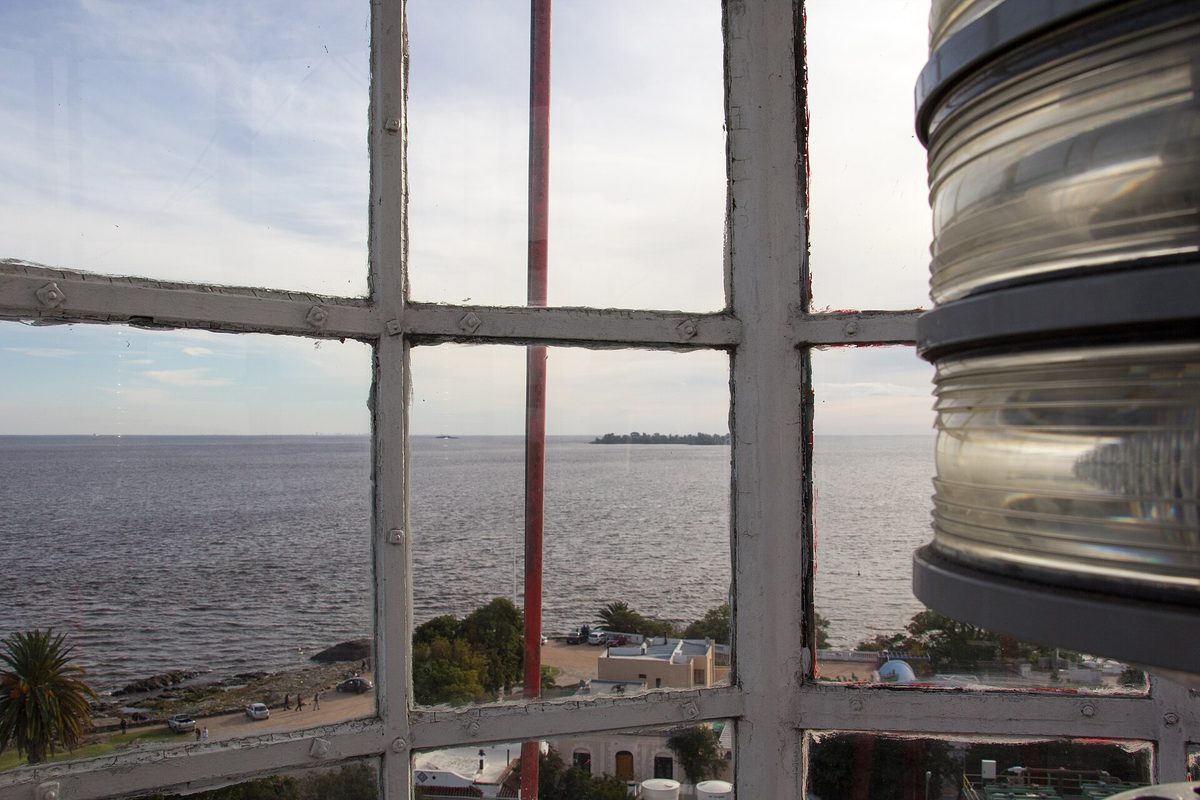
Cobblestones, sycamore-shaded plazas, a lighthouse you can climb for river views, and the prettiest sunset wall in the country. The Barrio Histórico is small enough to cover in an afternoon, which is why day-trippers from Buenos Aires flood it between 11am and 5pm. Stay one night and you get the town at its best — golden evening light, empty morning streets — for the price of a modest hotel. Skip it only if old towns leave you cold.
Montevideo — 1 to 2 days
The capital is slow-burn: a faded-grand old city, the Mercado del Puerto’s asado smoke, 22 kilometers of riverside Rambla that the whole city walks at sunset, mate in every hand. One full day covers the icons; two lets you add a fútbol match, the Museo Andes 1972 and a proper neighborhood wander. It’s a city of textures rather than blockbuster sights — adjust expectations accordingly. My complete Montevideo city guide has the full breakdown.
Punta del Este — 1 to 2 days (plus Casapueblo, non-negotiable)
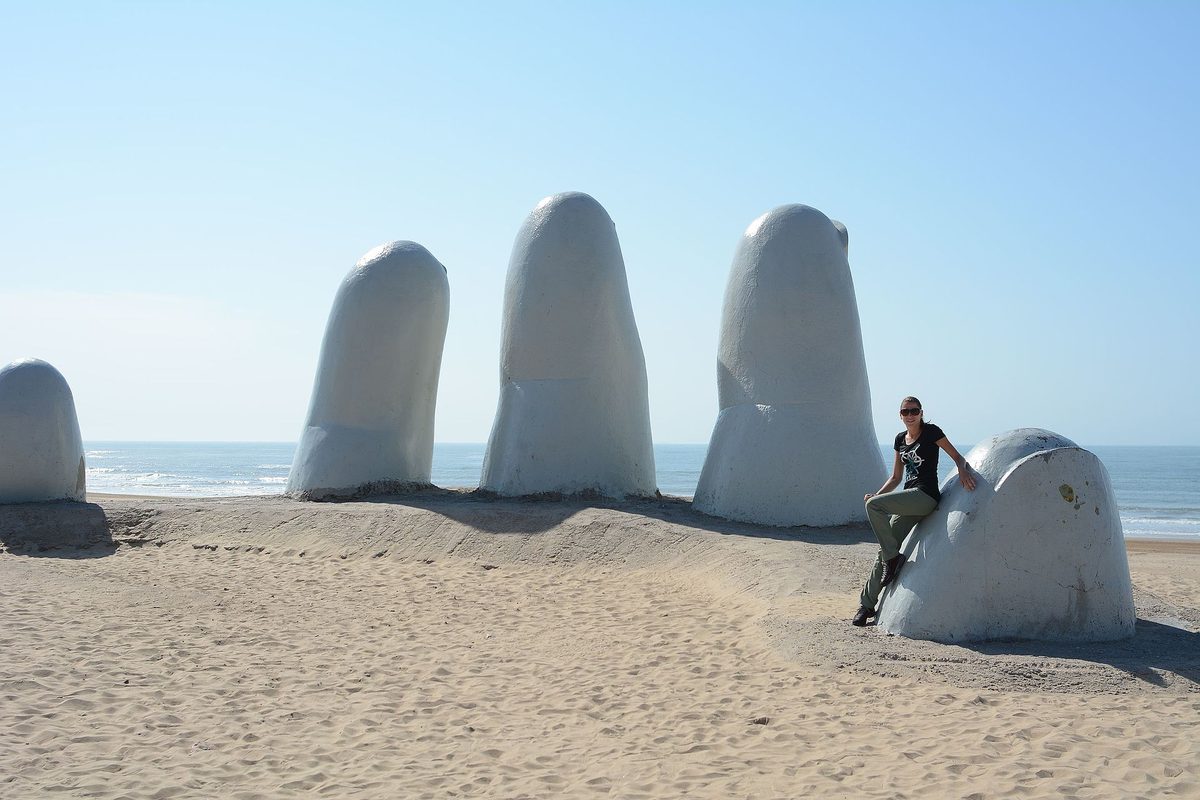
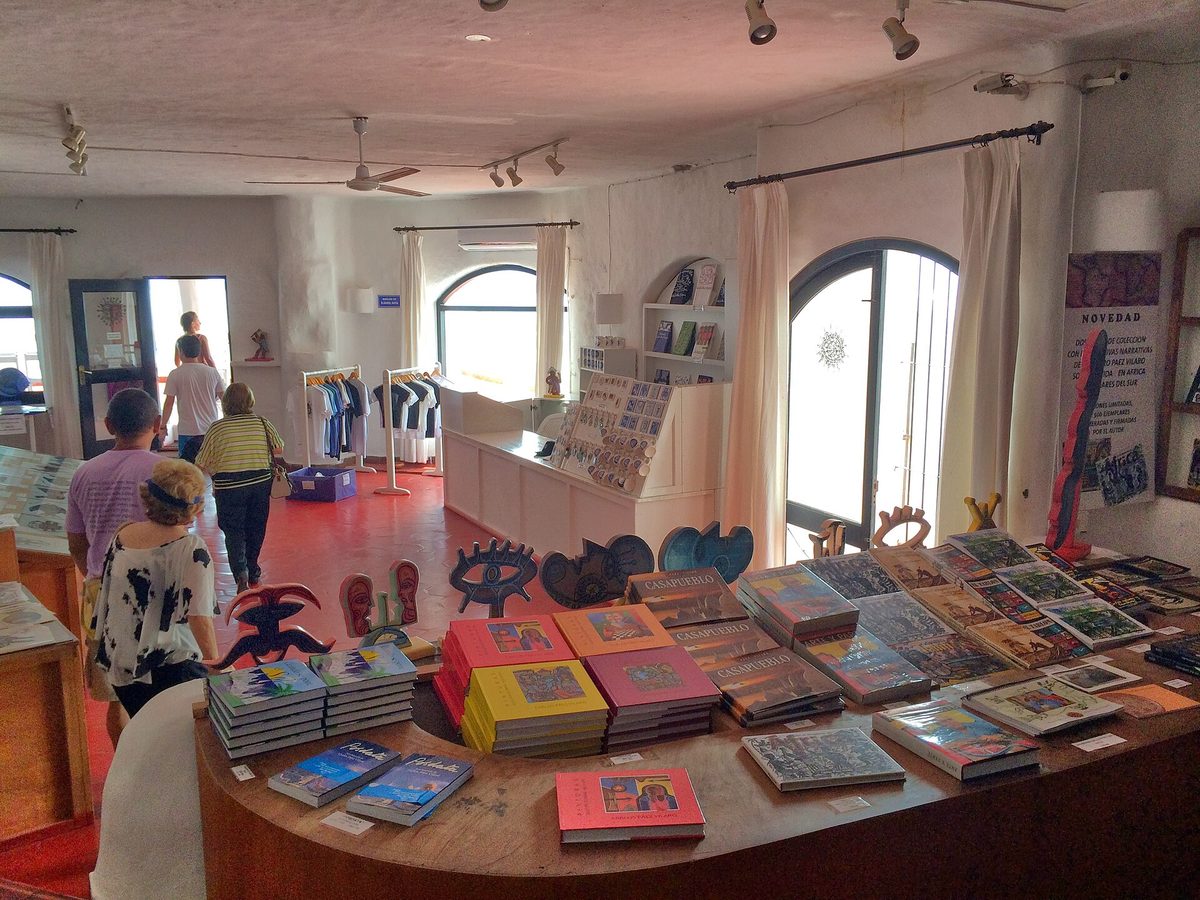
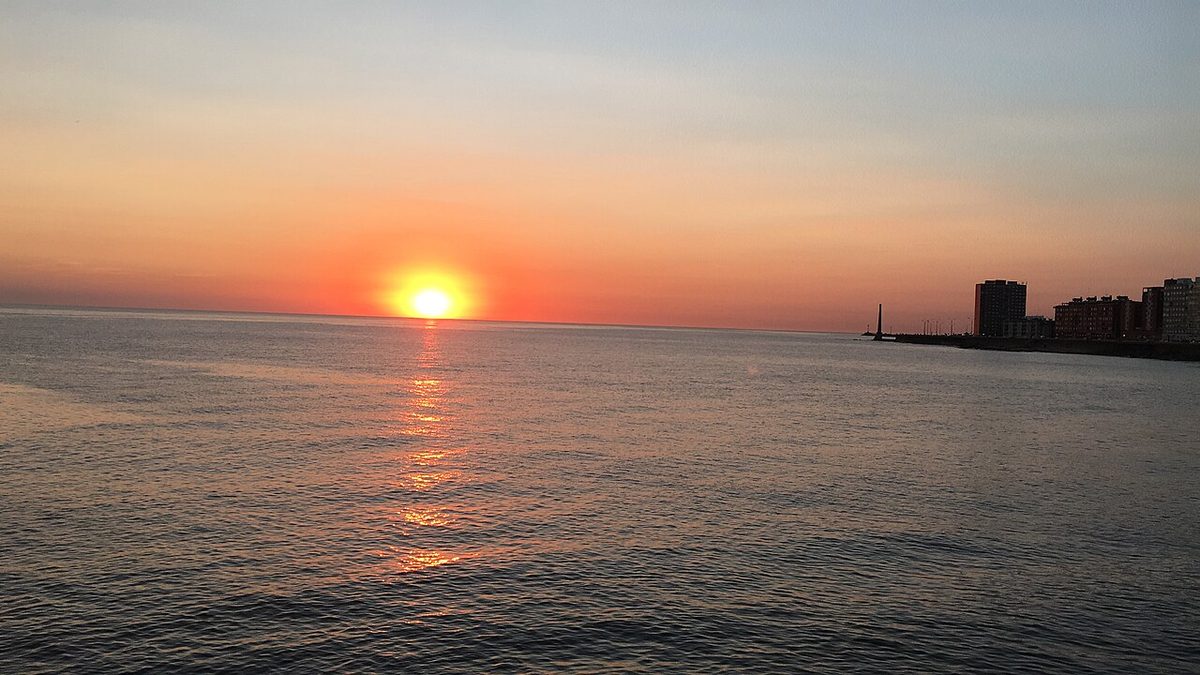
South America’s most famous beach resort: high-rises, a marina full of yachts, the La Mano sculpture clawing out of Playa Brava, and surprisingly good beaches on both its calm (Mansa) and rough (Brava) sides. In January it’s a scene; in shoulder season it’s pleasantly half-asleep; in winter it can feel like a switched-off appliance. Fifteen minutes west, the Casapueblo complex at Punta Ballena — artist Carlos Páez Vilaró’s white wedding-cake of a building — hosts the best sunset ritual in Uruguay. Everything you need is in my Punta del Este travel guide.
José Ignacio — 1 day (or 3, if your budget smiles)
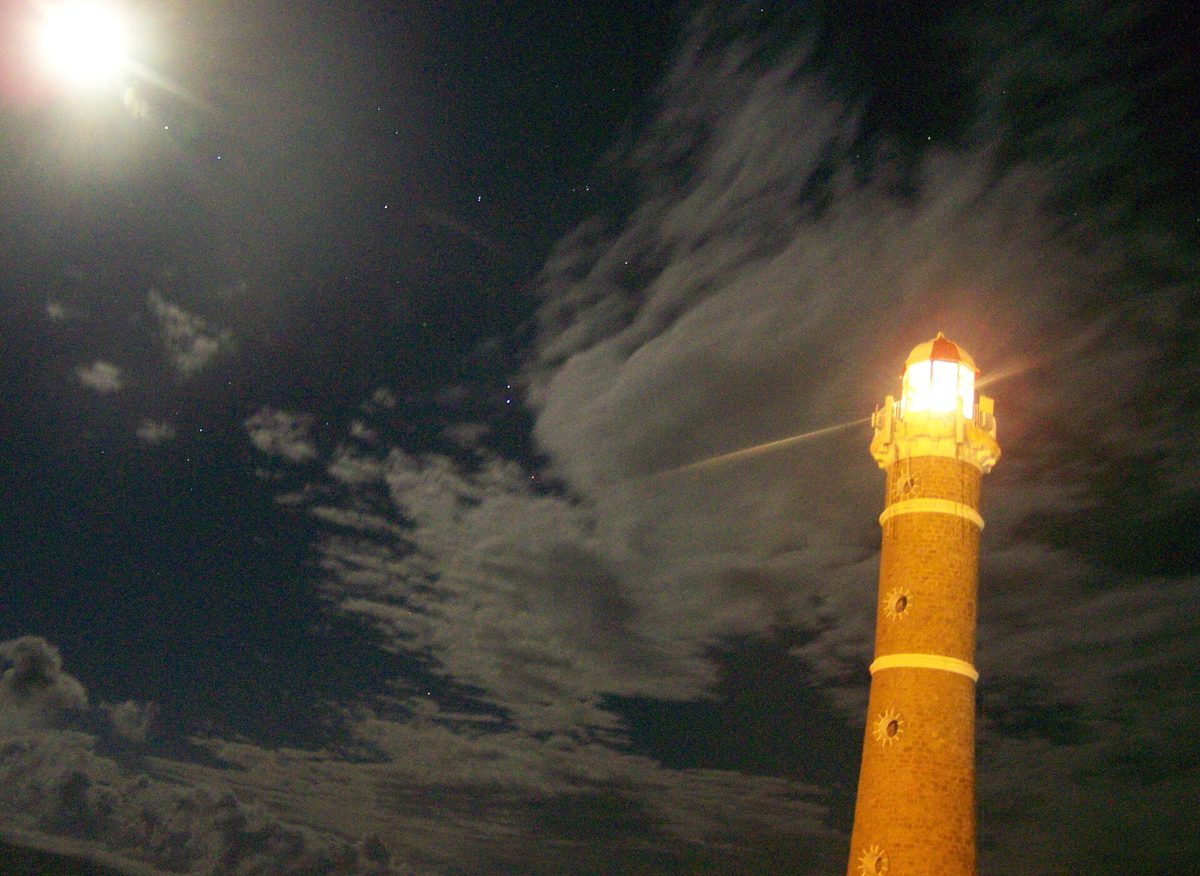
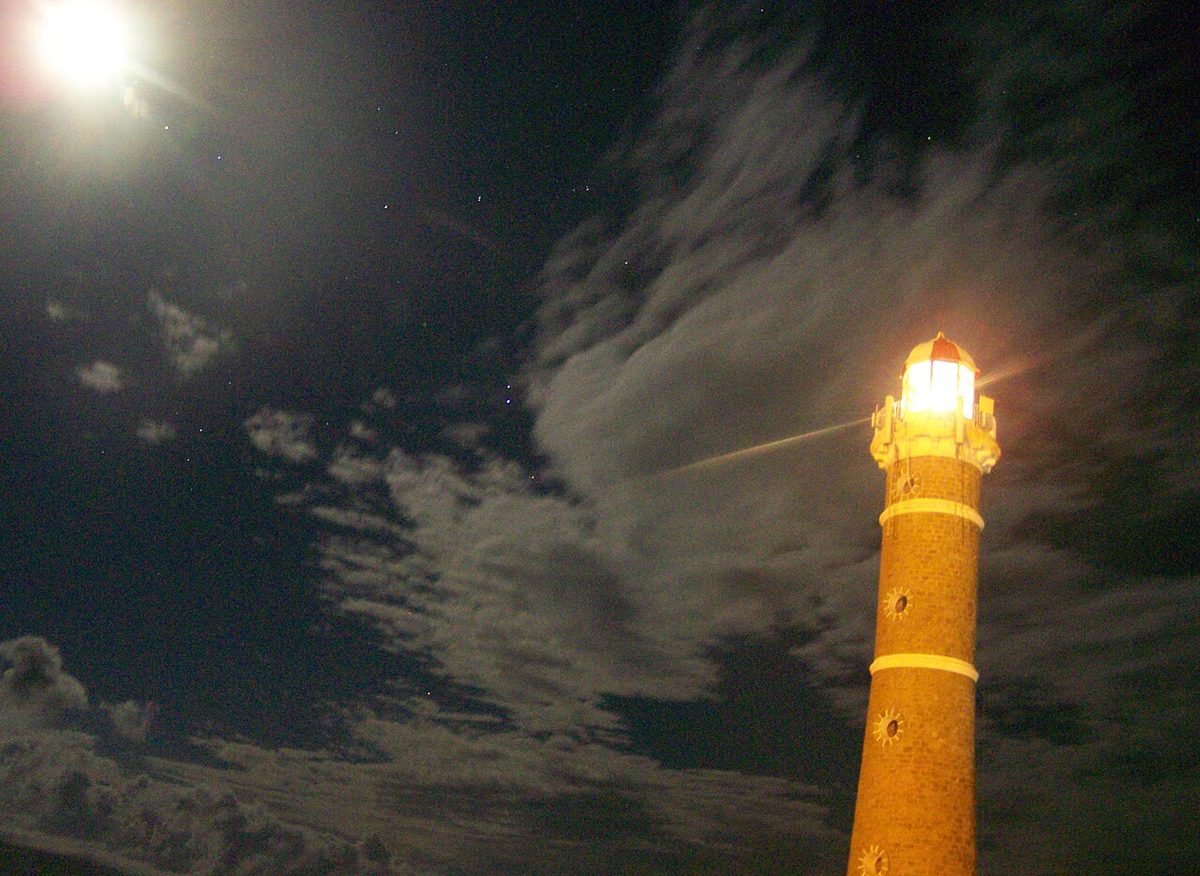
A fishing village that became the quiet-luxury capital of the continent: sand streets, a lighthouse, beach restaurants you’ve seen in food magazines. It’s gorgeous and it knows it — expect José Ignacio prices to make Punta del Este look reasonable. Day-trip it from Punta del Este unless you’re celebrating something.
Cabo Polonio — 1 to 2 nights
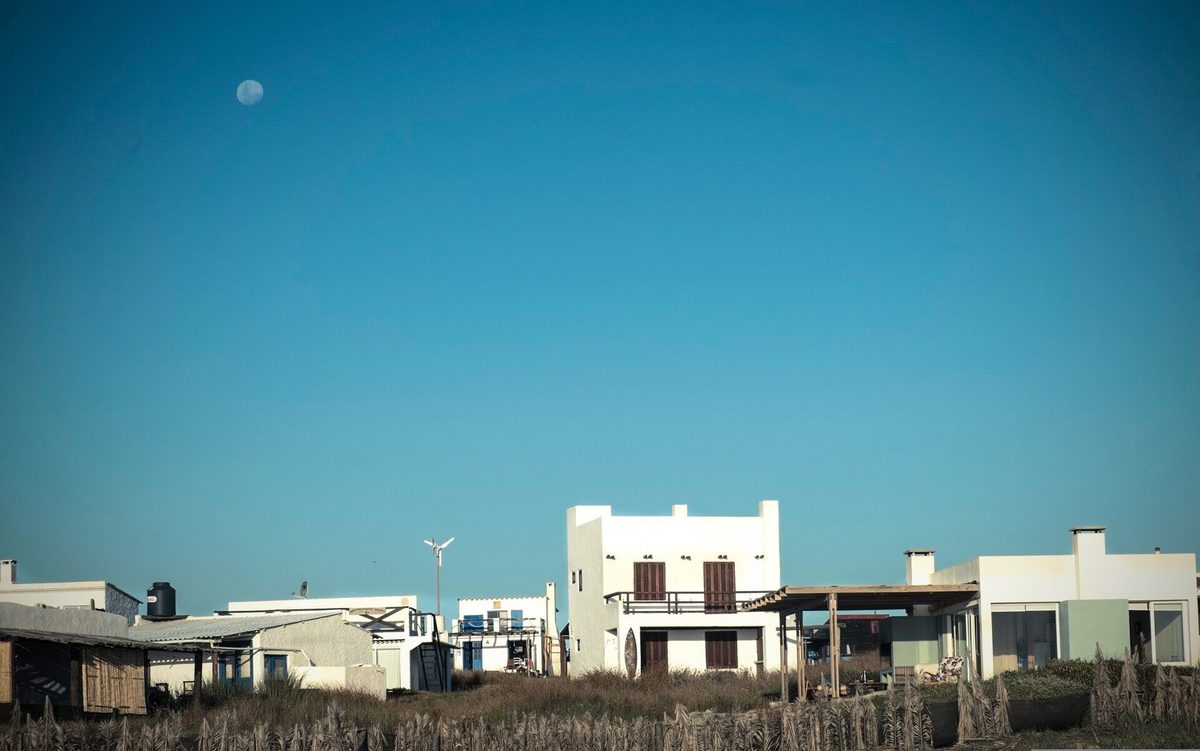
No roads, no mains electricity, no ATMs — you ride a 4×4 truck over the dunes from the Ruta 10 entrance (around US$10 round trip) into a scatter of painted shacks around a lighthouse and one of South America’s largest sea lion colonies. Nights run on candles and generators; the Milky Way does the streetlights’ job. It is the most singular place in Uruguay. The honest part: in a January rain with a full hostel, the rustic charm can wear thin. Pack layers, cash and low expectations for hot showers.
Punta del Diablo + Santa Teresa — 2 days
A fishing-village-turned-surf-town near the Brazilian border: sandy lanes, fish shacks, board rentals, and — twenty minutes up the road — the huge pine-and-beach Santa Teresa National Park with its restored 18th-century fortress. February–March, after the Argentine crowds thin, is its golden hour. In deep winter most of it hibernates.
Carmelo & wine country — 1 to 2 days
Uruguay’s answer to a small-town Mendoza: Tannat vineyards, dirt lanes, family bodegas where the winemaker pours your tasting. Carmelo (upriver from Colonia) is the romantic base; the Canelones wineries near Montevideo work as a day trip from the capital. You’ll want a car or a driver — cycling between tastings is the charming-but-sweaty alternative.
An estancia stay — 1 to 2 nights
Working cattle ranches that take guests: horseback rides across open campo, asado lunches, gauchos who are politely amused by your riding posture. Most are in the interior an hour or three from the capital or the coast road. Around US$120–250 per person with meals, and worth every dollar for the pace change. Book ahead — the good ones are small.
The termas (hot springs) — 1 to 2 days, winter only
Up the Río Uruguay near Salto and Paysandú, a string of thermal resorts that Uruguayans treat as winter therapy. A 6-hour bus from Montevideo, so they only make sense on a 2-week winter trip or an Argentina-border crossing. In summer, skip them for the coast.
3 days in Uruguay: the long-weekend taster
Three days is tight but legitimate — especially as a hop from Buenos Aires. You have two sensible shapes, and the season decides between them. Our four single-base weekend plans for Uruguay compare the same 72 hours with costs, transport and the Buenos Aires ferry timings.
Option A: Colonia + Montevideo (the classic, works year-round)
Day 1 — Colonia del Sacramento. Morning ferry from Buenos Aires (book the earliest boat; the difference between arriving at 10am and 1pm is an entire town). Drop bags, then walk the Barrio Histórico: Calle de los Suspiros, the Portuguese and Spanish museums (small, cheap, charming), the climb up the lighthouse. Dinner somewhere with a river view, then the sunset crowd gathers on the western wall like it’s a small religion. Sleep in Colonia.
Day 2 — to Montevideo. An unhurried morning in the empty old town — this is when Colonia is actually yours — then the midday bus to Montevideo (2 hours 45 minutes, comfortable). Afternoon: Plaza Independencia, Palacio Salvo, a wander down 18 de Julio. Evening: the Rambla at golden hour with half the city, mate thermoses everywhere.
Day 3 — Montevideo deep dish. Mercado del Puerto for an asado lunch (go hungry, order the works, accept the afternoon is lost), Ciudad Vieja’s faded architecture, the Museo Andes 1972 if you have emotional bandwidth. Fly out of MVD or ferry back direct to Buenos Aires.
Option B: Montevideo + Punta del Este (summer version)
Fly into Montevideo, give the capital one day as above, then two days in Punta del Este: La Mano and Playa Brava the first afternoon, a beach morning and the Casapueblo sunset the second. It trades UNESCO cobblestones for sand and one great sunset. In December–March it’s a fair trade; in July it isn’t.
The drawback of any 3-day plan: you’ll feel the country’s rhythm just as you leave. If there’s any way to find two more days, find them.
5 days in Uruguay: the greatest hits, unhurried
Day 1 — Colonia. Ferry in, old town afternoon, sunset wall, overnight.
Day 2 — Montevideo. Morning bus, Ciudad Vieja and Plaza Independencia in the afternoon, Rambla sunset walk.
Day 3 — Montevideo. Mercado del Puerto asado, museums or a fútbol match, candombe drums if it’s Sunday (Barrio Sur, evening, free, unmissable).
Day 4 — Punta del Este. Morning bus (2 hours), La Mano photo, choose your beach: Mansa for calm swimming, Brava for waves and drama. Sunset pilgrimage to Casapueblo.
Day 5 — Punta del Este. Beach morning, or a half-day trip to José Ignacio for lighthouse-and-lunch. Evening bus back to Montevideo (or stay; PdE’s bus terminal runs late services).
This is the itinerary I recommend most often to first-timers with a week of total vacation including flights. It hits three of the four icons without a single rushed morning. What it misses is the wild coast — which is exactly what the next plan fixes.
7 days in Uruguay: the one-week itinerary I’d give a friend
One week is the magic number — long enough for the full west-to-east arc, short enough to fit a normal vacation. This version assumes buses; with a car, the same route gains flexibility but changes little.
Day 1 — Colonia del Sacramento. Ferry from Buenos Aires, old town, lighthouse, sunset wall. Overnight in Colonia.
Day 2 — Montevideo. Morning at Colonia’s pace, midday bus to the capital, Rambla evening.
Day 3 — Montevideo. The full city day: Mercado del Puerto, Ciudad Vieja, Palacio Salvo’s tour, Sunday candombe or a stadium night if the fixture gods cooperate.
Day 4 — Punta del Este. Two-hour bus, beaches, La Mano, Casapueblo sunset. Overnight.
Day 5 — José Ignacio day trip. Forty minutes up the coast: lighthouse, long lunch at a beach restaurant (this is the meal to splurge on), slow afternoon on Playa Mansa’s quieter sand. Back to Punta del Este, or sleep in La Barra if you want bars within walking distance.
Day 6 — Cabo Polonio. Bus toward Castillos and the Cabo Polonio entrance on Ruta 10 (around 2.5–3 hours total), then the 4×4 dune crossing. Afternoon with the sea lions below the lighthouse, sunset from the rocks, a candlelit dinner, and the best night sky you’ll see this year. Overnight in the village.
Day 7 — back west. Morning truck out, bus to Montevideo (around 4 hours), evening flight or next-morning ferry. If your flight allows, squeeze a final chivito — Uruguay’s heroic steak sandwich — at a neighborhood bar.
The honest weak point: day 6–7 involves real travel time for one night in Cabo Polonio. Every person I’ve sent has said it was worth it, but if overnighting off-grid doesn’t appeal, swap days 6–7 for La Paloma/La Pedrera (easier logistics, real beds, good surf) or simply stretch Punta del Este and the capital, which is how my standalone 7-day Uruguay itinerary plays the week, night by night.
10 days in Uruguay: the full coast
Ten days lets you ride the coast all the way to the Brazilian border without sacrificing the slow mornings that make it worthwhile. This is where a rental car flips from luxury to sensible — the eastern connections are the patchiest part of the bus network. If you would rather trade the far east for vineyards and a night on a ranch, our alternative 10-day route through wine country and the interior reshapes the same ten days.
Days 1–2 — Colonia → Montevideo. As in the 7-day plan: ferry, cobblestones, capital.
Day 3 — Montevideo. Full city day. If it’s summer, check the Carnival calendar — the season runs some forty days from late January, the longest in the world, and a tablado (neighborhood stage) night beats any nightclub.
Days 4–5 — Punta del Este + José Ignacio. Beaches, La Mano, Casapueblo sunset, the José Ignacio long lunch.
Days 6–7 — Cabo Polonio. Two nights this time, which changes the place entirely: day one for the sea lions and the dunes, day two for doing nothing at all on purpose. With a car you’ll park at the terminal; the trucks run all day.
Days 8–9 — Punta del Diablo. An hour-plus further east. Surf lesson or board rental on Playa de los Pescadores, fish shack dinner, and a half-day in Santa Teresa National Park — the fortress, the empty beaches, the pine shade. March is perfection here.
Day 10 — the long ride back. Bus or drive to Montevideo (4.5–5 hours) for your flight, or — if you’re continuing north — cross into Brazil at Chuy, 40 minutes away. Don’t schedule anything ambitious today.
2 weeks in Uruguay: coast, wine and gauchos
Fourteen days is enough to do everything above at a humane pace and add the two experiences most visitors never reach: wine country and a working estancia. This is the trip that turns people into Uruguay evangelists. Drivers who want the northern half as well should follow our clockwise fourteen-day loop through the Salto hot springs and gaucho country, which trades a few beach days for the interior.
Days 1–2 — Colonia del Sacramento + Carmelo. Ferry to Colonia, one night in the old town, then an hour up the river road to Carmelo. Sleep among Tannat vines; tastings at small family bodegas where the person pouring made the wine. The contrast with Argentina’s polished Mendoza operations is the point.
Days 3–4 — Montevideo. Bus or drive in (around 3 hours from Carmelo). Two full capital days: market asado, Rambla, candombe, museums.
Days 5–6 — estancia stay. An hour or two inland: horses at dawn, an asado that lasts an entire afternoon, the kind of silence cities make you forget. Most hosts collect you from a nearby bus stop by arrangement if you’re carless.
Days 7–8 — Punta del Este + José Ignacio. Back to the coast for the resort interlude: beaches, the marina, Casapueblo sunset, one extravagant lunch.
Days 9–10 — Cabo Polonio. Two off-grid nights. By now you’ve earned them.
Days 11–12 — Punta del Diablo + Santa Teresa. Surf town, fortress, national park beaches.
Days 13–14 — return west. Break the trip with a night in La Paloma or La Pedrera — surfy, low-key, criminally underrated in shoulder season — then Montevideo for the flight home, or Colonia for the ferry.
Winter variant: if your two weeks land in June–August, invert the logic. Keep Colonia, Carmelo, Montevideo and the estancia; drop the eastern beach towns (most will be shuttered); and add three days up north in the termas around Salto, plus an extra capital day. It’s a different country in winter — quieter, greyer, cozier — and the wine tastes better for it.
The right Uruguay itinerary for your kind of trip
Couples & honeymooners
The 7-day plan with the budget turned up: a boutique posada in Colonia, the Casapueblo-adjacent hotels at Punta Ballena, a José Ignacio splurge night, and Carmelo’s wine lodges if you can stretch to ten days. Uruguay does romance by understatement — sunsets, wine, empty beaches — rather than rose petals. The hotel-by-hotel version, with a 10-day romantic loop, is in the Uruguay honeymoon guide.
Families with kids
Base longer, move less: three or four nights in Punta del Este (calm Mansa beaches, playgrounds, ice cream economy) plus two in Colonia and two in Montevideo. The Cabo Polonio truck ride is a guaranteed hit with kids over six; the no-electricity night either delights or destroys, depending on the child. Buses are easy with children, but this is the trip where a car pays off fastest.
Budget backpackers
Hostels in every town on this route, the bus network as your friend, chivitos and supermarket asado kits as your food plan. Do the 10-day coast plan, swap José Ignacio (look, don’t sleep) for more Cabo Polonio and Punta del Diablo time, and travel March or November when dorm beds drop toward US$15–18. The VAT card discount works for budget travelers too — even hostel bars apply it.
Food & wine travelers
Five days minimum: two in Montevideo (Mercado del Puerto, the new-wave parrillas, a Canelones winery day trip — Bodega Garzón’s restaurant near José Ignacio is the blockbuster, the small Canelones family bodegas the soul), two in Carmelo, one in Colonia. Add José Ignacio at lunch hour if the budget allows. Build everything around long meals; Uruguay won’t be rushed at the table.
No-car travelers
The 5- or 7-day plans work flawlessly by bus. For Rocha, take direct services from Tres Cruces and accept fixed timetables; off-season, check the afternoon schedules before committing, because the last bus out of small towns can leave earlier than you’d believe. Skip the estancia unless your host arranges pickup, and do wine as a guided day tour from Montevideo.
Practical planning: transport, money and what to book ahead
Getting between the stops
Distances are mercifully short. Here’s the corridor at a glance, with approximate 2026 one-way times and bus fares:
| Leg | Time | Bus fare (approx.) |
|---|---|---|
| Buenos Aires → Colonia (ferry) | 1h15 | US$50–65 |
| Buenos Aires → Montevideo (direct ferry) | 2h15–2h30 | US$70–100 |
| Colonia → Montevideo | 2h45 | US$12–15 |
| Montevideo → Punta del Este | 2h–2h15 | US$10–12 |
| Punta del Este → José Ignacio | 40 min | US$3–5 |
| Montevideo → Cabo Polonio entrance | 3h30–4h | US$15–18 (+US$10 truck) |
| Montevideo → Punta del Diablo | 4h30–5h | US$18–22 |
| Montevideo → Carmelo | 3h15 | US$14–16 |
Buy intercity tickets a day ahead in summer (the Tres Cruces website or counter both work); same-day is fine the rest of the year. Fares drift with inflation, so treat these as close rather than gospel.
Money, cards and the tourist VAT discount
Uruguay runs on pesos (UYU) but thinks in dollars for anything big. Cards are accepted nearly everywhere — including, importantly, with that automatic 9-point VAT reduction on restaurant bills for foreign cards, a benefit Uruguay has extended through at least September 2026. ATMs (Banred, Redbrou) dispense both currencies; fees favor fewer, larger withdrawals. Carry cash for Cabo Polonio (no ATMs past the dunes), beach kiosks and small-town buses. Tipping: 10% in restaurants, often left in cash even when paying by card.
What to book ahead (and what not to)
Book ahead: January–February accommodation anywhere on the coast (weeks ahead for Punta del Este and José Ignacio; Cabo Polonio’s few decent rooms vanish first), summer ferry crossings, estancia stays, and Bodega Garzón’s restaurant. Don’t bother pre-booking: buses outside peak summer, city hotels in shoulder season, or any beach activity — surf lessons and horse rides are walk-up affairs.
Connectivity and practicalities
An Antel or Claro eSIM or prepaid SIM costs little and works well everywhere except — pleasingly — Cabo Polonio, where coverage gets patchy the moment the truck crests the dunes. Spanish is the language; English functions in Punta del Este and tourist businesses but thins out fast elsewhere, and a few phrases change the temperature of every interaction. Tap water is drinkable countrywide. Uruguay is consistently rated among the safest countries in Latin America; normal city awareness in Montevideo’s Ciudad Vieja after dark is the only real caveat. Same-sex marriage has been legal since 2013, and LGBTQ+ travelers in Uruguay generally find the going easiest in Montevideo and along the coast.
What to pack that people forget
A windproof layer in any season — the Atlantic breeze is constant and evenings drop fast, even in February. A headlamp and a power bank for Cabo Polonio. Reef-safe sunscreen, because the UV here is fiercer than the mild air suggests and beach-town pharmacies charge accordingly. And if you’ve been converted to mate by day three (it happens), thermoses are sold on every corner — the green hose-water taps you’ll see at gas stations dispense hot water for exactly this purpose. Pack light otherwise; laundry services are cheap and everywhere.
Stitching Uruguay into a bigger South America trip
Uruguay slots neatly between its giant neighbors. From Buenos Aires, the ferry makes it a five-to-seven-day loop before you fly onward, and our combined Argentina and Uruguay itinerary covers which terminal, which boat and how the border desk works. Heading north, the Chuy border crossing (a street with Uruguay on one side and Brazil on the other) connects Punta del Diablo to southern Brazil’s buses toward Porto Alegre and Florianópolis. Heading west, bridges at Fray Bentos and Paysandú link the termas region to the Argentine litoral. The classic combination — a week in Buenos Aires, a week crossing Uruguay west to east, onward through Brazil — remains one of the continent’s great unsung overland routes, and you can run my full list of what to do along the way in exactly that order.
Five Uruguay itinerary mistakes I’d spare you
Day-tripping Colonia and calling it Uruguay. The Buenos Aires day trip sees Colonia at its most crowded and leaves before the town exhales. One night minimum — and ideally a bus onward instead of the boat back.
Booking January without noticing it’s January. The first half of January is Argentina’s summer holiday en masse. Punta del Este triples its prices, Cabo Polonio’s trucks queue, and the quiet country this guide promised temporarily isn’t. Either embrace the scene or shift to March.
Treating Montevideo as a transit stop. It has no single blockbuster sight, so itineraries squeeze it — then travelers tell me the Rambla at sunset and the market asado were their favorite memories. Give it two nights.
Over-planning the Rocha coast. Cabo Polonio and Punta del Diablo run on weather and whim. Lock your beds, leave the days loose, and let the place set the agenda. The traveler with an hourly plan suffers most.
Ignoring winter entirely. June–August is the wrong coast season, but Colonia in soft grey light, a wine lodge with a fireplace, and the termas at 38°C while it drizzles — that’s a real trip too, at half the price. Check the seasonal guide and decide with open eyes.
Uruguay itinerary FAQ
How many days do you need in Uruguay?
Seven days is the sweet spot for a first trip: Colonia, Montevideo, Punta del Este and one wild Rocha stop without rushing. Three days covers Colonia plus the capital as a taster from Buenos Aires; ten to fourteen days adds the full eastern coast, wine country and an estancia at a properly Uruguayan pace.
Is Uruguay worth visiting?
Yes — if your idea of a good trip is beaches, food, wine and atmosphere rather than blockbuster monuments. It’s safe, calm, easy to navigate and refreshingly untouristy. Travelers expecting Machu Picchu-scale sights leave puzzled; travelers who like places that grow on them tend to start planning a return before they’ve left.
Is Uruguay expensive to visit?
By South American standards, yes — it’s the region’s most expensive country, comparable to Western Europe. Budget travelers manage on US$60–90 a day using hostels and buses; mid-range trips run US$130–220 per person. The 9-point VAT discount for foreign cards at restaurants and traveling in shoulder season both soften the bill noticeably.
Can you visit Uruguay as a day trip from Buenos Aires?
You can — the 1h15 ferry to Colonia makes it easy, and thousands do it. You’ll see a beautiful old town in its busiest hours and nothing else of the country. It’s a good day out but a poor verdict on Uruguay; if it’s all the time you have, take the first boat over and the last one back.
Do you need a car in Uruguay?
Not for the classic week: ferries and the excellent COT/COPSA buses connect Colonia, Montevideo, Punta del Este and the Rocha coast cheaply. A car earns its cost on 10-day-plus trips for wine country, estancias and the thinly-bused stretches east of José Ignacio. Roads are good and driving is low-stress.
What is the best month to visit Uruguay?
March: summer warmth without January’s crowds or prices, the ocean at its warmest, restaurants still open, Carnival’s tail end in Montevideo. November and early December are the spring equivalent. January is peak season and peak chaos; June through August suits city, wine and hot-springs trips rather than beaches.
Is Uruguay safe for tourists?
It’s consistently ranked among Latin America’s safest countries, with stable politics and low violent crime. Standard precautions apply in Montevideo — watch phones and bags in Ciudad Vieja, take taxis late at night — and that’s about the extent of it. Beach towns and the interior feel almost crime-free; solo travelers report feeling at ease.
Should I combine Argentina and Uruguay in one trip?
It’s the most natural pairing in South America: Buenos Aires and Colonia sit an hour and a quarter apart by ferry. Give Uruguay a real share — five to seven days, not a day trip — and the combination works beautifully. Crossing is simple: a passport stamp at the ferry terminal and you’re off.
Final thoughts
Build your Uruguay itinerary around fewer places and longer pauses, and the country will meet you more than halfway. Somewhere in the planning — between the ferry timetable and the estancia email — remember the actual goal: an afternoon with no plan in a town with no traffic light, a thermos of mate, a sunset that gets applause. Uruguay’s real itinerary is the rhythm, and it can’t be booked in advance. Leave room for it.
Credits & sources
Sources & further reading
- Uruguay Ministry of Tourism — official destination information and events calendar
- Uruguay Natural: benefits for non-resident tourists — the official word on the VAT discounts for foreign cards
- Buquebus — current Buenos Aires–Colonia/Montevideo ferry schedules and fares
- Tres Cruces terminal — intercity bus schedules from Montevideo
Photo credits
All images via Wikimedia Commons: Puerta de la Ciudadela, Colonia del Sacramento by Diego Delso (CC BY-SA 3.0); Plaza Independencia by Mx. Granger (CC0); La Mano by M M (CC BY-SA 2.0); Cabo Polonio houses by Diego Angel (CC BY 3.0); Faro de José Ignacio by Fatima Cáneba (CC BY-SA 3.0); Casapueblo by Joel Diplan (CC BY 3.0).
2 comments
Comments are closed.