A Weekend in Uruguay: 2-3 Day Itineraries (2026)
The first time I tried to “see Uruguay” in a weekend, I did it wrong. I landed in Montevideo on a Friday night, rented a car at dawn, and spent two-thirds of my short trip on the highway chasing a beach I’d seen on a postcard. By Sunday I’d driven 600 kilometres and properly experienced almost nothing.
So when people ask me how to spend 3 days in uruguay, my answer is the opposite of what I did: pick one base, go deep, and let the country come to you. This is not a place you conquer in 72 hours. It’s a place you sink into.
The good news is that a short trip here is genuinely worth taking. Uruguay packs a startling amount into small distances, and a well-chosen long weekend can feel like a proper holiday rather than a teaser.
If you have only a weekend to spare, the best way to spend 3 days in uruguay is to commit to a single base — Montevideo for city life and food, Colonia del Sacramento for slow cobblestoned history, or Punta del Este for beaches — and add Buenos Aires only if you’re already crossing the Río de la Plata. Don’t try to do all four; pick the one that matches your trip.
This guide lays out four self-contained weekend plans, each with nights, transport, hedged costs, who it suits, and one honest catch. There’s an at-a-glance table to compare them, plus the real ferry-and-bus logistics for the popular “weekend from Buenos Aires” route. For anything longer, I’ll point you to the dedicated week-plus plans rather than padding this out.
| Weekend option | Best base | Nights | Get there | Rough budget (2 people, mid-range) | Best for |
|---|---|---|---|---|---|
| Montevideo city break | Ciudad Vieja or Pocitos | 2–3 | Fly into MVD; or ferry from BA | ~US$450–700 | Food, culture, walkable city, first-timers |
| Colonia del Sacramento | Historic Quarter | 2 | 1 hr ferry from BA; ~2.5 hr bus from MVD | ~US$350–550 | Couples, slow travel, history, UNESCO |
| Punta del Este | The Peninsula or La Barra | 2–3 | ~2 hr bus/drive from MVD | ~US$550–1,000+ | Beaches, nightlife, summer scene |
| Buenos Aires add-on | BA + 1 night Colonia or MVD | 2–3 | Ferry across the río | ~US$500–800 | Combining two countries, ferry fans |
Planning 3 days in Uruguay: how the distances actually work
Uruguay is compact, but “compact” still means real driving. Montevideo to Punta del Este is around two hours on the Ruta Interbalnearia. Montevideo to Colonia is about two and a half hours west. Colonia and Punta del Este sit on opposite ends, roughly four hours apart, which is exactly why I don’t recommend trying to chain them in a weekend.
The single most useful thing to understand is the Río de la Plata, the wide river-estuary separating Uruguay from Argentina. Fast ferries cross it daily, which makes a Buenos Aires combination realistic in a way most short international trips aren’t. If you want the full menu of how to arrive and move around, our guide to getting to Uruguay by ferry, flight, bus and car covers the logistics in detail.
One more planning note before the itineraries: season changes everything here. A summer weekend (December to February) means warm beaches and high prices; a winter weekend means cheap, moody cities and almost no crowds. Skim our month-by-month guide to the best time to visit Uruguay before you book, because the same itinerary feels like a different trip in January versus July.
Option A: A Montevideo city-break weekend
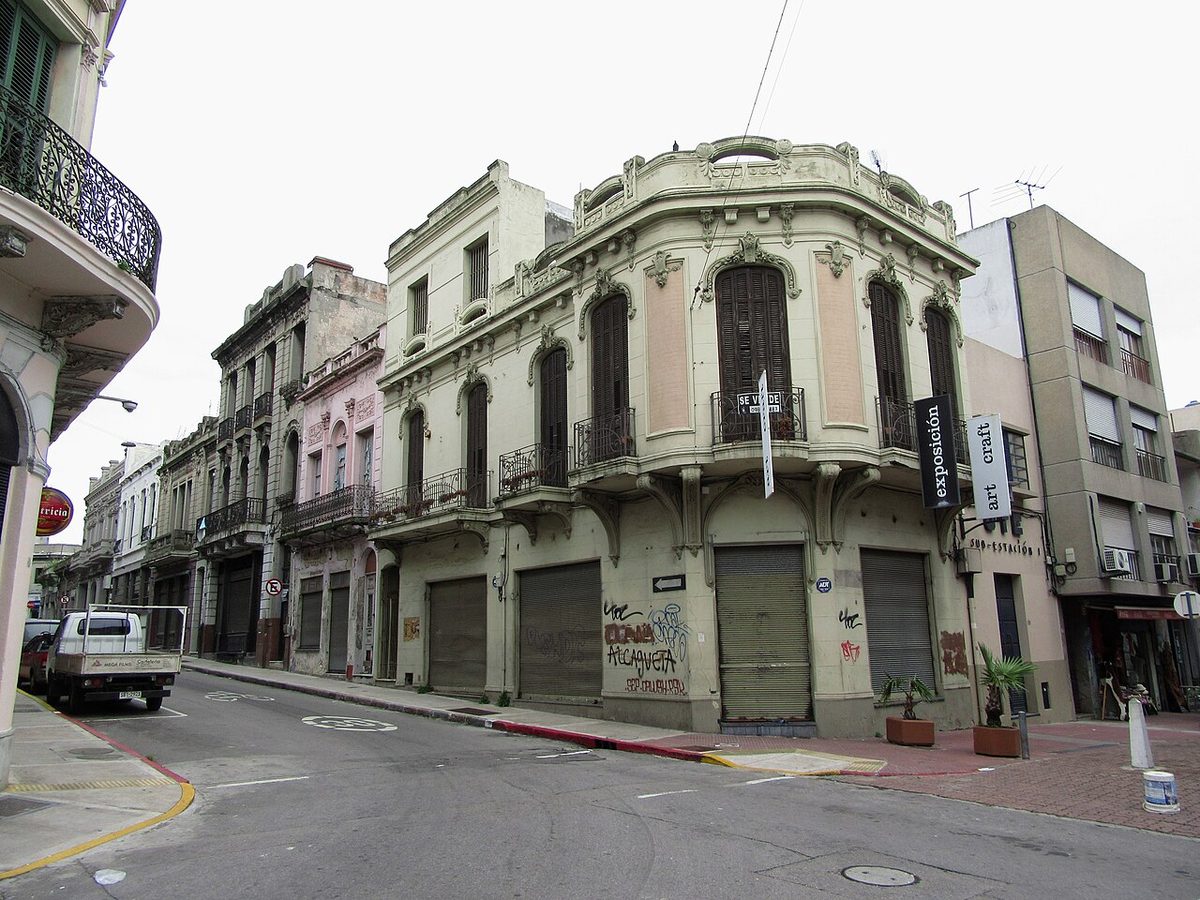
If it’s your first time and you want the highest hit-rate of “this was a great weekend,” I’d steer you to the capital. Montevideo is walkable, full of good cheap food, and has a 22-kilometre waterfront promenade that does half the entertaining for you. It’s the option I recommend most often.
Base yourself in Ciudad Vieja (the old town, atmospheric, best on weekdays) or Pocitos (beachy, residential, safe to wander at night). Our neighborhood guide to where to stay in Montevideo breaks down the trade-offs if you’re undecided.
Day 1 — Friday: Ciudad Vieja and the port market
Arrive, drop your bags, and walk straight into the old city. Start at Plaza Independencia, wander the pedestrian streets, and time a late lunch at the Mercado del Puerto — a wrought-iron market hall full of parrillas, the wood-fired grills that anchor Uruguayan eating. Pull up a stool at a counter, order a mixed grill, and don’t fill up on bread.
Spend the afternoon drifting through Ciudad Vieja’s galleries and bookshops. There’s enough here for a full slow day, and our deep dive into exploring Montevideo’s old city maps out the corners worth finding.
Day 2 — Saturday: the Rambla, Pocitos, and a proper asado
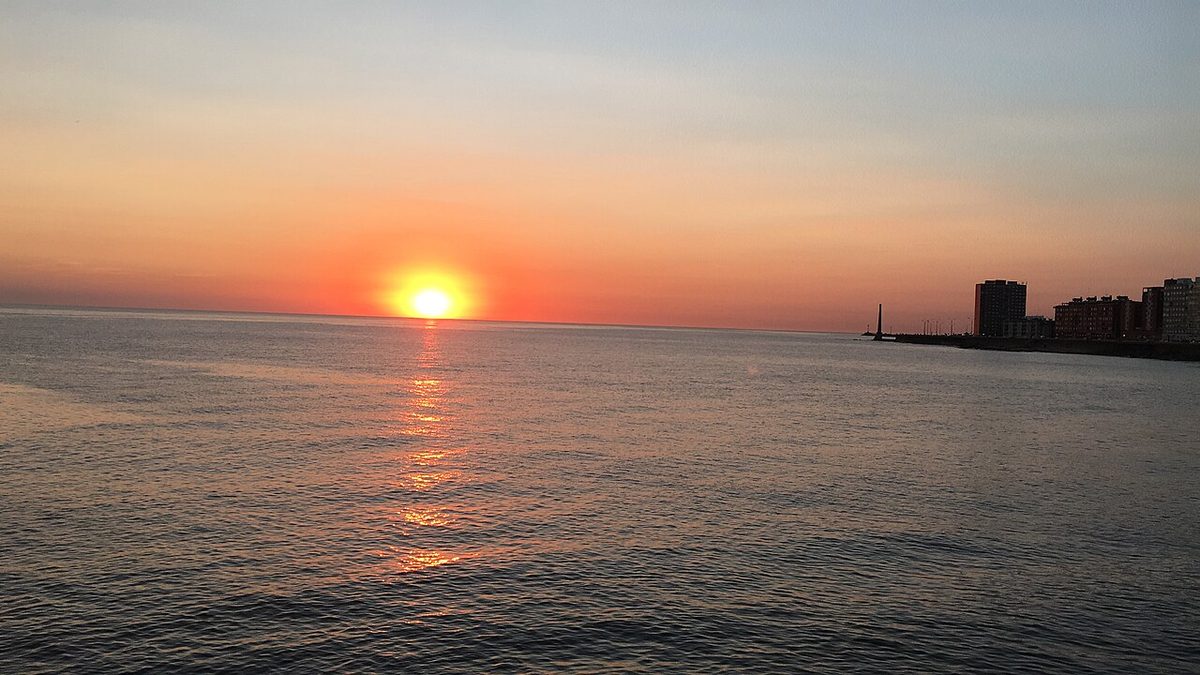
Rent a bike or just walk a stretch of the rambla, the seafront promenade that locals treat as a communal living room. You’ll see people sipping mate — the bitter herbal tea passed around in a gourd — at every bench. Walk east toward Pocitos beach and have a long lazy lunch near the water.
In the evening, eat beef. This is non-negotiable. Whether it’s a neighborhood parrilla or a fancier spot, a proper asado (slow-grilled barbecue) is the heart of the local table, and our roundup of where locals actually eat in Montevideo will keep you out of the tourist traps.
Day 3 — Sunday: markets, fútbol, or a wine stop
If your weekend stretches to a third day, Sunday in Montevideo has a rhythm worth catching. The Feria de Tristán Narvaja street market sprawls for blocks on Sunday mornings — antiques, vinyl, vegetables, chaos in the good way. Football fans can tour the Estadio Centenario, home of the very first World Cup. Then aim for an early-afternoon departure.
Who it suits: first-timers, food-led travelers, anyone who’d rather know one city well than skim three. The honest catch: Montevideo is a working capital, not a postcard — parts of the centre feel tired, and on a grey winter Sunday it can read as sleepy. If you need constant polish, this isn’t it.
For a fuller breakdown including a one-day version, our standalone detailed Montevideo itinerary for 1, 2 or 3 days goes hour by hour.
Option B: A Colonia del Sacramento weekend
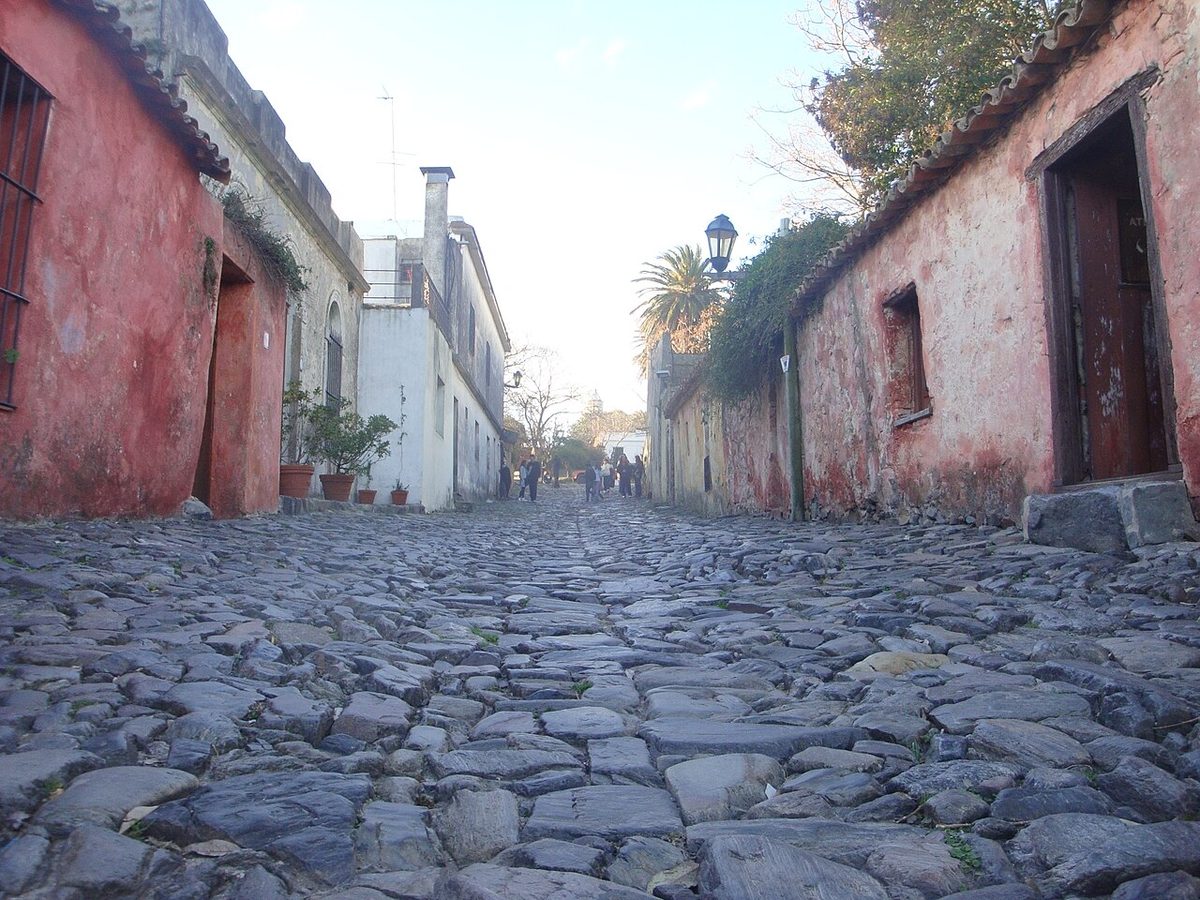
Colonia is the one I send couples to. It’s a small, walled colonial town on the river, with cobbled streets, sycamore shade, and a UNESCO-listed historic quarter you can cross on foot in fifteen minutes. The point of Colonia is not to do things. The point is to stop doing things.
Two nights is plenty, and honestly one full day plus two half-days is the sweet spot. It pairs beautifully with Buenos Aires (more on that below) because the ferry is barely an hour.
Day 1 — Friday: arrive and watch the sunset
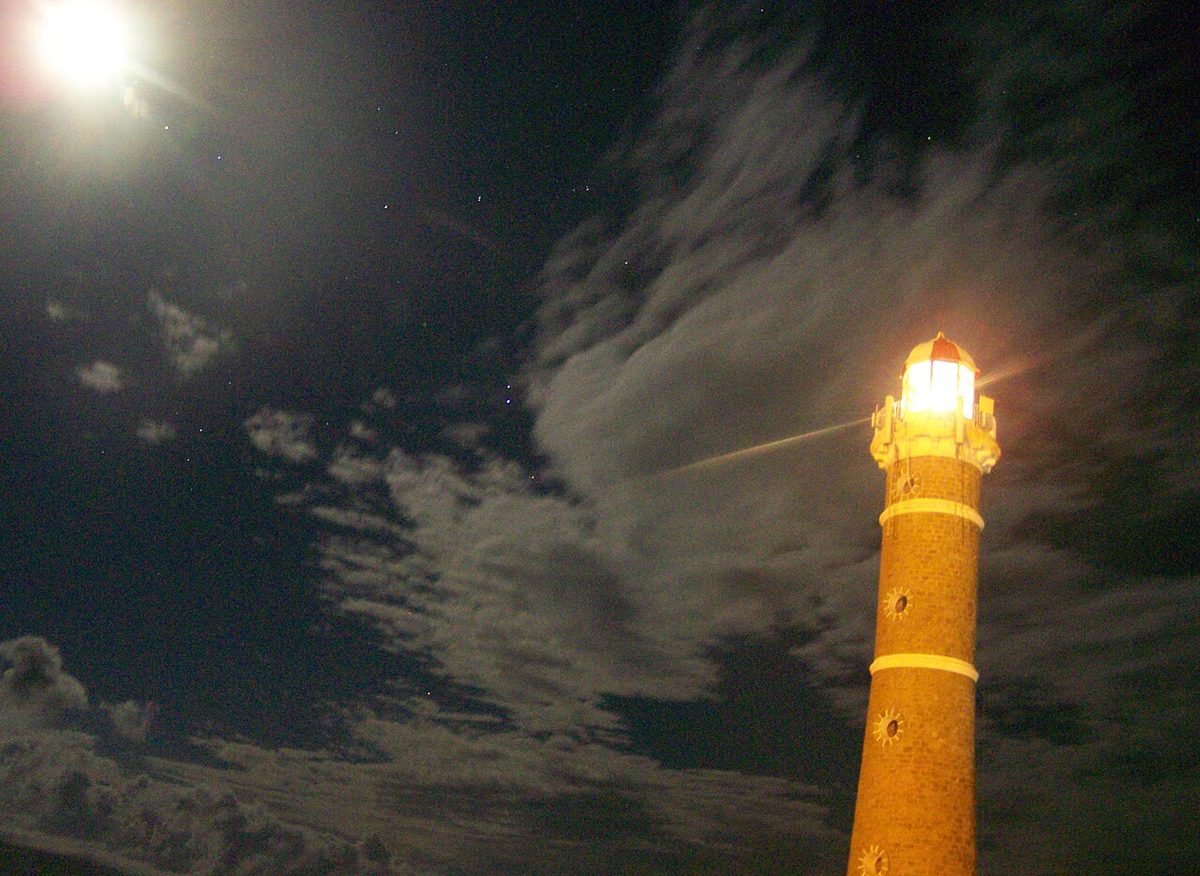
Arrive by early afternoon. Check into a guesthouse inside or near the Barrio Histórico, then simply walk. The Calle de los Suspiros — the “Street of Sighs,” a short run of uneven stone — is the famous photograph, but the whole quarter rewards aimless wandering. Climb the lighthouse for the view, then find a spot on the river wall for sunset, which here is a genuine event.
Day 2 — Saturday: golf carts, the riverfront, and slow lunches
Rent a golf cart or a bike and trundle out along the coast road past the old bullring and the leafy residential streets. Come back for a long lunch — Colonia does unhurried riverside dining as well as anywhere in the country. Spend the afternoon in the small museums clustered in the old town, then linger over dinner.
There genuinely isn’t a rush here, and that’s the appeal. Our complete guide to Colonia del Sacramento, Uruguay’s oldest town covers the history and the best streets if you want context for what you’re looking at.
Day 3 — Sunday: a morning walk, then onward
A final slow morning — coffee, one more loop of the cobbles, the riverfront in soft light — before catching a ferry back to Buenos Aires or a bus on to Montevideo. If you’re combining, Colonia is the natural hinge between the two cities.
Who it suits: couples, slow travelers, history lovers, anyone pairing it with BA. The honest catch: Colonia is genuinely small, and on a quiet off-season weekday some shops and restaurants shutter early. Two nights is right; a full three days here and you may run out of town.
Colonia is also one of the country’s three World Heritage Sites, and if that’s your angle, our guide to Uruguay’s UNESCO World Heritage sites shows how to pair it with Fray Bentos on one southwest loop.
Option C: A Punta del Este weekend
Punta del Este is Uruguay’s glamorous beach resort — high-rises on a peninsula, marinas, beach clubs, and in January, a who’s-who of South American summer. A weekend here is about sun, sea, and a particular kind of see-and-be-seen energy. It’s a different trip entirely from the other three.
From Montevideo it’s a straightforward two-hour bus or drive east. Base yourself on the Peninsula (central, walkable, near both beaches) or in bohemian La Barra (younger, lower-key, a short hop east).
Day 1 — Friday: the peninsula and La Mano
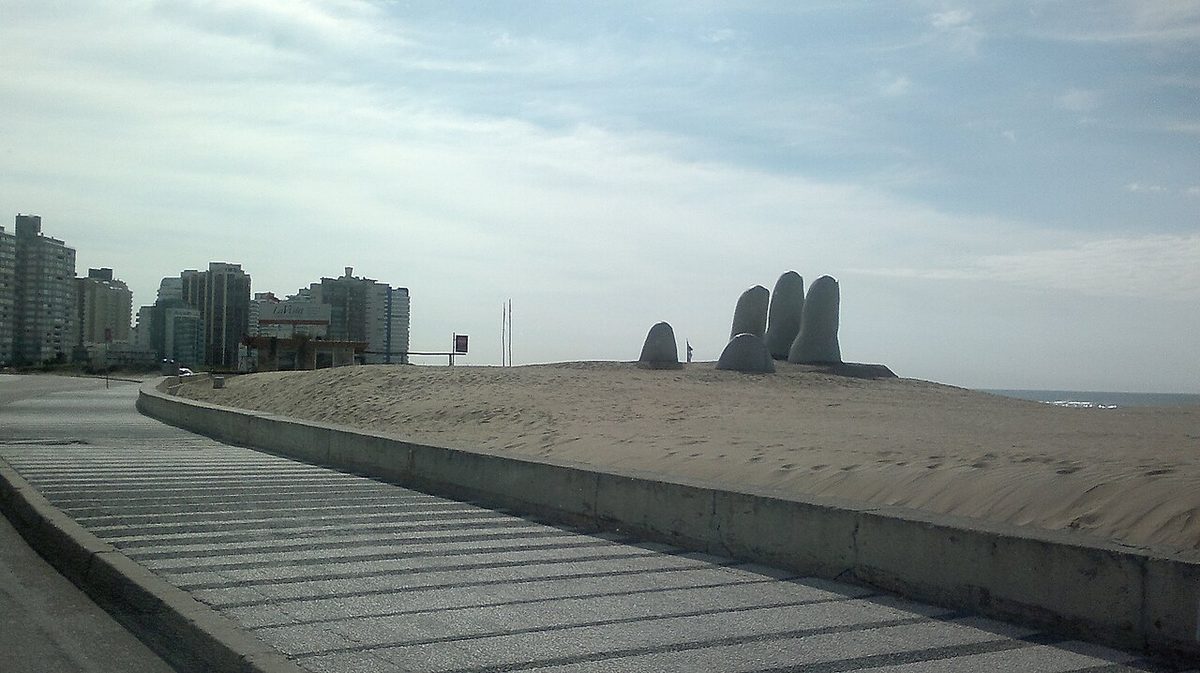
Arrive and orient yourself between Punta’s two coasts: the calm Playa Mansa on the bay side and the wavier Playa Brava on the ocean side. Our breakdown of Punta del Este’s beaches, Mansa versus Brava, explains which suits swimming versus surf. Walk to La Mano — the giant concrete fingers rising out of Playa Brava and the town’s signature photo — at golden hour.
Day 2 — Saturday: beach day, then Casapueblo at sunset
Give Saturday to the beach. Rent a lounger, swim, eat seafood, repeat. In the late afternoon, drive or grab a taxi west to Casapueblo, the white free-form clifftop building near Punta Ballena, for its famous sunset ceremony. It gets busy, but the view over the water earns the crowd. There’s a fuller account in our guide to Casapueblo and its sunset ceremony.
Day 3 — Sunday: José Ignacio or a sea-lion boat
For a third day, head 40 minutes up the coast to José Ignacio, the chic little beach village that swaps high-rises for low-slung style and long empty sand. Alternatively, take a morning boat to Isla de Lobos to see one of the largest sea-lion colonies in the hemisphere. Then loop back for your departure.
Who it suits: beach lovers, summer travelers, anyone who wants nightlife with their sand. The honest catch: in peak summer (late December to February) Punta is expensive and booked solid — prices spike, the best restaurants need reservations weeks out, and the crowds are real. Come in shoulder season (November or March) and you get the same beaches at half the stress, but the scene is much quieter and some places close.
For the full picture including the surrounding villages, our complete Punta del Este travel guide is the place to start, and if you’re deciding where to base yourself, our guide to where to stay in Punta del Este compares the areas.
Option D: The classic Buenos Aires add-on weekend
This is the SERP-favorite question I get most: I’m in Buenos Aires — can I pop over to Uruguay for a couple of days? Yes, and it’s one of the easiest international weekend trips in South America. The Río de la Plata ferries make it genuinely doable, and you get a passport stamp and a wholly different country for the price of a short crossing.
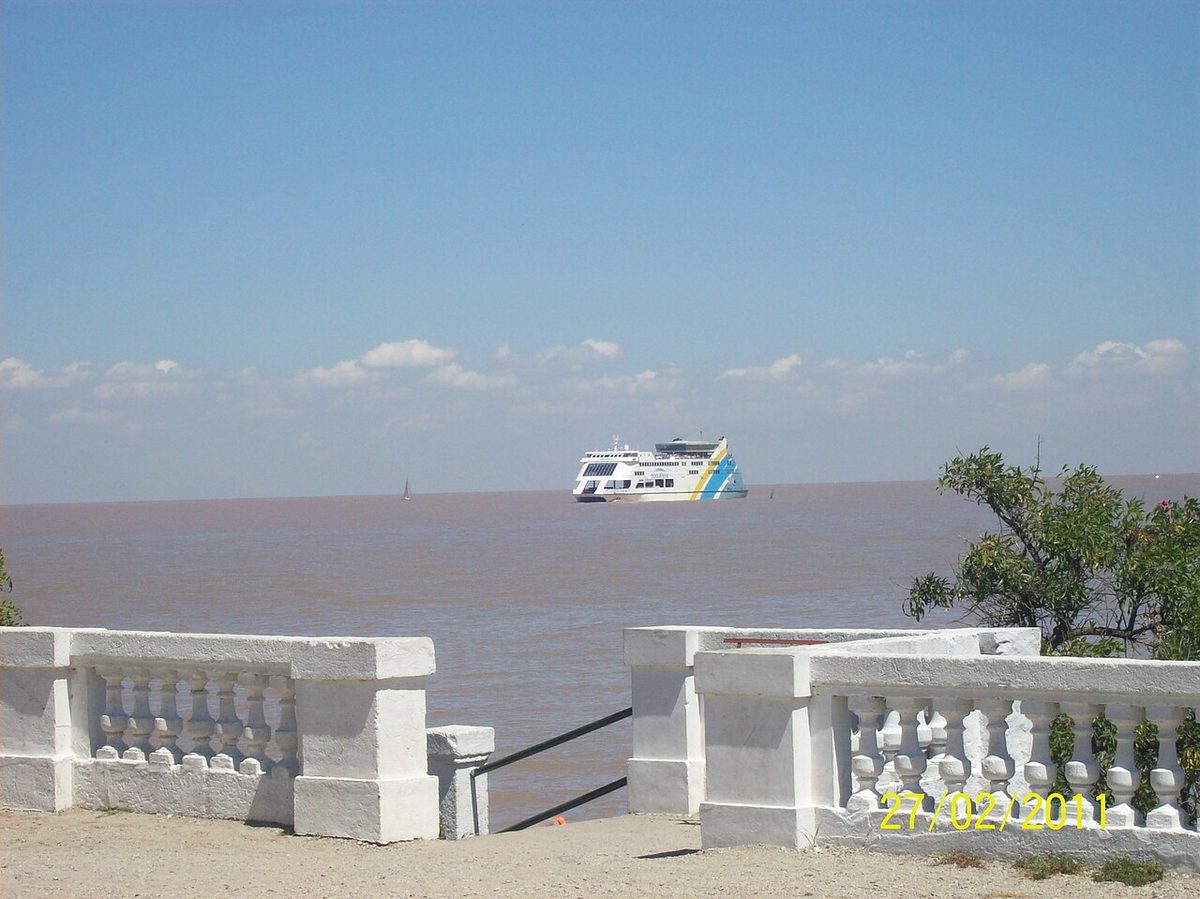
Here’s how the logistics actually work, because most articles wave at this vaguely. Two main ferry companies — Buquebus and the cheaper Colonia Express — run from the Buenos Aires waterfront. The fast ferry to Colonia del Sacramento takes about one hour and 15 minutes. The direct fast ferry to Montevideo runs around two hours and 15 minutes. A common-and-cheaper combo is ferry-to-Colonia then a connecting bus on to Montevideo (roughly two and a half hours by road), which the ferry companies sell as a single through-ticket.
Book ahead in summer and around Argentine long weekends, when sailings fill. Bring your passport — this is a real border crossing, with immigration handled at the terminal (often pre-cleared before you board). Round-trip ferry fares swing a lot with timing and company, but budget very roughly US$120–200 per person return to Colonia, more for direct Montevideo crossings; check current fares when you book, as they move.
The two ways to play it
The lazy-but-lovely version: ferry to Colonia on Friday, two nights of cobblestones and river sunsets, ferry back Sunday. This is the lowest-effort, highest-romance option and my pick for a first crossing. Compress the same idea into one day and you get the standard Colonia day trip from Buenos Aires, out on an early boat and back the same evening, which I have costed out separately.
The more-ambitious version: ferry to Colonia, half a day there, then the connecting bus to Montevideo for a night or two of city and food before returning. You see two very different sides of Uruguay, but you’ll spend a chunk of the weekend in transit — a fair trade only if you’re an efficient packer of days.
Either way, this combination is one of the great arguments for visiting at all. If you’re still weighing it up, our honest take on Uruguay versus Argentina and which to visit is worth a read.
Who it suits: travelers already in Buenos Aires, two-country collectors, anyone who likes a boat. The honest catch: the ferry is the whole experience and also the whole risk — a delayed or rough crossing, or a missed connection, eats into a tight weekend fast. Build in buffer and don’t book the last sailing back if you have a Monday flight.
Matching the weekend to the traveler (and the season)
A few quick steers, because the “best” weekend depends entirely on who you are and when you’re going.
Travelling as a couple who want romance over activity? Colonia, every time, ideally bolted onto Buenos Aires. Want the most variety in the fewest hours and you love eating? Montevideo. Chasing sun and a scene? Punta del Este — but only if you’re coming in summer and have the budget for it.
Season is the other half of the decision. In summer, all four work and the beaches come alive, though Punta gets pricey; our guide to Uruguay in summer sets expectations. In winter, skip the beach weekends and lean into the cities — Montevideo and Colonia are cheaper, quieter, and surprisingly atmospheric in the cold, as our guide to Uruguay in winter argues. Spring and autumn are the underrated sweet spots: mild, affordable, uncrowded.
Whatever you choose, eat well. Uruguayan food is simple and superb — beef, dulce de leche, chivito (the famous loaded steak sandwich), and Tannat wine. Our guide to the Uruguayan dishes and drinks you have to try is a useful pre-trip read so you order like you know what you’re doing.
Practical planning for a Uruguay long weekend
A handful of things that make a short trip smoother.
Money: Uruguay is not cheap by South American standards — closer to European prices in tourist areas. Cards are widely accepted in cities; carry some pesos for small markets and rural spots. Tourists get a tax rebate on card payments at restaurants and hotels, which quietly softens the bill.
Getting around without a car: for a single-base weekend you rarely need to drive. Buses between Montevideo, Colonia and Punta del Este are frequent, comfortable and cheap. If you do want a car for Punta’s coast, see how the routes connect in our guide to getting from Montevideo to Punta del Este.
Booking lead times: in summer and on Argentine or Uruguayan long weekends, book ferries and Punta hotels weeks ahead. Off-season, you can be far more spontaneous. Check the calendar against our list of Uruguay’s public holidays and what actually closes so you’re not caught out.
What to skip: on a weekend, skip the long inland drives to the hot springs or the wild Rocha coast — they deserve more time, and the Ruta 10 coastal drive from Montevideo to Punta del Diablo wants three days at the very least. Skip trying to “add Punta to Colonia.” And skip renting a car for a pure city break; it’s just a parking headache.
If this whets your appetite for something longer, the natural next steps are our 7-day Uruguay itinerary, the 10-day coast, wine and countryside route, or the full two-weeks-in-Uruguay plan. They handle the depth a weekend can’t. And the master Uruguay itinerary planner from 3 days to 2 weeks ties all the durations together in one place.
A weekend in Uruguay: your questions answered
Is 3 days enough for Uruguay?
Three days is enough for one region done well — a city break in Montevideo, a slow stop in Colonia, or a Punta del Este beach weekend. It is not enough to see the whole country, and trying to will leave you mostly on the road. For a satisfying short trip, pick one base and resist the urge to chain destinations.
Can I visit Uruguay for a weekend from Buenos Aires?
Yes — it’s one of the easiest international weekend trips in the region. Fast ferries cross the Río de la Plata daily: about 75 minutes to Colonia del Sacramento or roughly two and a quarter hours direct to Montevideo. Bring your passport, book ahead in summer, and Colonia makes the most relaxed two-night escape.
What is the best base for a short trip to Uruguay?
Montevideo is the best all-round base for first-timers thanks to food, walkability and transport links. Colonia suits couples and slow travelers; Punta del Este suits summer beach trips. Choose by trip style, not by trying to centralize — the country is small but distances between these bases still eat hours.
How much does a weekend in Uruguay cost?
Budget very roughly US$350–700 for two people on a mid-range Montevideo or Colonia weekend, and noticeably more in Punta del Este in summer, where US$1,000-plus is easy. Uruguay runs closer to European than typical South American prices, though the tourist tax rebate on cards helps. Treat all figures as ballparks and check current rates.
Montevideo or Punta del Este for a weekend?
Montevideo if you want food, culture and year-round appeal in a walkable city. Punta del Este if you want beaches and a summer scene and you’re travelling between roughly December and February. In winter, Montevideo wins easily — Punta largely shuts down. Don’t try to do both justice in a single weekend; they’re two hours and two moods apart.
Final thoughts
The mistake I made on my first trip — treating a weekend as a race — is the one I most want to spare you. Uruguay rewards the opposite instinct. Three days here are better spent learning the rhythm of one place than collecting four you barely touched.
So pick your base, book one or two unhurried nights, eat far too much beef, and let the rambla or the cobbles or the surf do the rest. If you fall for it — and most people do — the longer itineraries will be waiting. A weekend is the perfect way to find out whether this stubborn little country is your kind of place.
Credits & sources
Sources & further reading
- Ministerio de Turismo del Uruguay (official tourism ministry)
- UNESCO World Heritage Centre — Historic Quarter of Colonia del Sacramento
- Buquebus — Río de la Plata ferry schedules and fares
Photo credits
All images via Wikimedia Commons: Montevideo Rambla Sunset by Marinna (CC BY-SA 4.0); Ciudad Vieja Montevideo Street by Felipe Restrepo Acosta (CC BY-SA 4.0); Colonia Del Sacramento Calle by Banfield (CC BY-SA 3.0); Punta Del Este La Mano Beach by Paola15 (CC BY-SA 3.0); Buquebus Ferry Rio De La Plata by Roxyuru (CC BY-SA 3.0).