Montevideo Itinerary: 1, 2 or 3 Days (2026)

The first time I tried to “do” Montevideo in a day, I walked roughly fourteen kilometres, missed lunch, and arrived at the Rambla too foot-sore to enjoy the sunset I’d planned the whole route around. I’ve since been back four times, in summer and in a damp July, and I’ve learned the city rewards a slightly slower hand than the guidebooks suggest. So this is the routing I wish I’d had.
A good Montevideo itinerary bends to how long you’ve got. One day covers Ciudad Vieja, the port market and a sliver of the Rambla on foot. Two days adds Pocitos, the stadium and a proper dinner. Three days lets you breathe and bolt on a day trip. All three are below, hour by hour.
This is the planning and routing page, written for first-time visitors who want a sensible order to walk the city rather than a deep dive on any single sight. I keep the descriptions short on purpose and link out to the dedicated guides where the detail lives. If you’re still deciding how Montevideo fits into a wider trip, the broader Uruguay itinerary planner is the place to start; for everything the capital itself holds, lean on the full things to do in Montevideo guide.
Distances here are walkable for the most part. Ciudad Vieja, the historic core, is compact enough to cross in fifteen minutes; the longer hops out to Pocitos or the stadium are where a taxi or the local bus earns its keep. I’ll flag those as we go.
| Day | Morning | Afternoon | Evening |
|---|---|---|---|
| Day 1 | Plaza Independencia, Teatro Solis, Ciudad Vieja streets | Mercado del Puerto lunch, Plaza Matriz, port views | Rambla sunset walk, dinner in the Old City |
| Day 2 | Estadio Centenario & football museum | Pocitos beach, the Montevideo letters, Punta Carretas | Rambla cycle or long dinner in Cordon |
| Day 3 | Day trip: Colonia del Sacramento or Punta del Este | Continue the day trip, or wine country | Return; relaxed milonga or rooftop drink |
One day in Montevideo
One day in Montevideo means a single, tightly-walked loop through the historic centre, finishing on the waterfront. Keep it to roughly four square kilometres and you’ll see the headline sights without the forced march I inflicted on myself the first time. Skip the outlying neighbourhoods entirely; they need their own half-day and you don’t have it. If your single day is a ship day rather than a full one, the Montevideo cruise port guide compresses this loop into the hours between the port gate and all-aboard.
Morning: Plaza Independencia and the Old City
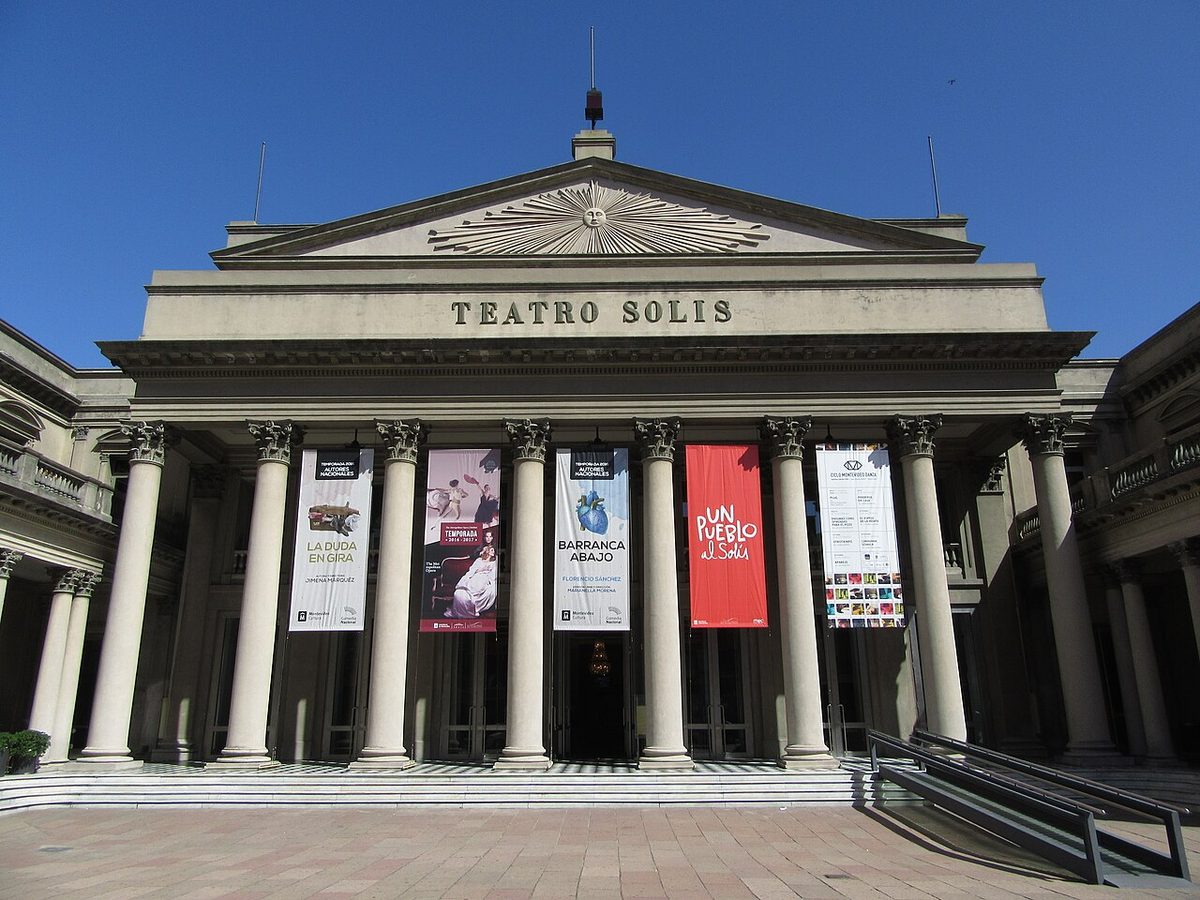
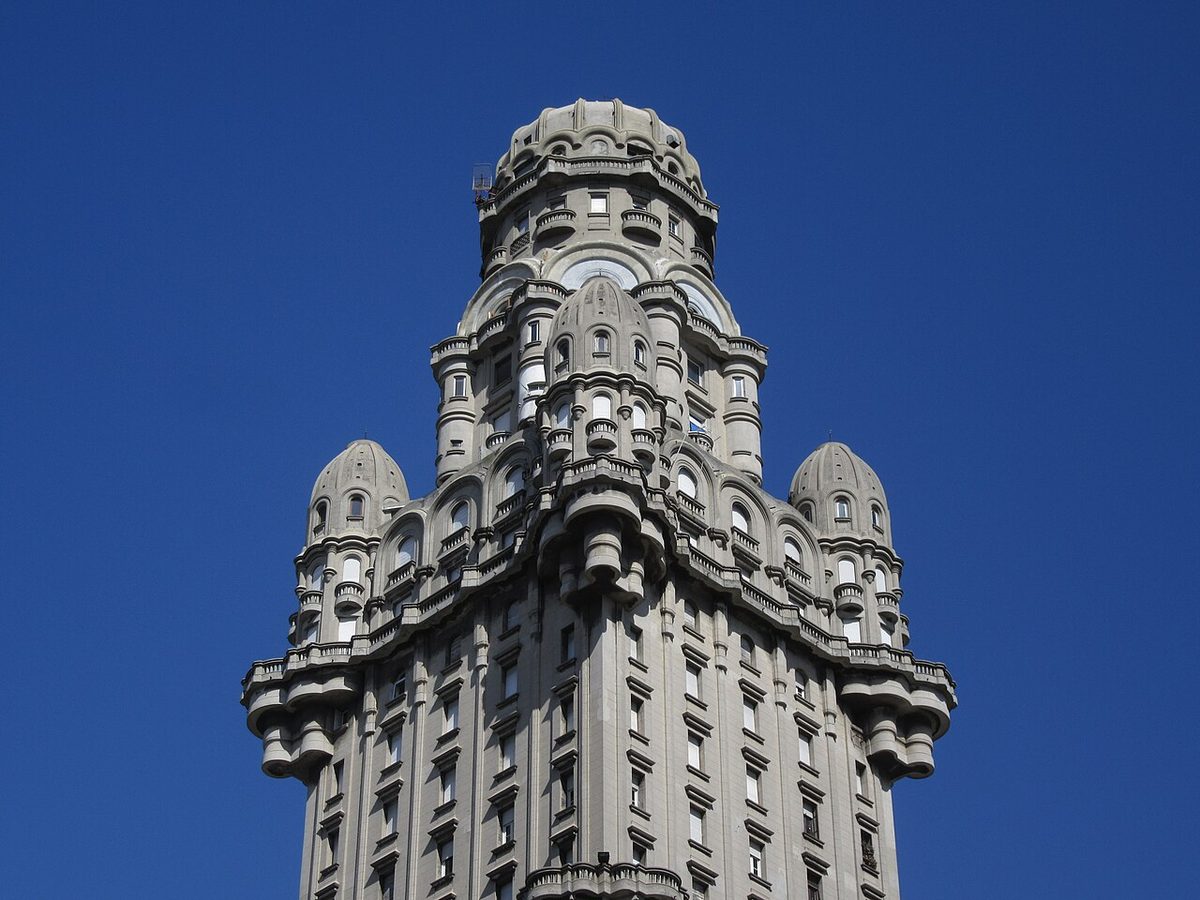
Start at Plaza Independencia by nine. It’s the hinge between the modern downtown and the old town, watched over by the colossal Artigas statue and the Art Deco Palacio Salvo, the wedding-cake tower you’ll keep using to orient yourself. Give it twenty minutes, then duck into Teatro Solis on the square’s edge; even a quick look at the foyer is worth it, and the guided tours run cheap if you’d rather go inside.
From the plaza, walk west under the old citadel gate into Ciudad Vieja. The cobbled grid here is the reason most people come, and it deserves an unhurried hour. Drift along Sarandi, the pedestrian spine, toward Plaza Matriz, the city’s oldest square. I cover the route and the best detours in the dedicated Ciudad Vieja walking guide, so here I’ll just say: follow the side streets, not only Sarandi.
Midday: coffee, then Mercado del Puerto
Pause around eleven for coffee. Cafe Brasilero on Ituzaingo is the oldest cafe in the city and a fine, slightly creaky place to rest your feet over a cortado. Then aim for the port by half past twelve, because lunch is the point of the morning.
Mercado del Puerto is a cast-iron market hall packed with parrillas, the wood-fired grills that define Uruguayan eating. A parrilla is simply a grill, and here it means a counter seat in front of a wall of flame and more beef than you can reasonably finish. Go hungry, order a chivito or a mixed grill, and read the full strategy in the Mercado del Puerto guide before you pick a stall. It gets busy by one; arrive earlier and you’ll get a better seat.
Afternoon: port views and a slow drift south
After lunch, resist the urge to keep eating. Walk it off down toward the working port, then loop back through Plaza Zabala, a quiet leafy square ringed by old mansions, one of which now houses a small decorative-arts museum if you want a sit-down with air conditioning. This is the gentlest stretch of the day and a good place to let the asado settle.
Around four, start angling toward the water. The southern edge of Ciudad Vieja meets the Rambla, and that’s where the afternoon turns from sightseeing into simply being in the city.
Evening: the Rambla at golden hour
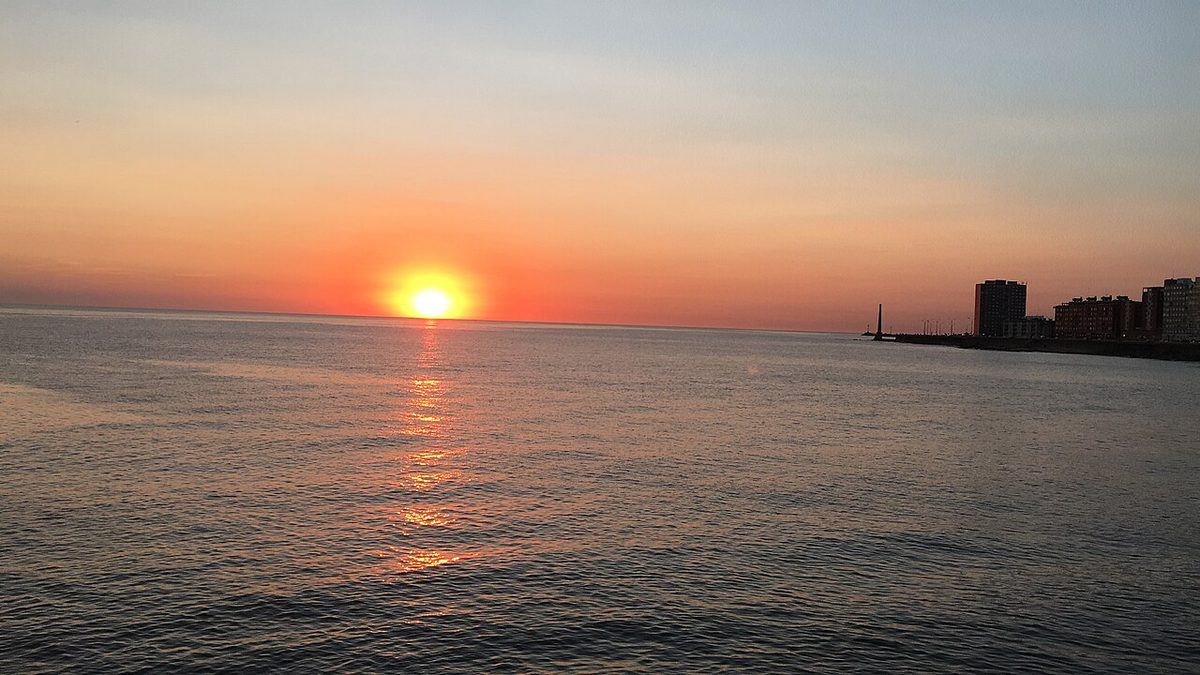
The Rambla is Montevideo’s 22-kilometre waterfront promenade, the locals’ favourite place to walk, run, fish and drink mate, the bitter herbal tea everyone carries in a gourd. You only need a short piece of it. Walk east from the Old City for half an hour as the light goes gold over the Rio de la Plata, the vast brown river-estuary the city sits on. I break down the best segments in the complete Rambla guide; for one evening, the Ciudad Vieja-to-Pocitos direction is the prettiest at sunset.
For dinner, head back into the Old City. Restaurants cluster around Bartolome Mitre and the surrounding lanes, from old-school parrillas to newer small-plates rooms. The best restaurants in Montevideo roundup has the bookings worth making; on a single night, anything with a charcoal grill and a Tannat on the list will do you proud. Tannat is the bold red grape Uruguay has made its own.
That’s a full, honest day. You’ll have walked maybe eight kilometres, eaten extremely well, and seen the core. What you’ll have skipped is the beach, the stadium and any sense of how locals actually live, which is precisely what the second day buys you.
Two days in Montevideo
With two days in Montevideo you keep the whole of Day 1 above and add a second day that pushes east and inland: football history in the morning, beach neighbourhoods in the afternoon, a longer dinner at night. This is the length I’d recommend to most people. It’s enough to stop rushing and start noticing.
Morning: Estadio Centenario and the football museum
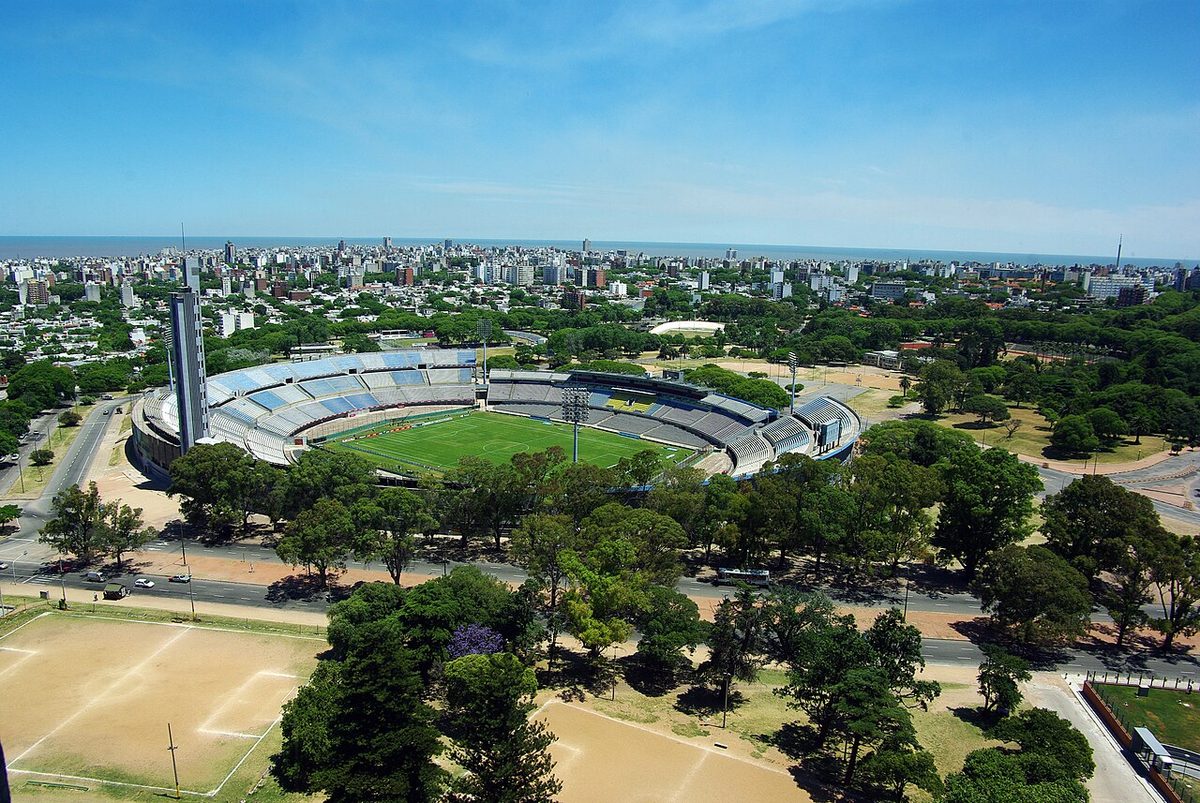
Begin Day 2 at the Estadio Centenario, built for the very first World Cup in 1930. Football here is closer to religion than pastime, and the on-site museum tells that story with real feeling, shirts, photographs, the original trophy talk. It’s a short taxi ride from the centre, about fifteen minutes, or a longer bus. Plan for ninety minutes inside, more if you’re a fan. The full visiting detail, hours and how to combine it with a match, sits in the Montevideo city guide.
One scheduling note that catches people out: the museum keeps shorter hours and the stadium can close to visitors on match days, so check before you go rather than turning up cold.
Afternoon: Pocitos, the Montevideo letters and Punta Carretas
From the stadium, make for Pocitos, the breezy middle-class beach neighbourhood that shows you everyday Montevideo. The crescent of sand is genuinely pleasant, and the big “MONTEVIDEO” letters planted on the Rambla here are the city’s most-photographed spot. Grab a late lunch at one of the Pocitos cafes, then walk the waterfront southwest toward Punta Carretas.
Punta Carretas hides a strange story: its shopping centre was a notorious prison until the 1990s, the site of one of the largest jailbreaks in history. It’s a sleek mall now, useful for a coffee and a cool-down, with the old lighthouse nearby. This whole stretch is where a lot of visitors decide they could actually live in Montevideo.
Evening: a long dinner in Cordon or a Rambla ride
Two choices for the second night, depending on energy. If your legs are done, rent a bike or just walk a fresh stretch of the Rambla and watch the mate-drinkers settle in for sunset; it never gets old. If you’ve got appetite, head to Cordon, the gently bohemian neighbourhood inland, where Mercado Ferrando, a food hall in an old furniture factory, gathers a dozen good kitchens under one roof with craft beer on tap.
Either way, Day 2 is when Montevideo stops being a checklist. You’ve now seen the historic core, the waterfront, the beach districts and the city’s beating sporting heart. Many travellers stop here perfectly satisfied. But if you have a third day, the smartest move is to leave the city altogether for part of it.
Three days in Montevideo
Three days in Montevideo gives you the two-day plan plus a full day to slow down or strike out. The relaxed move is a day trip; Montevideo is unusually well-placed for them, and the full rundown of day trips from Montevideo runs to twelve destinations west, along the coast and inland. I’d resist cramming a third day of in-city sights and instead use the time for a change of scene, then come back for a gentle final evening.
Morning and afternoon: pick one day trip
You’ve essentially got three good day-trip shapes, and you should commit to just one:
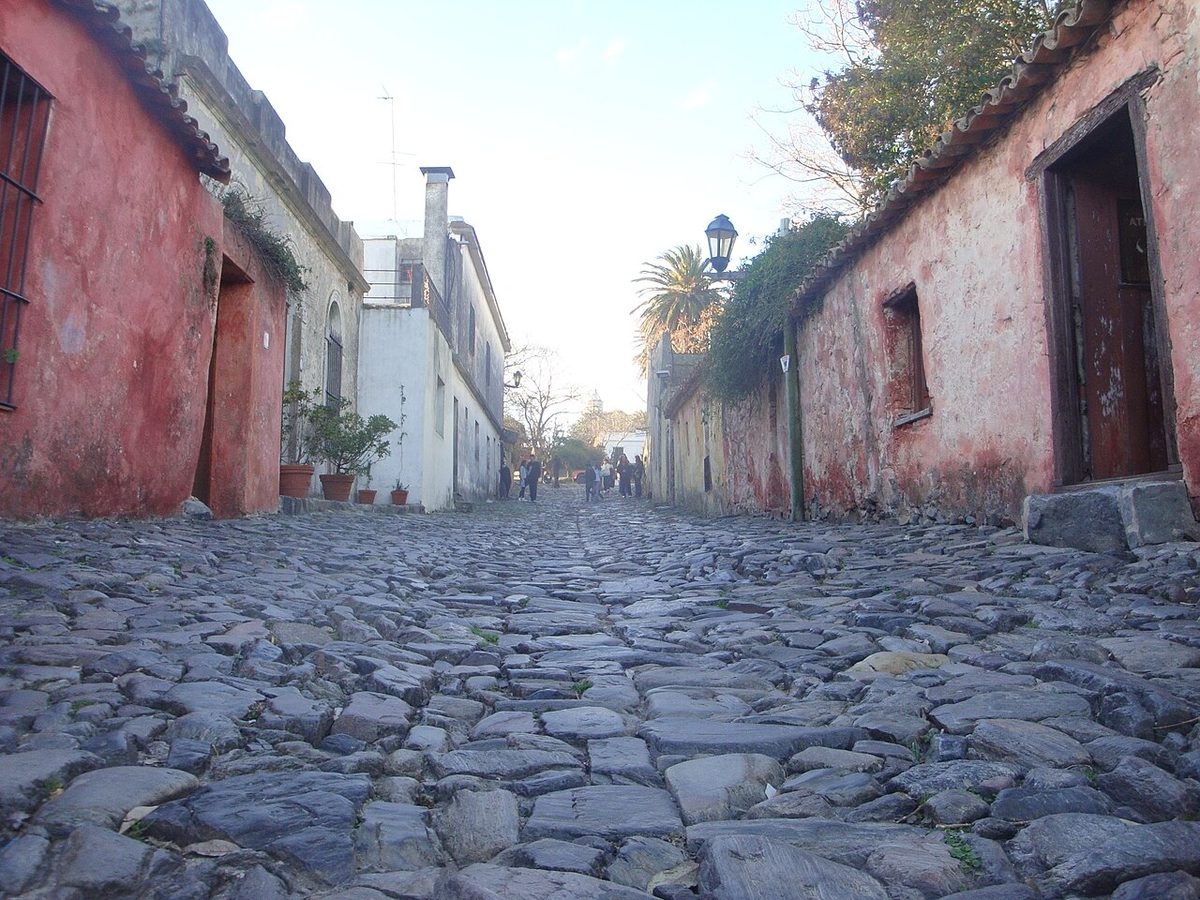
Colonia del Sacramento is the classic. The Portuguese-founded UNESCO old town is two-and-a-bit hours west by bus, its cobbled streets and lighthouse easily walked in an afternoon. It’s the most rewarding and the most popular; the dedicated Colonia del Sacramento guide has the bus times and the best lanes.
Punta del Este suits beach people. Uruguay’s glossy resort city is around two hours east, with the famous half-buried hand sculpture and long sands. The Montevideo to Punta del Este rundown covers the four ways to get there; in winter it’s quiet, so weigh that.
Wine country stays closer to home. The bodegas of Canelones, just outside the city, pour the Tannat that built Uruguay’s wine name, often with a long lunch attached. Start with the Uruguay wine country guide to choose a winery and book ahead, because most need reservations.
Evening: an easy last night back in the city
Aim to be back in Montevideo by early evening. Your last night should be low-effort: a milonga if you want one final dose of culture, or simply a rooftop drink and a final parrilla. A milonga is a social dance hall where people come to dance tango, and Montevideo’s are unfussy and welcoming rather than touristy. If dancing isn’t your thing, the Old City’s wine bars make a fine, quiet close.
Prefer to stay in town? A slower third day
Not everyone wants a day trip, and that’s fine. A relaxed in-city third day might mean the Legislative Palace’s guided tour, the panoramic deck atop the Intendencia for a free city view, the Prado gardens and Blanes art museum, or the Sunday chaos of the Tristan Narvaja street market if your timing lines up. Pad it with another Rambla stretch and a long lunch. The point of a third day is that you no longer have to choose ruthlessly.
If it rains
Montevideo’s weather can turn, especially in winter, and the city holds up better in rain than you’d fear because so much of it is indoors-adjacent. Swap the Rambla walk for Teatro Solis on a full guided tour, then the museums of Ciudad Vieja, the Gurvich and the decorative-arts collections, which are a short dash apart. Mercado del Puerto and Mercado Ferrando are both covered halls, so lunch is unaffected. Punta Carretas Shopping and the football museum round out a wet day without anyone getting miserable. For seasonal context, the Uruguay weather guide is worth a glance before you pack.
With kids
Travelling with children shifts the emphasis toward open space and movement. The Rambla is a gift here, flat, safe and endless for scooters and bikes you can hire by the hour. Parque Rodo has a small permanent funfair and a lake with rowing boats; Pocitos beach handles sandcastle duty. The football museum lands well with older kids, and the parrillas are relaxed about families. Keep the cobbled-museum stretch short and let the waterfront do the heavy lifting.
Getting around, timing and the one thing to plan around
Montevideo is a walking city at its core, and the central loop of every itinerary above is best done on foot. For the longer hops, out to the stadium, Pocitos or Carrasco, you’ve got cheap, plentiful taxis and ride apps, plus an extensive city bus network that uses a rechargeable STM card. Buses are inexpensive but slow and confusing for a first-timer; on a short trip I just use taxis for the long legs and walk everything central.
Where you sleep shapes the whole plan. Stay in Ciudad Vieja or downtown and Day 1 starts at your door; stay in Pocitos and Day 2 does. The Montevideo neighbourhood guide weighs the trade-offs, and the wider where to stay in Uruguay overview helps if the capital is one stop on a longer loop.
On timing: there’s no city tourist pass worth buying here, sights are individually cheap or free, so don’t go hunting for one. Cash in pesos is handy for markets and the cuidacoches, the informal car-watchers who help you park, but cards work widely. For the broader practicalities, fares, money, safety, the Uruguay travel tips page is the fuller brief, and getting to Uruguay and around covers arriving by ferry, flight or bus.
Here’s the honest drawback, and the single thing to plan around: many of Montevideo’s museums close on Mondays, and Teatro Solis tours thin out then too. If your one day lands on a Monday, you’ll find the historic core oddly shuttered. Reshuffle so Monday is your Rambla, beach or day-trip day, and save the museums and the theatre for any other day of the week. It’s a small thing that quietly wrecks a tight one-day plan if you ignore it. Public holidays do the same; the Uruguay public holidays calendar flags what actually shuts.
Season matters too. Winter, roughly June to August, is quieter and cooler, with shorter days that compress the golden-hour Rambla window; the best time to visit Uruguay guide lays out the trade-offs month by month so you can pace accordingly.
Fitting Montevideo into a bigger trip
Most people don’t fly across the world just for the capital, and they shouldn’t. Montevideo works best as the anchor at the start or end of a wider loop. If all you have is a long weekend, the three-day Uruguay weekend plans weigh a city break here against basing yourself in Colonia or Punta del Este instead. Two nights here, then east to the beaches or west to Colonia, is the rhythm I’d suggest, and the Uruguay itinerary planner maps the common shapes from three days to two weeks.
Pairing the city with the coast is the obvious move in summer. If you’re beach-bound afterwards, the Punta del Este travel guide and the wider best beaches in Uruguay rundown pick up where this itinerary leaves off. In cooler months, lean inland instead: the wine bodegas and the thermal-spring towns of the litoral give Montevideo a very different second act.
One last sequencing tip for shoulder-season and winter trips. Days are short, so I run the plan slightly compressed and front-load the outdoor pieces, the Rambla, Pocitos, the day trip, into the brightest hours, then save indoor sights for the afternoon when the light fades. It’s a small reshuffle that keeps you off a dark, blustery waterfront at five in the evening and indoors with a warm cortado instead.
Montevideo Itinerary: your questions answered
Is one day enough for Montevideo?
One day is enough to see the historic core, Ciudad Vieja, Plaza Independencia, the port market and a slice of the Rambla, on foot. It is not enough for the beaches, the stadium or any feel for daily life. If Montevideo is a stopover, one focused day works well; if it’s your main stop, give it two.
How many days do you need in Montevideo?
Two days is the sweet spot for most visitors. The first covers the old city and waterfront; the second adds Pocitos, the football stadium and a proper dinner without rushing. A third day is worth it only if you want a day trip to Colonia or Punta del Este, or a deliberately slow, unstructured finish.
Is Montevideo a walkable city?
The centre is very walkable. Ciudad Vieja, Plaza Independencia and the start of the Rambla form a compact loop you can cover comfortably on foot in a morning. The longer reaches, the stadium, Pocitos, Carrasco, are spread out, so use a cheap taxi or the city bus for those legs and save your feet for the core.
What should I avoid on a Montevideo itinerary?
Avoid scheduling museums and Teatro Solis tours for a Monday, when many close. Don’t try to walk all 22 kilometres of the Rambla; pick one segment. Skip a city tourist pass, there isn’t a useful one. And resist over-eating at Mercado del Puerto if you’ve an afternoon of walking ahead, or the asado will defeat you.
Can you do a day trip from Montevideo?
Yes, and it’s the best use of a third day. Colonia del Sacramento is about two hours west by bus, Punta del Este roughly two hours east, and the Canelones wine bodegas sit just outside the city. Each works as a comfortable out-and-back in a day, leaving your evening free back in Montevideo.
What is the best area to stay in for this itinerary?
Ciudad Vieja or downtown puts you at the start of Day 1 and within walking distance of the old city and the port. Pocitos suits beach-leaning travellers and makes Day 2 effortless. Both are well connected; your choice mostly comes down to whether you prioritise historic atmosphere or a seafront base.
Final thoughts
My honest take after several visits: Montevideo is a two-day city that quietly becomes a three-day one once it has your affection. Give the first day to the old town and the water, the second to the beaches and the stadium, and let the third be loose, a day trip, a long lunch, a final walk on the Rambla as the mate-drinkers gather.
Whatever length you choose, walk more than you taxi, eat at the markets, and time your museums away from Mondays. Do that and the city pays you back. For the bigger picture of where Montevideo sits in a national trip, the full Uruguay itinerary and the best things to do in Uruguay are the natural next reads.
Credits & sources
Sources & further reading
- Intendencia de Montevideo — the city government’s official site for civic information and the Mirador panoramic deck.
- Teatro Solis — official tour times and performance schedule for the historic theatre.
- UNESCO World Heritage Centre — listing for the historic quarter of Colonia del Sacramento, a leading day-trip option.
Photo credits
All images via Wikimedia Commons: Plaza Independencia Montevideo by Felipe Restrepo Acosta (CC BY-SA 4.0); Estadio Centenario Montevideo by Ismael Cordero (CC BY-SA 3.0); Colonia Del Sacramento Uruguay by Banfield (CC BY-SA 3.0); Rambla De Montevideo by Marinna (CC BY-SA 4.0); Teatro Solis Montevideo by Felipe Restrepo Acosta (CC BY-SA 4.0); Palacio Salvo Montevideo by Felipe Restrepo Acosta (CC BY-SA 4.0).


