Best Time to Visit Uruguay: Month-by-Month Guide (2026)
Last updated: June 2026
Uruguayans have a saying about their weather: if you don’t like it, wait twenty minutes. I once swam at Pocitos beach on an April morning and needed a wool sweater by sundown — then spent the evening at a sidewalk parrilla anyway, because that’s what the sweater is for. Picking when to come here matters less than people fear and more than the brochures admit.
The best time to visit Uruguay is November to early December or March to mid-April: summer warmth, swimmable water, and none of January’s crowds or prices. Come in January for the beach party, February–March for carnival, or July–October for whales, hot springs and the lowest fares of the year.
That’s the short version. The long version — what each month actually feels like, what it costs, what’s on, and the weeks I’d steer my own family away from — is below. It’s built from climate data, the national events calendar, and an unhealthy amount of time spent on Uruguayan beaches in every season, including the wrong ones.
Best time to visit Uruguay at a glance
| Month | Season | Montevideo high | Crowds & prices | Verdict |
|---|---|---|---|---|
| January | Peak summer | 29°C / 84°F | Maximum — coast triples in price | Party, if you’ve booked ahead |
| February | Late summer | 28°C / 82°F | High, easing late month | Carnival + beach combo |
| March | Early autumn | 26°C / 79°F | Low — coast empties fast | The sweet spot |
| April | Autumn | 22°C / 72°F | Low (Easter week excepted) | Warmest sea, quietly lovely |
| May | Late autumn | 19°C / 66°F | Lowest of the year | City breaks, food, bargains |
| June | Early winter | 15°C / 59°F | Very low | Termas season opens |
| July | Winter | 15°C / 59°F | Low (school break mid-month) | Hot springs, first whales |
| August | Winter | 16°C / 61°F | Low | Whales + Nostalgia Night |
| September | Early spring | 18°C / 64°F | Low | Whale watching peak |
| October | Spring | 20°C / 68°F | Low, coast reawakening | Heritage weekend, mild days |
| November | Late spring | 24°C / 75°F | Moderate | The other sweet spot |
| December | Summer | 27°C / 81°F | Low until ~Dec 20, then maximum | Early December is a gift |
Temperatures are typical daytime highs for Montevideo; the coast runs a degree or two cooler, the northern interior several degrees warmer. Rain falls fairly evenly all year (roughly 70–100 mm a month), so there is no rainy season to dodge — just the occasional two-to-four-day blow.
Uruguay’s seasons, decoded
First, the orientation everyone needs: Uruguay sits in the Southern Hemisphere, so the seasons are upside-down for North Americans and Europeans. Christmas is a beach holiday. July is the depth of winter. The whole country is temperate — there’s no tropical north, no altitude, nothing more than 514 meters tall — so the weather arrives politely and in moderation, with four genuine seasons.
Summer (December–February) runs warm rather than scorching: high 20s to low 30s Celsius (low-to-mid 80s Fahrenheit), with the rare 36°C spike that reliably arrives around New Year, when nobody has bought the air conditioner yet. Humidity is gentler than Buenos Aires. Autumn (March–May) is mild, golden and underrated — around 20°C days well into April, and the ocean, having banked a whole summer of sunshine, is actually at its warmest in early autumn. Winter (June–August) averages about 15°C by day and rarely dips below freezing at night; it’s damp, windy and grey in spells rather than truly cold, though Uruguayan houses are famously under-heated, which is why locals complain about winter more than the numbers justify. Spring (September–November) mirrors autumn, with jacarandas turning Montevideo purple by November.
Two local weather characters worth knowing. The pampero is a cold front that barrels up from the Argentine plains a few times a season, dropping the temperature 10 degrees in an afternoon — pack a layer even in January. And around August 30 arrives the fabled Tormenta de Santa Rosa, the storm of Saint Rose, which Uruguayans await with the certainty of a train timetable. Meteorologists roll their eyes; the storm, most years, shows up anyway.
Uruguay month by month
This is the section I wish had existed before my first trip. Months, not seasons, because January and March belong to different planets despite both being “summer.” Each entry below covers the weather you’ll actually get, what’s on, and the one thing worth knowing before you book that month.
January: the volume turned all the way up
Peak everything. Punta del Este becomes South America’s social capital, Argentine and Brazilian license plates outnumber local ones, and coastal accommodation triples in price — much of it booked out since October. Days sit at 28–30°C with that one annual heatwave usually landing in the first week; the sea is a friendly 22–23°C. The beach scene is genuinely spectacular: beach clubs at full tilt, DJ sunsets at La Barra, the harbor stacked with yachts pretending to be casual. So are the queues and the bill.
Meanwhile Montevideo does something odd: it empties. The first two weeks of January, half the capital is on holiday and the city is a calm, sunny shell of itself — wonderful for unhurried museum-and-rambla days, though a number of neighborhood restaurants close outright. January 6 gives you two collisions of tradition in one day: the San Baltasar candombe parade through Barrio Sur, and the Ramírez Grand Prix horse race at the gorgeous art-deco Maroñas track. Out east, Cabo Polonio and Punta del Diablo hit their brief, cheerful maximum. Verdict: come for the scene, not for value — and book everything months ahead.
February: carnival takes the stage
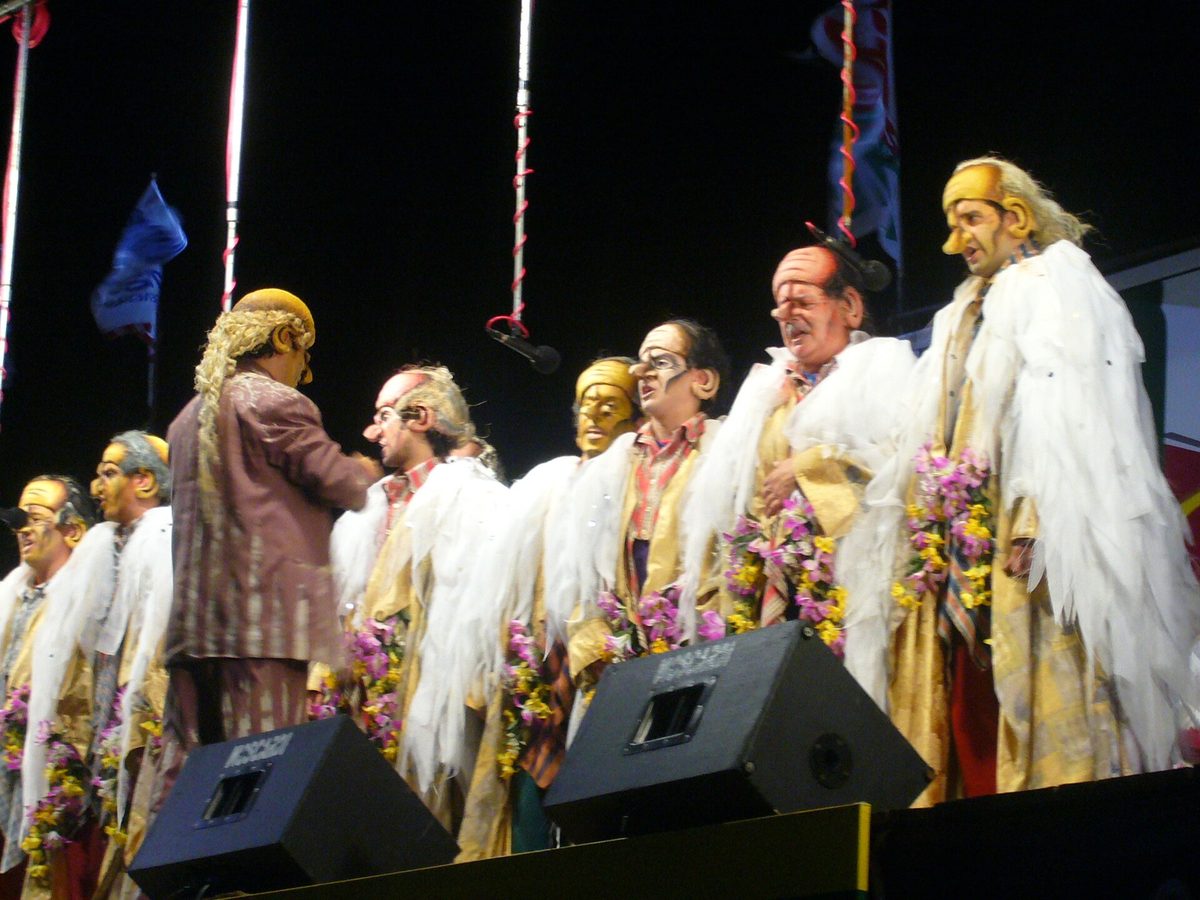
The heat holds (28°C days, the warmest sea of the year beginning its run), the coast stays lively but exhales after the February 1 changeover, when Argentine holiday shifts rotate home. And the world’s longest carnival hits its stride. Early February brings the Desfile de Llamadas — two consecutive nights of massed candombe drums rolling through Barrio Sur and Palermo that I’d rank among South America’s great spectacles, grandstand seats still costing closer to a cinema ticket than a Rio box. The murga theater season fills neighborhood tablado stages nightly with satire that spares no politician.
February 2 adds one of the calendar’s loveliest sights: Iemanjá Day, when tens of thousands wade into the dusk surf at Playa Ramírez bearing offerings for the Afro-Uruguayan sea goddess — candles, white flowers, melons, tiny hand-built boats. Beach by day, drums by night makes February arguably the most complete month on this calendar, if rarely the cheapest. Book Montevideo lodging for Llamadas week by November; the parade route neighborhoods sell out first.
March: the local secret
On March 1 someone flips a switch: the visiting crowds vanish, coastal prices drop by a third to a half, the ocean holds a luxurious 23–24°C, and the weather settles into a fortnight-after-fortnight of 26-degree days with low, flattering light. This is when Uruguayans with flexible diaries take their own beach holidays, which tells you everything. Carnival’s championship rounds still play in Montevideo’s Teatro de Verano through early March, so you can have empty beaches and murga finals in the same week.
Inland, the wine harvest (vendimia) brings tastings, harvest lunches and the occasional grape-stomp to Canelones and Carmelo, and early March means the Fiesta de la Patria Gaucha in Tacuarembó — the country’s biggest gaucho gathering, five days of bronco-riding, fire-cooked beef and folk music with barely a foreign tourist in sight. If I could send you in only one month, this is it. The single caveat: some beach-town restaurants begin their long winter nap mid-month, so the Rocha coast gets quieter — most call that a feature.
April: swim in autumn
Here’s the counterintuitive one: the sea around Uruguay is warmest right now, having simmered all summer — locals swim into Easter while visitors assume the season’s over. Air temperatures ease to about 22°C, the plane trees and sycamores turn the old plazas amber, and accommodation costs a fraction of January for what is, on the water at least, a better swimming month than December. Photographers get the year’s best light; sweater-and-swimsuit is the official April uniform.
The calendar’s one hot spot is Semana de Turismo — Easter week, which determinedly secular Uruguay renamed “Tourism Week” over a century ago — when the whole country travels at once. Montevideo hosts the Semana Criolla rodeo festival at the Rural del Prado (gaucho games inside the capital), Paysandú throws its enormous beer week, and Minas holds folk pilgrimages. It’s a wonderful week to be here and a terrible week to be spontaneous: book that specific week early. The other three April weeks are gloriously unbooked, and late April brings La Cumparsita anniversary events for tango pilgrims.
May: the quietest, cheapest month
May is for travelers who like cities to themselves. The coast has largely shuttered, but Montevideo compensates: 19-degree museum-and-café days, the theater and live-music season warming up, wine bars without elbows, and the year’s best hotel rates — boutique rooms at hostel-season prices. Foggy mornings on the Rambla have a moody, Lisbon-ish charm that summer visitors never meet, and the food scene is at full strength because every chef is home from the beach.
This is also prime estancia weather: crisp riding mornings, asado afternoons, fireside evenings. Pack proper layers — evenings drop toward single digits — and plan around eating: white-tablecloth lunches, market crawls, long Tannat dinners. No major festivals; that’s rather the point. If your travel taste runs to having landmarks to yourself and talking to owners instead of staff, May is criminally underrated.
June: winter arrives, the termas warm up
Winter begins gently: 15°C days, long nights, the first true wood-smoke evenings, and a city that responds by cooking better and programming more theater. This is when smart money heads northwest to the hot springs around Salto and Paysandú, where 38–46°C water and clear winter skies make the termas towns quietly busy while the coast sleeps — the great Uruguayan winter migration, and one of the most pleasantly un-touristy experiences in the country.
June also opens whale season’s first chapter: the earliest southern right whales begin appearing off the Atlantic coast late in the month, scouts ahead of the main arrival. Flight and hotel prices touch their annual floor, making June the cheapest month to simply get here. The trade: short days (sunset before 6pm) and the occasional grey, horizontal-drizzle spell that explains the national density of cozy cafés.
July: hot water, school holidays and the first whale tails

Statistically the coldest month — about 15°C by day, 7°C at night in Montevideo — which by world winter standards is a mild scolding, though the damp river wind argues otherwise. Mid-July brings vacaciones de julio, the two-week school break, so the termas, the capital’s theaters and family attractions fill with Uruguayans on their own holidays; the hot-springs hotels around Daymán and Arapey want booking a few weeks ahead for that fortnight, and reward it with the surreal pleasure of steaming outdoor pools under cold starlit skies.
Whales become a reliable sight from the headlands of Rocha and Maldonado as the month progresses. Montevideo counters the cold with its annual winter food binge — this is hot-chocolate-and-churros, long-braise, full-bodied-Tannat weather, and the restaurants know it. One cultural note worth repeating: Uruguayan buildings often treat heating as optional, so confirm your accommodation actually has it before you book. The reward for braving July: zero crowds anywhere, the year’s lowest prices, and the country entirely to its own rhythm.
August: whales and the strangest party of the year
Winter’s tail, with daytime temperatures nudging back to 16°C and the whale season building toward peak — southern right mothers and calves loll close enough to shore at La Paloma, La Pedrera and Punta Ballena that binoculars feel like cheating. Calm, bright mornings after a front passes are the connoisseur’s viewing windows.
Then there’s August 24: Noche de la Nostalgia, Nostalgia Night, the only national institution I know of dedicated entirely to golden oldies. On the eve of Independence Day, the whole country goes out dancing to decades-old hits — nightclubs, hotel ballrooms, sports halls, village social clubs, everywhere, all ages. It began as a radio gimmick in the late 1970s and is now, by most measures, the single biggest party night of the Uruguayan year. It is kitsch, enormous and completely sincere, and if you’re in the country you must go. August 25 (Independence Day) is a public holiday conveniently dedicated to recovery. Late August also hosts the Santa Rosa storm’s annual cameo. Layers, still.
September: peak whales, first blossoms

Spring creeps in at 18°C and whale watching hits its best weeks — Uruguay’s clifftop viewpoints (Cerro de la Virgen at La Paloma, the Punta Ballena headland, even Punta del Este’s peninsula) deliver Patagonia-grade sightings for the price of a bus ticket, no boat required. September 1 brings whale-and-dolphin sanctuary status celebrations along the Rocha coast, where conservation group OCC organizes community whale-spotting days.
Montevideo wakes up properly: Expo Prado fills the Rural del Prado fairgrounds for ten days with prize bulls, gaucho horsemanship, country food and agro-politics — the city’s annual reunion with its rural soul, and far more fun than it sounds. Late September closes with the Pride march down 18 de Julio, one of South America’s most relaxed and family-flavored. Hotel rates remain wintry while the weather no longer is; for nature-first travelers, September might quietly be the smartest month on this page.
October: the coast stretches awake
Twenty-degree days, lengthening evenings, and the beach towns begin reopening shutters toward month’s end — La Paloma and Punta del Diablo operating in pleasant half-power mode, locals repainting cabins and re-hanging menus ahead of the season. Whales linger into mid-month, overlapping with the first beach-walking weather, which makes early October a strange and lovely hinge between seasons.
The first weekend usually brings Día del Patrimonio, Heritage Weekend, when hundreds of normally closed buildings nationwide — palaces, lighthouses, embassies, the presidential residence, working estancias — open free to the public; plan a Montevideo architecture binge around it and thank me later. Spring birding peaks in the coastal lagoons as migrants return. October asks for wardrobe flexibility (a warm week, then a blustery one, sometimes within the same Tuesday) and repays it with beaches you can walk for an hour without meeting another soul.
November: the connoisseur’s summer
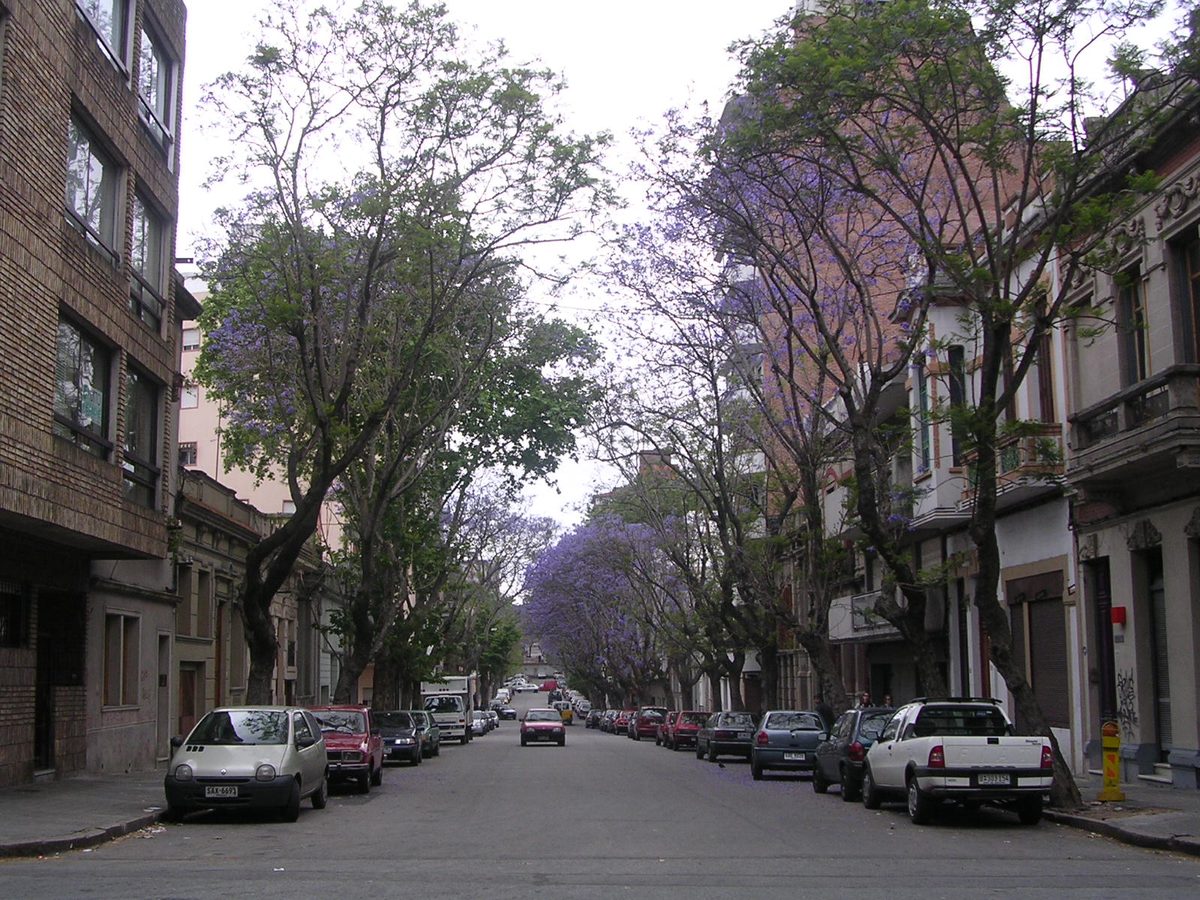
Everything January promises, November delivers at half the price and a quarter of the volume: 24-degree days, swimmable afternoons by month’s end, jacarandas turning whole Montevideo avenues violet, and beach towns open but unhurried, still greeting customers like guests rather than throughput. Rocha’s wild coast is at its most photogenic — warm light, huge skies, fresh paint, nobody on the dunes. Restaurants take same-day bookings; rental cars cost sane money; the water is brisk but improving weekly.
November is also prime month for the wine route (spring foliage, pre-harvest calm), for estancia riding weather, and for climbing Cabo Polonio’s lighthouse without a queue. If your diary allows any month at all, the final answer comes down to November versus March, and I have argued both sides over enough asados to confirm there is no losing pick. The only thing missing in November is the social circus — which, depending on your temperament, is the entire selling point.
December: two different months wearing one name
Until roughly December 20, it’s November’s encore: hot, open, increasingly festive and entirely reasonable. The official beach season launches December 8 — Día de las Playas, a national kickoff complete with lifeguard towers returning to duty — and early-December sea temperatures already beat anything the North Atlantic manages in August. Hotels charge shoulder rates; the coast hums without straining.
Then Christmas week detonates. Prices rocket, Punta del Este fills to the brim, and Montevideo pulls its great vanishing act: between Christmas Eve and New Year the capital largely closes and celebrates at home — with one glorious exception. In the business district on the final working days of December, office workers shred their year’s calendars and hurl the confetti from the windows (the papelitos tradition), then the whole city detonates cider corks and fireworks at midnight on the 24th and 31st. New Year’s Eve in Punta del Este is legendarily good and legendarily expensive; book by October, or aim for the December 1–19 window and get the summer without the surcharge. Choose your December half deliberately.
Best time to visit Uruguay, by what you’re here for
Months are one lens. Here’s the other: start from what you want, and the calendar picks itself.
For beaches
Late November to mid-April, full stop. Within that: January for atmosphere and expense, February for heat plus carnival, March–early April for warm water without witnesses, early December for the best value-to-weather ratio of the entire summer. The ocean is genuinely warmest February through early April; if your idea of swimming requires water above 22°C, aim there rather than December, when the air says summer but the Atlantic is still deciding.
For carnival, candombe and culture
Late January through early March, anchored on the Llamadas parades in the first days of February. Book Montevideo lodging by November. If parades aren’t your thing, the nightly neighborhood tablados run the whole forty days and cost a few dollars at an Abitab kiosk — for my money the more Uruguayan experience, satire and all. There’s a full breakdown of the carnival, candombe and murga scene in our guide to the best things to do in Uruguay.
For whale watching
July through October, peaking August–September. Southern right whales breed along this coast and perform obligingly close to shore — Uruguay is one of the few places anywhere you can watch breaching whales from a clifftop café with a hot chocolate. No tours necessary, though boats run from Punta del Este in season. Pair whales with the termas for the definitive Uruguayan winter itinerary.
For wine

March–April is harvest: vineyard lunches among fermenting Tannat, vendimia events in Canelones and Carmelo, golden vine-leaf light. The wineries pour year-round, though — winter tastings beside a fire at a near-empty bodega have converted more than one summer skeptic. Avoid only the Christmas–January fortnight, when winery staff are at the beach like everyone else.
For hot springs
May through September, when 40°C water makes thermodynamic sense. July school holidays are the lone busy patch. Summer visits work but feel faintly absurd, like sauna season in Seville.
For surfing
Autumn through spring (roughly April–November) brings the organized swell to La Paloma, La Pedrera and Punta del Diablo; you’ll want a decent wetsuit from May onward, with winter water in the low teens. Summer offers friendlier water and beginner waves, plus actual crowds in the lineup — a relative term here, mercifully.
For photographers
April and October–November, for the low golden light that flatters Colonia’s lanes and the Rocha dunes; February for carnival color under summer dusk; July–August for storm drama, empty piers and whale breaches. The honest tip: Uruguay’s flat horizons make its skies the main subject — sunset over the Rio de la Plata from the Rambla or Casapueblo is the country’s most reliable masterpiece, twelve months a year.
For birdwatchers
October to March, when austral migrants join the residents and the coastal lagoons of Rocha — Garzón, de Rocha, Castillos — fill with flamingos, black-necked swans and several hundred of Uruguay’s 450-plus recorded species. Spring (October–November) wins for breeding plumage and song. Winter compensates with raptors over open country and zero competition for the hides.
For budget travelers
May through September cuts accommodation 40–60% against summer; November and March keep summer weather at shoulder rates. The single most expensive fortnight in the country is December 26–January 10 on the coast — if your dates float, float them anywhere else and pocket the difference for steak.
For families
Early December and late February balance warm sea, open attractions and survivable crowds. January works if you book by October and enjoy company; Semana de Turismo (Easter) is Uruguay’s own family-travel week, with rodeos and beer festivals but full hotels.
Best time by region
Montevideo
Honestly: year-round. The capital’s calendar — carnival in summer, theater and food in winter, Heritage Weekend in October, Nostalgia Night in August — never quite stops, and its restaurant scene improves in the off-season when chefs come home from the coast. Avoid only the ghost-town week between Christmas and New Year, unless empty boulevards appeal (they might).
Punta del Este & the Maldonado coast
Mid-December to mid-March for the full experience; November and late March for the same geography at half the cost; winter only if you find shuttered glamour poetic. Casapueblo’s sunset works in every season and is arguably better in winter, angled lower over the water.
Rocha and the wild coast
December–March for swimming and open restaurants; September–November and April for solitude with decent weather; July–October for whales off the headlands. Cabo Polonio operates year-round and is at its starriest in cold, clear winter — bring a serious sleeping layer and it will repay you with a sky you’ll describe at parties for years.
The termas & the litoral northwest
May–September is the season; the river towns themselves (Salto, Paysandú, Fray Bentos and its UNESCO meat factory) are mild even mid-winter and noticeably warmer than the coast year-round.
The gaucho interior
Estancias shine in the shoulders — March–May and September–November — when riding weather is ideal. Summer works with siesta discipline; winter means fireside asados, which is hardly a punishment. Time it to Patria Gaucha (early March) if rodeo culture calls.
The events worth building a trip around
Uruguay’s calendar is busier than its size suggests, and several events justify dates on their own. The shortlist I’d actually fly for:
| Event | When | Where | Why it’s worth it |
|---|---|---|---|
| Desfile Inaugural del Carnaval | Late January | Montevideo | The 40-day carnival’s opening parade down 18 de Julio |
| Desfile de Llamadas | Early February | Barrio Sur & Palermo, Montevideo | Two nights, thousands of candombe drums — the year’s great spectacle |
| Iemanjá Day | February 2 | Playa Ramírez, Montevideo | Offerings to the sea goddess at dusk; quietly unforgettable |
| Fiesta de la Patria Gaucha | Early March | Tacuarembó | The region’s biggest gaucho festival; almost no tourists |
| Vendimia (harvest season) | February–April | Canelones, Carmelo, Maldonado | Harvest lunches and tastings at the source |
| Semana Criolla | Easter week | Rural del Prado, Montevideo | Rodeo week in the capital |
| Semana de la Cerveza | Easter week | Paysandú | Uruguay’s biggest beer festival |
| Whale season | July–October | Rocha & Maldonado coasts | Southern right whales from shore, no boat needed |
| Noche de la Nostalgia | August 24 | Nationwide | The country’s biggest single party night — all golden oldies |
| Expo Prado | September | Montevideo | Ten days of prize livestock, gauchos and country food in the city |
| Montevideo Pride | Late September | Montevideo | South America’s most relaxed Pride march |
| Día del Patrimonio | Early October | Nationwide | Hundreds of closed buildings open free for one weekend |
| Día de las Playas | December 8 | Coast-wide | Official opening of beach season |
| New Year’s Eve | December 31 | Punta del Este / Montevideo | Fireworks over the marina; papelitos and cider in the capital |
Exact dates for the moveable feasts (carnival parades, Patria Gaucha, Expo Prado) shift each year — confirm the current season’s calendar on the Ministry of Tourism site before locking flights.
How far ahead to book what
Uruguay mostly rewards spontaneity — except for a handful of bottlenecks that punish it. From hard-won experience:
- Coastal stays for January, and NYE in Punta del Este: book by October, earlier for houses. This is the one non-negotiable on the list.
- Llamadas-week lodging in Montevideo (early February): by November; the parade-route neighborhoods go first. Grandstand tickets release closer to the date through Abitab outlets.
- Cabo Polonio cabins in summer: two to three months out — there are simply few beds in the village.
- Bodega Garzón tastings and Narbona tables: one to two weeks normally; a month ahead in January and during harvest.
- Termas hotels for July’s school break and Easter week: several weeks ahead. Outside those windows, walk in.
- Tacuarembó beds for Patria Gaucha (early March): a couple of months out, or plan to stay in a neighboring town and drive.
- Everything else, May–November: book on the bus there. Genuinely.
Timing a Uruguay + Argentina (or Brazil) trip
Most international visitors fold Uruguay into a longer South American run, which changes the calculus slightly. Combining with Buenos Aires: the city is at its best in spring (October–November) and autumn (March–April), which conveniently match Uruguay’s sweet spots — cross by ferry and the same packing list works on both shores. With Patagonia: peak trekking season (December–February) collides with Uruguay’s priciest beach weeks, so put Uruguay at the November front or March tail of the itinerary and save money while improving both legs. With Brazil: if Rio’s carnival is your anchor, note Montevideo’s runs longer on either side of it — ambitious souls have done both in one February, drums to drums. And if whales top the list, August–September pairs Uruguay’s shore-based watching with Brazil’s Praia do Rosa season just up the coast.
River or ocean? A note on the water
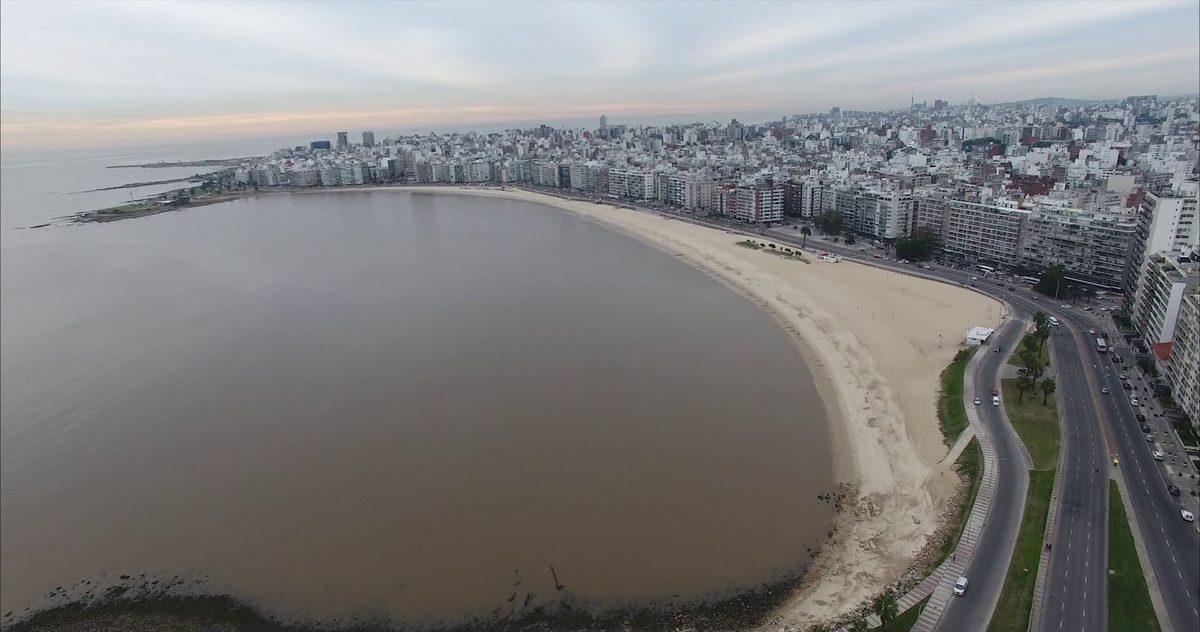
First-time visitors are routinely startled that Montevideo’s “sea” is brown. Relax: nothing is wrong. The capital and everything west of it front the Río de la Plata — the world’s widest river — whose café-au-lait color is sediment carried from two continents’ worth of watershed, not pollution. The water is swimmable and the beaches are sand; it’s simply river bathing with ocean scale. True blue Atlantic water begins around Punta del Este, where river officially meets ocean, and runs east through Rocha. The practical timing angle: the river side warms earlier and calmer (good for early-season family swimming from December), while the Atlantic side holds its summer heat deep into April. Match your month to your coastline and the brown water becomes a feature, not a flaw.
When NOT to visit Uruguay (the honest section)
No month here is a mistake, but mismatches are possible. Skip January 1–15 on the coast if you dislike crowds, surge pricing or queueing for ice cream — and skip that same fortnight in Montevideo if you want urban energy, because the city is on the beach. Skip deep winter (June–August) if your trip is beaches-or-bust: swimming is out and many coastal towns are 80% closed. Skip Semana de Turismo if you haven’t booked — it’s the one off-season week when all of Uruguay travels at once. And if rain ruins your day, know that any month can produce a two-to-four-day grey spell; build one flex day into every week of itinerary and the weather can’t beat you.
Climate reference: Montevideo by the numbers
| Season | Daytime high | Night low | Sea temp | Rain |
|---|---|---|---|---|
| Summer (Dec–Feb) | 27–29°C / 81–84°F | 17–18°C / 63–64°F | 21–24°C / 70–75°F | ~70–85 mm/month |
| Autumn (Mar–May) | 19–26°C / 66–79°F | 10–16°C / 50–61°F | 15–23°C / 59–73°F | ~80–95 mm/month |
| Winter (Jun–Aug) | 15–16°C / 59–61°F | 7–8°C / 45–46°F | 11–13°C / 52–55°F | ~70–80 mm/month |
| Spring (Sep–Nov) | 18–24°C / 64–75°F | 9–14°C / 48–57°F | 13–19°C / 55–66°F | ~75–90 mm/month |
Figures are typical ranges drawn from Uruguay’s national meteorology service (INUMET) climate normals; the Atlantic coast runs slightly cooler in summer, the northern interior 3–5°C warmer year-round. Treat them as planning guides, not promises — and check the INUMET forecast the week you fly.
What to pack, whenever you come
The national packing rule is layers, always — the pampero doesn’t consult your suitcase. Summer: light clothes plus one warm layer and one rain shell; serious sunscreen, because the UV index here out-punches the latitude. Autumn and spring: the full layering system, swimwear included (April sea, remember). Winter: a proper coat, and pack for indoors too — Uruguayan heating is an aspiration rather than a standard. Year-round: comfortable walking shoes for cobbles and ramblas, and room in the bag for a mate gourd you didn’t plan to buy.
Best time to visit Uruguay: your questions answered
What is the rainy season in Uruguay?
There isn’t one — and that surprises people. Rain distributes almost evenly across all twelve months (roughly 70–100 mm each), arriving as occasional multi-day fronts rather than a wet season. October and March skew slightly wetter statistically, but the difference is too small to plan around. Build in one flexible day per week and rain becomes an excuse for a long lunch.
Is January a good time to visit Uruguay?
For energy, nightlife and the full Punta del Este spectacle, yes — it’s the South American summer at maximum wattage. For value, space or spontaneity, no: coastal prices double or triple, and accommodation sells out from October. Montevideo, curiously, is at its quietest. If January is your only window, book early and lean into the scene.
How hot does Uruguay get in summer?
Typical summer days run 27–31°C (81–88°F), with brief heatwaves touching 35–36°C, usually around New Year. Ocean breezes keep the coast a couple of degrees gentler than the interior, and humidity is moderate by regional standards. Evenings cool enough that summer dinners outdoors occasionally want a light sweater — this is not the tropics.
Is Uruguay warm in winter?
Mild rather than warm: 14–16°C (57–61°F) days, 6–8°C nights, with frost rare on the coast and snow effectively unknown. The damp wind makes it feel cooler than the numbers, and indoor heating is inconsistent. Winter rewards travelers aiming for whales, hot springs, food and culture rather than swimwear.
When can you see whales in Uruguay?
Southern right whales visit the Atlantic coast roughly July through October, peaking August–September, when mothers and calves shelter close inshore. The viewing is famously land-based: headlands at La Paloma, La Pedrera, Punta Ballena and Punta del Este all deliver sightings without a boat. Bring binoculars and patience; calm, clear mornings work best.
When is carnival in Uruguay?
Officially from late January to early March — around forty days, the longest carnival season in the world. Key dates move yearly: the Inaugural Parade opens proceedings in late January, the Llamadas drum parades own early February, and neighborhood tablado stages run nightly until the murga finals in early March. Check the current season’s dates before booking flights around it.
What is the cheapest time to visit Uruguay?
May through early September, when hotels drop 40–60% from summer rates and even Punta del Este pretends to be affordable. For summer weather at sub-peak cost, target November–early December or March–April. The most expensive days of the year, by a comfortable margin: Christmas through the first week of January on the coast.
If your dates are fixed: making any month work
Most “best time” advice assumes you choose the dates. Usually the dates choose you — a work window, school holidays, a wedding in Buenos Aires — so here’s the inversion: what to emphasize when the month is non-negotiable.
Handed deep summer (late December–January)? Book the coast immediately, accept the prices, and tilt the itinerary toward what crowds improve: nightlife, beach clubs, people-watching, carnival rehearsals warming up. Add interior days — estancias and wine country stay calm and reasonable even in January. Handed autumn? Build around food, wine harvest and warm-sea swimming, and treat the emptying beach towns as a feature for long walks. Handed winter? Plan a Montevideo culture-and-food base, a termas loop northwest, whale headlands east, and pack as if for Britain. Handed spring? You won the lottery without noticing: whales early, jacarandas late, everything open-ish and nothing crowded. There is no month where Uruguay has nothing to offer — there are only itineraries pointed at the wrong coast for the season.
Final thoughts
I keep a private answer for when friends ask: late November if they want the beach, early March if they want it all, September if they’d rather meet whales than people. But the honest conclusion after years of testing every month is that Uruguay doesn’t really have a wrong time — it has wrong expectations. Match the month to what you’re after, pack the extra layer regardless, and leave the twenty-minute rule to handle the rest. For what to actually do once the dates are booked, start with our full guide to the 30 best things to do in Uruguay.
Credits & sources
Sources & further reading
- INUMET — Instituto Uruguayo de Meteorología — official climate normals and forecasts
- Uruguay Ministry of Tourism — national events calendar
- Descubrí Montevideo — the capital’s official carnival and culture listings
Photo credits
All images via Wikimedia Commons: Pocitos Beach Montevideo by Fedaro (CC BY-SA 4.0); Termas Dayman Pools by Fadesga (CC BY-SA 3.0); Southern Right Whale by Hugo Hulsberg (CC0); Murga Tablado by a Wikimedia Commons contributor (CC BY-SA 2.5 ar); Jacaranda Montevideo by Luisvassy (CC BY-SA 3.0); Vendimia Festival Uruguay by Pablísima (CC BY-SA 4.0).

1 comment
Comments are closed.