Uruguay Culture: Carnival, Candombe, Mate & Fútbol (2026)

Uruguay culture runs on a short list of shared passions: the longest Carnival on earth and its candombe drums, the mate gourd passed hand to hand on every park bench, asado smoke rising off wood coals on a Sunday, an outsized national love of fútbol, and a quiet, secular, live-and-let-live temperament that ties it all together. This guide walks through each one — what it actually is, where it came from, and how to experience it without feeling like a tourist looking in.
I’ve spent a lot of time in this country trying to understand what makes it tick, and the honest truth is that Uruguayan culture sneaks up on you. There’s no headline monument, no single dish you fly in for, no Machu Picchu. What there is instead is a way of doing things — unhurried, deeply social, suspicious of showing off — that you start to absorb around the third shared mate or the first time a stranger explains, with total seriousness, why the drums in the next street over are tuned over a fire. The country punches comically above its weight in football and music, takes its long weekends as a kind of civic right, and has turned drinking a bitter tea through a metal straw into a national identity. Once it clicks, it’s the thing you miss most when you leave.
I’ve organized this the way I’d explain it to a friend before their first trip: the big communal spectacles first (Carnival, candombe, murga), then the daily rituals that matter more than any festival (mate, asado, football), then tango and gaucho country, the quieter customs, and finally the language, art and values underneath. There’s a quick-reference table next, an FAQ from the questions people actually ask, and a by-traveler-type guide near the end.
Uruguay Culture at a Glance
If you only skim one thing, skim this. Here’s the shortlist of what defines Uruguayan culture, when to catch it, and one honest caveat for each:
| Tradition | What it is | Best time / place to experience it | Honest note |
|---|---|---|---|
| Carnival | The world’s longest carnival — ~40 nights of parades, drums and satirical theatre | Late Jan–early March, Montevideo | It peaks for two parades; the rest lives on neighborhood stages you need to seek out |
| Candombe | Afro-Uruguayan drumming on three drums; UNESCO heritage | Sunday evenings year-round in Barrio Sur & Palermo, Montevideo | The big parade is seasonal, but the street practice is the real, free, year-round version |
| Murga | Satirical musical theatre — a painted chorus roasting the year’s politics | Carnival season, on the tablados and at Teatro de Verano | The humor is dense, local and in Spanish; bring a translator-friend |
| Mate | Shared bitter herbal tea, the national social glue | Everywhere, every day, all year | There’s etiquette — and one word (“gracias”) that quietly ends your turn |
| Asado | Wood-fired barbecue as a half-day social ritual, not a meal | Sundays; any parrilla restaurant | It runs on its own clock — lunch can land at 4pm and nobody minds |
| Fútbol | Near-religion; two World Cups for a country of 3.4 million | Match days at Estadío Centenario, Montevideo | The Peñarol–Nacional clásico is intense; sit in neutral seats your first time |
| Tango | Born on both banks of the Río de la Plata; “La Cumparsita” is Uruguayan | Montevideo milongas & Saturday street tango in Centro | Buenos Aires gets the fame; Uruguay quietly owns the most famous tango of all |
| Gaucho culture | Living cowboy tradition of the interior — horses, asado, mate, folklore | Semana Criolla (Easter week); estancias year-round | It’s genuinely rural; you need to leave the coast to find the real thing |
None of these sit in a museum. They’re things people do this week, which is what makes Uruguay such a satisfying place to travel for culture rather than sightseeing. If you’re still mapping out the trip itself, my guide to the best things to do in Uruguay slots these into an actual route.
What Shapes Uruguayan Culture: A Short Backstory
To make sense of everything below, it helps to know the four ingredients that went into the pot. First, European immigration, overwhelmingly Italian and Spanish, which arrived in huge waves between roughly 1860 and 1950 and gave Uruguay its pasta-on-Sundays diet, its café life, its surnames, and a Spanish so musically Italian that visitors often think locals are speaking a third language. Second, Afro-Uruguayan heritage, the descendants of enslaved Africans who created candombe and, with it, the rhythmic backbone of the national Carnival. Third, the Guaraní and wider indigenous legacy, faint in the population but alive every single day in mate. And fourth, a deep streak of secular, egalitarian politics — Uruguay separated church and state in 1919, renamed its religious holidays, and built one of Latin America’s largest middle classes around the idea, as the local saying goes, that “nadie es más que nadie” — nobody is better than anybody.
That last ingredient is the one travelers underestimate. Uruguay is understated by design. Wealth is downplayed, formality is mild, and the national temperament prizes being tranquilo — calm, unbothered, in no particular rush. A former president, José “Pepe” Mujica, famously kept living on his small farm and driving an old Beetle while in office, and Uruguayans found this completely unremarkable. Understanding that modesty unlocks the rest: the culture rewards people who show up, share the gourd, and don’t make a fuss.
Carnival: The Longest Party on Earth
Uruguay’s Carnival is the longest in the world — roughly 40 nights spread across late January, February and into early March. That length surprises people who expect a Rio-style weekend. Uruguayan Carnival isn’t one explosive event; it’s a season, with two headline street parades bracketing six weeks of nightly performances on neighborhood stages. It’s less a single party than a city-wide cultural championship, and it draws on three traditions that deserve their own sections below: candombe, murga and the tablados.
The season opens with the Desfile Inaugural, a parade down Avenida 18 de Julio in Montevideo where every category of performer — murgas, candombe comparsas, parodists, costumed troupes — files past in costume to announce that Carnival has begun. Then, over the following weeks, the real competition happens at the Teatro de Verano, an open-air amphitheatre in Parque Rodó where groups compete in an official contest (the Concurso Oficial) that Uruguayans follow as closely as a football league, arguing over which murga had the sharpest lyrics the way other countries argue about referees.
Las Llamadas: the candombe parade
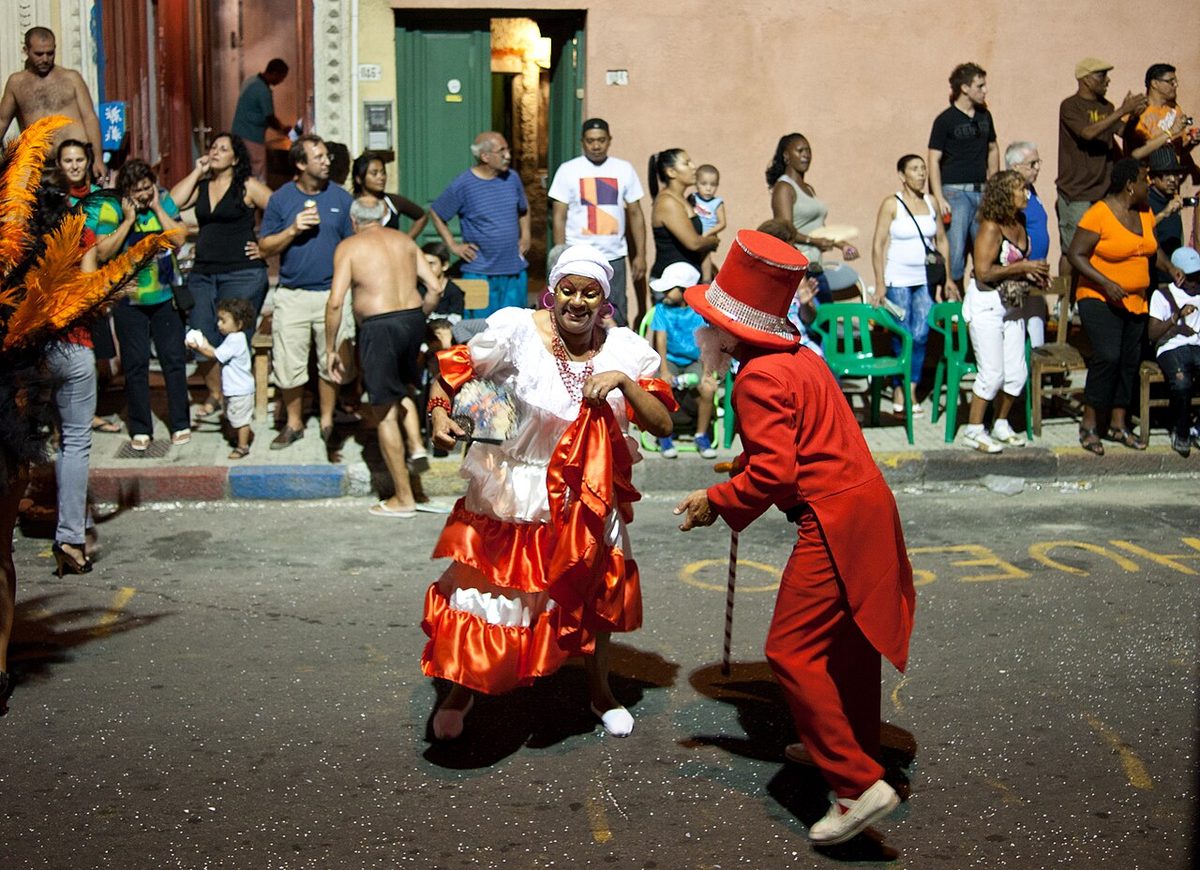
The emotional peak, for me, is Las Llamadas (“the calls”) — a two-night candombe parade through the old Afro-Uruguayan neighborhoods of Barrio Sur and Palermo, usually in early February. Dozens of comparsas, each with 50 to 100 drummers, pour down Calle Isabelino Gradín and Carlos Gardel between balconies packed with families, and the sound is genuinely physical — three sizes of drum hammering a rhythm two centuries old until you feel it in your sternum. The name comes from the calls that enslaved Africans once used to summon each other into the streets to drum. If you can time a single Carnival night, make it this one. Tickets for grandstand seats are cheap and worth it; the free standing areas are fun but you’ll see backs of heads.
Tablados: Carnival in the neighborhoods
Here’s the part guidebooks miss. Most of Carnival doesn’t happen at the big parades at all — it happens on tablados, temporary stages set up in plazas and club courtyards across Montevideo and the interior, where murga and other groups perform their full shows on rotation, night after night. Going to a tablado in a residential barrio, paying a small entry, sitting on a plastic chair with families and coolers, and watching a murga land joke after joke about the year’s politicians — that’s the authentic, affordable, local Carnival. You won’t follow every punchline, but the energy translates, and it’s the version locals actually attend.
When Carnival happens, and seeing it
Carnival runs from roughly the last week of January through early March, with Las Llamadas in early February and the Teatro de Verano competition spanning weeks. Exact dates shift each year, so check before booking; my month-by-month guide to the best time to visit Uruguay lays out how Carnival overlaps with peak summer beach season (it does, which means book Montevideo beds early). One honest caveat: if you arrive expecting nonstop spectacle every night downtown, you’ll be confused — the magic is dispersed across stages you have to seek out. Ask your guesthouse which tablados are on, or build a night around the Teatro de Verano schedule. Montevideo is the epicentre, and my Montevideo guide covers the neighborhoods where it all unfolds.
Candombe: The Heartbeat of Afro-Uruguay
If one tradition is the secret key to Uruguayan culture, it’s candombe. It’s a style of drumming and dance created by the descendants of enslaved Africans, recognized by UNESCO as Intangible Cultural Heritage of Humanity in 2009, and — crucially for visitors — it’s not locked to Carnival. On most Sunday evenings of the year you can follow a cuerda (drum group) through the streets of Barrio Sur for free, which I’d argue is one of the most moving things you can do in the country.
The three drums
Candombe is built on three barrel-shaped drums, the tamboriles, each with a job. The chico is smallest and highest, the metronome that never stops. The piano is largest and lowest, laying down the bass line the whole thing rests on. And the repique sits in the middle, improvising, answering, showing off — the drum that makes candombe feel like a conversation rather than a beat. A full cuerda lines these up in rows of five or seven, dozens of drummers deep, and tunes the skins over a street fire minutes before playing — that smell of woodsmoke and warm hide is the overture. Watch closely and you’ll see players tap the wooden shell with a stick between beats; that’s the clave, the rhythmic spine, and locals call it “hacer madera,” making wood.
The characters who dance alongside
A candombe comparsa isn’t only drummers. Three traditional characters dance among them, each carrying a piece of memory. La Mama Vieja, the Old Mother, twirls a parasol; El Gramillero, an elderly herb-doctor in a frock coat and top hat, shakes with comic old age and carries a bag of medicinal plants; and El Escobero, the broom-man, juggles and spins a broom in a dazzling display of skill. They began as affectionate parodies of colonial-era figures, and they’re danced with real pride today. Add the mulatas, the line of dancers in feathered costume, and you have the full picture rolling down the street.
Where to hear it on a normal Sunday
This is the tip I most want first-timers to have: you do not need Carnival to experience candombe. Year-round, cuerdas gather on Sunday evenings (and often other nights) in Barrio Sur and Palermo, the historically Afro-Uruguayan neighborhoods just southeast of Montevideo’s Ciudad Vieja, light their fires, and play through the streets while neighbors follow along. It’s free, it’s communal, and it’s the opposite of a staged show. Go respectfully — this is a living tradition, not a performance laid on for tourists — keep to the edges, and let yourself get pulled along. My Montevideo guide has more on these barrios and how to find the Sunday llamada.
Murga: Satire You Can Sing
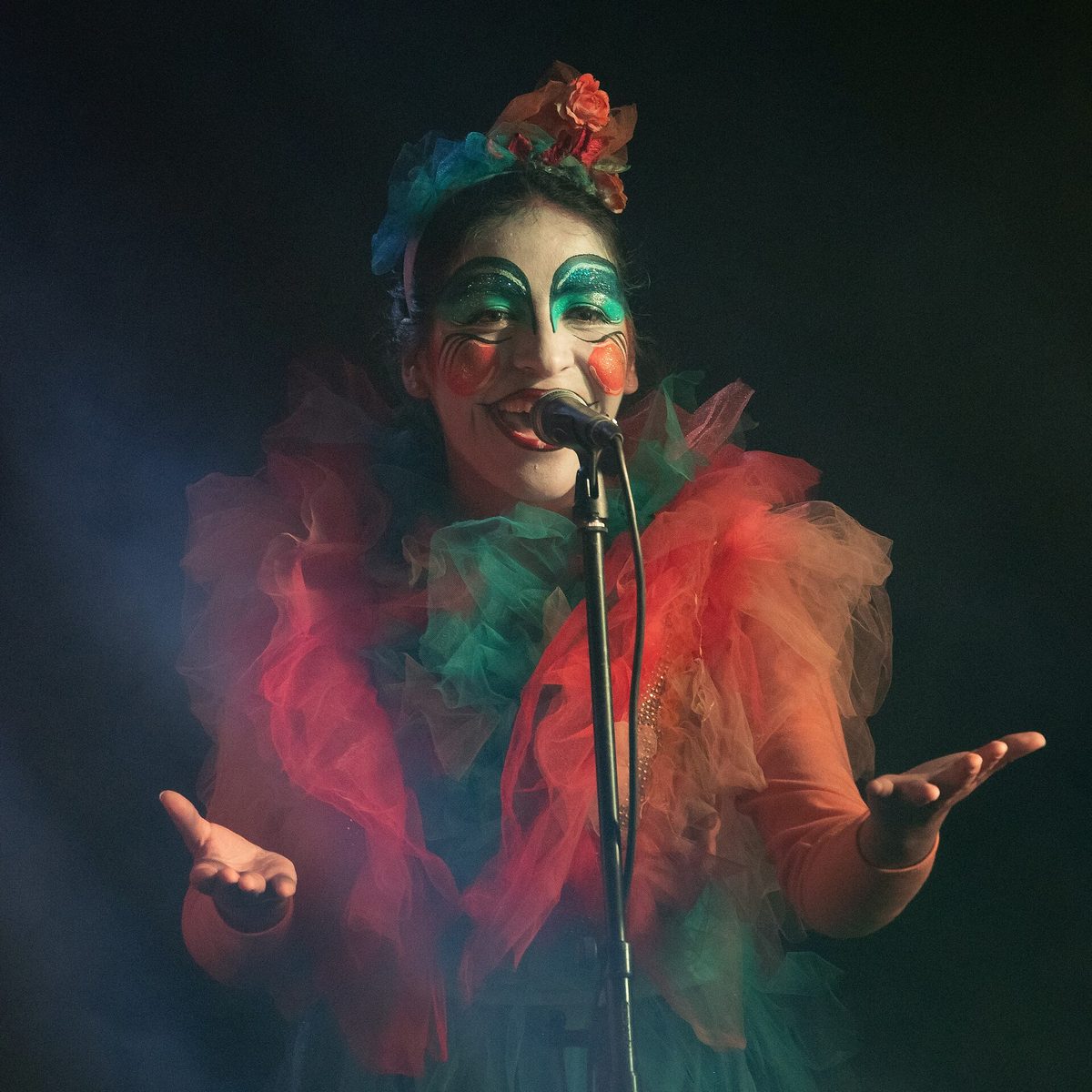
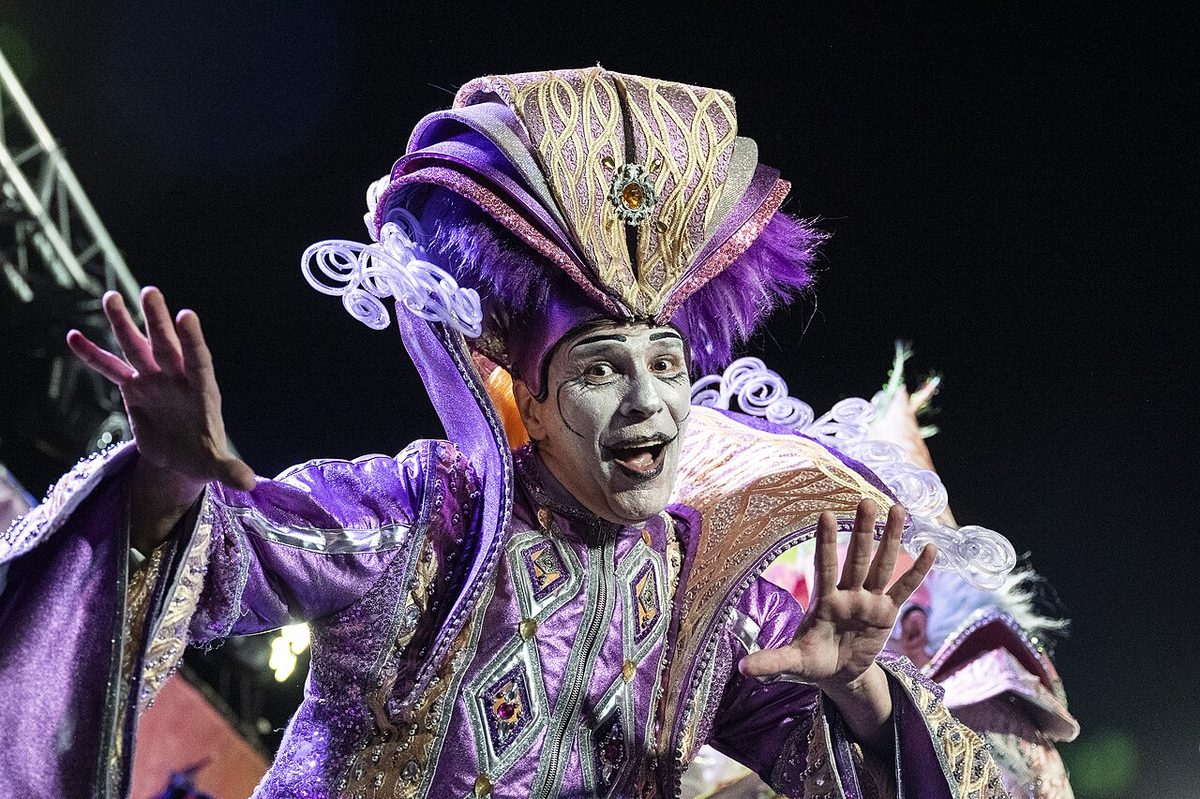
Murga is the tradition foreigners take longest to “get” and end up loving most. Picture a chorus of fifteen to seventeen performers in elaborate costumes and full face paint, backed by just three percussion instruments — bass drum, snare and crash cymbals — singing tightly harmonized, furiously fast numbers that satirize the past year’s politics, scandals and absurdities. It arrived with Spanish immigrants from Cádiz around 1908 and became something unmistakably Uruguayan: sharp, melancholic, and unafraid to mix a fart joke with a genuinely moving lament about the state of the country.
During the dictatorship of 1973–1985, murga became a coded voice of resistance, slipping criticism past the censors in metaphor, and that political edge never left. The big-name groups — Agarrate Catalina, Falta y Resto, La Mojigata and others — release shows that get dissected on the radio for weeks. The honest barrier for visitors is language: the lyrics are dense, rapid, slangy and hyper-local, so a lot sails past even fluent Spanish speakers. Go anyway. Watch the crowd as much as the stage, and have a local friend translate one or two verses; the moment you catch a joke landing, you understand more about the national mood than any museum could teach you.
Mate: The Ritual That Explains Everything

Nothing tells you more about Uruguayan culture than mate (pronounced MAH-teh). It’s a bitter, grassy infusion of dried yerba mate leaves, drunk hot through a metal straw from a shared gourd, and Uruguayans consume more of it per person than anyone on earth — roughly ten kilos of yerba per capita a year. You’ll see it everywhere: gourd in one hand, a thermos of hot water tucked under the arm, on park benches, behind shop counters, at the wheel of parked cars, on the beach at sunrise. It is less a drink than a way of being together.
The kit is simple: the mate (the gourd itself), the bombilla (a metal straw with a filter at the bottom), the yerba, and a termo of water kept just below boiling. One person, the cebador, fills the gourd, pours, drinks the first (worst) serving themselves, then refills and passes it around the circle one at a time — same gourd, same straw, no exceptions. To an outsider it can look unhygienic; to a Uruguayan it’s the entire point. Sharing mate is a small act of trust repeated dozens of times a day, the social glue of friendship, family and even business.
Mate etiquette for visitors
If you’re handed a gourd, a few rules will save you from a quiet faux pas:
- Don’t say “gracias” until you’re truly done. This is the famous trap. In a mate circle, “gracias” doesn’t mean “thanks for this round” — it means “I’m finished, take me out of the rotation.” Say it early and you’ll politely get no more mate. Just drink and hand the gourd back to the cebador with a smile.
- Don’t move or stir the bombilla. The cebador has arranged the yerba carefully; poking the straw clogs the filter. Leave it where it is.
- Drink it all, then pass it back. Each serving is a few sips’ worth. Finish your portion (a little slurp at the end is normal, not rude) and return the gourd to the cebador, not to the next person — mate always routes back through the server.
- Don’t hog it. A couple of minutes is fine; a long chat with the gourd in your hand while others wait is not.
- If it’s offered, accept. Being invited to share mate is a genuine gesture of welcome. Declining is allowed but reads as a small distance you’re choosing to keep.
You can buy a starter set in any supermarket for a few dollars — Canarias and Sara are the big local yerba brands — and learning the ritual is honestly the single best way to connect with people here. More everyday practicalities like this live in my Uruguay travel tips.
Asado: Sunday as a Slow-Cooked Religion
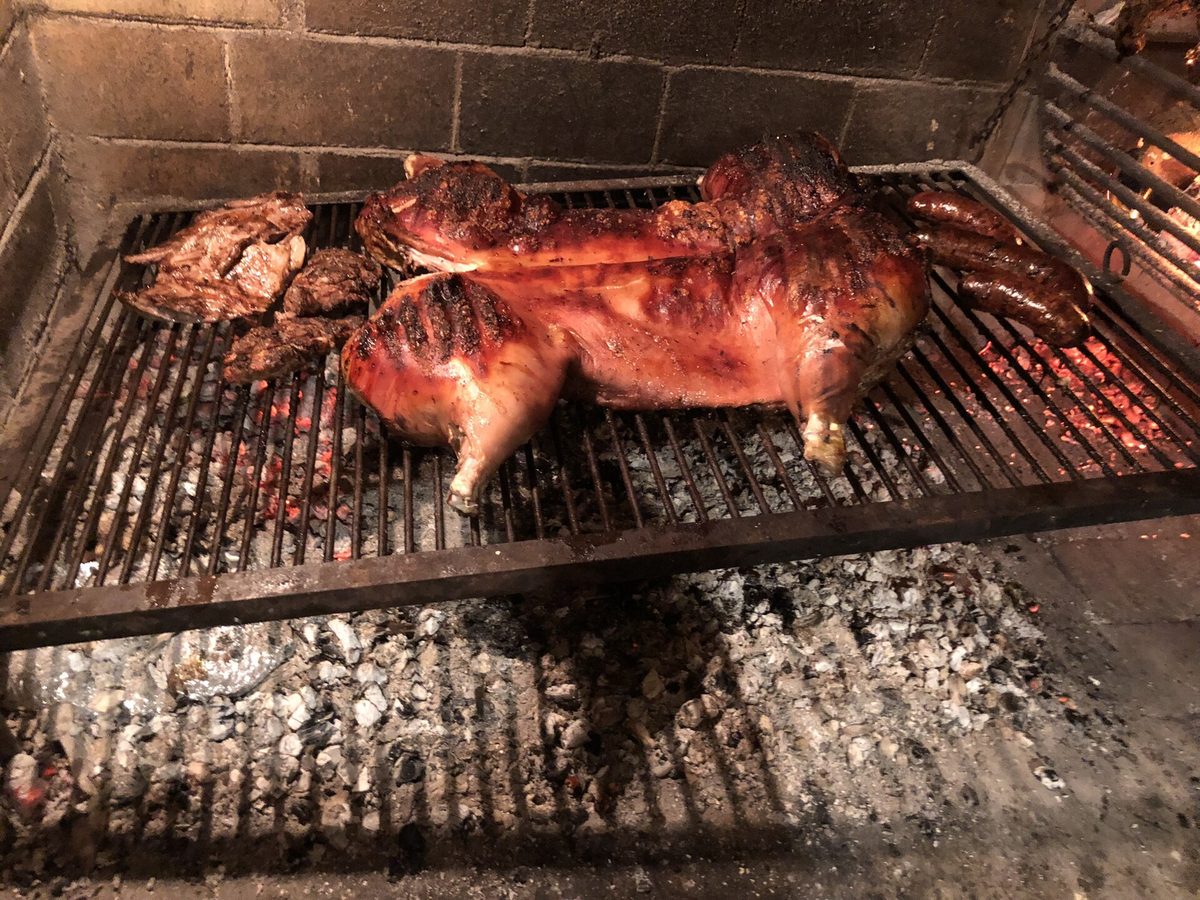
Asado is Uruguay’s barbecue, but calling it barbecue undersells it the way calling Carnival “a parade” does. It’s a half-day social ritual built around a wood fire, and Uruguayans are quietly, fiercely proud that they do it differently from their neighbors. The local orthodoxy: real asado is cooked over wood coals, never gas and rarely charcoal. The wood burns down in a side fire, the embers are raked under an angled grill (the parrilla), and the asador — the person running the fire, a role taken seriously — controls the heat by moving meat closer or further from the coals over hours.
The sequence matters too. Things start with achuras (offal — sweetbreads, chorizo, blood sausage, provolone melted on the grill), eaten standing up with a glass of Tannat or a medio y medio, and only later come the big cuts: tira de asado (short ribs), vacío (flank), pulpa. Nobody’s in a hurry. An asado “at one o’clock” might see you eating at four, and that drift is not a failure of planning — it’s the design. The fire, the standing around it, the slow talk and the wine are the event; the meat is almost the excuse. For the full spread of dishes and where to eat them, see my guide to Uruguayan food, and for the Tannat that washes it down, my Uruguay wine guide.
Fútbol: A Small Country’s Biggest Story
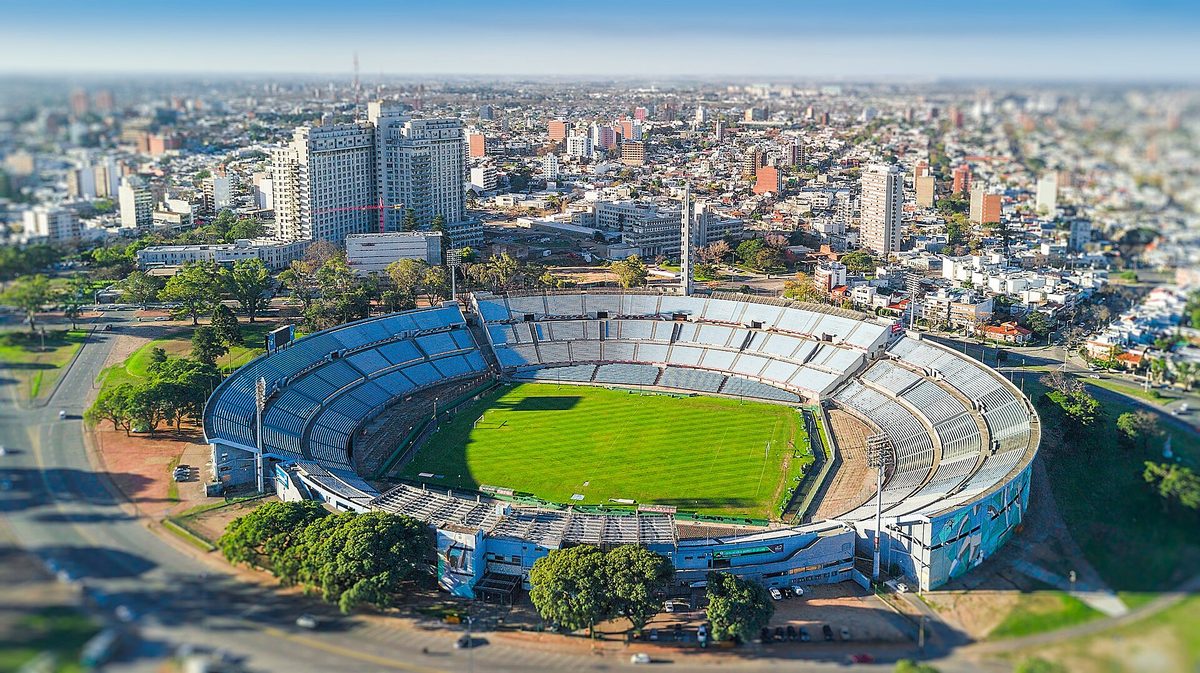
To understand Uruguay, you have to understand that a nation of about 3.4 million people has won the football World Cup twice and considers this roughly the natural order of things. Football here isn’t a pastime; it’s a core part of national identity, bound up with a self-image of the small, stubborn underdog who beats giants through sheer will — a quality Uruguayans call garra charrúa, “Charrúa grit,” after the indigenous people known for fierce resistance.
Two World Cups, four stars
Look at the Uruguayan jersey and you’ll see four stars, which confuses people who know about only two World Cups. The other two are Olympic golds, from 1924 and 1928, when the Olympic football tournament was the de facto world championship. Then came 1930, when Uruguay hosted and won the first-ever World Cup in Montevideo, and 1950, the Maracanazo — the day Uruguay silenced a packed Maracanã in Rio by beating a heavily favored Brazil in the final, still one of the most famous upsets in sporting history. The country also holds a record-tying 15 Copa América titles and has produced an absurd run of world-class players for its size: Suárez, Cavani, Forlán, Godín, Francescoli, going all the way back to the heroes of 1950.
Seeing a match: the clásico
Club football centers on two Montevideo giants, Peñarol (yellow and black) and Nacional (white, blue and red), whose rivalry — the clásico — is one of the oldest and most intense in world football; between them they’ve won the national league nearly a hundred times. Catching a match at the Estadío Centenario, the 1930 stadium FIFA named a monument of world football, is a genuine bucket-list afternoon. My honest advice for a first visit: a regular-season game is more relaxed and easier to read than a full clásico, and if you do go to the big one, buy into a neutral or family section rather than behind a goal. There’s a football museum inside the Centenario, too, for the days when nothing’s on. The capital is the place for all of it — my Montevideo guide points you to the stadium and the barrios around it.
Tango and the Río de la Plata

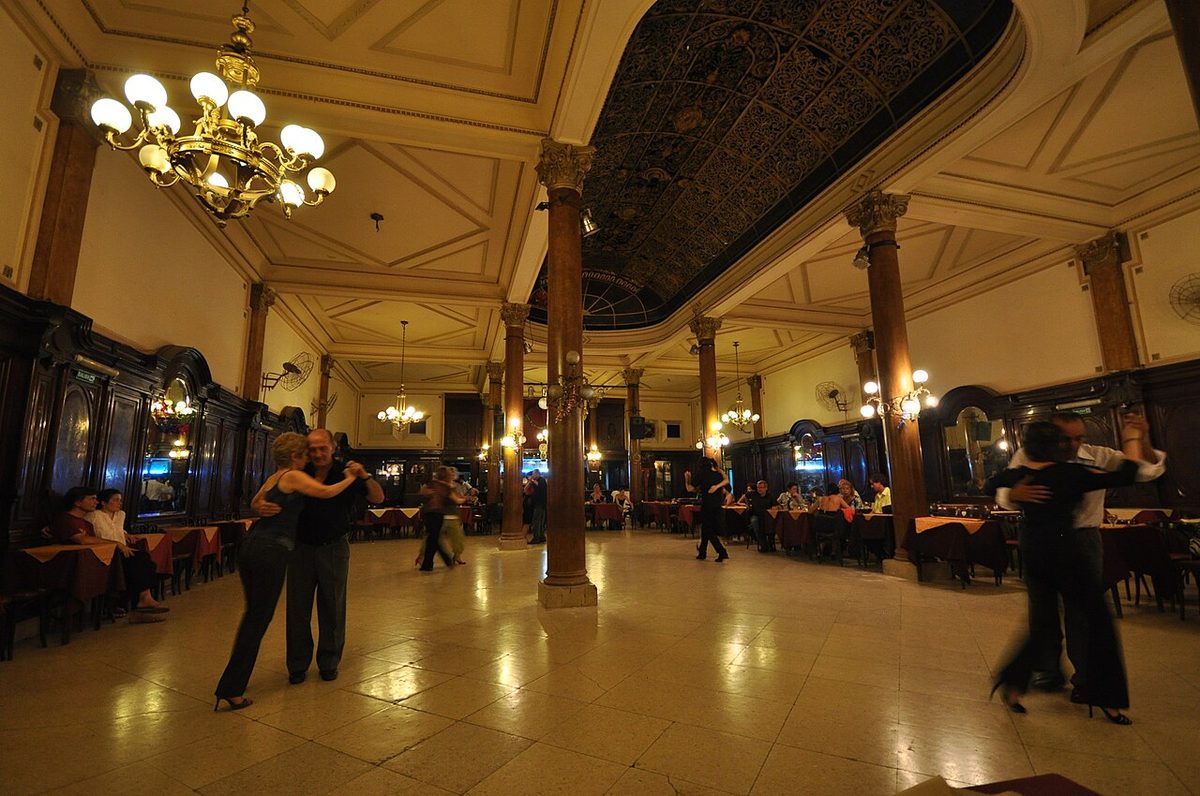
Buenos Aires gets the postcards, but tango was born on both banks of the Río de la Plata in the late 1800s, Montevideo very much included, growing out of a mix of European dance, the local milonga, and the rhythms of candombe. Uruguayans will gently remind you of two facts. First, “La Cumparsita” — the single most famous tango ever written, the one every orchestra closes the night with — was composed in Montevideo in 1917 by a teenager named Gerardo Matos Rodríguez. Second, Carlos Gardel, tango’s immortal voice, is claimed as a native son (the Uruguayan version has him born in Tacuarembó), an argument with Argentina that will never be settled and is half the fun.
You can still find tango here without the tourist markup. Montevideo has intimate milongas (social dances) where locals turn up to dance for themselves, a handful of tango shows, the Museo del Tango, and free open-air street tango on Saturday evenings in Plaza Fabini (Plaza del Entrevero) in the Centro. It’s lower-key than the Buenos Aires scene, which is exactly its charm — you’re watching people dance because they love it, not because a coach bus is parked outside.
Gaucho Culture and the Criolla Tradition

Leave the coast and Uruguay becomes a country of grassland, cattle and horses, and the figure who presides over it is the gaucho — the South American cowboy, and a national symbol of independence, skill and stoic self-reliance. This isn’t costume-drama nostalgia; gauchos still work the estancias of the interior in bombachas (loose trousers), wide belts, a facón knife at the back, drinking mate before dawn and riding out to the herd. The culture has its own folk music (the slow, guitar-driven milonga campera), its own poetry, and a fierce pride in doing hard things quietly.
The best window onto it is Semana Criolla, held during Easter/Tourism Week, most famously at the Prado in Montevideo, where gauchos compete in jineteadas — bronc-riding contests on barely-tamed horses that are not for the faint of heart — alongside folk concerts, crafts and a great deal of grilled meat. The interior town of Tacuarembó throws the even more traditional Fiesta de la Patria Gaucha in March. To actually live it rather than watch it, spend a night or two on a working estancia; I cover how that works in my guide to where to stay in Uruguay, and the countryside it sits in runs through any good Uruguay itinerary.
The Quieter Customs That Run Daily Life
Beyond the big traditions, Uruguay is full of small, oddly specific rituals that locals treat as completely normal and that, once you know them, make the country feel like home faster.
Gnocchi on the 29th
On the 29th of every month, Uruguayans eat ñoquis — potato gnocchi. The tradition is Italian, tied to the lean days at the end of the month before payday, when cheap potato pasta stretched the budget. The charming part: you put a coin (or a banknote) under your plate while you eat, a wish for prosperity in the month ahead. Restaurants across the country put ñoquis on the menu that day, and it’s a lovely, low-effort tradition to join — just show up to lunch on the 29th and order accordingly.
Tortas fritas on rainy days
When the sky turns grey and it starts to rain, something happens in Uruguayan kitchens: out come the tortas fritas, simple discs of fried dough dusted with sugar, eaten warm while you watch the storm. There’s no rule that says rain requires fried dough, and yet it absolutely does. You’ll also find them sold from street carts in the parks. It’s the coziest custom in the country, and a genuinely good reason not to mind a wet afternoon.
Semana de Turismo: the secular Easter
This one quietly reveals the whole national character. Because Uruguay is so firmly secular, it doesn’t officially call the week around Easter “Holy Week” — it’s Semana de Turismo, Tourism Week. The same week carries different names for different people: Semana Criolla for the gaucho festivals, Semana de la Cerveza (Beer Week) up in Paysandú, and for most families simply the year’s big travel-and-camping holiday, when the country empties toward the beaches, the thermal springs and the campsites. Plan around it: it’s one of the busiest travel weeks of the year, with the coast and the bus routes at their fullest.
Truco, ferias and other everyday rituals
A few more you’ll bump into: truco, a riotous, bluff-heavy card game played with a Spanish deck and a whole secret language of facial signals, where lying is not just allowed but required; the weekend ferias (street markets) like Montevideo’s enormous Feria de Tristán Narvaja, where you can buy produce, antiques, books and the occasional parrot; and the deep, year-round affection for the beach rambla — the long waterfront promenade where the whole city walks, runs, fishes and, of course, drinks mate at sunset.
Language, Arts and Ideas
The conversational texture of Uruguay is its own cultural experience. Locals speak Rioplatense Spanish, the same musical, Italian-inflected variety as Buenos Aires, with two features that jump out: they say vos instead of tú (with its own verb endings — vos sabés, vos tenés), and they pronounce “ll” and “y” as a soft “sh,” so calle becomes “ca-shay” and playa “pla-sha.” Sprinkle in lunfardo, the old Buenos Aires–Montevideo slang, and, up on the Brazilian border, portuñol — a genuine Portuguese-Spanish hybrid people grow up speaking — and you have a country that sounds like nowhere else. You don’t need much Spanish to travel here, but learning a few vos phrases delights people.
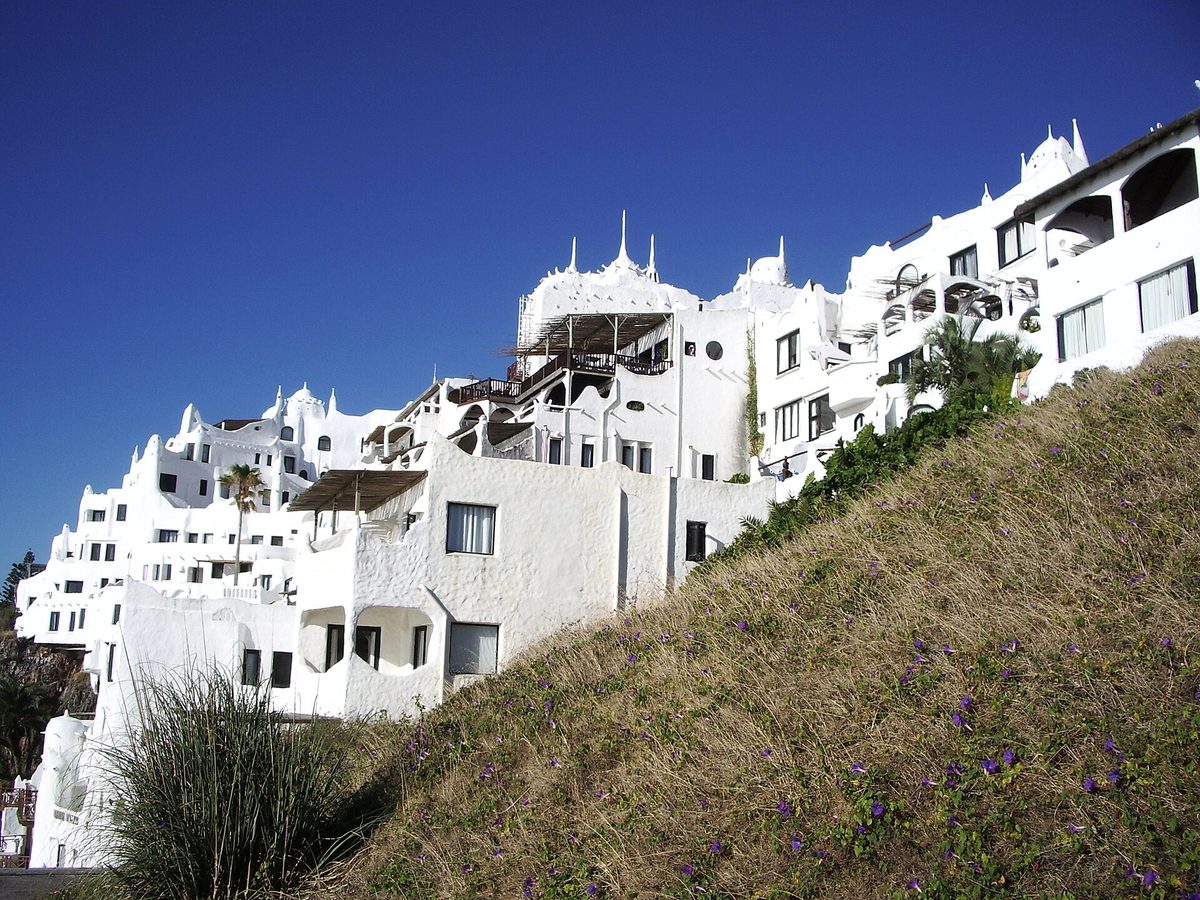
For its size, Uruguay’s cultural output is startling. In writing, it produced Eduardo Galeano (whose Open Veins of Latin America and football love-letter El Fútbol a Sol y Sombra are widely translated), the novelist Juan Carlos Onetti, the beloved poet-novelist Mario Benedetti, and the poets of the Generación del 45. In visual art, Joaquín Torres García turned constructivism into a national school and famously drew South America upside-down to insist “our north is the south”; Pedro Figari painted the candombe dances of old Montevideo; and Carlos Páez Vilaró built Casapueblo, the dreamlike white cliffside studio near Punta del Este that’s now one of the country’s most photographed sights — an easy add to any Punta del Este trip. In music beyond Carnival, names like Jaime Roos, Rubén Rada (a candombe legend) and Oscar-winning songwriter Jorge Drexler carry the sound abroad.
Underpinning all of it is a set of values worth naming, because they shape how your trip will feel. Uruguay is one of the most secular and socially liberal countries in the Americas — it separated church and state over a century ago, and in recent years legalized same-sex marriage, abortion and a regulated cannabis market, generally with a shrug rather than a culture war. It’s also strikingly egalitarian and safe, with a large middle class and little ostentation. The vibe you’ll pick up — calm, tolerant, a bit understated, quietly proud — isn’t an accident. It’s the culture.
Uruguayan Culture by Traveler Type
Different travelers connect with different threads. Here’s where I’d point you first, depending on what you’re into:
| You’re into… | Start with | How to actually do it |
|---|---|---|
| Music & dance | Candombe + Carnival | A Sunday llamada in Barrio Sur year-round; Las Llamadas if you’re here in February |
| Food & drink | Asado + mate + Tannat | A parrilla lunch, a shared gourd in a park, a winery visit near Montevideo or Garzón |
| Sport | Fútbol | A match at the Centenario and its football museum; a neutral seat for your first clásico |
| History & ideas | Secular identity + literature | Ciudad Vieja’s cafés and bookshops; the Tristán Narvaja feria; a Benedetti or Galeano paperback |
| Rural & horses | Gaucho culture | A night on a working estancia; Semana Criolla at the Prado or the Patria Gaucha in March |
| Art & design | Páez Vilaró + Torres García | Casapueblo at Punta Ballena; the Torres García museum in Montevideo |
| Just the vibe | Mate + the rambla | Buy a gourd, learn the ritual, and join the sunset walk along any coastal promenade |
How to Experience Uruguayan Culture Respectfully
A short, honest etiquette guide, because the fastest way into this culture is to meet it on its own terms:
- Accept the mate, mind the “gracias.” Sharing the gourd is the warmest thing a Uruguayan can do; receiving it well (and not saying “gracias” until you mean “I’m done”) signals you get it.
- Treat candombe as a community, not a show. At a Sunday llamada, follow from the edges, ask before filming people up close, and don’t step into the drum lines. You’re a welcome guest at someone’s tradition.
- Slow down to asado time. If you’re invited to an asado, bring wine or dessert, arrive relaxed, and don’t ask when the food will be ready. It’ll be ready when the asador says so.
- Keep football banter light at first. Peñarol–Nacional loyalties run deep and tribal; enjoy the passion, but read the room before picking a side out loud.
- Match the understatement. Flashing wealth or status lands flat here. Modesty, curiosity and patience open every door.
- Learn ten words of vos. A “¿todo bien?” and a “bárbaro” go a long way. People notice the effort and warm up fast.
Uruguay Culture: FAQ
What is Uruguay known for culturally?
Uruguay is best known for the world’s longest Carnival and its Afro-Uruguayan candombe drumming, both UNESCO-recognized; for mate, the shared herbal tea it drinks more of than any country; for asado, its wood-fired barbecue ritual; and for football, having won the World Cup twice despite a population of just 3.4 million. A deeply secular, easygoing national character ties it together.
What are the main traditions in Uruguay?
The big ones are Carnival (candombe parades, murga theatre and neighborhood tablados), the daily mate ritual, the Sunday asado, and football. Layered on top are smaller customs: gnocchi on the 29th of each month, tortas fritas on rainy days, gaucho festivals during Semana Criolla, and the truco card game. Most are everyday habits, not staged events.
What is candombe?
Candombe is a style of drumming and dance created by the descendants of enslaved Africans in Uruguay, recognized by UNESCO in 2009. It’s played on three drums — the small chico, the bass piano and the improvising repique — by groups called cuerdas. You can hear it free on Sunday evenings in Montevideo’s Barrio Sur and Palermo neighborhoods year-round.
What’s the difference between candombe and murga?
Both belong to Carnival but differ completely. Candombe is Afro-Uruguayan drumming and dance, rhythmic and wordless, paraded in the streets. Murga is satirical musical theatre — a painted, costumed chorus of 15 to 17 singing sharp commentary on the year’s politics, backed by just bass drum, snare and cymbals. Candombe is felt; murga is understood (if your Spanish is up to it).
When is Carnival in Uruguay and how long does it last?
Uruguayan Carnival is the longest in the world, running roughly 40 nights from late January through February into early March. It opens with the Desfile Inaugural, peaks with the two-night Las Llamadas candombe parade in early February, and continues with murga competitions at the Teatro de Verano and shows on neighborhood tablados throughout. Exact dates shift yearly.
Why is mate so important in Uruguay?
Mate is the country’s main social ritual, not just a drink. Sharing one gourd and straw around a circle is a daily act of friendship and trust, repeated at home, work and the park. Uruguay drinks more yerba mate per capita than anywhere on earth, and the thermos-under-the-arm is practically a national accessory.
Is Uruguay a religious country?
Not especially — Uruguay is among the most secular nations in the Americas. It separated church and state in 1919 and even renamed religious holidays (Easter week is officially “Tourism Week,” Christmas is “Family Day”). About two-thirds identify as Catholic, but regular attendance is low, and the public culture is markedly tolerant and liberal.
Why is Uruguay so good at football?
A mix of deep grassroots culture, fierce identity and the self-belief Uruguayans call garra charrúa. Kids grow up playing constantly, and two world clubs, Peñarol and Nacional, feed a strong league. The four stars on the jersey mark Olympic golds in 1924 and 1928 and World Cup wins in 1930 and 1950 — an astonishing record for so small a country.
Final Thoughts
The thing I’d tell anyone heading to Uruguay is that its culture isn’t something you go and look at — it’s something you fall into step with. You won’t “see” mate the way you see a cathedral; you’ll be handed a gourd. You won’t tour candombe; you’ll hear the fires being lit two streets away on a Sunday and follow the sound. The pleasures here are participatory and unhurried, which is exactly why the country gets under people’s skin. Come in February for the full Carnival roar if you can, but know that the quieter version — a drum circle at dusk, an asado that runs long, a card game you don’t understand and a thermos that never empties — is available any week of the year, and is arguably the truer face of Uruguayan culture. When you’re ready to build the rest of the trip around it, start with the best things to do in Uruguay and the best time to visit.
Credits & sources
Sources & Further Reading
- UNESCO: Candombe and its socio-cultural space — the official Intangible Cultural Heritage listing (2009)
- Uruguay Ministry of Tourism — official cultural events, Carnival and festival information
- Wikipedia: Culture of Uruguay — broad background on language, arts, religion and sport
- Wikipedia: Uruguayan Carnival — structure, history and the murga and candombe traditions
Photo Credits
Candombe / Las Llamadas, Montevideo: photo by Renedeveer, CC BY-SA 3.0, via Wikimedia Commons.
Murga performer, Montevideo Carnival: photo by Camilo Lopez-Moreira (derivative: Radomianin), CC BY-SA 4.0, via Wikimedia Commons.
Mate and tortas fritas: photo by adrian (Flickr / acanti), CC BY 2.0, via Wikimedia Commons.
Asado on the parrilla: photo by Fadesga, CC BY-SA 4.0, via Wikimedia Commons.
Estadio Centenario, Montevideo: photo by Marcelo Campi, CC BY-SA 2.0, via Wikimedia Commons.
Tango in Montevideo: photo by Vince Alongi, CC BY 2.0, via Wikimedia Commons.
Gauchos at a criolla festival: photo by Fedaro, CC BY-SA 3.0, via Wikimedia Commons.
Casapueblo, Punta Ballena: photo by Talkingheads, CC BY-SA 3.0, via Wikimedia Commons.
About Uruguay Tourism Guide
We’re an independent travel guide to Uruguay, built on first-hand research, repeat visits and an unreasonable enthusiasm for this small country. We don’t sell tours and nobody pays to appear here; recommendations and opinions reflect our honest experience. Cultural dates, festival schedules and prices change — always confirm directly before traveling. Last updated: June 2026.
1 comment
Comments are closed.