Punta del Este, Uruguay: The Complete Travel Guide (2026)
Last updated: June 2026
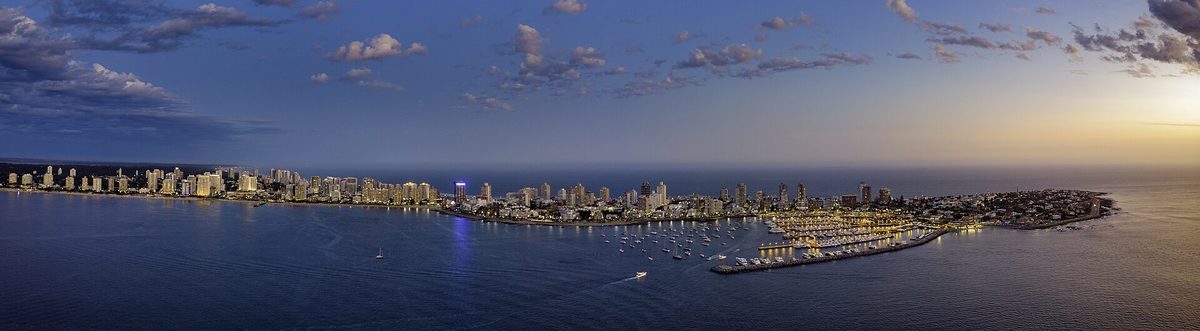
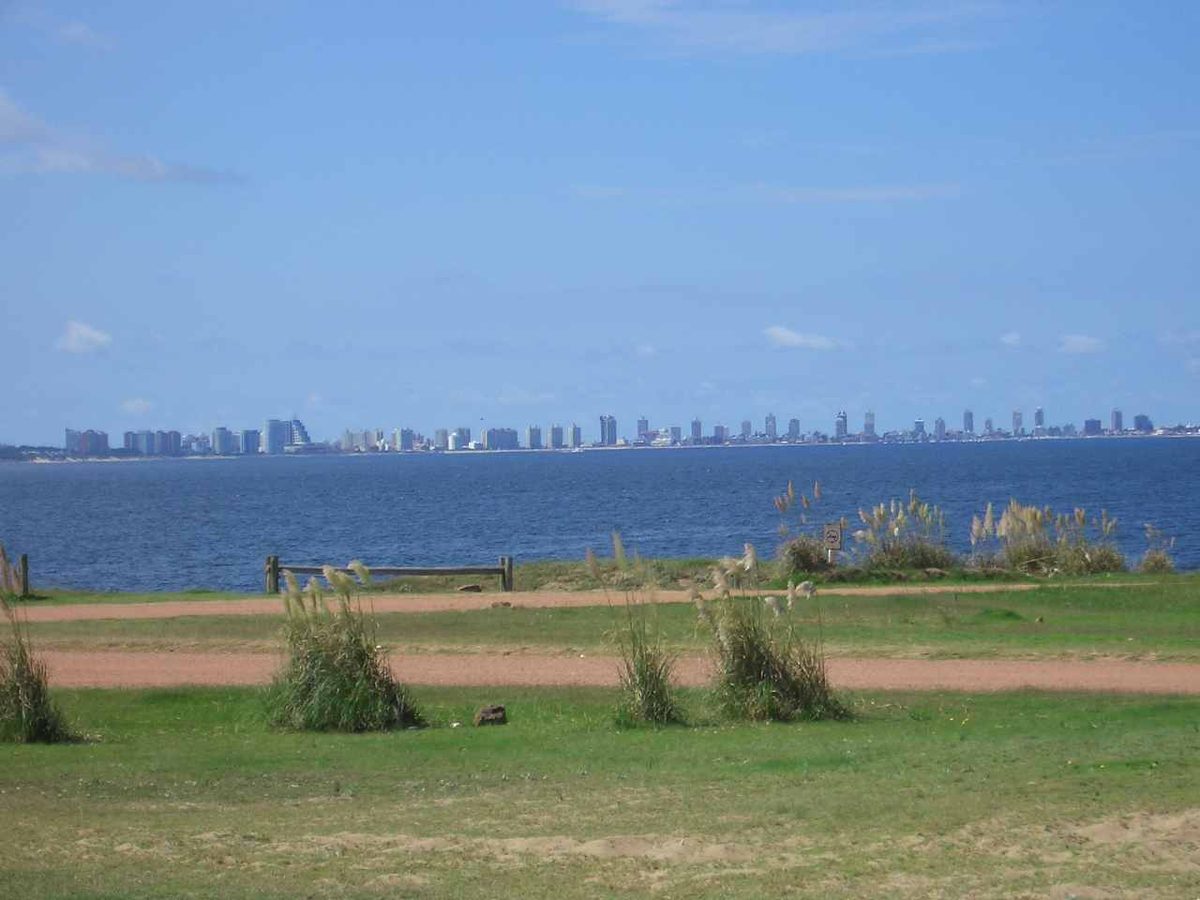
You smell Punta del Este before you properly see it — sunscreen, salt, grilled provoleta drifting off a parador — and then the road bends and the skyline does its trick: a wall of white towers rising straight out of the water where South America’s second-biggest river finally gives up and becomes the Atlantic. My first visit, I’d budgeted two nights. I stayed six, and one of those was January-priced. No regrets, mostly.
Punta del Este is Uruguay’s famous beach resort: a peninsula city two hours east of Montevideo where the Río de la Plata meets the ocean, ringed by beaches and satellite villages — boho La Barra, jet-set José Ignacio, artsy Punta Ballena. Think Miami’s skyline, Hamptons prices in January, and a small-town heart the brochures miss.
This is the complete guide: every neighborhood and beach (and the wind trick locals use to choose between them), the icons and the under-visited art campuses, where to eat without remortgaging, when to come, and the honest version of what each season feels like. It’s written for first-timers and skeptics alike — I arrived as the second and left as neither.
Punta del Este at a glance: the zones
“Punta” is really five or six destinations wearing one name. Sorting them out is the single most useful thing this guide can do for you, so here’s the map in table form:
| Zone | The vibe | Best for | Distance from the peninsula |
|---|---|---|---|
| The Peninsula | Walkable old core: port, lighthouse, Gorlero avenue | First-timers, car-free trips | — |
| Playa Mansa & Pinares | Calm river beaches, family apartments, sunsets | Families, swimmers | 0–5 km west |
| Playa Brava & San Rafael | Ocean surf, La Mano, the casino quarter | Surfers, beach walkers | 0–5 km east |
| Punta Ballena | Cliff views, Casapueblo, forest arboretum | Sunsets, art, quiet stays | 15 min west |
| La Barra & Manantiales | Surf-boho turned design-scene; nightlife in season | Younger crowds, galleries | 10–20 min east |
| José Ignacio | Barefoot-luxury lighthouse village | Long lunches, splurges | 40 min east |
One orientation note that unlocks everything else: the peninsula splits the water in two. The west side is the Mansa (“tame”) — technically still river, warm and flat. The east side is the Brava (“fierce”) — open Atlantic, waves and undertow. Beaches are numbered by paradas (bus-stop markers) counting outward from the point. Locals don’t pick a beach by loyalty; they pick by wind. Onshore easterly roughing up the Brava? Cross to the Mansa, ten minutes away, where the same wind blows offshore and the water turns to glass. Reverse it when the westerly blows. You now hold the only beach strategy you need.
The icons: things to do in Punta del Este first
Touch fingers with La Mano
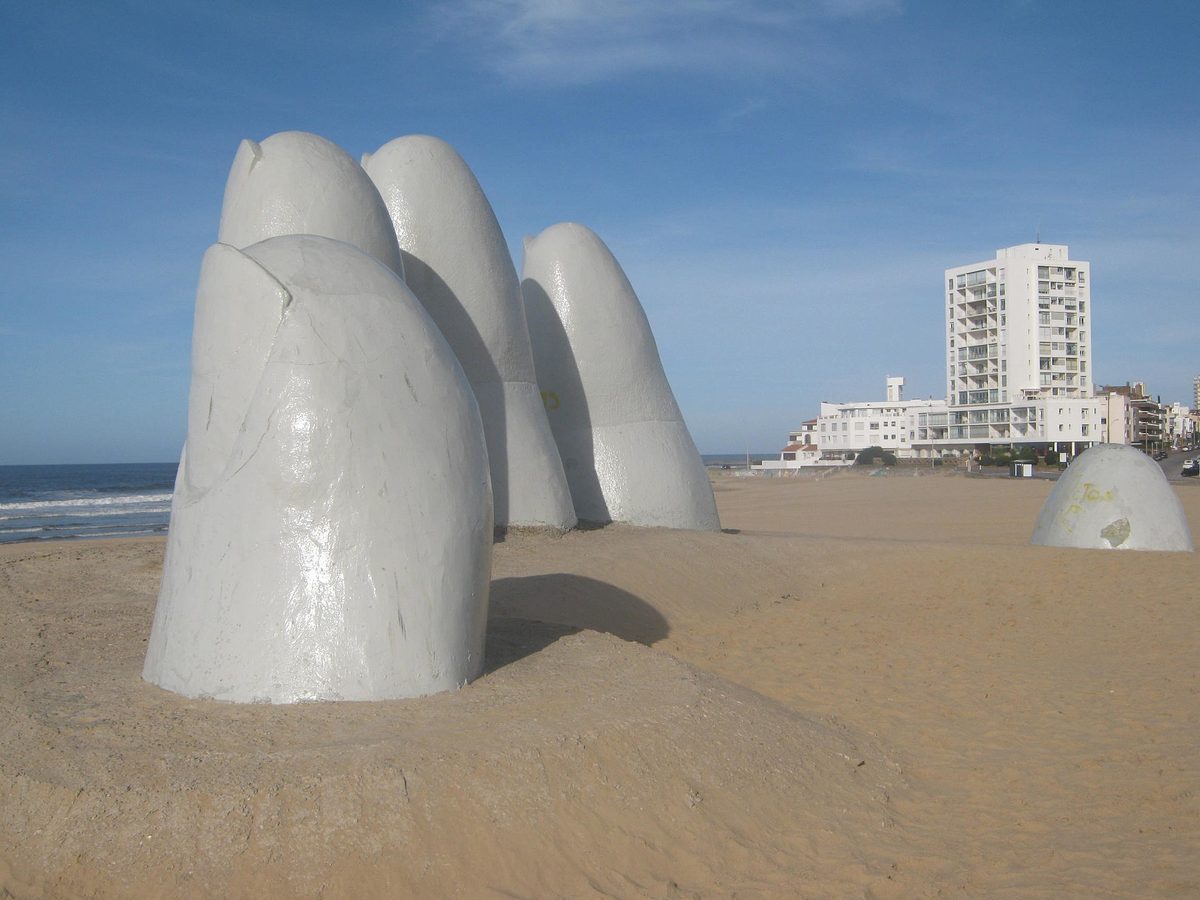
The five concrete fingertips surfacing from the sand at Parada 1 of Playa Brava have been photographed roughly as often as the moon landing, and fair enough. Chilean sculptor Mario Irarrázabal built the hand in eight days during a 1982 sculpture summit, meaning it as a drowning man’s warning about the sea; the town immediately adopted it as a logo of summer fun, which says something lovely or damning about beach resorts, depending on your mood. Visit at sunrise or just before sunset for the photo without the queue — midday in January is a scrum. It’s free, five minutes’ walk from the bus terminal, and obligatory in the least painful way.
Do the full peninsula loop on foot
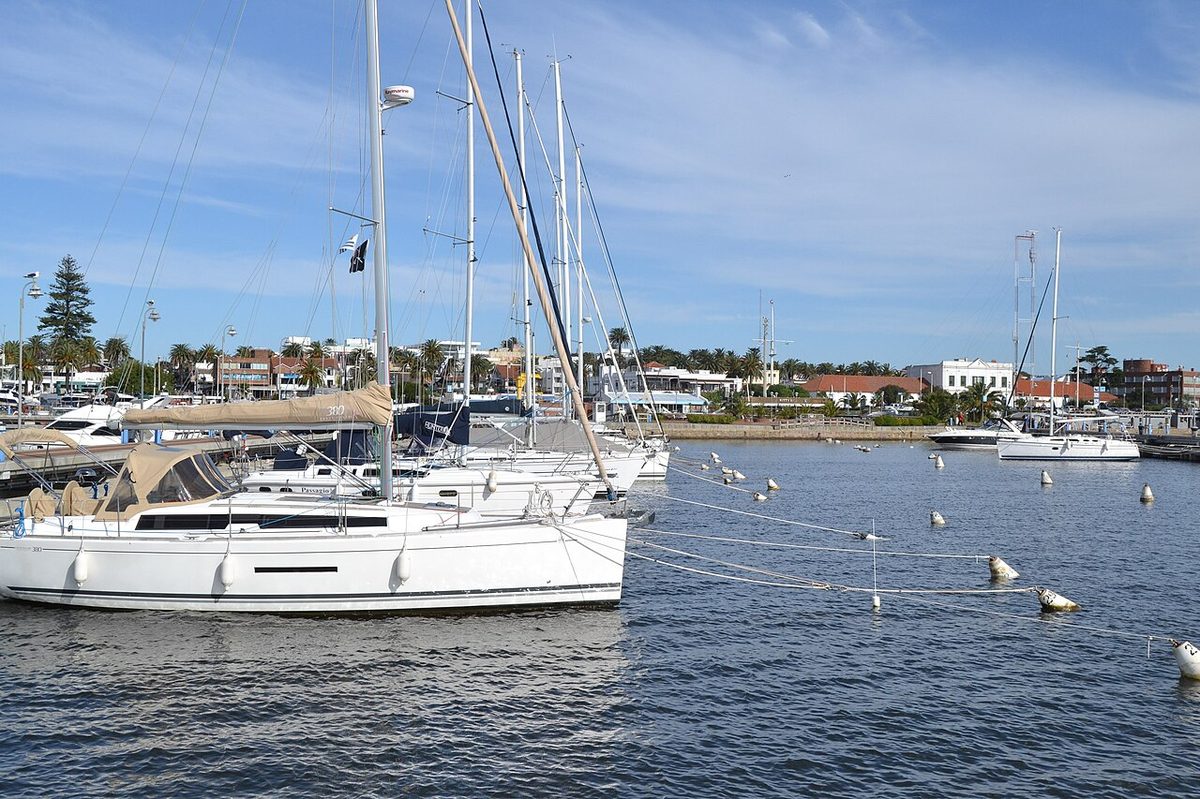
Give the old town ninety unhurried minutes: start at the working port, walk the marina where the yachts get silly in January, pass the candy-blue Iglesia de la Candelaria (1911) and the 45-meter lighthouse that’s been blinking since 1860, then round the point where yellow sand gives way to wave-hammered rocks. This is where Punta stops being a brand and becomes a town — fishermen, dog-walkers, retired couples with thermoses of mate watching the river argue with the ocean. The rocks at the very tip mark the official line where the Río de la Plata ends and the Atlantic begins; straddle it for the geography nerd’s photo nobody asks for but everyone keeps.
Meet the port’s freeloading sea lions
At the fish stalls on the port’s east edge, two or three enormous male sea lions have organized the easiest gig in the South Atlantic: surface at gutting time, look magnificent, accept fish heads. They’re wild animals running a protection racket, and watching them from two meters away costs nothing. Go mid-morning when the boats return. (Keep fingers and small dogs to yourself; these are 300-kilo professionals.) It’s the best free wildlife encounter on this coast — and a preview of the full colony at Isla de Lobos if you take the boat.
Sail to Isla de Lobos or picnic on Isla Gorriti
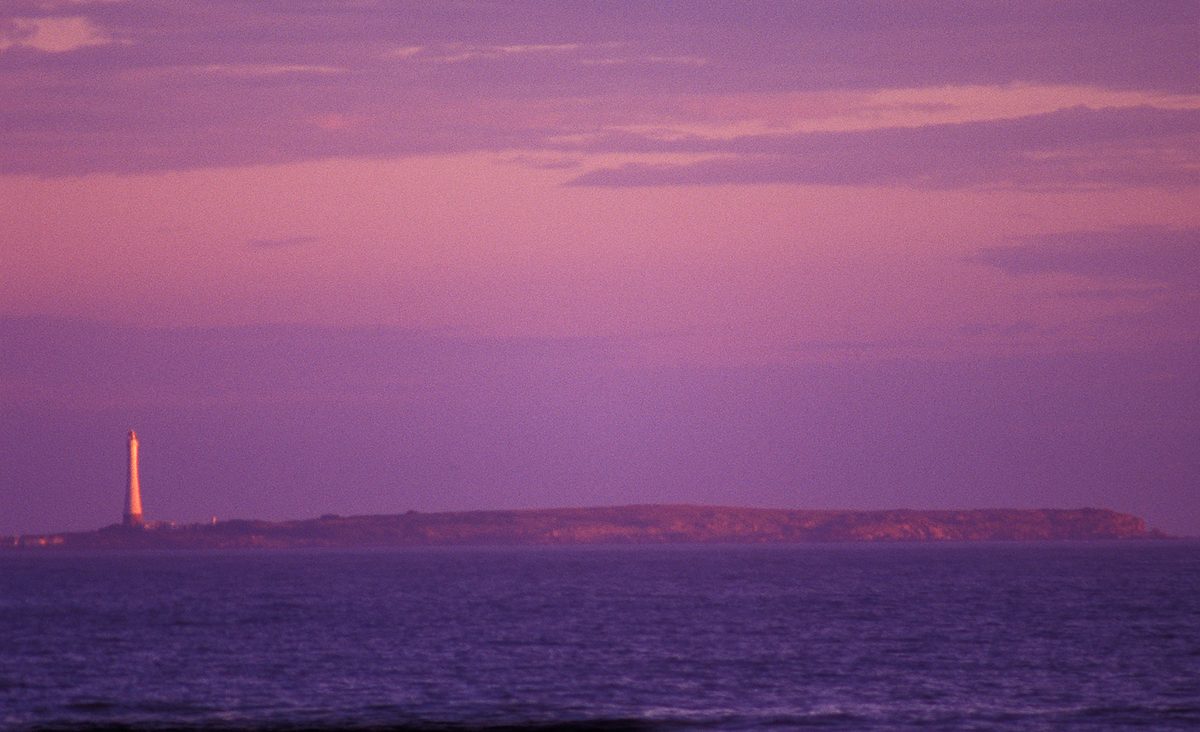
Two islands, two budgets. Isla de Lobos, eight kilometers off the point, hosts one of the largest sea lion colonies in the Americas around South America’s tallest lighthouse — tours circle the island (no landing; it’s a protected reserve) and the noise and smell arrive before the binoculars come out. Boats run from the port in season; book a day ahead in January and skip it entirely if a rolling swell ruins your day, because the port performers offer the highlights for free. Isla Gorriti is the gentler alternative: a ten-minute shuttle to a forested island with two calm beaches, 18th-century battery ruins and picnic shade. Locals treat it as the escape hatch when the mainland sand fills up.
Catch the sun ceremony at Casapueblo
Fifteen minutes west at Punta Ballena, Carlos Páez Vilaró’s hand-sculpted white villa pours down the cliffside like meringue with windows — five decades of additions, zero right angles, now a museum, café and hotel. Come an hour before sunset, tour the museum (entry around US$12; the artist’s life upstages the architecture, which takes doing), then claim terrace space for the nightly Ceremonia del Sol, when Vilaró’s recorded poem sees the sun into the river. Yes, every guide recommends it. The guides are right. I’ve covered the full visit logistics in our guide to the best things to do in Uruguay — it made the national top five without breaking a sweat.
Walk the Brava for whales (July–October)
Out of season, Punta’s open-ocean side runs a free show most visitors never hear about: southern right whales cruising the swimming zone’s far edge, close enough to spot from the sand between Paradas 5 and 25, blowing and breaching on calm mornings. Punta Ballena’s clifftop adds elevation if you want the wide view. Bring a thermos, borrow the local patience, and understand why some of us now prefer this coast in August. For the full season-by-season logic — including why the sea is warmest long after the crowds leave — see our month-by-month guide to the best time to visit Uruguay.
How a fishing village got a skyline (60-second history)
Punta del Este was rocks, dunes and a lighthouse until entrepreneurs started platting a resort here in the 1890s; the 1907 founding of the town proper set off a century of one-upmanship. Argentine money built the first golden age in the 1940s–50s — Perón-era fortunes, casino glamour, Rat Pack visits — and stamped the place with its enduring identity as Buenos Aires’ summer annex. The high-rise wall went up from the 1970s onward, José Ignacio absorbed the escapees from the high-rises, and the 2000s added the art-and-gastronomy layer (Atchugarry, Garzón, the design hotels) that now defines the smart end of the brand. Knowing the layers explains the streetscape: belle-époque chalets in the pines, brutalist towers on the Brava, and a fishing port that never stopped working through any of it. The sea lions, for the record, predate everyone.
The beaches, properly explained
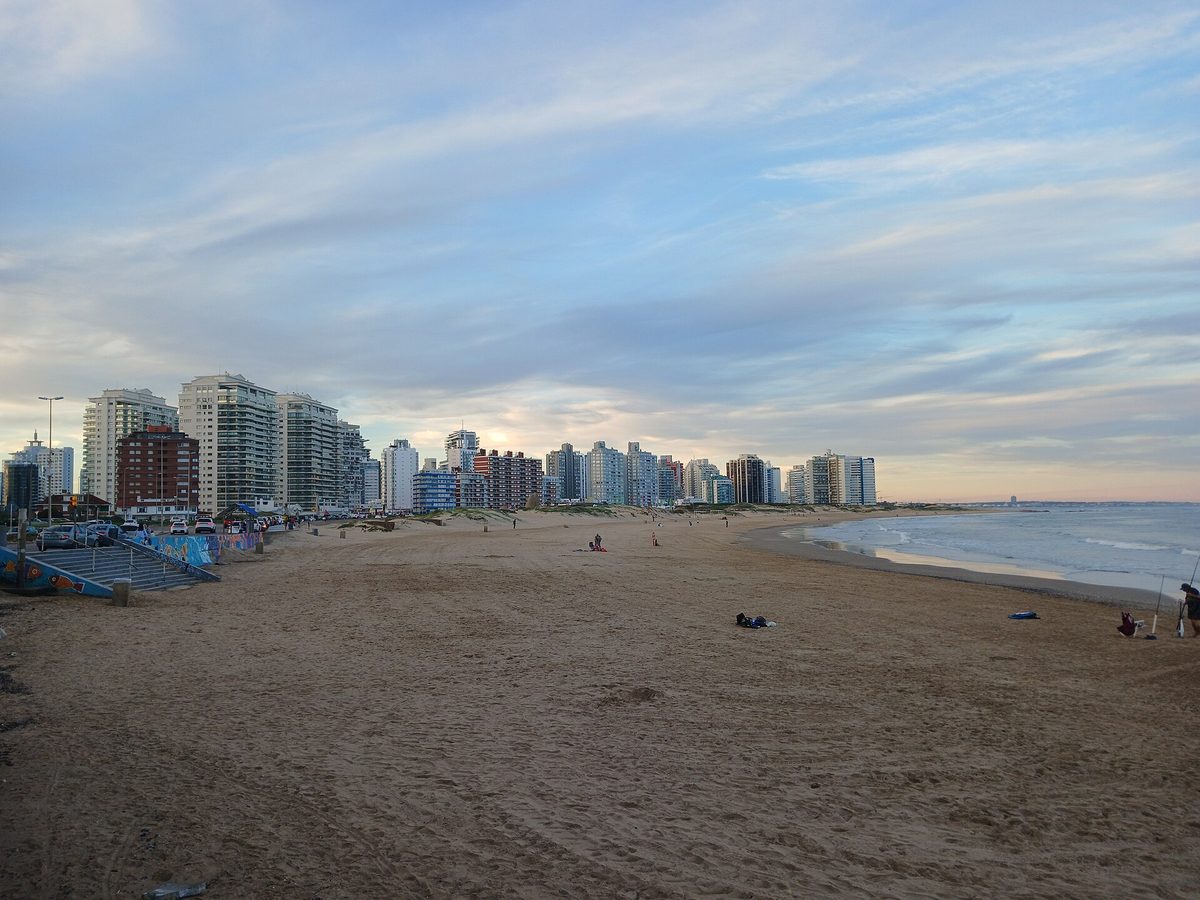
Forty kilometers of named, numbered sand deserve more than “beautiful beaches.” Two pieces of furniture first. The paradas: numbered markers counting outward from the point along both shores — locals give beach directions by number (“Mansa 8”, “Brava 12”) and so will this guide. The paradores: the licensed beach restaurants that anchor the busier paradas, renting loungers and umbrellas for roughly the price of two coffees and defending your table through a four-hour lunch without a flicker of judgment. Learn both words and the coast organizes itself. Now, the parada-level truth, west to east.
Playa Mansa: the warm, flat, family side
The river side runs from the peninsula out past Pinares — wide sand, water two or three degrees warmer than the ocean side, waves that wouldn’t knock over a toddler, and the entire summer sunset, since it faces west. Paradas 3–8 have the full service strip (loungers, paradores, lifeguards, churro vendors of distinction); past Parada 20 it goes quieter and more local. This is where Punta’s families actually swim, where stand-up paddleboards outnumber surfboards, and where you should be at 7:45pm with something cold, watching the sun drop behind Isla Gorriti. Snobbery about the Mansa being boring is reliably voiced by people standing on it at sunset.
Playa Brava: drama, surf and that hand
The Atlantic side earns its name — proper waves, cooler water, riptides that demand respect for the flag system. Surfers cluster around Parada 3 (La Olla, the locals’ wave) and further out toward El Emir, which holds Uruguay’s most consistent town break; boards and lessons rent right off the sand in season. Non-surfers get the better beach walk: firm sand running east for kilometers, La Mano as a starting gun, high-rise glitter thinning into dunes. Swim between flags, near lifeguards, and save the headphone-oblivious float for the other side.
Surfing Punta del Este
The town break at El Emir (Brava, around Parada 3) is Uruguay’s most reliable urban wave — beach-break peaks that work on most swells, with board rental and schools on the sand from December to Easter and a wetsuited local crew the rest of the year. Montoya and Bikini eastward add punchier banks and the younger lineup; serious swell hunters continue to La Paloma and Punta del Diablo up the wild coast. Beginners: summer mornings on the Brava before the sea breeze, or lesson-friendly Montoya off-peak. The water asks for a spring suit by April and a proper 4/3 in winter.
Flags, rips and the lifeguard system
The Brava’s beauty comes with genuine rip currents, and Uruguay staffs its beaches accordingly (December–Easter, roughly 10am–7pm). The flag code is worth thirty seconds: red = no swimming, yellow = caution, green over red on the same mast appears on some beaches to mark guarded zones — when in doubt, swim where the crowd and the lifeguard tower are, and treat an empty, unflagged stretch as scenery. Caught in a rip: float, signal, swim parallel. The Mansa, meanwhile, barely musters a current — which is exactly why the families are there.
East to Bikini, Montoya and Manantiales
Past La Barra’s bridge the coast goes younger and better-dressed: Montoya for serious surf and the under-30 scene, Bikini Beach at Manantiales for the see-and-be-seen crowd that gave it the name, with beach clubs running DJs from January noon. The sand and water are genuinely excellent — that’s the secret the scene is built on. In March you’ll have Bikini nearly alone, which feels like borrowing a celebrity’s house while they’re away.
Solanas and Portezuelo: the locals’ west
Tucked under Punta Ballena’s lee, these westside beaches are sheltered, shallow and almost entirely Uruguayan — rental houses, grandmothers under umbrellas, not a beach club in sight. When a hard easterly ruins everything else, the Portezuelo curve is often flat calm. File under: the wind trick, applied.
Art beyond the postcard: museums worth your beach time
Punta’s quietest flex is that it has become a legitimate art destination, and most visitors never get past the hand in the sand.
Fundación Pablo Atchugarry & MACA
Twenty minutes east near Manantiales, sculptor Pablo Atchugarry — Uruguay’s most internationally collected living artist — has built what might be South America’s most beautiful art campus: hectares of lawns and lagoons studded with monumental marble and steel, capped since 2022 by MACA, a swooping contemporary art museum that would look at home in Humlebæk or Naoshima. Entry is free, which remains faintly unbelievable. Between the sculpture park, the ateliers and the rotating international shows, budget a half day; with kids, the grounds alone justify the trip. On a coast famous for excess, the best thing going costs nothing.
Museo Ralli, Beverly Hills
Yes, Punta del Este has a neighborhood called Beverly Hills, and in its pine shade sits one of five Ralli museums worldwide — a private, free-entry collection heavy on Latin American surrealism, with a respectable Dalí room as the European garnish. It’s open seasonally (afternoons, roughly summer and holiday weeks; check before driving out). Quiet, uncrowded and air-conditioned, it pairs naturally with a Brava beach morning gone too hot by 2pm.
Pueblo Garzón and the wine hills
Forty-five minutes inland, the half-abandoned rail town of Garzón (population: about 200) became an unlikely pilgrimage site when chef Francis Mallmann installed his restaurant-hotel on the plaza, followed by Bodega Garzón’s cathedral of Tannat and Albariño in the hills nearby — tastings from roughly US$45, lunches that demand a designated driver or a hired one, and a “world’s best vineyard” plaque to explain the reservation difficulty. Go for the long golden afternoon: vines, olive groves, smoke from Mallmann’s fires, and a town square where dogs sleep in the road because they can.
The satellite villages
La Barra: cross the wavy bridge
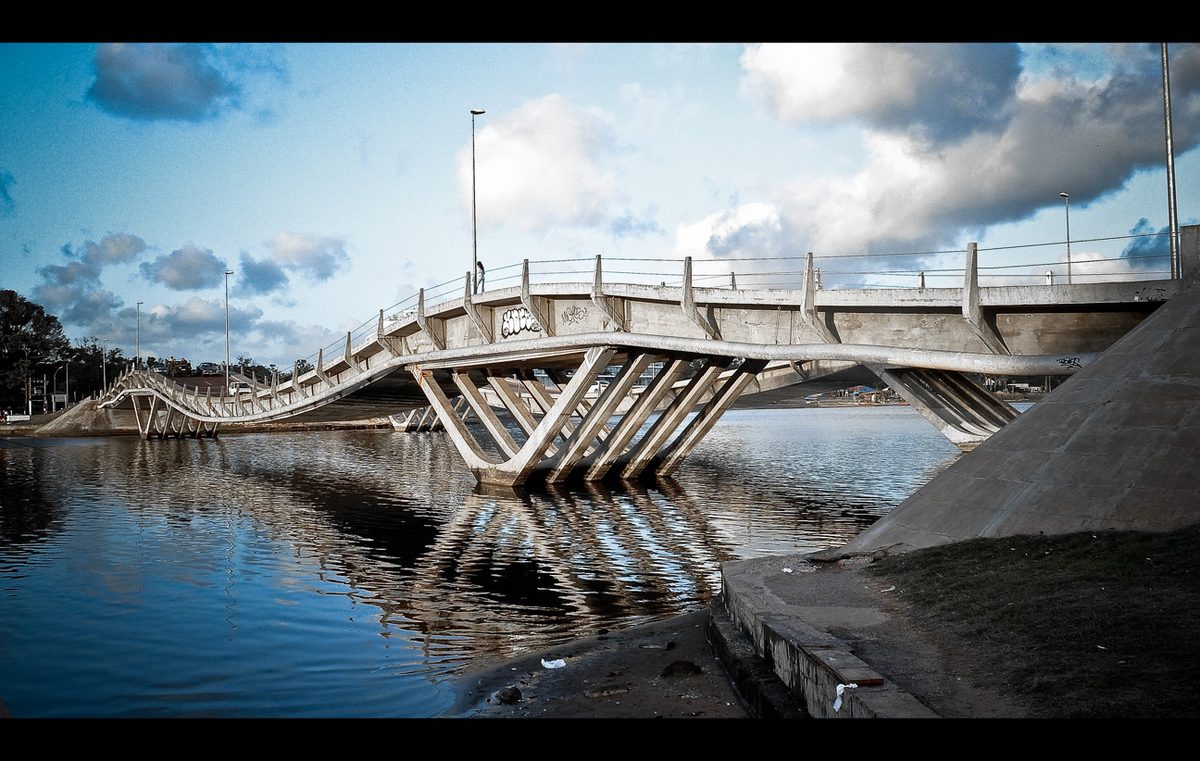
The undulating Leonel Viera bridge — two concrete waves you drive over like a polite rollercoaster, built that way on purpose in the 1960s — is the gateway drug to Punta’s east coast. La Barra behind it runs art galleries, surf shops, ice-cream institutions and, every January, nightlife that relegates the peninsula to early-evening status. Mandatory stop: Medialunas Calentitas, whose warm, syrup-glossed croissants have fueled this coast for decades and justify the queue alone. Out of season La Barra reverts to a paint-peeling fishing-village calm that I marginally prefer, galleries open, crowds gone.
Manantiales: small, expensive, correct
A hamlet with a disproportionate density of good restaurants and design hotels, anchored by Bikini Beach and the Atchugarry campus up the road. It’s where Punta’s scene migrated when La Barra got busy, and it’s at its best in long-lunch mode: grilled fish, cold Albariño, sand still on your ankles. Stay here if your budget stretches and your idea of nightlife is dinner running late.
José Ignacio: the lighthouse at the end of the money
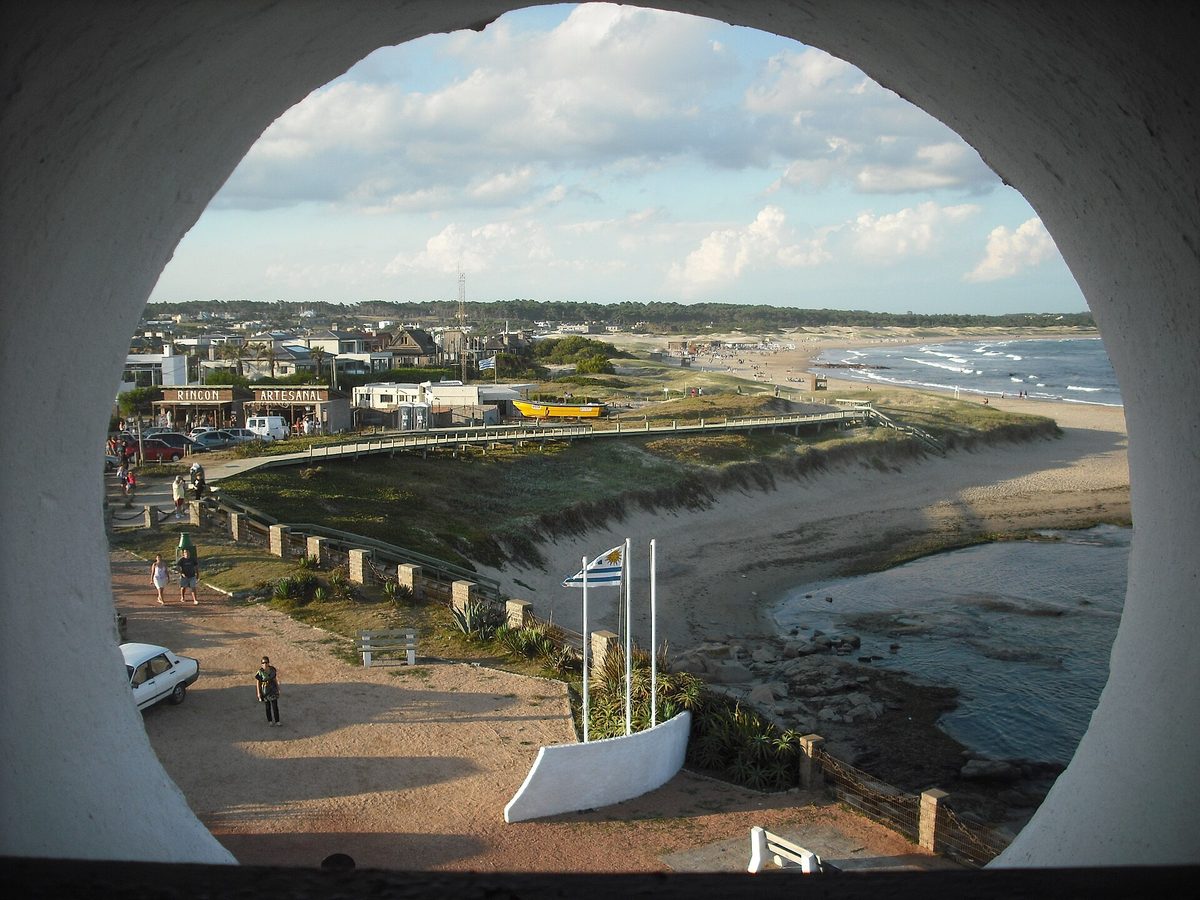
Forty minutes east, the road runs out of high-rises, then out of pavement, and delivers you to a fishing village of 300 souls that somehow became the hemisphere’s most understated luxury address. The 1877 lighthouse still works; the beach shacks serve US$40 fish because the chef is famous; media moguls park barefoot. It is genuinely lovely — Playa Brava at dusk here is one of Uruguay’s great sights — and genuinely unbudgetable in January. The cheat code: come for a weekday lunch at Parador La Huella (book ahead, order the catch and the dulce de leche volcano), walk the point, climb the faro, and sleep somewhere that doesn’t require a second mortgage. José Ignacio rewards day-trippers almost as richly as residents.
Punta Ballena beyond Casapueblo
Everyone sees the white villa; almost nobody walks the Arboretum Lussich above it — one of the world’s notable planted forests, where Antonio Lussich’s 1896 hobby became 190 hectares of eucalyptus, araucaria and winding shade, free to wander, with bay views through the canopy. Pair it with the clifftop mirador at the headland’s tip, the whale lookout of choice in winter. Punta Ballena is fifteen minutes and one entire mood away from Gorlero’s neon.
The Punta calendar: events worth planning around
| Event | When | What it is |
|---|---|---|
| New Year’s Eve | Dec 31 | Fireworks over the marina; the continent’s glitziest countdown |
| ESTE ARTE | Early January | International contemporary art fair, galleries and collectors in season |
| Beach-club season | Late Dec–Jan | Bikini and Montoya at full volume; daily DJ programming |
| Carnival echoes | Feb | Smaller-scale parades and tablados; the big show is Montevideo’s |
| Sea-temperature peak | Late Feb–Apr | The quiet-swimming window locals exploit |
| Whale season | Jul–Oct | Southern right whales off the Brava and Punta Ballena, free from shore |
| Heritage Weekend | Early Oct | Lighthouse and historic buildings open free nationwide |
| Season reopening | Nov–early Dec | Hotels and paradores reopen; the town stretches awake |
Exact dates drift year to year — confirm against the Maldonado tourism calendar before anchoring flights to any of them.
A perfect three-day Punta del Este itinerary
Day one, the peninsula: La Mano photo before breakfast, the full point loop (port, sea lions, lighthouse, Candelaria church), parador lunch on the Mansa, afternoon swim by the wind rule, sunset from the Parada 6 seawall with something cold. Day two, west and air: morning at the Arboretum Lussich’s forest paths, Casapueblo museum from mid-afternoon, terrace seats for the sun ceremony, dinner back at the port — Lo de Tere if celebrating, fried rabas on the seawall if not. Day three, the east run: Medialunas Calentitas breakfast crossing La Barra’s wavy bridge, Atchugarry sculpture campus mid-morning, Bikini Beach or Montoya until lunch at Manantiales, then José Ignacio for the lighthouse climb, a point walk and the long golden drive home — or La Huella, if the booking gods smiled. Swap any beach block for Garzón wine country without penalty. Three days, all six zones, zero regrets.
Eating and drinking in Punta del Este
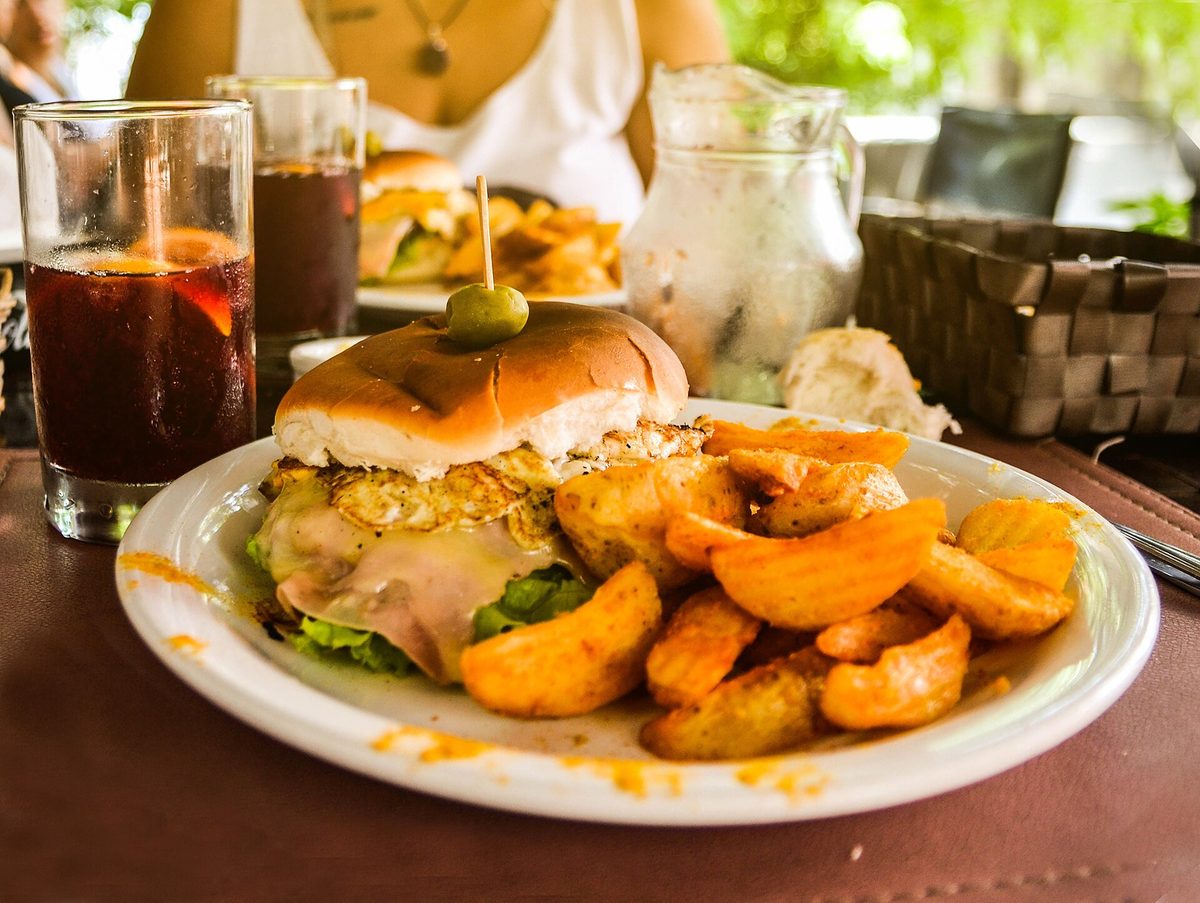
The food scene splits neatly: peninsula classics, beach paradores, and the eastern design-village circuit, which is how our guide to eating in Punta del Este sorts them too. A few anchors that have survived every fashion cycle:
- Lo de Tere (the port): the white-tablecloth standby for fish, port views and old-school service; lunch menus take the sting out of dinner prices.
- The port’s fish stalls: buy what the sea lions are auditing, or order fried rabas (calamari) from the kiosks and eat them on the seawall — Punta’s best price-to-view ratio.
- A parador lunch on the Mansa: grilled provolone, chivito, cold medio y medio (the half-sparkling white invented in Montevideo’s port market); the beach restaurant as Uruguay’s true national theater.
- Medialunas Calentitas (La Barra): the warm-croissant institution; breakfast like the locals, which is to say, twice.
- Parador La Huella (José Ignacio): the coast’s most famous restaurant and — annoyingly for cynics — worth it; book days ahead in season.
- Bodega Garzón (the hills): Tannat at the source, Mallmann’s fires next door in Pueblo Garzón.
Two budget notes: January menus add a zero, so the menú del día chalkboards two streets behind Gorlero are your friends; and Uruguay’s foreign-card VAT discount quietly trims most restaurant bills — check the receipt and smile.
Nightlife, honestly
In January, Punta runs one of South America’s famous party circuits — beach clubs at Bikini and Montoya from afternoon, La Barra’s strip until dawn, the Enjoy casino complex (the old Conrad) as the all-night constant, plus festival-grade NYE fireworks over the marina. From February it tapers; by April the peninsula is dinner-and-a-walk; in winter, the casino and a handful of port bars hold the fort. Names on the club strip change with the seasons — the geography (Ruta 10 around La Barra, plus the Bikini–Montoya beach-club axis) is the constant worth knowing. If nightlife is the trip’s engine, come Christmas–January, bring funds and book everything. If it isn’t, late February gives you warm nights and tables without bouncers.
Where to stay (zone logic, short version)
Match the zone to the trip, then book by the season’s clock:
- The Peninsula — first visits, car-free trips: classic hotels and a deep pool of apartments; you walk to the port, both beach sides and the terminal. Liveliest in January, never fully asleep.
- Mansa side & Pinares — families: calm water, pine-shaded blocks, apartment towers with kitchens; aim for Paradas 5–20 for the service-to-space sweet spot.
- Brava side & San Rafael — beach-walkers and casino moths: morning surf-check from the balcony, the Enjoy complex anchoring the quarter year-round.
- La Barra & Manantiales — the design-and-nightlife set: boutique posadas and beach-house rentals; January here parties till sunrise, March feels like a members’ club with the doors propped open.
- José Ignacio — the splurge: a handful of legendary small hotels and houses; book months out for summer, or come for lunch like the rest of us.
- Punta Ballena — quiet, views, Casapueblo at the door: clifftop stays that turn the sunset into your lobby entertainment.
- Maldonado town — the budget base: city hotels at half-rate, 15 minutes by frequent bus from the sand.
The booking clock: January and NYE anywhere = lock it by October; December and Easter = a month or two out; everything else = days, often hours. May–October, confirm any smaller hotel is actually open before relying on it — many close for the winter and reopen with the paradores in November. Which zone you sleep in matters more than which hotel you book, and our area-by-area guide to where to stay in Punta del Este weighs the peninsula against the Mansa towers, the quieter Brava and the villages east.
Getting there and around
From Montevideo: comfortable COT and Copsa buses run all day from Tres Cruces terminal to Punta’s in-town terminal (about 2¼ hours, modest fares, no booking drama outside January weekends); drivers take Ruta Interbalnearia in well under two hours, tolls electronic. Punta’s own airport at Laguna del Sauce (PDP), thirty minutes west, fields seasonal flights, chiefly from Buenos Aires — most international visitors still route via Montevideo’s Carrasco airport or the Buenos Aires ferries. In town, the peninsula walks easily; local buses ply the paradas; Uber works well and multiplies in season; a rental car is the difference between seeing Punta and seeing the whole coast — the La Barra–José Ignacio–Garzón triangle assumes wheels. Coming from Buenos Aires, the classic combination is the fast ferry to Montevideo or Colonia plus a direct bus east — door to sand in six to eight hours — while summer adds direct BA–Punta flights into Laguna del Sauce. From Carrasco airport, direct COT services and prebooked remises (private transfers, around ninety minutes) beat backtracking into Montevideo. One driving note: the zero-alcohol limit is absolute here as everywhere in Uruguay, and January parking near the peninsula is a blood sport — the terminal’s paid garage spares the circling.
When to come (and when I wouldn’t)
The honest calendar: Christmas–January is the spectacle — maximum glamour, energy and cost, booked months out. Early December and late February–March are the insider windows: same beaches, warm sea (warmest, in fact, into April), functioning town, humane prices. April–May is golden-light shoulder bliss for couples and photographers. Winter (June–August) is divisive: most restaurants shutter and the towers empty, but whales patrol the Brava, Casapueblo sunsets sharpen, and hotel rates collapse — I’ve come to love it, with the caveat that you must enjoy your own company. The full month-by-month math, including events and booking lead times, is in our best time to visit Uruguay guide.
Day trips from Punta del Este
Punta makes an excellent base precisely because leaving it is so rewarding. The greatest hits, ranked by my own repeat visits: José Ignacio (40 min) for lighthouse-and-lunch; Pueblo Garzón + Bodega Garzón (45–60 min) for wine and Mallmann smoke; Casapueblo and the Arboretum Lussich (15 min) for art and forest; the Laguna Garzón circular bridge (45 min) for the engineering selfie and lagoon kayaking; Piriápolis (40 min west) for belle-époque time travel and the Cerro San Antonio chairlift; and, for a long day, the wild-coast duo of La Pedrera and Cabo Polonio (90 min–2 hours east) — a different Uruguay entirely, dunes and off-grid villages, covered in depth in our things to do in Uruguay guide. Even Colonia del Sacramento is doable at a push, though it deserves better than a push.
Maldonado: the real city next door
Fifteen minutes inland, the departmental capital is Punta’s unglamorous, useful sibling: a proper Uruguayan city with a colonial plaza, the 18th-century cathedral, the Mazzoni museum and — crucially — supermarkets, bus connections and beds at half the resort’s rates. Budget travelers basing here and busing to the paradas are running the oldest trick on this coast. It’s also where the resort’s workforce actually lives, which makes its parrillas both cheaper and, whisper it, often better.
Punta del Este by traveler type
First-timers
Three nights on the peninsula: La Mano and the loop on day one, Mansa afternoon and port sea lions on day two, Casapueblo sunset, then La Barra–José Ignacio day three. You’ll leave understanding all six zones and plotting which one gets the return trip.
Families
Mansa-side apartment around Paradas 5–20, Isla Gorriti picnic day, Atchugarry sculpture lawns, churros at sundown. The calm-water-plus-playgrounds infrastructure here is quietly world-class; January crowds are the only caveat.
Couples
Manantiales or Punta Ballena base, Casapueblo ceremony, a Garzón wine afternoon, La Huella lunch, Brava walks at dusk. March or early December; thank me later.
The party itinerary
January, La Barra or peninsula base, Bikini afternoons, strip nights, casino as the 4am fallback, recovery on the Mansa. Budget double what feels prudent; you’ll spend it anyway.
Budget travelers
Yes, really: come November or March–April, sleep in a peninsula hostel or Maldonado town (15 minutes inland, half the price), bus the paradas, picnic the beaches, free-list the sights — La Mano, the loop, port sea lions, Atchugarry, Ralli, Lussich. Punta off-peak is startlingly democratic.
Practical notes
- Money: January is Uruguay’s priciest place; everything else on this page is the antidote. Cards near-universal; the tourist VAT discount applies at restaurants.
- Safety: among the safest resort cities on the continent — ordinary precautions cover it; the flags and rips on the Brava are the real hazard worth respecting.
- Wind: pack a light layer for every month and apply the Mansa/Brava switch when it blows.
- Closures: May–October, assume smaller restaurants and hotels are shut and confirm ahead; the peninsula and Enjoy stay alive year-round.
- Booking triggers: January anything = October; La Huella and Garzón tables = days ahead in season; whale season needs no booking at all, which is the point.
Five mistakes first-timers make in Punta del Este
Collected from my own scorecard and years of watching arrivals repeat it: One — judging the whole resort by Gorlero avenue in January; the avenue is the lobby, not the house. Two — swimming the Brava wherever the towel landed instead of between flags; the rips are real even when the day looks gentle. Three — driving to José Ignacio at 1pm on a summer Saturday and discovering everyone had the same lunch reservation idea; go at 11 or go Tuesday. Four — skipping the museums because it’s a beach trip, thereby missing the free Atchugarry campus that out-delivers half the continent’s paid galleries. Five — visiting only in season and concluding the town has no soul, or only off-season and concluding it has no pulse. It has both. Calibrate, then judge.
Punta del Este: your questions answered
Is Punta del Este worth visiting?
Yes — provided you match the season to your temperament. It’s two resorts in one: a glittering January social capital, and a handsome, quiet peninsula town with superb beaches, free world-class art and whale-patrolled winters the other ten months. People who hate it usually met the wrong version. Skeptics should try March.
What is Punta del Este famous for?
La Mano (the hand in the sand), South America’s most fashionable summer scene, the Mansa and Brava beaches, Casapueblo’s sunsets, celebrity-thick José Ignacio up the coast, and a skyline that earns the “Miami of South America” cliché. Quietly, it’s also become the continent’s most surprising free-art destination.
How many days do you need in Punta del Este?
Three nights covers the essentials — peninsula, both beaches, Casapueblo, one eastern excursion. Five lets you add Garzón wine country, Atchugarry, José Ignacio properly and a lagoon detour. Day-trippers from Montevideo can taste it (La Mano, port, Mansa lunch) but miss the sunset-to-sunset rhythm that makes it work.
Is Punta del Este expensive?
In peak season, very — Uruguay’s most expensive address, with January beach-town prices to match the Hamptons comparison. The other ten months it costs like a normal, pleasant resort town: menú-del-día lunches, sane hotel rates, free headline attractions. The foreign-card VAT discount softens restaurant bills year-round.
Can you swim — and is the water warm?
Absolutely. The Mansa (river) side is calm and warmest — pleasant from December, peaking 23–24°C late summer; the Brava (ocean) side runs a couple of degrees cooler with real waves and flagged lifeguard zones. Sea temperature actually peaks in late February–April, the local secret for crowd-free swimming.
Punta del Este or José Ignacio?
They’re complements, not rivals: Punta has the infrastructure, beaches for every mood and the urban buzz; José Ignacio is a 300-person village of barefoot luxury best consumed as a long lunch or a deep splurge. Ideal play: base in Punta or Manantiales, day-trip the lighthouse — unless someone else is paying, in which case reverse it.
What’s the best month for Punta del Este?
For the scene: January, booked early. For the best all-round experience: March — warm sea, open restaurants, empty sand, honest prices — with early December the spring twin. For whales and solitude: August–September. Full reasoning in our month-by-month timing guide above.
Do you need a car in Punta del Este?
For the peninsula and both town beaches, no — feet, local buses and Ubers cover it comfortably. For the coast that makes the trip sing (La Barra, Manantiales, José Ignacio, Garzón, the lagoon), yes, or budget for drivers: day-trip distances are short but bus frequencies thin east of La Barra. Many visitors go car-free for two days, then rent for one.
Final thoughts
Six visits in, my Punta is no longer the skyline — it’s the ten-minute walk from a packed Brava parador to the rocks at the point where the river meets the sea and the only sound is water disagreeing with itself. The resort got famous for January; it gets loved for everything around it. Come for the hand in the sand if you must. Stay for the town that’s quietly there all year, holding the best sunset seat on the continent.
Credits & sources
Sources & further reading
- Uruguay Ministry of Tourism — official destination information
- Intendencia de Maldonado — local services, beach and lifeguard information
- Fundación Pablo Atchugarry / MACA — opening hours and exhibitions
- Bodega Garzón — tastings and reservations
Photo credits
All images via Wikimedia Commons: Punta Del Este Skyline by Jimmy Baikovicius (CC BY-SA 2.0); La Mano Brava by Isabeltorrado (CC BY-SA 3.0); Playa Brava Surf by NaBUru38 (CC BY-SA 4.0); La Barra Bridge by Joao Vicente (CC BY 2.0); Jose Ignacio Lighthouse by Rosina Peixoto (CC BY-SA 3.0); Isla De Lobos Dusk by Felipe.Poittevin (CC BY-SA 3.0); Chivito Uruguayo by TitiNicola (CC BY-SA 4.0).

2 comments
Comments are closed.