Isla de Lobos: Sea Lion Island Tours from Punta del Este (2026)
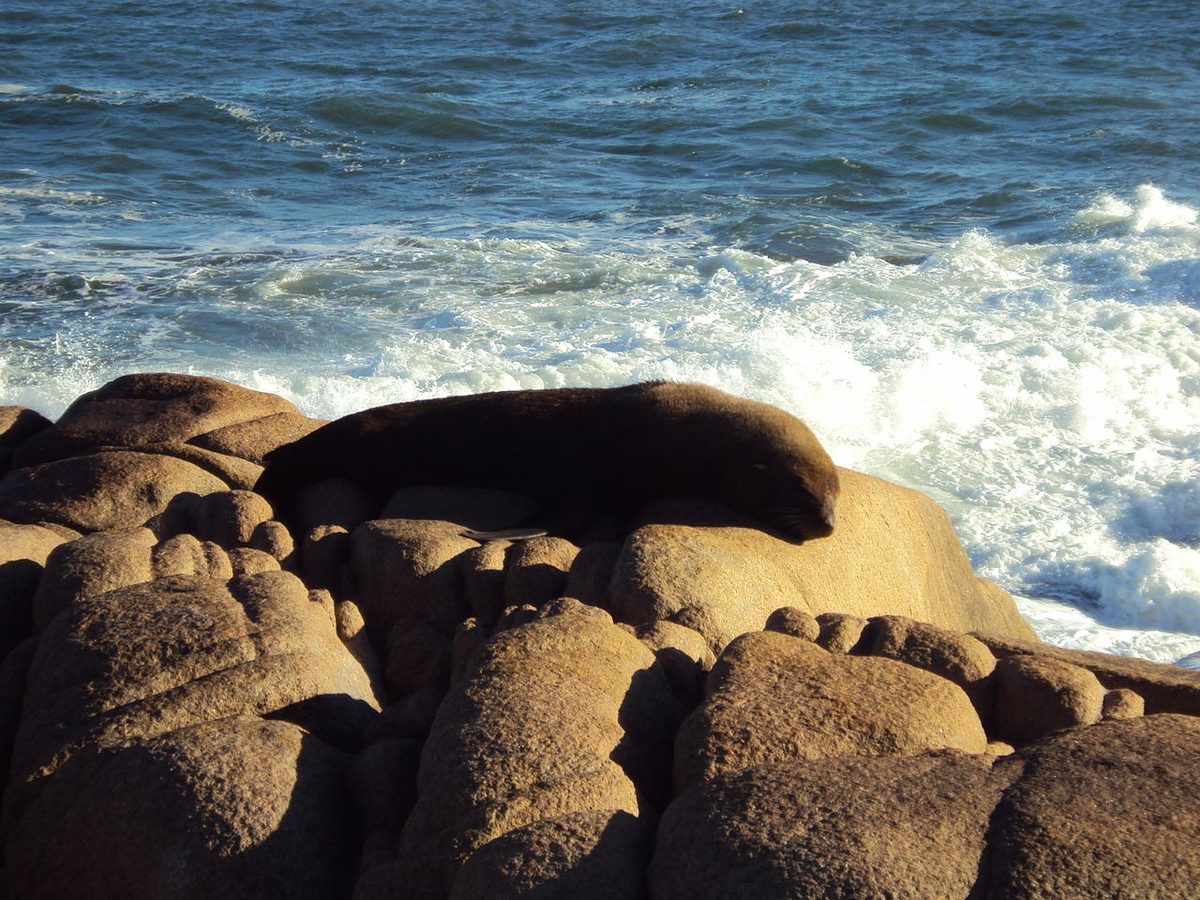
You hear Isla de Lobos before you see it. Our little boat had been thumping over the swell for half an hour, the towers of Punta del Este shrinking to a grey smudge behind us, when the wind shifted and carried a sound across the water — a low, layered roar, thousands of voices barking and grumbling at once, like a football crowd heard through a wall. Then the smell hit, briny and animal and frankly enormous. And then the island itself rose out of the chop: a low brown hump crawling with bodies, every rock slick with sea lions, and a tall pale lighthouse standing over the whole heaving mass. Nobody on the boat said much. We were all just leaning on the rail, grinning like idiots.
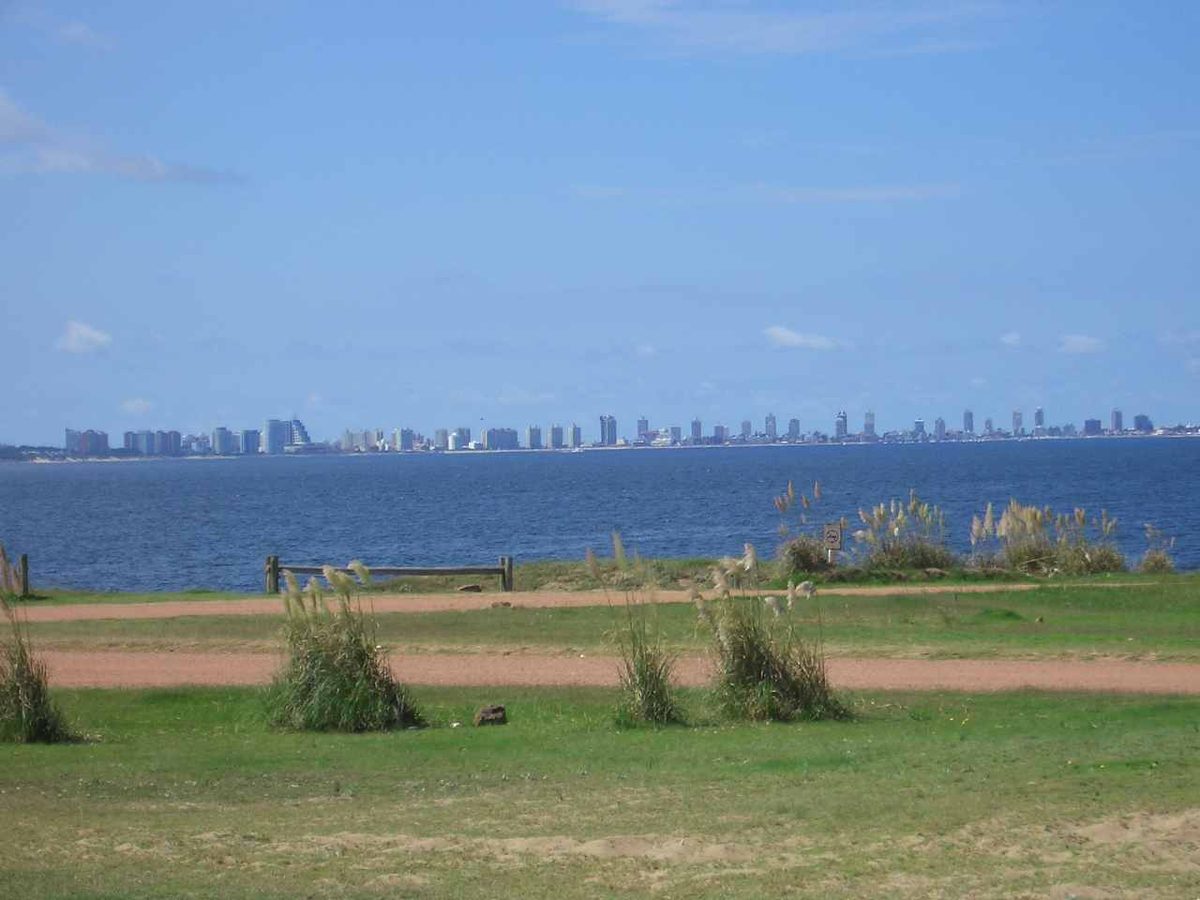
Isla de Lobos is a small, low island in the Atlantic roughly 8 to 12 kilometres off the tip of Punta del Este, Uruguay, and it holds one of the largest colonies of South American sea lions and fur seals (the lobos marinos — literally “sea wolves”) on Earth, plus a lighthouse that ranks among the tallest in the Americas. It’s a strict nature reserve, so you generally cannot land; you visit by taking a boat tour that circles the island, usually departing from the Punta del Este harbour around midday.
This guide is the one I wish I’d had before I went. I’ll explain what the island actually is, how big the colony really is (the numbers people quote are wildly inconsistent, and I’ll sort that out), the story of the lighthouse, the honest reality of the tour — including the seasickness and the smell that nobody’s website mentions — and exactly how to book a boat from the harbour. I’ll also be straight with you about who should skip it.
| Isla de Lobos at a glance | Detail |
|---|---|
| Location | Atlantic Ocean, off Punta del Este, Maldonado, Uruguay |
| Distance offshore | Around 8–12 km (operators usually say 12) |
| What’s there | Huge sea lion & fur seal colony; a historic lighthouse; almost no vegetation |
| Can you land? | No — it’s a protected reserve; tours circle by boat only |
| How to visit | Boat tour from Puerto Punta del Este (the harbour / dique) |
| Tour length | Around 2 hours total (roughly 40 min out, 40 min at the island, 40 min back) |
| Typical departure | Once daily, usually around noon, weather permitting |
| Season | Operators run year-round; calmest seas and best access in summer (Dec–Feb) |
| Price (hedged) | Around US$70 per adult on a shared boat; roughly US$50 for kids; private charters from about US$150–250+ |
What Isla de Lobos actually is
Picture a flat, treeless slab of rock and grass barely lifting itself out of the open Atlantic. That’s Isla de Lobos. It covers only about 40 hectares — you could walk its length in fifteen minutes if you were ever allowed to, which you’re not — and it’s the southernmost scrap of Uruguayan territory, sitting alone in oceanic water with nothing but sea between it and the horizon. There’s no harbour, no jetty, no café, no gift shop. Just rock, a thin skin of grass and reeds, a couple of freshwater springs, and an absolutely staggering quantity of marine mammals.
The name tells you everything. In Spanish, lobo marino — “sea wolf” — is the regional word for both sea lions and fur seals, and the island has been named for them since Europeans first blundered past. The Spanish navigator Juan Díaz de Solís is generally credited with sighting it around 1516, and over the following centuries the rock became a grim landmark: a hazard that wrecked ships and a hunting ground where sealers slaughtered the colony for skins and oil for generations. Magellan, Francis Drake and Charles Darwin are all said to have passed by. Darwin, sailing on the Beagle, would have recognised exactly what he was looking at.
Today the whole island is a no-go conservation zone, part of Uruguay’s coastal island reserve system, off-limits to casual visitors and managed for the wildlife rather than for tourists. That single fact reshapes the entire experience. You are not going to walk among sea lions here the way you might at some tame, fenced wildlife park. You are going to bob offshore in a boat and watch a genuinely wild colony do its wild, smelly, noisy thing — which, honestly, is the point.
Geographically it pairs naturally with the rest of the Punta del Este coast, and if you’re building a wider trip I’d slot it into my complete Punta del Este guide alongside the beaches and the headland sights. It also belongs in the same mental category as Uruguay’s protected wild places — the kind I round up in the country’s national parks and nature reserves overview.
The sea lion and fur seal colony: how big is it really?
Here’s where you need a straight answer, because the internet will give you five different ones. I had a guide on my boat cheerfully announce that “half a million” animals lived on the island. A reviewer I read later had been told the same 500,000 figure, then watched his daughter pull up her phone and find the real number is well under 200,000. So let me lay out what the science actually supports.
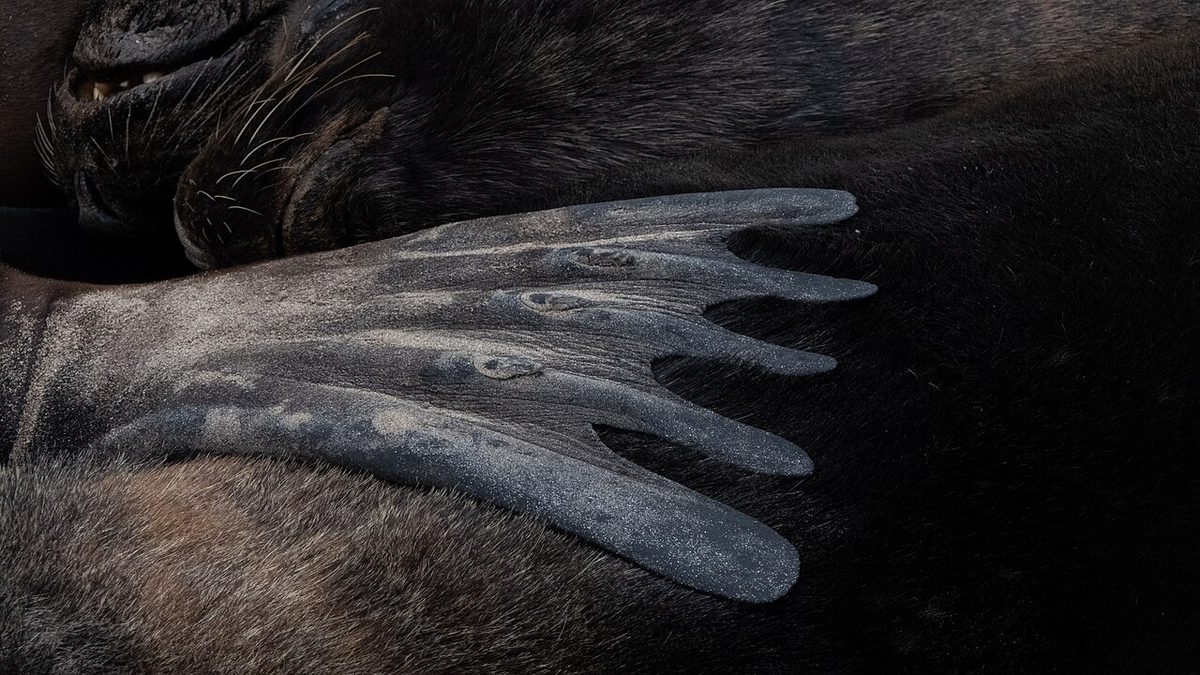
Two distinct species share the rock, and people constantly muddle them. The South American fur seal — Arctocephalus australis, the “two-haired” or fine-fur seal, called lobo fino locally — is the smaller, denser, more numerous one, and Isla de Lobos is historically the single most important breeding colony for this species in the country. The South American sea lion — Otaria flavescens, the “one-haired” sea lion, lobo de un pelo, the big bruiser with the lion-like mane on the males — is larger, far less numerous here, and the one whose bulls you’ll notice lording over patches of rock.
Numbers have swung enormously over time because this colony was hunted commercially until the late twentieth century, and counts vary by season and by who’s doing the counting. Credible historical figures put the fur seals in the low hundreds of thousands at their peak and the sea lions at roughly ten to fifteen thousand. More recent assessments are lower and the population trend has been a conservation worry. So when an operator tells you “half a million,” treat it as enthusiasm, not data. The honest framing is this: it’s one of the great sea lion and fur seal colonies of the South Atlantic, numbering in the high tens of thousands at least — and standing offshore watching it, the exact figure stops mattering. It looks like all of them.
What you’ll actually see, hear and smell
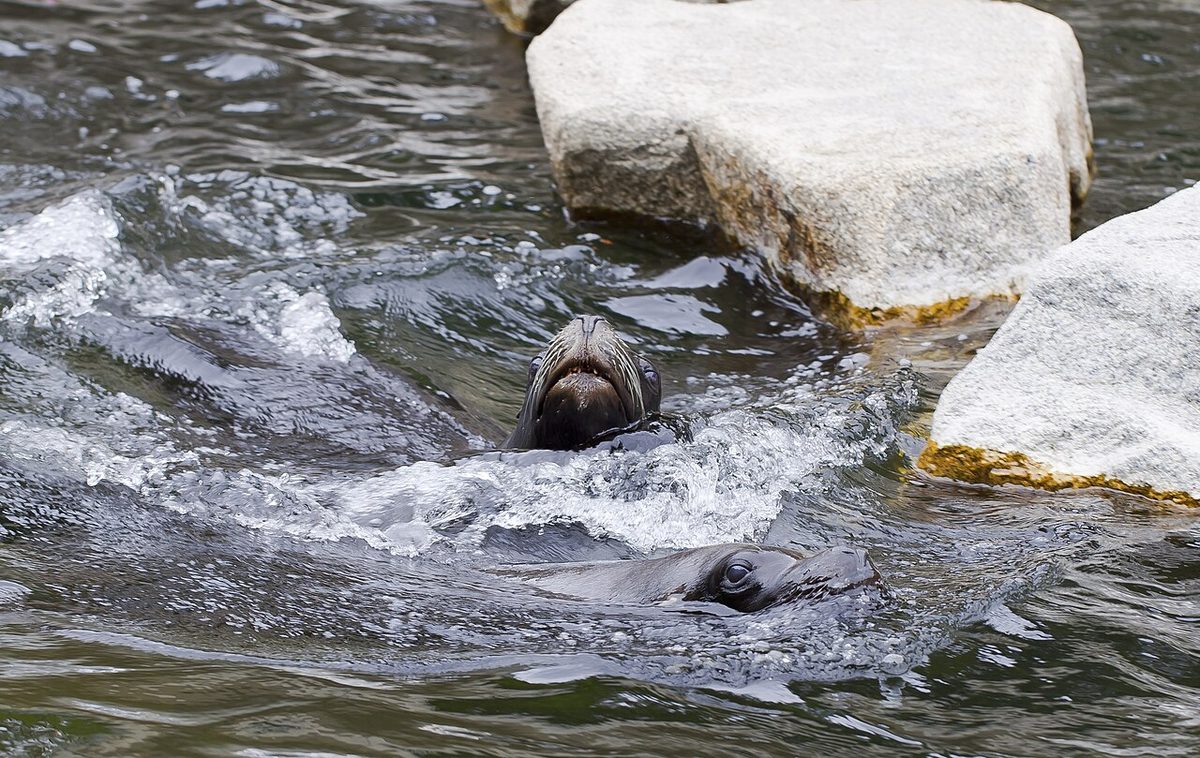
From the rail of the boat, the colony reads first as texture — the rocks look wrong, too lumpy, until you realise every lump is an animal. Then it resolves into individuals. Bulls hauled out like beached logs. Females packed in tight. Pups in the breeding months, dark and clumsy. And in the water all around your hull, the curious ones: young sea lions porpoising and twisting, popping their heads up to inspect the boat with those big wet eyes, utterly unbothered by you.
Sound is half the experience and no photo captures it. The colony is loud — a constant overlapping chorus of barks, bellows, honks and that deep diesel-engine grumble the big males make. On a still day you hear it from a surprising distance.
And then there’s the smell. I’m not going to soft-pedal this, because every honest reviewer mentions it and every operator’s website pretends it doesn’t exist. Tens of thousands of marine mammals living, breeding, fighting and excreting on one small rock produce a powerful, eye-watering reek — fishy, ammoniac, deeply organic. Downwind it is genuinely strong. Some people on my boat laughed; one looked queasy. It passes the moment you swing upwind, and it’s an honest part of visiting a real wild colony rather than a sanitised one. Consider it fair warning, not a deal-breaker.
Isla de Lobos lighthouse: the tower over the colony
Rising improbably out of all that chaos is the Faro de Isla de Lobos, and it’s a genuine record-holder. The current tower was built in 1906, stands with a focal height of around 59 metres above the sea (the masonry tower itself is roughly 50 metres), and is frequently described as the tallest lighthouse in South America — by some measures the tallest in the Americas. From offshore it’s the visual anchor of the whole scene: a slim pale column standing dead still above a writhing carpet of sea lions.
The reason it exists is the same reason the island earned its grim reputation. This stretch of water, where the vast Río de la Plata estuary meets the open Atlantic, was a notorious ship-killer, and Isla de Lobos sat right in the path of vessels working into and out of the river. After too many wrecks, a light was established in the nineteenth century and the present tower followed in 1906. Its beam flashes once every five seconds and is visible for something like 40 kilometres, still guiding traffic into the Río de la Plata today.
Automated in 2001, the lighthouse is run by the Uruguayan Navy, which historically kept keepers and a small garrison stationed on the rock — about the only humans the island has ever tolerated for long. You can’t climb it; you can’t even land beneath it. But seeing it from the water, knowing it has stood through a century of Atlantic storms above one of the densest concentrations of wildlife on the continent, is its own quiet thrill. Uruguay has a real thing for lonely coastal lighthouses, and this is the grandest of them — a sibling, in spirit, to the smaller beacons up the coast toward José Ignacio.
Can you land on Isla de Lobos? The tour reality
No. This is the single most common question and the answer is a firm no for ordinary visitors. Isla de Lobos is a protected reserve, landings are not permitted, and the boat tours circle the island offshore rather than docking. What you get is a slow loop around the colony, with the skipper usually pausing for fifteen minutes or so off the most crowded section so you can watch, photograph, and — sea and operator permitting — get into the water near the boat while curious young sea lions come to investigate.
Let me set expectations honestly, because this is where disappointment creeps in. You are watching from a boat, at a respectful distance from the rocks, in open ocean. On a calm clear day the animals come close and it’s magical. On a choppy grey day the colony can look far away, the boat won’t linger, and you’ll spend more energy fighting nausea than admiring fur seals. I read one furious review from a family who got pounded by swell, saw the lobos “very far away,” lasted ten minutes at the island, and concluded — not unreasonably for them — that you can see sea lions for free back at the harbour. That’s the bad-day version, and you should know it exists.
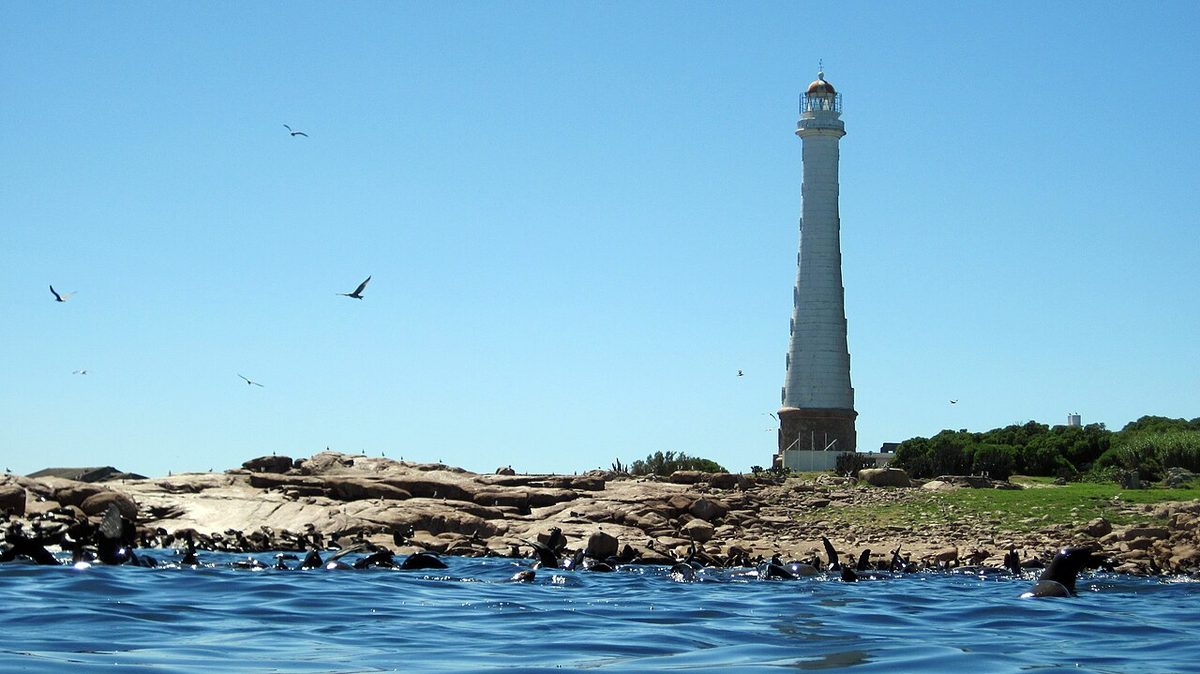
The good-day version, which is far more common in settled summer weather, is the one I had: close encounters, playful animals in the water, a boat that idles patiently, and a lighthouse picture you’ll keep. The difference between the two is almost entirely the sea state, which is why when you go matters every bit as much as the decision to go at all.
The “swim with sea lions” question
Plenty of operators advertise swimming with the sea lions, and on the right day it genuinely happens — the young animals are intensely curious and will swirl around swimmers a short distance from the boat. Bring a swimsuit if you fancy it. Two honest caveats. First, the water out here is open South Atlantic and cold; even in January reviewers describe it as “extremely cold,” so this is a bracing plunge, not a tropical dip. Second, you swim near the boat, never up onto the rocks — approaching the colony itself is forbidden, both for your safety (a defensive bull sea lion is enormous and not to be trifled with) and for the animals’. Look, don’t touch. They may brush past you; you do not chase them.
How to book a sea lion tour from Punta del Este
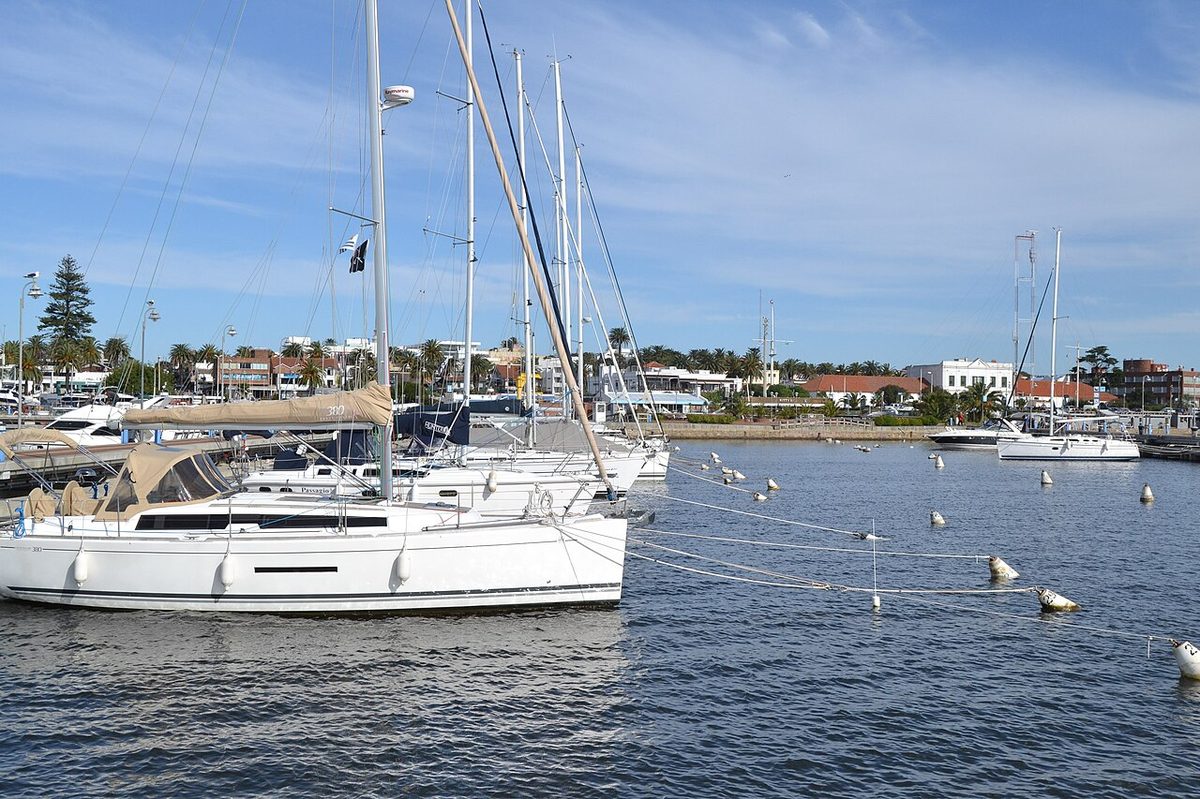
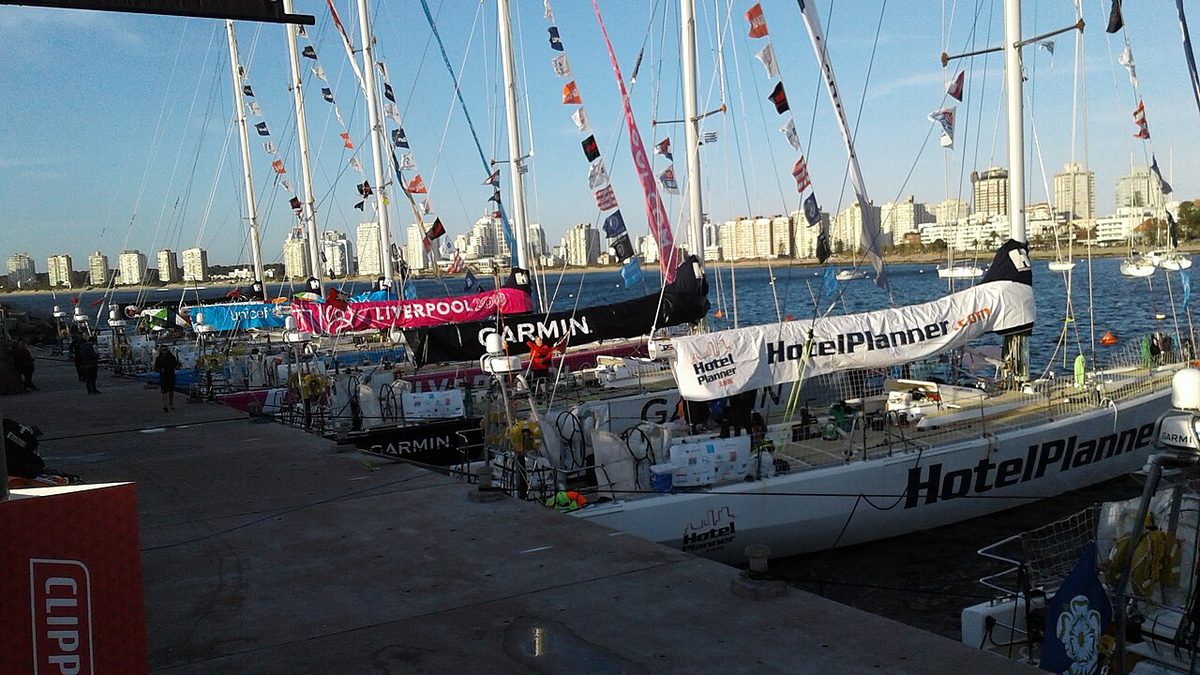
Booking is refreshingly low-tech. The boats leave from Puerto Punta del Este — the working harbour and marina on the calm Mansa side of the peninsula, the same dique (the harbour basin / dock) where the fishing boats and yachts tie up. A small number of established operators run the Isla de Lobos trip; the long-running one most people end up with is a family firm with decades on the water, but you’ll see a few booths and boats touting the excursion around the port. If you would rather walk to the harbour than drive and park, basing yourself on the peninsula puts those booths a few minutes from your door.
You have three realistic ways to book:
- Walk up at the harbour. The most common approach. Go down to Puerto Punta del Este in the morning, find the Isla de Lobos boats, and buy a ticket for that day’s departure. Get there with time to spare in peak season, because the single daily shared boat can fill.
- Book online in advance. Operators and the usual tour-booking platforms list the trip; handy in January when demand is high, or if you simply want it locked in. Expect to reconfirm, because everything hinges on weather.
- Charter a private boat. If you’re a family or small group, hiring a whole boat buys you flexibility on timing and a less crowded rail. It costs more — think a few hundred US dollars for the vessel rather than per head — but for photographers or anyone prone to seasickness who wants a bigger, steadier hull, it can be worth it.
Standard shared trips usually leave once daily, commonly around noon, and run roughly two hours door to door: about forty minutes out, forty circling the island, forty back. A midday boat therefore has you back at the dock by mid-afternoon, in time to drive east over the wavy bridge for a late lunch in the surf-and-galleries town of La Barra. Pricing, hedged because it moves with season and exchange rates, sits around US$70 per adult on the collective boat and roughly US$50 for younger children, with private charters starting somewhere around US$150–250 and climbing with the size and speed of the boat. Treat every figure here as “around,” confirm on the day, and bring cash as a backup.
What to bring, and the seasickness problem
One honest drawback governs this whole trip: the boats are small, the Atlantic is open, and the ride can be rough. Even on the larger vessels you are crossing real ocean swell, and a meaningful share of passengers feel it. I watched a full boat of ten people go green on a moderately bumpy day. So plan for it.
Pack and prepare like this:
- Motion-sickness tablets, taken before you board, not after you feel ill. Reviewers who medicated in advance had a far better time. This is the single most useful thing on the list.
- Layers and a windproof jacket. Out on the water it’s cooler and windier than in town, even in summer. Spray is likely.
- Sun protection. There’s no shade on a small boat and the ocean glare is fierce; hat, sunglasses, sunscreen.
- Swimsuit and a towel, if you intend to get in with the sea lions, plus the knowledge that the water is cold.
- A zoom lens or decent phone zoom. You’re shooting from a moving boat at a distance; binoculars also reward you here.
- A secure strap for your phone or camera. Things go overboard. Some operators provide a waterproof or submersible camera on board, but don’t count on it.
Who should skip it? If you suffer badly from seasickness and medication doesn’t help you, or you’re travelling with very small children who won’t tolerate two hours on a rocking boat, this may be a hard pass — and that’s a legitimate choice. As several locals will happily tell you, sea lions also haul out around the Punta del Este port and on rocks elsewhere along the coast, so you can glimpse a lobo or two for free without ever leaving land. What you miss, of course, is the scale: the harbour stragglers are nothing like the roaring multitude on the island.
Wildlife and conservation: why the rock is protected
It’s easy to treat Isla de Lobos as a fun boat ride and forget that it’s first and foremost a refuge. For most of recorded history this colony was exploited — sealing for skins and oil ran here for generations and at times was a state-run industry, with the harvest measured in the tens of thousands of animals. That history is exactly why the population numbers are so jumpy and why the fur seal in particular has been a conservation concern.
Commercial sealing has ended and the island is now a strict reserve, which is the reason you can’t land and the reason the boats keep their distance. The protection matters: this is a critical breeding site, the pups born here in the austral summer are the colony’s future, and disturbance at the wrong moment carries a real cost. The two-hour offshore loop is a deliberate compromise — close enough for you to witness something extraordinary, far enough to leave the animals to get on with surviving.
Beyond the headline sea lions and fur seals, keep an eye out for the supporting cast. Southern elephant seals turn up occasionally, hauling their improbable bulk onto the rocks. Seabirds wheel around the colony in numbers, feeding on the same rich, cold, productive water that sustains the mammals. The whole island is a single functioning ecosystem balanced on a cold-water upwelling — a tiny, crowded, stinking, magnificent engine of life. If wild Uruguay is your thing, it sits comfortably among the country’s lesser-known natural highlights and earns its place on any serious list of things to do in Uruguay.
Best time to visit Isla de Lobos
The colony is there every single day of the year — these animals don’t migrate away — so in theory there’s no closed season, and operators run trips whenever the weather allows. In practice, timing is dominated by one thing: the sea.
Southern Hemisphere summer, roughly December to February, is the sweet spot. The weather is settled, the Atlantic is at its calmest and most reliable, departures actually run rather than getting cancelled, the water is just about swimmable (cold, but tolerable), and the breeding season means pups and maximum activity on the rocks. The trade-off is that this is also peak Punta del Este — January in particular brings crowds, higher prices, and full boats, so book ahead.
Shoulder months, late spring and early autumn — think November, March, into early April — can be lovely: thinner crowds, decent odds of calm seas, gentler prices. You’re rolling the dice a little more on weather, and you’ll want to keep your plans flexible.
Winter, June to August, is the gamble. Operators may still sail on calm days, the colony is still spectacular, and you’ll have the place almost to yourself — but the Atlantic is colder and rougher, cancellations are common, and swimming is off the table. I’d only attempt it with loose plans and a tolerance for being weathered off. For a fuller month-by-month picture of the country’s seasons, see my guide to the best time to visit Uruguay, and pair this with a wider Uruguay itinerary if Punta del Este is one stop on a longer trip.
Isla de Lobos: your questions answered
Can you visit Isla de Lobos?
Yes, but only from a boat. Isla de Lobos is a protected nature reserve and landing is not permitted for general visitors. You “visit” by taking a boat tour from the Punta del Este harbour that circles the island offshore, letting you watch the sea lion and fur seal colony and the lighthouse from the water. The standard trip lasts around two hours in total.
How far is Isla de Lobos from Punta del Este?
It lies in open ocean roughly 8 to 12 kilometres off the tip of Punta del Este — most operators quote 12 km, while some sources put it nearer 8. Either way, it’s far enough out to be a genuine sea crossing rather than a quick paddle, which is why the round trip by boat takes about two hours and why the sea state matters so much.
How much does a sea lion tour from Punta del Este cost?
On a shared boat, expect around US$70 per adult and roughly US$50 for younger children, though prices shift with the season and exchange rates, so treat these as ballpark. Private charters for a family or small group run higher — commonly from about US$150 to US$250 and up, depending on the boat. Bring cash as a backup when booking at the harbour.
What animals live on Isla de Lobos?
Two pinnipeds dominate: the South American fur seal (Arctocephalus australis, the smaller, more numerous lobo fino) and the South American sea lion (Otaria flavescens, the larger, maned lobo de un pelo). Together they form one of the great colonies of the South Atlantic. Southern elephant seals appear occasionally, and seabirds are abundant around the island’s rich, cold waters.
Will I get seasick on the Isla de Lobos boat tour?
You might. The boats are relatively small and the Atlantic swell can be significant, so a fair number of passengers feel queasy, especially on choppier days. Take motion-sickness medication before you board rather than after symptoms start, sit low and central in the boat, keep your eyes on the horizon, and pick a calm-weather day if you can. Summer seas are usually the gentlest.
Is the Isla de Lobos tour worth it?
For most people, yes — seeing tens of thousands of wild sea lions and fur seals up close, with a record-breaking lighthouse above them, is unlike anything else on this coast. The caveats are real: the boat can be rough, the smell is strong, and on a bad-weather day the animals look distant. Go in calm summer weather, manage the seasickness, and it’s a highlight.
Final thoughts
Some attractions are polished, predictable and a little forgettable. Isla de Lobos is none of those. It’s a wild, loud, pungent, slightly uncomfortable boat ride to a rock teeming with one of the densest gatherings of marine mammals on the planet, watched over by a lighthouse that has outlasted a century of storms. You can’t land, you might feel sick, and you’ll smell it for an hour — and it’s still one of the most memorable things I’ve done anywhere in Uruguay.
My honest advice: go in settled summer weather, take the seasickness seriously, manage your expectations about distance and comfort, pair it with a day on the beaches of Punta del Este or a wildlife detour through Uruguay’s national parks, and then just lean on the rail and take it in. The barking, the splashing, the curious young sea lion eyeballing your boat, that pale tower standing dead still above the chaos — it’s a genuinely wild encounter in a country that does wild quietly and well. Build it into a few days on the peninsula using my Punta del Este guide, and let the island be the morning you remember.
Credits & sources
Sources & further reading
- Isla de Lobos Lighthouse — Wikipedia (construction date, tower height, automation and operator)
- Isla de Lobos visitor reviews — Tripadvisor (first-hand notes on the boat, the smell, seasickness and pricing)
- Isla de Lobos — Lonely Planet (overview of the colony and the reserve)
Photo credits
All images via Wikimedia Commons: Isla De Lobos Sea Lion Colony Uruguay by Luciacasanovascasso (CC BY-SA 3.0); Lobos Marinos Fur Seals Isla De Lobos by Verdesiempreverde (CC BY 4.0); Single South American Sea Lion Otaria by Diego Delso (CC BY-SA 3.0); Faro Isla De Lobos Lighthouse by Gabriela2465 (CC BY-SA 3.0); Isla De Lobos Island From Boat by Ismael Cordero (CC BY-SA 3.0); Punta Del Este Harbour Boats by Pipe310593 (CC BY-SA 4.0).