Where to Stay in Punta del Este: Areas & Hotels (2026)
The first time I drove into Punta del Este, I made the rookie mistake of booking a place because the photos were pretty, not because of where it sat on the map. It was a nice apartment about twenty minutes from the water, and I spent four days in the car. The lesson every repeat visitor learns is simple: the question is not which hotel, it’s which part of town.
So let me answer the obvious one first: where to stay in Punta del Este comes down to choosing the right area, not the prettiest photo. For most first-time visitors, the best base is the Peninsula, the slim finger of land where the port, the casino, and the main shopping street all sit within an easy walk of each other. It’s central, you won’t need a car, and it puts you between the two main beaches. If you want quiet over convenience, the Brava side or Punta Ballena suit you better.
Getting your bearings: how Punta del Este is laid out
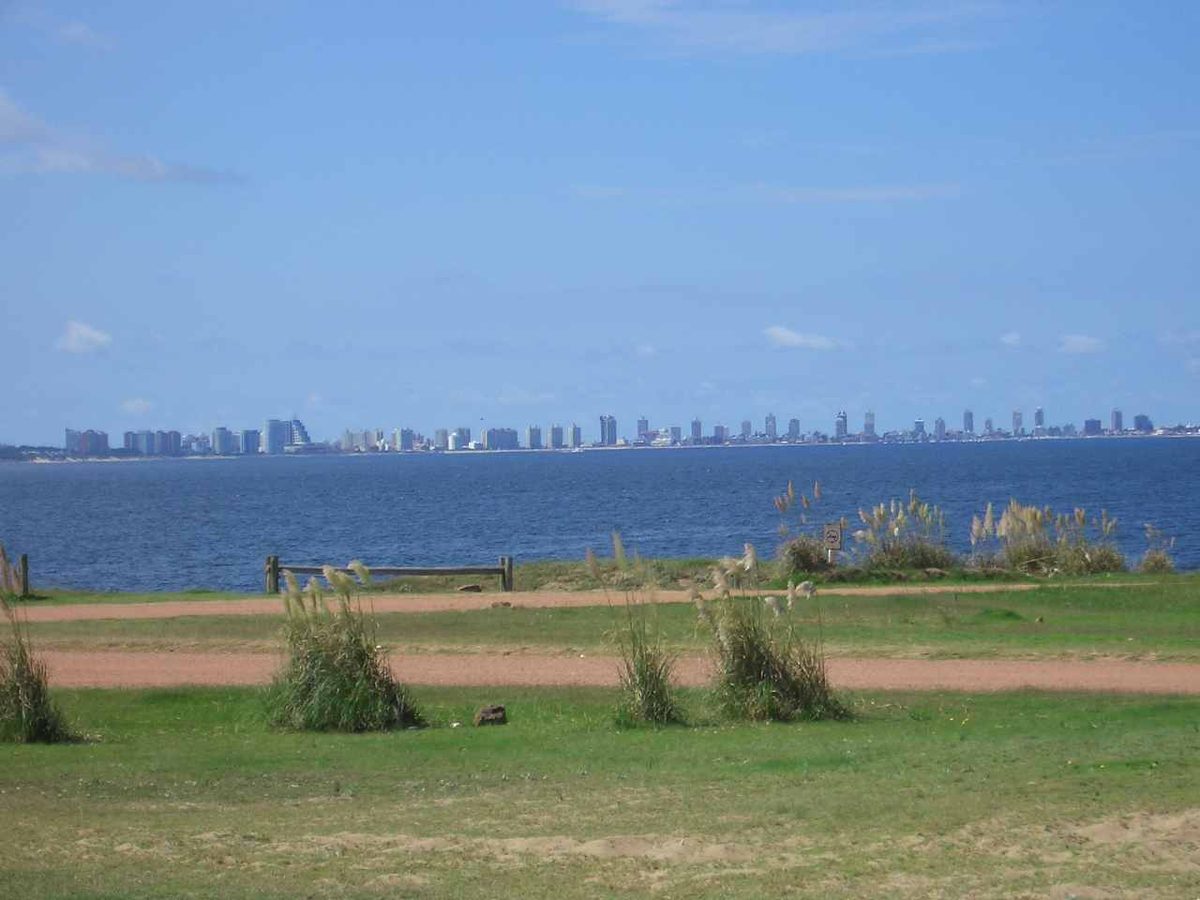
Punta del Este sits on a peninsula at the southeastern tip of Uruguay, in the Maldonado department, about a two-hour drive east of Montevideo. The geography matters more here than in most beach towns, because it shapes everything about your stay. Picture a thumb of land pointing south into the Atlantic. On the west side of that thumb is Playa Mansa (“calm beach”), facing the sheltered Río de la Plata estuary, where the water is flat and the high-rise towers line up shoulder to shoulder. On the east side is Playa Brava (“rough beach”), facing the open ocean, with bigger surf and a more residential feel.
Beyond the tip, the resort sprawls eastward along the coast. Drive that direction and you pass through a string of balnearios (the Uruguayan word for a coastal resort district or beach neighborhood): San Rafael, then La Barra, then Manantiales, and eventually José Ignacio, roughly 40 minutes out. Head west instead and you reach Punta Ballena, home to the white sculpted hotel called Casapueblo. The further from the Peninsula you go in either direction, the quieter and more spread out it gets, and the more you’ll want a car.
One word you’ll see everywhere is parada, which means “stop.” The beaches are numbered by parada (Parada 1, Parada 12, and so on), counting up as you move away from the center. It’s how locals give directions and how hotels describe their location, so “Parada 5 on the Mansa” tells a Uruguayan exactly where you mean. The seafront road that ties it together is the rambla, the coastal promenade that wraps the whole shoreline.
Where to stay in Punta del Este at a glance
Here’s the quick version before we get into detail. Each area trades something for something else, and the right pick depends on what you’re chasing: convenience, calm, nightlife, or that low-key luxury you came for.
| Area | Vibe | Best for | Price (peak) | Nearest beach |
|---|---|---|---|---|
| The Peninsula | Central, walkable, busy | First-timers, car-free, nightlife | High | Mansa & Brava (both) |
| Playa Mansa side | High-rise, calm water | Families, casino, flat-water swimmers | High | Playa Mansa |
| Playa Brava side | Residential, ocean-facing | Couples, quiet, surf-watchers | Mid-high | Playa Brava |
| La Barra | Young, design, late nights | Nightlife, surfers, the under-35s | High | Montoya & Bikini |
| José Ignacio | Barefoot luxury, remote | Honeymooners, splurgers with a car | Very high | Playa Mansa (J.I.) |
| Punta Ballena | Quiet, leafy, west-facing | Sunset lovers, families, drivers | Mid | Las Grutas & Portezuelo |
Treat that as the map, not the territory. The sections below give you the honest reasoning behind each row, including the one drawback I’d want to know before I booked.
The Peninsula: where most people should stay in Punta del Este
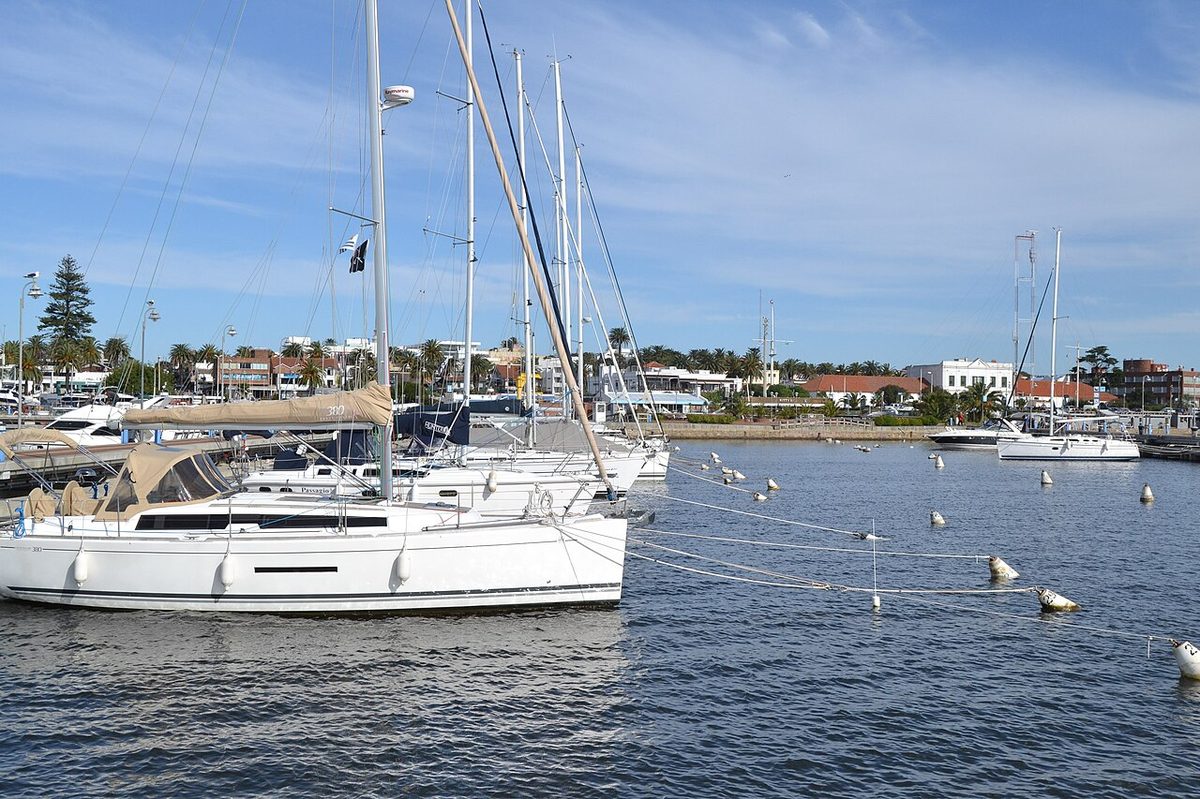
This is the heart of the resort, and for a first visit it’s the safe, sensible choice. The Peninsula is the original town: a grid of streets squeezed onto the land’s-end thumb, with the yacht-filled port on one side and the open-ocean beach on the other. Everything is close. You can walk from a Mansa-side hotel across to the Brava in ten or fifteen minutes, grab dinner near the port, lose an hour at the casino, and stroll home without ever starting the car.
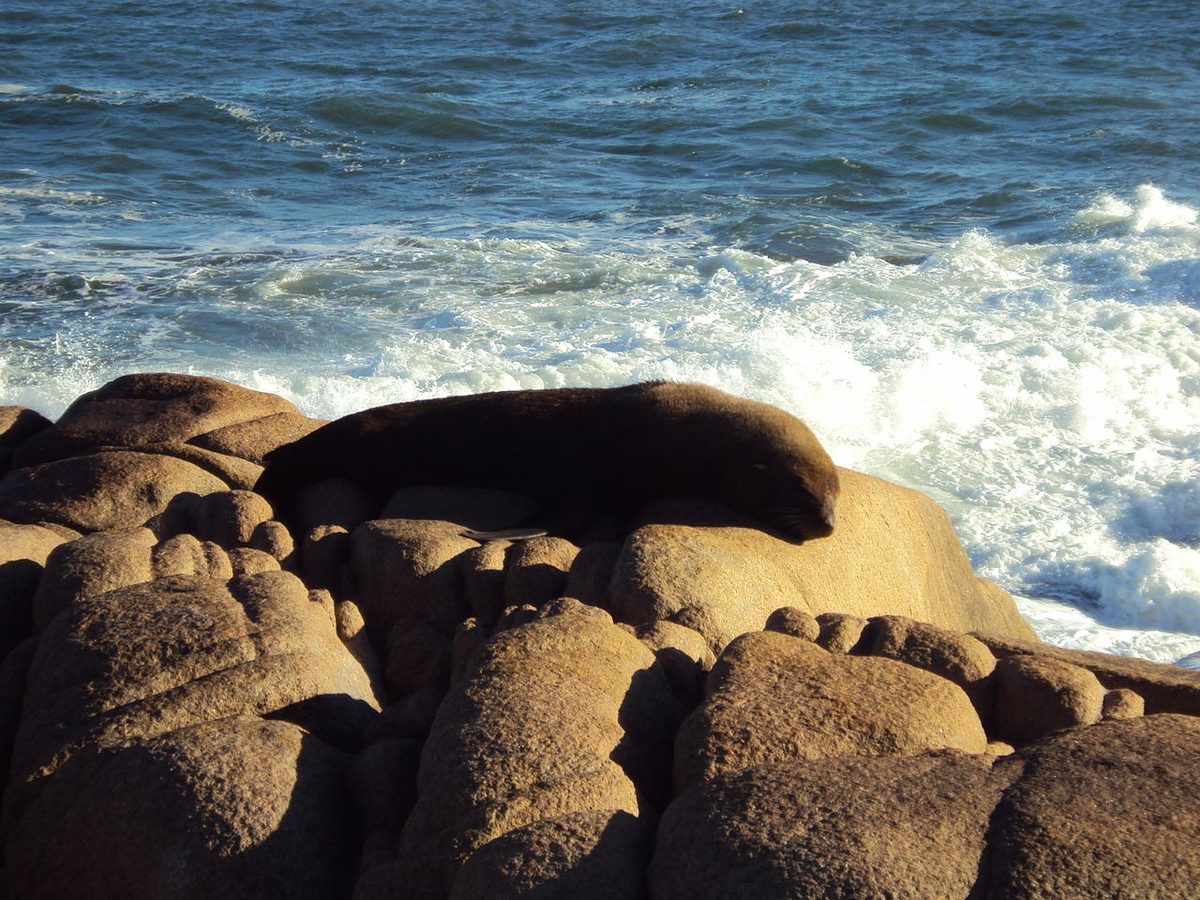
Gorlero is the main avenue, lined with palm trees, ice-cream shops, currency exchanges, and the slightly faded glamour of a resort that has been fashionable since the 1950s. Around it you’ll find everything from simple two-star hotels to comfortable mid-range places and a couple of dependable boutique stays. The port itself is the local ritual at dusk: people walk out to watch the sea lions beg for fish scraps off the back of the fishing boats, which is free and genuinely fun. The boat trips out to the Isla de Lobos colony leave from the same harbour, though that is a two-hour run into open ocean and a different thing entirely.
Who it suits: first-timers, anyone without a car, couples who want to walk to dinner, and night owls who’d rather not pay for a taxi home at 3am. The honest drawback is noise and density. In January the Peninsula is packed, the streets fill with cars hunting for parking, and the apartment above yours may be hosting a party. If your idea of a beach holiday is silence, this isn’t it. But if you want to be in the middle of everything on your first trip, stay here.
Playa Mansa side: high-rises, flat water, and the casino crowd
Curving northwest from the Peninsula along the calm-water shore, the Mansa side is the postcard skyline you’ve seen of Punta del Este: a wall of white residential towers facing the estuary, lit up gold at sunset. The water here is sheltered and gentle, which is exactly why families with small kids gravitate to it. No crashing surf, no strong undertow, just a long flat beach you can wade into.
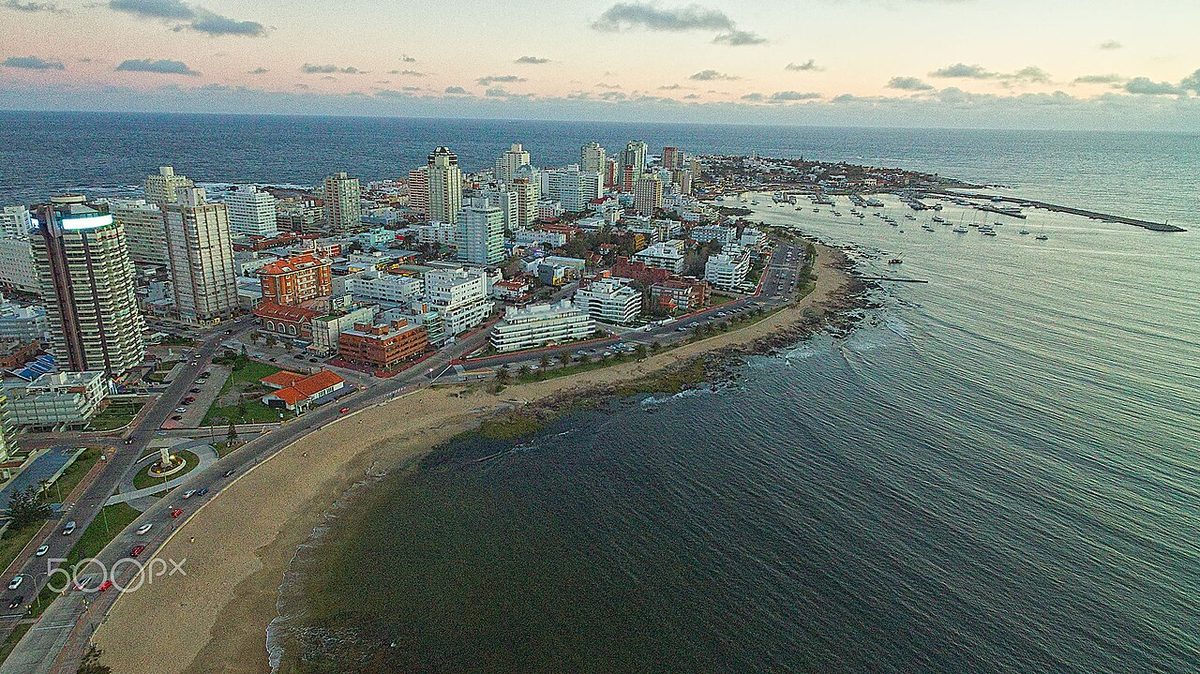
Practically every building on the Mansa is an apartment tower, and a big share of what you’ll book here are aparthoteles (apart-hotels) and rented apartments rather than traditional hotels. An aparthotel is the in-between option Uruguay does well: you get a real kitchen and the space of an apartment, plus hotel-style touches like a front desk, a pool, and daily cleaning. For a family or a stay longer than a few nights, that kitchen pays for itself fast, because eating every meal out in Punta gets expensive quickly.
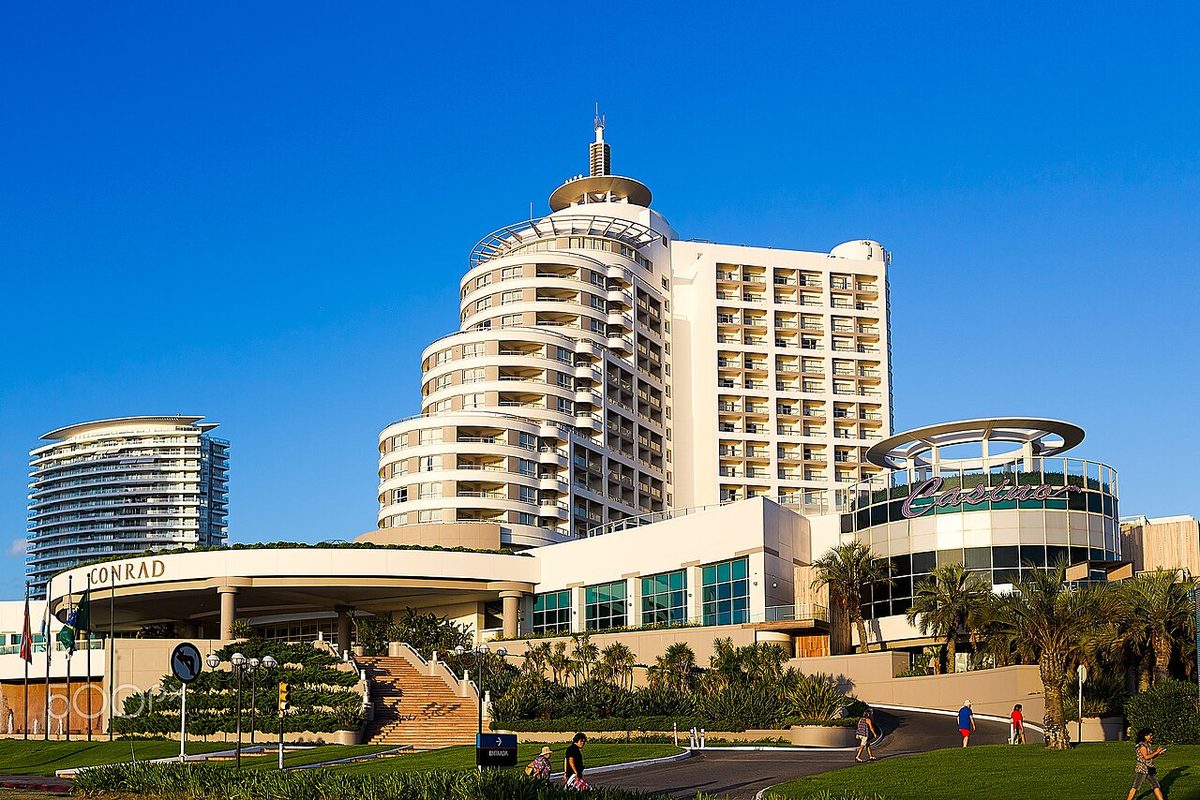
The Mansa is also where the resort’s most famous hotel sits. The big casino property across from the beach operated for years as the Conrad and is the building most people picture when they think “Punta del Este hotel.” Worth knowing before you book: it dropped its Hilton affiliation a few years back and now trades as Enjoy Punta del Este, same building, same casino, different name on the door. I’ll come back to it under hotel types below.
Families and flat-water swimmers are the natural fit here. The drawback is that the Mansa can feel like a canyon of concrete: those towers are tall and tightly packed, and the closer you are to the high-rise core, the less “beach village” charm you get. Beautiful at a distance, a little impersonal up close.
Playa Brava side: quieter, residential, and facing the open ocean
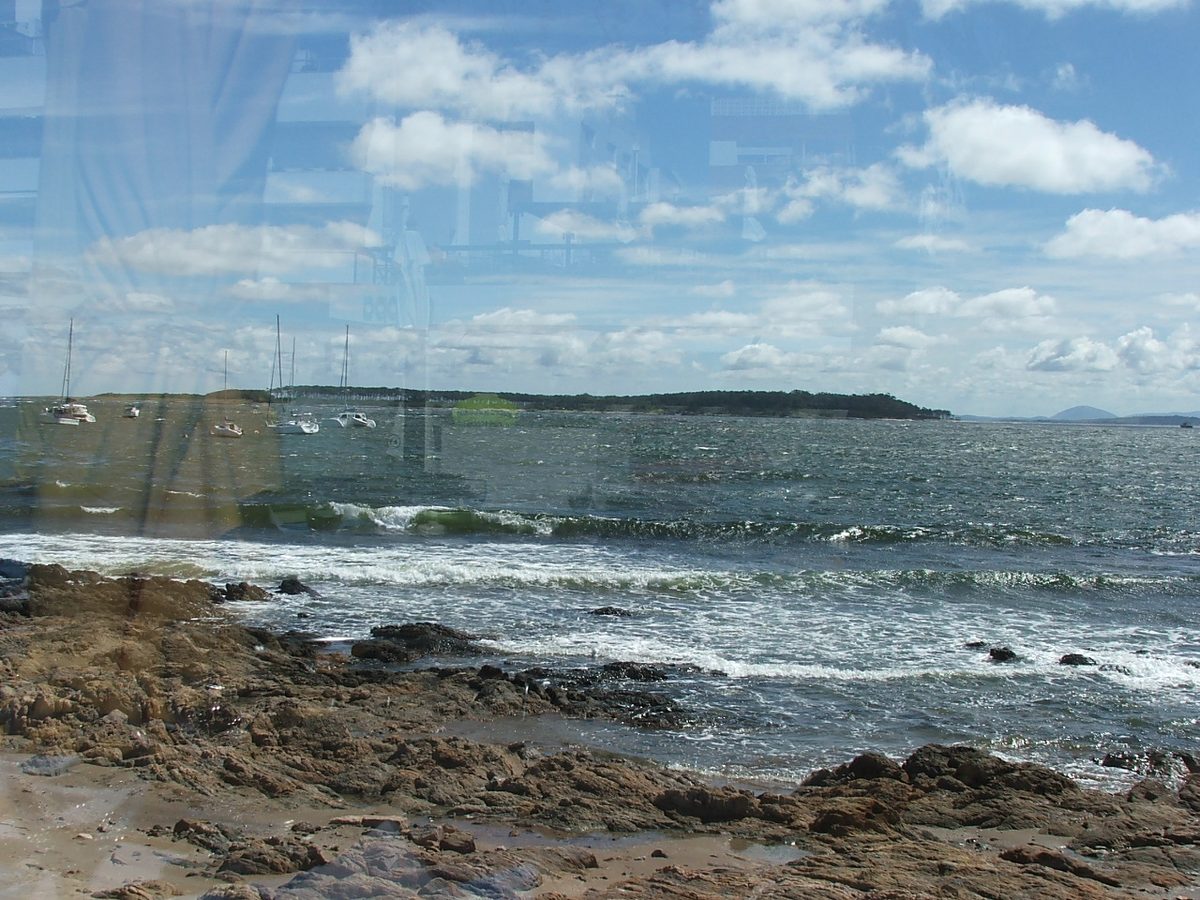
Across the thumb on the eastern, ocean-facing shore, the Brava side is where the surf comes in and the crowds thin out. This is the more residential stretch, with lower-rise homes, leafier blocks, and the famous La Mano sculpture, the giant fingers rising out of the sand at Parada 1 that everyone photographs. The waves are real here, which surfers and bodyboarders love and small children mostly don’t.
Staying on the Brava gets you a calmer base that’s still close to the action: you can drive or walk into the Peninsula in minutes, but you sleep somewhere quieter, with the sound of the ocean instead of the sound of the bar downstairs. The neighborhoods just inland, like San Rafael and Aidy Grill, are green and comfortable, popular with people who want a residential feel without being marooned out east.
Couples, light sleepers, and anyone who likes a beach with some drama in the waves should look here. The trade-off is that the Brava is more spread out, so depending on your exact spot you may want a car or rely a bit more on taxis to get to restaurants and nightlife. It’s the in-between choice: quieter than the Peninsula, far more central than José Ignacio. For a fuller picture of the sand itself, our guide to the beaches of Punta del Este breaks down which parada suits which kind of swimmer.
La Barra: young, design-led, and built for late nights
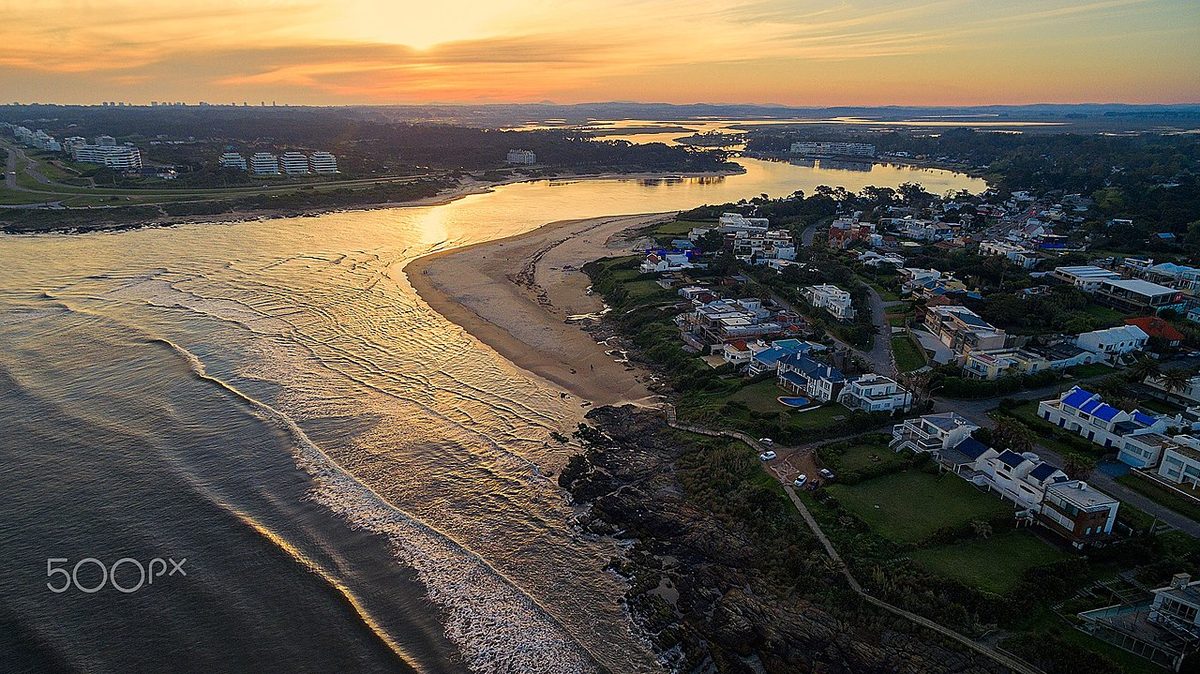
Roughly ten to twelve kilometers east of the Peninsula, across the wave-shaped Leonel Viera bridge, La Barra is the resort’s cooler younger sibling. Once a fishing village, it’s now a strip of design shops, art galleries, beach clubs, and the bars and clubs that keep the under-35 crowd out until sunrise in January. The beaches just beyond it, Montoya and Bikini, are where the surfers and the see-and-be-seen set spread their towels.
Accommodation here skews toward stylish small hotels, guesthouses, and beach-house rentals rather than big towers. It’s a good base if nightlife is the point of your trip and you don’t mind being a short drive from the Peninsula’s everyday services. I won’t write a full La Barra guide here, because it deserves its own; our dedicated La Barra guide goes deeper on the bars, the bridge, and the beach scene.
Young travelers and night owls are the obvious match. The honest drawback cuts two ways. In peak summer La Barra is loud and expensive and the traffic over that bridge can be miserable. Out of season, a lot of it simply closes, and you can find yourself in a stylish but eerily empty village wondering where everyone went. Time it for December through February if nightlife is why you’re coming.
José Ignacio: low-key luxury, far to the east
About 40 minutes east of Punta del Este proper, José Ignacio is a different animal: a tiny, low-rise fishing-village-turned-luxury-enclave where the look is deliberately understated. No high-rises, no casino glare, just dirt roads, thatched roofs, expensive simplicity, and some of the most famous beach restaurants in South America. This is where people go to be quietly rich rather than loudly so.
It is wonderful, and it is not really a base for a typical Punta del Este trip unless luxury and seclusion are the entire point. You’ll be far from the port, the casino, and most of the resort’s nightlife, and prices in peak season are genuinely eye-watering. I’m keeping this short on purpose, since José Ignacio earns its own page; see our full José Ignacio guide for where to eat and stay out there. When you want the hotel shortlist, our José Ignacio hotels guide covers the Vik trio and the posadas by the lighthouse.
Honeymooners and serious splurgers with a rental car are who this is for. The drawback is bluntly the distance and the price: you absolutely need a car, and the gap between José Ignacio and the rest of the resort, in both miles and money, is large. Glorious for a few barefoot days, impractical as a hub.
Punta Ballena and the Casapueblo area: quiet west-side calm
Going the other way, west of the Peninsula, Punta Ballena is the leafy, hilly, low-key counterpoint to the towers. Its landmark is Casapueblo, the rambling white sculpture-building created by the artist Carlos Páez Vilaró, which functions as a hotel, museum, and the single most popular sunset spot on this coast. The beaches nearby, Las Grutas and Portezuelo, are calm and good for families, and the whole area feels more like the countryside than a resort.
Choosing this side gets you peace, greenery, and that west-facing sunset, at prices that are often gentler than the Peninsula or José Ignacio. It’s a lovely choice for a quiet couple of days or a family that wants space. You can read the story of the building itself in our Casapueblo guide.
Sunset lovers, families, and drivers who want calm will be happy out here. The trade-off is the same one that comes with every quiet area: you’re a 15-minute-plus drive from the center, so you’ll need a car, and the after-dark scene is essentially nonexistent. Trade the nightlife for the silence, or don’t come this way.
Choosing by hotel type, with named examples
Area is the first decision; the kind of place you stay is the second. Punta del Este covers the whole range, and each type fits a different traveler and budget.
The casino resort
The marquee option is the big casino-hotel on the Mansa, now branded Enjoy Punta del Este after its years as the Conrad. It’s the full self-contained resort: casino, spa, pools, several restaurants, a theater, and rooms with sea views across to the beach. The appeal is that you can land and never leave; the honest drawback is that it’s pricey for what some reviewers feel are dated rooms, and you’re paying partly for the casino-resort scale rather than intimacy. Great for a splashy few nights, less so for a low-key one.
Boutique hotels
Scattered across the Peninsula, the Brava neighborhoods, and La Barra are small design-led hotels with a few dozen rooms, personal service, and a pool you’ll actually use. Many are adults-only. These are my usual pick for a couple: more character than a chain, more service than a rental. The drawback is that the good ones are small, so they sell out first in January, sometimes months ahead.
Apart-hotels and rented apartments
For families and longer stays, the aparthotel is the workhorse of Punta del Este, especially all along the Mansa. You get an apartment with a kitchen plus hotel basics like reception and cleaning, which means you can cook breakfast, do laundry, and spread out. Renting a private apartment outright goes a step further on space and savings. The drawback is variability: quality ranges from excellent to tired, so read recent reviews carefully and confirm exactly which parada you’re on.
Beach-house rentals
Out in La Barra, Manantiales, and José Ignacio, the classic stay is a beach house, anything from a modest cabin to a glass-walled architectural showpiece. For a group or a family who wants privacy and a barbecue grill, nothing beats it. The drawback is that you’ll need a car, you’re committing to one spot, and the best houses book up a season in advance at peak.
Hostels for budget travelers
Yes, budget Punta del Este exists. There are hostels in and near the Peninsula and out in La Barra, with dorm beds, shared kitchens, and the usual backpacker social scene, often within walking distance of the beach. They’re how you do this expensive resort cheaply. The drawback is that hostel supply is thin compared with a true backpacker town, and in peak January even dorm beds get scarce and pricey. Book early if you’re counting pesos.
Price seasons and how far ahead to book
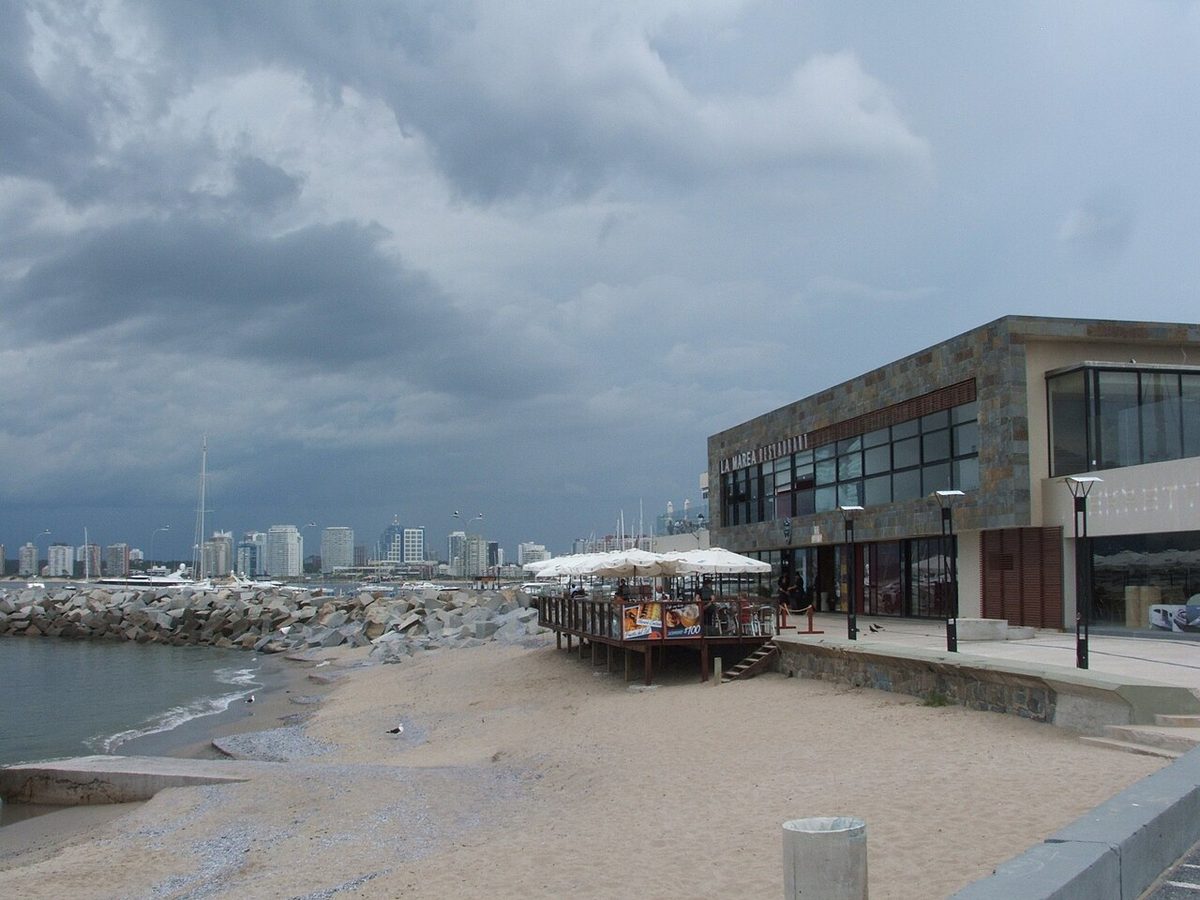
Now the part the affiliate lists skip, and the single thing that will affect your trip most. Punta del Este is a Southern Hemisphere summer resort, which means its high season runs December through February, and its prices swing more dramatically across the year than almost anywhere I’ve booked.
January is the peak of the peak. The whole of Argentina and much of Brazil descend on this coast, the towers fill, and accommodation costs can run anywhere from double to triple or more what the same room costs off-season. Reporting on the local market routinely puts the low-to-peak increase at 100 to 300 percent. Many properties impose minimum stays of a week or more over the New Year fortnight, and the best places are gone months in advance. If you’re set on January, book by September or October, and don’t be shocked by the numbers.
December and February are still summer and still busy, but a notch saner than January, with a bit more availability and slightly softer pricing. These are my favorite weeks to come: you get the warm water and the open restaurants without quite the New Year madness. Aim to book a month or two ahead.
Shoulder months like November and March are the sweet spot for value-minded travelers. The weather is still pleasant, many places are open, and rates drop meaningfully; a few weeks’ notice is usually enough. Go further into the off-season, roughly April through October, and prices fall off a cliff. April is often cited as the cheapest month, with rooms running dramatically lower than peak, sometimes around 70 percent below January. The catch is real, though: out of season this is a sleepy place, the water is cold, and a chunk of the restaurants, beach clubs, and seasonal hotels simply shut, especially out in La Barra and José Ignacio. Off-season Punta is peaceful and cheap, but it is a different, quieter holiday. For the full month-by-month picture, our guide to the best time to visit Uruguay lays out the trade-offs, and if you’re set on the hot months, the Uruguay in summer guide covers what to expect.
Where to stay in Punta del Este by type of traveler
Pulling it together, here’s the short version keyed to who you are.
Families: the Mansa side or Punta Ballena. Calm water for the kids, apart-hotels with kitchens, and a bit more breathing room. Skip the Peninsula’s noisiest core and La Barra’s late nights.
Couples: a boutique hotel on the Brava side or in the quieter Peninsula streets. Close enough to walk to dinner, calm enough to actually sleep, with the open-ocean beach a stroll away.
Budget travelers: hostels in or near the Peninsula, ideally booked early, and come in the shoulder season if you can. A kitchen, shared or in an aparthotel, is your best friend against Punta’s restaurant prices.
Luxury seekers: José Ignacio for barefoot seclusion, or the Enjoy casino resort on the Mansa if you want everything under one roof. Both demand a serious budget, especially in January.
Car-free visitors: the Peninsula, full stop. It’s the one area where you can stay, eat, swim, and go out without ever needing to drive. Everywhere else, factor in a rental or a taxi habit. If you’re still mapping the wider trip, our Uruguay itinerary shows how Punta fits with Montevideo and Colonia.
Where to stay in Punta del Este: your questions answered
Where is the best place to stay in Punta del Este for first-timers?
The Peninsula. It’s the central, walkable core of the resort, sitting between the calm Mansa beach and the ocean-facing Brava, with the port, casino, and main shopping street all close by. You won’t need a car, you can walk to dinner and nightlife, and you’ll get your bearings fast. The trade-off is noise and crowds in peak summer, but for a first trip the convenience wins.
Is Punta del Este expensive?
Yes, by South American standards it’s a pricey resort, and in January it’s expensive even by global ones. A typical visitor spends well over US$100 a day, and accommodation in peak season can cost two to three times the off-season rate. You can soften the blow by traveling in the shoulder months, booking an aparthotel with a kitchen, and choosing a hostel or apartment over a name-brand hotel.
Should I stay on Playa Mansa or Playa Brava?
It depends on your priorities. The Mansa, on the calm estuary side, has flat water that’s ideal for families and the bulk of the apart-hotels and towers. The Brava, on the open-ocean side, has real surf, a quieter residential feel, and the famous La Mano sculpture. Families lean Mansa; couples and light sleepers lean Brava. Both are close to the Peninsula’s center.
Do I need a car in Punta del Este?
Not if you stay on the Peninsula, where everything is walkable and taxis cover the gaps. You will want one if you base yourself in La Barra, Punta Ballena, or especially José Ignacio, all of which are spread out and a meaningful drive from the center. As a rule: central stay, no car needed; quiet or far-flung stay, rent one.
How many nights should I stay in Punta del Este?
Three to four nights suits most first visits, enough to enjoy both beaches, the port, the casino, and a day trip out to La Barra or Casapueblo. A full week makes sense if you want to slow down, work in José Ignacio, and treat it as a proper beach holiday. In peak season, watch for minimum-stay requirements that may force a longer booking anyway.
When is the cheapest time to book a hotel in Punta del Este?
The off-season, roughly April through October, is dramatically cheaper, with April often the lowest of all, sometimes around 70 percent below January rates. The catch is that the water is cold and many seasonal restaurants and hotels close. For a balance of decent weather, open venues, and softer prices, target the shoulder months of November and March.
Final thoughts
Picking where to stay in Punta del Este really comes down to one honest conversation with yourself: do you want to be in the middle of it all, or away from it? Put a first-timer on the Peninsula and they’ll have an easy, walkable, lively trip. Send a family to the Mansa or Punta Ballena for calm water and space. Point a night owl at La Barra and a honeymooner at José Ignacio, and both will thank you. The mistake is the one I made on day one: choosing a pretty photo over a smart location, then spending the holiday in the car.
Whatever you choose, book earlier than feels necessary if you’re coming in summer, and go in with clear eyes about the prices. This is a glamorous, expensive, genuinely lovely stretch of coast, and a little planning is the difference between a great trip and a frustrating one. For the bigger picture, start with our main Punta del Este travel guide, and if you’re weighing other bases, the broader where to stay in Uruguay overview puts it in context.
Credits & sources
Sources & further reading
- Uruguay Ministry of Tourism (Ministerio de Turismo) — official national tourism information.
- Intendencia de Maldonado — the regional government for the Maldonado department, which includes Punta del Este.
- Budget Your Trip: Punta del Este cost data — crowd-sourced daily-spend and seasonal price figures.
Photo credits
All images via Wikimedia Commons: Punta Del Este Skyline Mansa by a Wikimedia Commons contributor (CC BY-SA 3.0); Punta Del Este Peninsula Port by Santiago Machado (CC BY-SA 3.0); Playa Mansa Hotel Strip Punta Del Este by Marcelo Campi (CC BY-SA 3.0); La Barra Beach Houses Punta Del Este by Marcelo Campi (CC BY-SA 3.0); Enjoy Conrad Casino Punta Del Este by Marcelo Campi (CC BY-SA 3.0); Punta Del Este Aerial Resort by Fadesga (CC BY-SA 4.0).