Best Restaurants in Punta del Este (Peninsula to Jose Ignacio) (2026)
The first meal I ever ate in Punta del Este was a chivito at a plastic table near the port, and it cost more than dinner had the night before in Montevideo. That is the Punta paradox in one bite. After a decade of summers driving the coast road out to José Ignacio, I have learned where the money is worth it and which doors are locked nine months of the year.
So where should you eat? The best punta del este restaurants run in a line from the peninsula’s fishing port (fresh seafood, classic grills) out through La Barra’s trendy strip to José Ignacio, home of La Huella, arguably South America’s most famous beach restaurant. Expect high prices, a December-to-February peak, and the genuine need to reserve in January. Below I break it down area by area, with one honest drawback each.
This guide sorts the eating geographically, because that is how the coast works. You do not pick a restaurant in Punta del Este the way you pick one in a normal city. You pick an area, you accept its character, and you eat accordingly.
How dining in Punta del Este actually works
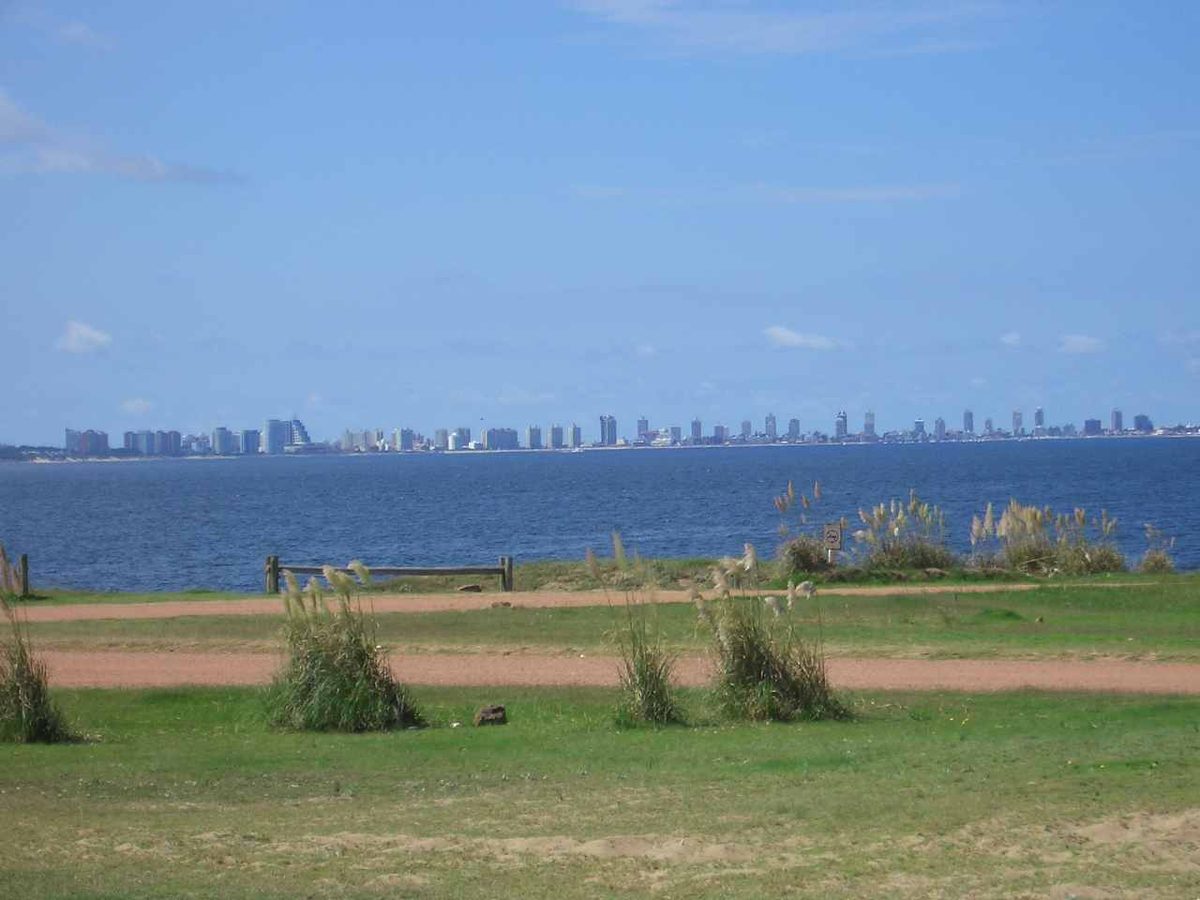
Geography is everything on this coast. The “Punta del Este” most people picture is really a string of distinct places, each about ten to twenty-five minutes apart by car, and each with its own price ceiling and crowd. The peninsula and its port sit at the southern tip, all parrillas and seafood holes. North along Playa Mansa and east along Playa Brava you get hotel restaurants and beach strips. Cross the wavy bridge over the Maldonado stream and you reach La Barra, then Manantiales, then the sand-road minimalism of José Ignacio. Inland a half hour sits the wine-country town of Garzón.
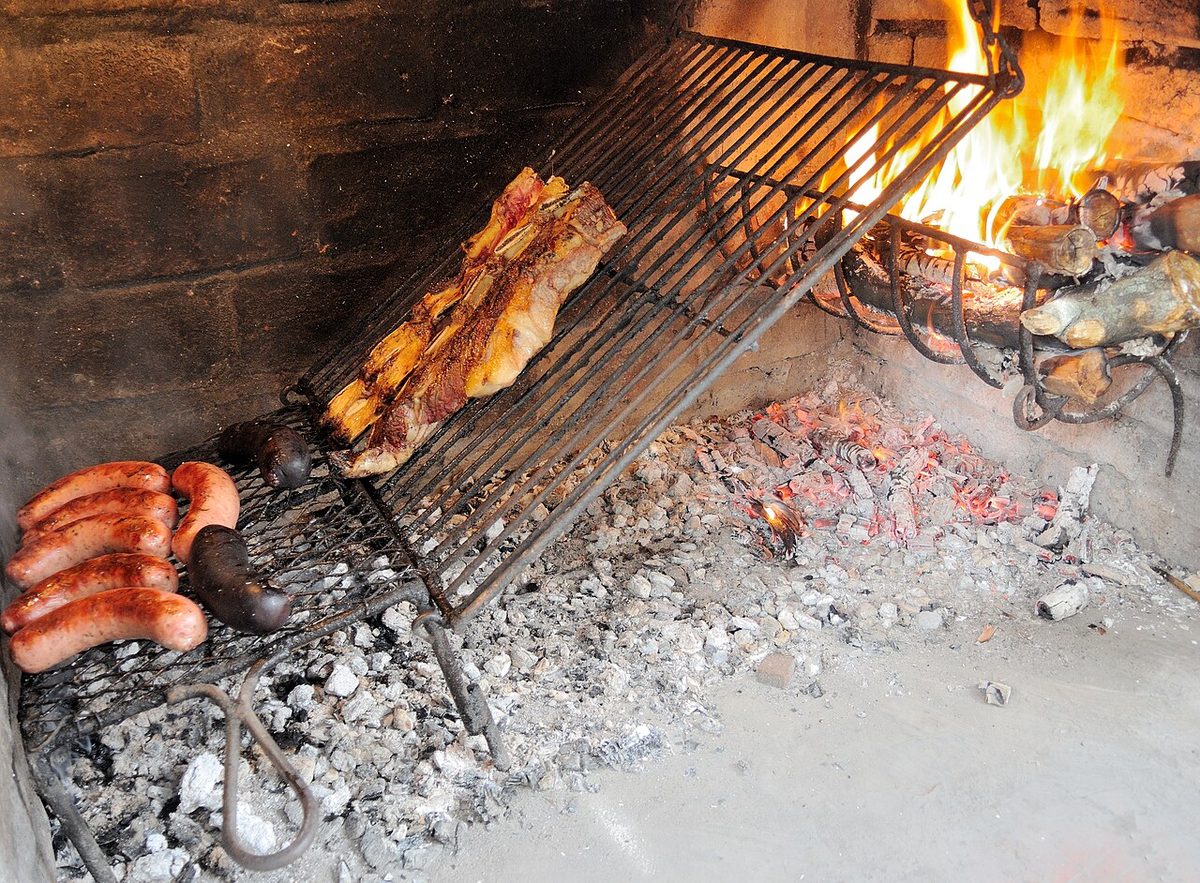
Two Spanish words will help you read any menu or sign here. A parrilla is a grill or steakhouse, and the asado is the slow wood-and-coal barbecue at the heart of it; ordering “una parrillada” gets you a mixed grill of cuts and offal. A parador is a beach restaurant, usually built of wood and canvas right on the sand. You will see both words constantly, and I will gloss the food terms (chivito, dulce de leche) the first time they come up below. For the deep history of each dish, the national guide to Uruguayan food covers ground I will not repeat here.
One structural fact shapes every recommendation: seasonality. Uruguay’s summer is the Southern Hemisphere’s, roughly December to February, plus the moving feast of Semana de Turismo (Easter week). That is when the place comes alive and also when a whole category of restaurants the locals call golondrinas — “swallows,” the migratory birds — opens for a few weeks and then vanishes. Some of the most photographed spots on this coast simply do not exist in May. I will flag what stays open year-round and what does not.
Punta del Este restaurants at a glance
| Area | Known for | A signature spot | Price | Season open |
|---|---|---|---|---|
| Peninsula & port | Fresh fish, classic parrillas, the fishing harbour | Lo de Tere | $$–$$$$ | Most year-round |
| Playa Mansa / Brava strips | Hotel dining, sunset terraces | La Bourgogne | $$$–$$$$ | Year-round (some seasonal) |
| Maldonado (value escape) | Wood-oven cooking at local prices | La Cantina del Vigía | $–$$ | Year-round |
| La Barra / Manantiales | Trendy spots, beach clubs, late nights | Fasano | $$$–$$$$ | Mostly Dec–Feb |
| José Ignacio | Beach paradores, the legendary La Huella | Parador La Huella | $$$$ | Mostly summer-only |
| Garzón (inland) | Fire-cooking, wine country | Bodega Garzón | $$$$ | Year-round |
The peninsula and the port
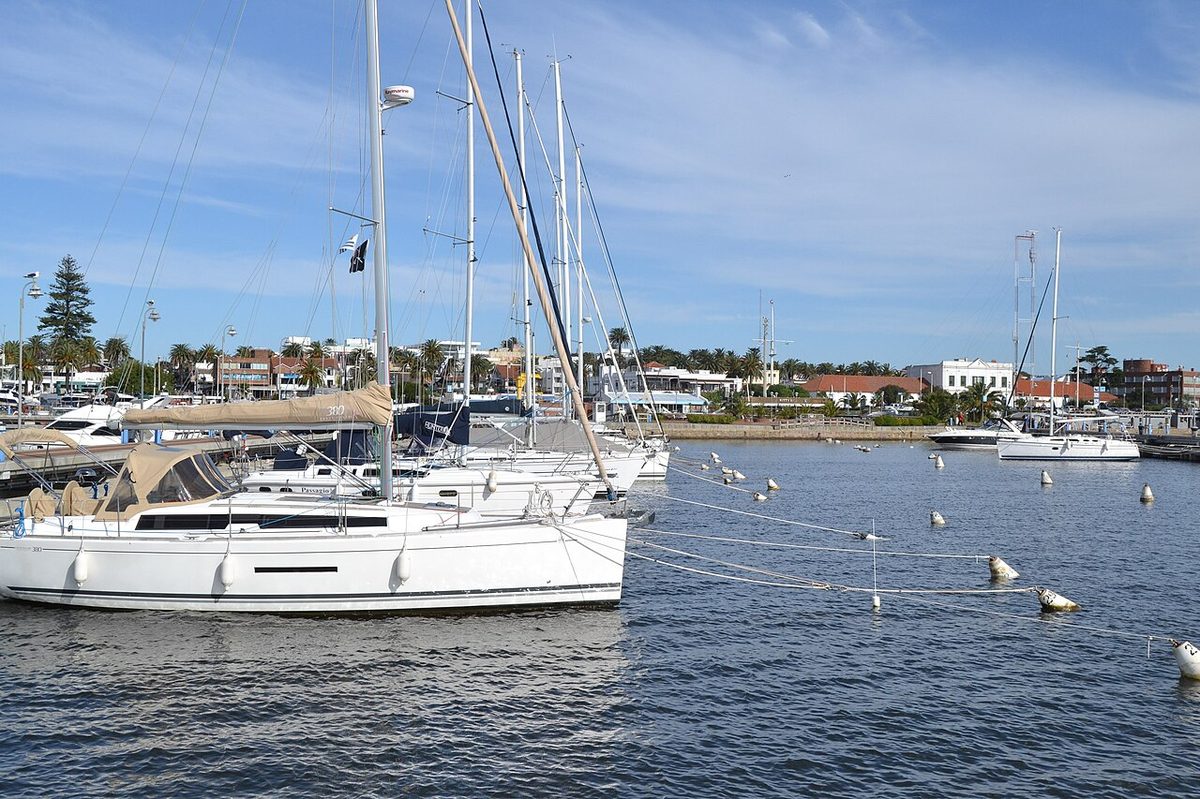
Start where the food does. The peninsula is the original Punta — the narrow finger of land with the lighthouse, the high-rises, and the working fishing port on its calm Mansa side, where the day boats land corvina, brótola (a local hake), and squid that turns up on plates a few hours later. This is the most year-round-reliable part of the whole coast for eating, because real people live here, not just January holidaymakers.
My anchor on the peninsula is Lo de Tere, on the Rambla Artigas facing the marina. Chef María Elena Marfetán has run it for decades, and the kitchen takes fish seriously enough that she has been known to drive two hours to Laguna de Rocha for blue crab when the catch warrants it. Octopus carpaccio, mussels from out near Isla de Lobos, a proper tasting menu if you give 24 hours’ notice. The drawback: it is firmly in the splurge tier, and the marina view means you pay a view premium on top of the food. Order well and it is worth it; wander in for a casual bite and you will feel the price.
Near the lighthouse, Cuatro Mares (“Four Seas”) is where I send people who want serious seafood without the full formal-dining weight. Gastón Yelicich cooked in Europe and the US before coming home, his menu changes with the day’s landings, and the kitchen bar lets you watch the work. On weekends he does a Brazilian feijoada that the Sao Paulo crowd queues for. Honest catch: the daily-changing menu means the dish you read about online may simply not be on tonight, so come curious rather than craving one specific plate.
For the cheaper, faster end — and this is the peninsula’s saving grace — the port area has casual options that will not gut your wallet. Capi Bar on Calle 27 brews its own beer and does pizzas, ceviche and fried calamari; the Bigote food-truck garage across the way is covered, casual and easy with kids. And somewhere in your trip you will eat a chivito, Uruguay’s national sandwich: a thin steak with ham, cheese, egg, lettuce and tomato, often a heap of fries alongside. A classic spot like La Pasiva does a chivito sandwich for around 9 US dollars last I checked, which on this coast counts as a bargain. The peninsula’s drawback overall: parts of it feel like any beach resort’s downtown, with mediocre tourist traps mixed in among the good ones, so a little selectivity pays.
Playa Mansa, Playa Brava and the gourmet boulevard
Beyond the peninsula proper, the city spreads along two beaches with opposite personalities — Playa Mansa (“tame,” the calm bay side, where the sunsets are) and Playa Brava (“wild,” the open-ocean side with the famous concrete fingers of La Mano sculpture rising from the sand). The beach itself is a whole separate subject; the Punta del Este beaches guide sorts which strand suits which mood.
Dining-wise, this stretch splits into hotel restaurants and an inland cluster the locals call the Boulevard Gourmet, around the corner of Roosevelt and Pedragosa Sierra near the shopping centre. The headline act here is La Bourgogne, where French chef Jean Paul Bondoux has cooked Burgundy classics — escargots, magret de canard — for some forty years, a Relais & Châteaux name and a fixture on Latin America’s 50 Best lists. It is genuinely special and genuinely expensive; this is a celebrate-something dinner, not a Tuesday. The drawback is exactly that price wall, with no real way around it.
Around the same boulevard you will find the antidote: places like Chivipizza doing chivitos and pizza with caipirinhas at a fraction of the cost, and tea-and-scones cafés for the after-beach hour. The honest note for this whole area: it is the least atmospheric part of the coast, more avenue-and-parking-lot than sea breeze, so you come for the specific kitchen rather than the setting.
The Maldonado move: where locals go to save money
Here is the open secret nobody on the glossy lists tells you. When Esteños get tired of paying Punta prices, they drive ten minutes inland to Maldonado, the unglamorous departmental capital, and eat better for less. The standout is La Cantina del Vigía on the old square, two wood-fired ovens turning out “delights of the sea and the countryside,” a menu shaped by chef Fernando Trocca — Anthony Bourdain filmed there and recommended it. Nearby, Macachín plays with native ingredients (guava-injected camembert, corvina ceviche) and Segundo Almacén del Caballito does honest grilled fare and the milanesas Uruguayans cannot live without.
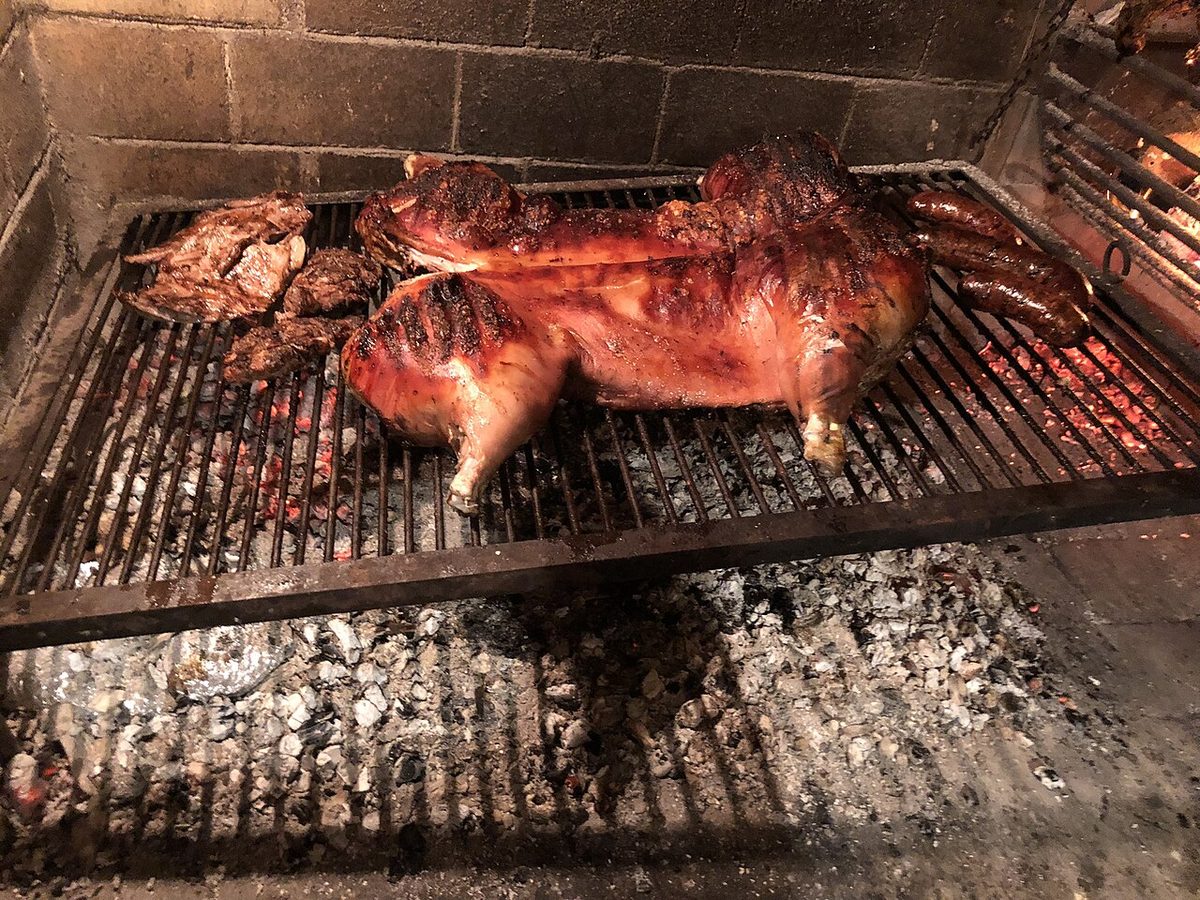
Going to Maldonado is, for me, the single best value play in the entire Punta orbit. The drawback is equally simple: you trade the sea view and the see-and-be-seen scene for a normal working town, so if the glamour is the point, this is not your night.
La Barra and Manantiales
Cross the undulating bridge over the Maldonado stream — the road literally humps up and down, and yes, drivers gun it for the stomach-drop — and you are in La Barra, the coast’s style capital. This old fishing village turned trendy enclave is where the late dinners, the beach clubs and the after-midnight crowd live. The wider La Barra guide covers the scene beyond the plate; here I will stay on food.
Dining in La Barra is more about mood than any single must-eat kitchen. Route 10 is lined with restaurants, but the locals’ picks sit a few blocks off it. Fasano, the Italian restaurant inside the Brazilian luxury hotel of the same name, is the marquee dinner — suspended over the countryside, reached by a raised walkway, pink-and-violet sunsets, seafood spaghetti, a tiramisu worth the calories, and a fair chance of spotting an Argentine actor in January. Out toward Manantiales, Elmo is my relaxed pick: a wood-heavy room, a clay oven turning out homemade pizza and pasta, strong seafood, and one of the better dulce de leche volcanoes on the coast (dulce de leche being the caramelised-milk spread Uruguayans put on, in and around everything).
Beach clubs are the other half of La Barra eating — Bikini Beach is the famous strip of sand-and-sushi-and-cocktails where lunch slides into late afternoon and the bill climbs with every round. Lovely in the moment; just know you are paying scene prices for fairly simple food. The honest drawback for the whole area: La Barra is overwhelmingly a summer animal. Come outside December–February and a good share of what makes it fun is shuttered, the strip quiet, the clubs closed.
José Ignacio and the legend of La Huella
Keep driving. The road past La Barra and Manantiales gets quieter, the houses lower and farther apart, until you reach José Ignacio — a tiny headland of sand streets, a candy-striped lighthouse and the most rarefied eating on the coast. If Punta is the top resort, locals only half-joke that José Ignacio is “the top of the top.” Plan a wider day here using the José Ignacio guide, because the village deserves more than one meal.

And then there is Parador La Huella, on Playa Brava, which is the reason a lot of people make the drive at all. Martín Pittaluga’s beach restaurant — a sprawl of wood and canvas that looks like a bohemian shipwreck on the dunes — has spent years on Latin America’s 50 Best Restaurants, and it earns it. The kitchen cooks with ocean, earth and fire: grilled octopus, sea bass ceviche, a whole flame-grilled fish for the table, excellent sushi, an entrecot off the grill, and the famous dulce de leche volcano to finish. The food is honest, the rosé flows, the lunches run for hours.
I will be blunt about La Huella’s catch, because it is the most-asked question I get: in January you cannot just show up. Book days ahead through their system, or accept a long wait or no table at all, especially for sunset with an ocean view. It is also not cheap — though for what it is, the value is fairer than you might fear. Outside the summer season the hours thin dramatically, so always check before you commit the drive.
The rest of José Ignacio
La Huella is not the only game on the headland. La Susana, the beach club tucked in the dunes on the Playa Mansa side, is sunset-and-Clericó territory (Clericó being the local white-wine-and-fruit punch) — surfboards on the walls, sandy floor, the best rabas (battered squid rings) in the zone, and a beautiful-people crowd that lets lunch drift into dinner. Nearby, the where-to-stay roundup can place you within walking distance of all of it.
Other names worth knowing: Mostrador Santa Teresita, Fernando Trocca’s all-day spot where you build a plate from a counter of salads, fish and meats and carry it toward Playa Brava; Marismo, where Federico Desseno cooks over open fire under the stars, the provoleta (grilled provolone) a near-religious experience; the long-running seafood house Popei, on something like its thirty-second summer; and Neapolitan Il Faro by the lighthouse. The drawback that ties the whole village together: almost everything here is built for summer, prices are the steepest on the coast, and “open” can mean “open for six weeks.” Treat José Ignacio as a peak-season pleasure and you will not be disappointed.
What to order on this coast
Beyond picking a place, know what to actually eat. A handful of things define dining here, and getting the rotation right matters more than chasing any one famous kitchen.
Seafood comes first, logically, since you are on the Atlantic. Corvina (sea bass) and brótola (hake) are the everyday catch; rabas — those battered squid rings — are the universal beach starter; and octopus turns up grilled at every level from La Huella down. Pulpo (octopus) and a glass of cold white on a terrace is, to me, the most Punta thing you can do.
Then the grill. An asado — Uruguay’s wood-and-coal barbecue — is a near-sacred ritual, and a proper parrillada brings a parade of cuts plus offal like chinchulines and mollejas (sweetbreads) for the brave. The national obsession with grilling is its own deep topic; the food pillar I linked above goes further. Vegetarians, fair warning: this is a meat-and-fish coast, and while the better kitchens manage you well, the average parrilla will not.
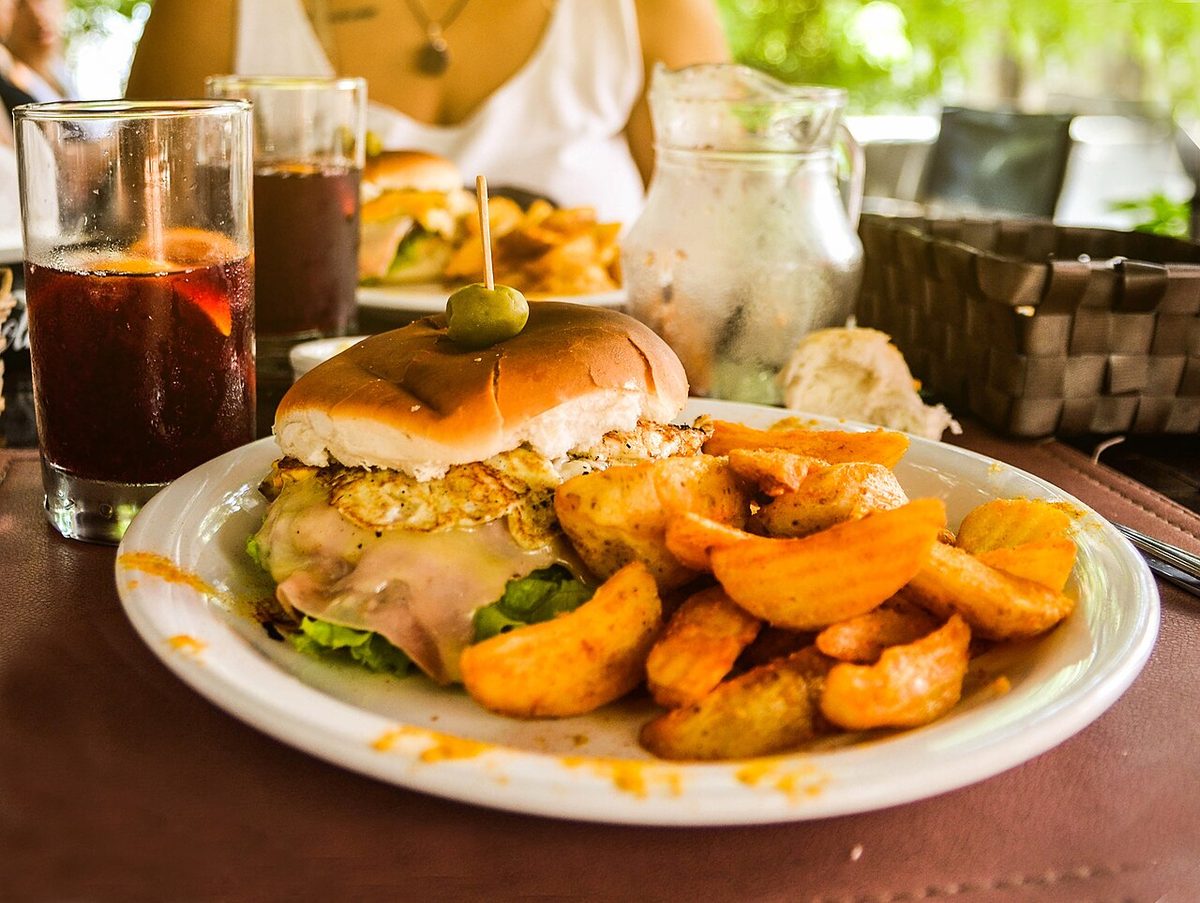
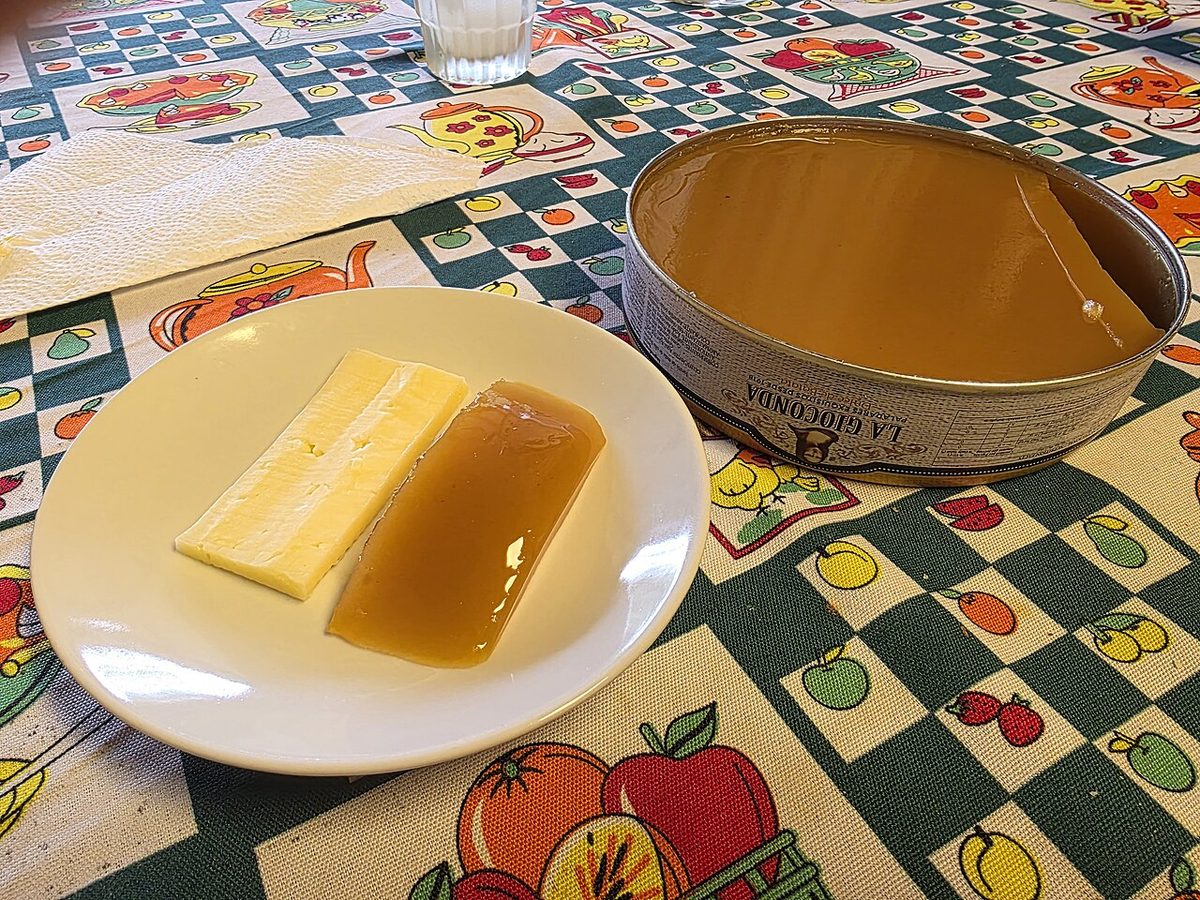
The chivito deserves its own line. It is the national sandwich-slash-plate — thin steak, ham, cheese, fried egg, lettuce, tomato, usually fries — and it is gloriously excessive. La Barra and the peninsula both do strong versions, with prices ranging from around 9 dollars for a no-frills one to 25-plus at a fancy “chivitería.” Finish, always, with dulce de leche, the caramelised-milk spread that fills the volcano lava-cakes, the pancakes (panqueques) and the alfajores you will buy at every kiosk. Pair the lot with Tannat, the inky Uruguayan red; the Uruguay wine guide explains why it goes so well with all this fire and fat.
Price reality and reservations
Let me be honest about money, because the glossy lists rarely are. Punta del Este is the most expensive place to eat in Uruguay, full stop, and in January — when the Argentine and Brazilian crowd arrives — prices float up further still. A casual chivito-and-beer lunch might run 15 to 25 dollars a head; a mid-range dinner with wine, 40 to 70; and the marquee names (La Bourgogne, La Huella, Fasano, Garzón) climb well past 100 a person once wine is in. None of this is Europe-cheap, and the long-held idea of Uruguay as a budget alternative does not really hold on this particular coast. Montevideo eats for noticeably less, which is why some people keep a base in the capital and make the two-hour trip east to Punta del Este for the day.
Value does exist, though, if you know the moves. Eat your big meals at lunch, when even top kitchens are gentler on the wallet. Drive into Maldonado for dinner the way the locals do. Lean on the port’s casual spots and the chiviterías. And build your splurges deliberately rather than stumbling into a view-premium bill three nights running.
Reservations are the other non-negotiable. In peak summer the famous places — La Huella above all, but also Lo de Tere, Fasano, La Bourgogne and Garzón — need booking days ahead, sometimes more for a prime sunset table. Many take reservations online now; use it. Show up unannounced on a January Saturday and you are gambling on a long wait or a flat no. Outside the season the pressure eases, but so does availability, because half the places are closed.
By budget and by occasion
To make this practical, here is how I actually choose depending on the night.
Cheap eats. A chivito at La Pasiva or a port chivitería, pizza and craft beer at Capi Bar, the food trucks at Bigote, or — best of all — a dinner run into Maldonado for La Cantina del Vigía. Real food, local prices, zero pretension.
The splurge. La Bourgogne for classic French, Lo de Tere for serious seafood, Fasano for an Italian sunset, Bodega Garzón out in the wine country for Francis Mallmann’s fire-cooking (book the tasting menu and make a half-day of the vineyard). These are the once-a-trip dinners; pick one, not four.
Families. The peninsula port wins — casual parrillas, the covered food-truck garage, pizza everywhere, and the harbour boats to keep kids interested. Portions are huge, so a shared parrillada feeds a table.
Sunset dinner. This is the coast’s signature move, and it belongs on the Mansa (bay) side where the sun drops over water. La Susana in José Ignacio, the Mansa-facing terraces, or a Playa Mansa parador with a jug of Clericó. Time your booking for the hour before dusk and let the meal run long.
If you are still mapping the wider trip, the best-time-to-visit guide and the main Punta del Este guide tie the food into everything else the resort offers across the seasons.
Punta del este restaurants: your questions answered
What food is Punta del Este known for?
Fresh Atlantic seafood — corvina, brótola, octopus and rabas (battered squid rings) — leads the way, given the working fishing port at the peninsula’s tip. Alongside that sit Uruguay’s grill culture (asado and the chivito sandwich) and dulce de leche desserts. The coast also has a strong fine-dining streak, from French classics to Francis Mallmann’s fire-cooking inland at Garzón.
Where is the best place to eat in Punta del Este?
It depends on the area and the night. For a once-a-trip beach restaurant, Parador La Huella in José Ignacio is the legend. On the peninsula, Lo de Tere and Cuatro Mares lead for seafood. For value, drive into Maldonado to La Cantina del Vigía. There is no single “best” — the coast rewards matching the place to the occasion.
Are restaurants in Punta del Este expensive?
Yes — it is the priciest dining in Uruguay, and prices rise further in the January peak. A casual lunch runs roughly 15–25 US dollars a head, a mid-range dinner with wine 40–70, and marquee names well past 100. You can eat affordably at the port chiviterías or by driving to Maldonado, but the coast is not the budget destination Uruguay is sometimes sold as.
Do I need a reservation in Punta del Este?
In peak summer, absolutely, for any well-known kitchen. La Huella, Lo de Tere, Fasano, La Bourgogne and Bodega Garzón all need booking days ahead in January, more for a prime sunset table; many take online reservations now. Off-season the pressure eases, but availability drops too, since a large share of restaurants close from roughly March until December.
When are Punta del Este restaurants open?
The season runs December to February, plus Semana de Turismo (Easter week), and that is when the coast is fully alive. Peninsula and Maldonado spots tend to stay open year-round because locals live there. Many beach paradores and La Barra and José Ignacio venues are golondrinas — seasonal “swallows” — open only for the summer weeks, so always confirm before traveling out.
What is La Huella and is it worth it?
Parador La Huella is a beach restaurant on the dunes of Playa Brava in José Ignacio, repeatedly named among Latin America’s 50 Best Restaurants. It cooks fresh seafood over fire — grilled octopus, whole fish, the famous dulce de leche volcano. Worth it, yes, for the setting and the food together, but book days ahead in January and expect peak-coast prices.
Final thoughts
Eating your way along this coast is one of the genuine pleasures of a Uruguay trip, as long as you go in with clear eyes. The seafood is fresh, the grills are serious, the beach paradores are unlike anywhere else, and the bill will be the steepest you see in this country. Sort your meals by area, book the famous ones ahead, drive to Maldonado when you want value, and remember that half of what you read about online is locked up from March to December.
Do that, and Punta gives you the best dining on the Uruguayan coast. Show up unprepared in January, and you will spend a lot of money waiting for tables. The choice, happily, is yours — and the coast road between the port and José Ignacio is worth driving slowly, fork in hand, the whole way out.
Credits & sources
Sources & further reading
- The World’s 50 Best Discovery — Parador La Huella, José Ignacio
- Rough Guides — The best restaurants in Punta del Este
- JoseIgnacio.net — José Ignacio restaurants directory
Photo credits
All images via Wikimedia Commons: Punta Del Este Port Seafood by Casaseneleste (CC BY-SA 4.0); Lo De Tere Marina Dining by Fernando da Rosa (Fedaro) (CC BY-SA 3.0); Uruguay Parrilla Asado Grill by Fadesga (CC BY-SA 4.0); Beach Parador Dining Setting by Diosverde (CC BY-SA 4.0); Chivito Uruguayo Plate by TitiNicola (CC BY-SA 4.0); Dulce De Leche Dessert by Horacio Cambeiro (CC BY 3.0).