Uruguay in Summer: December, January & February (2026)
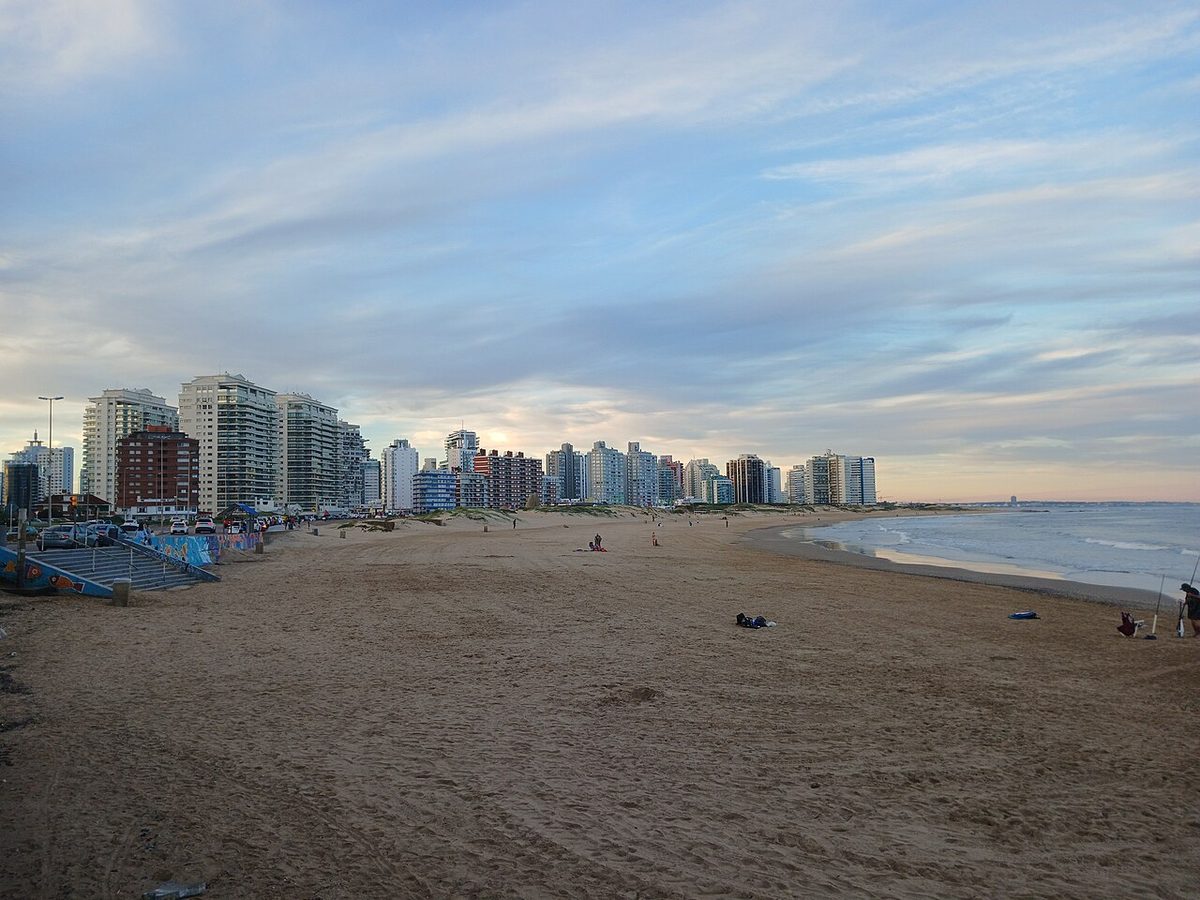
The first time I spent January on the Uruguayan coast, I made the rookie mistake of booking my accommodation three weeks out. The apartment I wanted in La Barra was gone. I ended up paying for a studio that would have cost a third as much in November, and I counted myself lucky to have a roof at all. That is the thing nobody tells you clearly enough: the Uruguayan summer is glorious, and it punishes the unprepared.
So let me be the one who tells you clearly.
Uruguay in summer means December, January and February, the austral peak season: the Atlantic beaches fill, Punta del Este becomes the social capital of the Southern Cone, prices run roughly two to three times off-season, and January sells out months ahead. The weather is hot and bright, and the whole country tilts toward the coast.
That is the short version. Here is what this guide covers: the real month-by-month rhythm inside summer, honest numbers on heat and UV, how far ahead to reserve, what actually stays open over the holidays, where to base yourself depending on the kind of trip you want (party or peace), and how Carnaval starts ramping up in late January. I have hedged the prices on purpose, because exchange rates and demand swing them every season, but the shape of the advice holds. If you take one thing away, take this: decide early, book earlier.
| Month | Typical highs | Crowds | Prices | The vibe |
|---|---|---|---|---|
| December | 26–28°C (79–82°F) | Building; quiet until ~20th | Rising fast after Christmas | Season warming up; calm early, festive late |
| January | 28–30°C (82–86°F), spikes to ~36°C (97°F) | Peak — the busiest of the year | Highest; often 2–3x off-season | Full-throttle beach and nightlife; book ahead or overpay |
| February | 28–29°C (82–84°F) | Still high, eases late month | High, softening toward March | Hot, slightly calmer, Carnaval in full swing |
What summer actually feels like: heat, sea and brutal UV
Daytime highs across the coast and Montevideo sit around 26 to 30°C (79 to 86°F) through the core of summer. That sounds gentle, and most days it is. The estuary and ocean breezes keep the heat from turning oppressive, and the evenings cool off enough that you will reach for a light layer on a beachfront terrace. Pack one even in January.
Then there are the hot snaps. Around New Year especially, the mercury can shove into the mid-30s, and I have sat through afternoons near 36°C (97°F) in Maldonado wondering why I never sorted out air conditioning. Those spells pass in a few days, but they are real, and they are the reason locals plan their lives around the water during the holidays.
The sea is properly swimmable in summer, sitting around 21 to 23°C (70 to 73°F). It is bracing the moment you step in and lovely once you are under. The Atlantic side at Punta’s Playa Brava (literally “rough beach”) has real waves and a current; the calmer Río de la Plata side, Playa Mansa (“tame beach”), is the one for families and floating about.
Sun is the honest drawback of a Uruguayan summer, and it is not a small one. The UV index runs very high from roughly 10am to 4pm, the ozone thins this far south, and the burn comes faster than visitors expect. I have watched first-timers go lobster-red by lunch on a day that did not even feel that hot. Bring serious sunscreen, reapply it, wear a wide brim, and take the midday hours off the open sand. Pharmacies stock SPF everywhere, but you will pay tourist prices for it on the coast. For the full picture on the climate and how the seasons behave, our Uruguay weather guide goes deeper on month-by-month temperatures and rain.
Rain does turn up. Summer is not a dry season here; a stormy spell can roll in and sit for a couple of days, then clear and dry everything out. It rarely wrecks a trip, but build a little slack into a tight beach itinerary.
December in Uruguay: the season builds
December is the gentlest entry into Uruguayan summer, and the first three weeks are a genuine sweet spot. The weather has turned, highs are around 26 to 28°C (79 to 82°F), the beaches are warming up, and yet the crowds and the prices have not fully arrived. If you want Punta del Este with room to breathe, the first half of December is the answer.
Everything changes around the 20th. Christmas tips the country into full high-season mode: the festive lights go up, the beach bars open in earnest, families head to their summer rentals, and rates begin their steep climb. By the last week of December you are paying peak money.
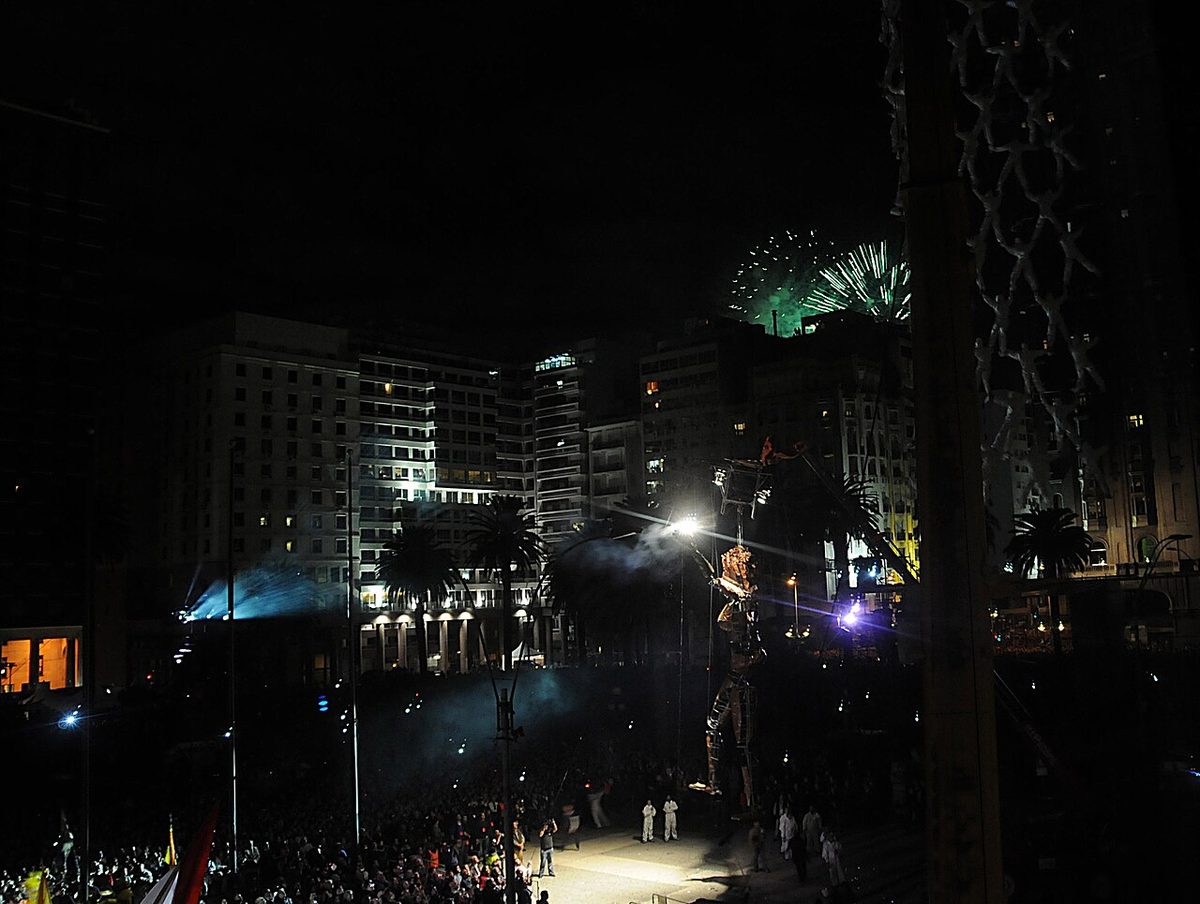
New Year is its own spectacle. The biggest fireworks displays go off over Montevideo, Punta del Este and the Rocha coast, and on Playa Brava the giant hand sculpture, La Mano, frames the midnight show. Hundreds of thousands of people pack the sand for open-air concerts and all-night celebrations. If you want to be in Punta for the 31st, treat it like New Year’s Eve in any marquee destination and book a long way out.
My advice for December is to split your time across the shift. Land in the first half for warm, uncrowded beaches and shoulder-season rates, then either ride the wave into the festive build-up or get out before the prices bite. It is also a fine month to fold in the things that fade in deep summer heat: wine country in Canelones and Maldonado, a day in colonial Colonia del Sacramento, the museums of Montevideo before the city empties.
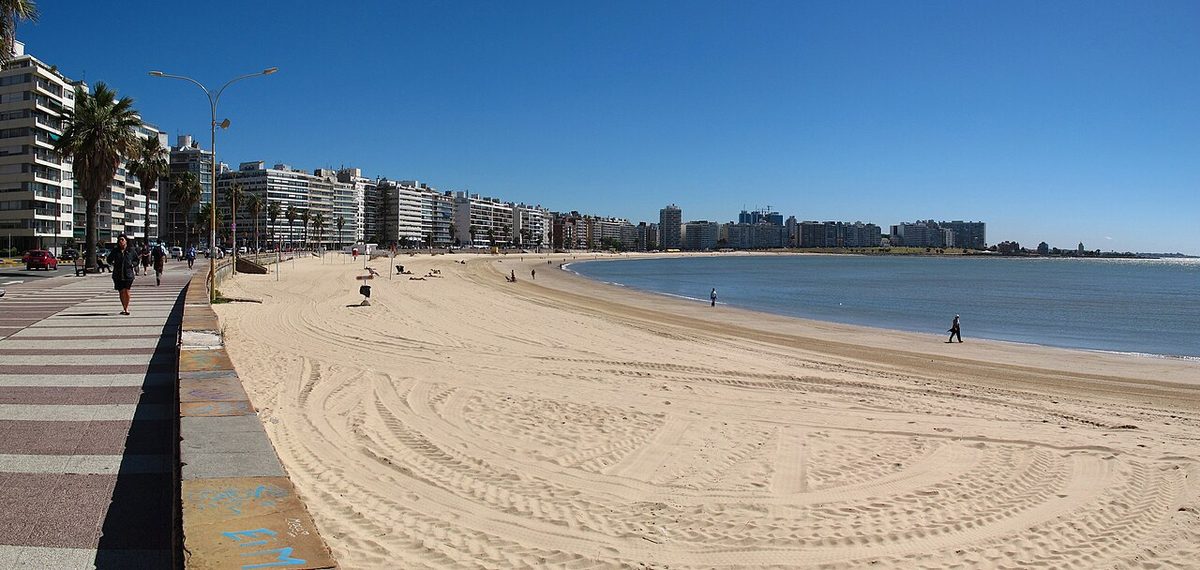
One quirk catches a lot of visitors. Between Christmas Eve and New Year, Montevideo itself half-shuts. Many shops, offices and some restaurants close while the city empties toward the coast. You can still walk or cycle the 25-kilometre rambla (the seafront promenade), hit the city beaches, catch an early Carnaval rehearsal, or take a day trip to wine country. Just do not expect a buzzing capital that week; the buzz has gone to the beach.
January in Uruguay: peak everything
January is the loudest, hottest, fullest and most expensive month of the Uruguayan year, and you should walk in with your eyes open. This is when the coast does its famous trick: Punta del Este goes from a town of around 30,000 to well over 300,000, swollen by Argentines, Brazilians and Uruguayans all chasing the same fortnight of sun. Every restaurant, every rental, every stretch of sand is at capacity.
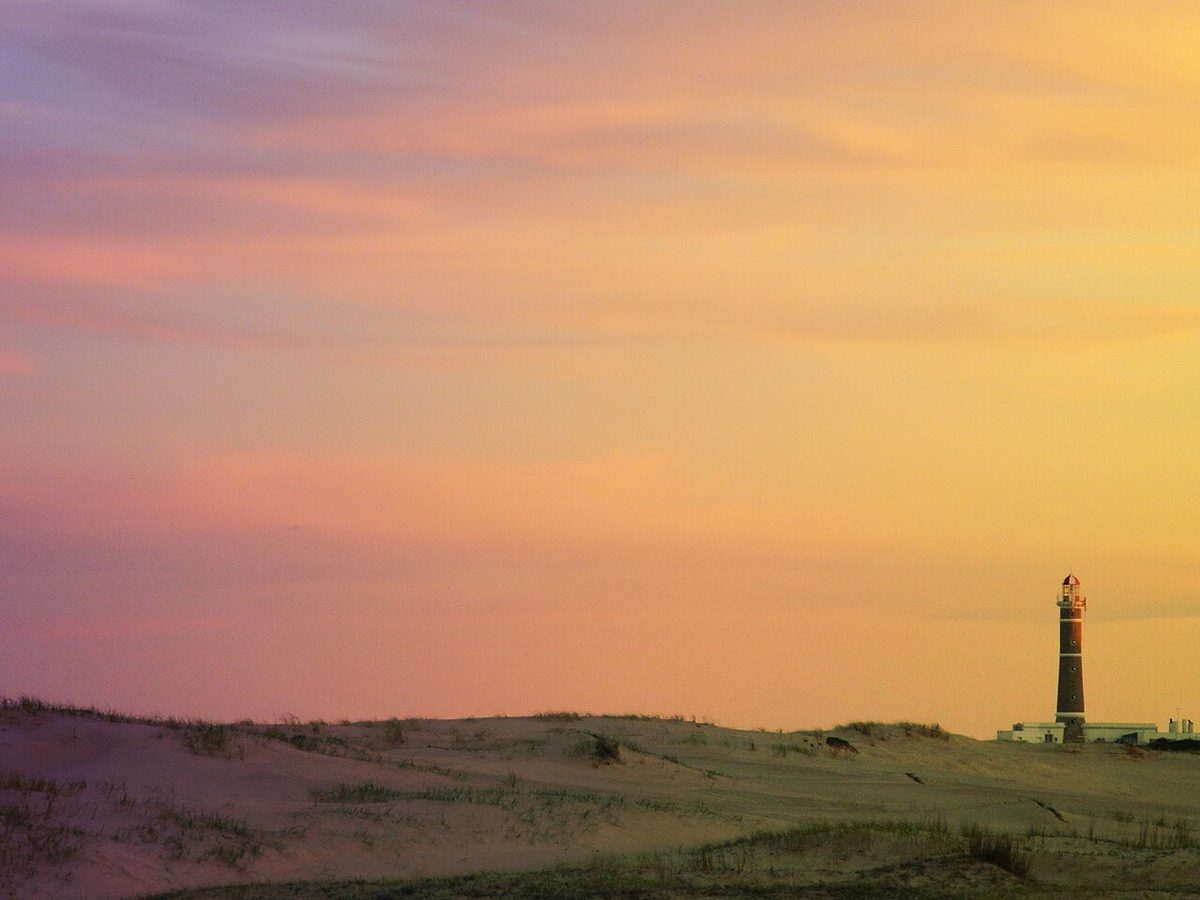
The scene, if you want it, is unbeatable. José Ignacio and La Barra fill with a glossy crowd, the beach clubs run all day, dinner does not start until 10pm, and the clubs do not get going until well after midnight and roll to sunrise. Long days help: the sun does not set until around 8:30pm, so the beach hours stretch out.
Here is the honest drawback, and it is the whole reason this guide exists. January prices are punishing and January availability vanishes early. Accommodation in and around Punta routinely runs two to three times its shoulder-season rate, and the best places sell out months ahead. I would reserve a January stay by September or October at the latest; for New Year and the first two weeks, earlier still. Leave it to December and you will either overpay badly or sleep an hour inland. Everything else follows the same logic, so build a buffer for car hire, restaurants and even ice cream. Our guide to Punta del Este breaks down the neighbourhoods if you want to pick your patch before you book.
A few tactics take the sting out of peak January. Travel in a group and split a multi-bedroom rental; per head, a shared house in La Barra often beats a cramped studio in Punta proper. Look one ring out from the marquee names, since a base in Maldonado city or a quieter balneario a short drive from the beach clubs cuts the rate sharply. And weigh a split trip: a few nights in the thick of it, then retreat somewhere calmer and cheaper for the rest. None of this makes January cheap. It just keeps it from gouging you.
Montevideo does the opposite. The capital noticeably empties in January, especially the first two weeks, as residents decamp to the coast. That makes the city quiet and a little sleepy, but also cheaper and weirdly pleasant if you like calm. You can have the rambla, the beaches and the museums nearly to yourself while the rest of the country fights for a sun lounger forty kilometres east. If a low-key, low-cost city base with beach day trips appeals, our Montevideo guide covers the neighbourhoods and the ten city beaches.
February in Uruguay: still hot, slightly calmer, Carnaval everywhere
February keeps the heat, highs around 28 to 29°C (82 to 84°F), but loosens the grip a little. The wall-to-wall intensity of early January eases, particularly in the back half of the month as some holidaymakers head home and rates begin softening toward March. You still want a booking well in advance, but the panic dials down a notch.
What February really owns is Carnaval. Uruguay runs the longest Carnaval on earth, more than 40 nights stretching from late January deep into March, and February is its heart. This is not a single parade; it is a season. In Montevideo the official competition plays out night after night at the Teatro de Verano, the open-air summer theatre, where murga troupes (satirical singing groups in elaborate costume and face paint) trade political jokes and the audience roars.
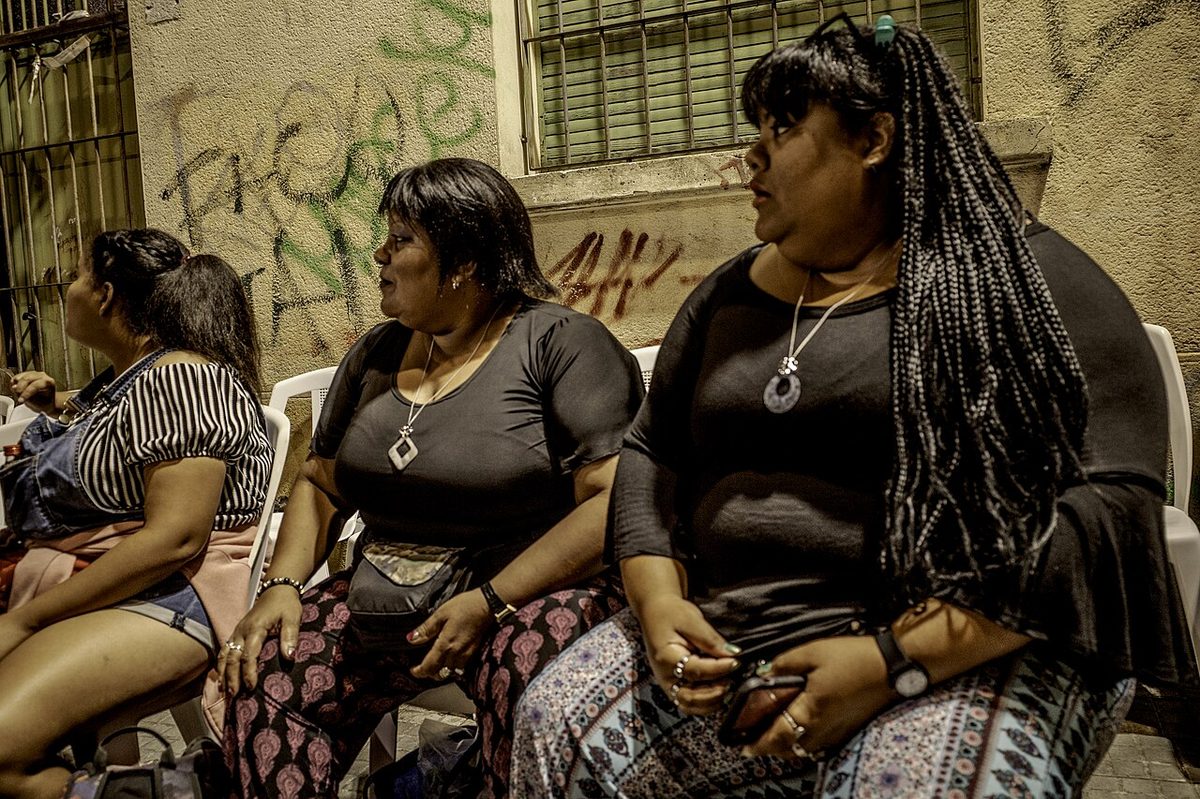
The unmissable set piece is the Desfile de las Llamadas, the “parade of the calls,” which in 2026 falls on the nights of Friday 6 and Saturday 7 February. Around fifty candombe groups, candombe being the drum-driven Afro-Uruguayan tradition built on the chico, repique and piano drums, march down Isla de Flores street through the Sur and Palermo neighbourhoods in a wall of sound you feel in your chest. Get there early; the good spots go fast. If the culture is what draws you, our Uruguay culture guide digs into candombe, murga and the roots of it all.
February also rewards anyone who wants the beaches without quite the January frenzy. Same warm water, same long days, a fraction more elbow room. It is my quiet pick of the three summer months for travellers who still want everything open and humming but can do without the peak-of-peak crush.
Where to base yourself in summer, by what you actually want
Summer Uruguay is not one experience; it splits hard by what you are after. Here is how I would steer each kind of traveller, and the honest trade-off that comes with each.
The party crowd: Punta del Este, La Barra and José Ignacio
This is the heartland of glitzy summer. Base in or near Punta del Este for the beach clubs, the late dinners, the all-night clubs out in La Barra, and the see-and-be-seen scene at José Ignacio. The energy is real and the people-watching is unmatched on this coast. The drawback is just as real: this is the most expensive corner of the country in the most expensive month, and in January you are competing with hundreds of thousands of others for tables and sand. Book early and budget hard.
Families: the calm side of the coast
Families want the calmer Río de la Plata water and a slower pace. The Playa Mansa side of Punta, or quieter resort towns (balnearios, the Uruguayan word for these purpose-built beach towns) like Piriápolis with its old-world seafront, suit small children better than the surf and the strobe lights. Piriápolis in particular has a gentle, faded-grand charm and a proper promenade. The trade-off is that you are trading nightlife and gloss for quiet, which is exactly the point for most parents. Our roundup of the best beaches in Uruguay sorts the wild ones from the family-friendly ones.
The quiet and the wild: Rocha
If the Punta scene sounds like your idea of purgatory, go east to the Rocha department. Cabo Polonio (no mains electricity, reached across dunes), La Pedrera and La Paloma give you long, raw Atlantic beaches, a bohemian streak, and far lower prices than the Maldonado glamour belt. Even in January it feels human. The drawback is rusticity: fewer services, simpler accommodation, and you will want a car. Our Rocha guide covers the lot, and the wider things to do in Uruguay page helps fill the days.
Budget travellers: shoulder the dates, or head inland and west
The single biggest lever on cost is timing. The first three weeks of December and the back end of February are dramatically cheaper than peak January for nearly the same weather. If you must come in January, look at Rocha over Maldonado, consider basing in Montevideo (cheap and quiet that month) with beach day trips, or lean on wine country and the estancias (working cattle ranches that take guests) inland, where high season barely registers. Our where to stay in Uruguay guide weighs the regions against each other.
What is open, what is closed, and how to get there
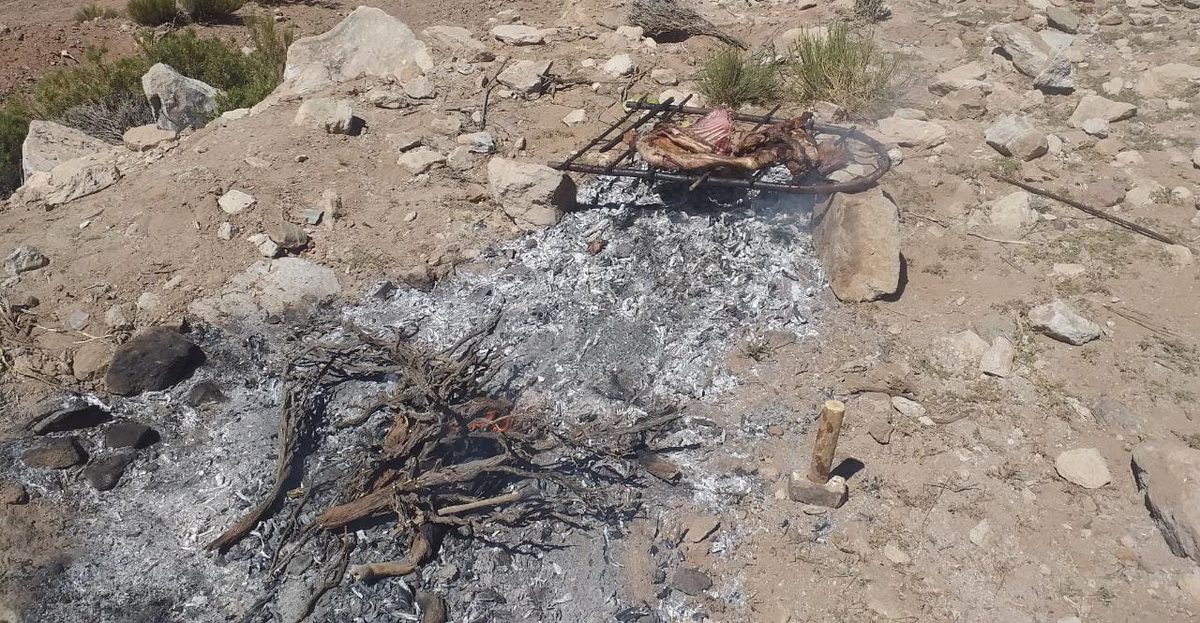
Summer is when coastal Uruguay is most alive: beach restaurants, parrillas (grill houses serving the national obsession, asado, slow grilled meat over wood and coals), clubs, ferias and tour operators all run at full tilt from December through February. If you want the country humming, this is the season for it.
The exception, again, is the Christmas-to-New-Year stretch in Montevideo, when the city quiets and a chunk of shops and offices close for the holidays. The coast stays busy; the capital naps. Plan city sightseeing for either side of that window. And no summer here is complete without working through the food, the chivito (a towering steak sandwich that is practically a national flag) chief among them; our Uruguayan food guide tells you what to order.
Summer also runs on its own clock, and it pays to sync up. Lunch on the beach drifts late, the hottest hours get surrendered to a long midday lull, dinner rarely starts before 9 or 10pm, and the coast genuinely comes alive after dark. Lean into it rather than fighting it: nap or shelter through the fierce UV window, then enjoy the long evenings when the light softens and the rambla fills. Carry some cash, too, because smaller balneario kiosks, beach vendors and ferias do not all take cards, even if Punta’s restaurants will.
Getting in is straightforward. Most visitors fly into Montevideo’s Carrasco airport or arrive by ferry from Buenos Aires, then drive or bus east to the coast; high summer also brings extra regional flights into Punta del Este’s own airport. Our getting to Uruguay guide lays out the routes, and if you are still weighing months against each other, the parent best time to visit Uruguay guide sets summer against spring, autumn and winter so you can sanity-check the trade-off.
Uruguay in summer: your questions answered
Is summer the best time to visit Uruguay?
It depends on your priority. For beaches, swimmable sea and the full coastal scene, summer (December to February) is unbeatable. But it is the most crowded and expensive stretch of the year. If you want warm-enough beaches without the crush or the cost, the shoulder weeks of December and March often give you most of the upside for far less money.
What are the summer months in Uruguay?
Uruguay sits in the Southern Hemisphere, so summer runs December, January and February, opposite to Europe and North America. December eases in gently, January is the scorching, packed peak, and February stays hot while Carnaval takes over. Highs hold around 26 to 30°C (79 to 86°F), with occasional spikes toward the mid-30s near New Year.
How hot does it get in Uruguay in January?
January highs typically land around 28 to 30°C (82 to 86°F), with cooler evenings thanks to coastal breezes. Hot spells, most common around New Year, can push to roughly 36°C (97°F) for a few days. The bigger issue is UV: the midday sun is intense, so cover up and avoid the open beach between 10am and 4pm.
How far ahead should I book for January in Uruguay?
Early. For Punta del Este and the surrounding coast in January, I would lock in accommodation by September or October, and earlier still for New Year and the first two weeks of the month. The best rentals and hotels sell out months out, and leaving it late means paying two to three times the going rate or staying well inland.
Is Montevideo empty in summer?
Partly, yes. Many residents leave for the coast in January, so the capital feels noticeably quieter, especially the first two weeks. Over Christmas to New Year a lot of shops and offices also close. The upside is a calm, cheaper city with the rambla and beaches to yourself; the downside is less buzz, so time city sightseeing for either side of the holidays.
When is Carnaval in Uruguay?
Uruguay’s Carnaval is the longest in the world, running more than 40 nights from late January into March, with February at its core. In 2026 the Desfile de las Llamadas, the big candombe parade, falls on 6 and 7 February in Montevideo. The murga competition runs nightly at the Teatro de Verano throughout the season.
Final thoughts
Summer is Uruguay turned up to full volume: hot, bright, social, and not remotely cheap when the calendar hits January. Time it well and it delivers some of the best beach days in South America, capped by Carnaval and a coast that genuinely comes alive. Time it badly, or book it late, and you will pay for the privilege of standing in someone else’s holiday.
My honest steer? If money and crowds matter to you, aim for the first half of December or the back half of February and take the small weather gamble. If the full Punta scene or New Year on Playa Brava is the whole point, commit early, book months ahead, and budget like you mean it. Either way, respect the sun, pack a light layer for the evenings, and let the country do what it does best.
Credits & sources
Sources & further reading
- Guru’Guay — When is the best time to visit Uruguay?
- Guru’Guay — Montevideo Carnival 2026 dates
- Intendencia de Montevideo — Carnaval y Llamadas (official)
Photo credits
All images via Wikimedia Commons: Punta Del Este Playa Brava Summer by NaBUru38 (CC BY-SA 4.0); Jose Ignacio Lighthouse Summer by Giuliana Pezzutti (CC BY-SA 3.0); Pocitos Beach Montevideo Summer by Elemaki (CC BY 3.0); Llamadas Candombe Carnaval Montevideo by Jimmy Baikovicius from Montevideo, Uruguay (CC BY-SA 2.0); Summer Asado Parrilla Uruguay by Guzmán128 (CC BY-SA 4.0).

1 comment