What to Pack for Uruguay, Season by Season (2026)
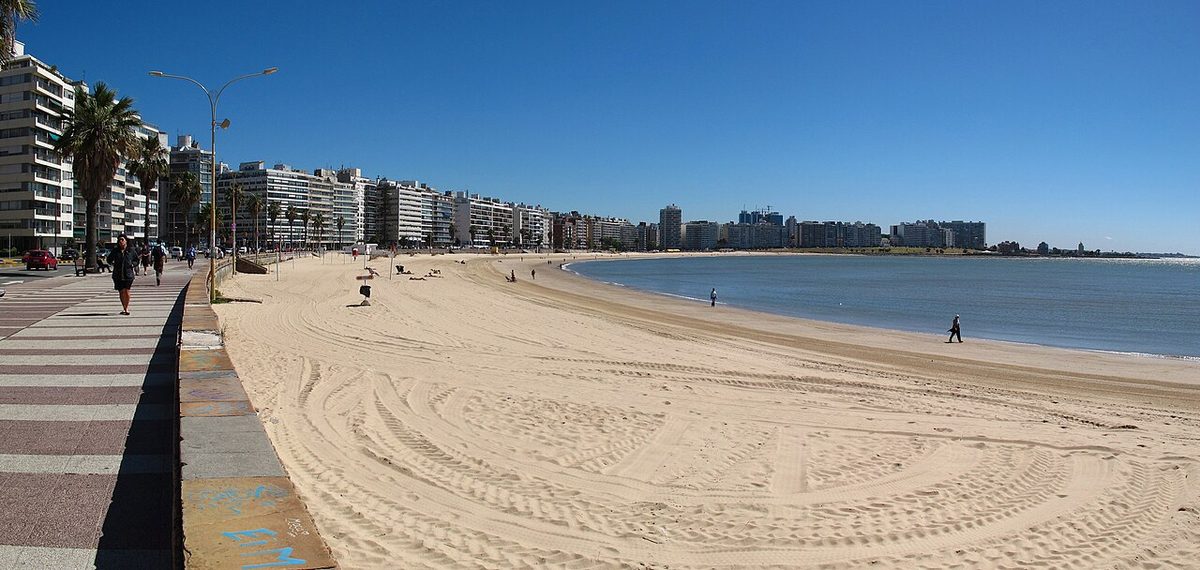
My first trip to Uruguay, I had no real uruguay packing list, just the South America in my head: heat, sun, a country near the equator. I landed in Montevideo in October with two t-shirts and a pair of shorts, and spent three days cold, damp and quietly furious at myself on the rambla, the long waterfront promenade that hugs the city’s edge. Knowing what to pack for Uruguay would have spared me all of it.
The wind off the Rio de la Plata does not care what month it is. Neither does the temperature swing between a sunny afternoon and the same evening four hours later.
So this is the guide I wish someone had handed me before that flight. It is built around one stubborn fact: Uruguay sits in the Southern Hemisphere, the seasons run backwards from North America and Europe, and the coast is windier and cooler than the latitude suggests.
This uruguay packing list is organised season by season, because December and July ask for almost opposite suitcases. Summer (Dec to Feb) means swimwear, strong sun protection and light layers; winter (Jun to Aug) means a warm coat, a windproof shell and closed shoes. Pack a 220V plug adapter year round, and always bring one layer more than the forecast suggests.
Here is who this is for and what it covers. If you want a full breakdown of temperatures and rainfall by month, that lives in our guide to the weather in Uruguay and I will point you there rather than rebuild it. This page stays in its lane: what to actually put in the bag, when, and what to leave at home. It assumes a normal leisure trip mixing Montevideo, the coast and maybe an estancia, the Uruguayan word for a working cattle ranch. It is not a guide for trekking expeditions or business formal travel, though the smart-casual notes below cover most work dinners.
One more orientation note before the table. Uruguay is small and you will move between very different microclimates fast: a windy city seafront, a sun-baked beach, a cold estancia night out on the plains. The trick is not bringing more clothes. It is bringing the right layers and a couple of things most travellers forget.
| Season (months) | Typical weather | What to pack | Leave at home |
|---|---|---|---|
| Summer Dec, Jan, Feb |
Warm to hot, 24 to 30 C days, humid; strong UV; cooler windy evenings on the coast | Swimwear, light cotton/linen, shorts, sundresses, sandals, sunhat, high-SPF sunscreen, one light sweater for night, sunglasses | Heavy coat, thermals, wool hat, boots |
| Autumn Mar, Apr, May |
Mild and shifting; warm afternoons, cool nights, more rain by May | Layers, long trousers, a light jacket, a sweater, light rain layer, closed shoes plus one pair of sandals | Multiple swimsuits, beach-only gear |
| Winter Jun, Jul, Aug |
Cool and damp, 6 to 15 C; biting wind off the river; rarely freezing but feels colder | Warm waterproof coat, windproof shell, sweaters, thermal base layer, scarf, closed waterproof-ish shoes, gloves for the wind | Swimwear (unless hot springs), sandals, sun hat |
| Spring Sep, Oct, Nov |
Unpredictable; sun, shower, sun again; cool mornings warming by midday | Layers you can peel hourly, a proper rain jacket, light sweater, closed shoes, a warmer layer for cold snaps | Heavy winter parka, beach gear (water is still cold) |
| All year | Wind, big day-night swings, strong UV when sunny | 220V plug adapter (types C/F/L), windproof layer, sunscreen, sunglasses, comfortable walking shoes, one smart-casual outfit in dark colours | Formal eveningwear, hairdryer, bulky towels, more than two pairs of shoes |
Your uruguay packing list, season by season
The single biggest mistake travellers make is packing for the latitude instead of the coast. Uruguay reaches into the cooler South Atlantic, the Rio de la Plata pushes damp air over Montevideo, and the wind is a near-constant character in the story. So the seasonal lists below all lean a little cooler and a little more wind-aware than the temperature charts alone would tell you.
Summer (December, January, February): pack for sun, not just heat
Summer is the obvious time for the beaches, and it delivers: long hot days, warm sea, the whole coast from Montevideo out to Punta del Este and beyond filling up with Argentines and Brazilians. Pack swimwear, two or three light tops, shorts, a sundress or two, sandals, and a sunhat you do not mind losing.
The thing nobody warns you about is the sun’s strength. UV index readings regularly hit “very high” to “extreme” in January, and a cloudy-looking sky still burns you. Bring a high-SPF sunscreen and actually reapply it; I have watched pale northern visitors go lobster-red on a hazy afternoon that did not feel hot. The one drawback of relying on local sunscreen is price: it is sold everywhere but costs noticeably more than at home, so bring your main bottle and top up there.
Even in summer, pack one light sweater or long-sleeve layer. Coastal evenings cool down fast once the sun drops and the breeze picks up, and a beach bar at 11pm in February can genuinely call for sleeves.
Autumn and spring (the shoulder months): the layering seasons
March to May and September to November are when Uruguay’s day-night swing is at its most theatrical. A morning that needs a jacket becomes an afternoon in shirtsleeves becomes an evening reaching for the sweater again. This is the layering wardrobe in its purest form.
Build around a base layer, a sweater or fleece, and a light wind-and-rain jacket on top. Add long trousers, closed shoes, and one pair of sandals for the rare warm afternoon. The honest downside of shoulder-season travel is rain unpredictability: you can get a glorious week or a grey, drizzly one, and no packing list fixes the weather. A genuinely waterproof layer is the difference between a damp inconvenience and a ruined day.
Winter (June, July, August): warmer than you fear, windier than you expect
Uruguayan winter rarely freezes. Daytime highs sit around 12 to 15 C, nights drop toward 6 C, and snow is essentially a non-event. That sounds mild, and on paper it is.
What the numbers hide is the damp and the wind. A 10 C day on the rambla, with a stiff river breeze and humidity in the air, cuts straight through a thin jacket and feels far colder than a crisp, dry 10 C back home. Pack a warm coat that blocks wind, a sweater or two, a thermal base layer for the coldest evenings, a scarf, and closed shoes. Heating in older buildings can be patchy, so the layer you wear walking around may be the layer you want indoors too.
Winter has a real upside the beach crowd misses, covered in our guide to Uruguay in winter: empty towns, lower prices, and the hot springs in the northwest at their best. If the thermal pools are on your list, then yes, pack swimwear even in July.
What to wear in Montevideo (and how locals actually dress)
Montevideanos dress with quiet care. The default is smart-casual leaning toward neat and understated, with a strong preference for dark and neutral colours: black, navy, grey, olive, denim. Bright resort-wear and athleisure mark you as a tourist faster than your accent does.
For the city, think dark jeans or chinos, a decent sweater or shirt, leather shoes or clean trainers, and a coat that looks intentional rather than technical. You do not need to dress up. You do want to look like you made an effort, because the locals around you have.
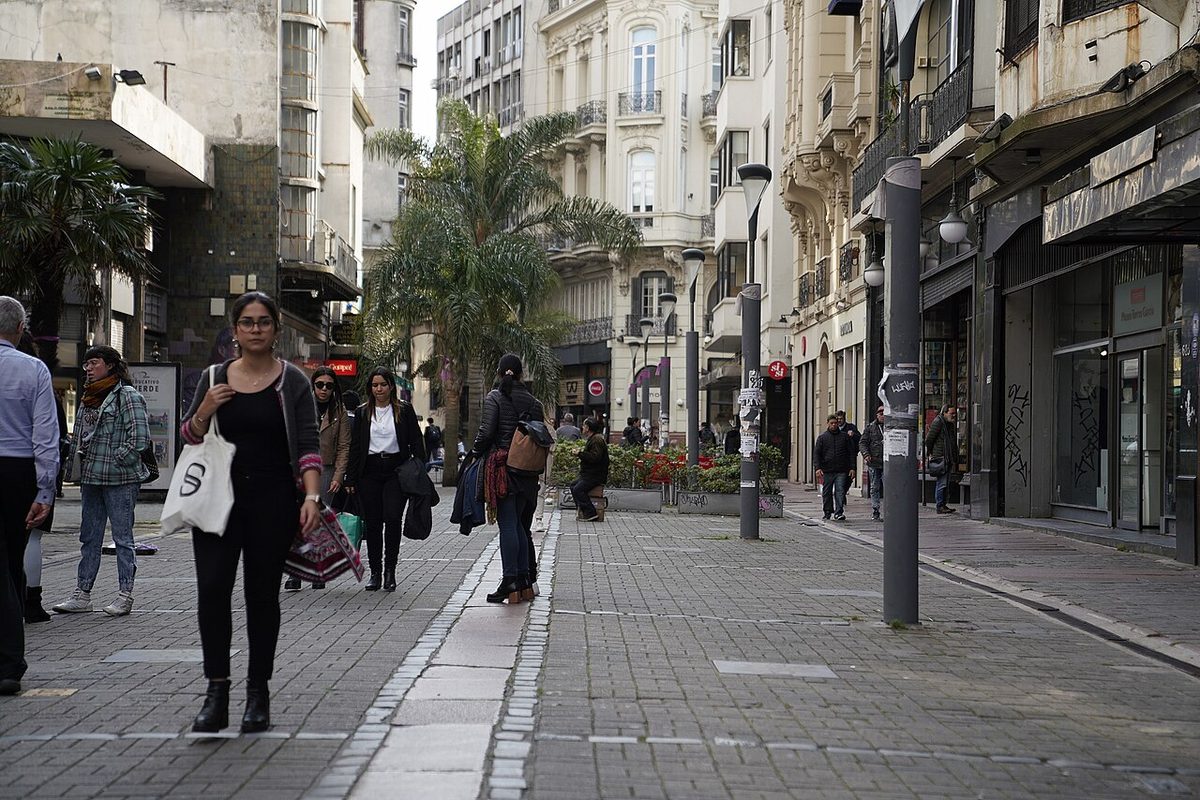
Restaurants and parrillas, the wood-fired steakhouses that anchor Uruguayan dining, are overwhelmingly smart-casual. Neat trousers and a collared shirt or a simple dress will get you into almost anywhere, including the upscale places in Carrasco or Punta del Este. The exception worth knowing: a handful of Punta del Este venues in peak summer trend dressier and more “see and be seen,” so if you have one nicer outfit, that is where it earns its space in the bag. The drawback of overpacking smart clothes is that you will wear them less than you think; one good outfit covers the vast majority of trips.
For wandering the city and the rambla itself, comfort wins. You will walk a lot on uneven pavement and old cobbles, so the shoes you choose matter more than any other single item. More on the rambla wind in a moment, because it deserves its own warning.
The rambla wind factor (the layer everyone forgets)
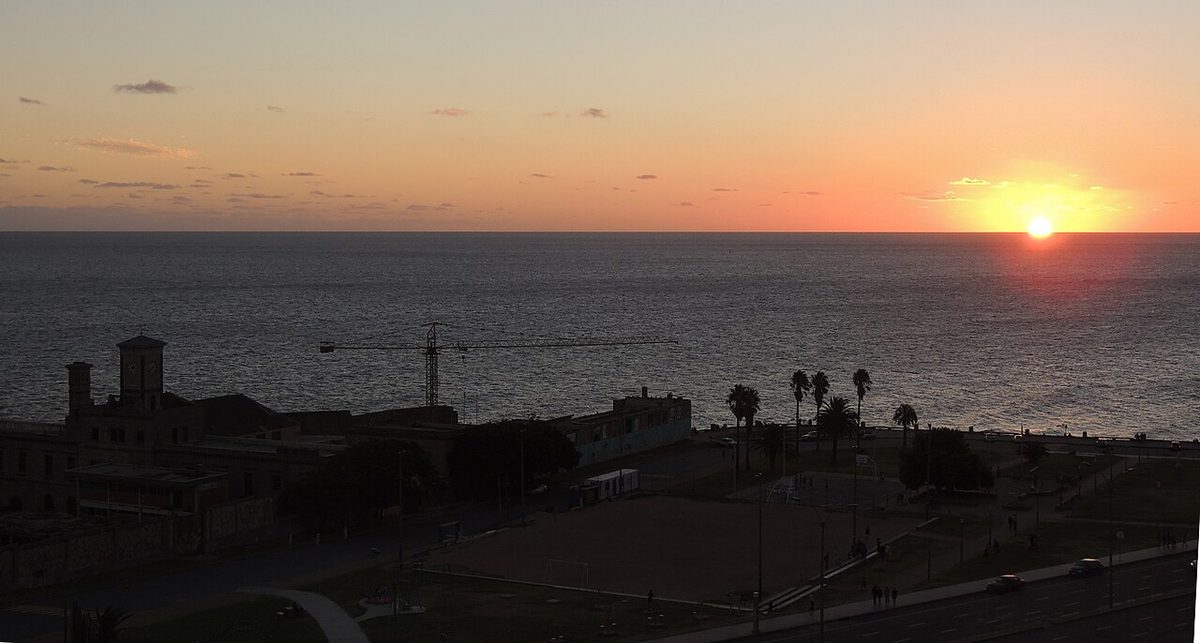
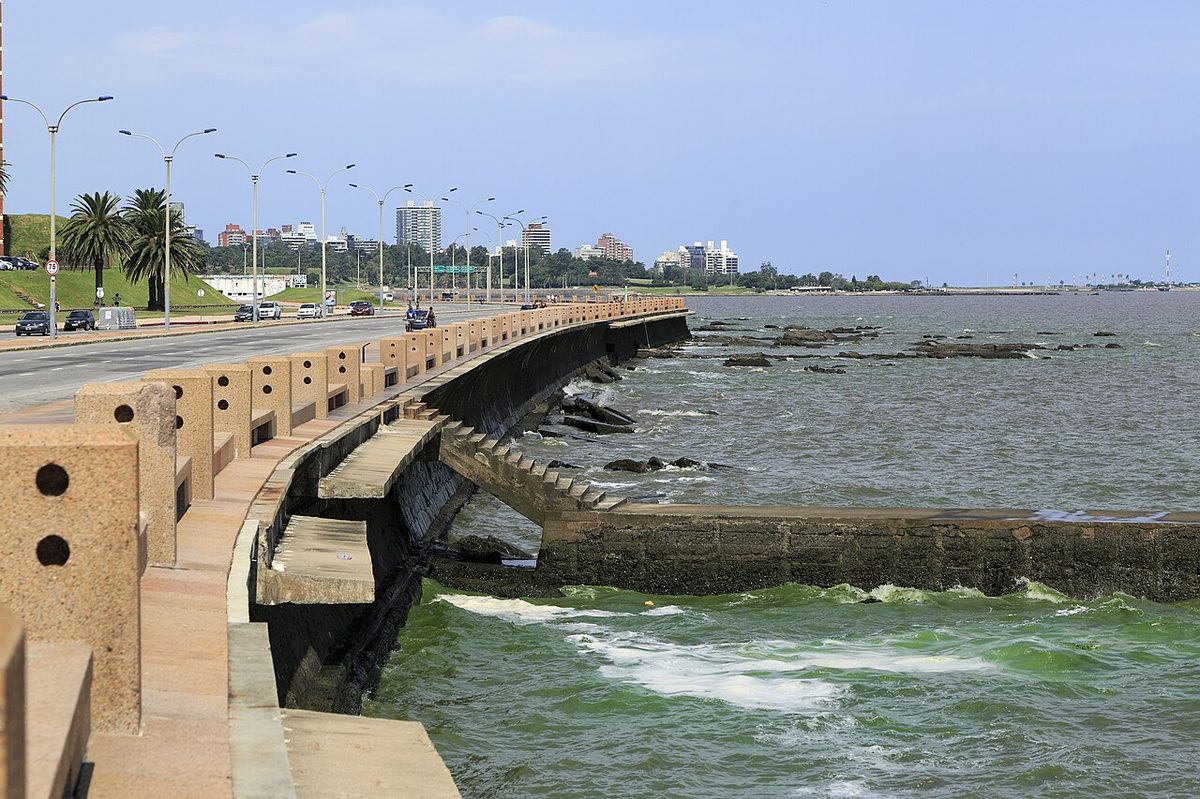
The rambla is Montevideo’s roughly 22 km waterfront promenade, and it is the city’s living room: people walk it, run it, drink mate on it (mate is the bitter herbal tea Uruguayans carry everywhere in a gourd with a metal straw). It is also a wind tunnel. The Rio de la Plata is so wide here it behaves like an open sea, and there is nothing between the water and you.
On a sunny, still day inland, you might be in a t-shirt. Walk down to the rambla and a 20 to 30 km/h breeze can drop the felt temperature several degrees in a single block. This is true in every season, including summer evenings.
The fix is one packable windproof layer that lives in your day bag, regardless of the month. A light shell in summer, a windproof coat in winter. If you take one thing from this guide that the other packing lists underplay, it is this: in Uruguay you are not really packing for cold, you are packing for wind. Our deeper walk along the Montevideo rambla covers the route itself, but the windproof-layer advice holds everywhere on the coast, from Colonia to Punta del Diablo.
Electronics, plugs and voltage: bring an adapter
Uruguay runs on 220 volts at 50 Hz. That is the same as most of Europe and double North America’s 120V, so this matters.
Power outlets accept a mix of plug types: type C and type F (the round two-pin European styles) and type L (the Italian three-pin). In practice a single European-style two-round-pin plug fits most sockets you will meet, but a universal adapter that covers C, F and L is the safe call because older buildings and newer ones are not consistent. Buy the adapter before you fly; airport prices are a tax on the unprepared.
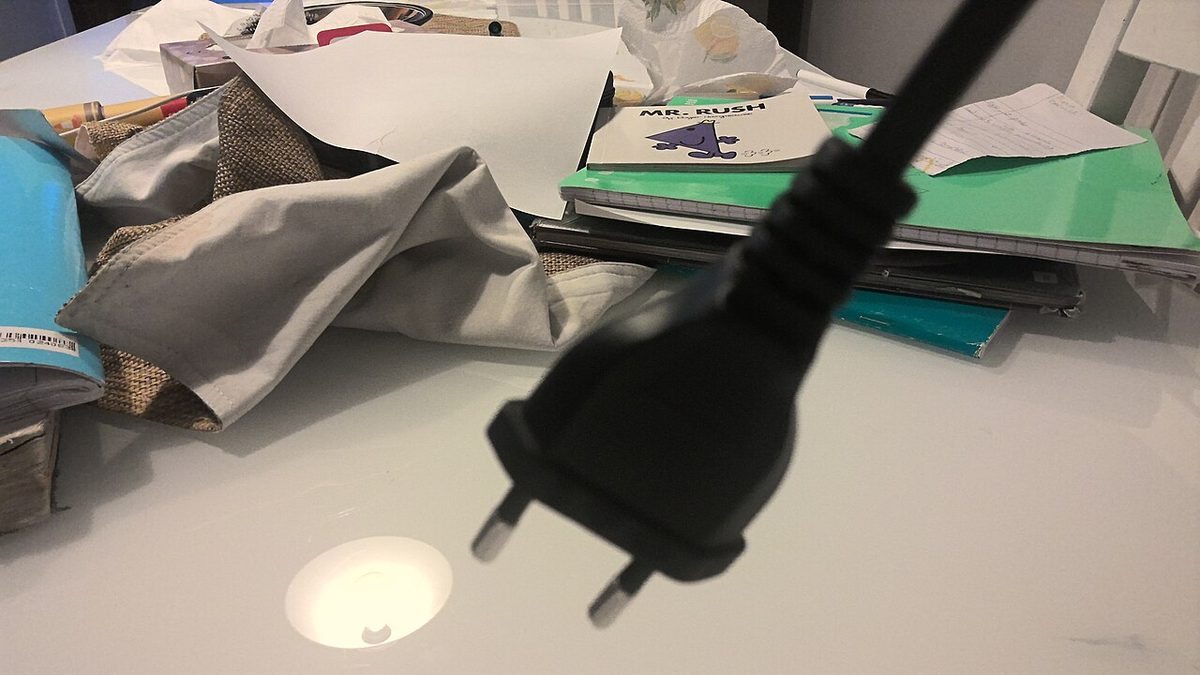
Voltage is the part people get wrong. Phone chargers, laptop bricks and most camera chargers are dual-voltage (check the small print: “100 to 240V” means you are fine, you only need the plug adapter). But a single-voltage 120V appliance, think a cheap North American hairdryer or some hair tools, will buzz, overheat or die on Uruguayan power even with an adapter. The simplest fix is to leave those at home. Nearly every hotel provides a hairdryer anyway, and it will be wired for the local voltage. If you must bring a hair tool, bring a genuine dual-voltage travel model.
A few more electronics notes. Pack a power bank for long beach days and estancia visits where outlets are scarce. Bring a spare charging cable or two, because they vanish. And if you are setting up a local SIM or eSIM for data, our Uruguay SIM card and eSIM guide walks through the options; an eSIM in particular means one less physical thing to pack and configure on arrival.
Beach packing: summer coast versus everywhere else
If your trip leans toward the coast in summer, the beach kit is straightforward but a couple of items punch above their weight. Pack swimwear, a sarong or light cover-up (locals call it a pareo, and it doubles as a towel, a wrap and an airplane blanket), reef-safe sunscreen, sunglasses and flip-flops. A wide-brim hat earns its space against that strong UV.
Skip the bulky beach towel. Most accommodation provides them, they swallow suitcase space, and a thin pareo dries faster on hot sand anyway. The one drawback is that some budget guesthouses do not supply beach towels, only bathroom ones, so check your booking; if in doubt, a cheap towel bought locally costs little.
For where these beaches actually are and which suits you, see our coast-by-coast guide to the best beaches in Uruguay. One honest note on the water: outside roughly December to March, the Atlantic and the river are cold. Spring and autumn beach days are for walking and looking, not swimming, so do not over-pack swimwear for a shoulder-season trip.
Health, sun and the small stuff
Uruguay is an easy country health-wise, with no required vaccinations for most travellers and good pharmacies in every town. The packing implications are modest but worth getting right.
Tap water is safe to drink nationwide, which is genuinely useful: bring a refillable bottle and skip buying plastic. The flip side is that the water is soft and a little chlorinated in cities, so if you are particular about taste, a bottle with a basic filter helps, though it is not a health necessity.
Pack any prescription medication in its original packaging with enough to cover the whole trip plus a buffer, because matching a foreign prescription at a local farmacia is a hassle you do not want on holiday. If you do end up at the counter, a few words of Spanish help; our guide to language in Uruguay has the phrases worth learning. Throw in the usual small kit: painkillers, blister plasters for all that cobblestone walking, antacid for the inevitable giant chivito (the loaded steak sandwich that is practically a national dish), and any motion-sickness remedy if you are prone, as the Buquebus ferry across the river and the hillier bus routes can roll. Mosquitoes appear in summer near water, so a small insect repellent is worth tucking in, though it is rarely a serious problem.
Carry-on strategy and what to buy there
Uruguay is a country you can comfortably do out of a carry-on plus a small day bag, and I would push most travellers to try. You move between cities, beaches and ranches on buses, ferries and rental cars, and a smaller bag is easier on cobbled streets, tiny hotel lifts and the boot of a compact rental. A 24 to 26 inch case works if you prefer checked luggage and want room for wine and leather on the way home.
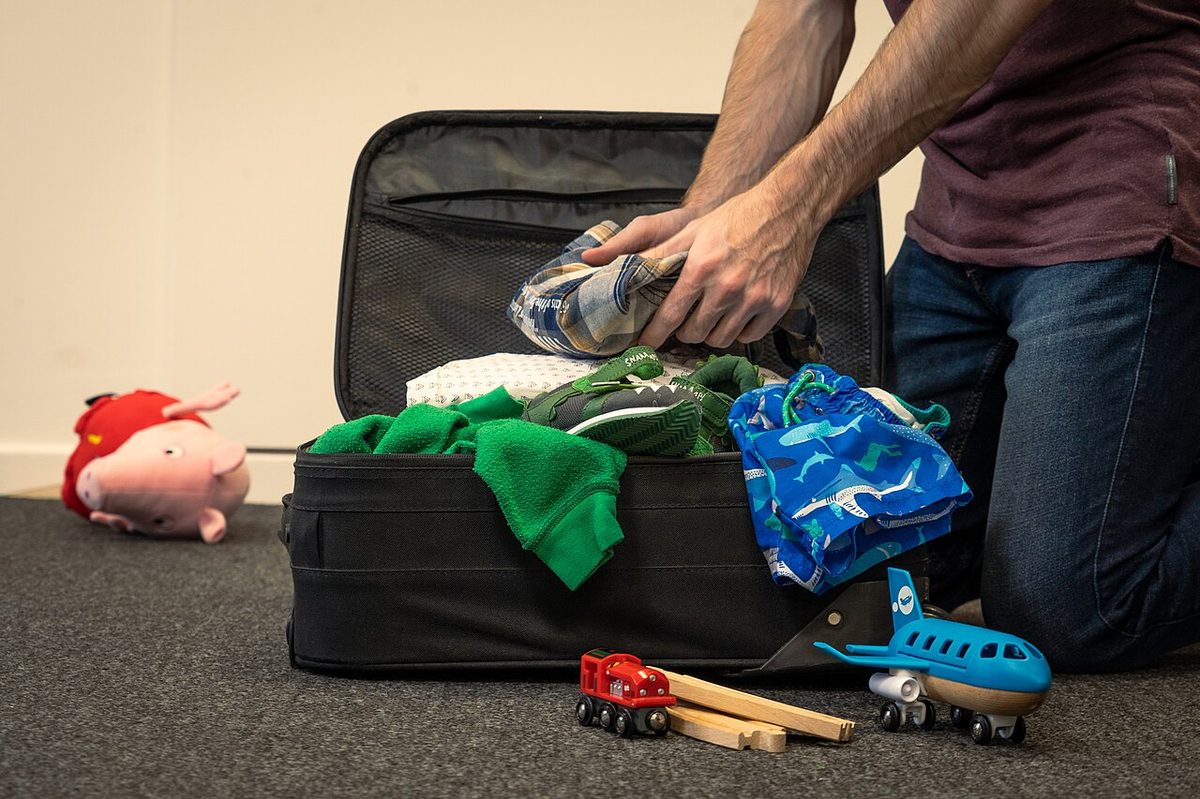
Here is what to genuinely leave at home. Formal eveningwear, unless a specific event demands it; Uruguay’s smart-casual default does not. A hairdryer, for the voltage and provision reasons above. More than two pairs of shoes, because they are the heaviest, bulkiest thing you will pack and you will live in one comfortable pair. Bulky beach towels. And the “just in case” pile that every overpacker knows: you can buy almost anything you forget.
On that note, a few things are better bought in Uruguay than hauled from home. A local SIM or eSIM, sorted on arrival. Yerba mate and a gourd, if you want the full ritual, sold at any supermarket and at markets like Tristan Narvaja. Uruguayan leather and wool, genuinely good and a fair souvenir, from belts to a winter sweater. Alpargatas, the rope-soled canvas shoes, cost little and suit the beach towns. The one thing not always cheaper locally is sunscreen, so bring your main supply.
If you are still deciding when to go, weigh it against your packing tolerance: a summer trip needs less warm gear but demands serious sun protection, while a winter trip is bulkier but lighter on crowds. Our month-by-month guide to the best time to visit Uruguay lays out the trade-offs, and the broader Uruguay travel tips guide covers the practical things, money, safety, getting around, that sit alongside what you pack. For first-timers nervous about cost, our take on whether Uruguay is expensive is worth a look before you decide how much to buy on arrival versus bring.
One last planning thought. Pack a flexible mindset more than extra clothes. Uruguay’s weather changes its mind hourly, and the traveller who packs three smart layers and a windproof shell handles it better than the one who packs ten outfits for ten imagined scenarios.
Uruguay packing list: your questions answered
What should I pack for Uruguay in summer?
For a December to February trip, pack swimwear, light cotton or linen clothing, shorts, sundresses, sandals and a sunhat. The non-negotiables are high-SPF sunscreen and sunglasses, because summer UV is intense. Add one light sweater or long-sleeve layer for cooler, windy coastal evenings, and a packable wind shell for the rambla. Skip heavy coats and thermals entirely.
What should I wear in Montevideo?
Dress smart-casual in dark, neutral colours: dark jeans or chinos, a neat sweater or shirt, and clean leather shoes or trainers. Montevideo locals dress with understated care and avoid bright resort-wear in the city. One slightly nicer outfit covers most dinners and parrillas. Bring a windproof layer year round for the waterfront, and comfortable shoes for cobblestones.
What plug adapter and voltage does Uruguay use?
Uruguay uses 220 volts at 50 Hz, with plug types C, F and L. A European-style two-round-pin plug fits most sockets, but a universal adapter covering C, F and L is safest. Check that your devices are dual-voltage (marked 100 to 240V); single-voltage 120V appliances like some hairdryers can fail even with an adapter, so leave those at home.
What should I NOT pack for Uruguay?
Leave formal eveningwear, a single-voltage hairdryer, bulky beach towels and more than two pairs of shoes at home. Skip the “just in case” overpacking; Uruguay’s smart-casual culture is forgiving and you can buy almost anything you forget. For shoulder-season and winter trips, do not pack much swimwear, since the sea is cold outside the December to March window.
Is tap water safe to drink in Uruguay?
Yes. Tap water is safe to drink across Uruguay, so pack a refillable bottle and skip buying plastic ones. City water can taste mildly chlorinated and the water is soft, so if you are sensitive to taste a bottle with a basic filter helps, though it is not a health necessity. This applies in Montevideo, the coast and most towns.
How cold does Uruguay get in winter?
Winter (June to August) is cool and damp rather than freezing, with daytime highs around 12 to 15 C and nights near 6 C. Snow is essentially unheard of. The catch is the wind and humidity off the river, which make it feel colder, so pack a windproof warm coat, a thermal base layer, sweaters and a scarf. See our weather guide for the full detail.
Final thoughts
The whole secret to packing for Uruguay fits in two sentences. Remember the seasons run backwards, lean cooler and windier than the latitude suggests, and always carry one extra layer. Then pack light, in dark colours, with a 220V adapter and good sunscreen, and let the country sort out the rest.

Uruguay rewards travellers who pack like locals: understated, layered, ready for the wind. Do that, and you will spend your trip looking at the river and the gauchos instead of shivering on the rambla wishing you had read this first, which is exactly what I did the first time.
Credits & sources
Sources & further reading
- US CDC Traveler’s Health: Uruguay packing list and health notes
- IEC World Plugs: voltage and plug-type reference by country
- Gobierno del Uruguay: official government information portal
Photo credits
All images via Wikimedia Commons: Montevideo Rambla Windy Day by Falk2 (CC BY-SA 3.0 de); Montevideo Locals Dressed City by a Wikimedia Commons contributor (CC BY-SA 4.0); European Style Plug Socket by Thisusernameisnolongeravailabletousehaha (CC0); Packing Suitcase Carry On by Familydestinationsguide.com Images (CC BY 2.0); Uruguay Coast Winter Windy by Roxyuru (CC BY-SA 4.0).