Is Uruguay Expensive? Real Trip Costs & Daily Budgets (2026)

The bill landed at a Montevideo parrilla — a grill restaurant — and I did a small double-take. I’d ordered like a hungry tourist: a shared asado (the slow, wood-fired grilled-meat feast), a salad, two glasses of Tannat wine, coffees. The total ran around 55 US dollars for two. Not outrageous. Not the 25-dollar blowout I’d had the week before in Buenos Aires either.
That gap is the whole story of money here. Step off the ferry from Argentina and the prices reset upward, quietly but unmistakably.
So is Uruguay expensive? It’s the question I get asked more than any other, by friends planning their first South American loop, and it deserves a straight answer rather than a shrug.
Is Uruguay expensive? For South America, yes — it’s routinely the priciest country on the continent for day-to-day travel, often 30 to 50 percent above Argentina or Peru. Measured against the US, Canada, or Western Europe, it’s more of a wash: restaurants and groceries can sting, while transport, beaches, and small museums feel like a bargain. Plan around 50 to 95 US dollars a day.
That headline number hides a lot, though, and the hiding is where trips go over budget. Below I break down what things actually cost in mid-2026, three honest daily budgets you can hold yourself to, why this small country runs pricey for its neighborhood, and the handful of tactics that have saved me real money. Prices move — treat every figure here as “around,” a planning anchor rather than a quote.
What this guide covers (and what it doesn’t)
I’m writing this for the traveler, not the would-be expat. If you’re researching mutualista health plans and the cost of buying an apartment in Pocitos, that’s a different rabbit hole. This page is about the price of a trip: a week or two of beaches, grill dinners, bus rides, and museum afternoons. Visa costs won’t feature either: many nationalities get 90 days visa-free, as our Uruguay visa requirements guide explains.
You’ll get a sample-price cheat sheet, three daily budgets by travel style, a clear-eyed look at why Uruguay costs what it costs, how the seasons swing prices (January on the coast is its own beast), and the money-saving moves I actually use. There’s a brief comparison with Argentina and Brazil, and a quick FAQ at the end.
One thing I’ll keep light on purpose: the currency mechanics and the tourist tax discounts. Non-resident visitors can claw back a chunk of Uruguay’s 22 percent VAT on hotels and some restaurant bills, and that’s worth knowing — but the details deserve their own page, and our guide to money in Uruguay has them. For now, just file it under “the bill can be lower than the menu suggests if you pay by foreign card.”
Uruguay prices at a glance: a sample-receipt cheat sheet
Here’s the rough shape of things, in US dollars, at a mid-2026 exchange rate of roughly 40 pesos to the dollar. I’ve watched these numbers for years; they drift with the peso and spike in summer, so read them as ballparks.
| Item | Typical price (USD, approx.) |
|---|---|
| Espresso or cortado at a café | around $3–4 |
| Chivito al pan (the loaded steak sandwich) | around $12, but $6 at a stand or $25+ in a beach restaurant |
| Asado / parrillada dinner for two, with wine | around $45–70 |
| Lunchtime menú del día (set menu) | around $10–16 |
| Hostel dorm bed (low season) | around $12–20 |
| Mid-range hotel double (low season) | around $80–150 |
| Montevideo city bus, single ride | around $1.20–1.50 |
| Intercity bus, Montevideo to Punta del Este | around $9–13 |
| City taxi or Uber, short hop in Montevideo | around $4–8 |
| Museum entry (many are free) | around $0–6 |
| Pint of local beer in a bar | around $3–4 |
| Liter of bottled water in a shop | around $1–1.50 (tap water is safe — skip it) |
Notice the pattern already. The cheap stuff — buses, museums, a coffee, a beach — is genuinely cheap. The thing that drains a budget is sit-down restaurant meals and, above all, a bed in high season. Hold those two lines and Uruguay behaves itself.
Uruguay daily budget: three tiers you can actually hold
Aggregator sites love to quote a single uruguay trip cost — an “average” of about 77 dollars a day. That number is useless to plan with, because it averages a backpacker eating empanadas with a couple ordering a second bottle of Tannat. Real travel happens in tiers. Here’s how I’d frame a realistic uruguay daily budget per person, in low-to-shoulder season, sharing a room where it matters.

Shoestring: around $40–55 a day
This is hostel dorms, cooking a meal or two, riding buses, and treating restaurant dinners as an occasional event rather than a daily habit. A dorm bed at $15, a supermarket breakfast and lunch, one cheap parrilla dinner split with someone, a couple of bus rides, a free beach afternoon. It’s very doable, and Uruguay’s hostels tend to be clean and sociable.
The honest drawback: shoestring Uruguay leans heavily on self-catering, and you’ll watch other travelers ordering chivitos while you assemble a sandwich. The food is half the reason to come, so pure penny-pinching costs you something real.
Mid-range: around $90–120 a day
Here you sleep in a decent private room or a three-star hotel, eat out most days, take the odd taxi, and pay for a wine tour or a museum without flinching. This is where most independent travelers land, and where Uruguay feels comfortable rather than indulgent. A private room or modest hotel around $90, a café breakfast, a menú del día lunch, a proper dinner, transport, one paid activity.
The drawback at this tier is that beach-town prices in season can blow straight through it. A “mid-range” night in Punta del Este in January is a comfortable-tier night anywhere else.
Comfortable: around $160–220+ a day
Upscale or boutique hotels, restaurants chosen for the food rather than the price, private transfers or a rental car, wine country by day and a tasting menu by night. Uruguay does this beautifully — the estancias and the José Ignacio dining scene are genuinely world-class. The ceiling is high; Punta del Este in peak summer can absorb as much money as you’ll give it.
The catch is value for money. At this level you’re often paying European prices for a South American product, and a few of the “luxury” beach hotels coast on location rather than service. Choose carefully and it’s worth it; book on autopilot and you’ll overpay.
For a sense of how these daily numbers add up across a real route, our Uruguay itinerary guide maps out trips from a long weekend to two weeks, and you can layer these budgets on top of it.
Why is Uruguay expensive for the region?
If the country is this small and this calm, why does it cost more than its loud, enormous neighbors? A few reasons stack up, and understanding them helps you stop being surprised by the bill.
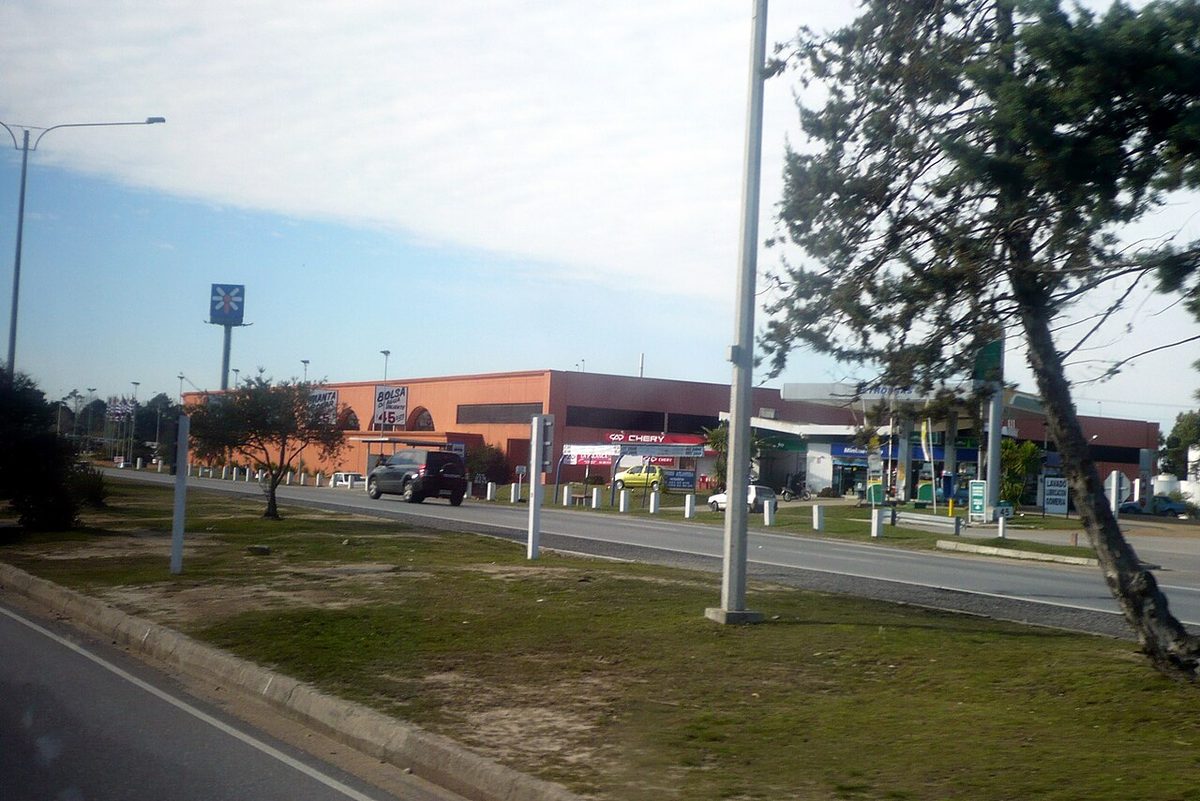
Taxes are high and built into everything. Uruguay’s VAT (called IVA locally) is 22 percent, among the highest in the Americas, and it’s baked into the sticker price you see. That alone lifts restaurant and shop prices well above what the underlying goods would cost. Fuel is heavily taxed too, which feeds into the price of, well, everything that moves on a truck.
The peso is relatively strong and stable. Uruguay has spent decades building a reputation as the steady, low-drama economy of the region. Stability is wonderful to travel in — prices are posted and honored, there’s no parallel exchange rate to decode, scams are rare. But it also means you don’t get the currency-collapse bargains that make Argentina feel nearly free for visitors holding dollars. You pay close to the real price, all the time.
It’s a small market that imports a lot. Three and a half million people is a tiny domestic economy. Many consumer goods, especially packaged and processed foods, are imported and priced accordingly. There just isn’t the scale to drive prices down the way a country of forty million can.
Wages and standards are higher. Universal healthcare, real labor protections, a sizeable middle class — the things that make Uruguay pleasant and safe also put a floor under prices. You’re traveling in a country where the person serving you is paid a living wage, and that shows up on the receipt.
Add it together and you get a place that’s expensive for South America but, crucially, not expensive in a chaotic or unpredictable way. The cost is the price of order. Many travelers decide that’s a fair trade; you can read the fuller picture in our Uruguay travel tips guide, which covers the practical groundwork before you go.
Seasonal price swings: January on the coast is a different country
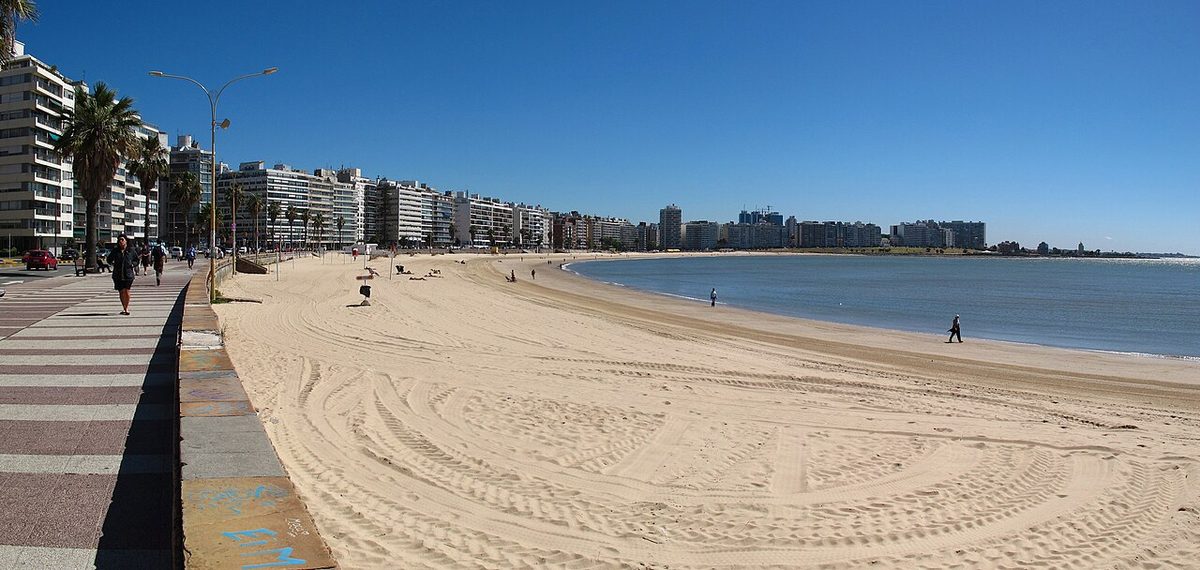
This is the single biggest variable, and the one most first-timers underestimate. Uruguay’s seasons are flipped from the Northern Hemisphere, so summer runs roughly December to February. That’s when the entire region — Argentines, Brazilians, and Uruguayans alike — pours onto the coast.
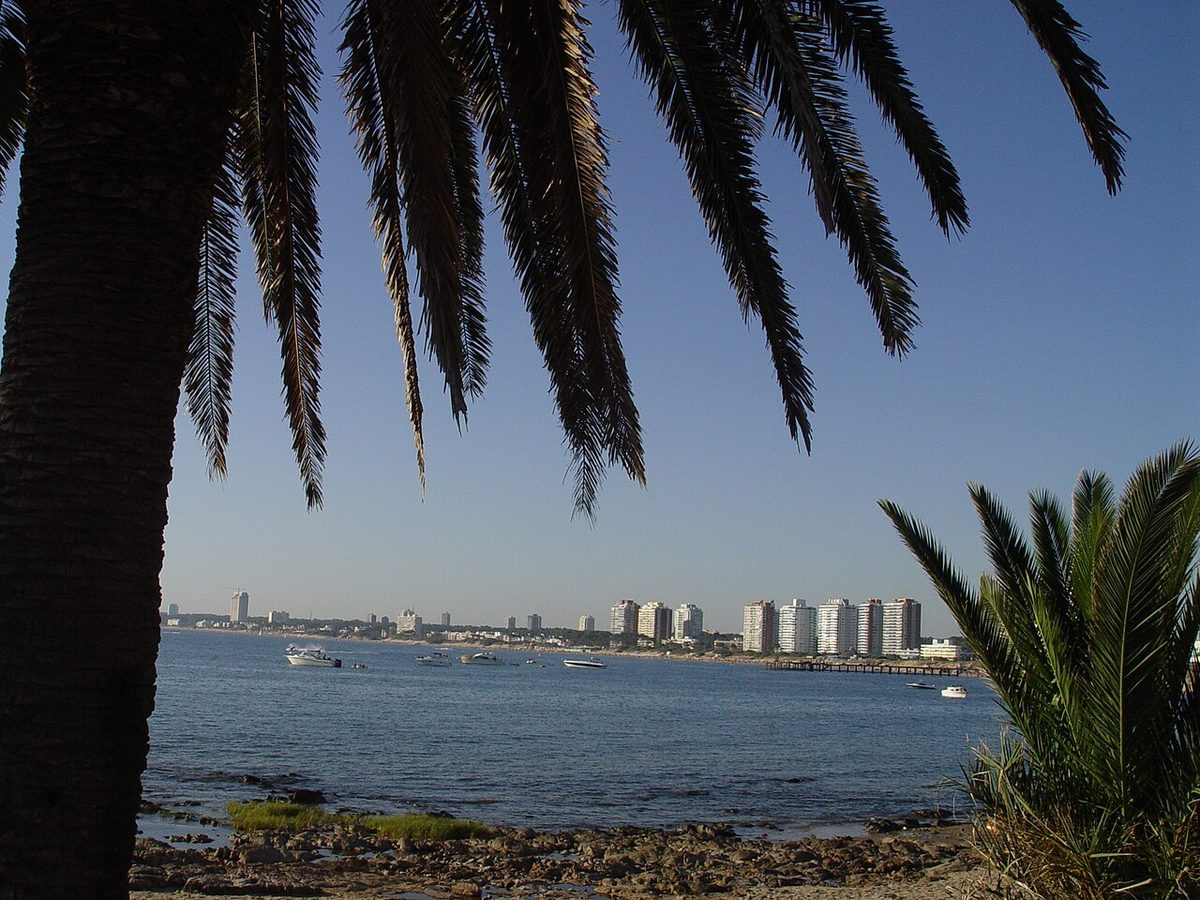
From late December through February, beach-town accommodation commonly jumps 30 to 50 percent, and the glossiest places simply double. Punta del Este in January is the headline act: a family house or apartment that rents for a sane price in spring can run 250 to 400 dollars a night at peak, and the chic José Ignacio crowd pays more still. Restaurants raise prices and add waits. It is a glorious, ridiculous scene — and it is not budget travel.
Shoulder season is the sweet spot for your wallet and, honestly, for the weather too. October to early December and March to early April give you warm days, swimmable water at the tail ends, and prices that feel reasonable again. I’ve had near-empty beaches in late March that cost half what they would have six weeks earlier.
Winter, June through August, is cheapest of all. The catch is real, though: it’s cool, damp, and the beach towns largely shut down, so you’re trading price for atmosphere. Montevideo and the wine country still work beautifully in winter. The coast mostly sleeps. For a month-by-month read on this trade-off, see the best time to visit Uruguay guide, and for the summer high-season specifically, our Uruguay in summer guide goes deeper on what you’re paying for.
The takeaway: your two biggest budget levers are when you go and where you base yourself. Get those two right and the rest is manageable. Get them wrong — Punta del Este, peak January, booked late — and no amount of skipping coffees will save you.
Eating out: expensive like a tourist, fair like a local
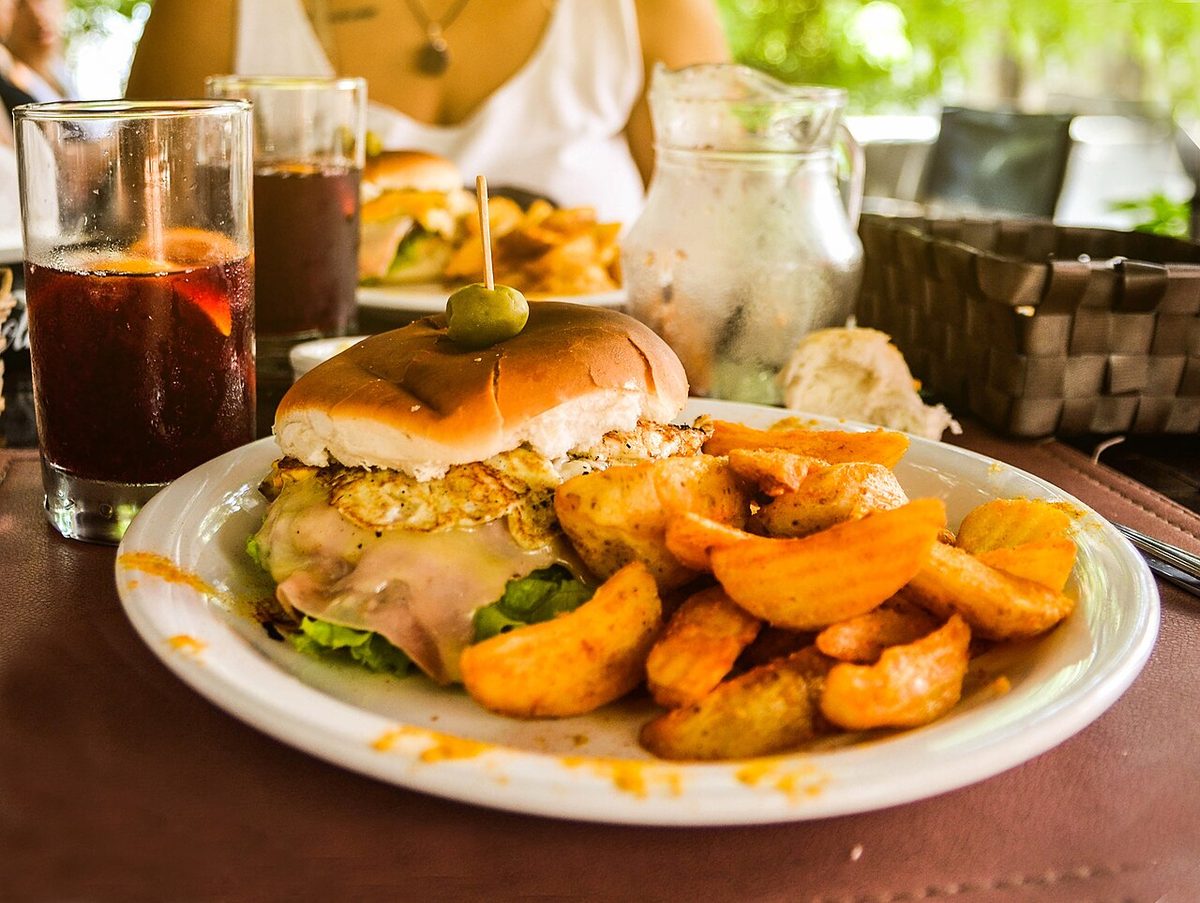
Food is where most visitors feel the prices, partly because the portions tempt you into ordering badly. Uruguayan grill portions are enormous. A restaurant chivito — a towering steak sandwich loaded with ham, cheese, egg, and the works — can feed two people who aren’t ravenous. A parrillada for two is often a parrillada for three.
Order like a local and the bill drops fast. Split mains, add a shared salad, drink the house Tannat rather than a labeled bottle. The single best-value meal in the country is the menú del día, the fixed lunch special most places run on weekdays — a main, sometimes a starter or dessert, often a drink, for around 10 to 16 dollars. I build travel days around lunch being the big meal for exactly this reason.
A few specifics worth internalizing. A café cortado runs around 3 to 4 dollars. A casual sit-down lunch, 10 to 20. A proper dinner for one, 20 to 40 before drinks. The chivito swings wildly: street and neighborhood versions can be 6 to 12 dollars, while a tourist-strip version in a beach town pushes 25 to 35. You’re paying for the location as much as the food. To know what’s actually worth ordering, our Uruguayan food guide walks through the dishes; in the capital, where locals actually eat in Montevideo will keep you off the overpriced strips.
One honest warning: processed and convenience foods are oddly expensive here. If your budget plan is “I’ll live on snacks and cereal bars,” you may spend more than you would buying fruit at a feria (a street market) and cooking simple meals. The cheap-snack instinct backfires in Uruguay.
How to cut your cost of travel in Uruguay
None of these are about suffering. They’re about not paying the tourist surcharge on things where it’s optional. Here’s what reliably trims my cost of travel in Uruguay without dimming the trip.
- Pick your season over everything. Shoulder season (October–early December, March–early April) can cut accommodation by a third or more versus peak summer, for arguably nicer travel.
- Base in Montevideo or Colonia, day-trip to the coast. A value base plus day trips usually beats sleeping in Punta del Este at high-season rates. Our where to stay in Uruguay guide breaks down the trade-offs by area.
- Make lunch the big meal. The menú del día is the most consistent value in the country. Eat well at midday, keep dinner light.
- Share the grill. Portions are huge. Splitting a parrillada or a chivito is normal, not stingy, and it halves the priciest line on most menus.
- Drink the tap water. It’s safe nationwide. Ask for agua de la canilla and skip the daily bottled-water tax on your budget.
- Take the bus, not the car. Intercity buses are comfortable, safe, and cheap; a rental only pays off for rural Rocha or wine-country detours. See getting around Uruguay by bus for the network and how it works.
- Pay with a foreign card where it counts. Non-residents get an automatic VAT break on hotels and eligible restaurant bills when paying by foreign card — effectively a discount for simply existing as a tourist. (The mechanics are in our money guide, linked above.)
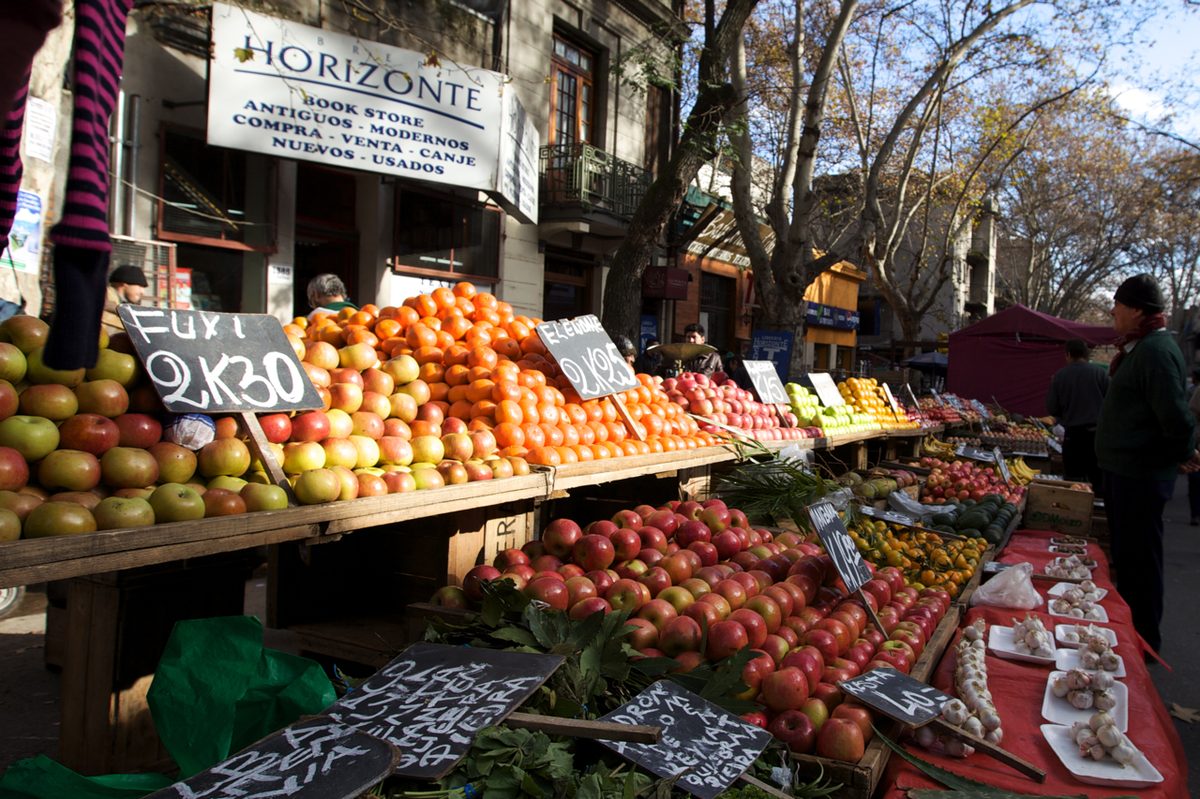
- Shop the feria for fruit and snacks. Street markets beat supermarkets on produce, and they’re a nice morning in their own right.
Do four or five of these and a mid-range trip quietly slides toward the bottom of its budget band. None of them require eating badly or missing the good stuff.
Uruguay vs Argentina and Brazil: the comparison that matters
Most people asking whether Uruguay is expensive are really asking “compared to what?” Within South America, the answer is consistent: Uruguay is the pricey one. It typically runs more expensive than Argentina, Peru, Bolivia, and Paraguay, and lands roughly on par with Brazil and Chile for travelers.
Argentina is the comparison that stings most, because it’s right across the river and because its prices swing with the exchange rate. For dollar-holding visitors, Argentina has often felt remarkably cheap in recent years, while Uruguay holds steady near its real cost. Cross from Buenos Aires to Colonia expecting the same prices and you’ll feel the jump within an hour. This exact trade-off — cheaper-but-chaotic versus pricier-but-orderly — is worth thinking through before you split your time, and our Uruguay vs Argentina comparison digs into which country suits which traveler.
There’s an arbitrage move here that a lot of travelers use: base in Buenos Aires, where your money stretches further, and visit Uruguay on a Colonia day trip or a short Montevideo run. You get the Uruguayan flavor without committing to a week of Uruguayan prices. It’s not the same as really traveling the country — but as a budget tactic, it works.
Brazil is closer to a wash. Some things are cheaper there, some pricier, and the comparison depends heavily on where in Brazil you mean. Against Uruguay, neither country is the clear bargain across the board.
Globally, here’s the reframe that helps most visitors from the US or Western Europe: Uruguay is not expensive by your standards, it’s expensive by South American ones. Restaurants feel familiar in price, hotels are often cheaper than home outside peak beach season, and transport is a steal. What you’re buying is safety and calm. Whether that’s worth it is the real question, and the is Uruguay safe guide makes the case for what that stability actually gets you.
Is Uruguay expensive: your questions answered
How much money do I need per day in Uruguay?
Plan around 40 to 55 dollars a day shoestring, 90 to 120 mid-range, and 160 or more for comfortable travel, per person in low or shoulder season. Those numbers assume you share rooms where it helps and don’t visit the coast at peak summer. January in Punta del Este can push even a modest day far past these figures.
Is Uruguay more expensive than Argentina?
Usually yes, often by a wide margin for visitors. Uruguay carries a 22 percent VAT and steadier prices, while Argentina’s costs have swung cheap for dollar-holding travelers thanks to exchange-rate effects. Cross from Buenos Aires expecting Argentine bargains and Uruguay will feel expensive immediately. The flip side is predictability: Uruguay’s prices are posted, honored, and scam-free.
Is Punta del Este expensive?
In January, very. Peak-summer prices commonly jump 30 to 50 percent and the top hotels and houses can double, with family rentals running 250 to 400 dollars a night. Outside the December-to-February window it’s far more reasonable. For the coast without the price tag, travel in shoulder season or choose smaller beach towns in Rocha.
What’s the cheapest time to visit Uruguay?
Winter, June through August, is cheapest because demand collapses — but it’s cool and the beach towns largely close. For most travelers the smarter value is shoulder season: October to early December, or March to early April, when the weather is pleasant, the water is still usable at the edges, and accommodation prices drop well below summer peaks.
Can I travel Uruguay on a backpacker budget?
Yes, around 40 to 55 dollars a day, if you stay in dorms, cook some meals, ride buses, and avoid the coast in peak summer. It’s harder here than in cheaper South American countries, and you’ll pass on some of the grill dinners that make the place special. Hostels with kitchens and a shoulder-season trip are your best friends.
Is the Uruguay VAT discount for tourists worth it?
It genuinely helps. Non-resident visitors get an automatic VAT exemption on hotel stays and a refund on eligible restaurant and rental bills, as long as you pay with a foreign credit or debit card. It can shave a meaningful slice off accommodation and dining. The detailed rules deserve their own page, which we’ll link here once it’s live.
Final thoughts
Is Uruguay expensive? For South America, plainly yes — and pretending otherwise just sets you up for sticker shock at the first parrilla. It’s the priciest country on the continent for everyday travel, and the coast in January can be brutal on a budget.
But the prices buy something. You’re traveling in a calm, safe, orderly country where the water’s drinkable, the buses run, and nobody’s running an exchange-rate hustle on you. Measured against home, rather than against its neighbors, Uruguay is fair. Pick your season, base yourself smartly, eat your big meal at lunch, and the country rewards you generously for the money. I’ve never once felt it wasn’t worth it.
Credits & sources
Sources & further reading
- Budget Your Trip — Uruguay travel cost averages
- Uruguay Ministry of Economy & Finance (tax and VAT information)
- Guru’Guay — on Uruguay’s cost of living
Photo credits
All images via Wikimedia Commons: Montevideo Parrilla Asado by TitiNicola (CC BY-SA 4.0); Uruguay Pesos Banknotes Coins by JacobinoWunsh (CC BY-SA 4.0); Uruguay Supermarket Prices by Andrés Franchi Ugart… (CC BY-SA 3.0); Punta Del Este Summer Beach by Roberto Tietzmann (CC BY 2.5); Uruguay Restaurant Bill Chivito by TitiNicola (CC BY-SA 4.0); Feria Market Stall Fruit Vegetables by Jimmy Baikovicius from Montevideo, Uruguay (CC BY-SA 2.0).

4 comments