Money in Uruguay: Pesos, Cards, ATMs & the Tourist VAT Discount (2026)
The first time I tried to pay for dinner in Montevideo with a fistful of US dollars, the waiter gave me a patient half-smile and pointed at the little card machine. “Mejor con tarjeta,” he said. Better with a card. I didn’t understand why until the bill came back and roughly a fifth of it had quietly vanished.
That was my introduction to Uruguay currency — the strange, generous, slightly confusing world of money in Uruguay. There’s a local peso almost nobody outside the country has heard of, US dollars floating around in ways that surprise people, and a tax discount for foreigners that is genuinely one of the best deals in South America once you understand it.
This guide is the one I wish I’d read on the plane. No vague “bring some cash” hand-waving. Just how the money actually works on the ground.
The uruguay currency is the Uruguayan peso (UYU), written with a $ or $U sign and divided into 100 centésimos. US dollars circulate widely for big-ticket items like hotels and real estate, but everyday spending happens in pesos. Cards are accepted almost everywhere, and paying restaurants and hotels with a foreign card triggers an automatic tax discount worth up to about 22%.
So that covers the headline. Now the details that save you money.
Who this guide is for
This is a money-mechanics page, not a budget breakdown. If you want to know what a beach week or a city break actually costs, I’ve put real numbers in a separate piece on whether Uruguay is expensive. Here I’m focused on the plumbing: pesos versus dollars, cards versus cash, ATMs, the tourist tax discount, where to change money, and how much to tip.
I’m writing for the short-term visitor — someone here for a few days to a few weeks, carrying a foreign-issued bank card and a passport from somewhere that isn’t Uruguay. That passport, it turns out, is worth real money. More on that below.
If you haven’t sorted entry paperwork yet, check the visa and entry requirements by nationality first, because the tax benefits hinge on you being a non-resident with foreign ID. And for everything else about arriving prepared, the broader Uruguay travel tips guide is the parent to this one.
Cash or card? A quick cheat sheet
Uruguay is more card-friendly than most of South America. Card terminals reach taxis, market stalls and tiny rural cafés. But cash still matters in specific spots, and — crucially — paying by foreign card is what unlocks the tax discount at restaurants and hotels. Here’s how I decide which to reach for.
| Situation | What I use | Why |
|---|---|---|
| Restaurant, café, bar meal | Foreign card | Triggers the automatic IVA (VAT) discount, up to ~22% off |
| Hotel or guesthouse stay | Foreign card | VAT is waived entirely for non-residents — pay by foreign card |
| Supermarket, pharmacy | Card or cash | No tourist discount here; whichever is easier |
| Taxi / rideshare | Card or small cash | Apps take cards; street taxis prefer cash and small notes |
| Market stall, feria, kiosk | Cash (pesos) | Small vendors may not have a terminal; round numbers help |
| Tips | Cash (pesos) | Rarely a line on the card slip; leave coins or small notes |
| Buses, parking, restrooms | Cash (pesos) | Coins and small notes for the unglamorous stuff |
The one-line version: card for anything you’d want a tax break on, cash for the small and the rural. I keep maybe 2,000 to 4,000 pesos on me and let the card do the heavy lifting.
The Uruguayan peso, and why dollars keep showing up
Let’s start with the note in your pocket. The peso comes in coins of 1, 2, 5, 10 and 50, and banknotes of 20, 50, 100, 200, 500, 1,000 and 2,000. The faces are a roll-call of national figures — the poet Juana de Ibarbourou, the painter Pedro Figari, statesman José Batlle y Ordóñez. You’ll rarely see José Artigas, the independence hero, because he’s reserved for the coins and the smallest notes.
A practical warning: the 1,000 and 2,000 notes are hard to break for small purchases. ATMs love to dispense them. I try to spend big notes at supermarkets or restaurants and hoard the 100s and 200s for taxis, tips and the corner kiosk.
Now the dollars. Uruguay has lived alongside the US dollar for decades, a habit baked in by past bouts of inflation. Prices for hotels, apartment rentals, cars and real estate are very often quoted in dollars, and you can frequently pay for those in dollars too. Restaurants and shops, though, deal in pesos. So you end up living a two-currency life: dollars for the expensive sleep, pesos for the daily eat.
Should you bring physical dollars? A modest stash is genuinely useful — clean, newish bills, nothing torn. They’re a fallback if a card fails and they’re handy for dollar-priced lodging. But don’t expect to spend them at a parrilla (a grill restaurant) or a bakery without an awkward exchange-rate conversation, and the rate a shop gives you is almost always worse than a cambio (an exchange house) or your card.
One quirk worth knowing: Argentine pesos are a different animal entirely and are barely accepted here, despite the ferries running back and forth. Don’t assume leftover Argentine cash will work in Uruguay. It usually won’t.
Reading the exchange rate without getting fleeced
As I write this in mid-2026, the dollar buys somewhere in the low-40s of pesos, but that number drifts, so check a live rate before you travel rather than trusting mine. A simple mental shortcut: divide a peso price by 40 for a rough dollar figure. A 600-peso lunch is around 15 dollars. A 2,400-peso dinner for two, about 60.
The figure that matters is the spread — the gap between the rate to buy dollars and the rate to sell them. A fair cambio shows both on a board and the gap is small. When a hotel or shop offers to take dollars “at our rate,” that rate quietly favors them. It’s not a scam, exactly. It’s just not in your interest.
Cards and ATMs: what actually works
Visa is king here, accepted just about everywhere a card is taken — by one industry estimate it’s around 70% of the market. Mastercard works fine too. American Express and Diners Club, though, are close to useless outside a handful of upscale hotels; if that’s your only card, bring a backup. Contactless tap-to-pay is normal in cities and increasingly common in small towns.
Tell your bank you’re traveling so a Montevideo charge doesn’t trip a fraud freeze. And lean toward a card with no foreign-transaction fee — over a week of meals and hotels, that 2-to-3% surcharge adds up to real money. One honest caveat on cards: when a terminal asks whether to charge you in dollars or pesos, always choose pesos. “Dynamic currency conversion” into your home currency bakes in a lousy exchange rate. Pesos, every time.
Getting cash from an ATM
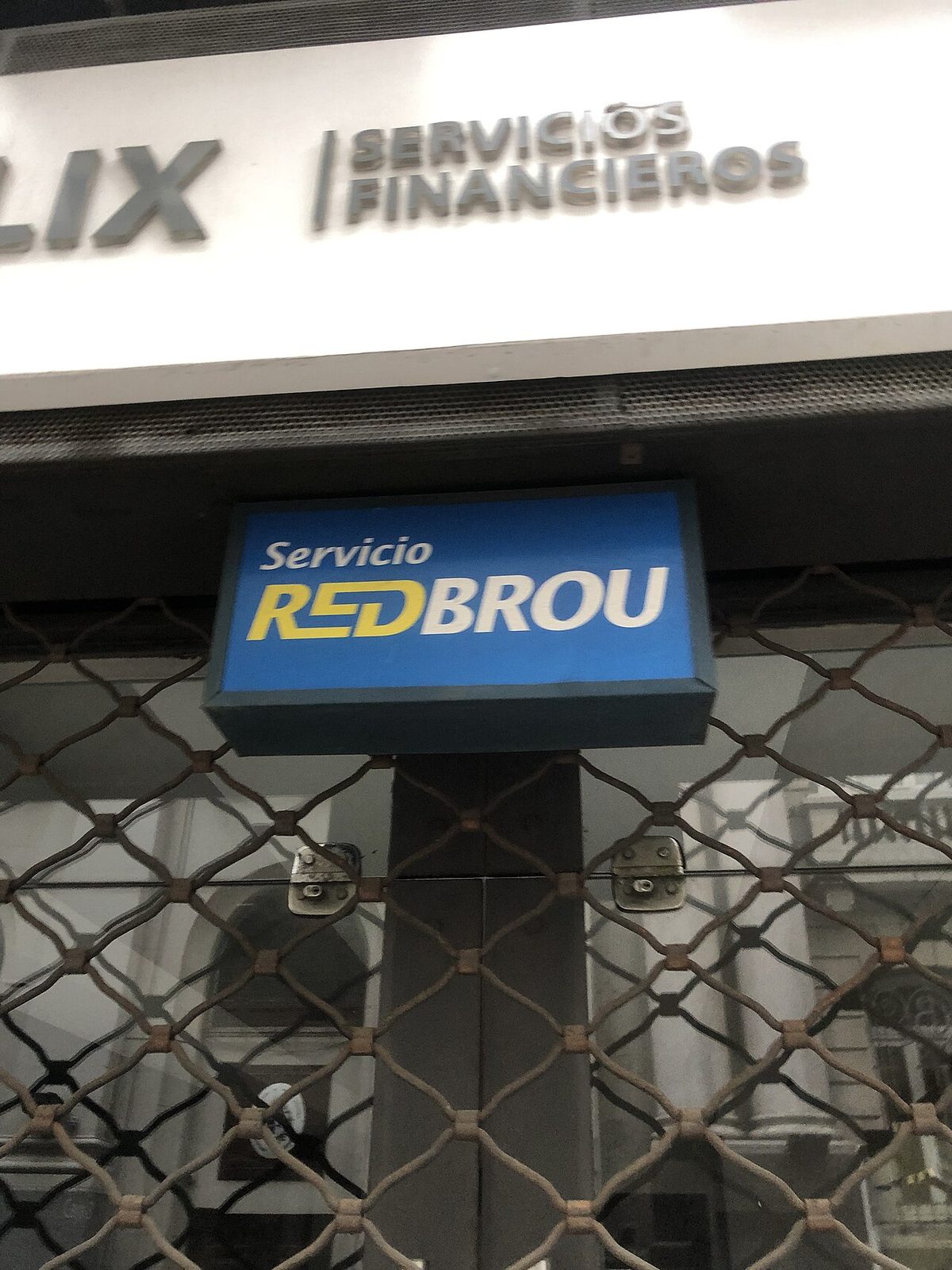
Uruguay runs two ATM networks. Banred is the network most private banks share, and its machines (look for the Banred logo, plus brands like Scotiabank, Itaú and Santander) are usually the friendlier ones for foreign cards. RedBROU belongs to the state bank, Banco República (BROU), and its machines can be pickier with overseas cards — though they’re everywhere, including small towns where they may be the only option.
A genuinely useful feature: many machines let you withdraw in US dollars or pesos. Pick the screen carefully. If you want pesos for daily spending, choose pesos.
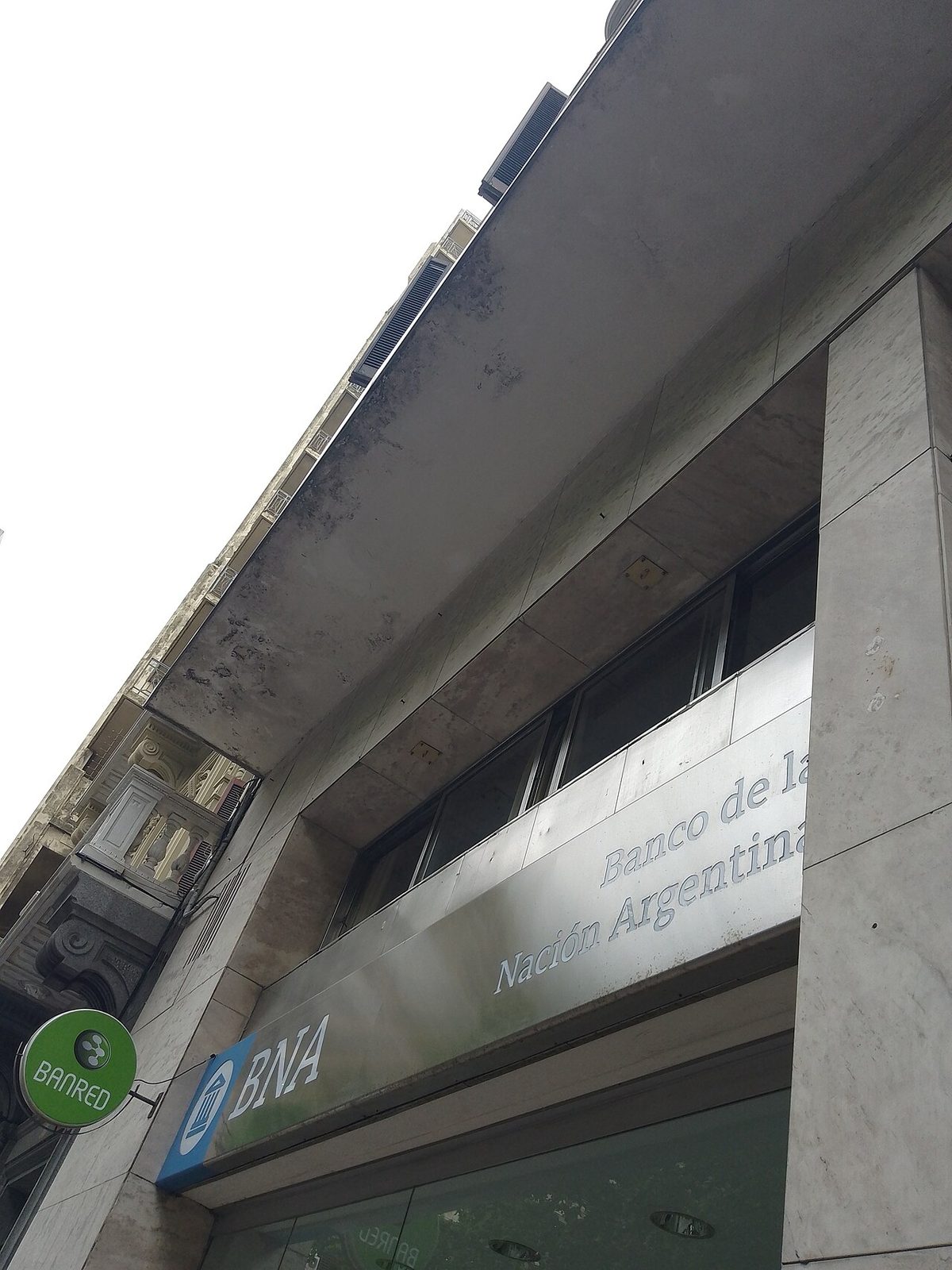
The frustrating part is the limits. Per-withdrawal caps tend to sit around the equivalent of 200 to 300 US dollars (Banred typically a bit higher than RedBROU), and the machine may stop you well before your home bank’s daily ceiling. As of mid-2026 the foreign-card fee per withdrawal commonly runs somewhere around 250 to 450 pesos — call it 6 to 12 dollars — charged flat, no matter how much you take out. Those figures shift, so treat them as a guide, not gospel.
Because the fee is flat, the math is simple: take out the maximum each time to spread the cost. Two 300-dollar withdrawals beat six 100-dollar ones. If a machine declines you, try a different network before assuming your card is the problem — RedBROU rejecting a card that Banred happily accepts is a classic Uruguay moment.
Where to find them? Carrasco airport in Montevideo has ATMs in the arrivals hall, and you’ll find them at the Tres Cruces bus terminal, the port, and on most commercial streets. I pull out a chunk of pesos on arrival and top up once or twice rather than hunting for a machine every day.
The tourist tax discount: the best thing about uruguay currency for visitors
Here’s the part that genuinely changes your trip budget. Uruguay’s standard sales tax — IVA, pronounced “EE-vah,” the Spanish for VAT — is a hefty 22%. For non-resident tourists, the government effectively hands a big chunk of that back when you pay with a foreign card. It’s automatic. There’s no form, no kiosk, no claim to file. You just pay and save.
But it works differently in three different situations, and that’s where people get confused. Let me untangle them.
Restaurants and bars: the automatic refund
When you pay for a meal at a restaurant, bar, café or similar with a foreign-issued credit or debit card, the IVA is rebated back to you. At the time of writing this benefit has been generous — under recent decrees the gastronomy tax for tourists has been pushed close to zero, so the saving can be the full ~22%. In leaner years it has been a smaller slice (a 9-percentage-point reduction was the rule for a while). The exact figure depends on the decree in force, so think of it as “a meaningful discount, often the lot” rather than a fixed number.
The mechanism trips people up. Usually the discount does not show on the printed bill — you pay the full marked price, and the rebate lands back on your card statement, sometimes within a day or two, sometimes up to a couple of business days later. So don’t panic when the receipt shows the full amount. Check your card balance afterward.
A worked example. Say dinner is 2,440 pesos including tax. The pre-tax price was 2,000 pesos, and the 440 is the 22% IVA. With the full rebate you effectively get that 440 back — roughly 11 dollars saved on a 60-dollar dinner. Do that twice a day for a week and the discount has bought you a nice meal of its own.
One real caveat: it only fires if the venue is correctly registered as a gastronomy business and runs your card as a foreign card. Most do. Occasionally a place is filed under a different category, or the rebate comes back smaller than expected, and there’s not much you can do at the table. It’s free money when it works, not a guarantee to argue over.
Hotels and lodging: no VAT at all
Accommodation works differently and even better. For non-residents showing a foreign passport or ID, hotels, hostels, apart-hotels and similar lodging are billed with zero IVA from the start. There’s nothing to refund because nothing is charged. You simply present your foreign document at check-in and the tax is stripped off the invoice.
This one runs year-round and is on firmer footing than the restaurant rebate. Pay with a foreign card to be safe, and make sure they log you as a foreign guest. The drawback is narrow: it’s lodging only, so the minibar, the spa or a fancy dinner billed to your room may not all qualify the same way.
Tax-free shopping on goods: a separate thing entirely
Don’t confuse the automatic restaurant rebate with “Tax Free” shopping on physical goods — they’re different systems. Certain shops (clothing, leather, knitwear, food, crafts) belong to a tax-free scheme, often badged with a Global Blue or similar sticker. You ask for the tax-free paperwork at the till, then claim the refund when you leave the country — at Carrasco airport, Laguna del Sauce, the Colonia and Montevideo ports, or a land border. The saving here is in the mid-teens percent on qualifying items.
Honestly? For most short visits the goods refund is more hassle than it’s worth unless you’re making a serious leather or wool purchase. The automatic restaurant-and-hotel benefit is the one that quietly pays for itself with zero effort.
A blanket caveat on all of this: these perks live on government decrees that get renewed periodically and have lapsed before, including during the pandemic. The framework has been steady and repeatedly extended through 2026, but confirm the current status with the Ministry of Tourism (linked at the end) before you count on a specific percentage.
Exchanging money in Uruguay (and when not to bother)
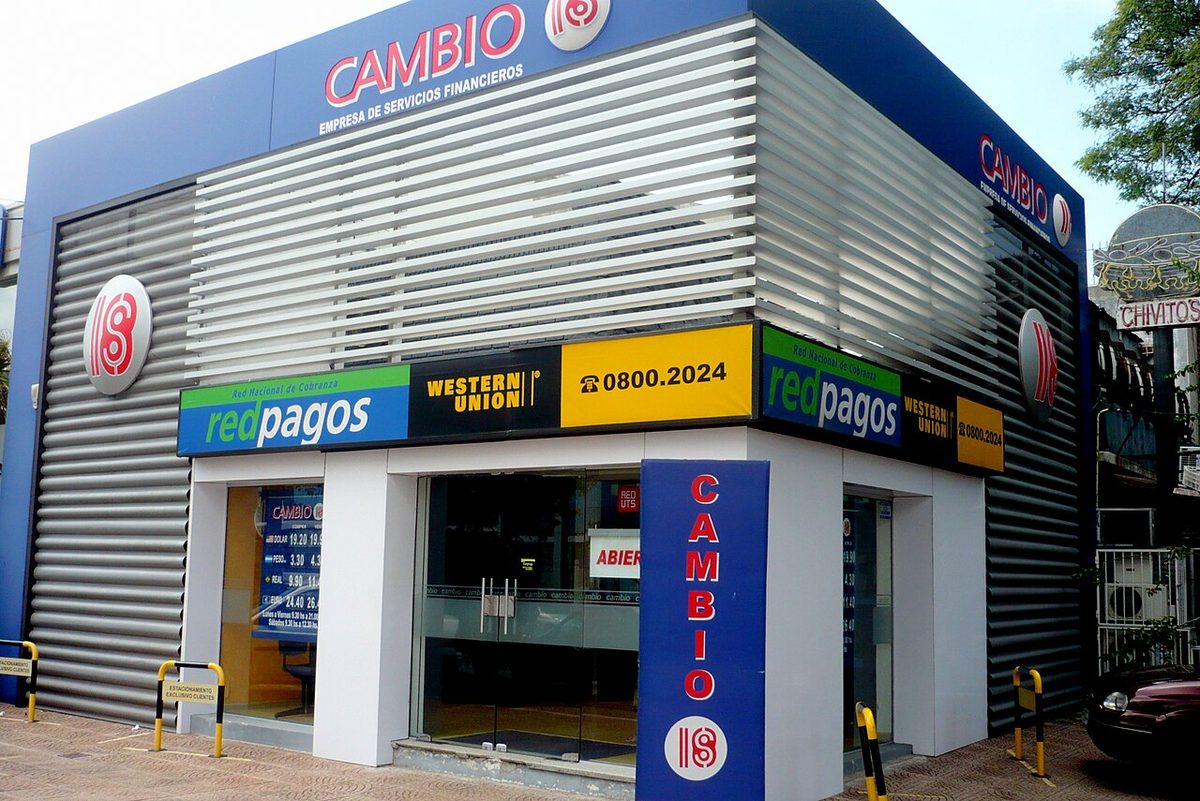
Cambios — exchange houses — are easy to find in Montevideo, Punta del Este, Colonia and at border crossings. They post buy and sell rates on a board, the spread is usually fair, and they’ll change dollars (and sometimes euros or reais) into pesos quickly. Bring your passport; they often want to see it.
My honest take: for most travelers, the cambio is a backup, not a main event. If your card has no foreign-transaction fee, an ATM withdrawal in pesos generally lands you a better effective rate than carrying cash to a cambio — and you skip the risk of walking around with a wad of dollars. I change cash only when I want pesos in hand before finding an ATM, or to offload leftover dollars at the end of a trip.
Things I avoid: changing money at hotel front desks (poor rates), at the airport currency desk if I can help it (also poor, though fine for a small starter amount), and anywhere that advertises “no commission” without showing the actual rate — the commission is just hidden in a wider spread. Count your pesos before you leave the counter, every time.
One more: there’s no meaningful black-market exchange in Uruguay the way there has been across the river in Argentina. The official rate is the rate. Anyone offering something dramatically better on the street is offering you a problem, not a deal.
Tipping in Uruguay: relaxed, but real
Tipping here is low-key compared with the United States. Nobody’s hovering, and a modest tip is genuinely appreciated rather than expected as a tax. The number to remember is around 10%.
At a sit-down restaurant, 10% for good service is the norm — a bit less if it was nothing special, a bit more if it was lovely. The catch: there’s almost never a tip line on the card slip, so the rebate-friendly move is to pay the meal by foreign card and leave the tip in cash pesos on the table. Coins and small notes are perfect, which is another reason to hoard those 100s.
Elsewhere, expect to round up rather than calculate. Taxi and rideshare drivers aren’t tipped as a rule, though rounding the fare up or leaving the loose change is a friendly gesture. The people you should have coins ready for: hotel porters (a small note per bag), housekeeping (a little per night if you like), and — very Uruguayan — the cuidacoches, the informal car-park attendants who watch your vehicle on the street. A few coins, maybe 20 to 50 pesos, keeps everyone happy. Café counter service and quick coffees don’t need a tip at all.
Putting it together: a money plan for your trip
Here’s the routine I’d hand a first-time visitor. Land with a couple hundred clean US dollars as a safety net and at least one Visa or Mastercard that doesn’t charge foreign-transaction fees — ideally two cards, kept in different pockets. Tell your bank the travel dates before you fly. Sort your phone data early too, since bank verification codes have to reach you somewhere; our guide to SIM cards and eSIMs in Uruguay covers the options.
On arrival, pull a decent chunk of pesos from a Banred ATM at Carrasco — enough for a few days of taxis, tips and small spending — and choose to be charged in pesos, never dollars. From then on, default to the foreign card for restaurants and hotels so the IVA discount does its quiet work, and keep cash for ferias, kiosks, tips and the cuidacoches.
Budget-wise, the tax discount meaningfully softens the cost of eating and sleeping, which is exactly why I keep the full numbers in the dedicated cost and daily-budget guide rather than here. If you’re crossing over from Buenos Aires, note that the money culture is different on each side — I get into that in the Uruguay versus Argentina comparison. And money habits change a little by season and crowd, especially in summer; the best time to visit guide covers that rhythm.
Two regional notes. In Punta del Este during the January high season, dollar pricing is more aggressive and some places quote in USD by default — the tax benefits still apply, but watch the exchange rate they offer. Out in the countryside and at an estancia, carry more cash than you think you’ll need, because card terminals and ATMs thin out fast once you leave the towns.
Uruguay currency and money: your questions answered
What currency does Uruguay use?
Uruguay uses the Uruguayan peso (UYU), shown with a $ or $U symbol and split into 100 centésimos. Notes run from 20 to 2,000 pesos. US dollars are also widely used for big purchases like hotels and rentals, but everyday spending — meals, taxis, shops — happens in pesos, and cards are accepted nearly everywhere.
Can I use US dollars in Uruguay?
Often, yes — especially for hotels, apartment rentals and cars, which are frequently priced in dollars. Restaurants, shops and cafés deal in pesos, and while some will take dollars, the exchange rate they give you is usually poor. Bring clean, newer bills as a backup, but plan to spend pesos day to day.
How does the tourist tax refund work in Uruguay?
Pay restaurants, bars and hotels with a foreign-issued card and the 22% IVA (VAT) is rebated automatically — no forms. Hotels bill non-residents with zero VAT outright when you show a foreign passport; restaurant rebates land back on your card statement, often within a day or two. The exact percentage depends on the decree in force, so confirm before relying on a figure.
Are ATMs easy to find in Uruguay, and what do they charge?
Yes — ATMs on the Banred and RedBROU networks are common in cities, airports and bus terminals, and many dispense both pesos and US dollars. Per-withdrawal limits sit around 200 to 300 dollars, and foreign-card fees run roughly 250 to 450 pesos (about 6 to 12 dollars) per transaction as of mid-2026. Withdraw larger amounts to spread that flat fee.
How much should I tip in Uruguay?
Around 10% at sit-down restaurants for good service, left in cash since there’s rarely a tip line on the card slip. Taxi drivers aren’t tipped beyond rounding up the fare. Keep small notes and coins for hotel porters, housekeeping and the cuidacoches who watch parked cars on the street. Tipping is appreciated, not obligatory.
Should I exchange money before I travel to Uruguay?
Not much. A small amount of US dollars as a cushion is plenty. Once you arrive, a peso withdrawal from an ATM with a no-fee card usually beats carrying cash to a cambio (exchange house). Avoid changing money at hotel desks and lean on cambios only for spare cash or to offload leftover dollars at the end.
Final thoughts
Money in Uruguay rewards a little homework. The peso is straightforward once you stop reaching for dollars at every counter, the cards work beautifully, and that automatic tax discount is a quiet gift to foreign visitors that most people don’t fully use because they don’t know it’s there.
My short version, after several trips: carry one good no-fee card and a small dollar cushion, pull pesos from a Banred machine, pay restaurants and hotels by foreign card to bank the IVA saving, and keep a pocket of coins for tips and the car-park guys. Do that and the mechanics fade into the background, which is exactly where money should be while you’re busy eating asado by the rambla — the waterfront promenade — and pretending you live here.
Credits & sources
Sources & further reading
- Uruguay Ministry of Tourism — Benefits for non-resident tourists (the official source on VAT/IVA discounts and tax-free rules)
- Banco Central del Uruguay (the central bank, for official exchange-rate references)
- Global Blue — Tax-Free Shopping in Uruguay (how the goods refund scheme works at the border)
Photo credits
All images via Wikimedia Commons: Uruguay Peso Banknotes Coins by JacobinoWunsh (CC BY-SA 4.0); Casa De Cambio Montevideo by Andrés Franchi Ugart… (CC BY-SA 3.0); Banred Atm Uruguay by JacobinoWunsh (CC BY-SA 4.0); Brou Bank Building Montevideo by Rosina Peixoto (CC BY-SA 3.0); Montevideo Market Restaurant Paying by Felipe Restrepo Acosta (CC BY-SA 4.0).