Uruguay SIM Cards & eSIMs: Staying Connected (2026)

My first SIM card in Uruguay cost about a dollar and ten awkward minutes at an Antel counter in Tres Cruces, where a patient woman scanned my passport, typed my name three times, and handed back a chip. I was connected before I’d found the bus to Colonia.
That was years ago. I’ve since bought SIMs at the airport, topped up at kiosks, and lost signal for miles in Punta del Diablo. So I have opinions.
The short version: a uruguay sim card is genuinely easy to get, cheaper than you’d guess, and occasionally more fiddly than the eSIM ads promise. Here’s everything I wish someone had told me about staying online here.
A uruguay sim card from Antel, Movistar, or Claro costs roughly USD 1–10 for the chip plus a top-up, needs a passport and about ten minutes, and gives fast 4G across Montevideo and the coast. An eSIM (Airalo, Holafly, or Antel’s own) skips the queue if your phone supports one. For short trips, you may need neither.
This guide covers the three carriers and who each suits, exactly how to buy and register a prepaid SIM as a foreigner, the eSIM apps worth your money, rough data prices, where coverage holds up and where it quietly dies, public wifi, and an honest answer to whether you should bother at all. I’m writing for travelers, not residents — if you’re moving here, you’ll want different advice.
| Option | Coverage | Where to buy | Rough price | Best for |
|---|---|---|---|---|
| Antel (state-owned) | Best — reaches the interior and wild coast | Antel shops, Carrasco airport, some kiosks | ~USD 1–3 chip + top-up | Anyone leaving the cities |
| Movistar | Strong in cities and resort towns | Movistar stores, malls, Abitab | ~USD 1–3 chip + top-up | City-and-beach trips |
| Claro | Decent urban, weaker rural | Claro stores, kiosks | ~USD 1–3 chip + top-up | Budget urban stays |
| Travel eSIM (Airalo, Holafly) | Rides Antel/Movistar towers | App, before you fly | ~USD 5–35 per plan | eSIM phones, zero hassle |
| Antel eSIM | Same as Antel SIM | Antel shop or app | Local rates + top-up | Longer or repeat trips |
Prices are ballpark and move with promotions and the peso. Treat them as orientation, not gospel.
The three carriers: Antel, Movistar and Claro
Uruguay has exactly three mobile networks, and the pecking order matters more here than in bigger countries. Pick wrong and you’ll spend a beach day staring at a “no service” bar while everyone else posts photos.
Antel — the one I almost always recommend
Antel is state-owned (the full name is Administracion Nacional de Telecomunicaciones — nobody says that out loud) and it has been the national telco since 1924. That history shows up as coverage. Antel reaches places the other two simply don’t: ranch country, the dunes around Cabo Polonio, the long empty stretches of Ruta 9 toward Brazil. Independent network tests have repeatedly named it the fastest and most reliable carrier in the country.
For a tourist, that reliability is the whole argument. You’re going to wander, and Antel wanders with you. Its prepaid product is sometimes labelled “Chip Prepago,” and the airport shops keep tourist-friendly bundles ready to go.
The honest drawback: Antel is the priciest of the three at full retail, and its shops can run a real queue mid-afternoon. I’ve waited twenty minutes at the Montevideo flagship behind a family sorting out a home plan. Bring patience, or buy at the airport where the line moves faster.
Movistar — fine if you stick to cities and beaches
Movistar belongs to Spain’s Telefonica and runs quick 4G and 5G in the places tourists actually cluster: Montevideo, Punta del Este, Colonia, Piriapolis. Plans are competitive and the stores are everywhere. If your trip is a loop of cities and resort towns, Movistar will serve you perfectly well and sometimes undercut Antel on price.
Where it stumbles is the interior. Drive an hour inland or up the Rocha coast and Movistar thins out faster than Antel. I once lost signal entirely on a Movistar SIM somewhere past La Pedrera while a friend on Antel kept streaming music. That’s the trade.
Claro — the budget third
Claro, part of America Movil, is the smallest network and it knows it. Urban coverage is decent, prepaid packs are cheap, and for a short city stay it’s hard to fault on value. Punta del Este and central Montevideo are no problem.
Rural reach is the weak spot — noticeably thinner than Antel, and a bit behind Movistar too. I’d only pick Claro if price is your top priority and you’re not leaving the pavement. For most people the few dollars saved aren’t worth the dead zones.
Buying a uruguay sim card as a tourist: the actual steps
Here’s the part the glossy eSIM ads gloss over. Buying a physical SIM in Uruguay is legal, cheap, and bound by one bit of red tape: registration. Every SIM gets tied to an identity document, foreigners included. It’s quick, but you can’t skip it.
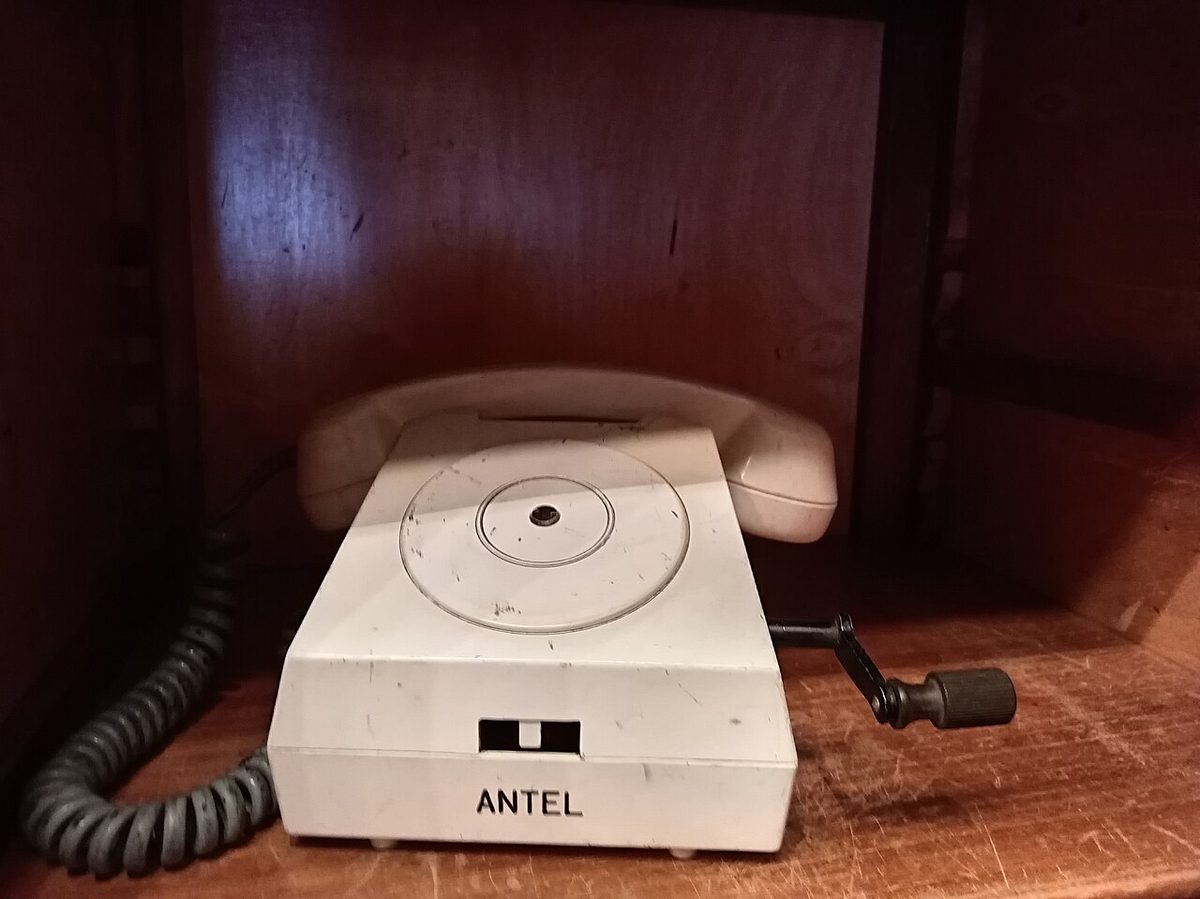
What to bring
- Your passport. Non-negotiable. The clerk scans or photographs it to register the line — this is required by law, not the shop being difficult.
- An unlocked phone. If your handset is carrier-locked from home, a Uruguayan SIM won’t work in it. Check before you fly. The rest of the bag is covered in our season-by-season Uruguay packing list.
- Cash or a card. Pesos are easiest; many shops and the airport kiosks also take cards and US dollars. (For how cards, ATMs and the tourist VAT discount work here, see my guide to money in Uruguay.)
- About ten minutes. Sometimes less, sometimes more if there’s a queue.
Where to buy
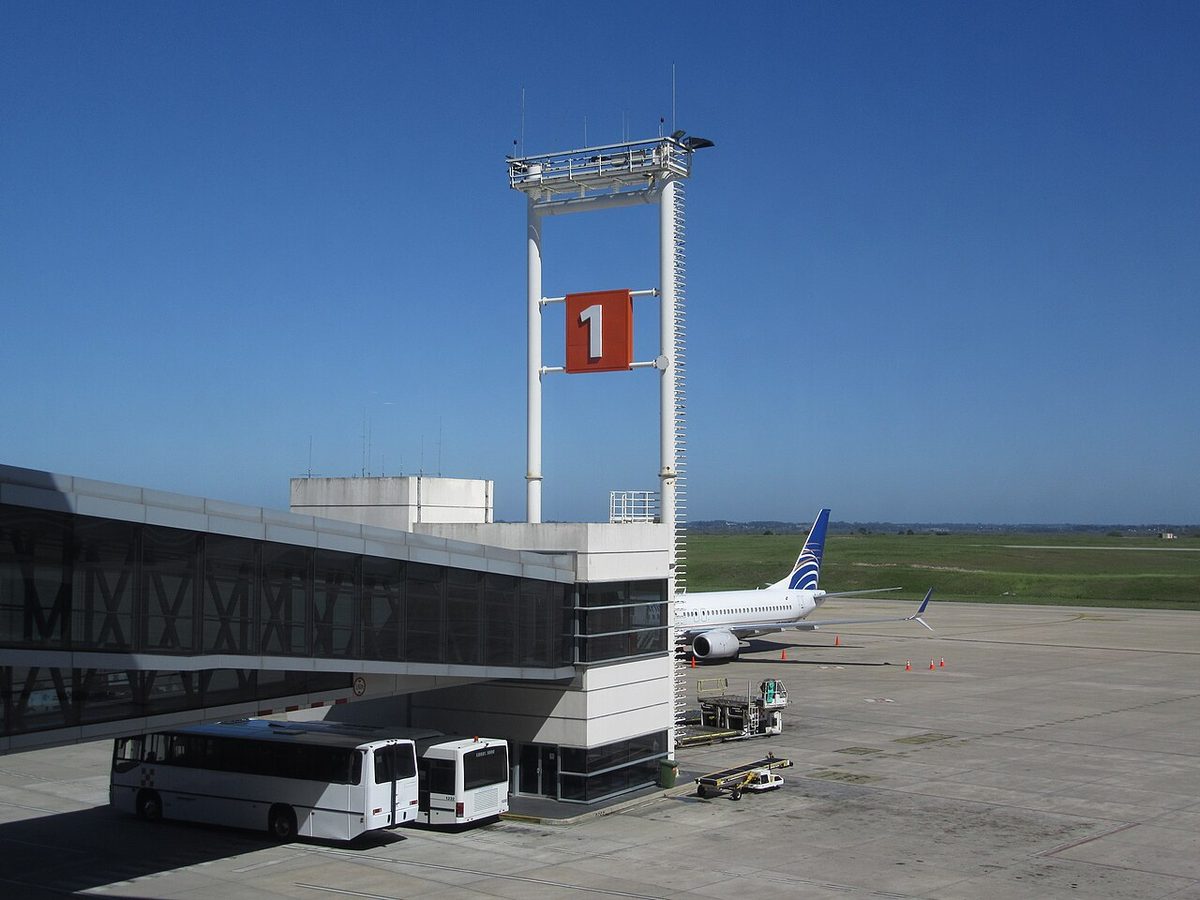
Carrasco airport (MVD). The most convenient option for most arrivals. There’s an Antel kiosk in the arrivals hall, staff who speak some English, and bundles built for visitors. The catch: hours aren’t 24/7, and a late-night flight can land you to a shuttered counter. If you arrive after midnight, plan to buy in town the next day.
Antel, Movistar and Claro shops in town. Every city center has them. The Antel flagship in Montevideo sits on Rincon in the Old City; you’ll find branded stores in malls like Montevideo Shopping and Punta Carretas. Staff can insert the SIM and sort APN settings for you, which is worth the visit if you’re not technical.
Top-ups at Abitab and Redpagos. These are Uruguay’s ubiquitous payment kiosks — you’ll see the signs on nearly every block. You generally can’t register a new SIM at them, but once you have a line you can reload credit (a “recarga”) there in cash in under a minute. Pharmacies, supermarkets and newsstands often do top-ups too.
Step by step
- Decide on a carrier (Antel if you’re leaving the cities; see above).
- Go to an official shop or the airport kiosk with your passport and unlocked phone.
- Tell them roughly how long you’re staying and how much data you want — they’ll suggest a bundle.
- Hand over the passport for registration and pay for the chip plus your top-up together.
- Let them insert the SIM and confirm data works before you leave the counter. Test it then and there.
- When you run low, reload at any Abitab, Redpagos or kiosk, or through the carrier’s app.
One quirk worth knowing: foreigners are typically limited to registering a small number of SIMs per passport, and registration has to happen at an official outlet, not a random phone-repair stall. For a normal trip you’ll never hit the limit.
eSIM options: Airalo, Holafly and Antel’s own
If your phone supports eSIM — most iPhones since the XS, recent Pixels and Samsungs, and many others — you can skip the passport queue entirely. You buy a plan in an app, scan a QR code, and you’re online the moment you land. No physical chip, no shop, no swapping out your home SIM.
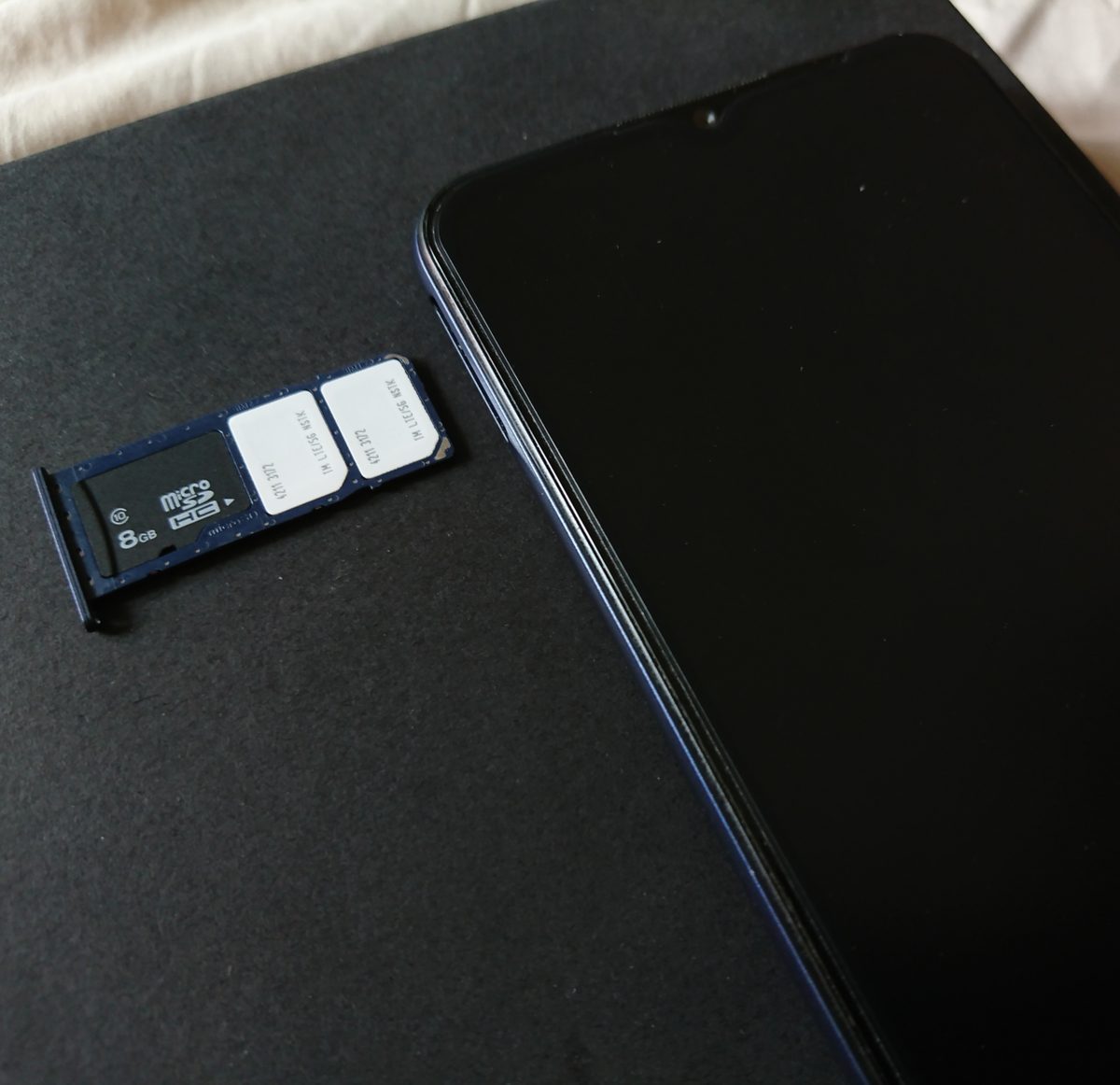
The travel eSIMs don’t run their own towers. They piggyback on Antel or Movistar, so coverage is roughly as good as the network behind them — which, when it’s Antel, is very good. Here’s how the main options shake out.
Airalo — the budget pick
Airalo is the one I reach for on short trips. Plans are metered (you buy, say, 1 GB or 5 GB) and cheap, often starting around USD 5 for a small bundle and climbing modestly from there. Setup takes minutes and the app is painless.
The drawback is the flip side of metered data: heavy streaming or map-heavy days will burn through a small plan, and topping up mid-trip costs a little more than buying big up front. For light use — messaging, maps, the odd photo upload — it’s excellent value.
Holafly — unlimited, for a price
Holafly’s pitch is unlimited data on a single flat plan, which is genuinely freeing if you tether a laptop or stream a lot. You never watch a data counter. I’ve used it on work trips and appreciated not rationing.
Two honest caveats. It’s pricier than Airalo, and “unlimited” plans can throttle speeds after heavy daily use or limit hotspot tethering — read the fine print for the day you arrive. For a casual holiday it’s often more than you need.
Antel eSIM — the local route
Antel has supported eSIM since 2022, so you can get the best physical network as a digital profile. For a longer stay or a repeat visit, this gives you local rates and the option to top up like any Antel line. You can set it up in an Antel shop, and the carrier’s own channels handle activation.
The downside: it’s less instant than a tourist eSIM bought before you fly, and you’ll likely still interact with an Antel shop or app to get going. It rewards people who want local pricing over pure convenience.
Who should pick what
- Short city-and-beach trip, eSIM phone: a small Airalo plan. Cheap, instant, done.
- Heavy data user or remote worker: Holafly for the unlimited peace of mind, budget allowing.
- Two weeks or more, or you visit often: a physical Antel SIM or Antel eSIM for local rates and easy reloads.
- Older or carrier-locked phone: a physical SIM is your only route — eSIM needs both hardware support and an unlocked device.
How much data costs — and how much you actually need
Pricing here moves with promotions and the exchange rate, so I’ll give you ranges rather than promises. As a rough guide in 2026: a physical prepaid SIM with a few gigabytes good for a week runs somewhere around USD 5–15 including the chip, and short “day” passes can cost barely more than pocket change. Travel eSIMs sit a little higher for the convenience — figure USD 5 for a small Airalo bundle up to USD 30 or more for Holafly’s unlimited stretch.
Carriers love to dangle big numbers — 40 GB for a week, the occasional bonus-data promotion if you top up above a threshold. Those deals are real but they come and go, and the headline gigabytes are far more than a typical traveler burns. Don’t let a flashy 50 GB pack talk you into overpaying.
How much do you genuinely need? For maps, messaging, restaurant lookups and light social media, 1–3 GB comfortably covers a week. Add a couple more gigabytes if you stream music on bus rides or video-call home. The only people who need the giant packs are heavy streamers and anyone tethering a laptop for work.
One more reality check on cost: data here is cheap by global standards but Uruguay overall is not a budget destination. If you’re mapping out a daily spend, my piece on whether Uruguay is expensive puts connectivity in context — your SIM will be one of the smallest line items of the trip.
Coverage: Montevideo versus the wild coast

In Montevideo, coverage is a non-issue on any of the three networks. The capital has solid 4G everywhere a tourist goes — Ciudad Vieja, the Rambla, Pocitos, the bus terminal at Tres Cruces — and 5G has been rolling out across the city. The same holds for Punta del Este, Colonia and the main coastal resorts in season.
Leave the cities and the picture changes, and this is where carrier choice earns its keep. The interior — gaucho country, the wine regions around Canelones, the hot-springs towns of the Litoral — is well served by Antel and patchier on the other two. You’ll have signal in and around towns; the gaps appear on long rural roads between them.
The real test is Rocha, Uruguay’s wild eastern coast. Around developed spots like La Paloma and La Pedrera you’re fine. But the further you go toward Cabo Polonio — which has no mains electricity and is reached across dunes — the thinner everything gets. Inside Cabo Polonio proper, expect little to no signal regardless of carrier; that’s rather the point of the place. Santa Teresa park and the emptier beaches toward the Brazilian border are spotty too.
My rule: if your itinerary includes Rocha, the interior or the national parks, buy Antel and lower your expectations for the remotest corners. If you’re staying on the Montevideo–Punta–Colonia triangle, any network is fine. For a sense of just how empty Rocha gets, my Rocha guide covers the wild coast from Cabo Polonio to the border, and the national parks guide maps the outdoor spots where signal fades.
Public wifi — and whether you even need a SIM
Uruguay has more free wifi than you might expect. Antel runs public hotspots, the airport and bus terminals have networks, and cafes, restaurants, malls and most hotels and hostels offer wifi as standard. In Montevideo you can hop between connections for a good chunk of the day without paying for data at all.
So here’s the contrarian take the eSIM-selling sites won’t give you: for a short, city-based trip, you might not need a SIM or eSIM at all. If you’re spending three or four days in Montevideo and Colonia, sleeping in places with wifi, and you can download offline maps before you go, free networks plus an offline Google Maps will get you a long way. I’ve done budget weekends here on hotel wifi alone.
That said, I usually do get connected, for three reasons: public wifi is patchy and occasionally sketchy on security, you lose it the moment you step onto a bus or beach, and a few dollars of local data removes all the friction. The honest answer isn’t “always buy one” — it’s “buy one if you’re leaving the cities, road-tripping, or value being reachable anywhere; lean on wifi if you’re on a tight city loop and a tighter budget.” Either way, this is a minor decision, not a trip-defining one.
Troubleshooting: when your SIM won’t cooperate
Most SIMs here just work. When they don’t, it’s almost always one of a handful of things, and the fixes are quick.
- No data after inserting the SIM. Usually an APN setting that didn’t auto-configure. Toggle airplane mode off and on, restart the phone, and if it’s still dead ask the shop to enter the APN manually — Antel’s is
ANTELMGWEB. Carrier staff do this in seconds. - “No service” entirely. Check your phone isn’t carrier-locked from home; a locked handset will reject any foreign SIM. This is the single most common reason a SIM “doesn’t work.”
- eSIM won’t activate. You need a data connection to install most eSIMs — do it on hotel or airport wifi before you rely on it, not standing in an arrivals hall with no signal.
- Ran out of credit. Top up at any Abitab, Redpagos, kiosk or the carrier app. To check your balance on Antel, USSD codes like
*222#show your credit; the carrier apps do the same with a nicer interface. - Dual-SIM confusion. If you’re keeping your home SIM in alongside a local one, make sure mobile data is pointed at the Uruguayan line in your phone’s settings, or you’ll quietly rack up roaming charges.
If something’s genuinely broken, the carrier shops are your friend — staff are used to helping confused visitors, and many speak enough English to sort it out. For the broader practicalities of a trip here, from tipping to tap water to plugs, my Uruguay travel tips guide is the place to start, and the getting to Uruguay guide covers arriving at Carrasco where many people buy their first SIM.
Uruguay SIM cards: your questions answered
Can a tourist buy a SIM card in Uruguay?
Yes, easily. Any visitor can buy a prepaid SIM from Antel, Movistar or Claro at airport kiosks, carrier shops and many other outlets. You’ll need your passport, because every line is registered to an identity document by law. The whole process usually takes under ten minutes, and staff at the bigger shops can set up the phone for you.
Do I need a passport to buy a SIM in Uruguay?
You do. SIM registration is mandatory in Uruguay, and as a foreigner your passport is the document that ties the line to you. The clerk will scan or photograph it at the counter. There’s no way around this at official outlets, and you should be wary of anywhere that offers to sell you a SIM without it.
Is Antel or Movistar better for tourists?
Antel for coverage, Movistar for city-focused value. Antel reaches the interior and the wild Rocha coast far better, so it’s my pick for anyone road-tripping or leaving the main towns. Movistar is perfectly good — sometimes cheaper — if your trip stays within Montevideo, Punta del Este and Colonia, where both networks are strong.
Is an eSIM or a physical SIM better in Uruguay?
It depends on your phone and your trip. If your handset supports eSIM, a travel eSIM like Airalo gets you online instantly with no shop visit, which is ideal for short stays. A physical Antel SIM tends to be cheaper for longer trips and is your only option on older or carrier-locked phones. Both ride the same good networks.
How much does mobile data cost in Uruguay?
Less than most travelers expect. A physical prepaid SIM with a few gigabytes for a week runs roughly USD 5–15 including the chip, and travel eSIMs range from about USD 5 for a small bundle to USD 30-plus for unlimited plans. Prices shift with promotions and the exchange rate, so treat any figure as a ballpark rather than a quote.
Will my phone work in Uruguay?
If it’s an unlocked GSM phone — which covers most modern handsets — yes. Uruguay’s networks run on standard 4G/LTE with 5G expanding, so compatibility is rarely an issue. The one thing that trips people up is a carrier lock from home: if your phone is tied to your home network, it won’t accept a Uruguayan SIM until you unlock it.
Final thoughts
Staying connected in Uruguay is one of the genuinely easy parts of the trip. A few dollars, a passport, ten minutes — or a QR code scanned before you board — and you’ve got fast data across the cities and most of the coast.
My honest summary: get an Antel SIM if you’re leaving Montevideo and the resort towns, grab a travel eSIM if you want zero hassle and your phone supports it, and don’t overthink it if you’re on a short city loop with plenty of wifi. None of these choices can ruin a trip. Spend your real planning energy on where to go and what to eat, and let the connectivity sort itself out at a counter on day one.
Credits & sources
Sources & further reading
- Antel — the state carrier’s official site, for current plans, coverage maps and shop locations.
- URSEC — Uruguay’s telecommunications regulator, for rules on SIM registration and the operators.
- Airalo — a major travel-eSIM provider, useful for comparing current Uruguay data-plan prices.
Photo credits
All images via Wikimedia Commons: Torre Antel Montevideo by JohnSeb (CC BY 2.0); Antel Shop Montevideo by JacobinoWunsh (CC BY-SA 4.0); Carrasco Airport Arrivals by Felipe Restrepo Acosta (CC BY-SA 4.0); Esim Smartphone Setup by Paowee (CC BY-SA 4.0); Montevideo Skyline Coverage by Jikatu (CC BY-SA 2.0).



1 comment