Backpacking Uruguay: The Budget Guide (2026)
I arrived in Montevideo with a 60-litre pack, a debit card, and a budget I’d lifted straight off a backpacking blog that promised Uruguay for $30 a day. By the second afternoon I’d done the maths on my hostel dorm, two bus tickets, and a single restaurant dinner, and the $30 was already a memory. Nobody had warned me.
So here’s the thing I wish someone had told me. Uruguay is the most expensive country in South America to travel, and “cheap” here is relative.
This guide is the one I needed: a real route and honest numbers.
Backpacking Uruguay means a coast-hugging bus trip from Montevideo east to the wild beaches of Rocha, sleeping in hostel dorms, cooking in shared kitchens, and accepting that you’ll spend more here than in Bolivia or Peru. Budget roughly US$50 to US$65 a day in shoulder season, more in January. The payoff is safety, drinkable tap water, and buses that actually run on time.
I’m writing this for the independent traveller without a car: the person crossing over on the ferry from Buenos Aires, or flying into Montevideo, who wants the coast, the off-grid bits, and a sense of the country without renting a vehicle or booking tours. If that’s you, read on. If you want luxury beach clubs in Punta del Este, this is not your guide, though I’ll tell you how to see Punta on the cheap anyway.
A quick note on language before we go. You’ll see ripio (unpaved gravel road), mercado (covered market hall, often full of food stalls), milanesa (a breaded, fried meat cutlet, the backpacker’s best friend), and asado (Uruguayan barbecue, slow-grilled over wood). I’ll gloss them as they come up.
Here’s the spine of the trip at a glance: the classic west-to-east coastal route by bus, with realistic times and one-way fares. Prices are 2026 estimates in US dollars and will shift with the exchange rate, so treat them as a planning guide, not a quote.
| Route leg | Bus time | One-way fare (approx.) | Why stop |
|---|---|---|---|
| Colonia del Sacramento → Montevideo | 2h 45m | US$9–12 | UNESCO old town, ferry arrival from Buenos Aires |
| Montevideo → Punta del Este | 2h 15m | US$10–13 | Big-name beach resort; cheap to look at, pricey to stay |
| Punta del Este → Cabo Polonio gate | 2h 30m | US$10–14 | Off-grid dunes, sea lion colony, no electricity |
| Cabo Polonio → Punta del Diablo | 1h 30m | US$6–9 | Surf town, driftwood shacks, the best value on the coast |
| Punta del Diablo → Montevideo (direct return) | 4h 30m | US$20–24 | Long haul back to the airport or the BA ferry |
The classic backpacking Uruguay route, west to east
Almost everyone runs this coast in the same direction, and there’s a good reason. You arrive in the west, either at Colonia off the Buenos Aires ferry or at Montevideo’s Carrasco airport, and you work your way east toward the wilder, cheaper Rocha coast as the towns get smaller and the prices drop. It’s a logical line on the map and the buses are frequent.
Here’s how I’d carve it up. None of these legs needs a car, and you can book most buses the day before or even at the counter outside high season.
Colonia del Sacramento: the soft landing
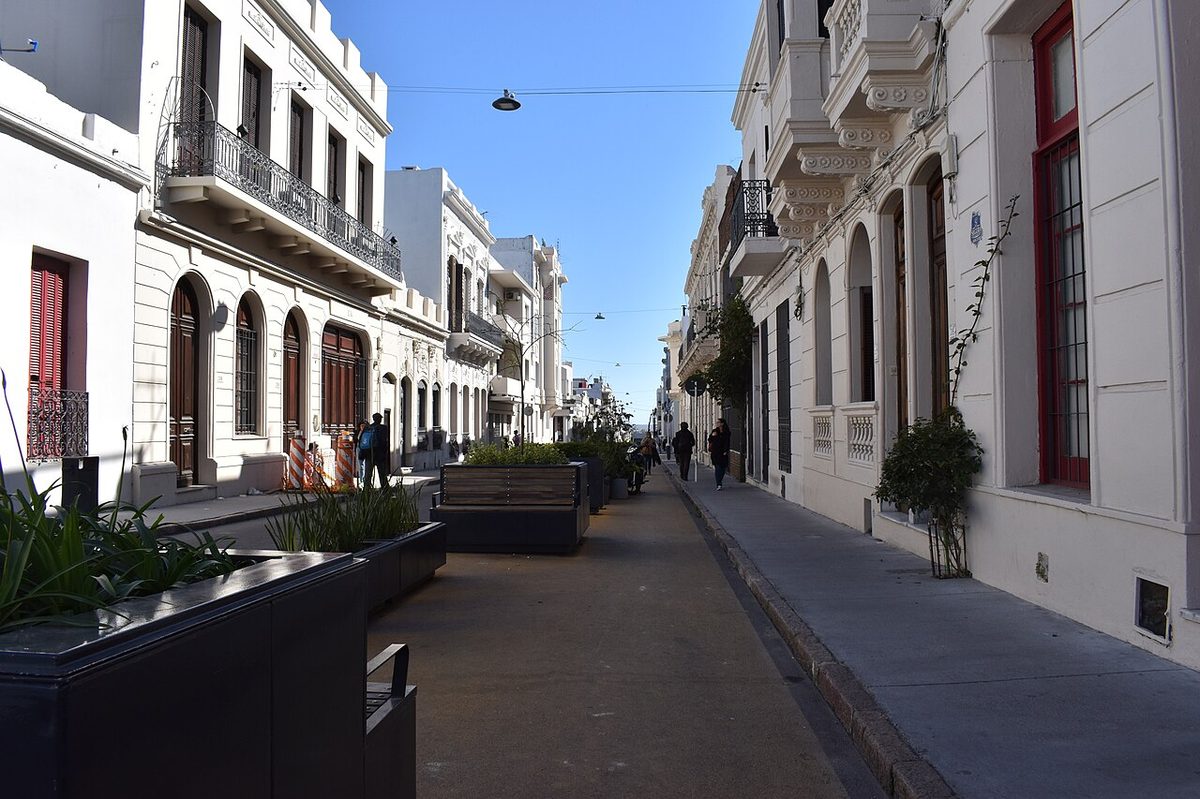
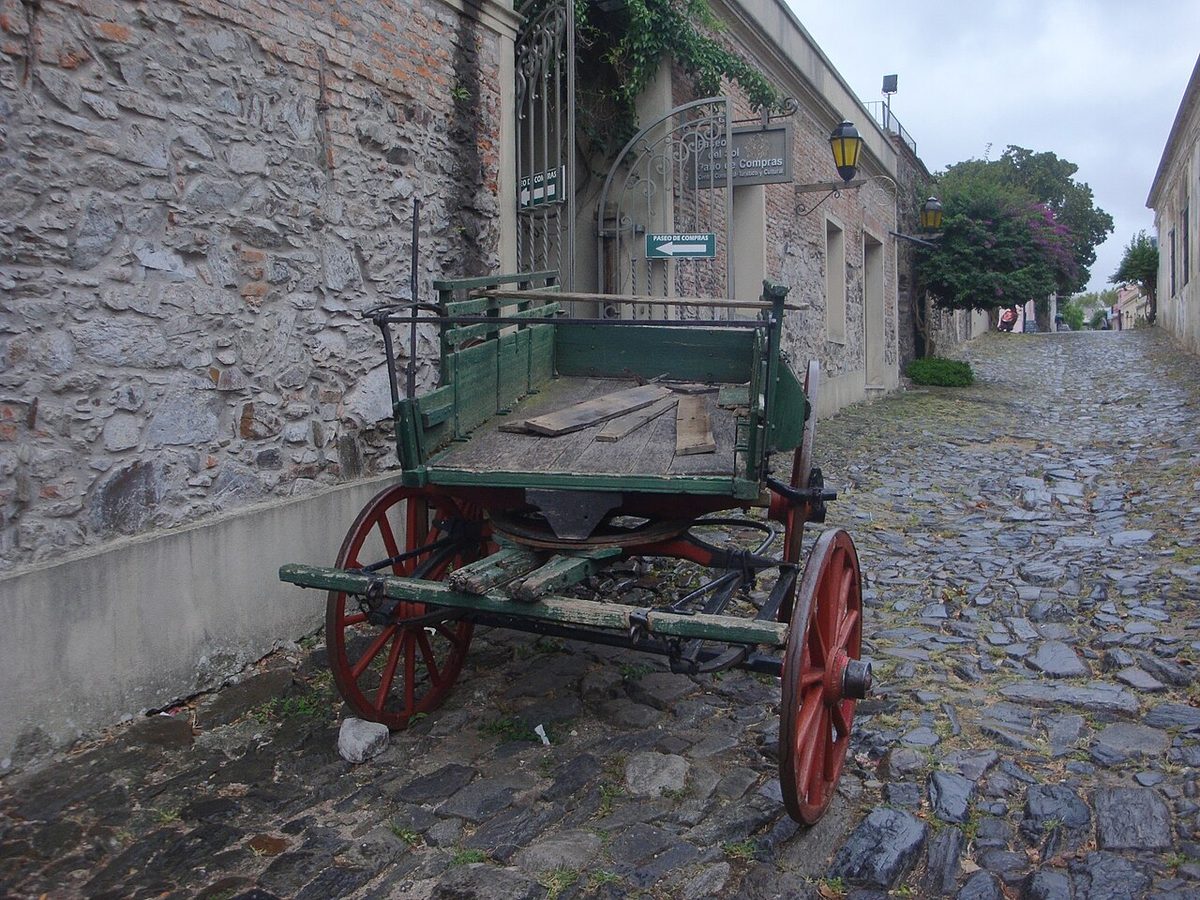
If you’re coming from Buenos Aires, the ferry drops you in Colonia, a cobblestoned Portuguese-Spanish old town that earns its UNESCO badge. One full day is plenty. Walk the Barrio Histórico, climb the lighthouse, watch the sunset over the Río de la Plata, and don’t pay for a golf-cart rental you can replicate on foot in twenty minutes.
The honest drawback: Colonia is a day-tripper magnet, and by mid-afternoon the cruise and ferry crowds thin out the charm. Stay one night, see it at dawn or dusk, and move on. For the nuts and bolts of the crossing and onward bus, our Montevideo to Colonia guide lays out the timings.
Montevideo: base camp
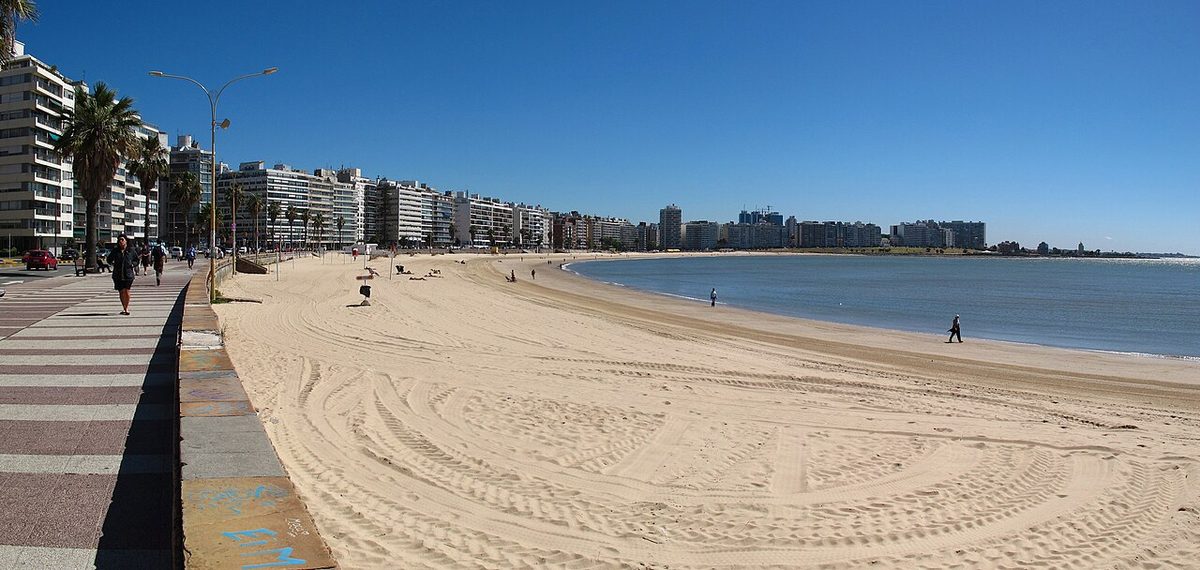
The capital is where you’ll find the largest spread of hostels, the cheapest street food, and the country’s main bus hub. Give it two days. Walk the Rambla, the 22-kilometre waterfront that locals jog and drink mate along; wander Ciudad Vieja; and eat your way through the Mercado del Puerto, a cavernous old market hall now packed with parrilla grills.
Watch your bags in the Mercado and around the port at night, same as any city. Beyond that, Montevideo is calm to the point of sleepy. Our complete Montevideo city guide has the free walking routes and budget eats in detail. If you’re tempted to stay longer and work on the road, our digital nomad guide to Uruguay covers the residency options, Antel fiber and Montevideo coworking.
Punta del Este: look, don’t linger
Punta is Uruguay’s glossy resort, all high-rises and yacht marinas, and it is genuinely expensive to sleep in. My advice is to treat it as a half-day stop or a long bus pause: photograph La Mano (the giant fingers in the sand), walk the port, and ride on. If you must stay, the off-season dorm prices are survivable and the beaches are free.
The drawback is obvious: in January, Punta’s accommodation prices roughly double and dorm beds vanish. Come in shoulder season or don’t sleep here at all. The Punta del Este travel guide covers the splurge-worthy bits if you change your mind.
Cabo Polonio: the off-grid one
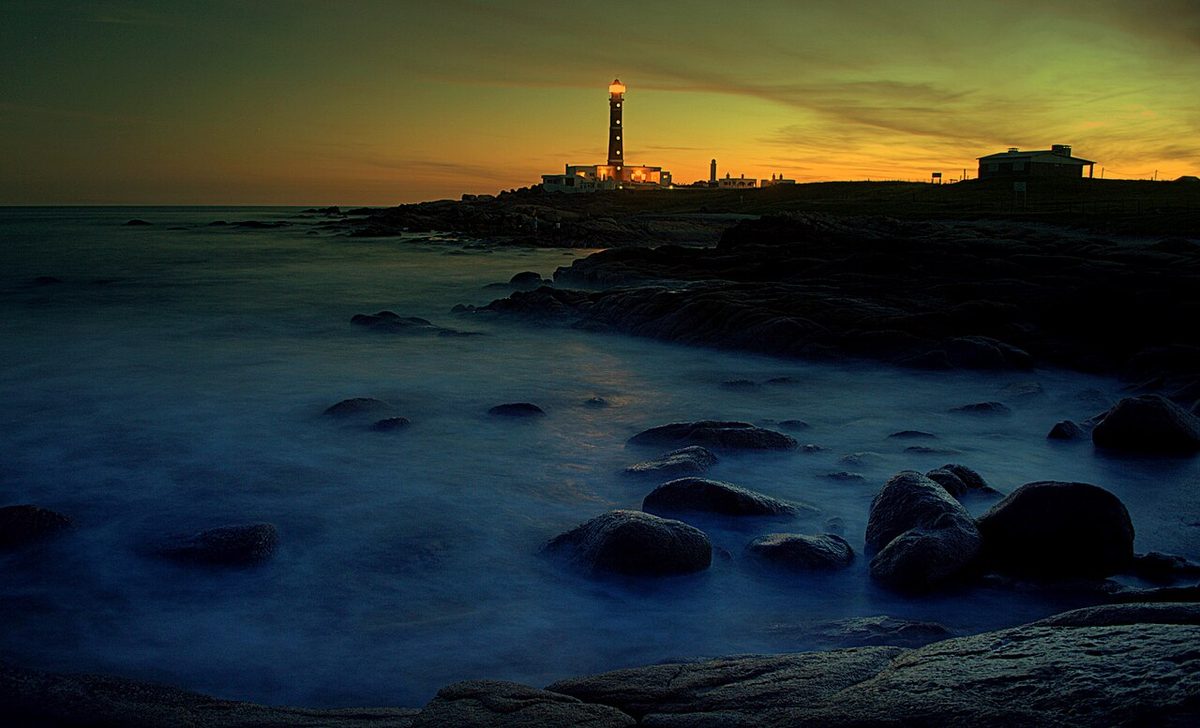
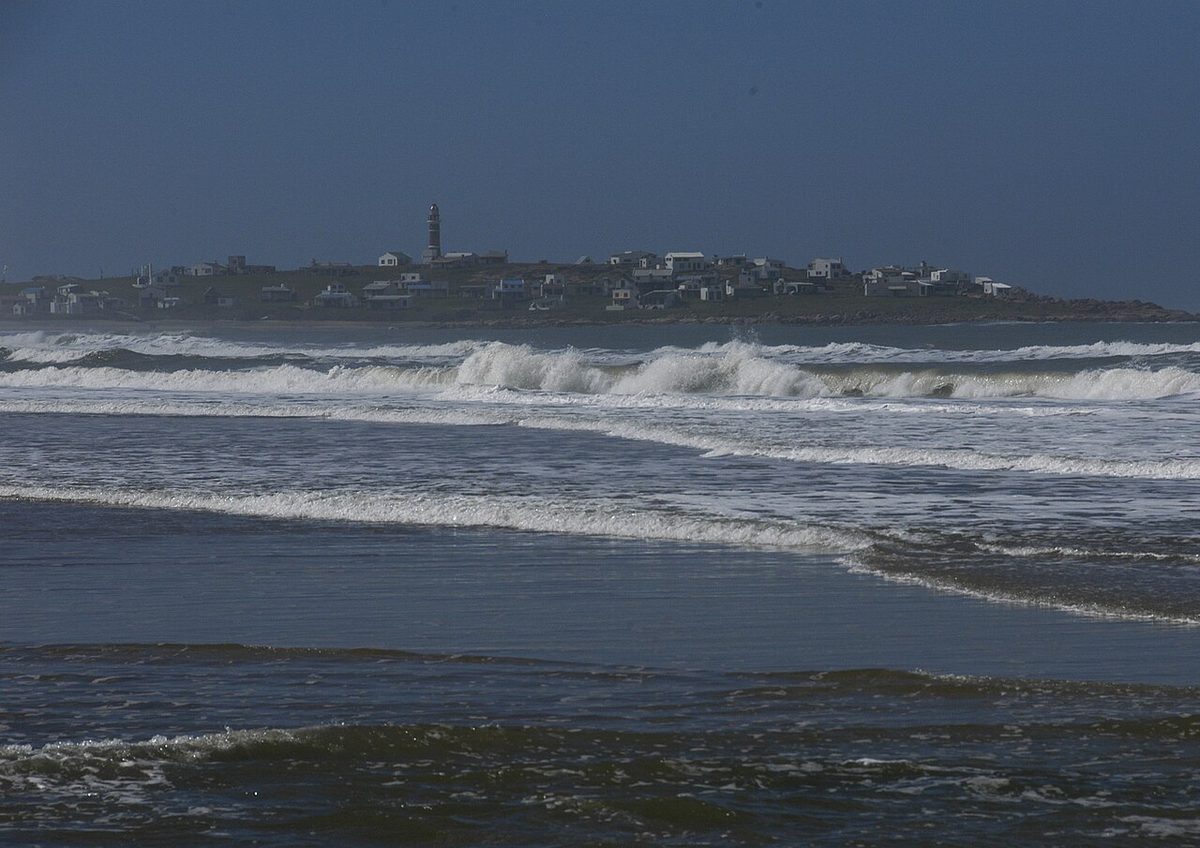
This is the highlight for most backpackers, and the strangest place on the route. Cabo Polonio sits inside a national park, roughly 7 km from the paved road across shifting dunes, with no mains electricity and no road in. You leave your bus at the park gate on Route 10 and pile into one of the park’s 4×4 trucks, which grind over the sand to the village for a set fee (budget around US$8–10 return). There’s a sea lion colony under the lighthouse and some of the clearest night skies you’ll ever see.
The catch: there are no ATMs, patchy phone signal, and power comes from generators and solar panels that may switch off at night. Bring all the cash you’ll need before you arrive. Two nights is the sweet spot. For more on the surrounding coast, see our Rocha wild-coast guide.
Punta del Diablo: where the budget finally relaxes
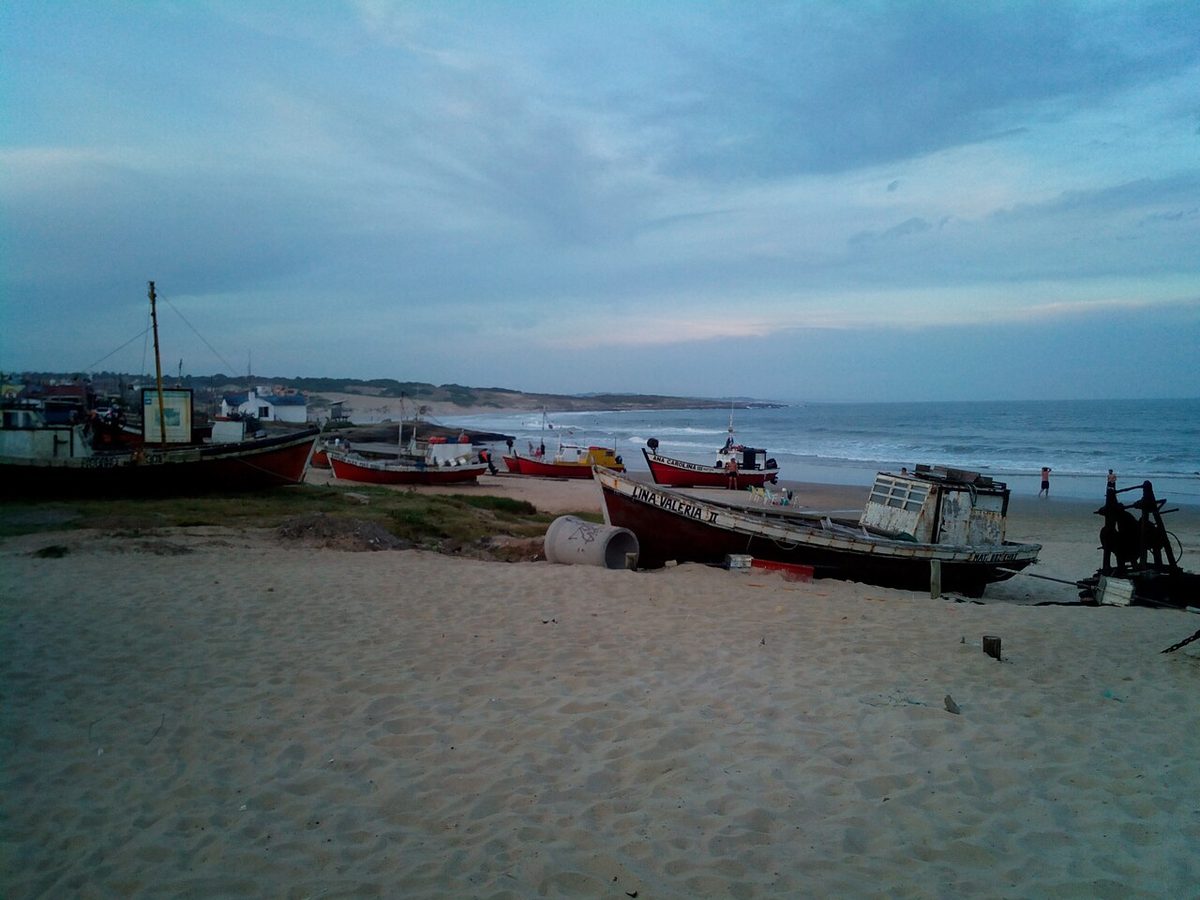
If Cabo Polonio is the spectacle, Punta del Diablo is where I’d actually park for a while. A sandy-laned fishing-village-turned-surf-town near the Brazilian border, it has the best hostel value on the coast, good waves for learners, and grilled fish straight off the boats. Out of season it’s gloriously quiet.
The flip side: in low season some restaurants and hostels simply close, and the town can feel half-asleep. That’s a feature if you want calm, a problem if you want nightlife. Santa Teresa National Park is a short hop away if you want to camp cheaply among the eucalyptus.
Getting around without a car: buses and Tres Cruces
You do not need to rent a car to do this route, and on a backpacker budget you shouldn’t. Uruguay’s intercity bus network is genuinely good: clean coaches, reliable schedules, and fares that stay reasonable even as everything else nudges up. This is the single biggest reason the country works for car-free travel.
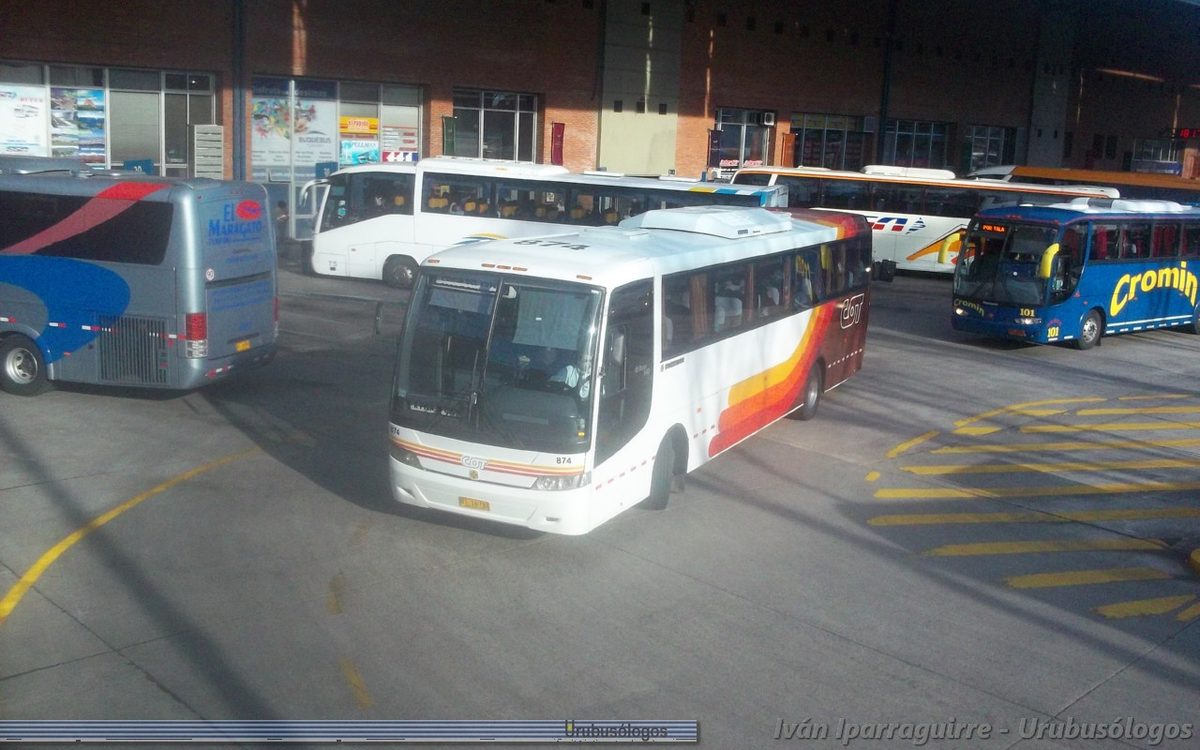
Everything radiates from Tres Cruces, Montevideo’s central bus terminal. It’s a proper building with a shopping centre attached, luggage storage, ATMs, a tourist SIM counter, and dozens of company windows. Buy tickets at the counters, on the company apps, or through aggregators; in low season just turning up an hour early usually works. In January, book the popular coast routes a day or two ahead.
A few things I learned the slow way. Companies like COT, CYNSA, and Rutas del Sol cover the eastern coast; you don’t need to brand-shop, just take the next departure to your town. Some smaller Rocha stops are request stops on the highway, so tell the driver where you’re getting off. And the road into Cabo Polonio is the only true ripio (gravel) section you’ll deal with, handled by the park trucks, not your bus.
The honest drawback to bus-only travel: the far eastern beaches and inland estancias get awkward without wheels, and a couple of legs eat a half-day. If you want to know exactly how far the network reaches and where it stops being practical, our guide to Uruguay without a car maps it out, and the deeper mechanics of the system live in our Uruguay by bus explainer.
One more option for summer travellers: a hop-on, hop-off backpacker bus runs the Montevideo–Punta del Diablo corridor in peak season, with a whole-route ticket in the US$75 range. It’s convenient and social, but rarely cheaper than stringing together the public buses yourself.
Hostels and where to sleep cheap
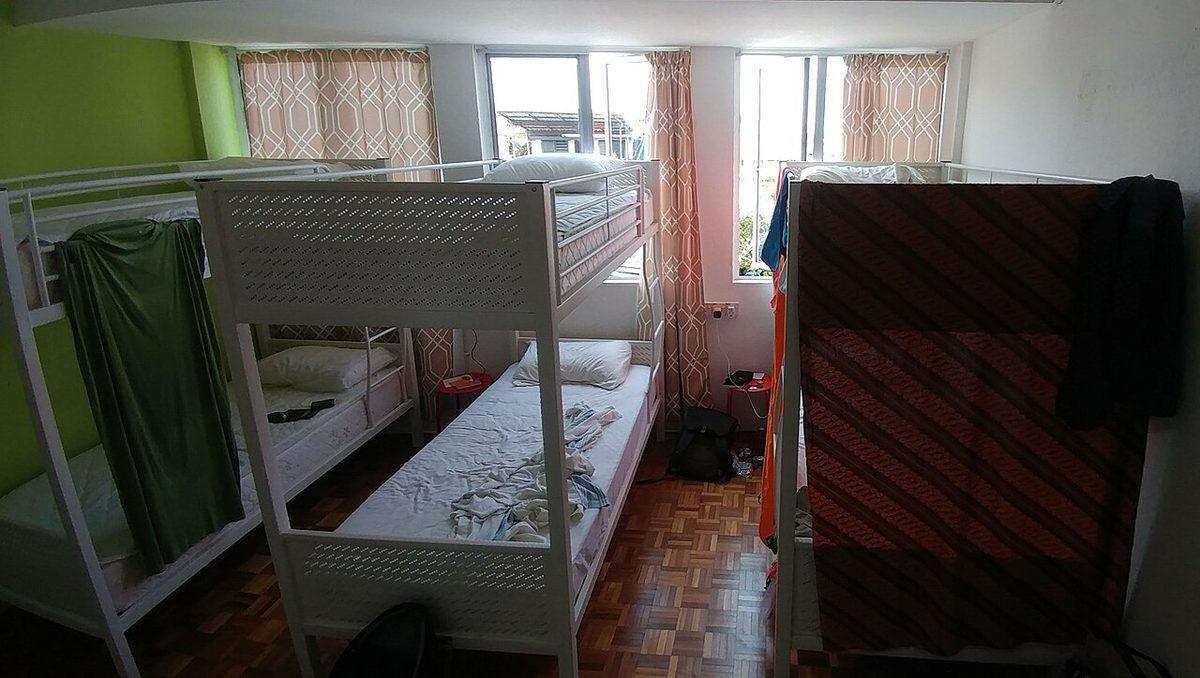
Dorm beds are your friend, and Uruguay has a decent hostel scene in the places you’ll actually stop: Montevideo, Colonia, Punta del Este, La Paloma, and Punta del Diablo. Expect to pay roughly US$13–20 for a dorm bed in shoulder season, dropping toward US$10–14 at the budget end and in quieter months. Private rooms in hostels run more like US$30–55.
Then there’s the January problem. In peak summer, coastal dorm prices can climb 30 to 50 percent, and the cheapest beds sell out first. If your dates are flexible, travelling in March–May or September–November will save you real money and spare you the crowds. The weather’s still good, and you can sometimes book same-day.
What I look for in a hostel here is simple: a real kitchen, free breakfast, and walkable distance from the bus stop. The kitchen matters most, because cooking is where the budget is won or lost. A bed without kitchen access in Uruguay is a quiet money drain.
One honest drawback: outside the main towns, genuine hostels thin out fast, and in tiny places like Cabo Polonio you’re choosing among a handful of rustic guesthouses and cabañas rather than a proper backpacker scene. Book those ahead. For the bigger picture on areas and lodging types country-wide, our where to stay in Uruguay guide breaks it down by town.
Eating cheap: mercados, milanesa, and supermarket asado
Restaurants are where Uruguay quietly drains a budget. A sit-down dinner with a drink runs US$15–20 easily, and the famous parrilla steakhouses cost far more. Eat in restaurants every night and your $50 day is gone by sundown. So I don’t, and neither should you, most nights.
Here’s how the cheap eating actually works:
- Supermarkets are your base. Chains like Tienda Inglesa, Disco, and Devoto sell everything you need to cook. Uruguayan beef is excellent and cheap by Western standards, so buying a cut and grilling a asado (barbecue) on the hostel grill is the budget traveller’s luxury meal. Pasta, eggs, bread, and seasonal veg are all reasonable.
- Milanesa is the move. A milanesa (breaded, fried cutlet, usually beef or chicken) in a bread roll, or with chips, is the cheapest hot meal in the country, often US$4–7 from a café or rotisería. Order it al pan for a sandwich.
- Hit the mercados. A mercado (covered market hall) like Montevideo’s Mercado del Puerto is touristy and not the cheapest, but neighbourhood markets and the Sunday Feria de Tristán Narvaja are great for cheap produce and a plate of something hot.
- Chivito, but rarely. The chivito, Uruguay’s loaded steak sandwich, is a rite of passage and a US$10–14 gut-bomb. Have one. Don’t have it daily.
The drawback to cooking your way through Uruguay is that you’ll miss some of the restaurant culture, and the parrilla experience really is worth doing once. My rule: cook five nights, splurge two. For the full food rundown, the dishes worth your pesos are in our Uruguayan food guide.
Tap water is safe to drink everywhere, which sounds minor until you remember you’re not buying bottled water three times a day. Bring a refillable bottle and that’s a real, ongoing saving.
Free and nearly-free things to do
The good news for a tight budget: Uruguay’s best experiences are mostly outdoors and mostly free. The coast doesn’t charge admission, and the cities reward walkers.
- Beaches, everywhere. Every beach on this route is free, from Punta del Este’s sands to the wild surf of Punta del Diablo. This is the core of the trip and it costs nothing.
- Walk the Rambla. Montevideo’s waterfront promenade runs for kilometres and is the city’s free living room. Bring mate if you want to blend in.
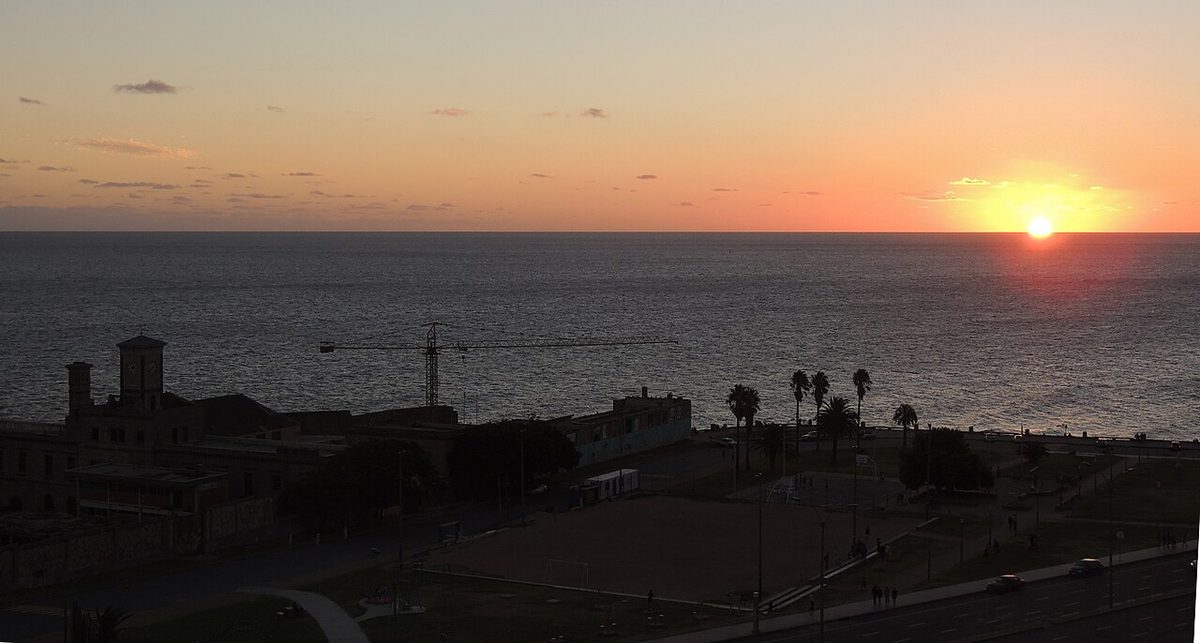
- Sunset at Cabo Polonio. The lighthouse, the dunes, the sea lion colony, the star fields at night, all free once you’ve paid the truck in.
- Free walking tours. Montevideo has tip-based walking tours of Ciudad Vieja. Pay what you think it’s worth.
- Markets as theatre. Wandering Tristán Narvaja on a Sunday or the artisan stalls costs nothing unless you buy.
One honest caveat: a few signature paid sights, like Casapueblo near Punta del Este (around US$10 to enter), are worth the money but aren’t free, so budget a little for the two or three you really want.
A realistic daily budget for Uruguay on a budget
Let’s be specific, because vague ranges are useless when you’re standing in a supermarket doing sums. Here’s what a careful but not miserable backpacker day looks like in shoulder season, cooking most meals and travelling by bus.
| Daily expense | Shoestring | Comfortable budget |
|---|---|---|
| Dorm bed | US$13 | US$18 |
| Food (cook + one cheap meal out) | US$12 | US$20 |
| Local transport / share of intercity bus | US$6 | US$10 |
| One drink or coffee | US$3 | US$6 |
| Activities / sights (averaged) | US$2 | US$8 |
| Daily total | ~US$36 | ~US$62 |
So the $30-a-day promise isn’t a total lie, but it’s a fragile floor: it assumes dorm beds at low-season prices, almost no restaurant meals, no real drinking, and free activities only. The moment you add a chivito, a couple of beers, or a January surcharge, you’re at US$50–65. Plan for the higher number and feel rich on the days you don’t spend it.
Money mechanics matter here too. Cards are widely accepted, and there’s a useful VAT discount for tourists on restaurant and some card payments. ATMs are easy in cities but scarce on the Rocha coast, so draw cash before Cabo Polonio. The full breakdown lives in our guide to whether Uruguay is expensive, with real trip costs and daily budgets.
A sample 10-day budget itinerary
This is the trip I’d hand a first-timer arriving from Buenos Aires with ten days and a backpack. It’s car-free, hits the highlights, and keeps the daily spend honest. Adjust the start if you fly into Montevideo instead, just skip the ferry and the Colonia night.
- Day 1 — Buenos Aires to Colonia. Morning ferry across the Río de la Plata, afternoon in the Barrio Histórico, one night in a Colonia hostel. Est. spend: US$45 plus the ferry.
- Day 2 — Colonia to Montevideo. Mid-morning bus (2h 45m), settle into a Ciudad Vieja hostel, walk the old town. Est. spend: US$55 with the bus.
- Day 3 — Montevideo. Rambla walk, Mercado del Puerto lunch, free walking tour, cook dinner. Est. spend: US$50.
- Day 4 — Montevideo to Punta del Este. Bus (2h 15m), see La Mano and the port, cheap dorm or push straight on. Est. spend: US$60 with the bus.
- Day 5 — Punta del Este to Cabo Polonio. Bus to the park gate (2h 30m), 4×4 over the dunes, sunset at the lighthouse. Est. spend: US$60 with bus and truck.
- Day 6 — Cabo Polonio. Beach, sea lions, stars, no spending much because there’s nowhere to spend it. Est. spend: US$45.
- Day 7 — Cabo Polonio to Punta del Diablo. Truck out, short bus (1h 30m), settle into a surf hostel. Est. spend: US$50.
- Day 8 — Punta del Diablo. Surf lesson or a free beach day, grilled fish dinner. Est. spend: US$55, more if you take the lesson.
- Day 9 — Santa Teresa day trip. Cheap bus to the national park and fortress, swim, eucalyptus forest. Est. spend: US$45.
- Day 10 — Punta del Diablo to Montevideo. Direct bus back (4h 30m) for your flight or the BA ferry. Est. spend: US$45 with the bus.
Ballpark for the ten days, excluding the international ferry and flights, lands around US$500–560 in shoulder season. Stretch it to two weeks by adding nights in Montevideo and Punta del Diablo, or a westward detour to La Paloma. To slot this into a wider trip plan, our Uruguay itinerary guide scales from a long weekend to two weeks.
The honest money talk and staying safe
I’ll say it once more because it’s the single most useful thing in this guide: Uruguay is not Bolivia, Peru, or even Argentina on the price front. If you’ve been grinding across the cheaper Andes, your daily spend here will jump, and that surprises people who lump all of South America together. Going in expecting it is half the battle.
The compensations are real, though. This is the safest country on the continent for solo and female travellers, the tap water is drinkable, the buses run on time, and petty theft is the main risk rather than anything worse. You’re paying a premium for an easy, low-stress trip. Whether that trade is worth it is personal, but I think it usually is.
Don’t skip travel insurance just because the country feels safe. Surf injuries, missed ferries, and stolen phones don’t care how peaceful Uruguay is. Our health, vaccines and travel insurance guide covers what you actually need (it isn’t much on the vaccine front, but the insurance matters). And for the wider pre-trip checklist, start with our pillar of Uruguay travel tips before you go.
Backpacking Uruguay: your questions answered
How much does it cost to backpack Uruguay per day?
Budget roughly US$50 to US$65 a day in shoulder season if you sleep in dorms, cook most meals, travel by bus, and eat out occasionally. A strict shoestring traveller can scrape closer to US$36 by cooking everything and skipping drinks, but it’s a fragile floor. In peak summer, January especially, add 30 to 50 percent for accommodation.
Is Uruguay expensive for backpackers?
Yes, by South American standards it’s the most expensive country on the continent, and that catches a lot of travellers off guard. Restaurants, alcohol, and peak-season beds are the budget killers. It’s still cheaper than Western Europe or the US, and you can keep costs sane by cooking, using the cheap and reliable buses, and travelling outside January and February.
How do you get around Uruguay without a car?
Intercity buses, and they’re excellent. Everything runs through Montevideo’s Tres Cruces terminal, with frequent, clean, on-time coaches along the coast for modest fares. You can reach Colonia, Punta del Este, Cabo Polonio’s gate, and Punta del Diablo without ever renting a car. Only remote estancias and the far interior get genuinely awkward on public transport alone.
Is Cabo Polonio worth visiting on a budget?
For most backpackers, yes, it’s the highlight. There’s no road in, no mains electricity, and you ride a park 4×4 over the dunes (around US$8–10 return) to reach a village of solar-lit shacks, a sea lion colony, and huge night skies. Bring cash, because there are no ATMs. Two nights is the sweet spot.
When is the cheapest time to backpack Uruguay?
Shoulder season, meaning roughly March to May (autumn) and September to November (spring). The weather stays mild, dorm prices fall well below the January peak, crowds thin out, and you can often book accommodation same-day. Winter (June to August) is cheaper still and underrated, just damp and cool, with some coastal businesses closed.
Can you backpack Uruguay and Argentina together?
Easily, and most people do. The Buenos Aires to Colonia or Montevideo ferry makes Uruguay a natural add-on to an Argentina trip, and the international crossing takes a couple of hours. Just carry your passport for the border stamp and book ferry tickets ahead in summer. Expect your daily budget to rise once you cross into Uruguay.
Final thoughts
Uruguay rewards the backpacker who plans around its prices instead of fighting them. Cook your asado on the hostel grill, ride the buses, draw cash before Cabo Polonio, and travel in shoulder season, and you get a safe, easy, genuinely lovely coast for around US$50 a day.
Go in pretending it’s as cheap as its neighbours and you’ll spend the whole trip stressed about money. I did, at first. Set the right expectation and Uruguay turns into one of the most relaxing budget trips in South America, gravel road to Cabo Polonio and all.
Credits & sources
Sources & further reading
- Budget Your Trip: Uruguay travel costs and average daily expenses
- Ministerio de Turismo del Uruguay (official tourism ministry)
- Uruguay Natural: official national tourism portal
Photo credits
All images via Wikimedia Commons: Tres Cruces Bus Terminal Montevideo by Iván Iparraguirre (CC BY-SA 3.0); Colonia Del Sacramento Cobblestone Street by Banfield (CC BY-SA 2.5 ar); Cabo Polonio Dunes Lighthouse by Julio Clavijo Ferraro (CC BY-SA 4.0); Punta Del Diablo Fishing Boats Beach by Mariana Zorrilla (CC BY-SA 3.0); Hostel Dorm Room Bunk Beds by Sgroey (CC BY 4.0); Backpacker Walking Coastal Beach Uruguay by Andrés Franchi Ugart… (CC BY-SA 3.0).