Uruguay in Spring: September, October & November (2026)
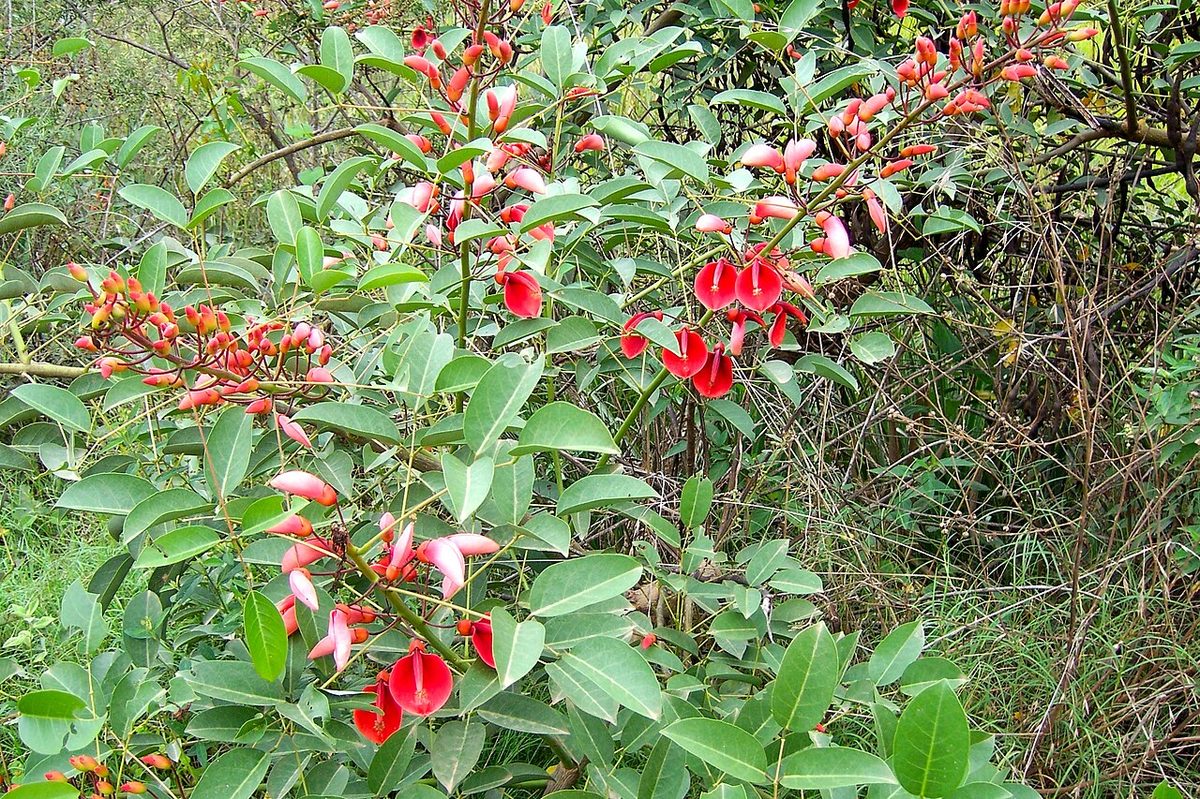
The first jacarandá I ever noticed in Montevideo nearly made me walk into traffic. I came out of a café on Avenida 18 de Julio one November, looked up, and the whole street had gone purple overhead — petals already carpeting the pavement. A jacarandá is a subtropical tree (locals stress the last syllable, jaca-ran-DA) that flowers before it leafs, so for three weeks each spring it stands as a solid mass of lilac. Nobody had told me. And that is why Uruguay in spring keeps pulling me back.
Spring here is the season the brochures skip on their way to summer, and the locals would mostly prefer it stayed that way.
Uruguay in spring (September, October and November) gives you the country’s best balance of warming weather and thin crowds. Days climb from the mid-teens to the mid-twenties Celsius (high 50s to high 70s Fahrenheit), the jacaranda trees bloom purple, the last southern right whales pass the Atlantic coast, and prices sit well below the December surge.
What this guide covers
I’ve spent parts of three different springs in Uruguay now — once chasing whales on the Rocha coast in a cold September wind, once timing a trip badly around an October cold snap, once getting it exactly right in mid-November. This is the trip I wish someone had described to me before the first one.
Here’s the ground we’ll cover:
- The case for spring — why “best weather, fewest crowds” is a real thing here and not just marketing.
- Month by month — September, October and November are three quite different animals.
- What spring does best — jacarandas, the whale tail, Día del Patrimonio, wildflowers and the green countryside.
- Planning by interest — nature and whales, culture, gardens, and getting good value before the peak.
- The honest drawbacks — changeable weather, a cold ocean, and the things that simply aren’t open yet.
- Your questions answered — the things people actually ask before they book.
If you’re still deciding between seasons more broadly, our guide to the best time to visit Uruguay lays out the whole year. This piece is the deep dive on the three months I think are quietly the best of the lot.
Uruguay in spring at a glance
| Month | Typical day / night (Montevideo) | Crowds & prices | What it’s for |
|---|---|---|---|
| September | ~19°C / 11°C (66°F / 52°F) | Very quiet; low season rates | Whale tail on the coast, cool-mild city walking, true off-season calm |
| October | ~21°C / 14°C (70°F / 57°F) | Quiet, with one busy weekend | Día del Patrimonio (Oct 3–4, 2026), gardens waking up, mild and green |
| November | ~24°C / 16°C (75°F / 61°F) | Building, but pre-peak | Jacarandas at their best, warm afternoons, summer not yet expensive |
Country-wide spring averages run a touch wider — roughly 15°C to 25°C (59°F to 77°F) across the season, cooler at night inland, with around 90 mm (3.5 in) of rain a month spread over scattered days. Montevideo, hugged by the Río de la Plata, stays slightly milder and breezier than the interior.
The case for Uruguay in spring: best weather, fewest crowds
Let me make the argument plainly, because it’s the whole reason this guide exists. Uruguay’s summer — December, January, February — is genuinely wonderful and genuinely mobbed. Punta del Este fills with Argentines and porteño money, José Ignacio’s beach restaurants need booking weeks ahead, and hotel rates along the coast can double or worse. By February the locals are tired of it.
Spring gives you most of the upside and almost none of that. The weather is warming week by week without the January glare. The countryside is green and flowering rather than sun-bleached. And outside of one busy heritage weekend in October, you can have whole stretches of coast and city to yourself.
The trade-off is honest and I’ll keep saying it: spring weather here is moody. A warm afternoon can turn cold in an hour when the pampero — a sharp, dry wind that barrels up off the Argentine pampas — comes through. You pack for two seasons in one bag. But if you can live with that, the season rewards you.
Pre-summer prices, before the December surge
Money is the unglamorous part of the case, and the most persuasive. Coastal accommodation in September and October sits at or near its yearly floor. November starts to climb as the peak approaches, but you’re still booking at a discount to the December–February rates, and you’re not fighting anyone for a table or a room. I’ve stayed in a rambla-front apartment in Montevideo in October for roughly what a cramped inland room costs in January.
The honest drawback: some genuinely seasonal businesses haven’t opened yet, especially the beach-town restaurants and clubs that only switch the lights on for summer. More on that below, because it matters for where you point the trip.
Month by month: how spring changes
Treating spring as one block is a mistake I made the first time. These three months feel different on the ground — in temperature, in what’s blooming, in who else is around. Here’s how I’d think about each.
Uruguay in September: cool-mild, quiet, and the last whales
September is the threshold. Winter has just let go, and the place feels like it’s exhaling. Montevideo runs around 19°C by day and dips to 11°C at night (66°F / 52°F); the interior is cooler still after dark, so a real jacket earns its place in the bag. It can rain, then clear, then rain again. This is not yet beach weather, and pretending otherwise leads to disappointment.
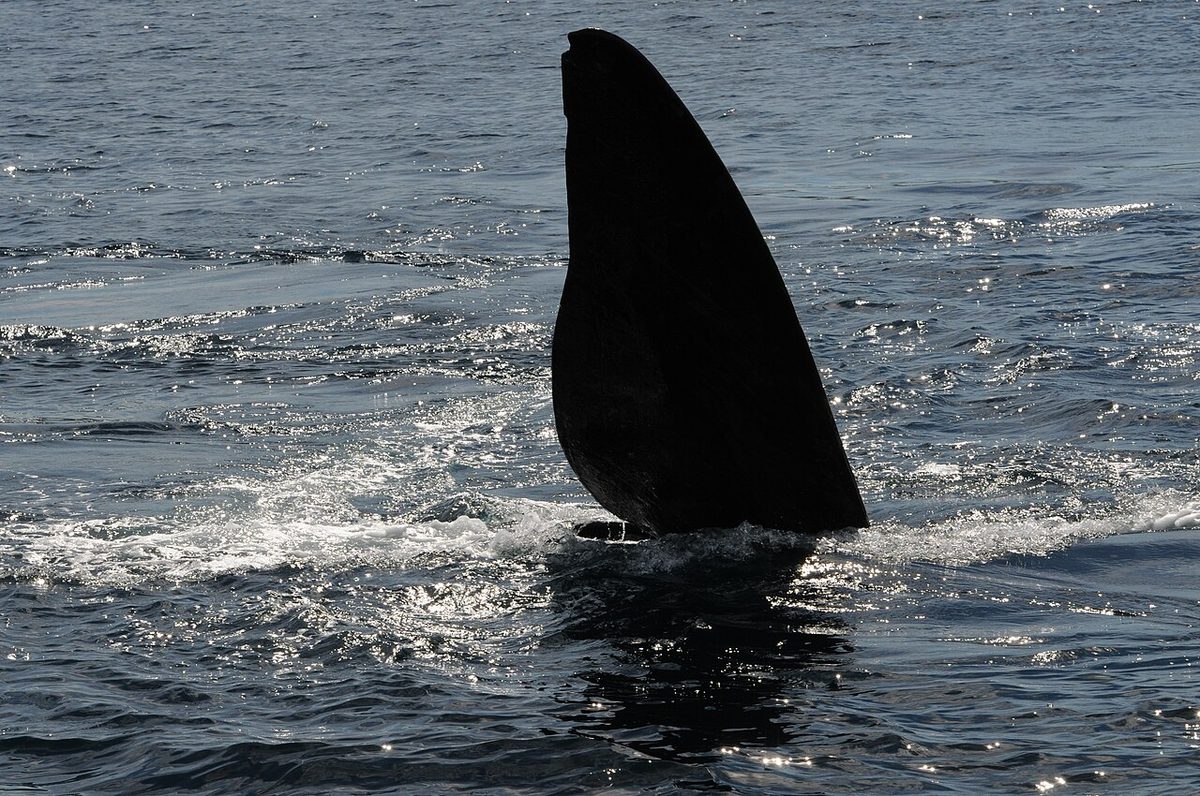
What September is for is calm and whales. The southern right whale season — those huge, slow animals that come up from Antarctica to calve in warmer water — runs roughly July through October, and the Rocha coast in the east is one of the best shore-watching spots in the country. Mid-September into mid-October is a strong window from the Rocha headlands. You stand on a cliff at La Paloma or near Cabo Polonio, scan the grey water, and wait for the blow. It’s the tail of the season, but the crowds watching with you are tiny.
The honest drawback for September: the weather is the least settled of the three months, and a bad week can be genuinely cool and wet. If a single chilly stretch would sink your trip, lean later into spring. If you want Uruguay at its emptiest, this is the month.
Uruguay in October: mild, green, and Día del Patrimonio
October is the sweet spot for walking. Days warm to around 21°C (70°F), the gardens start to wake up, and the whole country goes properly green. It’s the month I’d pick for someone who wants to wander cities and small towns on foot without sweating or shivering.
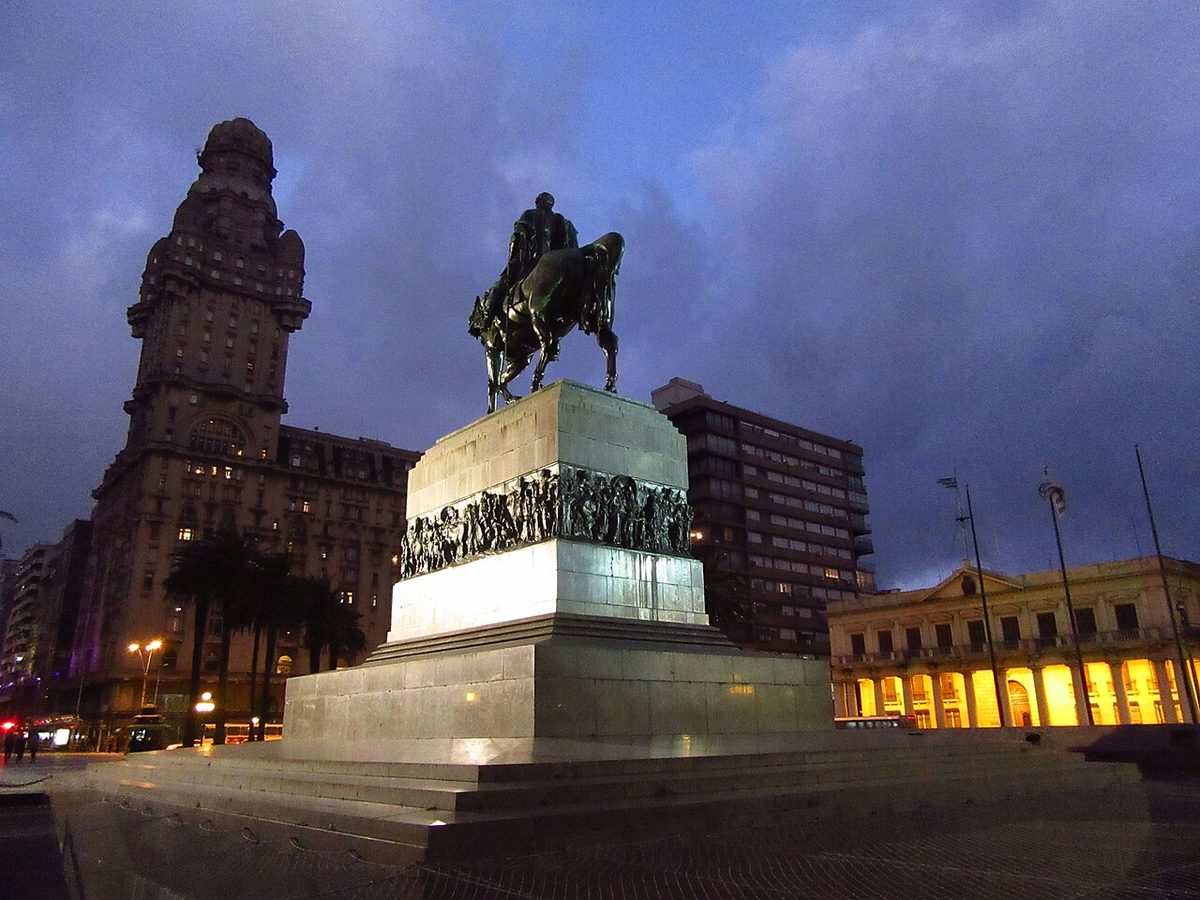
This same month holds the single best cultural day of the Uruguayan year. Día del Patrimonio — Heritage Day — falls on the weekend of October 3–4 in 2026, with the theme “Raíces indígenas” (indigenous roots). For 48 hours, museums, government buildings, historic houses and normally-sealed private courtyards across the country open their doors free of charge. Montevideo fills not with tourists but with locals, queueing patiently to see inside the buildings they walk past all year. It is the warmest, least touristy way to understand the place. Our guide to Uruguayan culture goes deeper on what the weekend means.
The honest drawback: that weekend is the one busy moment in an otherwise quiet season. Popular sites in Montevideo get real queues, so plan to go early and accept you won’t see everything. The rest of October is as peaceful as September.

Uruguay in November: warm, purple, and pre-peak
November is when spring shows off. Afternoons reach the mid-twenties Celsius (mid-70s Fahrenheit), the light goes golden and long, and the jacarandás hit their peak — usually a roughly three-week window of solid purple across Parque Rodó, Ciudad Vieja and the Prado. This is the prettiest Montevideo gets all year, and most visitors never see it because they come in January.
It’s also the last cheap-ish, calm-ish month before the December rush. You can feel summer coming — the coast is warming, the beach towns are dusting themselves off, the crowds are starting to build — but you’re ahead of the wave. Prices climb through the month but stay below peak.
The honest drawback for November: the ocean is still cold. Air temperatures say summer; the Atlantic does not. Locals will tell you swimming doesn’t really start until December, and they’re right — a November dip is a quick, bracing, get-out-fast affair. Come for the jacarandas and the warm afternoons, not for the swimming.
What spring does better than any other season
Some of this overlaps with the month notes above, but a few experiences are worth pulling out on their own, because they’re the reason to come now rather than later.
The jacaranda bloom in Montevideo
I keep returning to the jacarandás because nothing else in the Uruguayan calendar is quite like them. Brought over from northwest Argentina and beyond more than a century ago, they line whole avenues and ring the lakes in the parks. When they go off — typically late October into mid-November, though the exact peak shifts a week or two with the weather — the city looks dipped in violet. Parque Rodó, with its boating lake and old amusement park, is the postcard spot. The streets of Ciudad Vieja, the old town, frame the flowers against colonial stone. The Prado, Montevideo’s grand 19th-century park, has them in quantity.
If purple trees are your reason for the trip, target the first two weeks of November and build in slack — a cold spring can push the peak back, a warm one can bring it forward, and a single storm can strip a tree bare overnight. Our Montevideo city guide maps the parks if you want to plan a walking route between them.
The tail of whale season on the Atlantic coast
Whale watching in Uruguay is a shore sport, not a boat tour, and that suits the spring perfectly. The southern right whales — heavy, barnacled, slow-moving, and weirdly curious — come close enough to the Rocha headlands that you can watch them from a clifftop with a flask of coffee. La Paloma, La Pedrera and the area around Cabo Polonio all have good vantage points; Rocha’s tourism office marks official viewpoints along the coast.
September and early-to-mid October are the spring window. By late October the numbers thin as the whales head back south, so this is genuinely a “now or wait a year” thing. Pair it with the wider coast and parks — our guide to Uruguay’s national parks covers the protected stretches of Rocha where the whale-watching and the birdlife overlap.
The honest drawback: whales are wild and weather-dependent. Some days you’ll scan an empty sea and a sharp wind for an hour and see nothing. Go with low expectations and good layers, and treat a sighting as a gift rather than a guarantee.
Wildflowers, birdlife and the green countryside
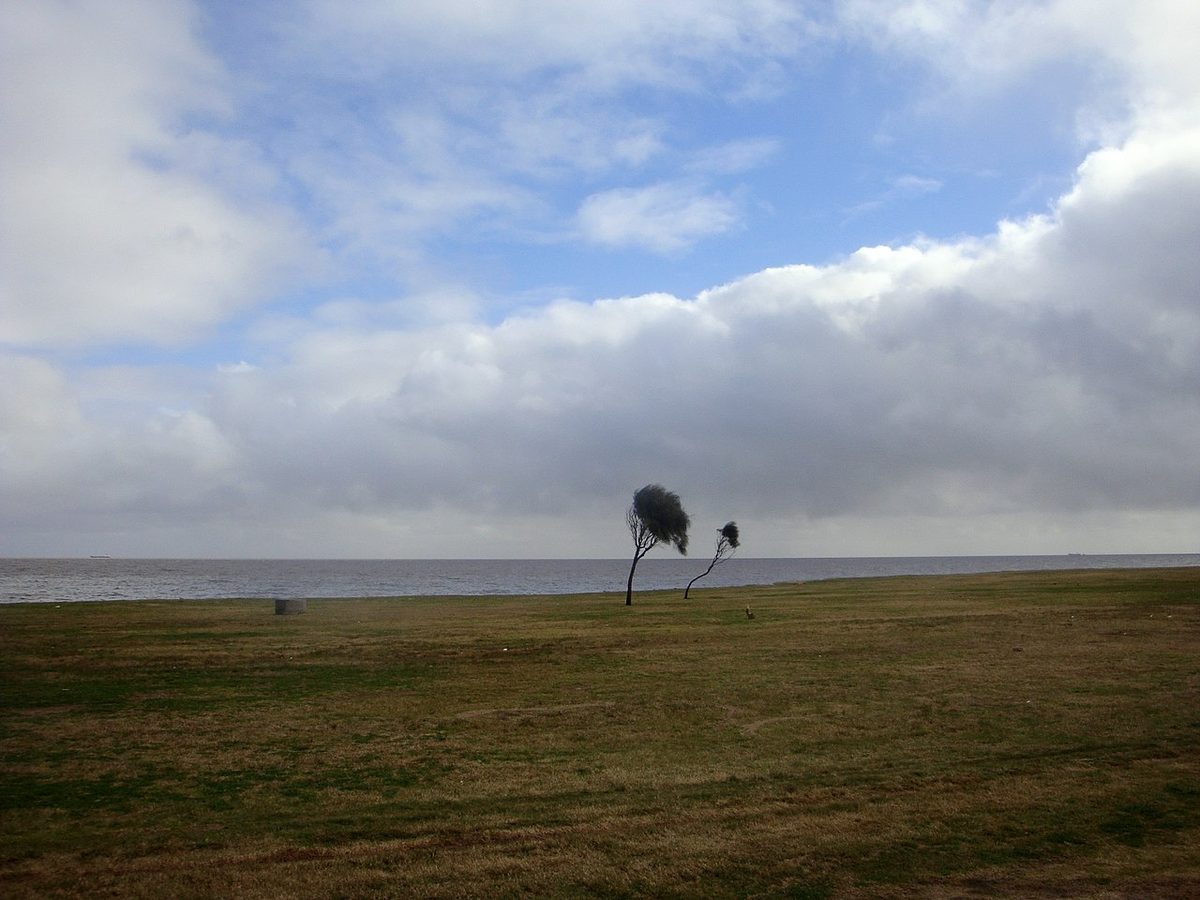
Inland, spring is when the campo — the rolling cattle country that covers most of Uruguay — is at its greenest and most alive. The winter rains have soaked the ground, the grass is high, wildflowers come up along the fence lines, and the birdlife is busy with the breeding season. Southern lapwings (the tero, the country’s unofficial mascot, which dive-bombs anything near its nest), spoonbills, and a long list of migratory species fill the wetlands.
This is the season to drive a back road, stop at a roadside parrilla — a grill house, the cornerstone of Uruguayan eating — and watch the green roll past. The parks of Rocha and the wetlands of the east reward an early start with binoculars. Spring’s wildflowers and nesting birds are simply better here than in the parched height of summer, and you’ll mostly have the trails to yourself.
Gardens and the Prado rosedal
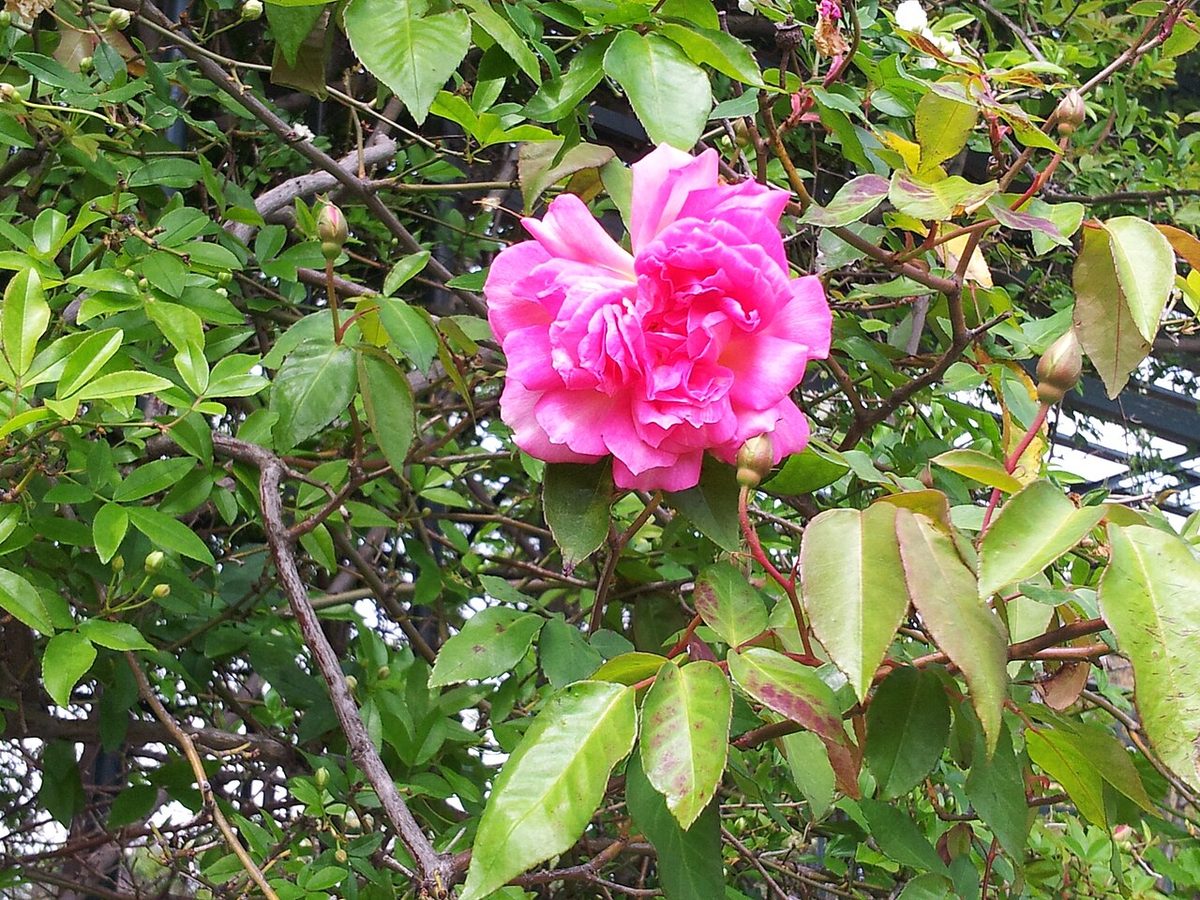
For a gentler kind of nature, Montevideo’s gardens come into their own in October and November. The Prado holds the city’s botanical garden and its famous rosedal — a formal rose garden that flowers in spring and into early summer. It’s a calm, leafy, very local way to spend a morning, miles from any beach crowd. Combine it with the jacarandás and you have a full day of colour without leaving the capital.
Planning your spring trip by interest
How you’d build the trip depends on what you came for. Here’s how I’d point each kind of traveller.
For nature and whales
Come in September or early October and base yourself east, in the Rocha department. Watch for whales from the Rocha headlands in the morning, walk the coast and wetlands for birds in the afternoon, and accept that the water’s too cold for swimming. A 4–5 day eastern loop in early spring is one of the most underrated trips in the country. Just pack for cold mornings on exposed cliffs.
For culture and cities
Aim at the first weekend of October and build the trip around Día del Patrimonio, then stay on for the quiet that follows. Montevideo and Colonia del Sacramento — the old Portuguese smuggling port across the bay, all cobbles and sycamores — both reward unhurried October walking. Mild temperatures make long days on foot comfortable. The one busy day is the heritage weekend itself; the rest is calm.
For gardens and the jacaranda bloom
This is a November trip, and a Montevideo-centred one. Give yourself the first two weeks of the month, base in the city, and walk between Parque Rodó, Ciudad Vieja, the Prado and the rosedal. Add a day trip out to the wine country — our Uruguay wine guide covers the Canelones bodegas an easy drive from the capital, and the vines are leafing out beautifully by November. The drawback is timing risk: the bloom won’t hold to a calendar, so keep the schedule loose.
For value and quiet
September and October, almost anywhere. This is the budget-and-solitude window: lowest coastal rates, no queues, no booking battles. The compromise is that some summer-only spots are shut and the weather can turn, so favour cities, the green interior and the parks over beach nightlife you’ll find closed. For a fuller list of things that stay open year-round, see our guide to things to do in Uruguay.
The honest drawbacks of spring in Uruguay
I’ve scattered these through the guide, but they deserve gathering in one place so you book with your eyes open.
The weather swings. Spring is the most changeable season here. A warm, still morning can flip cold and windy by afternoon when the pampero comes through, and a forecast more than two or three days out is a rough guess. The fix is simple and non-negotiable: pack layers, always carry a wind shell and something rainproof, and don’t pin a single must-do to a single day. Our Uruguay weather guide breaks the climate down further.
The ocean is cold. Air temperatures reach the mid-twenties in November, but the Atlantic and the Río de la Plata stay properly cold right through spring. Swimming really starts in December. If a beach holiday with warm water is the goal, you want summer — and you can read ahead to our guide to Uruguay in summer for that.
Some places aren’t open yet. The seasonal machinery of the coast — beach clubs, summer-only restaurants, parts of Punta del Este and José Ignacio — largely waits for December. In September especially, smaller resort towns can feel half-shuttered. Point a spring trip at the capital, the interior, the parks and the wine country, and this stops being a problem. Coming from the cold the other way, our Uruguay in winter guide shows just how much quieter the months before spring are.
Uruguay in spring: your questions answered

Is spring a good time to visit Uruguay?
Yes — for many travellers it’s the best time. Spring (September to November) brings warming weather, green countryside, the jacaranda bloom and far thinner crowds than summer, all at lower pre-peak prices. The catch is changeable weather and an ocean too cold for swimming. If you want culture, cities, nature and value over a beach-and-swim holiday, spring is hard to beat.
What is the weather like in Uruguay in spring?
Mild and warming, but unsettled. Across the season days run from the mid-teens to the mid-twenties Celsius (high 50s to high 70s Fahrenheit), with cool nights, especially inland and in September. Expect around 90 mm of rain a month over scattered days, and sudden swings when the pampero wind arrives. November is the warmest and most settled; September the coolest and wettest. Pack layers regardless.
Can you see whales in Uruguay in spring?
Yes, mainly in September and early-to-mid October. Southern right whales come close to the Rocha coast in the east from roughly July to October, and you watch them from clifftop viewpoints rather than boats — La Paloma and the Cabo Polonio area are reliable. By late October the numbers thin as they head south. It’s weather-dependent, so go with patience and warm clothes.
When do the jacarandas bloom in Montevideo?
Usually late October into mid-November, with a peak window of about three weeks. The exact timing shifts with the spring weather, so build in flexibility rather than booking a single date. Parque Rodó, Ciudad Vieja and the Prado are the best places to see them in quantity. A cold snap or a storm can change the peak, so treat the first half of November as your best bet.
Is Uruguay crowded in spring?
Mostly no. September and October are genuinely quiet — low-season prices, no booking battles, near-empty beaches and trails. The one exception is Día del Patrimonio (October 3–4 in 2026), when Montevideo’s heritage sites draw real queues for a single weekend. November builds toward the summer peak but still sits comfortably ahead of the December crowds.
What should I pack for Uruguay in spring?
Layers, and a wind shell you can grab fast. Bring lightweight long trousers, short sleeves and a medium-weight jacket for cool evenings around 15°C, plus a compact rain jacket for afternoon showers. Add comfortable shoes for cobblestones, real sun protection (the UV climbs through spring), and a warmer layer if you’re heading to the exposed Rocha coast for whales.
Final thoughts
Spring is the Uruguay I’d send a friend to first — not the postcard summer everyone books, but the quieter, greener, purpler version that the locals quietly keep for themselves. You trade warm swimming and a few shuttered beach towns for jacarandás overhead, whales off the cliffs, a heritage weekend that opens the whole country’s doors, and prices that haven’t yet noticed December is coming.
Get the timing right for what you came for — whales in September, culture in early October, purple trees in November — pack for weather that changes its mind, and you’ll have the country at its best and its emptiest. For the full-year view, our guide to the best time to visit Uruguay puts spring in context against every other season.
Credits & sources
Sources & further reading
- Comisión del Patrimonio Cultural de la Nación (MEC) — official source for Día del Patrimonio dates and programme.
- Rocha Department Tourism — official whale-watching viewpoints and season on the Atlantic coast.
- Weather Atlas: Uruguay climate — month-by-month temperature and rainfall averages.
Photo credits
All images via Wikimedia Commons: Ceibo Bloom Uruguay Spring by Tano4595 (CC BY-SA 3.0); Southern Right Whale Uruguay Coast by CarlosCecche (CC BY-SA 4.0); Ciudad Vieja Montevideo Heritage by Felipe Restrepo Acosta (CC BY-SA 4.0); Uruguay Spring Countryside Green Campo by Banfield (CC BY-SA 2.5 ar); Prado Rosedal Montevideo Roses by Maximasu (CC BY-SA 3.0); Rambla Montevideo Rio De La Plata by Felipe Restrepo Acosta (CC BY-SA 4.0).