2 Weeks in Uruguay: The Full-Country Itinerary (2026)
The first time I tried to cram Uruguay into a single trip, I gave myself a week and spent most of it wishing I had more. I saw Montevideo, I saw Colonia, I waved at the coast from a bus window. Then I came back and did it properly.
Spending 2 weeks in Uruguay is the version of this trip I actually recommend to people who want the whole country and not just the postcard. Fourteen days is enough to drive the full loop: the river towns of the Litoral, the gaucho interior, Montevideo’s grit and charm, the polished beaches around Punta del Este, and the wild, half-empty Rocha coast out toward Brazil.
It is also enough to make the mistakes I made so you don’t have to. This is the long way around, with real nights, real drive times, and one honest warning up front: you will spend a lot of hours in a car.
Spending 2 weeks in Uruguay gives you time for a full clockwise loop of the country — roughly Montevideo, the Litoral hot springs near Salto, gaucho country around Tacuarembó, then back down to Colonia, Montevideo, Punta del Este, and the wild Rocha coast. Fourteen days covers every major region with a rental car, hedged costs, and a few slow days built in so it doesn’t feel like a forced march.
This guide is for travelers who have either already done the short version or simply want everything in one go. If you only have a week or ten days, I’d send you to the tighter plans instead — my 7-day Uruguay itinerary and the 10-day coast, wine and countryside route are built exactly for those timeframes, and I’ll point back to them rather than repeat their detail here. For the big-picture planning logic across every trip length, the main Uruguay itinerary guide is the hub this all hangs off.
| Region | Nights | Base town(s) | Highlights |
|---|---|---|---|
| Montevideo (arrival) | 2 | Montevideo | Ciudad Vieja, Mercado del Puerto, the rambla, settling in |
| The Litoral / hot springs | 2 | Salto / Daymán | Termas hot springs, Río Uruguay, Salto town |
| Interior / gaucho country | 2 | Tacuarembó | Estancias, Valle Edén, deep-country roads |
| Colonia del Sacramento | 1 | Colonia | Cobblestone old town, sunset on the river |
| Montevideo (round two) | 1 | Montevideo | Markets, football, anything you missed |
| Punta del Este & around | 3 | Punta / La Barra | Beaches, Casapueblo, José Ignacio, La Mano |
| Rocha wild coast | 3 | Cabo Polonio / Punta del Diablo | Dunes, sea lions, Santa Teresa, empty beaches |
That is fifteen nights of accommodation across fourteen full days, which is how a two-week trip usually shakes out once you count an arrival evening. Adjust by trimming a night somewhere if your flights are tight. Now let’s walk it day by day.
Days 1–2: Land in Montevideo and slow down
Most international flights arrive at Carrasco airport in the morning, jet-lagged and useless. Don’t fight it. Grab your rental car later — you don’t need it for the city — and check into a hotel in Ciudad Vieja or Pocitos. I’d give yourself two full nights here before anything else.
Montevideo rewards aimless walking. Start in Ciudad Vieja, the old city, where the architecture swings from grand and faded to freshly restored within a single block. The Plaza Matriz, the port market, the bookshops — it’s a place to wander with no agenda.
Lunch on day one belongs at the Mercado del Puerto, the iron-framed market hall full of parrillas — the wood-fired grills that define Uruguayan cooking. Sit at a counter, order a mix of grilled beef and offal, and ask for a glass of medio y medio, the local sparkling wine blend. It’s touristy, yes. It’s also genuinely good and a fine way to meet the food culture head-on.
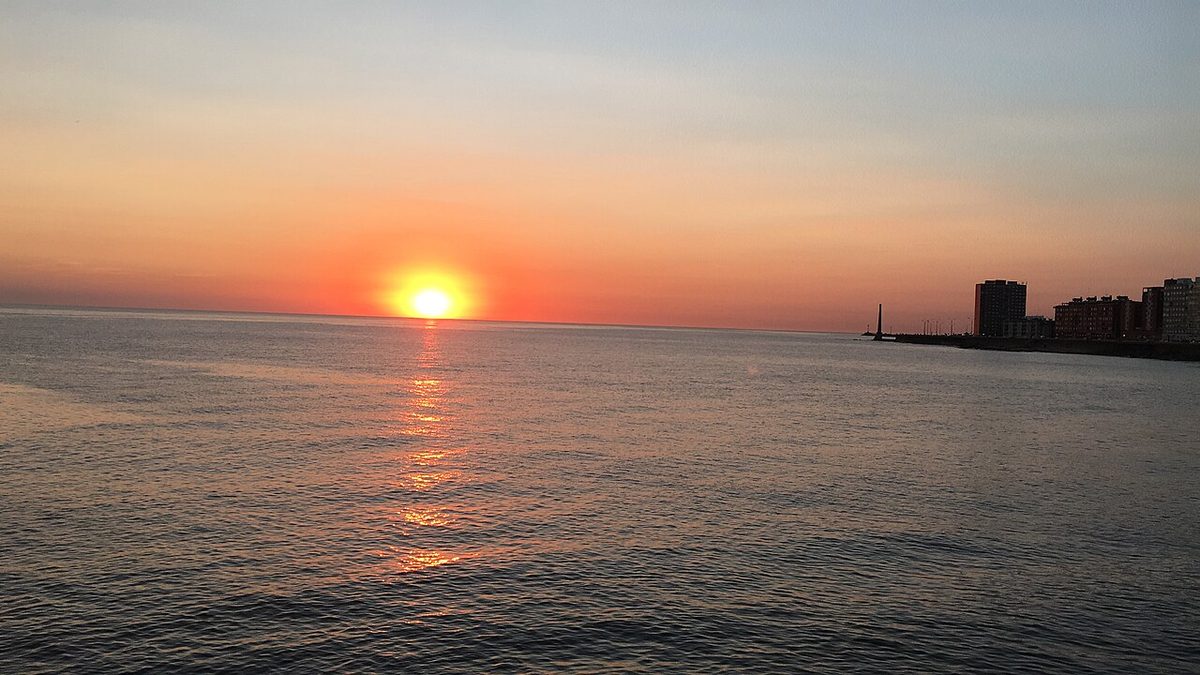
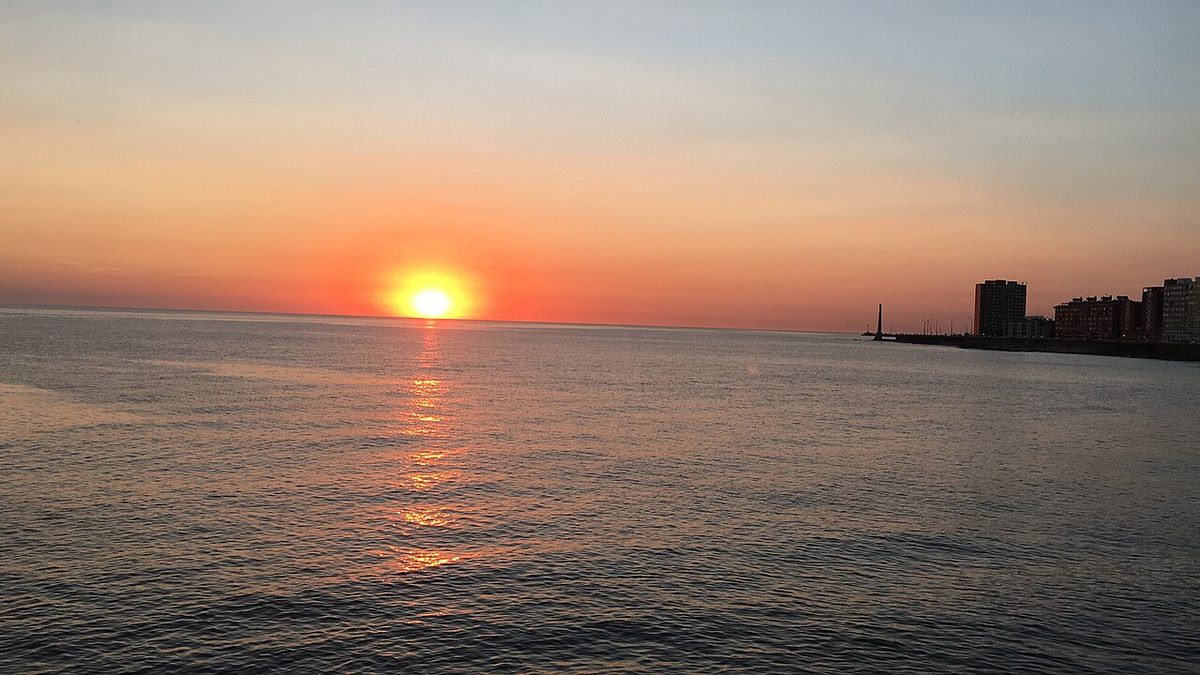
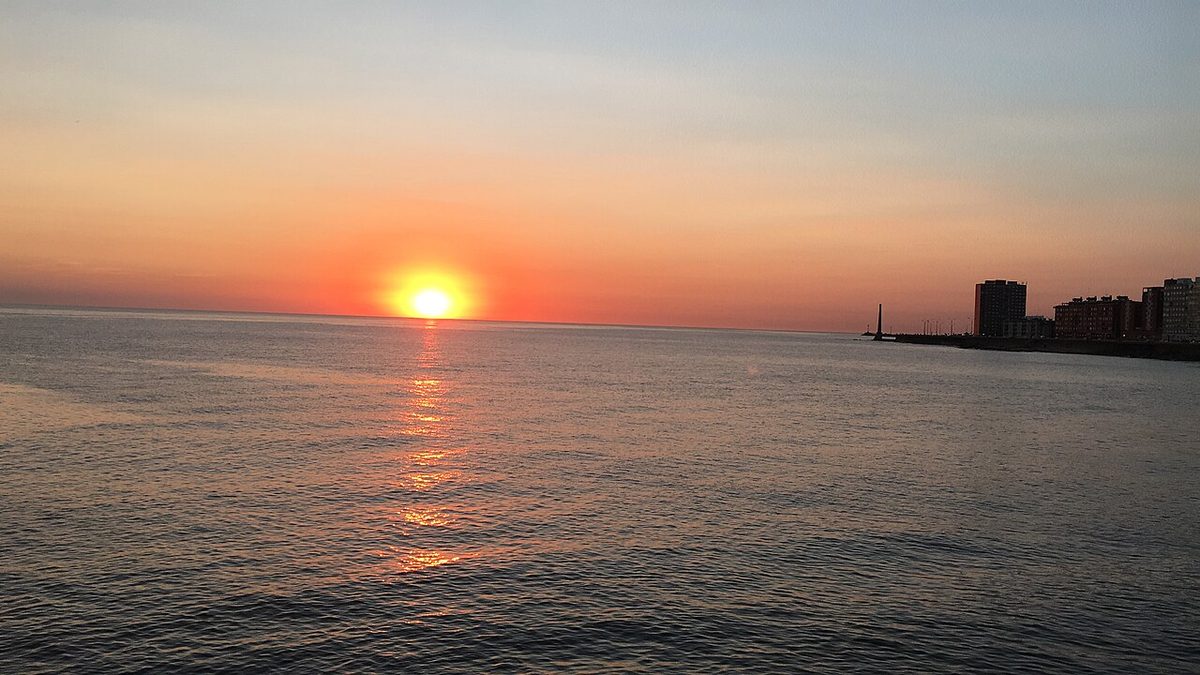
Day two is for the rambla, the 22-kilometre waterfront promenade that locals treat as a shared backyard. Rent a bike or just walk a stretch of it toward Pocitos. You’ll pass people drinking mate — the bitter herbal tea everyone carries in a gourd with a thermos tucked under one arm. It is the single most Uruguayan thing you will see, repeated about ten thousand times a day.
If two days in the capital feels short, that’s deliberate — you’re coming back at the halfway point. For a deeper breakdown of neighborhoods, beef temples and where to base yourself, lean on the full Montevideo city guide. The honest drawback of starting here: Carrasco arrivals plus jet lag mean day one is really half a day, so don’t over-plan it.
Days 3–4: The Litoral and the hot springs near Salto
This is the leg the shorter itineraries simply can’t fit, and it’s the reason a two-week trip feels complete. Pick up your rental car on the morning of day three and point it northwest toward Salto. It’s a long drive — roughly five to six hours up Route 3 across flat, agricultural country — so leave early, pack snacks, and accept that this is a travel day.
The payoff is the Litoral: the green, river-fed western edge of Uruguay along the Río Uruguay, which separates the country from Argentina. The region’s calling card is its thermal water. Around Salto and the village of Daymán, a cluster of hot springs and thermal complexes pipe warm mineral water into pools you can soak in for hours.
I’d base in or near Daymán for two nights. The Termas del Daymán complex is the easy, central option — a slightly dated but charming warren of pools at different temperatures, busiest with Uruguayan and Argentine families on weekends. For something more resort-like, Termas del Arapey sits further north and feels more polished. Either way, build in one full lazy day of doing nothing but moving between pools.
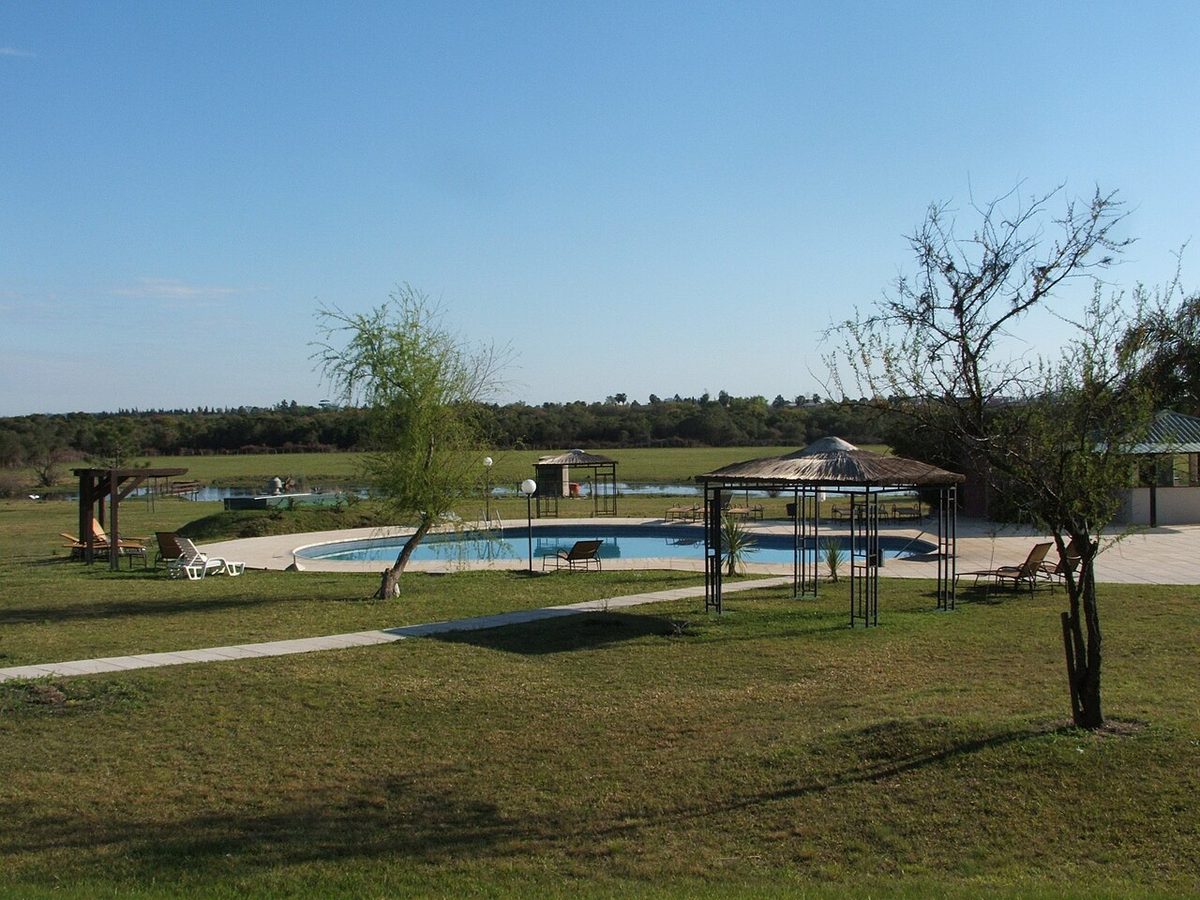
Salto itself, Uruguay’s second-largest city, is worth an afternoon. It’s a working river town, not a tourist set-piece, which is exactly its appeal — a real provincial Uruguay you won’t see on the coast. Walk the riverfront, eat at a parrilla where nobody speaks English, and watch the Río Uruguay slide past toward Argentina on the far bank.
The drawback here is unavoidable: this detour adds the better part of two long driving days to your trip. If hot springs and deep-country river towns don’t excite you, this is the leg to cut — drop it and you’ve freed up enough time to slow everything else down. But if you want the full country, the Litoral is half the point.
Days 5–6: Gaucho country around Tacuarembó
From Salto, cut east into the interior toward Tacuarembó. It’s about a three-and-a-half to four-hour drive across rolling ranch land, and the landscape does something I love: it empties out. Cattle, low hills, the occasional gaucho on horseback who is not performing for anyone.
This is the heart of Uruguay’s gaucho country and estancia culture, the rural soul of the place. The estancia — a working cattle ranch, many of which now host guests — is the experience to chase here. I’d book one night on a ranch if your budget allows: horseback riding, an asado (the slow-grilled barbecue that’s practically a national sacrament), and the kind of star-filled night sky you forget exists.
Use Tacuarembó town as your base for the non-ranch night. Nearby, the Valle Edén is a small, green valley with a quirky claim to fame — a museum arguing this is the true birthplace of tango legend Carlos Gardel. Whether you buy the story or not, the drive out there is gorgeous and the valley is a fine place to walk.
Tacuarembó is also where you feel how big and quiet Uruguay’s interior really is. There’s not a lot of conventional sightseeing — this is about atmosphere, horses, beef, and space. If that’s not your thing, you could compress the interior to a single estancia night and move on. The candid truth: some travelers find the deep interior slow. I find it the most memorable part of the whole loop.
Day 7: Drop south to Colonia del Sacramento
Day seven is your longest stretch behind the wheel, and there’s no sugar-coating it. From Tacuarembó down to Colonia is roughly five to six hours, mostly on Route 3 then Route 1, cutting back across the country toward the Río de la Plata. Break it with a coffee stop and treat it as the price of the loop.
You’ll arrive in Colonia del Sacramento by late afternoon, which is the perfect time. Colonia is Uruguay’s oldest town, a former Portuguese smuggling port whose tiny historic quarter — the Barrio Histórico — is a UNESCO World Heritage Site of cobblestone lanes, sycamore trees, and crumbling colonial walls.
One night is enough, but it’s a night you’ll remember. The trick to Colonia is timing: day-trippers pour in from Buenos Aires on the morning ferries and leave by evening. Stay over and you get the cobblestones at dusk, lamplit and nearly empty, with the river going gold behind the old lighthouse. It’s one of the most romantic hours in the country.
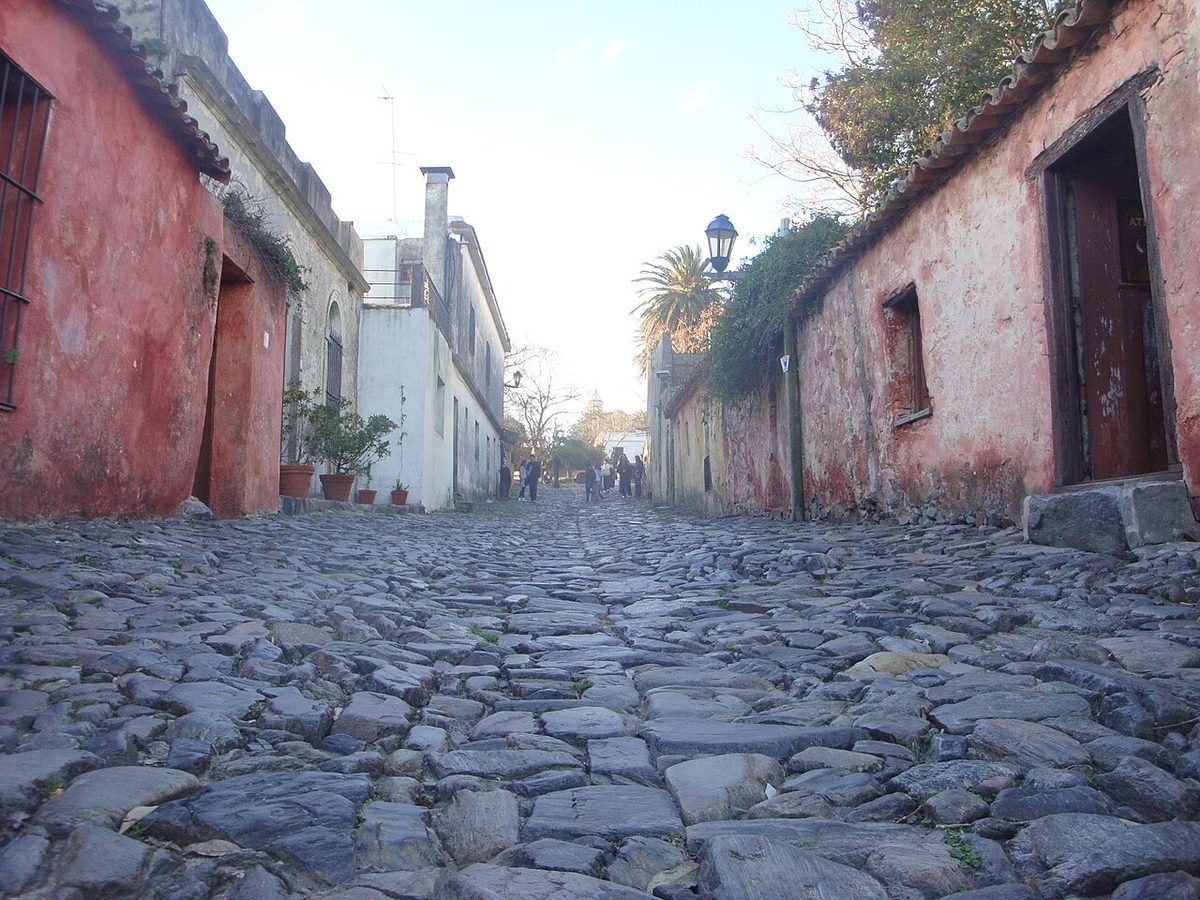
Eat at a riverfront restaurant on the old port, watch the sunset over the water, and walk the Calle de los Suspiros — the Street of Sighs — before bed. In the morning, see the lighthouse and the small museums before the crowds reappear. Colonia also pairs naturally with the country’s heritage story; if that interests you, the rundown of Uruguay’s UNESCO sites covers both Colonia and the Fray Bentos industrial landscape.
The drawback is the drive that gets you here — by day seven you’ll be feeling the kilometres. If you’d rather minimize big driving days, you could swap Colonia earlier and route differently, though that breaks the clean clockwise loop. I think Colonia at sunset earns its place.
Day 8: Back to Montevideo for round two
From Colonia, it’s an easy two-to-two-and-a-half-hour drive east along Route 1 back to Montevideo. After a week of rural roads and small towns, the capital feels like a different country — and now you know it well enough to enjoy it on your own terms.
This second pass is your mop-up day. Whatever you skipped on days one and two, do it now. For me that usually means the things that need energy: climbing for the city views, hunting down a specific restaurant, or going to a football match if the fixture list cooperates.
Football is close to a religion here, and the Estadio Centenario — site of the very first World Cup final in 1930 — has a small museum that’s a genuine pilgrimage for fans. Even an empty stadium tour gives you the goosebumps if you care about the sport at all.
This is also the day for serious eating. Montevideo’s restaurant scene goes far beyond grilled beef, and the guide to where Montevideanos actually eat will steer you past the tourist traps. Book somewhere good — you’ve earned it after the interior. The honest note: a single round-two day in Montevideo always feels too short. If you can spare it, steal a night back from elsewhere.
Days 9–11: Punta del Este, the glamour coast
Now the trip changes character entirely. From Montevideo, drive about two hours east to Punta del Este, South America’s most famous beach resort. After the dusty interior, Punta’s high-rises, marinas and polished restaurants are a genuine jolt — and a welcome one.
Base yourself for three nights, ideally in or near La Barra rather than the high-rise peninsula if you want a bit more character. The peninsula splits the coast in two: the calm Mansa beach on the bay side and the wild Brava side facing the open Atlantic. The Brava is where you’ll find La Mano, the giant concrete fingers rising out of the sand that have become the country’s most photographed landmark.
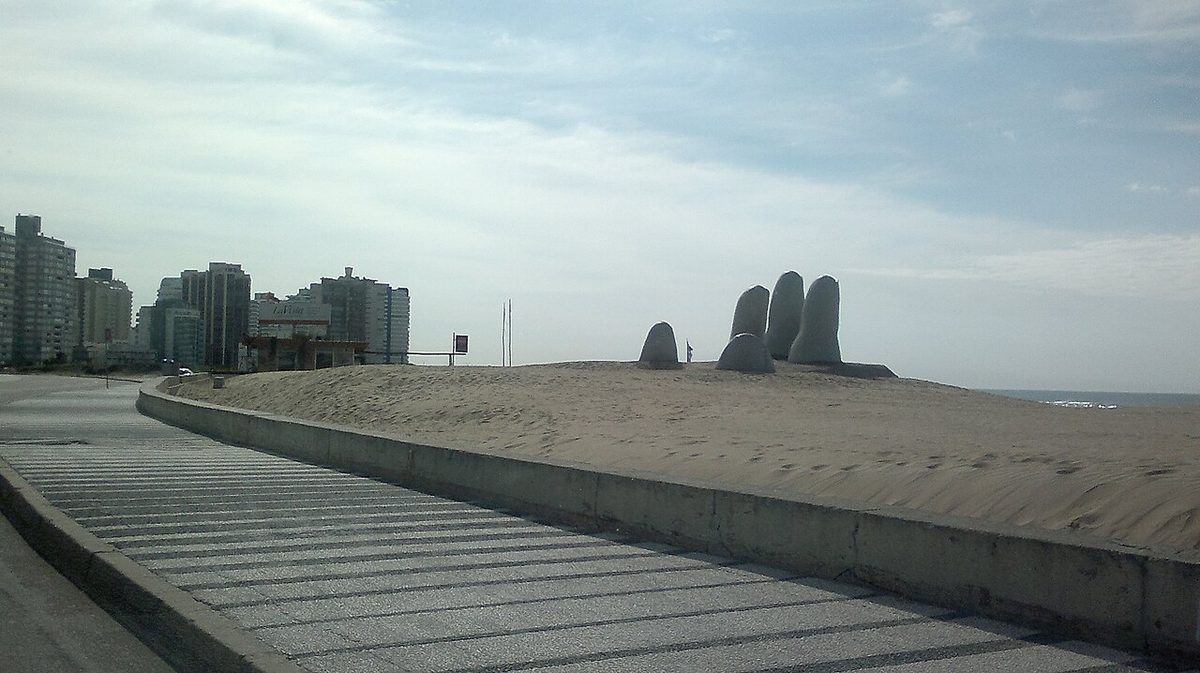
Day ten, drive west to Punta Ballena for Casapueblo, the white, melted-looking cliffside complex built by the late artist Carlos Páez Vilaró. Time it for the sunset ceremony, when a recording of Vilaró’s poem plays as the sun drops into the sea. It is unapologetically sentimental and completely worth it.
On day eleven, head the other direction to José Ignacio, the chic little beach village 40 minutes east that’s where the fashionable crowd decamped once Punta got too built-up. A lighthouse, a handful of excellent (pricey) restaurants, and long quiet beaches. It’s a preview of the wilder coast to come.
Punta del Este is also Uruguay’s wine-tasting doorstep — several of the country’s best Tannat wineries sit in the hills inland, an easy afternoon trip. The drawback of Punta is simply money and timing: in January it’s expensive and packed, prices roughly double, and the town can feel like Miami with a Spanish accent. Come in the shoulder season and it’s a different, calmer place.
Days 12–14: The Rocha wild coast
Here’s my favourite part of the entire loop, and the one that turns a good trip into a great one. East of Punta, the polish falls away and you cross into Rocha, Uruguay’s wild, under-built coastal department that runs all the way to the Brazilian border. Empty dune beaches, fishing villages, sea lions, and a backpacker-meets-bohemian soul. If three days here leaves you wanting more, our five-to-seven-day Rocha road trip takes the same coast town by town.
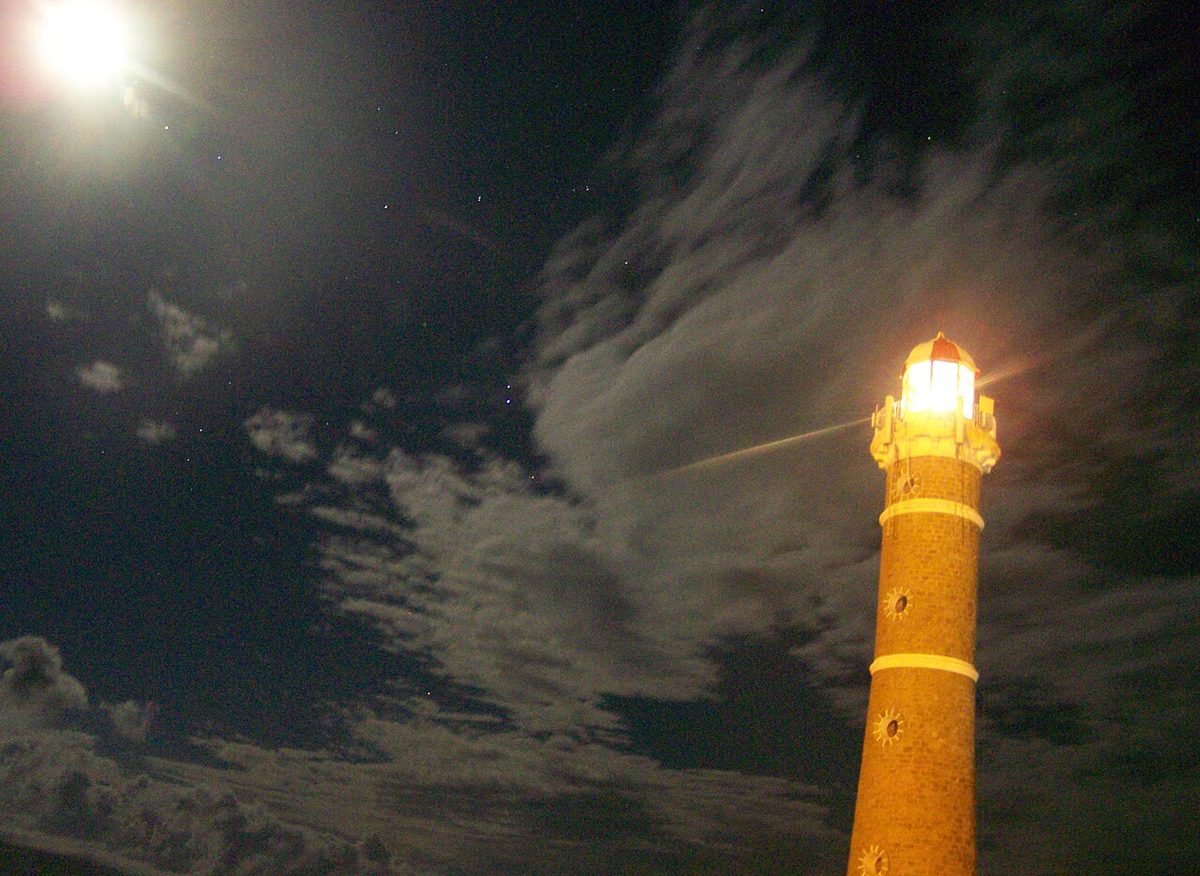
Your first stop is the strangest: Cabo Polonio. There are no paved roads in, no mains electricity, and no cars. You park at the highway, leave the rental behind, and ride a rumbling 4×4 truck across the dunes to a village of candle-lit shacks scattered around a lighthouse and a colony of hundreds of sea lions barking on the rocks. Stay one night if you can stand the rustic conditions — it’s unlike anywhere else in the country.

From the Cabo Polonio turnoff, continue northeast to Punta del Diablo, a former fishing village turned laid-back summer town of wooden cabins and surf. Base here for your last two nights. It’s the kind of place where you eat fresh fish, walk the beach for hours, and watch the boats come in. In low season it’s nearly deserted; in January it heaves with young Argentines and Uruguayans.
Just up the road sits Santa Teresa National Park, one of Uruguay’s best national parks — pine forest, a hilltop colonial fortress, and a string of broad Atlantic beaches that feel genuinely wild. Spend your final full day here: tour the Fortaleza de Santa Teresa, wander the plant nursery the army improbably maintains, and have one last long swim before the drive back.
The drawback of Rocha is the flip side of its charm — it’s rough around the edges. Cabo Polonio has no comforts to speak of, roads turn to ripio (loose gravel) in places, and outside summer some restaurants simply close. Bring cash, lower your expectations on amenities, and you’ll fall for it anyway.
On day fourteen, it’s roughly a four-to-four-and-a-half-hour drive from Punta del Diablo straight back to Montevideo or Carrasco airport along Route 9 and Route 10 — your final long haul. If your flight is early, sleep your last night nearer the city instead.
Costs, transport and how to plan the 14 days
Let me be straight about logistics, because this is where a two-week loop lives or dies.
Getting there and the car. Most visitors fly into Montevideo’s Carrasco airport, or arrive by ferry from Buenos Aires. The getting to Uruguay guide breaks down flights, ferries and the border options in detail. For this itinerary a rental car is close to essential — public buses connect the major towns, but the interior, the estancias and the Rocha beaches are painful without your own wheels. Last I checked, a small rental ran somewhere around US$40–70 a day depending on season and how far ahead you book.
Driving reality. Uruguay is easy and safe to drive — paved highways, light traffic, clear signs. But distances add up: this loop is well over 1,500 kilometres total, and several days involve four to six hours in the car. Watch for the peaje (toll booths) on the main routes, keep small cash for them, and don’t drive the rural roads at night — livestock wander onto them. For a fuller treatment of routes and road conditions, see the broader driving notes in the main itinerary hub.
Money. Uruguay is the most expensive country in South America, and it surprises people. Budget mid-range travelers should reckon on roughly US$90–150 per person per day outside peak season, more in January. Cards work in cities; carry cash for the interior, Cabo Polonio and small Rocha towns. For the small stuff that saves money, the Uruguay travel tips are worth a skim before you go.
When to go. Timing changes this trip completely. December through February is beach high season — hot, alive, expensive, and the only time everything in Rocha is fully open. March and April (autumn) are my pick: warm enough to swim, far cheaper, far quieter. Winter is lovely for the hot springs and Montevideo but cold and dead on the coast. Sort your dates with the best time to visit Uruguay guide before you lock flights.
What to cut if 14 days is tight. If your real window is twelve days, drop the Litoral hot springs first — it’s the longest detour for the most niche payoff. Drop a night in Punta before you touch Rocha or Montevideo. And if you’d rather not drive the full loop at all, the 10-day itinerary covers the coast, wine and a taste of countryside without the northern legs.
2 weeks in Uruguay: your questions answered
Is two weeks too long for Uruguay?
Not if you do the full country. Two weeks is genuinely too long if you only stick to Montevideo, Colonia and Punta — you’d run out of new things by day eight. But adding the Litoral, the interior and the Rocha coast fills fourteen days comfortably, with a couple of slow days built in. For coast-only trips, ten days is the sweet spot.
Can you do this 14-day Uruguay itinerary without a car?
Partly, but I wouldn’t. Comfortable buses link Montevideo, Salto, Colonia and Punta del Este, so the cities are doable by public transport. The estancias, Cabo Polonio’s dune access, Santa Teresa and the smaller Rocha beaches are genuinely hard without a car, though. For a full two-week loop, renting is worth the cost and the freedom.
How much does two weeks in Uruguay cost?
For a mid-range trip, budget roughly US$1,300–2,500 per person for fourteen days outside peak season, excluding international flights. That covers a shared rental car, mid-range lodging, restaurant meals and fuel. January on the coast pushes the high end up sharply. Uruguay is pricier than its neighbors, so don’t plan on backpacker-cheap.
What’s the best month for a two-week Uruguay trip?
March is my favourite. The summer crowds have thinned, the ocean is still warm enough to swim, prices have dropped, and the whole coast is calmer. December to February is the liveliest but costliest and busiest. April is also excellent. Avoid mid-winter if beaches matter to you, though the hot springs and cities are still rewarding then.
Is two weeks in Uruguay safe?
Yes — Uruguay is one of the safest countries in South America, and self-driving the loop is straightforward. Use normal city sense in Montevideo, don’t leave valuables visible in the car, and avoid rural roads after dark because of wandering livestock. Solo travelers, including women, generally find it relaxed and easy compared to much of the continent.
Final thoughts
Fourteen days is the version of Uruguay I wish I’d done first. It trades efficiency for completeness: you’ll log a lot of kilometres, you’ll have a couple of pure travel days, and you’ll see corners of the country that most visitors never reach. That’s the deal, and I’d make it every time.
If the driving sounds like too much, scale down rather than rush — a relaxed week, or even a single-base long weekend in one region, beats a frantic fortnight. But if you want the river towns and the gauchos and the glamour and the wild coast all in one trip, this loop is how you get them. Pack cash, plan your nights, and let the long roads be part of it.
Credits & sources
Sources & further reading
- Ministerio de Turismo del Uruguay — Uruguay’s official national tourism ministry.
- UNESCO World Heritage Centre: Colonia del Sacramento — official listing for the historic quarter.
- Ministerio de Ambiente — official source on Uruguay’s national parks and protected areas, including Santa Teresa and Cabo Polonio.
Photo credits
All images via Wikimedia Commons: Montevideo Rambla Sunset by Marinna (CC BY-SA 4.0); Termas Dayman Hot Springs by Fadesga (CC BY-SA 3.0); Colonia Del Sacramento Street by Banfield (CC BY-SA 3.0); La Mano Punta Del Este by Paola15 (CC BY-SA 3.0); Cabo Polonio Lighthouse by Braveheart (CC BY-SA 4.0).