How to Get to Uruguay (and Around): Ferries, Flights, Buses & Driving (2026)

Last updated: June 2026
The first time I crossed to Uruguay I did it the way most people do: half-asleep on an early Buquebus out of Buenos Aires, mildly astonished that immigration stamped me out of Argentina and into Uruguay at the same desk. An hour later I was rolling a suitcase over old cobbles in Colonia. Easiest border I have ever crossed, and I have crossed it a dozen times since.
Here is the short version of how to get to Uruguay: take a one-to-two-hour ferry from Buenos Aires to Colonia del Sacramento or a direct boat to Montevideo, fly into Carrasco International Airport, or ride a long-distance bus over the river bridges from Argentina or up the coast from Brazil. Once inside the country, comfortable intercity buses and rental cars do almost all the work.
This guide covers the whole journey: every ferry route and which company to book, the flight routes that actually exist in 2026 (there are fewer than you would hope), the overland crossings, and then how to get around Uruguay once you have arrived — buses, driving, city transport, and the trains that exist mostly as a rumor. Prices move with the seasons here, so treat every number below as “around” and check current fares before you build a day on them.
How to get to Uruguay at a glance
| Route | Time | Typical cost (one way) | Best for |
|---|---|---|---|
| Ferry Buenos Aires → Colonia | 1h–1h30 | around US$40–90 | Most travelers; the classic entry |
| Ferry Buenos Aires → Montevideo (direct) | about 2h30 | around US$70–150 | City center to city center, fastest overall |
| Ferry + bus combo to Montevideo or Punta del Este | 4h30–6h | around US$40–70 | The budget-comfortable middle ground |
| Fly to Montevideo (MVD) | ~9h from Miami; ~12h from Madrid | varies wildly | Arrivals from the US, Europe and beyond |
| Overnight bus from Porto Alegre, Brazil | 10–12h | around US$30–60 | Overlanders coming up from Brazil |
| Drive across a river bridge from Argentina | varies | fuel + around US$3–5 in tolls per stretch | Your own car only — rentals can’t cross |
How to get to Uruguay from Buenos Aires: the ferry
Around nine out of ten travelers I meet in Uruguay arrived the same way: across the Río de la Plata by high-speed ferry. The river is so wide here — over 50 km — that the crossing feels like a short sea voyage, complete with duty-free shop and the occasional shudder when the catamaran hits chop. It is the most civilized way into the country, and usually the cheapest from Argentina.
One thing that surprises everyone: both countries’ immigration happens at the departure terminal. You queue once, get stamped out of Argentina and into Uruguay by officers sitting side by side, and walk off the boat on the other side like it was a city bus. No arrival formalities at all. It also means you must arrive earlier than feels reasonable for a boat — more on that below.
The three ferry routes (and which one you actually want)
Buenos Aires → Colonia del Sacramento is the workhorse. Fast boats do it in about an hour and a quarter; slower sailings take closer to 1h45. You arrive a ten-minute walk from a UNESCO-listed historic quarter that is worth a night of anyone’s life — I have written a full guide to Colonia del Sacramento if you plan to linger. From Colonia’s bus terminal, directly across the street from the ferry port, buses continue to Montevideo (about 2h45) and the coast.
Buenos Aires → Montevideo direct takes around two and a half hours on Buquebus’s big ships and lands you in the port at the edge of Ciudad Vieja, walking distance from the old city’s hotels. It costs more than the Colonia route, but door to door it beats flying every time once you count airport transfers. If Montevideo is your first stop — and the capital deserves a couple of days; here is what to do in Montevideo — this is the route I book.
Tigre → Carmelo is the scenic backdoor almost nobody knows. A smaller launch leaves the Tigre delta north of Buenos Aires and threads through the islands to the sleepy river town of Carmelo in about two and a half hours. It is slower and the schedule is thin — typically one or two sailings a day — but the delta scenery is lovely and Carmelo sits at the edge of Uruguay’s boutique wine country. The drawback: onward connections from Carmelo are sparse, so it suits travelers with patience or a pickup arranged.
Buquebus, Colonia Express or Seacat?
| Company | Routes | Crossing time | Typical one-way fare | The honest take |
|---|---|---|---|---|
| Buquebus | BA→Colonia, BA→Montevideo direct, Tigre→Carmelo (Línea Delta) | 1h15 / 2h30 | around US$60–150 | Biggest, smoothest ships (950 passengers), most departures — and the highest prices. Website times out; persevere or book in person. |
| Colonia Express | BA→Colonia (+ bus connections to Montevideo, Punta del Este) | about 1h10 | from around US$30–50 on promo | Cheapest crossing, smaller and bouncier boats. Weekday promos are excellent value; weekend fares converge with Buquebus. |
| Seacat Colonia | BA→Colonia (+ bus combos) | about 1h15 | around US$45–80 | Sells seats on fast catamarans with bus through-tickets; schedules sometimes mirror Buquebus sailings. Fine middle option. |
My rule of thumb after many crossings: Colonia Express midweek if I’m watching money, Buquebus direct to Montevideo if I’m carrying luggage and want the easy version. If you get seasick, pick the bigger Buquebus ships and sit midship — the small fast boats slap around in a southerly wind, and the back rows over the engines feel it most. Pharmacies in Buenos Aires sell motion-sickness tablets without fuss.
Booking and boarding: what trips people up
- Arrive 90 minutes to two hours before departure. Check-in plus two countries’ immigration takes time, and the queues at the Buquebus terminal in Puerto Madero on a summer Friday are real. Miss the cutoff and you are buying a new ticket.
- Book one to two weeks ahead for the best fares; same-day tickets exist but cost more and must usually be bought at least a couple of hours before sailing.
- Weekdays are cheaper than weekends, sometimes dramatically so on Colonia Express.
- The websites are the worst part of the trip. Buquebus’s site has a habit of timing out at the payment step, and English translations come and go. If it defeats you, both companies sell tickets at offices around Buenos Aires, and the terminals sell same-day seats.
- Luggage is fine — checked bags ride free within reasonable limits — but day-trippers travel faster with hand luggage only, skipping the bag-drop queue entirely.
- Bring your passport. Obvious, and yet every sailing someone is turned away with only a photo of theirs. You are crossing an international border, fog or not.
Day trip or stay over?
Colonia works as a day trip from Buenos Aires — the half-day packages with a walking tour run around US$50–65 and are decent value — but the town transforms when the last boat leaves and the streetlights come on over the cobbles. If your Uruguay itinerary allows one night, take it. The honest drawback of the day-trip version: you’ll share the six prettiest blocks with everyone else off your boat between roughly 11am and 5pm, and the lighthouse queue at noon in January is no one’s idea of a holiday.
Flying to Uruguay: the routes that actually exist
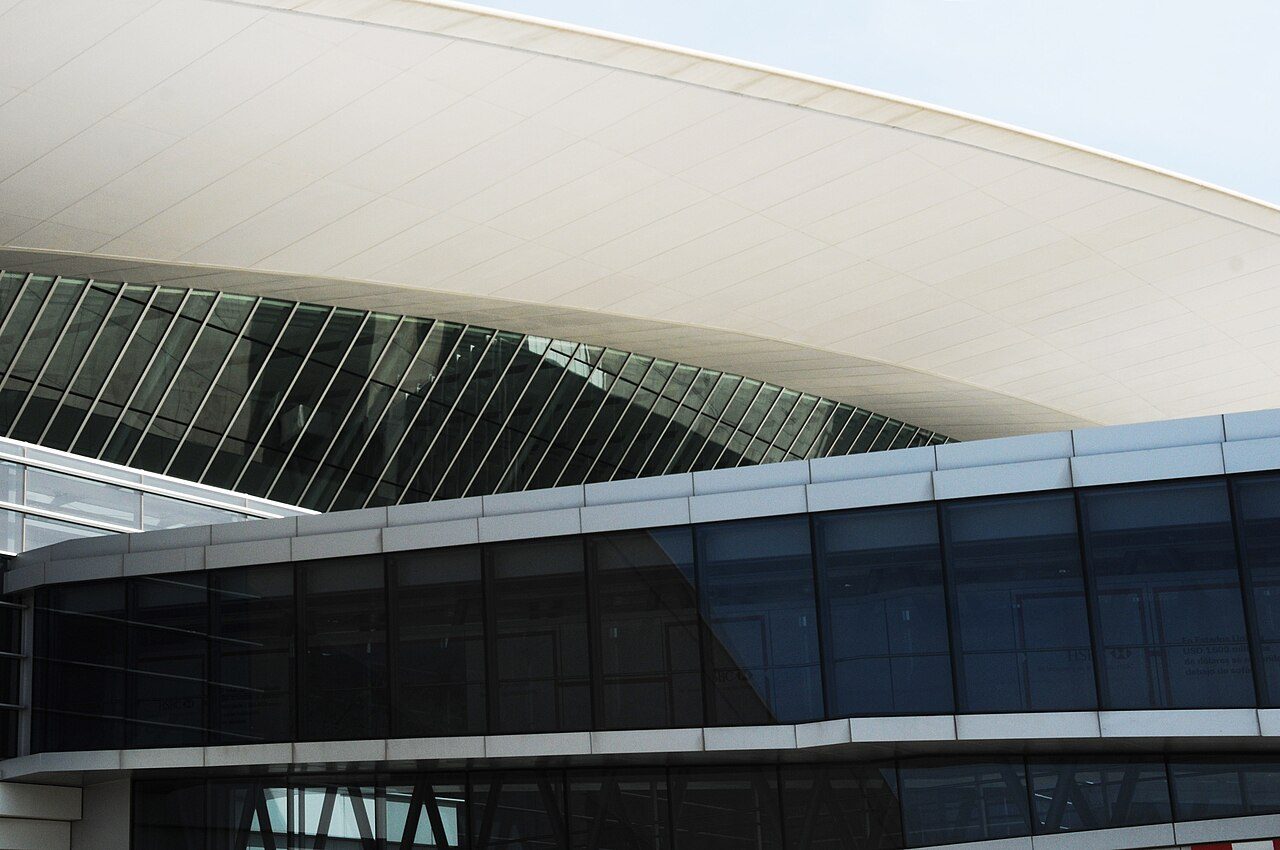
Uruguay is a small market wedged between two giant ones, and its flight map shows it. Almost everything lands at Carrasco International Airport (MVD), about 20 km east of central Montevideo. The terminal — a single sweeping concrete wing designed by Rafael Viñoly, a Uruguayan — is regularly voted among the world’s most pleasant small airports, and it earns it: you can be curbside fifteen minutes after the seatbelt sign goes off. Enjoy that, because the route network is thin and the fares reflect the lack of competition. I have a separate guide to flying into Carrasco that goes airline by airline, hub by hub.
From the United States and Canada
Last I checked, American Airlines is the only nonstop carrier from North America, flying Miami–Montevideo (around nine hours) with a seasonal New York JFK service in the southern summer. Everyone else connects: LATAM via Lima or São Paulo, Copa via Panama City, Avianca via Bogotá, or any carrier into Buenos Aires followed by the ferry. Fares from the US swing between about US$700 and US$1,600 round trip depending on season — December and January are brutal. From Canada, count on two stops or the Buenos Aires route.
From Europe
Two airlines fly nonstop from Europe, both from Madrid: Iberia and Air Europa, around twelve to thirteen hours. From anywhere else in Europe you connect in Madrid, São Paulo or Buenos Aires. A quirk worth knowing: the Madrid flights sometimes price cheaper as a through-ticket from London, Paris or Rome than from Madrid itself. Search broadly.
From elsewhere in South America
The regional network is where Carrasco earns its keep: LATAM from São Paulo, Santiago and Lima; Copa from Panama City (the back door from most of North and Central America); Aerolíneas Argentinas shuttling from Buenos Aires’s downtown Aeroparque several times daily; low-cost JetSMART and Sky on Argentine and Chilean routes that come and go with the season; and Brazilian carriers adding summer service to Montevideo and Punta del Este. From Rio or São Paulo it is under three hours nonstop.
The Buenos Aires hack (and its catch)
Because Buenos Aires has vastly more international service, it is often a few hundred dollars cheaper to fly into Argentina and take the ferry across. I have done this both ways and it works — with one warning. Long-haul flights land at Ezeiza (EZE), 35 km from the ferry terminals in Puerto Madero, and Buenos Aires traffic is an experience. Leave at least four hours between landing and sailing, ideally a night. The 40-minute Aerolíneas hop from Aeroparque to Montevideo exists, but by the time you have transferred airports and done check-in theater, the ferry usually wins on time, money and sanity.
Flying into Punta del Este instead
Punta del Este has its own airport, Laguna del Sauce (PDP), a 30-minute drive west of the peninsula. It wakes up for the summer season — mostly Buenos Aires shuttles plus seasonal São Paulo flights — and hibernates the rest of the year. If you are headed straight for the beaches in January, check it before defaulting to Carrasco; my full Punta del Este guide covers the airport-to-hotel logistics.
From Carrasco airport into Montevideo
- Taxi: fixed-ish metered fare of around US$30–40 to the center, 30–40 minutes along the coastal Rambla. The rank is outside arrivals; prepaid counters inside save haggling.
- Uber or Cabify: usually US$20–28 for the same ride. Signal at the pickup area can be patchy — request the car before you walk out.
- Public bus: COPSA and CUTCSA services marked for central Montevideo leave from the road outside the terminal and cost just a few dollars. Slow (an hour or more, with stops) but unbeatable on a backpacker budget.
- Remise (prebooked car): around US$35–45, worth it on late arrivals when you would rather see your name on a sign than negotiate anything.
Overland: buses and border bridges from Argentina and Brazil

Uruguay shares a river border with Argentina and a land border with Brazil, and both are genuinely easy crossings by South American standards — no mountain passes, no altitude, just pampas and paperwork.
From Argentina by land
Three bridges span the Río Uruguay: Gualeguaychú–Fray Bentos (the Libertador General San Martín bridge, the one Buenos Aires–Montevideo through-buses use), Colón–Paysandú (General Artigas bridge), and Concordia–Salto, which crosses atop the Salto Grande dam. Direct buses from Buenos Aires’s Retiro terminal to Montevideo take around eight to ten hours — comfortable enough overnight, and around US$40–70 — but unless you are bus-loyal or the river is fogged in, the ferry is faster and more pleasant. From Córdoba or Rosario, overnight services run a few times weekly. From Iguazú Falls there is a roughly 24-hour through-bus to Montevideo; I would fly via Buenos Aires or São Paulo instead and arrive a day younger.
The northern crossings earn their keep if you are already exploring the Argentine littoral: Salto, on the Uruguayan side, anchors the hot-springs country covered in my guide to the best things to do in Uruguay.
From Brazil
From São Paulo or Rio, fly — under three hours versus a day and a half of road. The overland route that makes sense is Porto Alegre to Montevideo: comfortable overnight buses (EGA and TTL are the established names) take ten to twelve hours and cost around US$30–60. The road crossing at Chuy/Chuí is one of the world’s odder borders — a single main street where the Uruguayan side sells duty-free and the Brazilian side sells churrasco, with immigration posts outside town that through-bus drivers handle for you. Coming down the coast this way drops you conveniently into the Rocha beach country; see my guide to Uruguay’s best beaches for why you might just stop there.
Further west, Rivera–Santana do Livramento is a similar twin-town crossing on the route from southern Brazil’s interior. One honest warning about driving down from Porto Alegre: the truck traffic on the two-lane stretch toward Chuy makes it a tense drive, and Brazilian rental companies will not let their cars leave the country anyway.
Driving across the border
Here is the rule that catches almost everyone: rental cars cannot cross international borders in this corner of South America. Argentine, Brazilian and Uruguayan agencies all forbid it, with vanishingly rare exceptions. If you dream of a Buenos Aires–Montevideo–Florianópolis road trip in one hire car, it is not happening; rent fresh in each country. Crossing in your own vehicle is straightforward by comparison: passport, registration, and the regional insurance green card (seguro Mercosur), checked at the bridge.
Arriving by cruise ship

The way nobody plans for but thousands arrive by anyway: South America repositioning and Antarctica-season itineraries call at Montevideo roughly from October through April, and some add a tender stop off Punta del Este. Montevideo’s cruise berth is as good as it gets — you step off the ship directly into Ciudad Vieja, two blocks from the Mercado del Puerto’s grill smoke, no shuttle required. A day in port covers the old city comfortably on foot. Punta del Este calls are weather-dependent tender operations on an exposed stretch of river mouth; itineraries skip the stop often enough that I would not promise anyone the day. If your ship overnights in Montevideo, that evening — when the day-trippers are back aboard and the locals reclaim the streets — is the best few hours of the whole call.
Three sample journeys, door to door
Abstract schedules lie; here is how the real trips add up.
New York to Montevideo: the seasonal JFK nonstop when it runs (about ten and a half hours overnight), or year-round via Miami, Panama or Lima — call it 13–16 hours door to door with a connection. Land at Carrasco by mid-morning, Uber along the Rambla, checked in by lunch. Compare that against flying into Buenos Aires on a cheaper fare: add a night there plus the morning ferry, and you arrive a day later but a few hundred dollars richer with a bonus city.
London to Punta del Este in January: there is no nonstop from anywhere in Europe to Punta, so it is Madrid–Montevideo with Iberia or Air Europa (12h30 or so in the air after the hop to Madrid), then a COT bus or prebooked remise east — about two hours more. Total around 20 hours. The alternative via São Paulo with a summer connection into Punta’s own airport occasionally beats it; worth a search if your dates are peak season.
Buenos Aires hotel to Colonia hotel: taxi to the Puerto Madero ferry terminal (15–30 minutes depending on traffic), arrive two hours before sailing for check-in and the double immigration queue, 75 minutes on the water, and a ten-minute walk off the dock into the historic quarter. Call it four and a half hours, of which the boat is the shortest part — and the reason I always book the morning departure rather than cutting an afternoon one close.
Getting around Uruguay once you’re there
Uruguay is compact — about the size of Florida or England-and-Wales — and the whole tourist map fits inside a four-hour drive of Montevideo. The national transport story is blessedly simple: excellent buses, easy driving, no trains worth speaking of, and no domestic flights you will ever need.
Intercity buses: the national workhorse

Uruguayans of every age and income ride the intercity coaches, which tells you most of what you need to know about them. They are clean, punctual, air-conditioned and cheap, and nearly every route radiates from Tres Cruces terminal in Montevideo — a shopping mall that happens to have forty bus platforms attached. Digital boards, left-luggage, decent food court; arrive twenty to thirty minutes early and it is a stress-free place.
The names you will see on tickets: COT (the big one on the coastal runs), COPSA, Turil, Rutas del Sol (toward Rocha), Agencia Central and Nossar (toward the interior), plus CUT and EGA on international routes. Typical fares and times from Montevideo, last I checked:
| Route | Time | Typical fare | Frequency |
|---|---|---|---|
| Montevideo → Punta del Este | about 2h15 | around US$10–15 | every 30–60 min (COT, COPSA) |
| Montevideo → Colonia del Sacramento | about 2h45 | around US$12–18 | roughly hourly (COT, Turil) |
| Montevideo → La Paloma / La Pedrera | 3h30–4h | around US$15–22 | several daily (Rutas del Sol, COT) |
| Montevideo → Punta del Diablo | 4–5h | around US$20–28 | 2–6 daily, more in summer |
| Montevideo → Salto (hot springs) | about 6h | around US$25–35 | several daily (Agencia Central, Nossar) |
| Montevideo → Carmelo (wine country) | about 3h30 | around US$15–20 | several daily |
Book ahead for summer weekends and the days around Carnival and Easter — popular departures really do sell out a day or two in advance. The rest of the year you can walk up and buy a seat. Tickets are sold online (the operators’ own sites work better than aggregators), at terminal counters, and increasingly by QR at the platform. The one honest weakness of the system: away from the coast and the main corridors, frequencies thin out fast, and the small Rocha beach villages might see two or three buses a day off-season. Plan around the timetable, not against it.
Renting a car: when it’s worth it

For Montevideo, Colonia and Punta del Este, skip the car — buses are easier and parking is a chore. Our guide to travelling Uruguay without a car goes destination by destination on what the buses actually reach. Rent one for the places buses serve thinly: the Rocha coast’s chain of surf villages, the wine country around Carmelo and Canelones, the estancias and the hot-springs corridor up north. Route 10 along the east coast and the back roads of wine country are wonderful, easy driving.
The practical notes: compacts start around US$45–60 a day from the international desks at Carrasco and in the cities, less from solid local outfits if you book early. Uruguayan roads are well maintained and lightly trafficked; tolls on the main routes are around US$3–4 a gantry (rentals usually carry the telepeaje tag — confirm how it bills). Fuel is expensive, around US$1.70–1.90 a liter. Speed limits are policed with cameras and occasional checkpoints where you will be asked for license, rental papers and passport — boring, polite, routine. Two rules to take seriously: headlights on at all times, and a zero-tolerance blood-alcohol limit of 0.0 for drivers. They mean it. Most agencies accept US, Canadian, EU and Australian licenses without an International Driving Permit, but if your license is not in Spanish or English, bring an IDP. The last honest caveat: the final kilometers to places like Cabo Polonio or remoter beaches are sand or gravel — Cabo Polonio itself you cannot drive into at all; you park at the gate and ride the municipal 4×4 trucks over the dunes for around US$10–12 round trip, which is half the fun anyway. If you decide to drive, my longer guide to renting a car and driving here covers the telepeaje toll system, the gravel-road insurance small print and the no-border-crossing rule in full.
Montevideo city transport
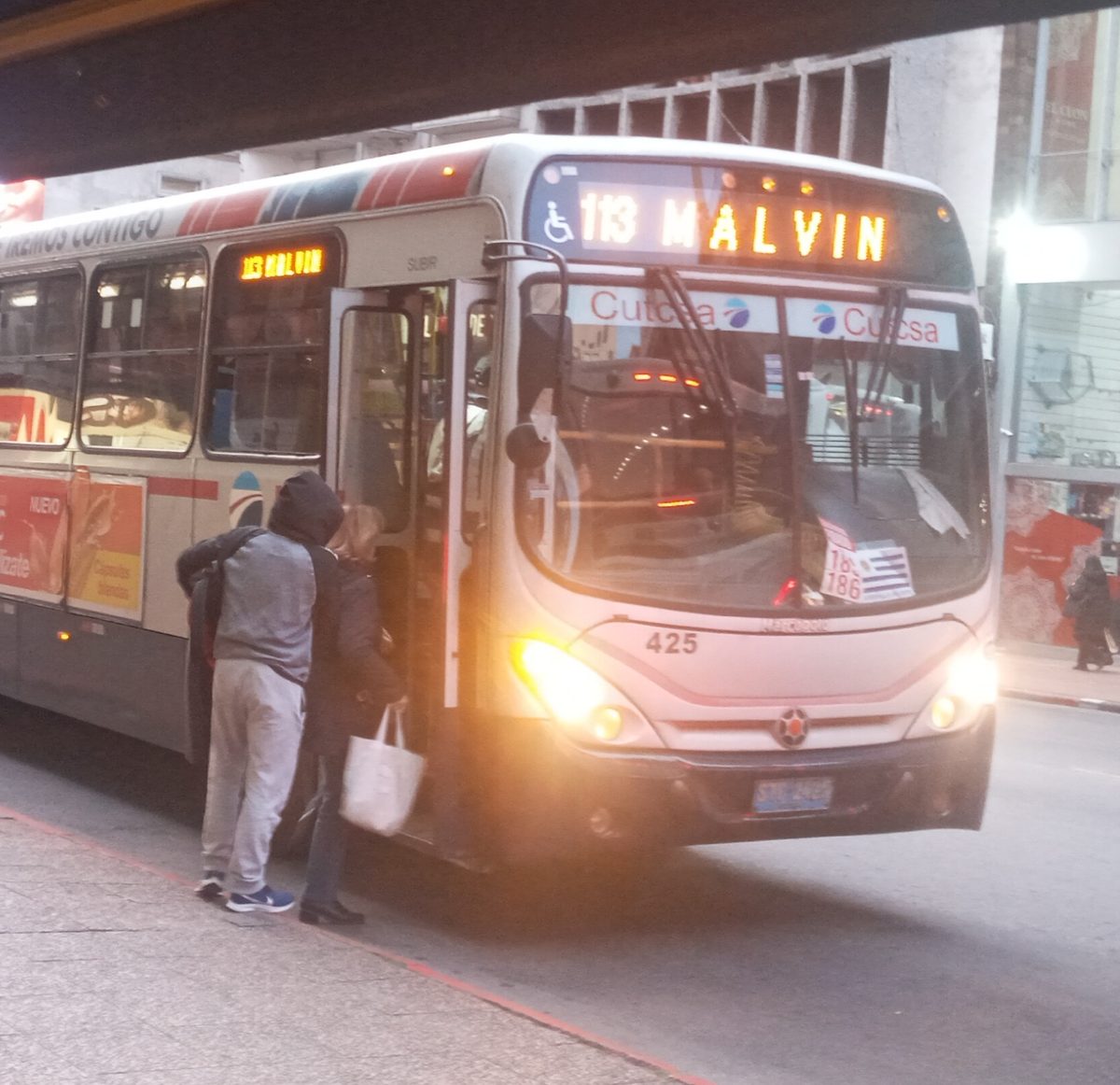
Montevideo runs on its buses — frequent, safe, and cheap at around US$1.30–1.60 a ride. Buy an STM card at kiosks and Abitab/Redpagos agents to tap on (you can pay cash to the conductor on many lines, but the card is cheaper and faster), and install Moovit, which handles the network’s real-time arrivals in English. Metered taxis are everywhere and honest as a rule — check the meter is running — and Uber and Cabify both operate, typically 20–30% under taxi fares. The nicest way across the city on a good day is no vehicle at all: the Rambla, 22 km of waterfront promenade, with public bikes and a flat walk that locals treat as the national gym.
Taxis and the small-town reality
In Punta del Este, Uber works in season and taxis cluster at obvious ranks. In the smaller beach towns — La Paloma, Punta del Diablo, Cabo Polonio’s gateway — there is usually one taxi cooperative and no app coverage; get the WhatsApp number from your accommodation and call ahead rather than standing hopefully in the street. Hostels and posadas routinely arrange pickups from bus stops if you ask.
Trains and domestic flights (the two-sentence section)
Uruguay’s passenger rail network is, for a traveler’s purposes, extinct — a commuter line out of Montevideo’s suburbs and nothing more, the grand old Estación Central left to the pigeons. Domestic flights barely exist either, and in a country this size you would spend longer at the airport than in the air; take the bus.
Which way in, for which traveler
- First-timer based in Buenos Aires: ferry to Colonia, one night there, bus to Montevideo, fly or sail home from the capital. The classic loop, and still the best one.
- Flying from the US: American’s Miami nonstop if the fare is sane; otherwise Copa via Panama or LATAM via Lima — or price the Buenos Aires ferry route, which doubles your trip’s city count for free.
- Flying from Europe: Iberia or Air Europa through Madrid, and check through-fares from your home city rather than booking Madrid separately.
- Backpacking up from Patagonia or down from Brazil: overnight buses — Retiro→Montevideo or Porto Alegre→Montevideo — both civilized, both cheaper than any flight you will find.
- Families: the direct Buenos Aires–Montevideo ferry beats everything: no airport, kids roam the deck, you land downtown. Book a cabin-class seat upgrade if the budget stretches; it is modest money for a calmer three hours.
- Road-trippers: fly in, rent at Carrasco, and build the loop east through Rocha or west through wine country. Just do not plan to take the car across any border.
The mistakes I see travelers make (so you don’t)
- Confusing Buenos Aires’s two airports. Long-haul flights use Ezeiza (EZE), 35 km out of town; the Montevideo air shuttle and most domestic flights use Aeroparque (AEP), on the city’s riverfront. People book tight self-transfers between them and lose. If you are connecting plane-to-ferry, remember the boats leave from Puerto Madero downtown — closer to Aeroparque, a solid hour-plus from Ezeiza when traffic is unkind.
- Treating the ferry like a commuter boat. It is an international crossing with airline-style check-in cutoffs. The 90-minute rule is not advisory; I have watched gates close on people holding valid tickets and very good excuses.
- Arriving in January without bookings. The first two weeks of January are Argentina and Uruguay’s collective summer holiday. Ferries, coastal buses, rental cars and everything in Punta del Este sell out together. Book transport when you book your bed.
- Bringing Argentine pesos to spend. They are politely declined everywhere. Spend them before boarding or change them at the terminal; once across, it is Uruguayan pesos, dollars for big tickets, or — best of all — your foreign card with its VAT discount.
- Planning a same-day ferry-to-flight connection. River fog, especially in autumn and winter mornings, periodically delays or cancels sailings. If you have an international flight out of Buenos Aires, cross the day before. The fog always lifts; your plane will not wait for it.
- Renting a car for the wrong half of the trip. Couples regularly pay for a parked car through three city days, then hand it back just before the Rocha coast where it would have earned its keep. Structure the rental around the countryside days, not the whole trip.
Practical planning: papers, money and timing
Entry requirements
Citizens of the United States, Canada, the UK, the EU, Australia, New Zealand and most of South America enter Uruguay visa-free for up to 90 days — you get a stamp (or these days often just a scan) and you are in. Officially your passport should be valid for your stay, and six months’ validity is the safe standard to travel on; border officers can ask for proof of onward travel, though in many crossings I have never once been asked. Travel medical insurance is strongly recommended and intermittently requested on entry — Uruguay’s healthcare is excellent but private care is billed accordingly. Rules change; check the official sources linked at the bottom before you fly.
Money at the border
Uruguay uses the Uruguayan peso (UYU), around 40–43 to the US dollar lately. Cards are accepted nearly everywhere, including contactless, and here is the open secret too few visitors use: Uruguay runs a VAT refund program for foreign cards, knocking roughly 9–18% off restaurant bills, car rentals and some services automatically when you pay with a foreign-issued card. It has been renewed season after season for years — confirm it is still running, then pay by card on principle. Two warnings: nobody in Uruguay wants your Argentine pesos, so spend those before the ferry; and US dollars are widely accepted for big-ticket items but at lazy exchange rates, so pesos win for daily spending. ATMs (Banred and Redbrou networks) are everywhere in cities, thin on the ground in beach villages — Cabo Polonio famously has none, so arrive with cash.
When to come (and when to book ahead)
Transport is the one part of a Uruguay trip where season changes everything. In January, ferries, buses to the coast and rental cars all sell out days or weeks ahead and prices peak; in June you can walk onto almost anything. The sweet spots are the shoulder months — November, December before Christmas, March after Carnival — when the weather still cooperates and the queues have gone home. I cover the trade-offs month by month in my guide to the best time to visit Uruguay. If you are coming for Carnival or Easter week, book the ferry the moment your dates firm up — those sailings fill weeks out.
Small things that smooth the trip
- Time zone: Uruguay sits at GMT-3 year-round, no daylight saving — currently the same clock as Buenos Aires and São Paulo.
- Plugs: types C, F and L, 230V. Bring a universal adapter; hotels rarely have spares.
- Apps: Moovit for Montevideo buses, Uber/Cabify in the cities, WhatsApp for literally every small business including taxi co-ops and ferry questions.
- Spanish: tourism businesses manage English, bus terminals mostly don’t. Ten phrases and patience go a long way; Uruguayans are unhurried and kind about it.
- Luggage on buses: checked into the hold with a numbered tag, free. Keep valuables on you — standard practice, not paranoia.
FAQ: how to get to Uruguay
How much does the ferry from Buenos Aires to Uruguay cost?
Booked a week or two ahead, around US$30–60 one way to Colonia on a promo fare (Colonia Express is usually cheapest midweek) and around US$70–150 on the direct Buquebus ship to Montevideo. Last-minute, weekend and premium-class fares run higher. Day-trip packages with a walking tour go for around US$50–65 and are fair value.
How long is the ferry from Buenos Aires to Montevideo?
The direct Buquebus ferry takes about two and a half hours dock to dock. The cheaper alternative — fast ferry to Colonia, then a connecting bus — takes four and a half to five and a half hours all in. Remember to add the 90-minute-to-two-hour check-in and immigration window before departure either way.
Should I book Buquebus or Colonia Express?
Buquebus for the direct Montevideo route, the biggest and steadiest ships, and the most departures; Colonia Express for the cheapest Colonia crossings, especially midweek promos. Seacat sits between them. If seas are rough or you are prone to seasickness, the larger Buquebus vessels ride noticeably better than anyone’s small fast catamarans.
Can I visit Uruguay as a day trip from Buenos Aires?
Yes — Colonia del Sacramento is the standard day trip: an early ferry over, six or seven hours in the historic quarter, an evening boat back. It works well, though staying one night shows you the town at its best, after the day boats leave. Montevideo as a day trip is possible but rushed; give it a weekend.
Do US citizens need a visa for Uruguay?
No. US passport holders (along with Canadians, Brits, EU citizens, Australians and New Zealanders, among many others) enter visa-free for up to 90 days as tourists. You may be asked for an onward ticket. Always confirm current rules on official government sites before travel, since entry policies can change.
Is there Uber in Uruguay?
Yes — Uber and Cabify both operate in Montevideo, and Uber runs in Punta del Este (busiest in the summer season). Rides typically cost 20–30% less than metered taxis. In small beach towns there is no app coverage; call or WhatsApp the local taxi cooperative, or ask your accommodation to arrange a pickup.
Are there trains in Uruguay?
Effectively no. Passenger rail is limited to a commuter line serving Montevideo’s outer suburbs, useless for visiting the coast or the interior. Intercity buses replaced trains decades ago and do the job admirably — frequent, cheap, comfortable. Rail fans can still admire the handsome shell of Montevideo’s old central station from outside.
Do I need to rent a car in Uruguay?
Not for the classic Montevideo–Colonia–Punta del Este circuit, which buses cover better than a car plus parking ever could. Rent one for the Rocha coast’s small beach towns, wine country around Carmelo, estancia stays and the northern hot springs — the places where two buses a day would dictate your whole schedule.
What is the cheapest way to get to Uruguay?
From Argentina: a midweek Colonia Express promo fare, often around US$30–40, or the slower Retiro–Montevideo bus. From Brazil: the Porto Alegre overnight bus at around US$30–60. From the US or Europe: watch for fare sales into Buenos Aires — frequently cheaper than flying to Montevideo directly — then cross by ferry.
Can I take a rental car from Argentina or Brazil into Uruguay?
Almost certainly not. Rental agencies in Argentina, Brazil and Uruguay prohibit their vehicles from crossing international borders, with rare and expensive exceptions. Plan to drop the car, cross by ferry or bus, and rent again on the Uruguayan side — agencies at the Colonia ferry terminal and Carrasco airport make this painless.
Final thoughts
I have flown into Carrasco at dawn, ridden the night bus up from Porto Alegre, and crossed the Río de la Plata more times than I can count, and the verdict has not changed: getting to Uruguay is the easiest part of South American travel, and getting around it is easier still. One immigration queue, one river, one country where the buses leave on time. The hardest decision you face is ferry-window-seat strategy. Pick the morning boat, watch the brown river turn silver, and start composing the message you will inevitably send home a week later — the one explaining why you are not coming back on schedule. For what to do once you have landed, start with my guide to the best things to do in Uruguay.
Credits & sources
Sources & further reading
- Uruguay Ministry of Tourism — official destination information
- US State Department: Uruguay — entry requirements and safety information
- Buquebus — current ferry schedules and fares
- Carrasco International Airport — live arrivals, airlines and nonstop destinations
Photo credits
All images via Wikimedia Commons: Buquebus ferry by Andrzej Otrębski (CC BY-SA 4.0); Carrasco airport terminal and Montevideo cruise port by Andrés Franchi Ugartemendia (CC BY-SA 3.0); Tres Cruces bus terminal by Andrea Mazza (CC BY-SA 3.0); Ruta Interbalnearia by CITY MVD (CC BY-SA 3.0); Montevideo city bus by Gardenflow (CC BY-SA 4.0); General Artigas bridge by Pablo D. Flores (CC BY-SA 2.5).



1 comment
Comments are closed.