Buenos Aires to Montevideo Ferry: The Complete Guide (2026)
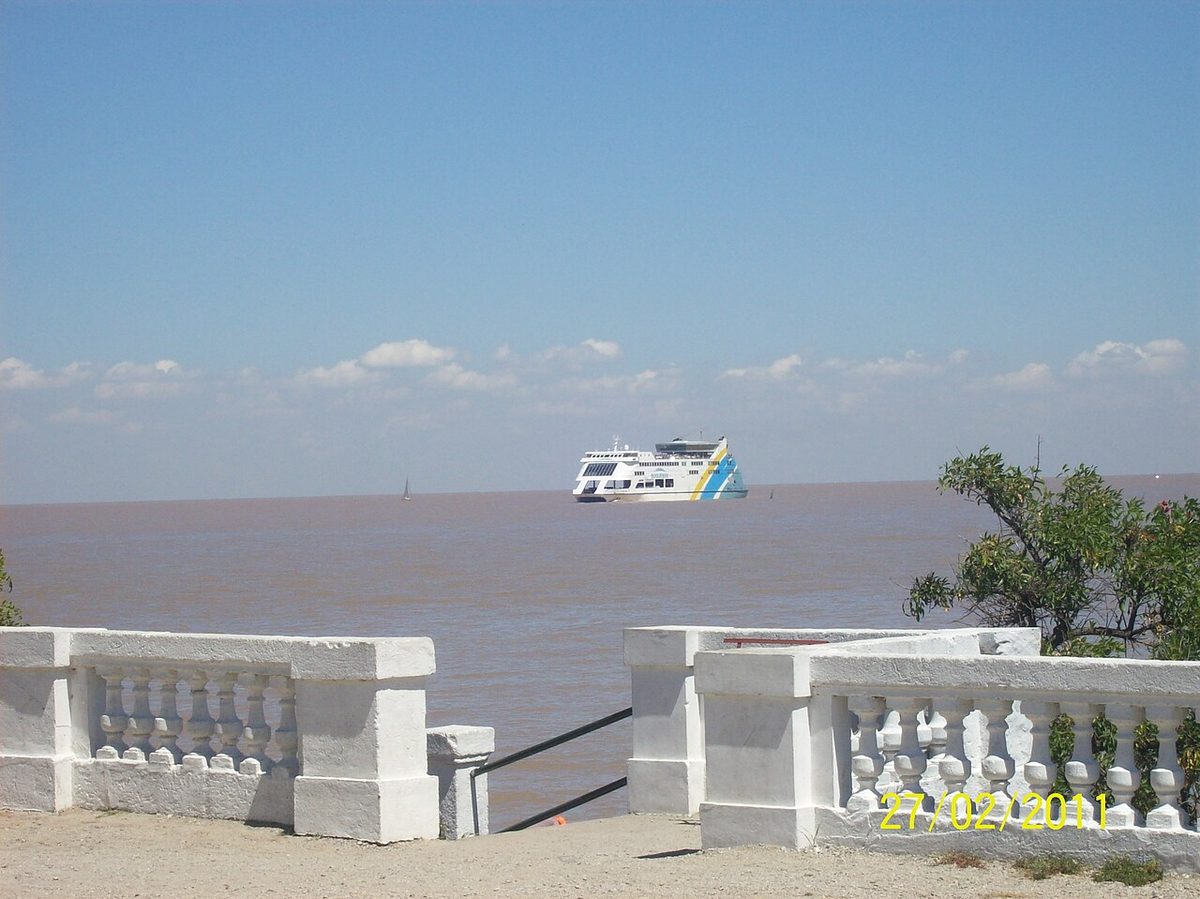
The first time I took the direct boat across the Río de la Plata, I almost talked myself out of it. A friend in Buenos Aires swore the only sensible way to reach Uruguay was the cheap ferry-and-bus combo through Colonia, and that the fast crossing straight to the capital was a tourist tax. He was wrong, and I have made the direct trip enough times since to say so with a clear conscience.
Crossing on the buenos aires to montevideo ferry is a small marvel. There is something quietly absurd about boarding a ship in the middle of a city, getting stamped out of one country and into another while still standing on dry land, and stepping off two hours later into a different capital. No airport. No three-hour pre-flight ritual. Just a wide brown river and a very fast catamaran.
This is the route I reach for when I want to be in Montevideo by lunch and I do not want the day eaten by connections. Here is everything I have learned about doing it well.
The buenos aires to montevideo ferry is the direct fast-catamaran crossing run by Buquebus straight from Puerto Madero in central Buenos Aires to the Montevideo port terminal, skipping the Colonia transfer entirely. The fast boats cover it in roughly two and a quarter hours; immigration for both countries is done at the Buenos Aires terminal before you board. Expect to pay somewhere in the rough range of US$65 to US$160 one-way, depending on demand.
What this guide covers: the direct city-to-city route only, and in real depth. The boats themselves, journey time, how booking and dynamic pricing actually work, both terminals, the customs-at-the-port trick, luggage, duty-free, what the crossing feels like, seasickness, pets, and taking a car across. For a full head-to-head of the operators, or the slower-but-cheaper route through Colonia, I point you to dedicated guides rather than rehashing them here, and to our overview of getting to Uruguay and around if you want the bigger picture first.
| Route option | Typical time | Rough one-way price (USD) | Best for |
|---|---|---|---|
| Direct fast ferry (Buquebus, BA → Montevideo) | ~2h 15m | ~$65–$160 | Speed; arriving rested in the capital |
| Ferry to Colonia + connecting bus | ~4–4h 45m | ~$48–$73 | Saving money; seeing the countryside |
| Fly (Aeroparque → Montevideo) | ~1h in the air, half a day door-to-door | Often more, and patchy | Rarely worth it for this hop |
Prices shifted while I was researching this, and they will have shifted again by the time you read it. Treat every figure here as a ballpark to sanity-check against, not a quote.
How the direct buenos aires to montevideo ferry actually works
One company runs the direct city-to-city crossing: Buquebus, the Argentine-Uruguayan operator that has dominated the Río de la Plata for decades. Other operators exist, but they take you to Colonia del Sacramento and hand you off to a bus for the rest. If you want a single boat from Buenos Aires straight into Montevideo, Buquebus is the only game in town.
The “river” here, the Río de la Plata, is really a vast freshwater estuary, around 220 kilometres wide where it meets the Atlantic. From the deck it looks more like a flat brown sea than a river. You will not see open ocean, and for most of the crossing you will not see either shore. It is a strange, horizonless stretch of water the colour of milky coffee, which is the sediment, not pollution.
Direct departures are limited, often just one or two a day, and they skew toward the morning. The classic timetable has had a roughly 07:30 sailing arriving around 10:00, which is the one that makes a long day trip possible. Slower mid-afternoon departures have also run. Schedules get reshuffled seasonally and around holidays, so always pull the current timetable before you commit to a plan.
The boats: the fastest commercial ship in the world
The headline vessel on this route is the HSC Francisco, which Argentines affectionately call the “Papa Francisco” after the Argentine pope. It is not marketing fluff: when Incat in Tasmania delivered it in 2013, it was, and as far as I know still is, the fastest commercial passenger ship on Earth, capable of nearly 58 knots, which is around 107 km/h.
Francisco is a dual-fuel catamaran that can run on liquefied natural gas, driven by gas turbines and water-jets, carrying somewhere north of 1,000 passengers and roughly 150 cars across two decks. Stepping aboard, it feels less like a ferry and more like a low, wide aircraft cabin that happens to float. There is a duty-free shop, a café, and on the upper-class decks, table service.

One honest caveat about the fleet: Buquebus rotates vessels, and not every direct sailing is the Francisco. On a slower boat or a busy day, the crossing can stretch closer to two and a half or even three hours, and the “fastest ship in the world” romance evaporates somewhat when you are on a more ordinary catamaran in chop. Book for the route and the time, not the specific ship, because the specific ship can change.
Worth knowing for future trips: Buquebus has been launching a new generation of vessels, including an enormous battery-electric ferry slated to start on the Buenos Aires–Colonia run. It will not change the direct Montevideo crossing overnight, but the fleet you sail on in a couple of years may be quieter and cleaner than the one I describe here.
How long does the crossing really take?
Door to door, budget more than the headline two and a quarter hours. The sailing time is genuinely around 2h 15m on the fast boat, but you should be at the terminal a good hour ahead for check-in and the two sets of immigration, and you will spend a few minutes clearing the bag scanner on arrival in Montevideo.
Call it a three-and-a-half-hour operation, terminal to taxi, on a smooth day. That is still dramatically faster than the Colonia-plus-bus route, which runs four hours and up once you factor the transfer. If your whole reason for choosing this crossing is speed, the direct boat earns its premium. If you are relaxed about time, the savings on the indirect route are real, and I cover that trade-off in the linked guides below.
The terminals: Puerto Madero and the Montevideo ferry port
On the Buenos Aires side, you leave from the Terminal Fluvial Buquebus at Avenida Antártida Argentina 821, on the edge of Puerto Madero near Retiro. It is central and easy to reach: the E-line subway, a clutch of bus routes, and the Retiro rail and bus hub are all close, and a taxi or Cabify from most tourist neighbourhoods is quick and cheap. The building is modern, glassy, and bigger than you expect, with a café, currency exchange, and a two-level duty-free shop.
Arriving into Montevideo, you dock at the port terminal on the Rambla 25 de Agosto de 1825, right on the edge of the Ciudad Vieja, the old town. This is about as good as arrival logistics get. You are walking distance from much of the historic centre of Montevideo, and a short taxi from almost anywhere you would want to stay. The terminal is smaller and plainer than the Buenos Aires one, with the usual ATMs, a couple of cafés, and tourist information.
The rambla, by the way, is the long waterfront promenade that wraps Montevideo, and you have just landed at one end of it. If your accommodation in Montevideo is anywhere along the coast, the taxi ride in is itself a decent first look at the city.
Customs and immigration are done before you board
This is the single best thing about the route, and the detail most guides bury. You clear immigration for both Argentina and Uruguay at the Buenos Aires terminal, before you set foot on the boat. Two booths, often side by side: an Argentine officer stamps you out, a Uruguayan officer stamps you in, and that is it. The countries run what is called a juxtaposed control, so there is no second queue waiting for you in Montevideo.

What this means in practice: you arrive in Montevideo already legally admitted to Uruguay. You collect any checked bag, walk it through a security scanner, and you are out on the rambla looking for a taxi. No passport line on the Uruguay side. It genuinely feels like a magic trick the first time.
One drawback to flag honestly: because both immigration checks happen up front, the pre-boarding process at Buenos Aires takes longer than a simple domestic ferry would. On a packed summer morning those booths back up, and the official “arrive 30 to 45 minutes early” advice is optimistic. I aim for a full hour, and closer to 90 minutes if I am travelling on a holiday weekend or with checked luggage.
Luggage, duty-free and money
Buquebus luggage allowances are generous by ferry standards: typically one checked bag up to around 23 kg and a carry-on up to about 5 kg, similar to a flight. Nobody weighed my bag with a fanatic’s precision, but I would not push it on a busy sailing. Oversized or extra bags can usually be added for a fee.
The duty-free is a genuine draw, not an afterthought. There is a shop in the Buenos Aires terminal and another on board the larger boats, stocked with perfume, spirits, electronics and chocolate at prices that can undercut the high street. If you are short on Uruguayan pesos, there is normally a currency exchange in the terminal and sometimes on board, though the rates are mediocre, so I treat them as a convenience, not a strategy.
A small money note that has saved me grief: keep a little Uruguayan cash handy for the taxi and a tip for whoever helps with bags, but you rarely need much. Cards work fine in Montevideo, and many places quote tourists in US dollars anyway.
What the crossing is actually like
Inside, the boat is split into classes. Turista (tourist) is the standard fare and is perfectly comfortable: airline-style seats, room to wander, access to the café and the duty-free. Business and Primera (first) buy you wider seats, a quieter cabin, priority boarding, terminal lounge access on some sailings, and food and drink service, which on the upper class can stretch to a glass of sparkling wine.
My honest take: tourist class is fine for a two-hour daytime hop, and I have happily taken it many times. The upgrade earns its keep mainly if the boat is full, if you want to actually work or sleep, or if you simply like the ritual of a coffee brought to your seat while the brown river slides past. On a quiet off-season morning, the premium cabins are a luxury, not a necessity.
The café food is exactly what you would guess: pre-made sandwiches, empanadas, medialunas, snacks, coffee and soft drinks. Edible, not memorable. I tend to eat before I board, or save my appetite for a proper Montevideo lunch, because a chivito, the gloriously overloaded steak-and-everything sandwich that is Uruguay’s national vice, beats anything on the boat by a wide margin.

The fast boats are largely enclosed, so do not expect a windswept open-deck experience. You sit, you read, you watch the flat water, and on the Francisco you might marvel briefly that something this big is moving this fast. For most of the crossing there is little to see but estuary, which is part of why I treat the trip as transit, not sightseeing.
Seasickness: the honest answer
Most of the time, the Río de la Plata is calm and the ride is smooth. The catamarans are heavy, stable ships, and on a still day you barely feel movement. I have crossed in flat conditions and forgotten I was on water at all.
That said, the estuary can turn genuinely rough when the wind is up, and the fast catamarans do move in a swell, sometimes with a side-to-side motion that does not agree with sensitive stomachs. If you are prone to motion sickness, take a tablet an hour before boarding rather than gambling on a calm day. Sit low and central, near the middle of the boat, where the motion is least, and keep your eyes on the horizon line out the window.
The good news is that it is over quickly. Even a bouncy crossing is a couple of hours, not an overnight ordeal. That brevity is one of the underrated advantages of the direct route over slower options.
Pets and cars on the ferry
Yes, you can take a dog, and yes, you can take a car, and both involve more paperwork than a simple passenger ticket. Plan ahead for either. And if you’re wondering whether you need a car at all, our guide to Uruguay without a car shows how far the buses will take you.
For pets, notify Buquebus well in advance, generally at least 24 hours before departure, and carry your animal’s up-to-date vaccination and health certificates, because this is an international border crossing. Small pets can usually travel in the cabin in an approved carrier within a tight weight limit, often around 6 kg including the carrier, with a strict limit on how many are allowed per sailing. Larger animals travel in a kennel area or, if you are driving aboard, can stay in the vehicle. Trained guide and assistance dogs are welcome in the cabin.
Cars are simpler in some ways: the larger boats have a vehicle deck, and the car is ticketed separately from its passengers. Last I checked, the cost of bringing a standard car ran roughly in line with a single tourist-class passenger fare, which is reasonable. You drive on, the drivers board first, and you collect the vehicle on the other side.
Here is the drawback that catches people out, and it is a big one: most Argentine rental cars cannot legally be taken across the border into Uruguay, and vice versa. Cross-border rentals require specific authorisation paperwork that many companies simply will not provide, and turning up at the terminal without it means your car is not going anywhere. If you are even considering driving across, confirm cross-border permission with the rental company in writing before you book the ferry. Taking your own vehicle is straightforward; taking a hired one usually is not.
Booking and planning: how to do this without stress
Buying tickets is the part travelers overthink. A few things make it painless.
Book ahead, especially in summer. The direct sailings are limited and the popular morning departure does sell out around weekends, holidays and the December-to-February high season; our guide to the best time to visit Uruguay explains how the seasons drive both crowds and fares. Buquebus uses dynamic pricing on the direct fare, meaning the same crossing can cost noticeably more the longer you wait and the closer to a peak date you buy. Prices have typically opened a few months out.
Here is the practical sequence I follow:
- Decide your date and rough departure time, then check the live Buquebus timetable for the direct Montevideo sailing, since schedules shift seasonally.
- Compare the direct fare against the Colonia-plus-bus combo for the same day. If the price gap is large and you are not in a hurry, the indirect route may win.
- Book online a few weeks ahead for a good price, or watch the dynamic fare for a few days and pounce when it dips. Do not assume you can buy the cheapest ticket at the port; the best fares are online.
- Pick your class. Tourist for a quick daytime hop; business or first if the boat is busy or you want to arrive rested.
- Save your booking confirmation offline and screenshot it, in case the terminal Wi-Fi is flaky when you check in.
One genuine annoyance worth naming: the booking experience on the local sites can be clunky, with currency display flipping between Argentine and Uruguayan pesos and occasional payment hiccups on foreign cards. International ferry-booking aggregators can be easier to use, though they sometimes add a small fee. Either way, you are buying the same seat on the same boat.
By traveler type
Day-trippers from Buenos Aires: take the earliest direct sailing out and the latest one back, and you get a genuine, if tiring, day in Montevideo. Honestly, though, the capital rewards an overnight, and many people find a Colonia day trip from Buenos Aires a better fit for a pure day on the water. If you end up basing yourself in the capital, the short Montevideo to Colonia hop is an easy add-on too.
Couples and comfort-seekers: the upgrade to business or first is a small luxury that sets the tone for the trip, particularly on the way home when you are tired and want a glass of something and a quiet seat.
Families: tourist class and the room to walk around suit kids well, the crossing is short, and the duty-free and café break up the time. Just sort any pet or stroller logistics in advance.
Budget travelers: weigh the direct fare honestly against the Colonia-and-bus combo. If money matters more than the clock, the indirect route is the smarter spend, and the bus ride across the Uruguayan countryside is pleasant in its own flat, green way.
Onward travelers: arriving by ferry slots neatly into a wider trip. From Montevideo you can carry on to Punta del Este, loop back through Colonia, or build the whole thing into a combined Argentina and Uruguay itinerary. The planning guides below help you stitch it together.

If you are still deciding whether Uruguay even earns a place on your South America itinerary alongside its louder neighbour, that is a fair question, and one I have opinions about; our honest Uruguay vs Argentina comparison is there to help you choose.
Buenos Aires to Montevideo ferry: your questions answered
How long is the ferry from Buenos Aires to Montevideo?
The direct fast catamaran crosses in roughly two hours and fifteen minutes on the quickest boat, and up to about two and a half or three hours on a slower vessel or a busy day. Add an hour at the Buenos Aires terminal for check-in and immigration, so budget around three and a half hours door to door.
Is there a direct ferry, or do I have to change at Colonia?
There is a direct ferry. Buquebus runs a city-to-city crossing straight from Buenos Aires into Montevideo with no transfer. The cheaper alternative is a short ferry to Colonia del Sacramento followed by a connecting bus, which takes roughly four hours total. Both are valid; the direct boat simply trades money for time.
How much does the ferry from Argentina to Uruguay cost?
For the direct crossing, expect a rough one-way range of about US$65 to US$160, sometimes more at peak times, because Buquebus prices dynamically. The Colonia-and-bus combo is cheaper, often around US$48 to US$73 one-way. Book early and watch the fare, since the same seat costs more the closer you get to a busy date.
Where does the ferry leave from and arrive?
It departs the Terminal Fluvial Buquebus in Puerto Madero, central Buenos Aires, reachable by subway, bus or a short taxi. It arrives at the Montevideo port terminal on the rambla beside the Ciudad Vieja old town, walking distance from the historic centre and a quick taxi from most hotels.
Do I go through customs on the boat or at the port?
At the port, before boarding. You clear both Argentine and Uruguayan immigration at the Buenos Aires terminal, with officers from both countries stationed there. By the time you land in Montevideo you are already admitted to Uruguay, so you just collect your bag, pass a quick scanner, and walk out.
Can I take my car or my dog on the ferry?
Yes to both, with planning. Cars travel on a vehicle deck and are ticketed separately, roughly the price of one tourist passenger; crucially, most rental cars cannot legally cross the border, so confirm permission first. Pets need advance notice, around 24 hours, plus vaccination paperwork, with small animals allowed in-cabin in a carrier.
Does the crossing make people seasick?
Usually not. The Río de la Plata is often calm and the heavy catamarans ride smoothly. When the wind is up, though, the estuary gets choppy and the fast boats do move. If you are sensitive, take a tablet an hour beforehand and sit low and central. Either way, it is over in a couple of hours.
Final thoughts
For me, the direct crossing wins on a simple logic: it turns an international border into a two-hour glide and drops you in the heart of a capital with your passport already sorted. The Colonia route is cheaper and has its own slow charm, and flying rarely makes sense for a hop this short, but when I want to wake up in Buenos Aires and lunch on a chivito in Montevideo, this is how I do it.
Go in with realistic expectations. Book ahead, pad your terminal time, take a motion-sickness tablet if you are unsure, and do not try to drive a rental car across without checking the paperwork. Do that, and the buenos aires to montevideo ferry is one of the most painless international border crossings you will ever make.
Plan the rest of your trip around it, and Uruguay opens up fast: the old town on your doorstep, the coast a bus ride east, and a ready-made Uruguay itinerary waiting past the terminal doors.
Credits & sources
Sources & further reading
- Buquebus official site — schedules, classes, live dynamic fares and the vehicle and pet policies for the direct route.
- Uruguay Ministry of Tourism (Uruguay Natural) — official entry and travel information for visitors arriving in Montevideo.
- HSC Francisco — background on the LNG fast catamaran and its claim as the world’s fastest commercial passenger ship.
- Argentina Dirección Nacional de Migraciones — official immigration and exit-control information for departures from Buenos Aires.
Photo credits
All images via Wikimedia Commons: Buquebus Ferry Rio De La Plata by Roxyuru (CC BY-SA 3.0); Hsc Francisco Catamaran Buquebus by Andrzej Otrębski (CC BY-SA 4.0); Buquebus Terminal Puerto Madero Buenos Aires by Elemaki (CC BY 3.0); Rio De La Plata Ferry Crossing Deck by Roberto Fiadone (CC BY-SA 4.0); Montevideo Rambla Ciudad Vieja Arrival by Marcelo Campi (CC BY-SA 3.0).