Argentina & Uruguay Itinerary: How to Combine Both Countries (2026)
The first time I did this trip, I treated the river crossing as an afterthought. I’d booked nine nights in Buenos Aires, two in Montevideo, and assumed the boat between them was a formality. Then I showed up at the wrong terminal, in the wrong part of Puerto Madero, forty minutes before a sailing that was already sold out. I paid triple for a later boat and ate an empanada in the rain to feel something.
So let me save you that empanada. Building a sensible argentina and uruguay itinerary is genuinely easy once you understand the one thing that ties the two countries together: a wide brown river and the ferries that cross it. Get the boats right and everything else falls into place — Buenos Aires, Colonia, Montevideo, the beach towns out east. Get them wrong and you lose a day and a chunk of your budget.
I’ve now crossed the Río de la Plata more times than I can count, in every season, on every operator, hungover and not. This is the trip I wish someone had handed me the first time.
A practical argentina and uruguay itinerary pairs 4–6 days in Buenos Aires with a ferry across the Río de la Plata to Uruguay, then 3–7 days split between Colonia del Sacramento, Montevideo and the coast at Punta del Este. The two countries are an easy one-to-three-hour boat ride apart, you clear both borders at the departure terminal, and a single combined ferry-plus-bus ticket can take you door to door.
This guide is for anyone flying into Buenos Aires (the usual gateway) who wants to add Uruguay rather than choosing between the two. I’ll focus on the cross-border mechanics most articles skim over — the ferries, the customs desk, currency on each side, and how many days to give each country. For routing once you’re inside Uruguay, I’ll point you to dedicated guides instead of repeating them. If you’re still deciding whether to bother with both, my honest Uruguay vs Argentina comparison is the place to start; this article assumes you’ve decided to do the pair.
| Leg | How | Time | Nights I’d give it |
|---|---|---|---|
| Buenos Aires | Fly in | — | 4–6 |
| BA → Colonia del Sacramento | Ferry (Buquebus / Colonia Express) | ~1h15 | 1–2 |
| Colonia → Montevideo | Bus (often included in ferry ticket) | ~2h30 | 2–3 |
| Montevideo → Punta del Este | Bus or car | ~2h | 2–4 |
| Back to BA (or fly home) | Direct ferry BA↔Montevideo | ~2h15 | — |
Why combine Argentina and Uruguay at all
People treat these two countries as a rivalry, and on a football pitch they are. As a traveler, they’re more like siblings who grew up in the same house and turned out completely differently. Buenos Aires is loud, theatrical, enormous, a little chaotic, gorgeous. Uruguay across the water is quieter, flatter, slower, and weirdly soothing after the Argentine capital’s intensity.
That contrast is the whole point. Spend four days in Buenos Aires and the calm of Colonia del Sacramento hits like a deep breath. Spend a week in Uruguay and a final blowout dinner in Buenos Aires feels like a fitting send-off. They flatter each other.
The practical case is just as strong. Nearly everyone flies into Buenos Aires anyway — it has the long-haul connections that Montevideo doesn’t. Once you’re there, Uruguay is closer than most Argentine destinations. You can be eating a chivito (Uruguay’s loaded steak sandwich) in Montevideo faster than you could fly to Mendoza. For more on what’s actually worth eating once you’re across, my guide to Uruguayan food covers the dishes that matter.
One honest note before we go further: this is not a budget-neutral add-on. The ferries are not cheap, especially in summer, and Uruguay itself runs pricier than Argentina day to day. You’re buying variety and calm, not savings.
The ferries: the part everyone gets wrong
Everything in an argentina and uruguay itinerary hangs on the boats, so let’s do them properly. There are two companies that matter and three crossings worth knowing.
The two operators
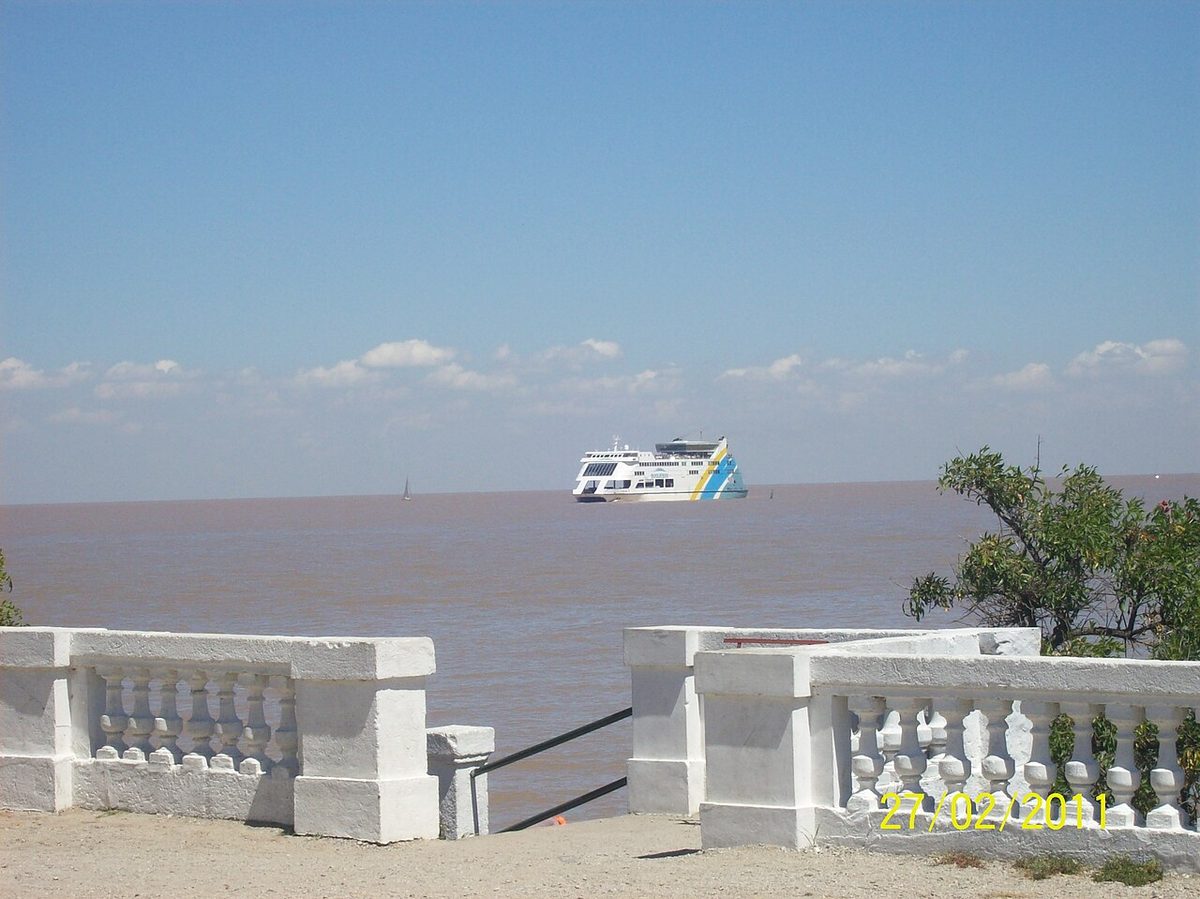
Buquebus is the big one — more sailings, the only direct fast ferry to Montevideo, slicker terminals, and the higher prices to match. Colonia Express is the leaner challenger, usually cheaper, focused on the Buenos Aires–Colonia hop with a bus connection onward to Montevideo. There’s also Seacat, which in practice sells onto Buquebus boats, so you can treat it as part of the same family.
Here’s the trap that got me: the two companies use different terminals in Buenos Aires, roughly 2 km apart in Puerto Madero. Buquebus is at the northern end near Retiro; Colonia Express is further south. Read your own ticket and tell your taxi the operator name, not just “the ferry.” I’ve watched at least three other tourists make my exact mistake at the Colonia Express door, suitcases and all.
The three crossings
1. Buenos Aires → Colonia del Sacramento. The short hop, about 1 hour 15 minutes (Colonia Express runs it in roughly 1h10, Buquebus’s slower boats a touch more). This is the one to take if you want to actually stop in Colonia, which you should. If your dates are too tight to overnight there, the same sailing works as a one-day round trip from Buenos Aires, back on the evening boat. Sailings run several times a day on both lines.
2. Buenos Aires → Montevideo, direct. Buquebus runs a fast catamaran straight across, around 2 hours 15 minutes on the newest ship. It’s the quickest way to the Uruguayan capital but it skips Colonia entirely, so I only use it on the way back.
3. Buenos Aires → Montevideo, combined ferry + bus. This is the clever one most first-timers miss. You take the short ferry to Colonia, then a connecting bus on to Montevideo, and the bus ticket is bundled into the single booking. Total time is about 3h45–4h. It’s usually cheaper than the direct boat and you can sometimes break the journey in Colonia if you choose your connection right.
Booking, prices and the summer problem
Prices are dynamic, like airfares. The short Colonia crossing might be somewhere in the rough neighborhood of US$60–90 each way off-peak; the direct Montevideo boat tends to run higher, often US$90 and up, last I checked, and climbing in business class. Treat any single number you see as a ballpark — it moves daily.
Book ahead. I cannot stress this enough for one window in particular. Here’s the honest drawback: from roughly mid-December through February, the ferries get expensive and they sell out. This is the South American summer, school holidays, and the season when half of Buenos Aires decamps to Punta del Este. I’ve seen popular weekend sailings gone a week out and prices nearly double. If your trip lands in that window, book the boats the day you book your flights, not after. Off-season (the Uruguayan winter months of June to August) you can be far more relaxed, though there are fewer departures.
One small logistics tip: Buquebus publishes the direct Montevideo schedule and fares only about four months out. If your dates are further away than that, lock in the Colonia hop (which opens earlier) and add the onward bus.
Passports and customs at the ferry terminal
This genuinely surprised me the first time, in a good way. You clear both countries’ immigration at the departure terminal, before you board. The Argentine exit booth and the Uruguayan entry booth sit side by side — the Argentine officer often just slides your passport one window over, and you get your Uruguayan entry stamp on Argentine soil. When you arrive across the river, you simply walk off the boat. No second queue.
It works the same in reverse coming back. It’s one of the most civilized border setups I’ve used anywhere, and it’s why you should still arrive early: budget about 90 minutes before departure to clear both checks, more in summer when the lines snake.
If you’re not a citizen of Argentina or Uruguay, make sure you actually visit the Uruguay booth — it’s easy to follow the local crowd through the Argentine-only lanes and miss it. Most visitors from North America, the EU, the UK and Australia don’t need a visa for either country for tourism, but check your own nationality before you fly. For the broader nuts and bolts of arriving, my guide to getting to Uruguay covers flights, buses and driving alongside the ferries.
Money: two currencies, two systems
The currency situation is the other thing that trips people up, and it’s mostly an Argentina story.
Uruguay is straightforward. It uses the Uruguayan peso, cards are widely accepted, ATMs work normally, and prices are what they say they are. Tourists even get the VAT knocked off restaurant meals and hotel stays when paying with a foreign card — a quiet little discount worth knowing about. It feels like a normal country to spend money in.
Argentina is its own adventure and the rules shift, so I won’t pretend to give you a live exchange rate here. The short version: how you pay can materially change what you pay, the situation evolves, and you should read up on the current state of play close to your departure date rather than trusting a months-old blog. Bring some clean US dollar bills as a backstop regardless.
Practical upshot for your itinerary: don’t load up on Argentine pesos before crossing to Uruguay — they’re awkward to spend or change there. Likewise, spend down your Uruguayan pesos before heading back. The ferry terminals have exchange counters but their rates are forgettable. My Uruguay travel tips go deeper on cards, cash and tipping on the Uruguayan side.
How many days to give each country
This is the question I get most, so here’s my honest split for a two-week ceiling.
For Argentina, four to six nights in Buenos Aires is the sweet spot for a first visit. Three is rushed; you’ll spend it just scratching the surface of San Telmo, Recoleta, Palermo and a tango night. If you have more Argentine time and it’s your first rodeo, I’d add an internal flight to Iguazú or Mendoza rather than more city — but that’s an Argentina decision beyond this guide’s lane.
Over in Uruguay, think of it in three blocks: Colonia (1–2 nights, or even a long day), Montevideo (2–3 nights), and the coast around Punta del Este and José Ignacio (2–4 nights). A week in Uruguay covers all three comfortably; ten days lets you slow down or push east into the wild beaches of Rocha. With children, weight it toward Colonia and the calm Mansa-side bays rather than the Atlantic surf; our guide to travelling in Uruguay with kids sorts which beaches are safe to swim.
If your trip is Uruguay-heavy and you want a proper in-country route once you’ve crossed, don’t rebuild it from scratch here — I’ve already mapped it out. Start with the master Uruguay itinerary guide, then drop into the 7-day Uruguay itinerary or the 10-day version depending on your time. Those carry the day-by-day detail; this article’s job is just getting you across the river and back.
A sample 10–14 day combined itinerary
Here’s the trip I’d actually run, built around a one-way loop so you never backtrack: fly into Buenos Aires, ferry across, work east through Uruguay, and take the direct boat back to BA at the end (or fly home from Montevideo if your routing allows). Treat the day counts as a frame, not a cage.
Days 1–5: Buenos Aires
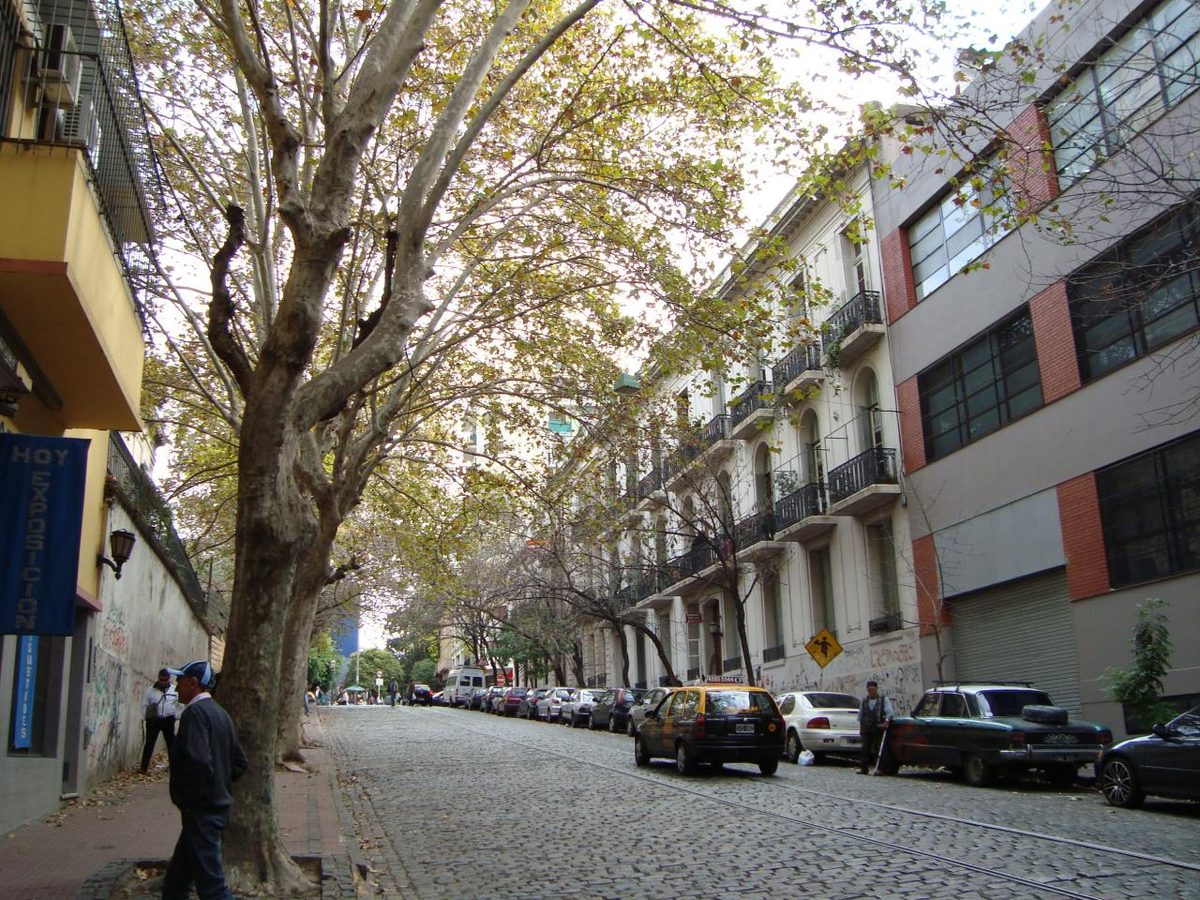
Land, sleep off the flight, then give the city real time. San Telmo’s Sunday market, a steak dinner that ruins all future steak dinners, a tango show you’ll pretend you didn’t enjoy, an afternoon in Recoleta, a long lazy Palermo evening. Buy your Uruguay ferry tickets now if you somehow haven’t. This is your Argentina core.
Day 6: Ferry to Colonia del Sacramento
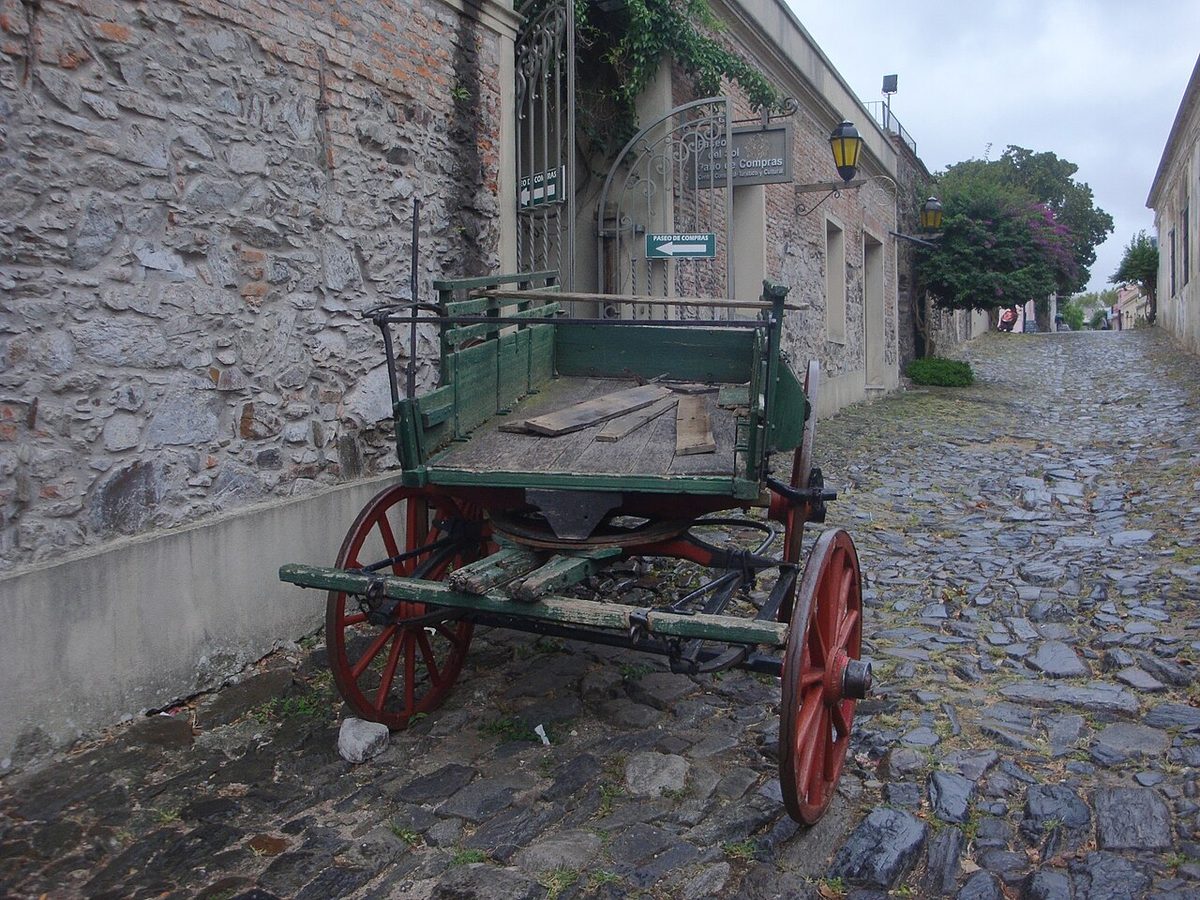
Morning boat across — the short crossing. Spend the afternoon getting lost in Colonia’s cobbled old quarter, a UNESCO-listed Portuguese-Spanish jumble of sycamore-shaded streets and 1700s walls. Rent a golf cart, watch the sunset over the river from the old port, eat slowly. One unhurried night here resets your whole pace. My full Colonia del Sacramento guide has the specifics on what to see and where to eat.
Days 7–9: Montevideo
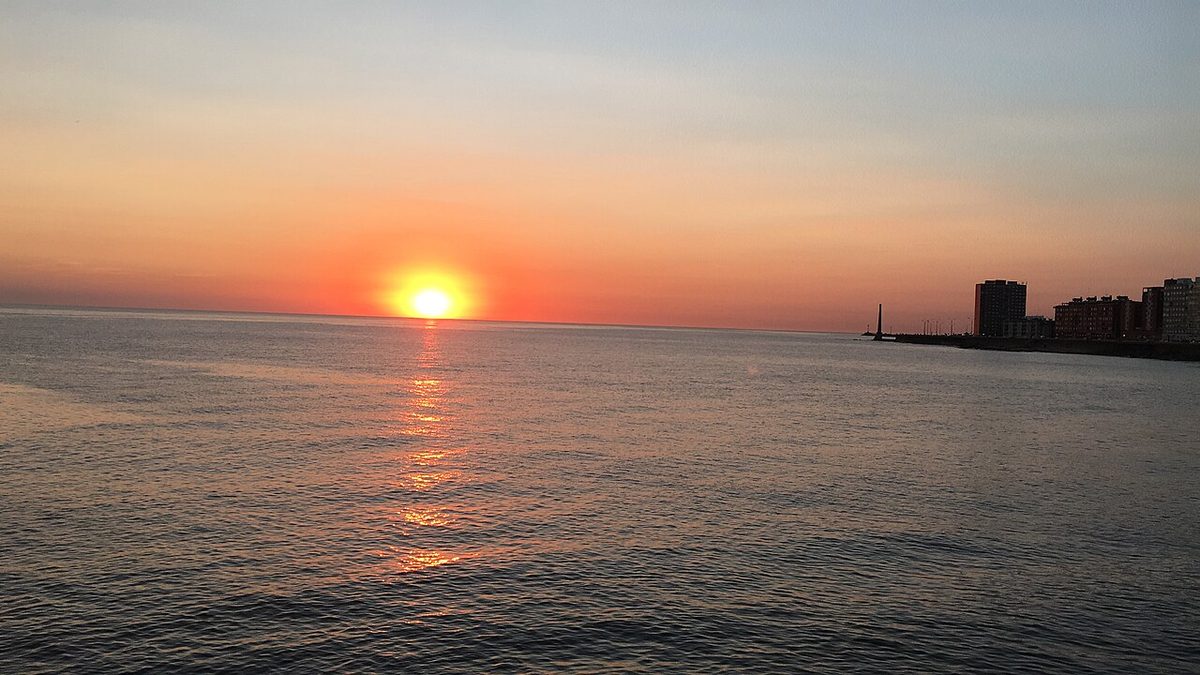
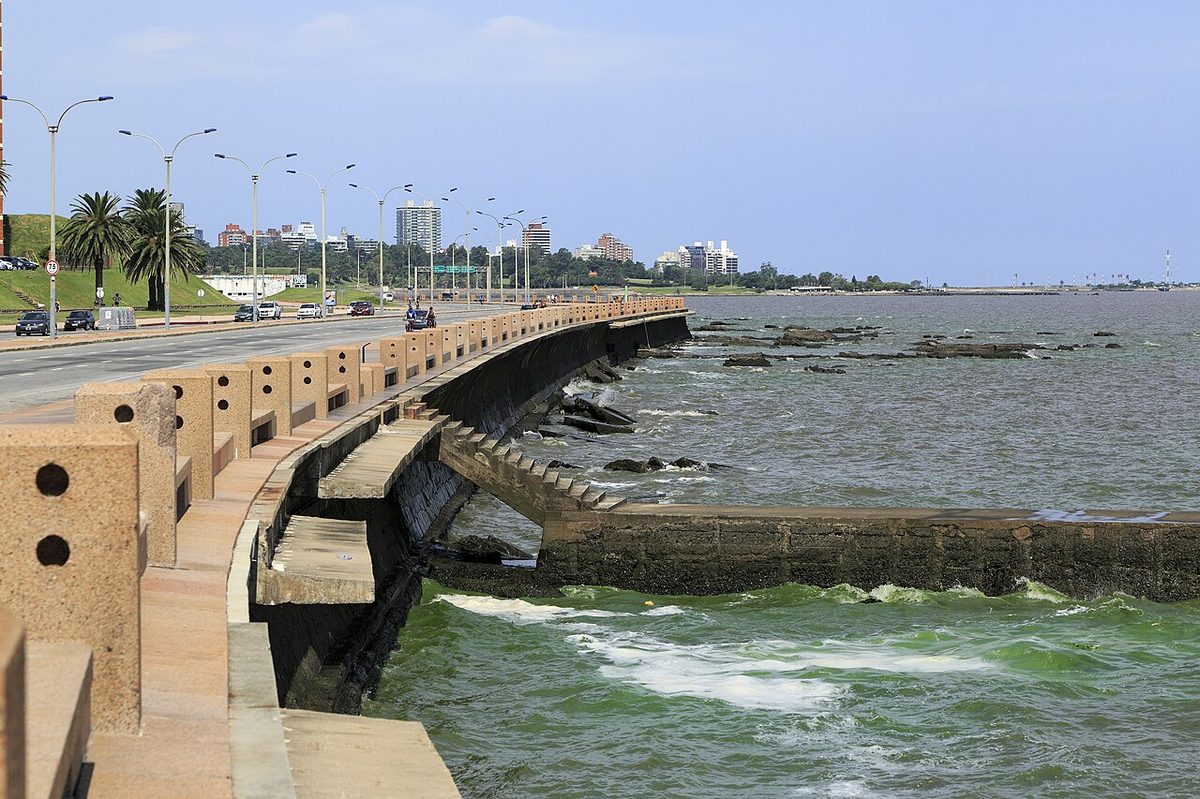
Bus on to the capital (about 2h30; if you booked the combined ticket, it’s already covered). Montevideo rewards two or three nights — wander Ciudad Vieja, eat your way through the parrillas (grill restaurants) of the Mercado del Puerto, walk a stretch of the 22 km rambla (the waterfront promenade that defines the city), and settle into the unhurried café culture. For a tight plan, follow my Montevideo itinerary.
Days 10–13: Punta del Este and the coast
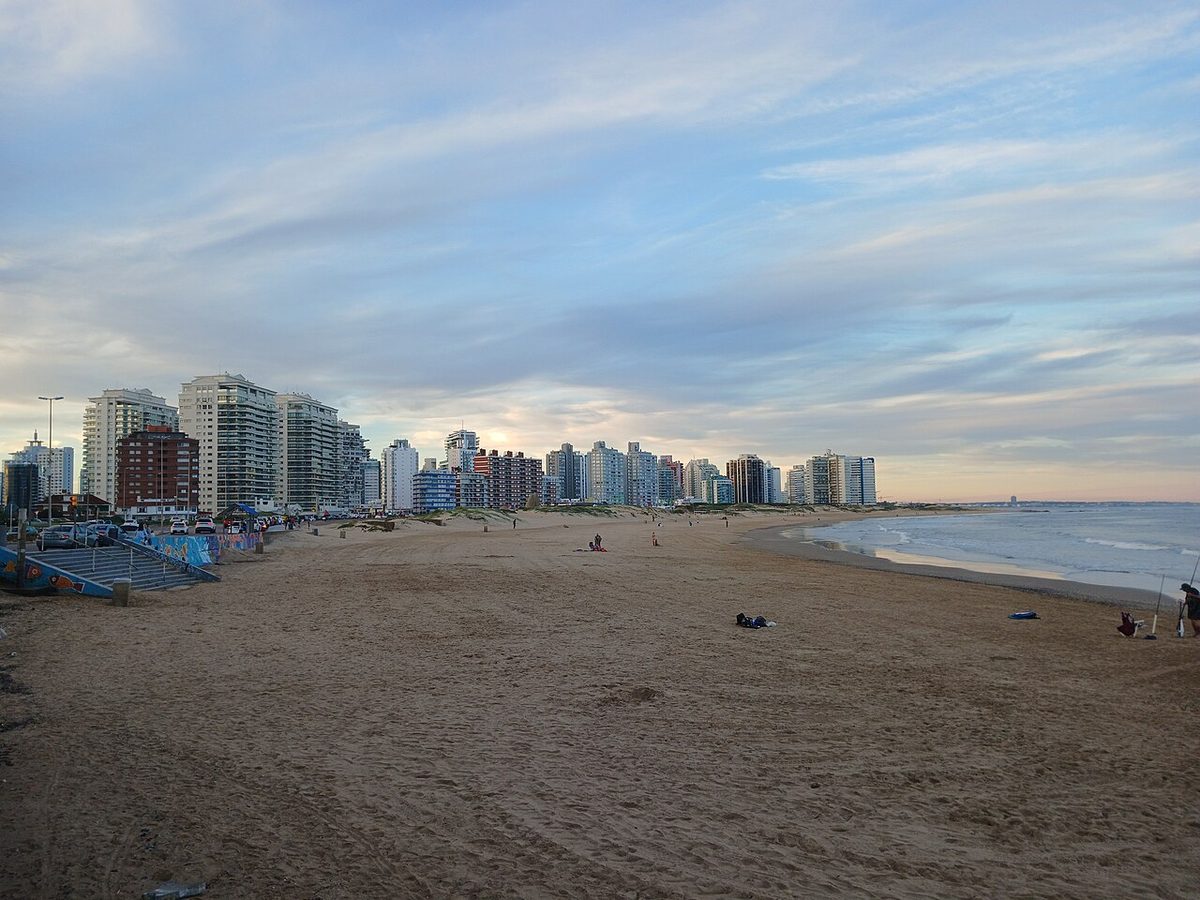
Head east, roughly two hours by bus or car, to Uruguay’s marquee beach scene. Punta del Este itself is glossy high-rises and marinas; just past it, La Barra and José Ignacio trade glamour for barefoot-chic. This is where you slow all the way down — beach mornings, long seafood lunches, that famous concrete hand sticking out of the sand. Everything you need is in my Punta del Este guide, and the wider stretch of sand is covered in the best beaches in Uruguay rundown.
Day 14: Back to Buenos Aires
Bus back to Montevideo and catch the direct fast ferry to Buenos Aires (about 2h15), or fly out of Montevideo’s Carrasco airport if you found a good connection. One last steak in BA before the long flight home is never a mistake.
Shorter on time? Compress to ten days by trimming Buenos Aires to four nights and the coast to two, or skip Punta entirely and give the saved days to Montevideo and a Uruguayan wine country detour — the Tannat wine region sits an easy drive from the capital.
Which direction should you cross?
A small thing that makes a real difference: I almost always go Buenos Aires → Colonia → Montevideo → back to BA rather than the reverse. Three reasons.
First, the slow build. Easing from frenetic Buenos Aires into sleepy Colonia and then progressively livelier Montevideo and the coast feels like a natural decompression. Doing it backwards dumps you into Buenos Aires’s intensity at the end when you’re tired.
Second, the boats. Taking the short Colonia hop on the way out lets you actually see Colonia; saving the direct fast ferry for the return means a quick, painless final crossing. You get the best of both routes.
Third, flights. Long-haul home connections are far better out of Buenos Aires than Montevideo, so ending back in BA usually means cheaper, simpler flights. The exception is if you snag a good Montevideo departure — then flying out of Uruguay saves you the return ferry entirely.
Costs, booking lead times and what to skip
A few planning realities, because a uruguay argentina trip has a couple of money and timing quirks worth flagging.
On costs: budget for the ferries as a real line item, not loose change — across two crossings for two people you can easily spend a few hundred US dollars, more in summer. Uruguay’s day-to-day prices (hotels, restaurants, especially Punta del Este in January) run noticeably higher than Argentina’s, so don’t assume crossing the river is a money-saving move. It isn’t.
For booking lead times: ferries first, then summer accommodation in Punta, then everything else. For a December–February trip, I’d have boats and Punta beds locked weeks out. For the shoulder seasons and winter, a few days’ notice is usually fine. To time the whole thing well, my best time to visit Uruguay breakdown lines up the weather, crowds and prices month by month.
As for what to skip: if you only have ten days total, don’t try to also squeeze in an Argentine domestic flight to Patagonia or Iguazú — you’ll spend the trip in transit. Pick the two-country river loop and do it well, or pick big-Argentina and save Uruguay for another time. Trying to do everything is how people come home needing a holiday from their holiday.
One more skip: the rental car for the Buenos Aires–Uruguay leg. Taking a car across on the ferry is possible but expensive and rarely worth it for this route. Use ferries and buses between the cities, and only rent a car once you’re in Uruguay and heading along the coast — which is exactly the scenario my Uruguay road trip guide is built for.
Argentina and Uruguay itinerary: your questions answered
How many days do you need for Argentina and Uruguay together?
Ten to fourteen days is the comfortable range. I’d give Buenos Aires four to six nights and split the rest across Colonia, Montevideo and the coast. You can compress a taste of both into a week, but two weeks lets you enjoy the contrast instead of racing the ferry timetable.
Is it easy to travel from Buenos Aires to Uruguay?
Very. Ferries run multiple times daily across the Río de la Plata, the short crossing to Colonia takes about 1h15, and you clear both countries’ immigration at the departure terminal before boarding. It’s one of the smoothest international borders I’ve crossed — book the boat in advance and it’s almost effortless.
Should I take the ferry to Colonia or directly to Montevideo?
Both, ideally — that’s the trick. Take the short ferry to Colonia on the way out so you can stop there, then use the direct fast ferry between Buenos Aires and Montevideo on the way back. If you must pick one, the combined ferry-plus-bus ticket to Montevideo gives you a Colonia option without paying for the pricier direct boat.
Do I need a passport and visa for both countries?
You need a passport for both, and you’ll get exit and entry stamps at the ferry terminal. Most visitors from North America, the UK, the EU and Australia don’t need a tourism visa for either Argentina or Uruguay, but rules depend on your nationality — confirm yours before you fly rather than assuming.
What currency should I use on each side?
Uruguay uses the Uruguayan peso with cards widely accepted and even a VAT discount for foreign-card payments on meals and hotels. Argentina’s currency situation is more complex and changes, so read up close to your dates. Don’t carry Argentine pesos into Uruguay — they’re hard to spend there.
Is a Buenos Aires and Uruguay itinerary worth it, or should I just pick one?
If you have ten-plus days, doing both is absolutely worth it — the contrast between Buenos Aires’s energy and Uruguay’s calm is the whole appeal, and they’re an easy ferry apart. With under a week, you’re better off going deep on one. My Uruguay vs Argentina comparison helps you choose if time is tight.
Final thoughts
The best version of this trip isn’t a compromise between two countries — it’s a deliberate contrast. Buenos Aires gives you the noise and the grandeur; Uruguay gives you the exhale. The river between them is shorter than people think, and once you’ve got the ferries and the border sorted, the whole thing flows.
So plan the boats first. Build a sane buenos aires and uruguay itinerary around real sailing times instead of hoping it works out at the dock, give each country the days it deserves, and let the trip slow down as it moves east. Do that and you’ll come home with the rare thing: a two-country trip that actually felt like a holiday, not a logistics exercise. And no rain-soaked empanada of regret.
Credits & sources
Sources & further reading
- Uruguay Ministry of Tourism (Ministerio de Turismo)
- Buquebus official ferry site
- Argentina’s Dirección Nacional de Migraciones
- Uruguay’s Dirección Nacional de Migración
Photo credits
All images via Wikimedia Commons: Colonia Del Sacramento Street by Banfield (CC BY-SA 2.5 ar); Buquebus Ferry Rio De La Plata by Roxyuru (CC BY-SA 3.0); Montevideo Rambla Waterfront by Falk2 (CC BY-SA 3.0 de); Buenos Aires San Telmo Street by Stella Dauer from São Bernardo do Campo, Brasil (CC BY-SA 2.0); Punta Del Este Beach Uruguay by NaBUru38 (CC BY-SA 4.0).