Uruguay with Kids: The Family Travel Guide (2026)
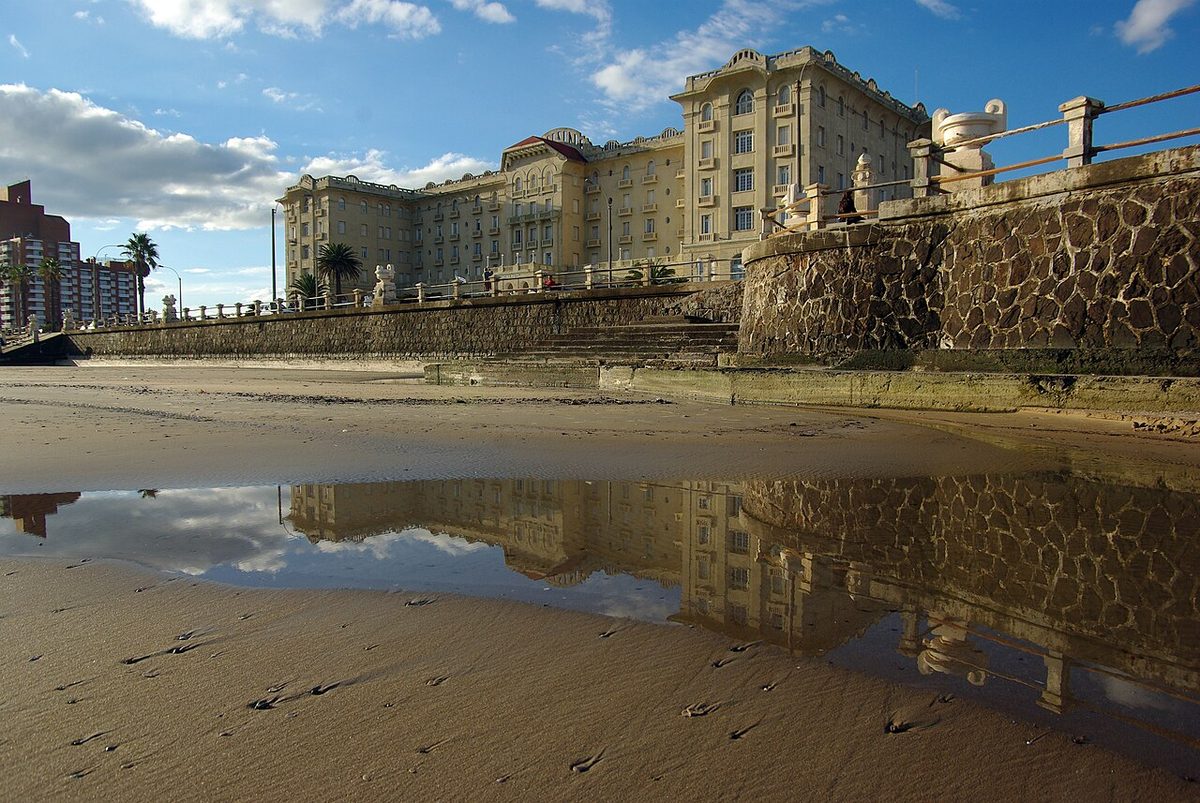
The first time I took kids to Uruguay, I worried I’d made a mistake. We landed in Montevideo on a grey, windy afternoon, the river the colour of weak coffee, and my niece — seven at the time — looked at the brown water and asked where the actual sea was. By the end of that trip she was naming sea lions on a boat off Punta del Este and refusing to leave a playground on the rambla. Uruguay won her over slowly, the way it wins most people over.
Planning a trip to Uruguay with kids is easier than planning most of South America, and harder in a couple of small, specific ways nobody warns you about. The good news is the country is calm, safe, walkable and built around outdoor family life. The annoying news involves dinner at 10pm and some long, flat drives.
I’ve now done this a few times, with kids ranging from toddler to surly teenager, and this is the honest version — what actually works, where the meltdowns happen, and which beaches will get you a quiet afternoon.
So is Uruguay a good family destination? Yes — for a calm, outdoorsy, low-stress trip, Uruguay with kids works beautifully. It’s one of South America’s safest countries, with gentle Río de la Plata beaches, sea-lion boat trips, capybaras and rheas in the wild, and a food culture (milanesa, pasta, dulce de leche) that even fussy eaters accept. The main adjustments are late dinners and long coastal drives.
This guide is for parents bringing children of any age, from a baby in a carrier to teens who want WiFi and a beach. I’ll cover the kid-friendly beaches and how to read them, Piriápolis (still my favourite family base), the wildlife children actually care about, Montevideo with little ones, where to stay, eating out without tears, car seats versus buses, and how to pace a trip for short legs. I’ll point you to the core route plans rather than rebuilding them here. And if you get a few nights away from the children, the couples’ version of this same coast — José Ignacio, wine country, an estancia night — is laid out in the Uruguay honeymoon guide.
| Place | Why kids like it | Best ages |
|---|---|---|
| Piriápolis | Funicular up Cerro San Antonio, old-fashioned rambla, calm swimming bay, cheap ice cream | All ages, great for 3–10 |
| Mansa-side beaches (Punta del Este) | Calm, shallow water for paddling and sandcastles | Babies to 8 |
| Isla de Lobos boat trip | Thousands of sea lions, a real boat ride, salt spray | 5+ (younger if good on boats) |
| Montevideo rambla & parks | Endless flat path for scooters and bikes, playgrounds, beach access | All ages |
| Mercado del Puerto | Fire, grills, sizzle and showmanship; a milanesa for the kids | 4+ |
| Colonia del Sacramento | Cobbled streets, vintage cars, lighthouse to climb, tiny scale | 4+ |
| Capybara & rhea spotting (countryside) | Big friendly-looking rodents and ostrich-like birds, free to watch | All ages |
| Whale watching (Jul–Oct) | Right whales close to shore from the coast and boats | 5+ |
Is Uruguay good for families? My honest take
Let me answer the question people actually type. Is Uruguay good for families? For the right kind of family trip, it’s one of the best in the region. The country is small, the roads are decent, violent crime is low by Latin American standards, and the whole culture is oriented around being outdoors with extended family. You’ll see Uruguayan grandparents, parents and toddlers all sharing the same beach blanket and the same thermos of mate (the bitter herbal tea everyone carries in a gourd). Kids are genuinely welcome almost everywhere.
What Uruguay is not is a theme-park, big-attraction destination. There’s no Disney equivalent, few flashy aquariums, and the wildlife is wild rather than caged. If your children need constant high-stimulation entertainment, you’ll have to work a little. If they’re happy with beaches, animals, boats, ice cream and space to run, this is close to ideal. For a wider sense of what the country offers beyond the family angle, the rundown of the best things to do in Uruguay is a good companion to this page.
One more reassurance for nervous first-timers: the standard of healthcare, water and food hygiene is high. Tap water is safe to drink in cities and most towns, which removes a whole category of stress you’d have elsewhere on the continent. I still travel with a small kit of the usual remedies, but I’ve never needed much.
Reading the beaches: calm Mansa-type vs rough Brava-type
This is the single most useful thing I can teach you about a Uruguay family vacation, so I’ll be specific. The Uruguayan coast has two kinds of beach, and locals literally name them after the water. “Mansa” means tame; “Brava” means rough or wild. Get this right and your beach days are easy. Get it wrong and you’ll spend the afternoon hauling a small child out of dumping surf.
Mansa-type beaches face the calmer Río de la Plata or sheltered bays. The water is flatter, shallower for longer, and the waves are gentle. These are your toddler-and-sandcastle beaches. Playa Mansa in Punta del Este is the obvious example, but the principle repeats all along the coast — anywhere facing west or tucked into a bay tends to be calmer.
Brava-type beaches face the open Atlantic. Bigger waves, stronger currents, dramatic for teenagers and surfers, genuinely risky for little ones. Playa Brava (home of the famous half-buried hand sculpture) is beautiful but I keep small children at the water’s edge there, not in it. The same goes for much of the wild Rocha coast further east. One gentler exception out that way is Playa Achiras in Santa Teresa National Park, the park’s family-friendly beach.
My rule with under-eights: default to Mansa-type water, treat Brava-type beaches as places to dig and watch waves rather than swim. If you want the full breakdown of which beach is which, the coast-by-coast guide to the best beaches in Uruguay and the dedicated Punta del Este beaches guide both sort them by character. The one honest drawback: always check for a lifeguard flag and ask locally about currents, because even a Mansa beach can have a bad day, and Uruguayan beaches outside January often have no lifeguard at all.
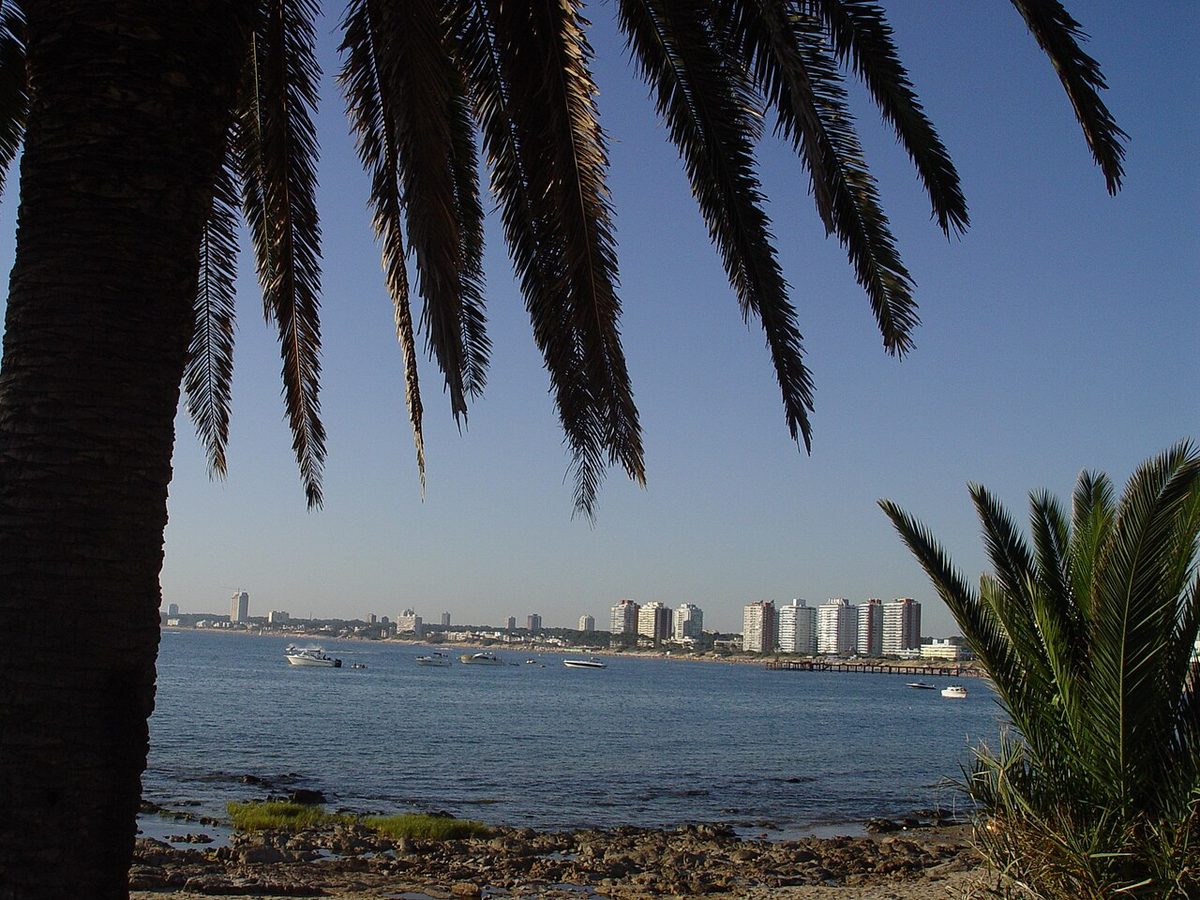
Piriápolis: the most underrated family base in Uruguay
If you ask me where to take young kids for a few days, I say Piriápolis before I say Punta del Este. It’s an old-school seaside resort from the 1930s, built deliberately as a holiday town, and it has a slightly faded, gentle charm that suits families perfectly. The scale is small, the prices are lower than glitzy Punta, and everything a child wants is within walking distance.
The rambla — the seafront promenade — curves around a calm swimming bay lined with palm trees, ice cream kiosks and low-key cafés. Kids can scooter or cycle the flat path while you walk. The bay itself is one of the gentler swims on this stretch of coast, which makes it a reliable Mansa-type option.
Most children’s favourite, though, is the funicular up Cerro San Antonio. It’s a little inclined railway that hauls you up a hill behind the town to a viewpoint with sweeping views over the coast. The ride is short, cheap (a few dollars last I checked) and exactly the kind of small adventure that turns into “do it again.” At the top there are snack stands and room to run. Some kids ask to walk down afterwards, which burns energy beautifully.
Piriápolis sits an easy drive west of Punta del Este, so you can base here and day-trip to the bigger attractions. Its honest drawback: outside the summer peak (roughly mid-December to late February) it gets quiet, and some restaurants and the funicular itself can keep reduced hours, so check before you build a day around them. If you’re sketching a coastal route, the Route 10 coastal road trip guide shows how Piriápolis fits into the wider drive.
Wildlife kids actually care about
Forget glossy zoos. The animals that made the biggest impression on the children I’ve travelled with were all encountered in the wild or on a boat, and that’s part of why they stuck.
Sea lions at Isla de Lobos
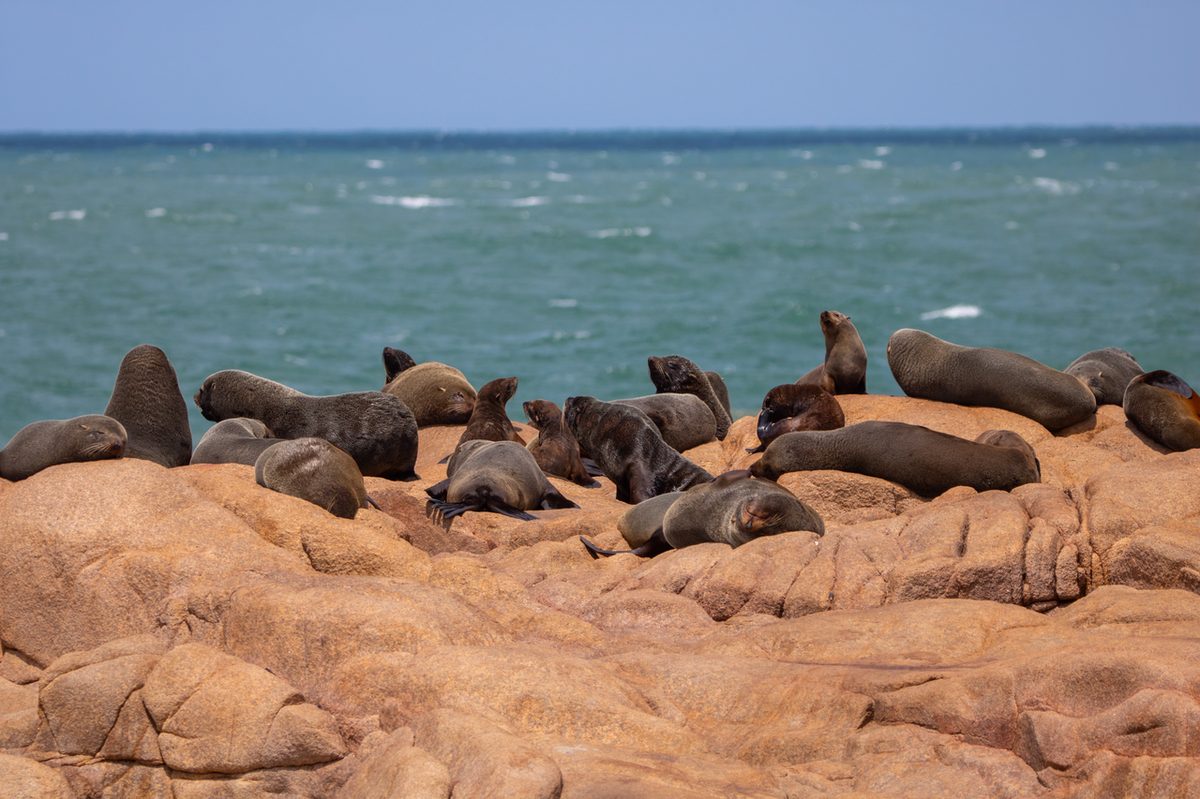
Off the coast of Punta del Este sits a small island that’s home to one of the largest sea lion and fur seal colonies in South America — tens of thousands of them. You can’t usually land on the protected island itself, but boat tours circle close enough that the noise and smell hit you before you’ve fully registered the sheer number of animals. For a five-year-old, a boat full of barking sea lions is pure magic.
The trips leave from the port in Punta del Este and run a few hours. Younger kids who are fine on boats will love it; prone-to-seasickness kids might struggle if it’s choppy, so pick a calm morning. Full practical detail — operators, timing, what to expect — is in the Isla de Lobos sea lion tour guide.
Whales from the shore (July–October)
This one surprises people. Southern right whales migrate along the Uruguayan coast roughly from July to October, and in a good year you can spot them from the shore — no boat required — especially along the Rocha coast and from clifftop viewpoints. Bring binoculars, pick a calm day, and be patient. It’s free, it’s wild, and a child’s first whale is a memory that lands hard. If you’re travelling in winter, my notes on visiting Uruguay in winter explain why that season is quietly excellent for this.
Capybaras, rheas and roadside surprises
Drive through the Uruguayan countryside and you’ll eventually spot capybaras — the world’s largest rodents, roughly the size of a big dog, placid and faintly comical — near rivers and wetlands. You’ll also see ñandú (rheas), the local ostrich-like birds, striding across fields, plus horses, cattle and the occasional armadillo. None of this costs anything and all of it delights kids. An estancia stay (a working ranch that takes guests) puts you right in the middle of it; the guide to Uruguayan estancias covers the family-friendly ones, where children can usually meet horses and watch the daily rhythm of ranch life.
Montevideo with kids
People underrate Montevideo as a family city. It’s not packed with marquee attractions, but it’s relaxed, green and surprisingly easy to navigate with a stroller, and it makes a gentle first or last stop.
The rambla is the city’s secret weapon for parents. It’s a continuous waterfront promenade running about 22 kilometres along the coast — flat, paved, and made for scooters, bikes, running off energy and stopping at little beaches and playgrounds along the way. On a sunny weekend it fills with local families doing exactly the same thing. You can walk a stretch, let the kids loose, buy an ice cream, and call it a perfect low-effort afternoon. The full walking breakdown is in the guide to Montevideo’s rambla.
Mercado del Puerto, the old port market, is a hit with slightly older kids precisely because it’s a spectacle. It’s a cavernous iron-framed hall full of parrillas (grills) where the cooking happens over open fire right in front of you — flames, smoke, sizzling racks of meat, the whole performance. Order a milanesa or some grilled chicken for the children and let them watch the theatre. My honest warning: it’s busy and smoky at peak lunchtime, so go early or expect a wait. The Mercado del Puerto guide has the timing details.
Beyond that, Montevideo has big leafy parks (Parque Rodó has a small funfair and a lake with paddle boats), wide plazas for pigeon-chasing, and a genuinely walkable old town. For where to base yourself with kids — quieter residential neighbourhoods versus the centre — the Montevideo neighbourhood guide is the one I’d read first. If you only have a day or two, the 1-to-3-day Montevideo itinerary shows how to pace it.
Colonia del Sacramento: small, slow, perfect for little ones
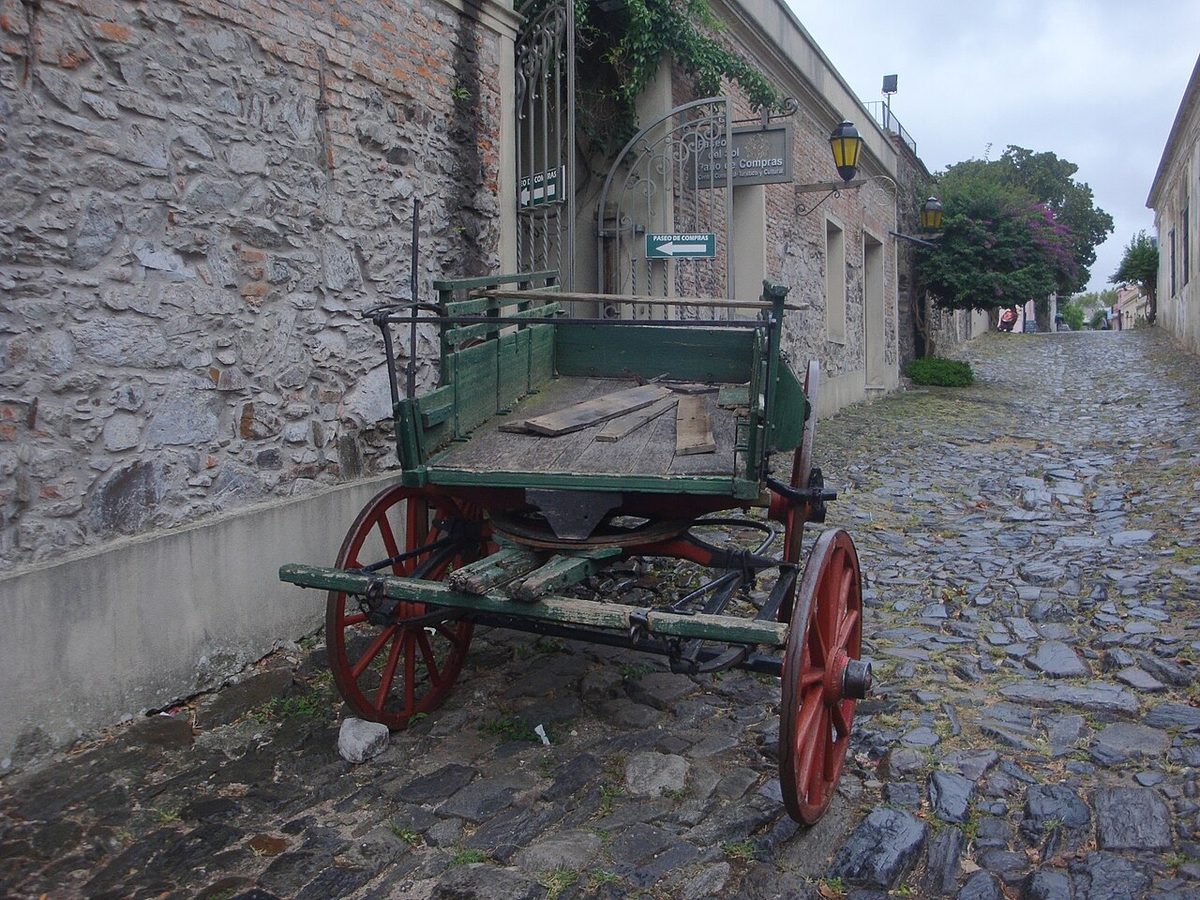
Colonia is the easiest historic town in the country to do with kids, mostly because it’s tiny and walkable. The old quarter is a UNESCO-listed grid of cobbled streets, colonial houses, and vintage cars parked photogenically on corners. There’s a lighthouse you can climb for a view, a little harbour, and the kind of human scale that means nobody’s legs give out before you’ve seen the highlights.
It’s an hour or so by fast ferry from Buenos Aires, which makes it a natural entry point if you’re combining countries. Rent a golf cart or bikes, let the kids “drive” the conversation, and take it slowly — Colonia rewards dawdling. The drawback for very young children is that cobblestones and strollers don’t mix well, so a carrier beats a buggy here. The complete Colonia del Sacramento guide has the layout and timings.
Where to stay with children
Your accommodation choice matters more with kids than without, and the right answer depends on the age of your children and how much you’ll move around.
For families, I lean heavily toward apartment rentals over hotels. A small apartment with a kitchen lets you handle the late-dinner problem (more on that below), do laundry, manage nap times, and not eat every meal out. In the beach towns especially, self-catering apartments are plentiful and often cheaper than hotel rooms that sleep four.
With young kids who need a calm base, Piriápolis or a quieter pocket of Punta del Este’s Mansa side both work well. For city time, a residential Montevideo neighbourhood near the rambla beats a business-district hotel. For something genuinely different, an estancia gives kids space, animals and a pool, usually with meals included so the dinner-timing issue vanishes. The broad where-to-stay-in-Uruguay overview breaks down areas by trip type, and for the Punta area specifically the Punta del Este accommodation guide sorts neighbourhoods by who they suit.

Eating out with kids in Uruguay
Here’s where you need to recalibrate, because Uruguayan meal timing is the thing most likely to clash with a child’s body clock.
Uruguayans eat dinner late. Really late. Restaurants often don’t get going until 9pm, and 10pm is normal. A family showing up hungry at 6:30 will frequently find the kitchen not yet open. This is the genuine, honest drawback of dining out here with young kids, and it’s worth planning around rather than fighting.
How I handle it: a big late lunch as the main meal (lunch service is more flexible and runs earlier), then something light and early for the kids back at the apartment. When we do eat out at night, I aim for the very start of service, around 8pm, or pick the more touristy spots in beach towns that open earlier in summer. A kitchen in your rental is the single best fix.
The food itself is easy for kids. Milanesa — a thin breaded, fried cutlet of beef or chicken, basically a schnitzel — is on every menu and is reliably a hit. Pasta is everywhere thanks to deep Italian heritage; a plain plate of ñoquis (gnocchi) or ravioli rarely fails. Pizza is good and ubiquitous. And dulce de leche, the caramelised milk spread, is in or on roughly every dessert in the country, which solves the pudding question permanently.
One dish worth introducing to older, adventurous kids is the chivito — a towering steak sandwich loaded with ham, cheese, egg and more, usually served with fries. It’s enormous; one easily feeds two children. For the full menu rundown and which dishes travel best with picky eaters, see the guide to Uruguayan food.
Getting around: car seats, driving and buses
Most family trips here come down to two transport modes: a rental car or the intercity buses. Both work; they suit different trips.
Driving and car seats
A rental car is the most flexible option for families, especially if you’re chasing beaches and wildlife along the coast. Roads are generally good and well signposted, and distances, while long, are straightforward. Child car seats are legally required for young children, but — and this matters — don’t assume the rental agency will have a good one. I always request seats well in advance, and if I’m travelling with a baby or toddler I seriously consider bringing my own, because availability and quality are inconsistent. Confirm in writing.
Be ready for ripio (unpaved gravel roads) if you head to some of the wilder coastal spots like parts of Rocha, and for the odd peaje (toll booth) on main highways. The honest downside of driving is precisely those long, flat stretches — more on the drive times in a second. For the full picture on car hire, ferries and road rules, the guide to getting to Uruguay and around is the practical reference.
Buses with kids
Uruguay’s intercity buses are genuinely good — comfortable, frequent, cheap and reliable, run by companies like COT and others between the main towns. For a no-car trip (say Montevideo, Colonia and Punta del Este), they’re a fine choice and kids usually enjoy the ride. The catch is car seats: buses don’t provide them and you’ll often have a child on your lap or in a regular seat, which is the standard local reality but worth knowing in advance. For shorter hops and the Montevideo–Punta run specifically, the Montevideo to Punta del Este transport guide lays out every option.
Pacing a trip for little legs
The mistake I see families make is treating Uruguay like a checklist and driving too much. The coast looks compact on a map, but the drives are longer and flatter than you expect, and a three-hour transfer with bored children is nobody’s idea of a holiday.
My pacing rule: pick two or three bases and stay put. Something like Colonia, then Montevideo, then a beach base (Piriápolis or Punta) gives you variety without constant packing. Build in genuine downtime — a full beach day with no agenda does more for everyone’s mood than cramming in another town. Mornings are for the bigger outings (boat trips, the funicular, drives); late afternoons are for the rambla and ice cream; evenings are slow.
For the actual day-by-day skeletons, I’d point you straight at the core route plans rather than reinventing them. The 7-day Uruguay itinerary and the longer 10-day itinerary are both easy to adapt for families simply by slowing them down and cutting a stop. Everything ties back to the master Uruguay itinerary planner, which is the page I’d start from to decide how many days you actually need. If you’re tacking Uruguay onto a bigger trip, the Argentina and Uruguay itinerary shows how the two combine.
When to go with kids
Timing shapes a family trip here more than almost anything. Summer (December to February) is peak beach season: warm water, long days, everything open, lifeguards on the busy beaches — and also crowds, higher prices and serious heat on those long drives. It’s the easy choice for a classic beach holiday, and the season is covered in detail in the Uruguay in summer guide.
Shoulder seasons (late spring and early autumn) are my quiet favourite with kids: milder weather, far fewer people, and water that’s still swimmable at the edges of the season. Winter is cooler and many beach businesses scale back, but it’s whale season and the cities stay lively. To match your dates to weather and crowds, the month-by-month best-time-to-visit guide is the one to check before you book.
Uruguay with kids: your questions answered
Is Uruguay safe for families?
Yes — Uruguay is consistently rated one of the safest countries in South America, with low violent crime and stable, calm cities. Normal urban common sense applies (watch belongings in busy areas), but families walk the Montevideo rambla and beach towns comfortably day and night. Tap water is safe to drink and healthcare standards are high, which removes a lot of typical travel worry.
What’s the best age to take kids to Uruguay?
There’s no bad age, but the sweet spot is roughly 4 to 11 — old enough to enjoy boat trips, the funicular and wildlife, young enough to be thrilled by beaches and animals. Babies and toddlers travel fine too (the calm Mansa beaches suit them), and teenagers do well with the beach-town social scene. Just match your activities to the ages, especially around boats and rough surf.
Do I need a car for a family trip to Uruguay?
Not necessarily. The intercity buses are excellent, cheap and frequent, and a trip linking Montevideo, Colonia and Punta del Este works perfectly without a car. A rental gives more freedom for beach-hopping and wildlife spotting along the coast, but brings car-seat logistics. Decide based on your trip: staying put in a few bases makes buses the easy pick, while roaming the coast favours a car.
What should kids eat in Uruguay?
Easy, familiar food is everywhere. Milanesa (a breaded fried cutlet, like schnitzel), pasta such as gnocchi and ravioli, pizza, and grilled chicken are all standard and reliably accepted by fussy eaters. Dulce de leche (caramel milk spread) covers dessert. The one challenge is timing — dinner runs late, so a big lunch plus a kitchen in your accommodation solves most mealtime friction.
Can you see animals in the wild with children?
Absolutely, and it’s a highlight. Boat tours from Punta del Este reach the huge sea lion colony at Isla de Lobos; southern right whales appear off the coast from roughly July to October; and capybaras, rheas, horses and armadillos turn up in the countryside, especially around estancias and wetlands. Most of this is free or low-cost and far more memorable than any zoo.
How many days do you need in Uruguay with kids?
Five to seven days is a comfortable family trip: enough for a city, a historic town and real beach time without rushing. With ten days you can add an estancia or push east toward the wilder Rocha coast at a relaxed pace. Fewer than four days means picking just one or two bases. Slow itineraries beat ambitious ones every time with children.
Final thoughts
Uruguay rewards the kind of family that’s happy to slow down. It won’t dazzle kids with rides and spectacle in the first hour the way some destinations do — it works on them quietly, through sea lions and funiculars and endless beach afternoons and a culture that genuinely makes room for children. By the end, mine never wanted to leave.
Get the basics right — calm Mansa-type beaches for the little ones, a couple of bases instead of constant driving, a kitchen for those late dinners, and a boat trip out to the sea lions — and you’ll have one of the most relaxed family trips South America can offer. It’s a small, stubborn, gentle country, and it’s very good at this.
Credits & sources
Sources & further reading
- Ministerio de Turismo del Uruguay — the national tourism ministry, for official destination and seasonal information.
- Uruguay Natural — the official country tourism brand, with destination and wildlife guides.
- Ministerio de Ambiente — Uruguay’s environment ministry, for protected areas and wildlife such as Isla de Lobos.
Photo credits
All images via Wikimedia Commons: Piriapolis Rambla Beach by Ismael Cordero (CC BY-SA 3.0); Playa Mansa Punta Del Este by Roberto Tietzmann (CC BY 2.5); Isla De Lobos Sea Lions by Carolinasosa17 (CC BY-SA 4.0); Montevideo Rambla Family by Felipe Restrepo Acosta (CC BY-SA 4.0); Colonia Del Sacramento Street by Banfield (CC BY-SA 2.5 ar).
1 comment