Is Uruguay Safe? A Clear-Eyed Guide for Travelers (2026)

Walking home in Pocitos at 2am once — phone out, map open, headphones in — I got a gentle telling-off from a Uruguayan friend the next day. Not because Montevideo was dangerous, she said. Because I was being an idiot. “We don’t walk around like that here either.”
That line stuck with me. After a few years living here, mostly around Montevideo with long stretches on the coast, it’s the honest framing I keep coming back to.
So, is Uruguay safe? Yes, broadly. Uruguay is one of South America’s safest countries for travelers, with low violence against visitors and a stable society. The real risks are petty theft, the odd scam, and a few Montevideo neighborhoods best skipped after dark — not the dramatic dangers people imagine.
This guide covers the stuff I actually get asked about: crime and pickpocketing, common scams, which Montevideo areas are fine and which deserve caution at night, taxis and transport, beach and sun hazards, and a quick word for solo travelers. If you want the broader prep checklist, I lean on our Uruguay travel tips guide for the practical odds and ends.
| Situation | Real risk level | What it actually means |
|---|---|---|
| Walking tourist neighborhoods by day | Low | Pocitos, Punta Carretas, Carrasco, Ciudad Vieja in daylight — relaxed, normal city awareness |
| Pickpocketing in crowds & terminals | Medium | Bag-snatch and phone-grab around markets, the bus terminal, busy avenues |
| Phone snatch on the street | Medium | Riders on motorbikes target phones held in hand near main roads |
| Ciudad Vieja & the port after dark | Medium | Empties out late; some streets thin quickly, less police presence |
| Violent crime against tourists | Low | Uncommon; concentrated in outer barrios visitors have no reason to enter |
| Beaches & swimming | Low–Medium | Rip currents off the Atlantic, fierce summer sun — natural hazards, not crime |
| Scams | Low | Mild by regional standards: taxi overcharging, distraction theft, card tricks |
Is Uruguay safe right now? The honest big picture
Let me give you the framing nobody on the first page of Google quite commits to. On the major safety indices, Uruguay reliably lands at or near the top of South America — usually first or second on regional peace rankings, last I checked. That’s not marketing. Compared with most of its neighbors, the day-to-day texture of life here is calmer, the institutions work, and the social fabric is intact.
And yet. Uruguayans themselves will tell you, often at length, that the country isn’t as safe as it used to be. Homicide numbers have climbed since the early 2020s, driven mostly by drug-trade conflict in specific outer neighborhoods of Montevideo and a couple of border zones. Here’s the part that matters for you: that violence is concentrated in places visitors simply don’t go. As a traveler sticking to the coast, the historic center, and the resort towns, your realistic exposure is to property crime, not the homicide statistic that spooks the headlines.
The travel advisories reflect this split personality. Canada, the UK and Australia all sit Uruguay at their lowest tier — “exercise normal precautions” — while noting elevated petty crime in Montevideo and along the Brazilian border. The United States is the outlier that confuses people: for a stretch it carried a Level 2 (“exercise increased caution”) notice, largely on crime grounds, though the underlying advisory had gone stale and was due for review. Don’t over-read a single tier number. Read the actual text, which everywhere says the same practical thing: watch your stuff in the capital, relax in the interior.
My own tally, for what it’s worth: across years here and dozens of friends and guests, the incidents I can count on one hand are bag snatches and one stolen phone. No violence, no weapons, no horror stories. That’s not a guarantee — it’s a pattern, and patterns are what you should plan around.
Crime and petty theft: what’s actually likely
Petty theft is the headline risk, full stop. Pickpocketing and bag-snatching happen, and they happen most where you’d expect: crowded markets, the Tres Cruces bus terminal, busy downtown stretches of 18 de Julio, and anywhere distracted tourists cluster with phones and cameras out.
One specific pattern is worth naming because it’s regional and people don’t see it coming. Thieves on motorbikes, usually working in pairs, target phones held in your hand near busy roads — they pull up, grab, and they’re gone before you’ve processed it. The fix is almost insultingly simple: don’t walk along main avenues talking on a phone you’re holding loosely. Tuck it away. I keep mine in a front pocket and only pull it out with my back to a wall.
Bag-snatching follows the same logic of opportunity. A bag hung on the back of a café chair, a daypack worn loosely on one shoulder, a wallet in a back pocket — these are the soft targets. Carry a crossbody bag, keep it in front in crowds, and split your cash and cards so a bad moment isn’t a trip-ending one. None of this is Uruguay-specific paranoia; it’s the same muscle memory you’d want in Lisbon or Barcelona.
Car break-ins deserve a mention if you’re driving. Leaving anything visible in a parked car — even a charging cable or a jacket — is asking for a smashed window, especially overnight on the street. If your accommodation lacks secure parking, think hard about whether the car earns its keep. Our guide to renting a car and driving in Uruguay goes deeper on the logistics, tolls and rules.
Scams in Uruguay: milder than you’d fear
Here’s something I appreciate about Uruguay: the scam culture is genuinely thin compared with the bigger tourist machines elsewhere on the continent. You won’t get swarmed by fake guides or “free” bracelet hustlers the way you might in some capitals. That said, a few patterns recur, and forewarned is forearmed.

Taxi overcharging is the most common minor annoyance. Registered taxis run on meters and are honest the vast majority of the time, but the airport run occasionally invites a “special price.” Use the official fixed-rate counter at Carrasco, or just open an app — more on that below. Distraction theft is the other one to know: the classic move is someone “accidentally” spilling something on you (mustard, a drink, bird droppings that aren’t), then helpfully dusting you off while a partner lifts your bag. If anyone gets oddly hands-on after a spill, step back, hold your bag, and walk to a busy spot before you sort yourself out.
Two money-specific things. At card terminals, always choose to pay in Uruguayan pesos rather than “your home currency” — the dynamic-currency-conversion rate they offer is meaningfully worse. And use ATMs inside bank branches during business hours rather than lonely street machines, which carry a small skimming risk. As a happy aside, foreign tourists usually get the IVA (sales tax) knocked off restaurant and some other card payments automatically, which is a nice and entirely legitimate discount. Worth knowing your way around the local money habits before you arrive. If cost worries you more than crime, our honest breakdown of what Uruguay costs has real daily budgets.
Is Montevideo safe? A neighborhood-by-neighborhood read
Most of your safety calculus in Uruguay comes down to one city, so let’s be specific. Is Montevideo safe? Yes — it’s one of the more relaxed capitals in South America, and the neighborhoods you’ll actually spend time in are comfortable. But it’s still a capital of around 1.4 million people, and the difference between a fine evening and a tense one is often just which street you’re on and what time it is.
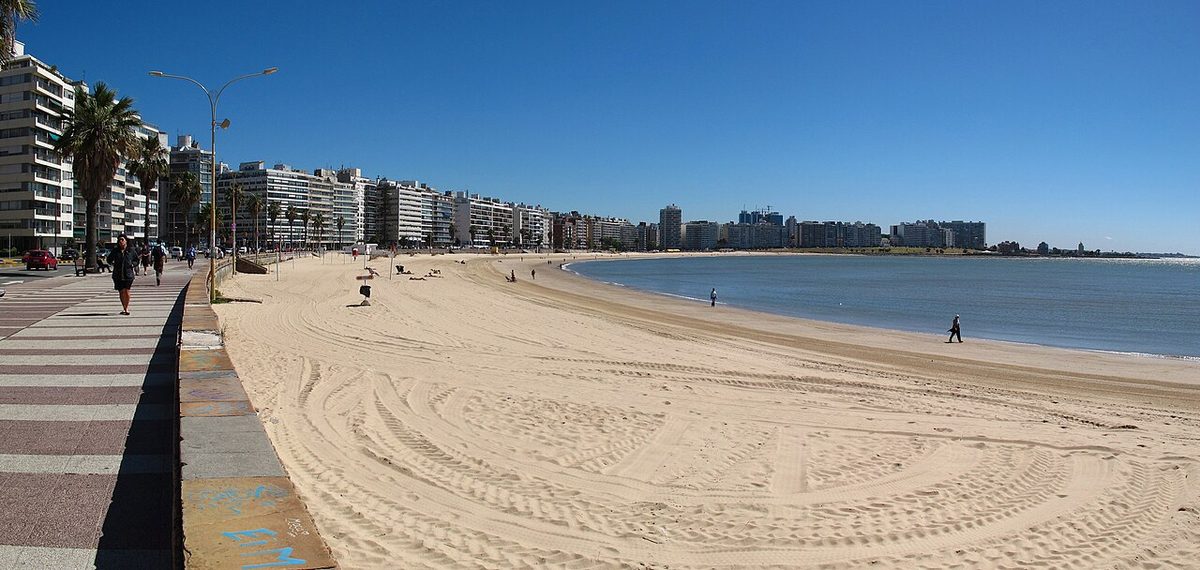
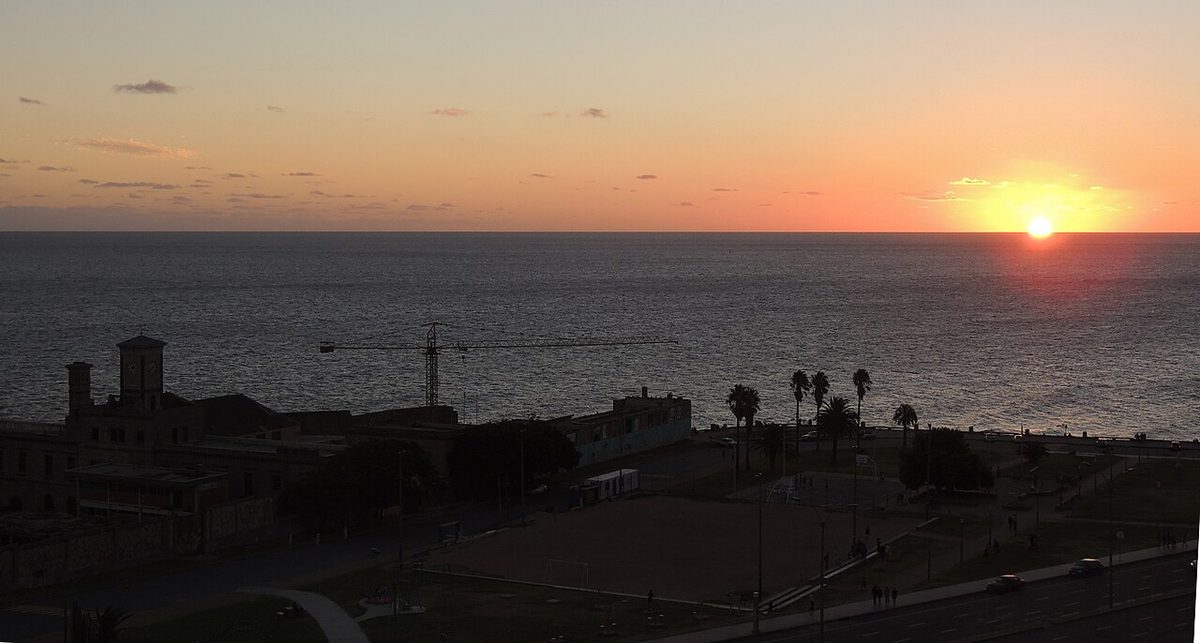
The tourist core is easy. Pocitos, with its curving beach and café-lined streets, feels safe day and night and is where I’d point most first-timers. It is also where most first-time digital nomads settle, as our guide for digital nomads in Uruguay explains. Punta Carretas next door is similar — leafy, gentrified, walkable late. Carrasco, out near the airport, is upscale and quiet to the point of sleepy. The 22-kilometer Rambla — the waterfront promenade that locals stroll, run and fish along at all hours — is one of the most reassuring public spaces in the country, though I’d stay on the populated stretches after dark rather than the empty ones. If you’re weighing where to base yourself, our Montevideo neighborhood guide breaks down the trade-offs.

Ciudad Vieja: a daytime gem that empties at night
Ciudad Vieja, the old city on the peninsula, is the place I most want to be honest about. By day it’s wonderful — colonial facades, the Mercado del Puerto (the old port market, now a temple to parrilla, the wood-fired grilled-meat tradition), museums, plazas, the lot. Daytime, with people around, it’s fine; treat it like any historic center and mind your pockets in the crowds. Spend a full day there; our Ciudad Vieja walking guide maps out the good stuff.
After dark, the calculus changes. Once the offices empty and the day-trippers leave, parts of Ciudad Vieja thin out fast, police presence drops, and some streets get notably quiet — particularly toward the port edge. I’m not saying don’t go; there are excellent restaurants and bars that pull an evening crowd. I’m saying know which blocks are lively and which are deserted, stick to the former, and take a taxi or rideshare the short distance home rather than wandering empty lanes at midnight. The one honest drawback of staying in Ciudad Vieja itself: it can feel a little desolate at night compared with buzzing Pocitos, even though the daytime character is unbeatable.
Barrio Sur, the port edge and Tres Cruces
Barrio Sur, just south of the center, is a fascinating, historically Afro-Uruguayan neighborhood and the heartland of candombe drumming — during Carnival the Llamadas parades here are extraordinary. In daylight and during events with crowds, it’s part of the city’s soul. On an ordinary quiet night, though, the streets toward its edges can feel sketchier, so I treat it as a daytime-and-events area rather than a midnight-stroll one.
Around the port and the Tres Cruces bus terminal, apply standard transport-hub caution. These aren’t no-go zones — Tres Cruces is a perfectly functional, busy terminal you’ll likely pass through — but they’re exactly where bag-watching matters most, and the immediate surroundings are not where I’d linger late at night. Keep your luggage in contact with your body and your phone away while you’re getting your bearings.
Areas to avoid in Montevideo (that you’d never visit anyway)
Now the genuine avoid-list, and the good news is it’s almost entirely irrelevant to a normal trip. The neighborhoods with real crime problems sit in the outer ring, mostly north and west of the center — names like Casavalle, Marconi, Borro, Bella Italia, Villa del Cerro and La Teja come up repeatedly. There is no tourist reason to go to any of them. They’re residential outer barrios, not attractions, and the violence that drives Uruguay’s homicide figures is largely confined to pockets like these and tied to local disputes, not random tourist targeting. A loose rule of thumb locals use: roughly north of Avenida Italia is where you start paying more attention. Stay in the coastal-and-central belt and you’ll never brush against the parts of the map that the statistics are really about.
Transport and taxi safety
Getting around Montevideo is one of the easier parts of the safety picture. Registered taxis are metered, plentiful and honest in my experience, and the city’s bus network is extensive if a little opaque to newcomers. The thing I actually reach for most, though, is a rideshare app.

Uber and Cabify both operate in Montevideo and are widely used, cheap, and convenient. I default to one of them after dark, partly for the price transparency and partly because the trip is logged and you’re not standing on a corner flagging anything down. It’s not that street taxis are dangerous — they’re generally fine — it’s that the app removes the few small friction points. Our dedicated guide to Uber, taxis and getting around Montevideo gets into the practical details of which app works where.
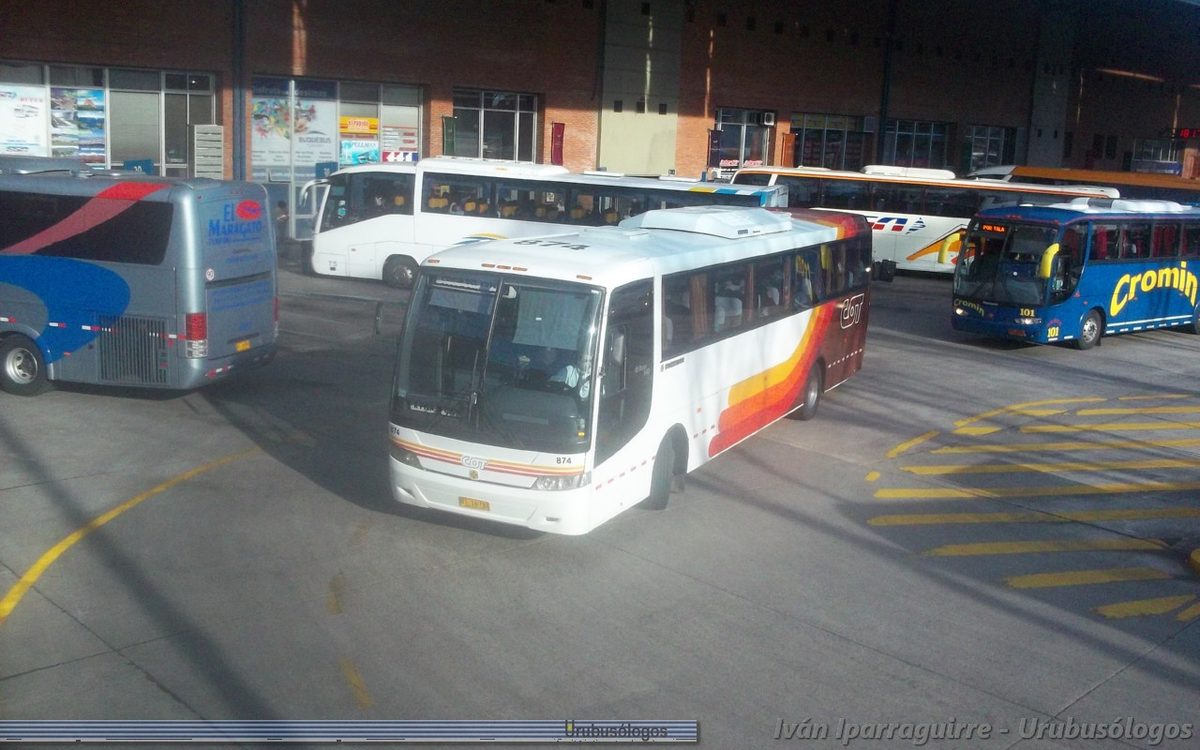
Intercity travel is reassuringly straightforward. Long-distance buses are the backbone of getting around the country — comfortable, frequent, and safe — running out of Tres Cruces to the coast and interior. The honest drawback is luggage vigilance at the terminal and during boarding; keep your daypack with valuables on your person, not in the hold. If buses are your plan, our guide to traveling Uruguay by bus explains the system.
If you’re driving yourself, the roads are generally in good shape and Uruguayan drivers are calmer than their Argentine neighbors. Headlights must stay on day and night, and police checkpoints are routine and polite — have your documents handy. The main hazards are rural at night: unlit stretches, the occasional loose animal, and unpaved “ripio” (gravel) side roads that rental contracts often forbid.
Natural hazards: the sea and the sun
This is the section most safety articles skip, and it’s the one most likely to actually affect you. The biggest physical danger in Uruguay isn’t a person — it’s the Atlantic Ocean.

Rip currents are real along the open Atlantic beaches of Rocha and the eastern coast, and they catch confident swimmers out every summer. Lifeguards staff the main beaches during the high season (roughly December through February), and the flag system is your friend: red means don’t swim, and you should treat it as gospel rather than a suggestion. If you’re caught in a rip, the rule is don’t fight it straight back to shore — swim parallel to the beach until you’re out of the pull, then come in. The calmer Río de la Plata beaches closer to Montevideo are gentler, but they’re also brown with river silt rather than turquoise, which surprises first-timers. For the full coastal rundown, our coast-by-coast beaches guide flags which spots are swimmable and when.
The sun is the other quiet hazard. Uruguay sits under a genuinely strong summer sun, and the UV index gets brutal in January. I’ve watched plenty of visitors underestimate it on a breezy beach day and pay for it that night. High-factor sunscreen, a hat, and shade in the early afternoon aren’t optional in peak summer. If you’re timing a trip, our month-by-month guide to the best time to visit will help you set expectations for heat and crowds.
One more, briefly: there’s a beach-house burglary pattern around the New Year peak, when thieves target rental homes while occupants are distracted or out. It’s a property issue, not a personal-danger one. Lock up, use the safe if there’s one, and don’t leave laptops on display. Off-season, the risk all but vanishes.
Solo travel and solo female safety
Uruguay is, in my view, one of the more comfortable countries in the region for solo travelers, women very much included. Catcalling exists but is noticeably milder than in some neighboring capitals, the café culture makes eating alone feel normal, and the Rambla and beach neighborhoods are easy to navigate on your own. Several solo women I trust have told me Uruguay felt like one of the lowest-stress places they’d traveled in South America.
That’s the headline, but the topic deserves more room than I can give it here without repeating myself. The same fundamentals apply — apps over street taxis late at night, awareness around transport hubs, sticking to lively streets after dark — plus a set of considerations specific to traveling alone. Rather than reinvent it, I’d send you straight to our full solo travel in Uruguay guide, which includes a detailed solo-female-safety section with on-the-ground specifics.
Safety by traveler type and a few practical habits
Different trips carry slightly different risk profiles, so here’s the quick version by who you are.
Families travel easily here. Uruguay is relaxed and child-friendly, the beach towns are gentle, and the main safety conversation with kids is sun and surf rather than crime — our Uruguay with kids guide covers the family-specific stuff. Couples and honeymooners gravitate to the coast, where Punta del Este, José Ignacio and the Rocha beaches are about as low-stress as travel gets. LGBTQ+ travelers will find Uruguay genuinely welcoming — it’s one of the most progressive countries in the Americas on this front, and our LGBTQ+ travel guide explains why.
A handful of habits cover most of the rest. Save the emergency number — 911 for police, the same digits as in the US — and note that Montevideo has a dedicated Tourist Police presence around Ciudad Vieja. Keep a digital copy of your passport. Don’t flash expensive watches or cameras in crowds. Carry a day’s worth of cash and leave the rest secured. And trust the instinct that has served travelers forever: if a street feels wrong, it probably is, and turning around costs you nothing. For everything else — money, connectivity, etiquette — our broader pre-trip checklist is the companion piece to this one. If you’re still deciding between here and across the river, our Uruguay vs Argentina comparison weighs the two on exactly these kinds of practical grounds.
Is Uruguay safe: your questions answered
Is Uruguay safe for tourists right now?
Yes. Uruguay remains one of South America’s safest destinations for visitors, sitting at the lowest advisory tier for most Western governments. Homicide rates have risen since the early 2020s, but that violence is concentrated in specific outer neighborhoods tourists don’t visit. Your realistic risk is petty theft in crowded areas, not the violent crime that makes headlines.
Is Montevideo safe to walk around at night?
In the right neighborhoods, yes. Pocitos, Punta Carretas and Carrasco stay comfortable late, and the populated stretches of the Rambla are walked into the evening. Ciudad Vieja and the area around the Tres Cruces bus terminal empty out and get quieter after dark, so use a rideshare for those rather than walking long, deserted stretches past midnight.
What areas should I avoid in Montevideo?
The neighborhoods with real crime problems — Casavalle, Marconi, Borro, Villa del Cerro, La Teja and similar — sit in the outer ring north and west of the center, and you’d have no tourist reason to go there. A rough local rule is that you start paying more attention north of Avenida Italia. Stick to the coastal and central belt and you’ll never approach them.
Are the beaches in Uruguay safe?
Crime-wise, beaches are very safe, and people walk deserted stretches alone without worry. The real hazards are natural: rip currents along the open Atlantic catch swimmers out, so heed the lifeguard flags and never swim on a red flag. The summer sun is fierce too. Watch for the New Year burglary pattern at rental homes and lock up valuables.
Is the tap water safe to drink in Uruguay?
Yes. Tap water in Montevideo and the main towns is treated to drinking standards and routinely consumed by locals; restaurants serve it by default. It’s cleaner than in several neighboring countries, and bottled water genuinely isn’t necessary in the cities. In rural areas the supply is also drinkable, though some travelers prefer bottled out of habit.
Is Uruguay safe for solo female travelers?
Broadly yes — it’s widely considered one of the easier South American countries for solo women, with noticeably less street harassment than some neighboring capitals. The usual precautions apply: rideshares over street taxis late at night, awareness around transport hubs, and lively streets after dark. Our dedicated solo travel guide has a full solo-female-safety section with specifics.
Final thoughts
If you take one thing from all this, let it be the texture of that telling-off I got in Pocitos. Uruguay isn’t dangerous; it’s normal. It asks of you the same low-grade awareness any city anywhere does — pockets minded, phone away on busy streets, a rideshare home when a neighborhood goes quiet — and in return it gives you one of the most relaxed travel experiences on the continent.
Don’t let the rising-crime headlines or a stale advisory tier talk you out of a country that, by any honest regional measure, is a soft landing. Plan sensibly, lean on the rest of our Uruguay travel tips for the practical groundwork, and go. The odds are overwhelmingly that your only regret will be not staying longer.
Credits & sources
Sources & further reading
- U.S. State Department — Uruguay International Travel Information
- UK Foreign, Commonwealth & Development Office — Uruguay travel advice
- Australian Government Smartraveller — Uruguay
- OSAC — Uruguay Country Security Report
Photo credits
All images via Wikimedia Commons: Montevideo Rambla Walkers by Felipe Restrepo Acosta (CC BY-SA 4.0); Ciudad Vieja Montevideo Daytime by Felipe Restrepo Acosta (CC BY-SA 4.0); Pocitos Beach Neighborhood Montevideo by Elemaki (CC BY 3.0); Montevideo Taxi Street by Photograph by Mike Peel (www.mikepeel.net). (CC BY-SA 4.0); Atlantic Beach Lifeguard Uruguay by Andrés Franchi Ugart… (CC BY-SA 3.0); Plaza Independencia Montevideo by Felipe Restrepo Acosta (CC BY-SA 4.0).