Uruguay vs Argentina: Which Should You Visit? (2026)

A few years ago I took the Buquebus from Buenos Aires to Montevideo on a Tuesday afternoon, watching the muddy Río de la Plata widen around the hull until Argentina slipped below the horizon. Both countries had been competing for my attention all trip. By the time I docked I had a view: they are not rivals. They are the same story told in two very different registers, and the only real mistake is thinking you have to pick one.
The short answer on uruguay vs argentina: Argentina wins on scale — bigger nature, bigger city, bigger budget flexibility. Uruguay wins on ease, safety, calm and coastal beauty. If you have only one slot and genuinely can’t do both, match the destination to your travel style using the comparison below. But the Buquebus crossing is under three hours and cheaper than most city day-trips: do both.
This guide compares the two countries axis by axis — landscapes, cities, beaches, wine, food, cost, safety, authenticity and logistics — with an honest verdict on each one. It is written by a Uruguay site, so I have tried hard to be fair to Argentina, which is not difficult because Argentina is extraordinary. My bias is that I think Uruguay is consistently underestimated. Make of that what you will.
| Category | Argentina | Uruguay | Edge |
|---|---|---|---|
| Size & pace of travel | Enormous; requires big time blocks | Small; a week covers the main loop | Uruguay (efficiency); Argentina (ambition) |
| Landscapes & nature | Patagonia, Andes, Iguazú — world-class | Atlantic coast, pampa, rolling cuchillas | Argentina (scale and drama) |
| Cities | Buenos Aires: big, electric, 24-hour | Montevideo: calm, walkable, liveable | Tie (depends what you want) |
| Beaches | Some coastal options; not the draw | 660 km of Atlantic and river coast | Uruguay |
| Wine | Mendoza Malbec — globally famous | Tannat — under-known, world-class | Tie (different grapes, both brilliant) |
| Food & asado | Exceptional quality; Buenos Aires dining scene | Equally serious beef; quieter restaurants | Tie (Argentina for variety; Uruguay for quiet excellence) |
| Safety | Mixed by city/neighbourhood | South America’s most stable and safe | Uruguay |
| Cost & value | Currently very cheap — but volatile | Stable pricing, close to southern Europe | Argentina (budget); Uruguay (predictability) |
| Crowds & authenticity | Major tourist trail; also vast empty spaces | Genuinely under-visited outside January | Uruguay (shoulder season); tie in peak |
| Ease & logistics | Complex; distances demand planning | Simple; everything within a day’s drive | Uruguay |
Size and pace of travel
Argentina is the eighth-largest country on Earth. Uruguay fits inside the province of Buenos Aires with room to breathe. That single fact shapes every practical decision about which country to visit — or how long to give each one if you’re doing both.
Traveling Argentina properly means accepting that distances are epic: Buenos Aires to Ushuaia is further than London to Beirut. Iguazú Falls in the north, Mendoza’s vineyards in the west, Patagonia’s glaciers in the south — picking two of the three big draws in one trip already demands two weeks minimum, and there is an entire rest of the country between them. That is not a complaint. Argentina rewards the traveler who commits. It just requires commitment.
Uruguay, by contrast, fits inside a week without cramming. Montevideo to Colonia del Sacramento is an hour and a half. Montevideo to José Ignacio is two and a half hours. Cabo Polonio, the wild dune hamlet most people consider the far end of the map, is four hours from the capital. You can see the best of the country — coast, wine country, colonial towns, wild beaches — in seven to ten days at a relaxed pace, which means you spend more time actually doing things and less time watching landscape scroll by a bus window.
Verdict: If your trip is ten days or fewer, Uruguay is the more efficient choice. Argentina rewards two to three weeks; anything less involves painful sacrifices of what to leave out.
Landscapes and nature: Argentina’s big card
Here is where I stop hedging and give Argentina its due. The natural spectacle on offer in Argentina is, by any measure, among the most varied on the planet. Iguazú Falls — 275 cascades spread across nearly three kilometres of jungle on the Brazilian border — is one of the few sights that routinely makes people cry without understanding why. Patagonia’s Perito Moreno glacier advances into the lake with a crack you hear across the water. The Andes run the entire western spine of the country, giving you everything from Mendoza’s altitude vineyards to ski resorts to trekking in Aconcagua’s shadow. Peninsula Valdés on the Patagonian coast puts whales, elephant seals, sea lions and the world’s largest Magellanic penguin colony within one marine park.
Uruguay’s nature is not epic in the same register. What it offers is accessible, calming and in several cases genuinely singular. The Rocha coast — 180 kilometres of dunes, lagoons and Atlantic beach east of Laguna Garzón — is wild in a way that most of the developed world has forgotten, with beaches that are genuinely empty for ten months of the year. Cabo Polonio has no power grid, a working lighthouse and a sea lion colony that fills the rocks below it. The rolling cuchillas (low ridges) of the interior are green and quiet, dotted with estancias where gauchos still work cattle on horseback for practical reasons.
For the kind of jaw-drop nature that photographs from space, Argentina is not a competition. Uruguay is the country where you walk a dune for three hours and don’t see another person, which is its own kind of drama.
Verdict: Argentina, clearly and without qualification on this axis. Uruguay’s nature is lovely; Argentina’s is world-class. If iconic natural spectacles drive your choice, book a Buenos Aires–Iguazú–Patagonia itinerary and don’t let anyone talk you out of it.
Cities: Buenos Aires vs Montevideo
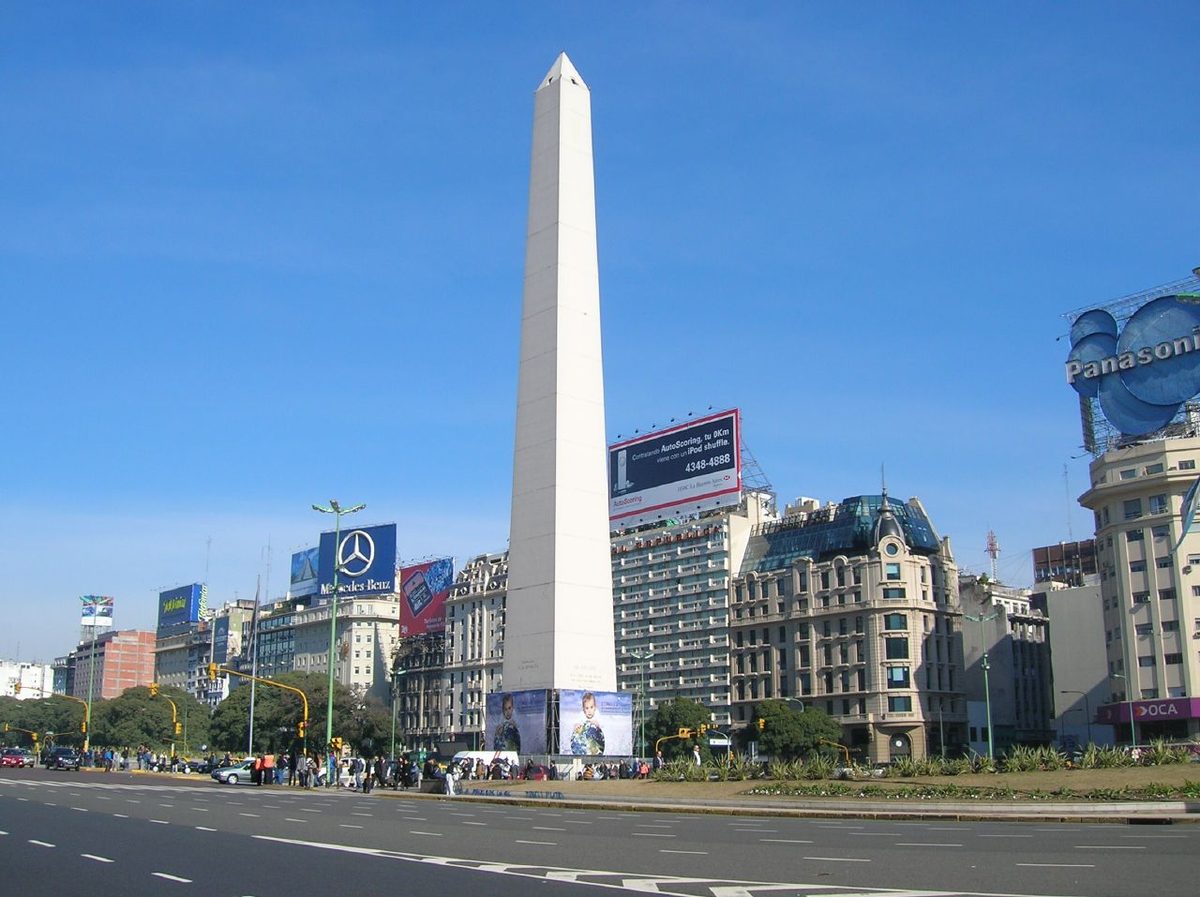
Buenos Aires is one of the great cities. That sentence is not a travel-brochure exaggeration — it is simply true. A metro of fifteen million people with a walkable city centre, an extraordinary food and wine culture, a nightlife that starts at midnight and finishes when it feels like it, European-scale architecture in Palermo and Recoleta, the world’s best tango scene, and a cultural depth — theatre, cinema, literature, psychoanalysis — that reflects a city whose population has argued about ideas for centuries. The economic instability that has defined recent decades has also given Buenos Aires a counter-cultural edge: bookshops, independent theatres, art spaces and restaurants that operate on creativity rather than capital, because capital has been unreliable.
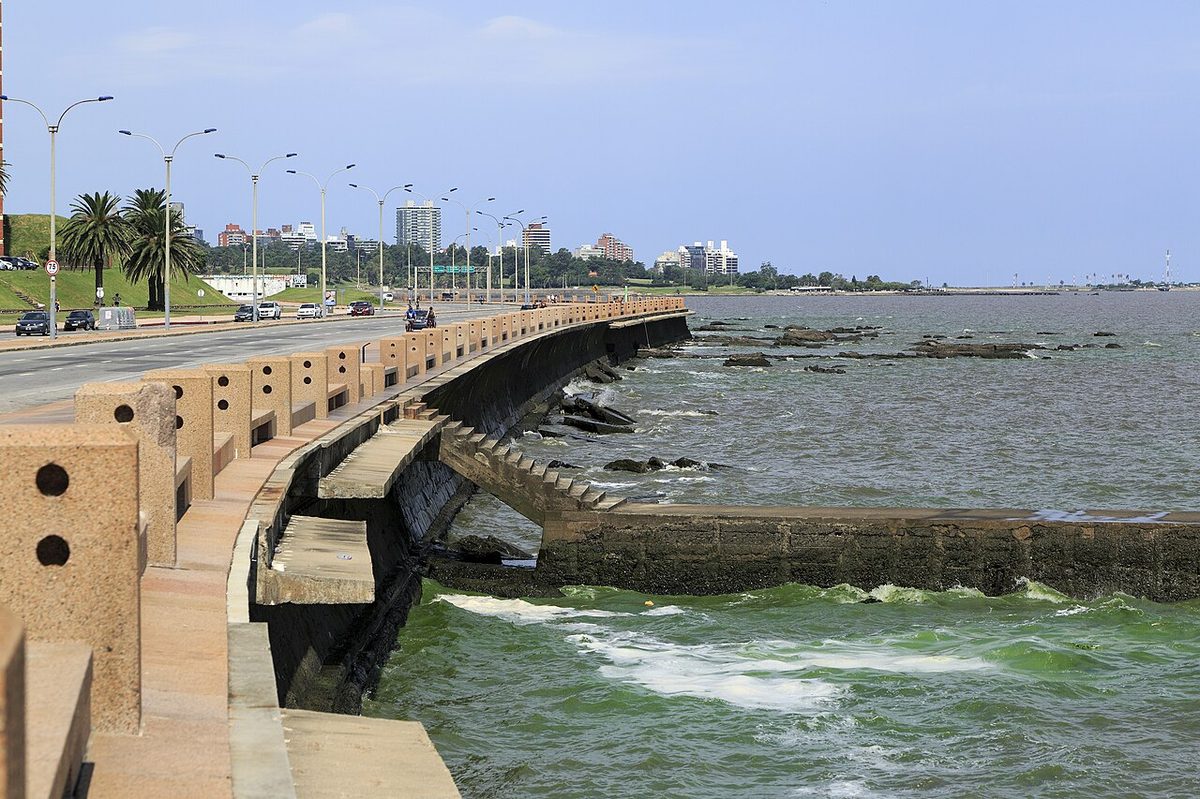
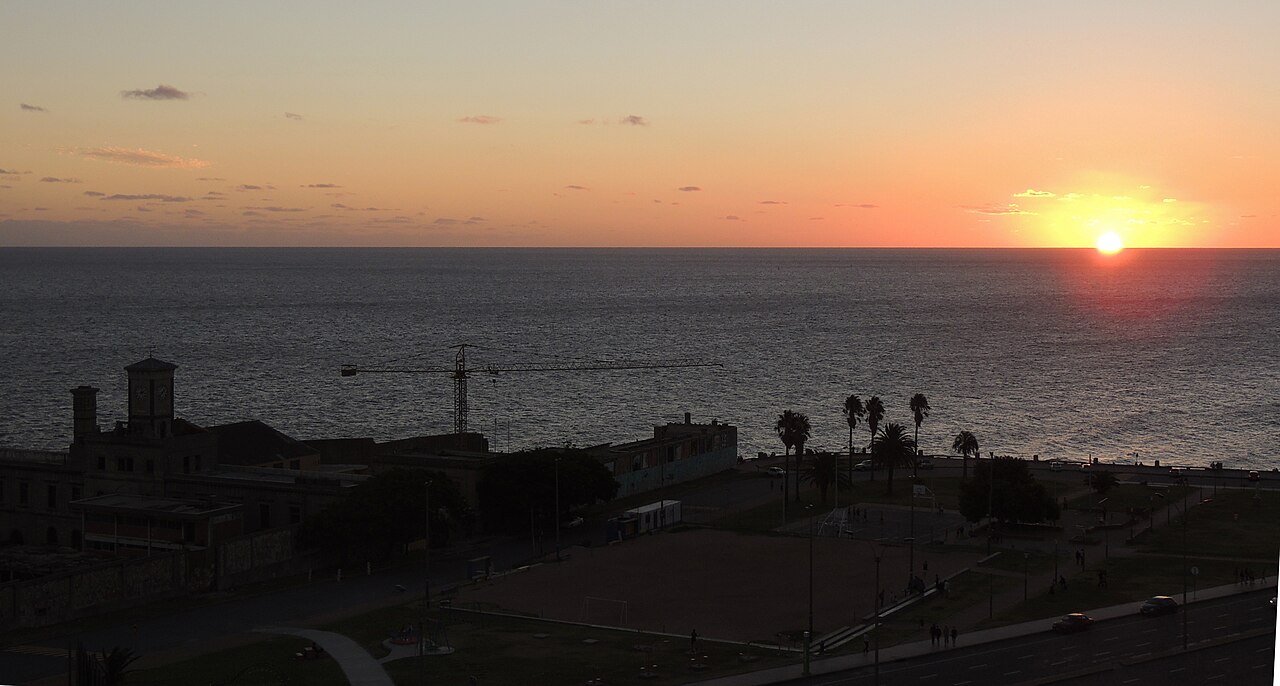
Montevideo, by contrast, is a city of about 1.4 million people that runs at a pace closer to a large European town than a capital. It has its own Ciudad Vieja with art deco towers and Sunday flea markets; it has a 22-kilometre rambla where the entire population materializes at dusk with mate thermoses; it has the Mercado del Puerto, a 19th-century iron market hall where a dozen parrillas grill short ribs over wood embers all afternoon. What it does not have is Buenos Aires’ electricity. The comparison in terms of nightlife, cultural calendar, restaurant variety and sheer urban energy is not a close contest.
But Montevideo is liveable in a way Buenos Aires is not always. It is safe to walk at night. It is manageable to navigate. It has the kind of calm that Buenos Aires residents cross the river to find. Both cities reveal themselves best when you stop tourist-ticking and just walk. Montevideo reveals itself faster.
Verdict: Tie, but on different terms. City travellers who want scale, intensity and an inexhaustible cultural programme need Buenos Aires. Travellers who want a southern European-paced coastal capital, good food and the ability to walk everywhere safely want Montevideo. Many visitors, wisely, get both.
For what Montevideo specifically offers, see our full guide to things to do in Uruguay, which covers the city’s markets, rambla, candombe and architecture in detail.
Beaches: Uruguay’s turn to win
Argentina has a beach scene — Mar del Plata, Villa Gesell, a long stretch of Atlántic coast south of Buenos Aires — but it is largely domestic tourism infrastructure rather than a major international draw. The beaches are busy in January, the water is not especially warm, and nothing in the Argentine coastal offering competes with what sits across the estuary.
Uruguay has 660 kilometres of coast and two distinct personalities along it. The river side, facing the Río de la Plata, offers warm, calm, brown-tinged water — ideal for families, sunbathing and nothing strenuous. The Atlantic side is colder, blue-grey, surf-ready and backed by dunes that in places rival anything in Namibia. Between Montevideo and the Brazilian border you have Punta del Este (South America’s Saint-Tropez, glamorous and knowing about it), José Ignacio (understated luxury, its very unpretentiousness the most carefully curated thing about it), La Paloma (surf and southern right whale sightings from shore in winter), and Cabo Polonio (no roads, no grid, dunes the size of apartment blocks, sea lions from your window).
The beaches that most impress me are not the famous ones. They are the unnamed Atlantic stretches in Rocha, where a 90-minute walk from the nearest car park puts you on sand that runs to the horizon in both directions with not another person visible. Uruguay is one of very few places left where that is possible in summer.
Verdict: Uruguay, decisively. Beaches are not why you go to Argentina, and they are a central reason you go to Uruguay. Read our guide to the best places to visit in Uruguay for the full coastal breakdown, or go straight to the Punta del Este guide if that’s where you’re heading.
Wine: Mendoza Malbec vs Uruguay Tannat
This is genuinely not a fair fight in terms of international reputation, and yet it keeps surprising people in blind tastings.
Argentina’s Mendoza is one of the world’s canonical wine regions: high-altitude desert vineyards at 800–1,100 metres, an Andean backdrop, Malbec as the flagship grape in a style — deep purple, black fruit, structured tannins, oak-friendly — that has colonized wine lists worldwide. Luján de Cuyo and the Valle de Uco produce bottles that compete with Bordeaux at a fraction of the price. Wine tourism in Mendoza is mature, efficient and well-priced: cycle between bodegas, book a Francis Mallmann lunch, spend four days and leave with a checked bag of bottles. It is a brilliant wine destination.
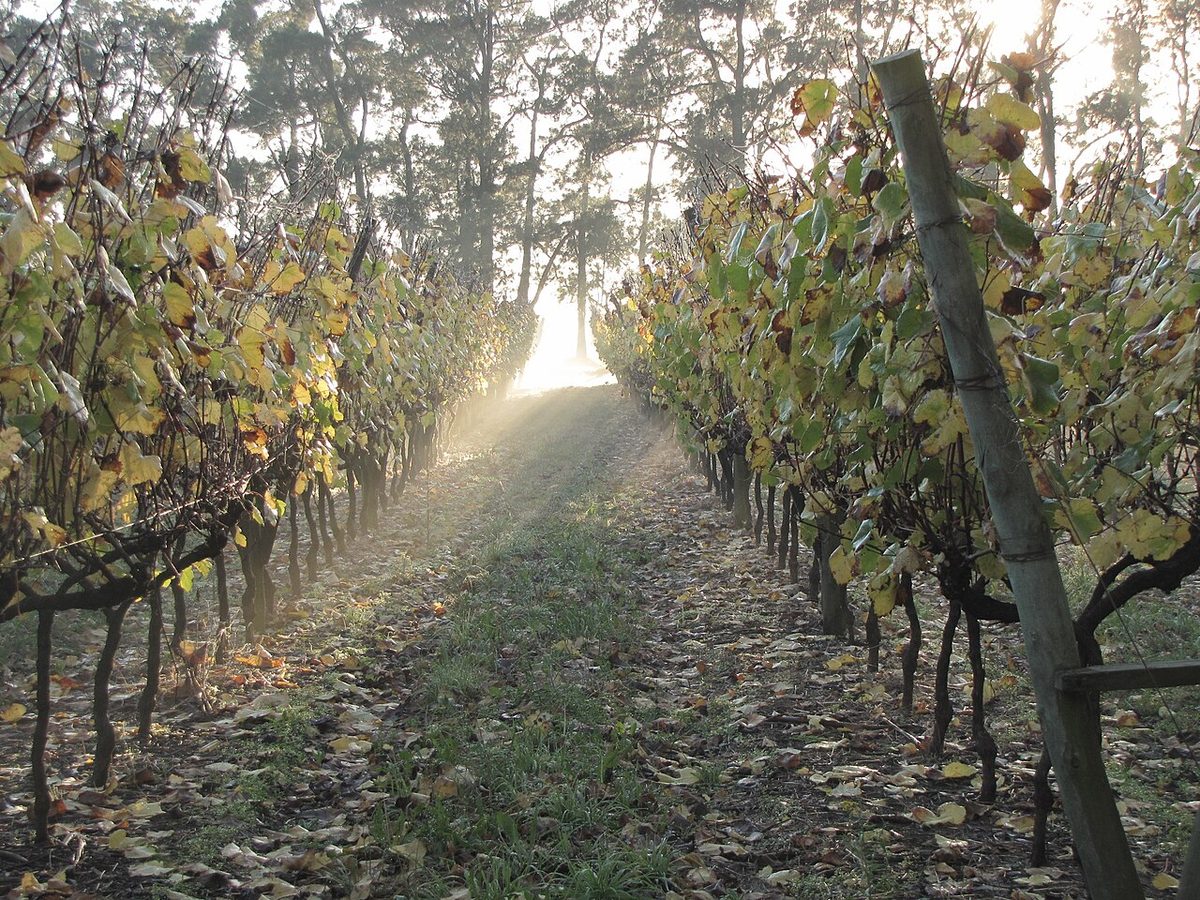
Uruguay’s answer is Tannat, a thick-skinned grape that arrived from the French Basque country with immigrant Pascual Harriague in the 1870s and found its spiritual home here in the rolling hills of Canelones and Maldonado. Uruguayan Tannat is darker and more tannic than most reds you’ll meet, built to stand up to the beef culture it accompanies, and in good vintages from Bodega Garzón or Bouza it is frankly world-class in a way that most people outside Uruguay have not been told about. This is changing — slowly. The Uruguay wine scene is increasingly on the radar of serious buyers, but it is not Mendoza, and it will not be Mendoza. It is something else: smaller, quieter, personally run by families who remember when nobody was paying attention.
The wine tourist in Argentina gets scale, infrastructure and global recognition. The wine tourist in Uruguay gets family bodegas, a vineyard-to-table lunch with the winemaker’s cousin pouring, and the pleasure of discovering a great grape before the world catches up.
Verdict: Tie, on merit, in different registers. Mendoza is the bigger destination. Uruguay Tannat is the better-kept secret. If wine is your primary motivation, Mendoza wins by infrastructure alone. If you want discovery, buy a case of Tannat and feel very pleased with yourself.
Food and the asado culture
Both countries are, without serious competition, the world’s foremost asado nations. The cultural weight placed on grilling beef over wood — not charcoal, wood — is roughly equal, and so is the quality of the beef itself. Uruguayans eat more beef per capita than any people on the planet, which is not a comfortable statistic if you’re thinking about it too hard, but is very pleasant in practice. At a Mercado del Puerto parrilla in Montevideo you order short ribs, sweetbreads, blood sausage and chorizo and they arrive on something closer to a shield than a plate, grilled over quebracho embers by men who have done nothing else for thirty years.
Argentina’s advantage is variety. Buenos Aires is a genuinely world-class dining city: Japanese-Argentine fusion, modern Palestinian in Palermo, Lebanese in Once, Italian pasta families in San Telmo, and a new-wave restaurant scene that includes Francis Mallmann’s fire temples and several spots that appear regularly on global top-50 lists. Argentine empanadas deserve their own sentence — each province has a different dough, filling and crimp, and you can happily spend a week investigating them.
Uruguay’s food outside beef and wine is quieter: the chivito (the national sandwich — beef, ham, bacon, egg, mozzarella, olives on a bun, served with fries as a kind of structural challenge) is a daily joy; the torta frita (fried dough, served at pushcarts in the rain) is the comfort food of the country; dulce de leche appears on or in almost everything. The restaurant scene in Montevideo is good, occasionally great, and lacking in the variety of Buenos Aires.
Both countries are asado-serious in a way that rewards serious eating. Learn more about what’s on the plate in our guide to Uruguayan food.

Verdict: Argentina on variety and dining-scene sophistication. Uruguay on the purity of the grill tradition. Either way, arrive hungry.
Safety
This is the axis where the gap is clearest and most consistently reported by travelers who have done both.
Uruguay is the safest country in South America by most composite measures: low violent crime, strong institutions, political stability that has held through multiple economic pressures, and a street feel in Montevideo and the beach towns that is closer to Portugal than to the regional average. The standard advice applies in Montevideo — don’t walk the peripheral barrios after dark, keep your phone in your pocket in Ciudad Vieja — but the scale of worry is European, not the heightened alert that many travellers arrive with for South America generally. Solo travel here, including solo female travel, is consistently reported as comfortable. LGBTQ+ travel is similarly easier than elsewhere in the region: Uruguay was the first Latin American country to fully legalize same-sex marriage (2013) and the culture reflects that.
Argentina’s safety profile is more varied. Buenos Aires is a city where experienced travelers are generally fine but where pickpocketing, phone theft and occasional more serious incidents are a real part of the landscape, particularly in tourist areas. Outside the capital the picture improves significantly — Mendoza, Bariloche and Patagonia generally feel very safe. Argentina has also seen periodic economic instability translate into social tension; the situation fluctuates and is worth checking current advisories before traveling.
Verdict: Uruguay, clearly. Not that Argentina is unsafe — it is not, compared to global averages — but Uruguay’s stability and safety are genuinely exceptional and frequently cited by travelers as one of the biggest differences in day-to-day experience.
Cost and value: Argentina’s volatility vs Uruguay’s stability
This section comes with an obligatory warning: Argentina’s economy moves fast. Anything written here has a shelf life. Verify current exchange rates, inflation figures and blue-dollar dynamics before budgeting your trip, because the numbers may have shifted materially since this was written.
With that caveat in place: as of mid-2026, Argentina is cheap for travelers arriving with hard currency, while Uruguay is expensive by South American standards. Budget data from traveler aggregators suggests Argentina runs around US$26 per person per day at backpacker level; Uruguay runs around US$78. Accommodation in Buenos Aires can be found for under US$20 a night in good hostels; in Montevideo and on the coast you’re looking at US$35–70 minimum for anything decent. Restaurant meals in Buenos Aires are extraordinarily affordable at current exchange rates; in Uruguay a parrilla lunch for two with wine runs US$50–70.
What Uruguay offers in return for its prices is stability. You book a hotel room today and it costs what it costs; the budget you build in December is the budget you spend in February. Argentina’s peso volatility means prices can shift week to week, and navigating the gap between official and unofficial exchange rates (historically significant; currently evolving — check before you go) adds planning complexity that some travelers enjoy and others find exhausting. Uruguay prices everything in dollars or at parity; there is no arbitrage to find.
Uruguay does offer one meaningful relief: pay restaurants, car rentals and certain services with a foreign debit or credit card and a chunk of VAT is often deducted automatically — a standing incentive from the government for tourists to use the formal economy. It doesn’t close the gap with Argentina, but it softens it.
Our Uruguay travel tips page has current budget guidance. For timing that affects your costs, January on the coast is substantially pricier than March or November.
Verdict: Argentina wins on raw cost, often dramatically so. Uruguay wins on predictability. The choice depends on what you’re optimizing for: daily spend or planning sanity.
Crowds and authenticity
Buenos Aires receives around seven million international visitors per year. That is not a complaint — a city of its stature and appeal draws what it draws — but it does mean the tourist trail is well-worn, the scams are polished and the more celebrated neighborhoods know exactly how to pitch themselves to the traveler’s gaze. Outside Buenos Aires and the obvious landmarks, Argentina opens up into a country with remarkably few tourists relative to its size, and the Patagonian steppe and northwestern provinces especially reward the traveler who goes looking.
Uruguay sits in an interesting gap. It receives around three to four million tourists per year, the majority of whom are Argentines crossing for the beach season, and most of those visitors cluster along the southern coast in January and February. The rest of the country, for the rest of the year, is genuinely under-visited in a way that feels like a structural accident rather than a designed obscurity. The Rocha coast in April is a beach paradise with almost no one on it. The wine country around Carmelo runs tours where the winemaker’s family pours your flight in a converted barn. The gaucho interior exists largely in the absence of tourism infrastructure because not enough people have discovered it needs any.
This is not a permanent condition. Uruguay had over one million visitors in the first two months of the 2026 summer season alone, and the word is getting out. But outside peak January, the experience of feeling like a traveler rather than a tourist is considerably more available here than in the more famous destinations to the south.
Verdict: Uruguay on this axis for most traveler types. Argentina has vast regions of genuine emptiness, but the canonical tourist trail there is well-worn. Arrive in Uruguay in March or November and you may have some of South America’s best coastline almost to yourself.
Ease and logistics
Getting to Uruguay from most major international hubs means connecting through Buenos Aires, São Paulo or Santiago, and then flying or ferrying onward. Montevideo’s Carrasco airport is served by direct flights from most South American capitals and a handful of European routes, but your most likely entry point is still a transit through one of the big hubs. Getting to Uruguay has the full logistics, including which ferry option suits which traveler.
Once you’re inside Uruguay, the country is extremely easy to navigate. Buses between cities are cheap, comfortable and on time. Roads are good. Distances are short. Uber works in Montevideo and Punta del Este. A rental car unlocks the wild coast and the interior, and driving here — empty straight roads, electronic tolls, zero alcohol limit — is among the most stress-free in South America.
Argentina is more complex in proportion to its size. Buenos Aires’ domestic airport (Aeroparque) is essential for reaching Mendoza, Iguazú or Patagonia, and the internal flight network, while good, adds both cost and logistics. Long-distance buses are excellent but epic — Buenos Aires to Mendoza is twelve hours, to Bariloche is twenty. Patagonia especially requires real planning: transport around El Calafate and El Chaltén is limited and expensive, and Ushuaia is a category of its own.
A Uruguay itinerary of one week to ten days is genuinely achievable without a tour guide or any specialist planning. An Argentina itinerary that covers the country’s major draws in the same time is not.
Verdict: Uruguay by a significant margin. Everything in the country is within reach of everything else, bus travel is reliable and affordable, and the planning overhead is low. If you have limited travel days and dislike logistics puzzles, this matters a lot.
Who should choose which: a guide by traveler type
The first-timer to South America with two weeks — Do both. Fly into Buenos Aires, spend three to four days (Palermo, San Telmo, a tango show, a parrilla), then ferry to Colonia del Sacramento for two nights and Montevideo for two, then east along the coast to Punta del Este and as much of Rocha as you can manage. You will have touched the best of both countries. This is the classic loop and it works.
The nature-seeker — Argentina, specifically Patagonia and Iguazú. Uruguay’s nature is lovely; Argentina’s is planetary. Go south. Go north. Be prepared for it to take time.
The beach-and-relaxation traveler — Uruguay. November to March, base yourself on the coast, work east from Montevideo to Rocha, stay in a Cabo Polonio cabin for two nights. You will not want to leave. Read our honest assessment of whether Uruguay is worth visiting if you want a second opinion before booking.
The food-and-wine traveler — Split loyalties. Mendoza is non-negotiable for wine tourists; Buenos Aires for the full dining-scene experience. But add Canelones or Bodega Garzón and a Mercado del Puerto lunch to the itinerary. This is a trip that rewards a longer runway.
The solo traveler, particularly women — Uruguay has the easier day-to-day safety profile, and Montevideo feels noticeably comfortable to solo travelers in a way that Buenos Aires, lovely as it is, doesn’t consistently match. For a first solo trip to the region, Uruguay is the lower-stakes introduction.
The budget backpacker — Argentina, currently and with the caveat that Argentina’s economy moves fast and the math may have shifted by the time you read this. Research exchange rate dynamics carefully before relying on pricing from this or any article.
The short-trip traveler (5–7 days) — Uruguay. Argentina in under ten days is a triage exercise. Uruguay in seven days covers the main loop comfortably. See our itinerary guide for how to structure it, and our best time to visit page for picking the right month.
The family with children — Uruguay edges it. Punta del Este’s Mansa beach, the Piriápolis chairlift, capybaras at Santa Teresa national park, and the manageable scale of the country all suit family travel. Buenos Aires is genuinely child-friendly but also genuinely overwhelming.
Why not both? The ferry route explained
The Buquebus crosses the Río de la Plata between Buenos Aires and either Montevideo (about 2¼ hours direct) or Colonia del Sacramento (about 1¼ hours crossing, then a bus to Montevideo). Colonia Express and SeaCat also operate on the route at different price points and schedules. The crossing is one of the most cost-effective multi-country transitions in travel: you clear immigration onboard or at the terminal, and you step off a ferry into a different country, culture and pace of life without a single internal flight or land border queue.
The standard dual-country loop goes: fly into Buenos Aires, spend your first few days there, then cross by ferry to Colonia for a colonial town afternoon and night, continue by bus to Montevideo, and travel east along the Uruguayan coast before flying home from Montevideo. Or reverse the direction. Both work well; starting in Uruguay and ending in Buenos Aires means you end in the bigger, louder city, which suits some travelers better for the energy it provides on departure day.
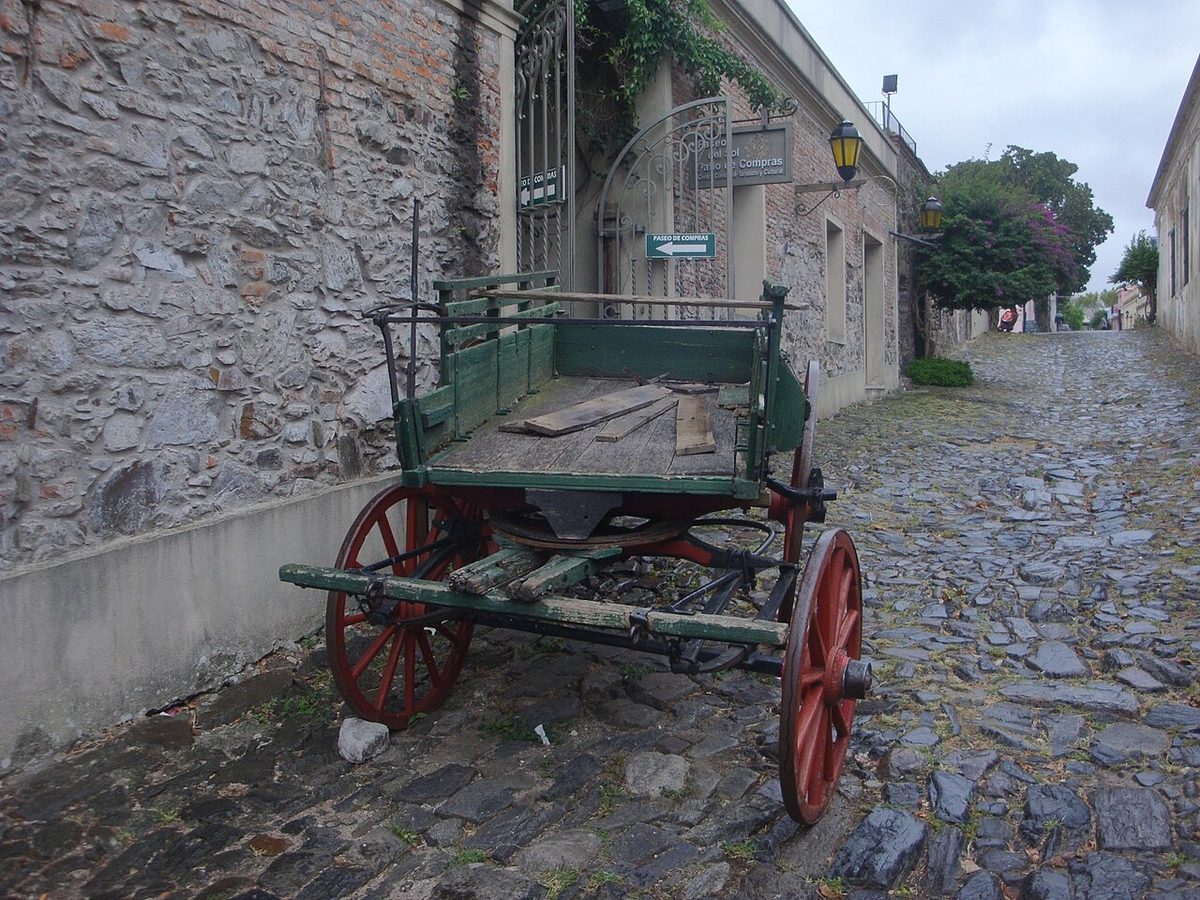
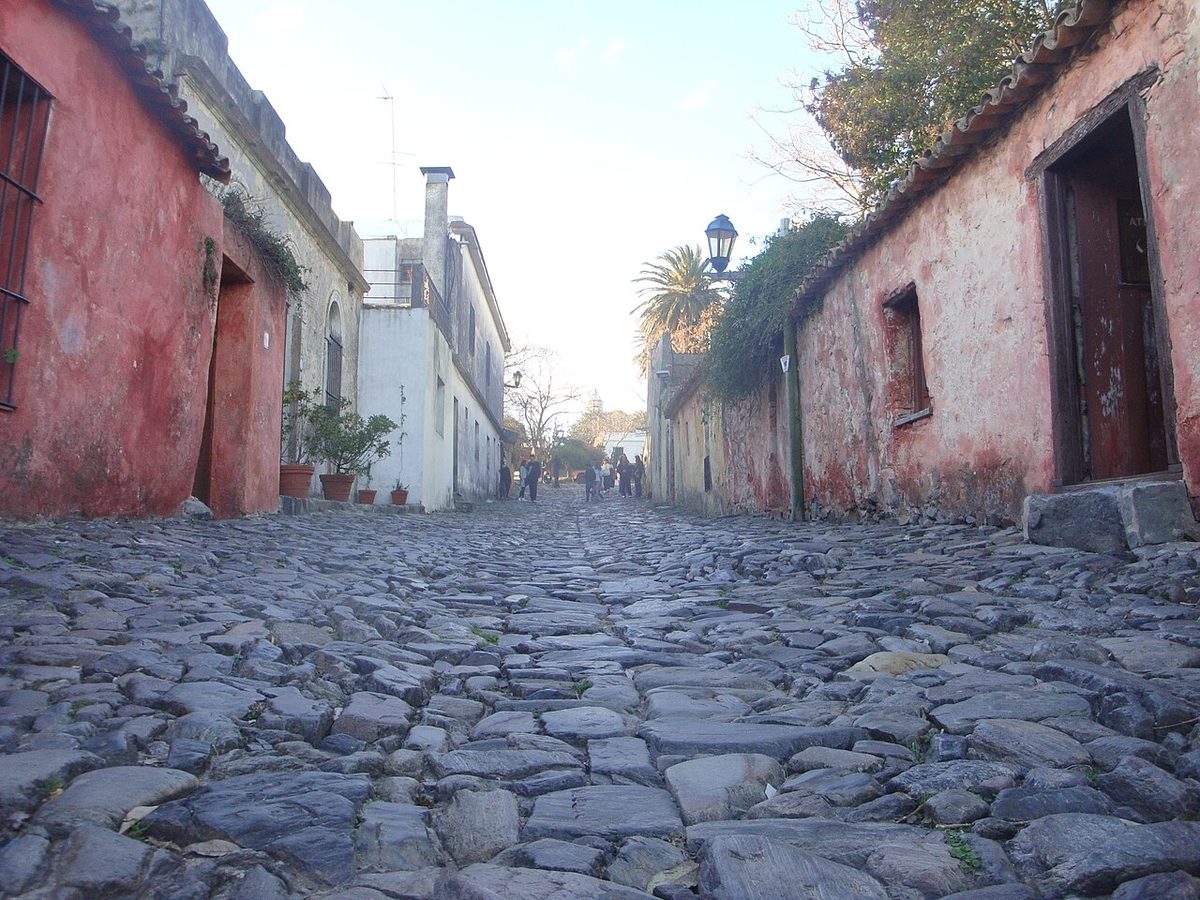
Colonia del Sacramento is the most natural entry point from the ferry and worth more than the half-day most people give it. The Barrio Histórico is UNESCO-listed, the Portuguese-built lighthouse has river views that match anything in Montevideo, and the town’s ambiance — colonial lanes, vintage cars, fishing boats on the river — is unlike anywhere else in Uruguay. It deserves a night.
Practically: book ferry tickets in advance in January and February (both directions fill up), carry your passport, and note that Uruguay customs occasionally searches bags more carefully on the Colonia route in high season. Neither country requires a visa for most Western passport holders; check your specific nationality before traveling. Our getting to Uruguay page has current ferry operator links and practical notes.
The question “uruguay vs argentina” assumes a choice you may not need to make. A week in Buenos Aires followed by ten days along the Uruguayan coast is arguably the most complete introduction to this corner of South America that exists — two countries with a shared language, a shared obsession with beef and mate, and a completely different texture and pace of life, reachable from each other in the time it takes to watch a film.
Uruguay vs Argentina: your questions answered
Is Uruguay or Argentina better for a first visit to South America?
Uruguay is easier and safer for a first visit, with a manageable scale, stable logistics and a low-stress environment. Argentina offers more of the continent’s iconic spectacles (Iguazú, Patagonia, Buenos Aires) and rewards travellers who want scale and variety. The ideal first trip combines both via the Buquebus ferry. If you have to pick one and you’re nervous about complexity, start with Uruguay. If you have three weeks and appetite for adventure, Argentina earns its place at the top of South American bucket lists.
Which country is cheaper to visit, Argentina or Uruguay?
Argentina is currently much cheaper than Uruguay for travelers arriving with hard currency — estimates as of writing suggest daily costs in Argentina run roughly one-third of Uruguay’s equivalent. Uruguay prices are closer to southern Europe and are stable; Argentina’s prices are lower but move fast with the economy. Check current exchange rates and peso dynamics before building any Argentina budget from this or any other article, as the figures can shift significantly between publication and travel.
How far is Uruguay from Argentina? Can you visit both in one trip?
Buenos Aires and Montevideo are separated by about 50 kilometres of river, not ocean, and the Buquebus ferry makes the crossing in around 2¼ hours direct. Colonia del Sacramento, Uruguay’s closest city to Buenos Aires, is reachable in about 1¼ hours by fast ferry. It is completely practical to combine both countries in a single trip of ten days or more, and the two-country loop — Buenos Aires, ferry, Colonia, Montevideo, eastern coast — is one of the best-established independent travel routes in South America.
Is Uruguay safer than Argentina?
Yes, by most measures Uruguay is meaningfully safer than Argentina, and the difference is felt in day-to-day travel confidence. Uruguay’s violent crime rate is low by any global comparison, its institutions are stable, and travellers — including solo women and LGBTQ+ travellers — consistently report feeling comfortable. Argentina is not unsafe in absolute terms, but pickpocketing and opportunistic theft in Buenos Aires are real concerns, and safety varies considerably by neighbourhood and city. Uruguay’s across-the-board consistency is one of its genuine competitive advantages as a travel destination.
What can you do in Uruguay that you can’t do in Argentina?
Swim at a completely empty Atlantic beach in summer, walk to a working lighthouse with sea lions on the rocks below in a village with no power grid (Cabo Polonio), drink Uruguay’s own Tannat wine in the vineyard where it was made by the family who grows it, walk the world’s longest continuous coastal promenade (Montevideo’s rambla) surrounded by locals with mate thermoses at dusk. Uruguay’s pleasures are specific, atmospheric and often logistically impossible to replicate in Argentina because they depend on Uruguay’s scale, calm and particular relationship with time. See our full things-to-do guide for the long list.
What does Argentina have that Uruguay doesn’t?
Iguazú Falls. Patagonia. Perito Moreno glacier. The Andes. Peninsula Valdés. Buenos Aires’ nightlife and restaurant culture. Mendoza’s established wine tourism infrastructure. Scale, geographic variety and the kind of natural spectacles that appear in every global top-10 travel list. Uruguay is aware of these gaps and is not embarrassed by them; it is competing in a different category. But if your primary travel goal is bucket-list natural wonders, Argentina has several that have no equivalent anywhere in the region.
Final thoughts
The traveler who asks “uruguay vs argentina” is usually asking the wrong question — not because it’s a bad question, but because the two countries sit forty-five minutes of water apart and are more complementary than competitive. Argentina is epic: vast, dramatic, noisy, occasionally chaotic, and home to some of the most spectacular landscapes on the continent. Uruguay is the opposite of epic: measured, calm, beautiful in a quiet way, and organized around precisely the pleasures — a slow lunch, an empty beach, a glass of Tannat at a family winery — that epic tends to elide.
My honest verdict, for whatever it is worth from a site with a Uruguay affiliation and a willingness to admit the conflict: if you have three weeks, do both and do them properly. If you have one week and you want nature, Patagonia, and a big city, go to Argentina. If you have one week and you want beaches, calm, safety, wine and the feeling that you’ve discovered something the world hasn’t quite caught up to yet, come to Uruguay.
The ferry from Buenos Aires runs several times a day. You don’t actually have to choose.
Credits & sources
Sources & further reading
- Uruguay Ministry of Tourism (turismo.gub.uy) — Official visitor information, current events and regional guides for Uruguay
- Argentina Tourism Board (argentina.travel) — Official Argentina travel information including Iguazú, Patagonia and Mendoza itineraries
- Buquebus — Current Buenos Aires–Montevideo and Buenos Aires–Colonia ferry timetables and fares
- Numbeo: Uruguay vs Argentina cost of living — Crowd-sourced cost comparison data (note Argentina figures shift with exchange rates)
Photo credits
All images via Wikimedia Commons: Buquebus Ferry Rio De La Plata by Roxyuru (CC BY-SA 3.0); Buenos Aires Obelisco Skyline by Victoria Rachitzky from Sao Paulo agora, Brasil (CC BY 2.0); Montevideo Rambla Skyline by Falk2 (CC BY-SA 3.0 de); Asado Parrilla Wood Embers by a Wikimedia Commons contributor (CC BY-SA 2.5); Colonia Del Sacramento Cobblestone by Banfield (CC BY-SA 2.5 ar); Tannat Malbec Vineyard Comparison by Viñavarelazarranz (CC BY-SA 3.0).
1 comment