Is Uruguay Worth Visiting? An Honest Answer

Is Uruguay worth visiting? Yes — if you want calm over spectacle. You come for empty Atlantic beaches, walkable colonial towns, the best beef in South America and a genuinely safe, easygoing pace. You don’t come for dramatic mountains, blockbuster landmarks or bargain prices. For the right traveller, that trade is the entire point.
I’ve now been to Uruguay several times, in different seasons and with different people, and I get asked the same question almost every time I mention it: wait, why Uruguay? It sits in the awkward position of being wedged between Argentina and Brazil, two countries that hoover up nearly all the attention and most of the flights. So the honest version of the answer takes a bit more than a glossy list of reasons. Below is the case for going, the case against, and a straight read on whether it’s worth it specifically for you — not for some imaginary average tourist. (If the verdict lands on yes, the ranked list of the best places to visit in Uruguay is the logical next tab.)
Is Uruguay Worth Visiting? The Short Answer
If you only read one thing, read this table. It’s the verdict I’d give a friend over coffee before they booked anything.
| The question | My honest take |
|---|---|
| Worth it if you want… | Calm, safety, uncrowded beaches, colonial towns, world-class beef and wine, slow travel |
| Probably skip if you want… | Dramatic landscapes, non-stop nightlife, big tourist “sights,” or a rock-bottom budget |
| How long to go for | 4–7 days is the sweet spot; 3 at a real push |
| Daily budget (rough) | Around US$50–70 budget, US$100–150 midrange, US$200+ for the smart hotels |
| How safe | Among the safest countries in the Americas — usually ranked 2nd in South America |
| Best time to go | Oct–Dec and Mar–Apr for calm; Jan–Feb for the full beach scene (and crowds) |
| Don’t-miss experiences | Colonia, Punta del Este, the wild coast at Cabo Polonio, a proper asado, Tannat wine, the northern hot springs |
| Getting there | No direct flights from the US or Europe; you connect via Buenos Aires, São Paulo or Panama |
The Honest Case For Going
Let me start with why I keep coming back, because the reasons are real even if they’re quiet ones.
It’s calm in a way that’s getting rare
Uruguay is the kind of place where the person behind the counter finishes their conversation before serving you, and nobody minds. Half the country’s 3.4 million people live in or around Montevideo, which leaves an enormous amount of coast and countryside nearly empty. Outside the January–February peak you can have a wide golden beach almost to yourself. If you’ve been chewed up by the crowds at more famous South American sights, the lack of friction here lands as a genuine relief rather than a shrug. It is the single thing visitors mention most once they’re back.
It is reassuringly safe and stable
Uruguay gets called “the Switzerland of South America,” which is a bit of a cliché, but the underlying point stands. It’s a stable democracy with low corruption, strong institutions and a long social-welfare tradition, and it consistently lands near the top of the region on the Global Peace Index — usually the first or second safest country in South America. That doesn’t mean you switch your brain off; ordinary city-pickpocket sense applies in parts of Montevideo. But as a place to wander, drive, or travel solo without a constant low hum of anxiety, it’s about as easy as the continent gets. The honest drawback: “safe and stable” is not the same as “exciting,” and some people find the calm tips into dull (more on that below).
The beaches are the real headline
This is where Uruguay quietly outperforms its reputation. The Atlantic coast runs from the polished resort scene at Punta del Este east through the boho beauty of José Ignacio and on to the wind-scoured, half-wild beaches of Rocha — Cabo Polonio, Punta del Diablo, Valizas. Cabo Polonio is the one that stays with people: no grid electricity, a sea-lion colony under the lighthouse, and a 4×4 ride over the dunes just to get in. The water is properly swimmable in summer, the sand goes on for kilometres, and the development stays low. If beaches are your main motive, my full rundown of the best beaches in Uruguay breaks down which town suits which kind of trip. The honest caveat: the ocean is cool and the wind can be relentless, so this is not bath-warm Caribbean swimming.

Colonia and Montevideo do the history and the city
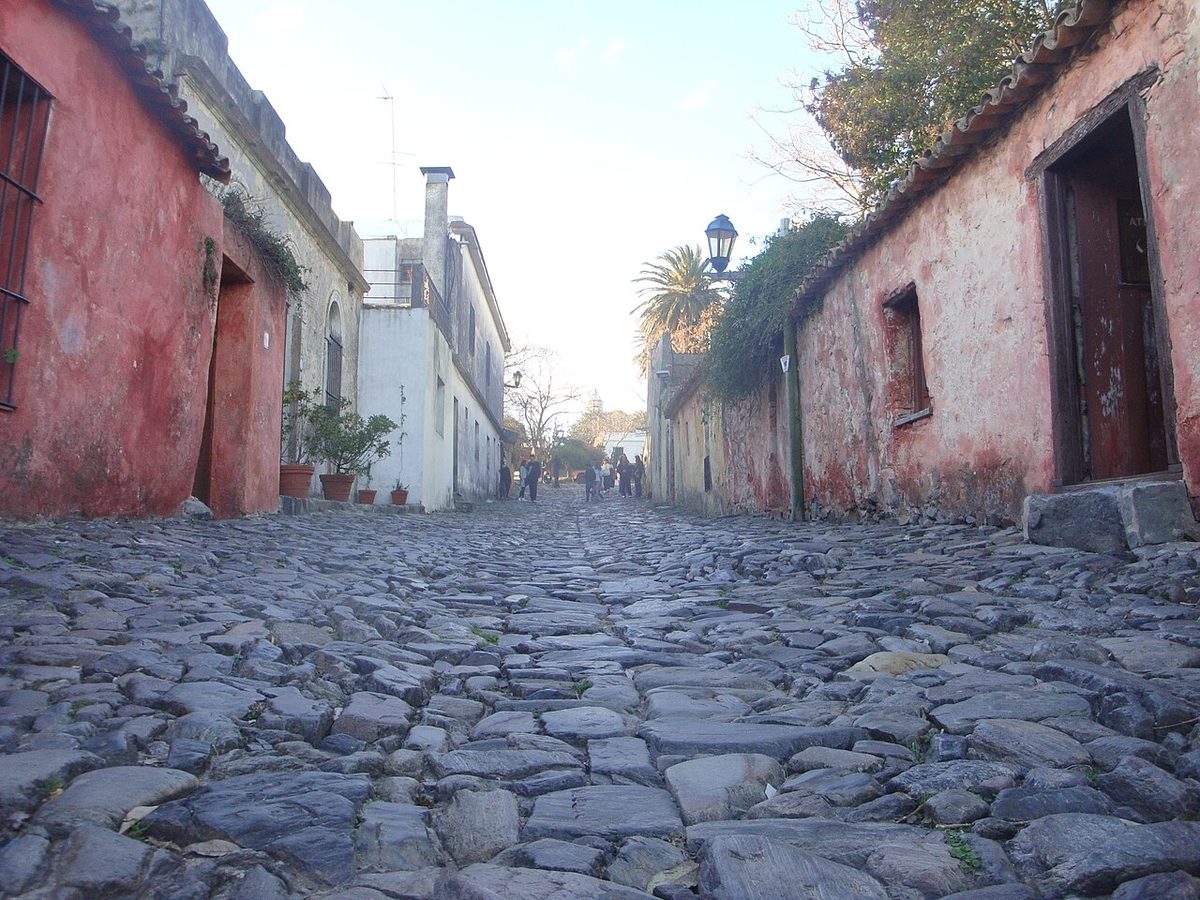
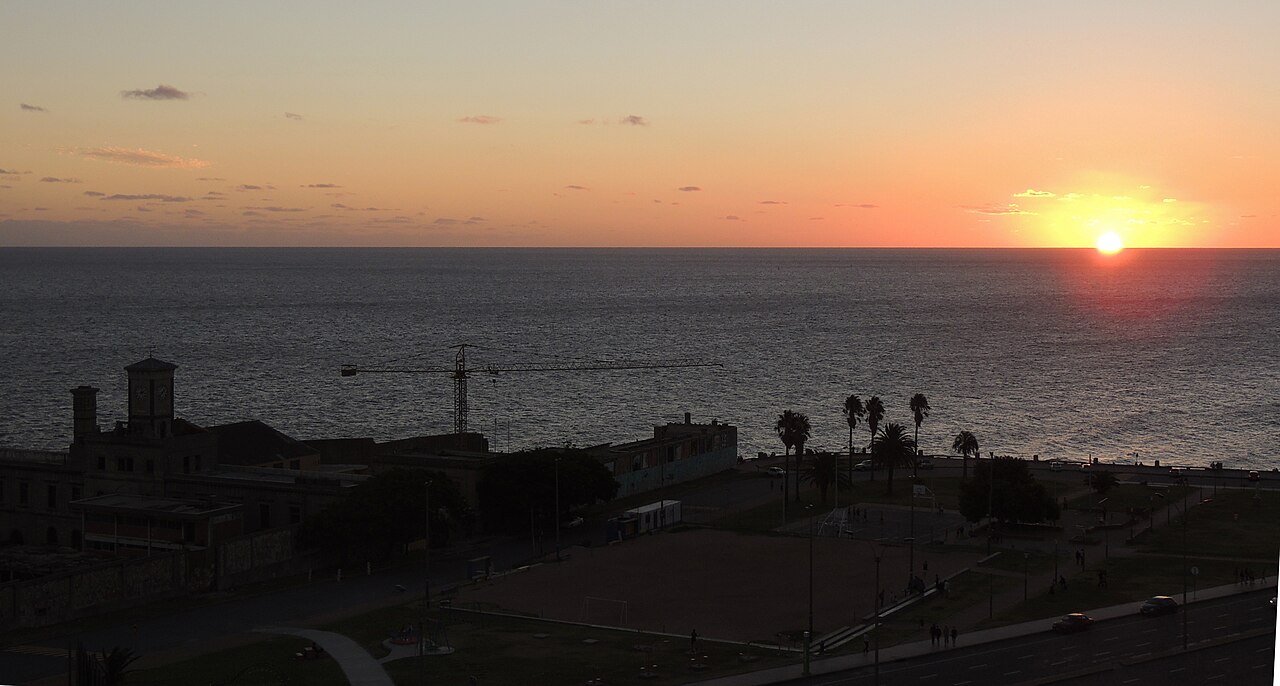
For somewhere so small, Uruguay covers more bases than you’d think. Colonia del Sacramento is a UNESCO-listed old town of cobbled streets, Portuguese-and-Spanish facades and vintage cars left out as planters; it’s a 70-minute ferry from Buenos Aires and the easiest “toe in the water” in the country. Montevideo, the capital, won’t out-dazzle Buenos Aires and doesn’t try to — what it offers instead is a 22-kilometre seafront rambla you can cycle, the faded grandeur of the Ciudad Vieja, a serious cafe-and-market culture, and the world’s longest Carnival. It’s a city to settle into rather than tick off.

The food and wine punch above the country’s weight
If you eat meat, Uruguay is close to the best table in South America. The asado — the slow wood-fired grill — is less a meal than the national social ritual, and the beef is overwhelmingly grass-fed and superb. Markets like Montevideo’s Mercado del Puerto put a row of grills under one roof; my guide to Uruguayan food covers what to order beyond the steak (chivito, milanesa, dulce de leche, the works). Pair it with Tannat, the inky, tannic red that Uruguay has made its own — the wine country around Canelones and Carmelo is low-key, family-run and refreshingly unpretentious to visit. The drawback here is just the bill: eating and drinking well in Uruguay costs roughly what it would at home, not South-American prices.

It’s a genuinely easy place to travel
Distances are short — most of the places you’ll want to see are within two or three hours of each other, the roads are good, and a coastal loop from Colonia through Montevideo to Punta del Este and the Rocha beaches is about as stress-free as a road trip gets. There’s a real sustainability story underneath all this too: Uruguay generates close to 98% of its electricity from renewables in a typical year, mostly wind and hydro, which is a remarkable thing for a country its size and a quiet point of national pride. It won’t change your holiday, but it tells you something about how the place is run.
The Honest Case Against
Now the part the glossy “reasons to visit Uruguay” lists tend to skip. None of this is a dealbreaker, but you should hear it before you book.
It is not cheap
This surprises people most. Uruguay is the priciest country in South America for travellers — prices broadly track the US and Europe, and run roughly 30–50% above neighbouring Argentina. A restaurant dinner that’s US$8 in Buenos Aires is closer to US$12–15 in Montevideo; a decent mid-range day, all in, sits around US$100–150 a head last I checked. You can do it on US$50–70 with hostels, cafeteria lunches and buses, but nobody comes here for a bargain. If your trip hinges on stretching a budget, Argentina, Bolivia or Peru will give you far more for the money.
Getting there is a slog from the north
There are no direct flights to Uruguay from the United States, Canada or Europe. You connect — usually through Buenos Aires, São Paulo or Panama City — and from North America you’re often looking at 14 to 20 hours door to door and a fare that isn’t trivial. Many people sensibly fold Uruguay into a wider trip with Argentina or Brazil rather than flying all that way for it alone. The ferry from Buenos Aires (to Colonia or straight to Montevideo) is honestly part of the appeal, and the simplest way in.
There’s no single jaw-dropping “sight”
Uruguay has no Iguazú, no Machu Picchu, no Christ the Redeemer. The landscape is gentle — rolling pasture, long beaches, big skies — rather than spectacular. If your idea of a worthwhile trip is built around one bucket-list natural wonder, you may come away underwhelmed and wondering what the fuss was. The reward here is cumulative and atmospheric, not a single photo you can plant a flag on. I’d argue that’s a feature, not a bug, but it’s genuinely not for everyone.
The calm can tip into quiet
I’ll say the thing other guides won’t: Uruguay can feel boring if you arrive wired for action. Outside the summer beach towns and a handful of Montevideo neighbourhoods, evenings are sleepy and a lot of the country runs at a deliberately slow pace. People still take an afternoon break; small towns shutter early. If you measure a trip by nightlife, adrenaline and a packed itinerary, that stillness will frustrate you. If you measure it by walks, long lunches and actually resting, it’s the best thing about the place.
Summer is busy and you must book ahead
The flip side of “uncrowded” is that everyone who does come piles in at once. In January and February the coast fills with Argentine and Uruguayan holidaymakers, Punta del Este prices spike, and the best beach lodgings sell out months ahead. Come in those weeks without reservations and you’ll have a bad, expensive time. The shoulder months dodge this entirely — my guide to the best time to visit Uruguay walks through the trade-offs season by season.
Is Uruguay Worth It For You?
“Worth it” depends entirely on who’s asking. Here’s my honest read by traveller type.
First-timer to South America
A soft landing — safe, navigable, low-hassle, and a gentle on-ramp before bigger, busier countries. Just don’t make it your only stop on a long-haul trip; pair it with Buenos Aires.
Couples and honeymooners
A strong yes. José Ignacio and the boutique estancias are quietly romantic, the food and wine are a highlight, and the lack of crowds suits a slow, indulgent trip. This is one of Uruguay’s sweet spots.
Families
Good, with the right expectations. The beaches, the easy driving and the genuine safety are real pluses; the lack of big-ticket attractions and the cost are the trade-offs. A few days on the coast plus a working estancia stay in gaucho country tends to land well with kids.

Solo travellers
One of the easier places in the region to travel alone, especially for women, thanks to the safety and the relaxed social vibe. The flip side is that the backpacker scene is thin outside summer, so it can be quiet if you’re after a built-in crowd.
Digital nomads and remote workers
Underrated. Fast, reliable internet, safe cities, a civilised pace and a time zone that overlaps the US East Coast. The cost of living is the catch — it’s not the cheap base that Medellín or Buenos Aires are.
Retirees and slow travellers
Arguably the ideal audience. The stability, healthcare reputation, walkability and unhurried rhythm are exactly what a lot of slow travellers (and would-be expats) are looking for.
Party and adrenaline seekers
Manage expectations. Punta del Este genuinely delivers in peak summer, but the rest of the year and the rest of the country is sedate, and there’s little in the way of big adventure sport. If non-stop action is the goal, look elsewhere.
How Much Time and Money You Actually Need

You can get a feel for Uruguay in three days — Colonia and Montevideo, or a single beach base — but it’ll feel rushed. Four to seven days is the honest sweet spot: enough for the colonial towns, the capital and a proper stretch of coast without sprinting. Ten days lets you add the northern hot springs or slow right down. If you want the route mapped out, my Uruguay itinerary lays out a week-long coastal loop, and the practical side of flights, ferries and buses is covered in getting there and around.
On money, set expectations at “developed-world prices.” Here’s the rough shape of a day, per person, last I checked:
| Style | Daily budget (USD) | What that looks like |
|---|---|---|
| Budget | ~$50–70 | Hostel dorm or cheap guesthouse, cafeteria lunches, an asado now and then, intercity buses |
| Midrange | ~$100–150 | Comfortable hotel or apartment, restaurant dinners, a rental car, the odd winery or tour |
| Higher-end | $200+ | Boutique hotels and estancias, fine dining, guided experiences, summer Punta del Este rates |
Uruguay vs Argentina and Brazil
Most people weighing up Uruguay are really asking how it stacks up against its louder neighbours. The short version: Argentina gives you far more drama — Patagonia, the Andes, Iguazú, Buenos Aires nightlife — and, right now, much better value. Brazil gives you tropical beaches, big nature and serious energy. Uruguay gives you none of those superlatives and instead does calm, safe and civilised better than either. It’s a smaller, quieter, more expensive country that rewards a particular temperament. The smart move, if you can, is not either/or: tack a few Uruguay days onto an Argentina trip via the Buenos Aires ferry and judge for yourself. For the full menu of what’s here, my overview of things to do in Uruguay is the place to start.
My Verdict: Who Should Book, Who Should Skip
Book it if you’re after a calm, safe, good-eating, slow-paced trip; if you value uncrowded beaches and walkable towns over headline sights; if you’re already going to Argentina or Brazil; or if you’re a couple, a slow traveller or a remote worker who’ll appreciate the easy rhythm.
Skip it, or save it if you’re on a tight budget, if you need a marquee natural wonder to feel a trip was worth it, if you’re flying long-haul for this one country alone, or if your idea of a good holiday is wall-to-wall nightlife and action. There’s no shame in it being the wrong fit — Uruguay is a specific taste, and it’s better to know that going in than to land and wonder where the fireworks are.
Is Uruguay Worth Visiting? FAQ
Is Uruguay safe for tourists?
Yes — it’s one of the safest countries in the Americas and usually ranks first or second in South America on the Global Peace Index. Violent crime against tourists is rare. The main risk is ordinary pickpocketing or petty theft in parts of Montevideo, so use normal city sense and you’ll be fine almost everywhere.
Is Uruguay expensive to visit?
It’s the most expensive country in South America for travellers, with prices close to US and European levels and roughly 30–50% above Argentina. A midrange day runs about US$100–150 a person; budget travellers can manage US$50–70 with hostels and buses. Summer on the coast is dearer still. Come for the experience, not for value.
How many days do you need in Uruguay?
Four to seven days is the sweet spot — enough for Colonia, Montevideo and a stretch of the Atlantic coast without rushing. Three days works if you only want the capital and Colonia, or one beach base. Ten days lets you add the northern hot springs and slow right down.
What is Uruguay known for?
Grass-fed beef and the asado grill, Tannat wine, long uncrowded Atlantic beaches, the colonial old town of Colonia del Sacramento, the resort glamour of Punta del Este, gaucho and estancia culture, near-total renewable electricity, and a reputation as a stable, progressive, safe corner of South America.
Is Uruguay or Argentina better to visit?
Different trips. Argentina wins on dramatic scenery, big-name sights and value for money right now. Uruguay wins on calm, safety and an easy, civilised pace. If you can, do both — the ferry from Buenos Aires to Colonia or Montevideo takes one to three hours and makes pairing them simple.
Do people speak English in Uruguay?
Spanish is the language of daily life, and a little of it goes a long way. That said, English is common among younger people, in Montevideo, Punta del Este and the tourism trade, so you’ll get by in the main spots. Off the beaten track, a translation app and some basic phrases help a lot.
Is Uruguay boring?
It can be, if you arrive wired for nightlife and action — much of the country is deliberately quiet and slow. If you came to rest, walk, eat well and watch the sea, that same calm is the whole appeal. It’s less a place you conquer than one you sink into.
When is the best time to visit Uruguay?
December to March is summer, with the warmest sea and the liveliest (and priciest) beach scene, peaking in January and February. The shoulder months — October to early December and March to April — bring mild weather, lower prices and far fewer people, which for most travellers is the better trade.
Final Thoughts
So, is Uruguay worth visiting? For the right traveller, absolutely — just be clear-eyed about which traveller that is. It rewards calm over spectacle and atmosphere over headline sights, and it asks you to pay developed-world prices and connect through a bigger neighbour to get there. Meet it on those terms and it’s one of the most quietly satisfying countries in South America. Arrive expecting fireworks and you’ll wonder what you came for. I keep going back, which is probably the most honest endorsement I can give.
Credits & sources
Sources & Further Reading
- Institute for Economics & Peace — Global Peace Index (Uruguay’s regional safety ranking).
- The New York Times Magazine — “What Does Sustainable Living Look Like? Maybe Uruguay” (on the renewable-energy grid).
- UNESCO World Heritage Centre — Historic Quarter of the City of Colonia del Sacramento.
- Uruguay Natural — official national tourism portal.
Photo Credits
Calle de los Suspiros, Colonia del Sacramento: photo by Banfield, CC BY-SA 3.0, via Wikimedia Commons.
La Mano, Punta del Este: photo by María Cecilia, CC0, via Wikimedia Commons.
The rambla, Montevideo: photo by Ermell, CC BY-SA 4.0, via Wikimedia Commons.
A Uruguayan asado: photo by Fernando da Rosa (Fedaro), CC BY-SA 3.0, via Wikimedia Commons.
A gaucho in Uruguay: photo by Bicentenario Uruguay, CC BY-SA 2.0, via Wikimedia Commons.
Cabo Polonio lighthouse, Rocha: photo by María Zully Bautista, CC BY-SA 3.0, via Wikimedia Commons.