Uruguay Travel Tips: 25 Things to Know Before You Go (2026)
Last updated: June 2026
The Uruguay travel tips that actually matter are not the ones I expected to need. You can skip the visa paperwork (most nationalities get 90 days stamped on arrival), but you do need to know about the tourist VAT discount that quietly knocks real money off restaurant bills, why dinner before 9pm marks you as a foreigner, and why nobody will hand you the mate gourd on day one. This guide covers all 25 of them.
Uruguay was the country I almost didn’t visit. It sits wedged between two loud neighbors, Argentina and Brazil, and most South America itineraries treat it as a ferry day-trip from Buenos Aires, if it appears at all. That turned out to be the best argument for staying longer. This is a calm, slightly eccentric country of 3.5 million people and roughly 12 million cows, where the beaches run for 600 kilometers, the state is so secular that Christmas is officially called “Family Day,” and the national pastime is drinking hot tea from a shared gourd while watching the sun drop into the river.
It is also more expensive than you think, emptier than you expect, and slower than you are used to. Every tip below exists because one of those three things caught me off guard. Prices were correct when I last checked in mid-2026, at around 40 Uruguayan pesos to the US dollar, but treat every figure as “around” and confirm before you commit money.
Quick Uruguay Travel Tips: The Essentials at a Glance
| Essential | What you need to know |
|---|---|
| Visa | None for stays up to 90 days for the US, UK, EU, Canada, Australia and most of the Americas. Passport valid for your stay; onward ticket sometimes requested. |
| Currency | Uruguayan peso (UYU), around $U 40 = US$1 in mid-2026. US dollars accepted for hotels and big-ticket items. |
| Money win | Pay restaurants and car rentals with a foreign-issued card: a VAT discount of roughly 9 to 22 points comes off automatically. Currently extended through at least 30 September 2026. |
| Language | Spanish (Rioplatense – “ll” sounds like “sh”). English is patchy outside hotels and Punta del Este. |
| Tipping | 10% in restaurants, in cash, even when paying by card. Small “cubierto” cover charge of around US$1-4 per person is normal, not a scam. |
| Power | 220V / 50Hz, plug types C, F and the slanted three-pin I/L. Bring a universal adapter. |
| Tap water | Safe to drink countrywide. |
| Connectivity | Antel tourist SIM at the airport arrivals hall, or a travel eSIM (around US$15-30 for 10-20 GB). Antel has the best rural coverage. |
| Getting around | No passenger trains. Excellent intercity coaches from Tres Cruces terminal in Montevideo; Uber works in the main cities. |
| Emergency | 911 nationwide. US State Department rates Uruguay Level 2, the same tier as France or Italy (as of this update). |
Before You Go: Paperwork and Planning
1. You almost certainly don’t need a visa – but bring proof you’re leaving
Citizens of the United States, Canada, the UK, the EU, Australia, New Zealand and most Latin American countries get 90 days visa-free, stamped (or scanned, these days) on arrival. There is no electronic travel authorization, no arrival form to pre-pay, no fee. After years of countries adding digital hoops, Uruguay’s process feels almost suspiciously simple.
Two caveats from the fine print. First, airlines occasionally ask for proof of onward travel before they let you board, so have a return or exit ticket you can pull up. Second, if you fall in love with the place – it happens – you can extend another 90 days at the Dirección Nacional de Migración in Montevideo before your first stamp expires. The queue moves at Uruguayan speed, which is to say: bring a book.
For the latest entry rules, check the US State Department’s Uruguay page or your own government’s equivalent before flying. Our full guide to getting to Uruguay walks through every route in – flights, the Buenos Aires ferries, and the long-haul buses from Brazil.
2. Time your trip around the summer stampede, not just the weather
Uruguay’s seasons are upside down for northern visitors: summer runs December through February, winter June through August. But the date that actually shapes your trip is January, when seemingly all of Montevideo and half of Buenos Aires relocate to the beach. Punta del Este triples in price, La Pedrera’s dirt lanes jam with parked cars, and beachfront rentals get booked out by September.
My pick is March. The ocean is still warm, the crowds have gone back to work, and prices drop by a third or more. The honest drawback: by late March some beach-town restaurants are already shuttered for the season, and by May coastal villages like Cabo Polonio feel like film sets after the crew has wrapped. If a lively coast matters to you, that quiet can read as desolate rather than dreamy.
Winter (June-August) is damp, windy and 5-15°C, and many older buildings have no central heating – pack accordingly. It’s a fine season for Montevideo’s museums, wine cellars and thermal springs, just not for swimming. I’ve broken the whole calendar down month by month in our guide to the best time to visit Uruguay.
3. Budget like you’re going to southern Europe, not “cheap South America”
This is the tip that saves the most arguments with your bank account: Uruguay consistently ranks as the most expensive country in South America. Stability, high wages and a small market all cost money, and you, the visitor, pay retail. A casual dinner for two with wine runs around US$50-70 in Montevideo; a beach-town hostel bunk in January can cost what a private room costs in Peru; gasoline hovers around US$2 a liter, among the priciest on the continent.
Rough daily figures from my own spending, per person: backpacking with hostel dorms, supermarket lunches and buses, around US$60-80. Mid-range with a private hotel room, restaurant meals and the odd taxi, US$130-200. Couples doing wine tours and seafront hotels should plan US$250+ each. January on the coast: add 30-50% to everything.
The flip side is that quality is high – meat, wine, dairy, roads, healthcare – and the gap between sticker price and value narrows once you stop converting and start comparing with home. It stings most for backpackers arriving from Bolivia; it feels almost reasonable if you’ve just left a London or Sydney cost of living.
4. Get travel insurance, then relax – healthcare here is genuinely good
Uruguay requires no vaccinations, has no malaria or yellow fever, and runs a health system that regional expats cross borders to use. Pharmacies (look for the ubiquitous Farmashop) are everywhere and pharmacists will handle minor complaints over the counter. Private clinics in Montevideo and Punta del Este see walk-ins for what is, by US standards, pocket change – though a consultation can still run around US$50-100, and a broken ankle on a Cabo Polonio dune is a long, expensive ride from help.
So: standard travel insurance, yes, always. Just don’t let any horror-story imagination keep you from the country. The realistic medical risks here are sunburn – summer UV hits “extreme,” and the South Atlantic glare is sneaky – mosquitoes on humid coastal evenings, and your own enthusiasm at an asado.
Money: The Peso, the Card Trick, and Who Gets Tipped
5. Learn the dual-currency dance
Prices in Uruguay come at you in two currencies. Hotels, rental apartments, car hire and anything tourist-adjacent get quoted in US dollars; groceries, buses, empanadas and daily life run in Uruguayan pesos, written with a “$U” or just “$” that causes at least one heart attack per visitor when a coffee appears to cost $180. Divide by 40 – the rough mid-2026 rate – and breathe: that’s about US$4.50.
Carry some pesos in cash. Plenty of small bakeries, feria stalls and beach kiosks are cash-only, and Sunday closures can leave you hunting for a working ATM in smaller towns. But don’t over-withdraw either, because almost everywhere with a till takes cards, and the next tip makes cards the smarter way to pay anyway.
6. Use a foreign card at restaurants – the VAT discount is real money
Here is the tip no first-page guide explains properly. To encourage tourism, Uruguay refunds most or all of the 22% VAT (IVA) on certain services when you pay with a debit or credit card issued outside the country. It happens automatically at the point of sale: the receipt shows the discount line, and your statement shows the lower amount. No forms, no refund counter, no minimum spend.
What it covers has shifted with each government decree, but the dependable core is restaurant, bar and café bills (when food service isn’t bundled into your hotel rate) and car rentals without a driver. At this update the scheme has been extended through 30 September 2026, and Uruguay has renewed it season after season for years – but confirm it’s still running on the Ministry of Tourism’s official benefits page before you build it into your budget.
In practice it means a US$60 dinner quietly becomes US$50-something because you paid with your home Visa instead of cash. Over two weeks of eating out, the discount funded an entire extra wine tour for us. The one annoyance: some small-town POS terminals fail to apply it, and arguing the point in Spanish over a sizzling parrilla is a losing game – I just note it and move on.
Separately, Uruguay runs a classic tax-free shopping scheme for goods: look for “Tax Free” stickers at participating shops, ask for the form, and process the refund at the airport or border crossing before you leave.
7. Beat the ATM fees and skip the airport cambio
Uruguayan ATMs (the Banred and RedBROU networks) charge foreign cards a fixed fee that stung me at around US$5-8 per withdrawal, on top of whatever your bank adds. The defense is obvious: withdraw larger amounts, less often. Many ATMs also dispense US dollars, which is handy for paying accommodation quoted in dollars without conversion losses.
For exchanging physical cash, the casas de cambio scattered through every city center beat banks on both rate and queue length, and the airport counters are – as everywhere on Earth – the worst rate in the country. Bring crisp, untorn US bills if you’re carrying cash; worn notes get rejected with a polite shrug. Argentine pesos, by the way, exchange poorly here; spend them before the ferry.
One genuinely local payment habit worth knowing: QR-code payments via Mercado Pago are everywhere, including food trucks and feria stalls. Without a local bank account you can’t join in, so when the empanada lady points at the QR code, that’s your cue for cash.
8. Tipping is 10%, in cash, and the “cubierto” is not a scam
Restaurant tipping in Uruguay is a straightforward 10%, and here’s the part that trips up card-payers: the POS terminals usually can’t add a tip, so leave it in cash on the table even when you pay the bill by card. Nobody will chase you down the street if you don’t – service culture here is relaxed to a fault – but 10% is the local norm, not an American import.
Most sit-down restaurants also add a “cubierto” of around US$1-4 per person to the bill. It’s a cover charge for the bread, table service and sometimes a little appetizer, it’s legal, it’s listed on the menu, and it predates you. I watched a tourist at the next table fight it like a fraudulent charge; the waiter’s expression suggested he has that conversation weekly.
Beyond restaurants: round up for taxi drivers, give small change to the supermarket bagger and the full-service gas station attendant (all Uruguayan stations pump your fuel for you), and around US$1 per bag for hotel porters. None of it is mandatory; all of it is appreciated in a country where service wages are real wages.
Getting Around: Buses, Ferries, and the Roads Between
9. There are no trains – and the buses are so good you won’t care
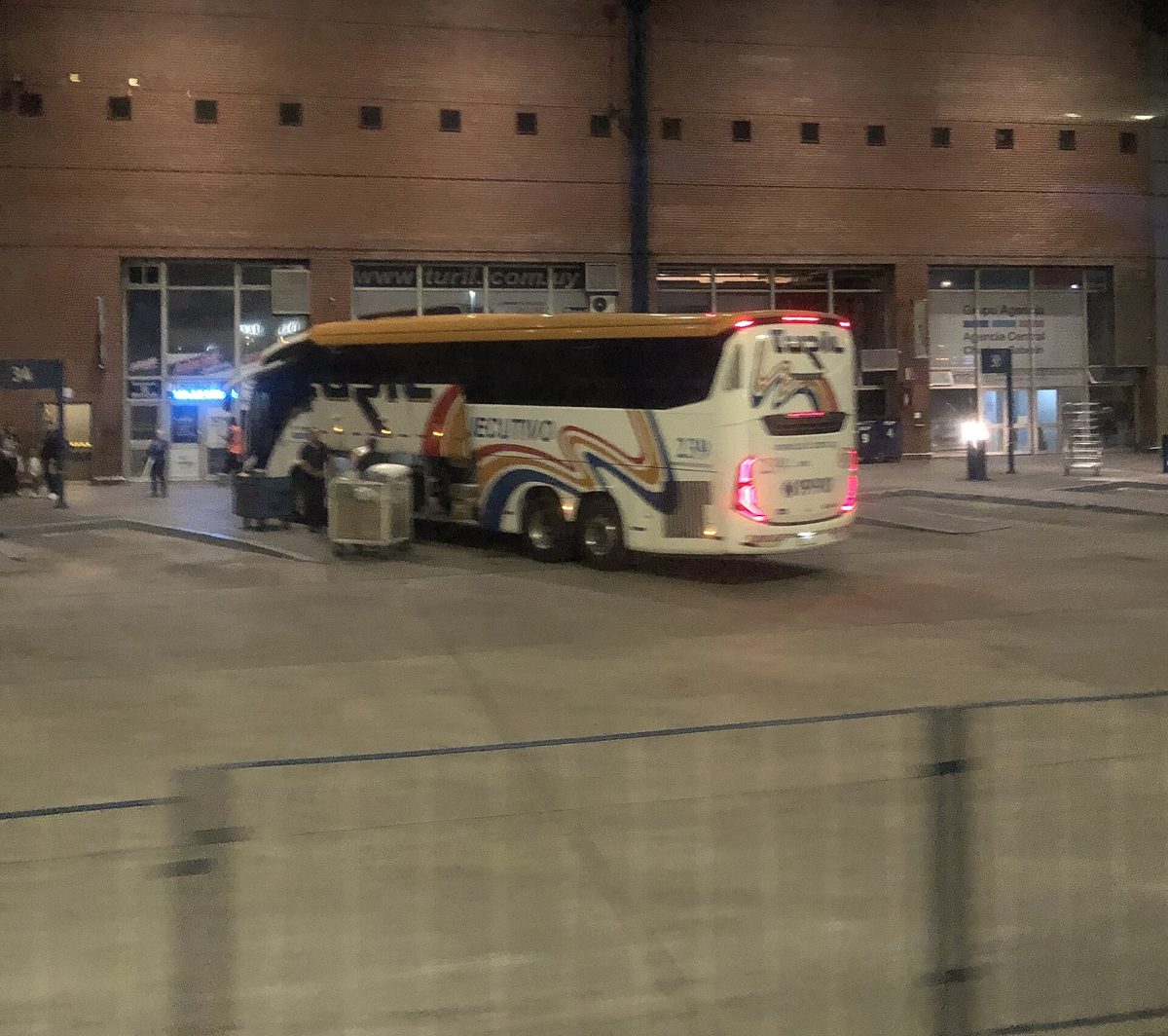
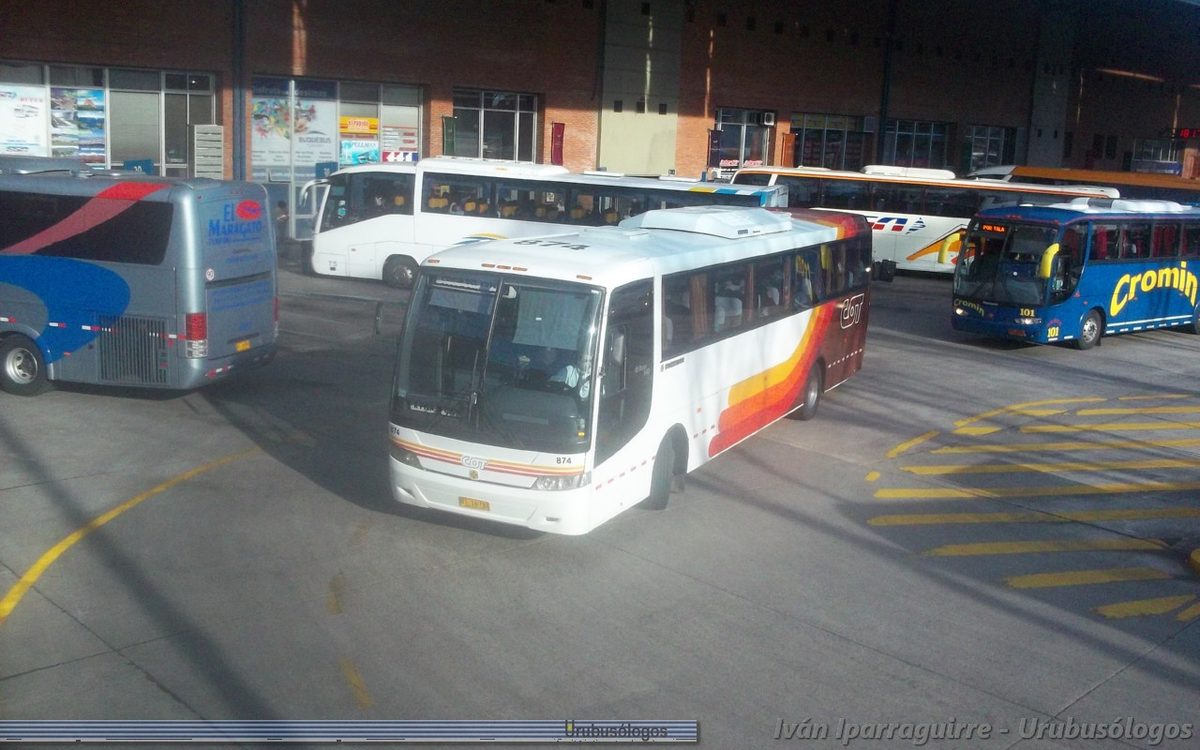
Uruguay has essentially no passenger rail, which sounds like a hardship until you take your first intercity coach. They’re modern, air-conditioned, assigned-seat affairs with reclining chairs and usually wi-fi, run by companies like COT, Copsa, Turil and Agencia Central. Almost every route radiates from Tres Cruces terminal in Montevideo, which doubles as a shopping mall and is cleaner than most airports I’ve flown through.
Sample hops, last I checked: Montevideo to Punta del Este takes around two and a quarter hours for roughly US$10-13; Montevideo to Colonia del Sacramento around two and three-quarter hours for US$12-15; Montevideo to Punta del Diablo in Rocha about four and a half hours for US$15-20. Buy at the terminal or online; outside January you can usually just turn up. In January, book days ahead for coastal routes – I learned that one standing in an aisle.
The honest drawback: rural frequencies thin out fast. Two buses a day serve some Rocha villages, and the last one leaves earlier than you’d like. Mesh your plans with the timetable, not the other way around. For arrival logistics from the airport and beyond, our complete guide to getting to Uruguay covers the first mile too.
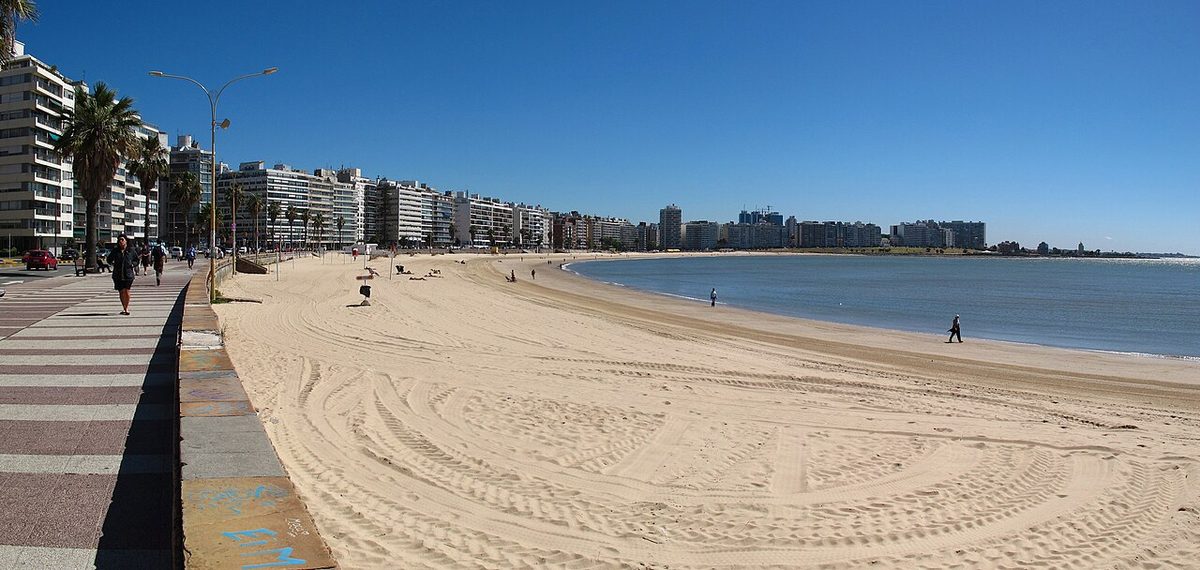
10. In Montevideo: walk the Rambla, bus with the locals, Uber the rest
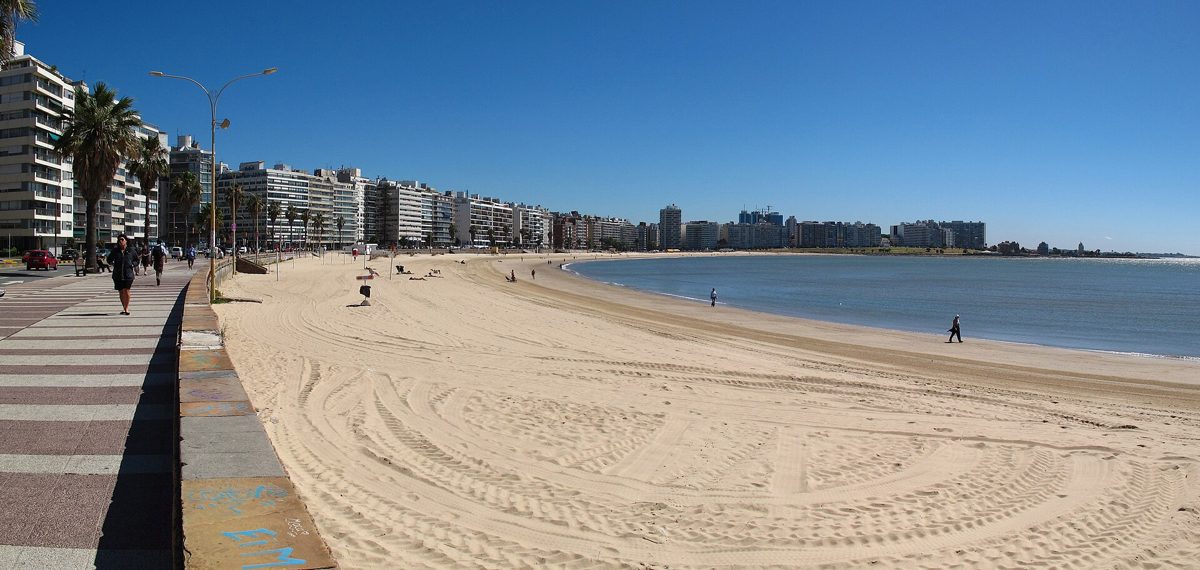
Montevideo is a walking city wrapped around a 22-kilometer waterfront promenade, the Rambla, and your feet plus the occasional ride will cover most of it. City buses are frequent and cost well under a dollar a ride; pay the driver in cash or watch locals tap their STM cards. The Moovit app (or the city’s “Cómo Ir” planner) decodes the routes better than the signage does.
Uber, Cabify and inDrive all operate in Montevideo and Punta del Este and generally undercut street taxis. Regular taxis are metered and honest, with one quirk worth knowing: fares run about 20% higher between 10pm and 6am and on Sundays and holidays. It’s printed on the tariff card, not a hustle.
One thing I’d skip: taxis between cities. A Montevideo-Punta cab quote can exceed the cost of two weeks of bus tickets. The coaches exist precisely so nobody does that.
11. Renting a car? Know the zero-tolerance rules before you turn the key
A car transforms the Rocha coast and the wine country, where buses are sparse and distances are short. Roads are the best-maintained in the region – the Interbalnearia highway to the east coast is a genuine pleasure – and your home license is valid for stays under 90 days.
The rules, though, are stricter than the laid-back national mood suggests. Uruguay enforces a zero-alcohol limit for all drivers: 0.0, not “one glass is fine.” Checkpoints with breathalyzers appear on summer weekends, and the wine-tour designated driver genuinely drinks grape juice. Headlights must stay on day and night on highways. Speed limits (typically 90 km/h on routes, 110 on some stretches) come with cameras that mail fines to the rental company, which forwards them to your card with a handling fee as a souvenir.
Budget for tolls on the main routes – around US$3-5 per gantry, several between Montevideo and Punta del Este – usually handled by the rental car’s telepeaje tag and billed afterward. And fuel, as mentioned, runs around US$2 a liter. Renting the car is the cheap part; feeding it is not. Paying with a foreign card may also trim VAT off the rental itself (see tip 6).
12. The Buenos Aires ferry is the scenic front door – book the Uruguayan side cheaper
If you’re combining Argentina and Uruguay – and you should – the Río de la Plata ferries are the classic crossing. Buquebus runs direct fast ferries from Buenos Aires to Montevideo (roughly two and a quarter hours on the quick boats, longer on others) and to Colonia del Sacramento in about an hour and a quarter, where buses connect onward. Colonia Express runs the budget version of the Colonia route from a less convenient Buenos Aires terminal.
Prices swing wildly with demand: I’ve seen Buenos Aires-Colonia for around US$50 one-way on a promotion and well north of US$150 in January. Two hard-won tricks: compare the same sailing on the operator’s Uruguayan (.com.uy) site versus the Argentine one – the Uruguayan side has repeatedly shown lower fares for identical seats – and treat the ferry-plus-bus combo via Colonia as the value play to Montevideo, even though it adds time. Arriving by water into Colonia’s little harbor, with the old town’s lighthouse off the bow, beats any airport arrival in South America anyway. It’s also the perfect excuse to stop overnight – here’s our full Colonia del Sacramento guide for doing it properly.
Culture Shock, Gently: How Uruguay Actually Works

13. Mate has rules – learn them before someone hands you the gourd
You will notice it within an hour of arriving: half the country walking around with a leather-clad thermos under one arm and a gourd in the other hand. Uruguayans drink more yerba mate per person than anyone on the planet – roughly 10 kilos a year each, nearly all of it imported, mostly from Brazil, since Uruguay grows almost none of its own. It is not a beverage here. It is social infrastructure.
If you’re invited into a round, the etiquette matters. One person, the cebador, pours for everyone. You drink the entire gourd – it’s a single serving, not a communal sip – and hand it straight back to the cebador, bombilla (the metal straw) pointing toward them. Don’t stir or rearrange the bombilla; the cebador packed the leaves deliberately and touching it is a quiet insult. Don’t wipe the mouthpiece, however much your inner germophobe protests. And don’t say “gracias” until you’ve had enough, because thank-you means “I’m done, skip me from now on.” Saying it after your first round, as I did, politely ejects you from the circle.
Two more notes: mate is drunk hot even in 35°C January (you’ll see thermos refill stations at gas stations), and nobody drinks it in restaurants – it’s homes, parks, beaches and office desks. Strangers rarely offer their mate to tourists, so if someone does, understand it’s not small – accept.
14. The clock runs two hours later than yours
Uruguay eats on Spanish time with Italian genes. Lunch starts around 1pm at the earliest. The early-evening slot belongs to merienda – coffee or mate with bizcochos, the addictive little pastries sold by the bag – and dinner rarely begins before 9pm. Restaurants that open at 8pm do so mostly for tourists, and the room won’t hum until 9:30 or 10. Roll in hungry at 6:30pm and you’ll be dining alone with the staff who are themselves eating before service.
Sundays compound it: this is family-asado day, and large parts of every city simply close. Many restaurants don’t open at all; shops shutter by early afternoon; even some ATM lobbies lock. Plan Sunday around the things that do happen – the Tristán Narvaja street market in Montevideo’s Cordón district is a Sunday-morning institution sprawling across a dozen blocks of books, antiques, puppies and conspiracy-grade bric-a-brac – and book your Sunday dinner spot in advance.

15. Expect reserve, not Brazilian exuberance – and a deeply liberal streak
Uruguayans confounded my South American expectations: quieter than Argentines, far more reserved than Brazilians, allergic to hype about their own country. The standard greeting is one kiss on the right cheek – including, among friends, man to man – and the standard self-description is “tranquilo.” People won’t perform friendliness at you, but ask for directions and someone may well walk you there. The national ego is so understated that locals will ask, with real puzzlement, why you chose to visit.
Underneath the calm sits one of the world’s most socially liberal states. Uruguay separated church and state a century ago (hence “Family Day” for Christmas and “Tourism Week” for Holy Week), legalized abortion in 2012, same-sex marriage in 2013 – the second country in South America after Argentina – and recreational cannabis in 2013, the first country anywhere. LGBT travelers consistently rank it among the most comfortable destinations in Latin America; Montevideo’s pride march each September is one of the city’s biggest street events. More than 90% of its electricity comes from renewables in a typical year, which the country mentions about as loudly as it mentions anything, which is to say barely.
16. The Spanish here will mess with your Duolingo
Uruguayan Spanish is Rioplatense, the same dialect as Buenos Aires, and it comes with three surprises. “Ll” and “y” are pronounced “sh” – so “playa” (beach) becomes “PLA-sha” and “pollo” (chicken) becomes “PO-sho.” “Tú” largely disappears in favor of “vos” with its own verb forms: “vos tenés,” “vos querés.” And the all-purpose particle “ta” punctuates everything, meaning roughly “OK/got it/fine/done.” Once you hear it, you cannot unhear it. Ta.
English, meanwhile, is thinner on the ground than the country’s polish suggests. Hotel desks, Punta del Este and the wine estates manage fine; bus drivers, market vendors and small-town restaurants mostly don’t, and menus outside tourist zones are Spanish-only. You don’t need fluency – you need twenty patient phrases, a translation app for menus (milanesa is breaded veal, you’re welcome), and the willingness to try. Uruguayans meet a bad accent with encouragement, not correction.
17. Yes, cannabis is legal. No, you can’t buy it
The headline everyone half-remembers – “Uruguay legalized weed!” – hides the clause that matters for visitors: legal purchase is restricted to Uruguayan citizens and permanent residents, who must register with the government to buy from pharmacies, join a cannabis club, or grow at home. Tourists cannot legally buy through any of these channels, and the registry checks residency, not enthusiasm.
What’s true in practice: possession and consumption aren’t crimes, the smell drifts down the Rambla on Friday evenings, and nobody is hunting tourists who partake. But anything a visitor buys came from an illegal source, with the quality lottery and legal gray zone that implies. The regulator, IRCCA, began publicly studying a tourist-sales mechanism in late 2025; until that becomes law – check current rules at IRCCA’s official site – treat the famous legalization as a fascinating policy to read about, not a menu.
Eating and Drinking Your Way Through It

18. Beef is the religion – here’s how to order at the altar
Uruguay has more than three cows for every person and the world’s highest beef consumption per capita, and the asado – slow-grilled meat over wood embers, never gas – is the ceremony that organizes weekends, friendships and Sunday itself. At a parrilla restaurant, order asado de tira (cross-cut ribs), vacío (flank) or a simple bife, plus grilled provolone (provoleta) to start, and expect the meat to arrive slower and smokier than steakhouse-trained instincts predict. That slowness is the point.
Beyond the grill, the must-try list: the chivito, Uruguay’s national sandwich, an architecturally irresponsible stack of steak, ham, bacon, mozzarella, egg, olives and mayo that no one finishes elegantly; the milanesa, a breaded cutlet the size of the plate; torta frita, fried dough that appears nationwide the moment it rains, by some unwritten law; and dulce de leche on, eventually, everything. For one famous version of all this, Montevideo’s Mercado del Puerto is the storied parrilla hall by the port – go for the spectacle and the medio y medio (half still white wine, half sparkling sweet) at Roldós, but know it’s the most touristic meal in the country and priced like it. The neighborhood parrilla three blocks away is usually better and a third cheaper.
Vegetarians, a candid word: traditional menus will test you. Montevideo and Punta del Este now have real vegetarian restaurants and the pasta tradition (half the country has Italian grandparents) is a reliable fallback, but in small towns you’ll be assembling meals from sides, empanadas de queso and luck.
19. Drink the Tannat – and the grappamiel, once, after dark
Tannat is Uruguay’s signature grape: a tannic, dark, steak-built red that the country does better than anywhere else on Earth, mostly because nowhere else seriously tries. The wine country sits conveniently close – the historic bodegas of Canelones start half an hour from Montevideo, and the showpiece Bodega Garzón, with its hillside restaurant, is an easy detour from Punta del Este or José Ignacio. Tours run from both cities; with the zero-alcohol driving law (tip 11), book the kind with a driver.
The other national bottle is grappamiel – grappa blended with honey – drunk as a winter warmer and as a rite of passage for visitors. It tastes like a campfire made peace with a beehive. One is tradition; three is a headline. Uruguayan craft beer, meanwhile, has quietly gotten good in Montevideo’s brewpubs, and the local lager Patricia does its job on a hot beach day.
20. Drink the tap water, trust the salads
Small tip, big quality-of-life upgrade: Uruguayan tap water is safe to drink everywhere, salads are washed in it, and ice is made from it – none of the bottled-water choreography that some South American travel requires. Food-safety standards are rigorous by regional measure. The realistic digestive risk in Uruguay is volume, not hygiene: the asado portions assume you’ve been doing farm labor since dawn.
Where to Go – and What the Brochures Oversell
21. Don’t let Montevideo be a layover
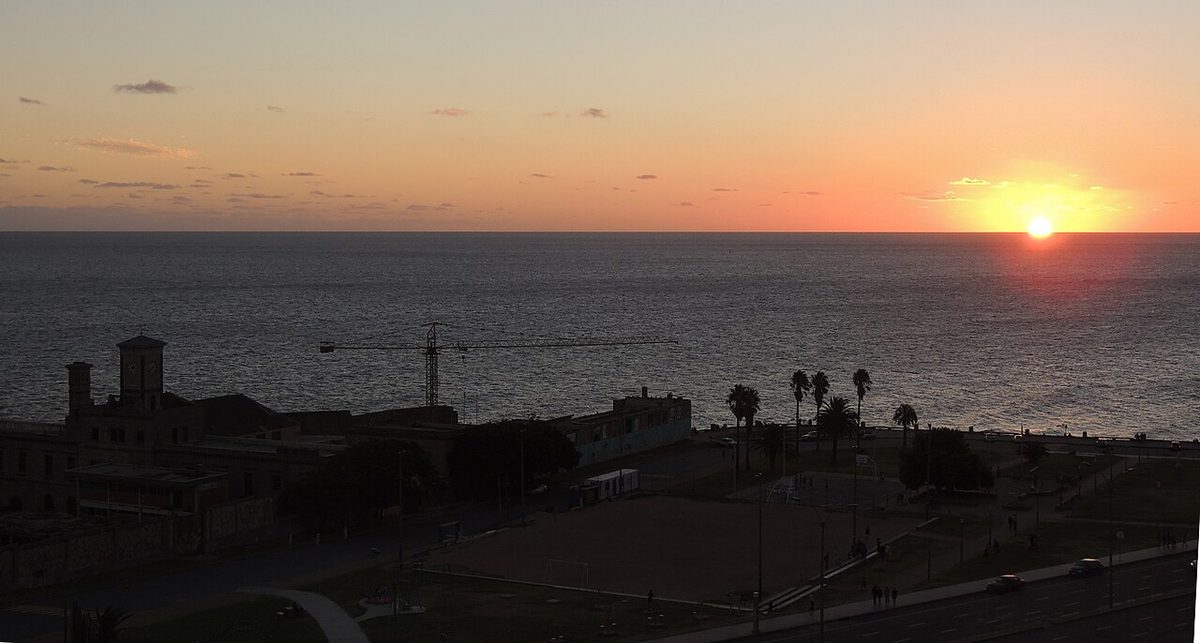
Most itineraries give Uruguay’s capital a cruise-ship afternoon: Ciudad Vieja, a chivito, gone. Give it two or three nights instead. Montevideo reveals itself at walking pace – the Rambla at sunset with half the city out exercising and drinking mate, the art deco apartment blocks, the candombe drums rehearsing in Barrio Sur on summer evenings (more on Carnival below), Estadio Centenario where the first World Cup was decided in 1930, and a museum scene where most public museums charge nothing at all. The city’s flaws are real – parts of Ciudad Vieja get sketchy after dark (tip 24), and it can feel sleepy on, say, a Tuesday – but it grows on you in direct proportion to the time you give it.
Start with our full guide to things to do in Montevideo, then zoom out: the country fits remarkably much into a small footprint, and our master list of things to do in Uruguay plus a ready-made Uruguay itinerary will save you the spreadsheet stage of planning.
22. The coast is two different countries – choose your beach culture
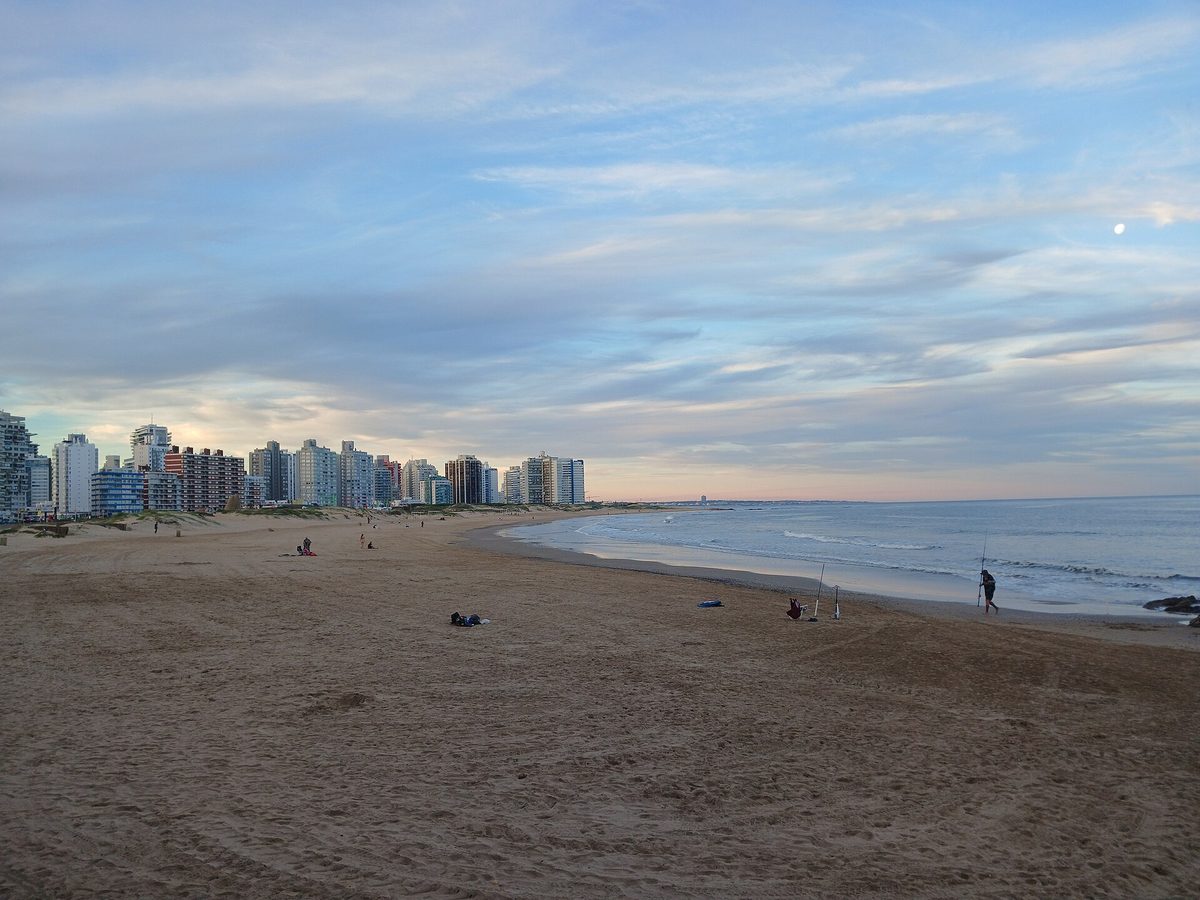
Uruguay’s 600-kilometer coastline splits into two personalities. West of about Punta del Este you get the glamour belt: Punta itself with its towers, marinas and the famous Hand in the sand, then José Ignacio’s barefoot-billionaire beach houses. East into Rocha department, the road thins and the towns get progressively wilder: La Paloma, La Pedrera, Cabo Polonio (no road access – you ride official 4×4 trucks over the dunes to a village with sea lions and limited electricity), and the fishing-village-turned-surf-town Punta del Diablo.
Know two things before choosing. First, the season is brutally binary: in January both coasts overflow; from April to November the Rocha villages drop to skeleton populations and Punta’s towers go dark – atmospheric for some travelers, lonely for others. Second, the water: the Río de la Plata along Montevideo runs brown with river sediment – that’s silt, not sewage – and you need to get east toward the Atlantic for the postcard-blue. Our rundown of the best beaches in Uruguay ranks them honestly, and the full Punta del Este guide covers the glamour half in detail.
23. Colonia deserves a night, and the interior deserves a detour
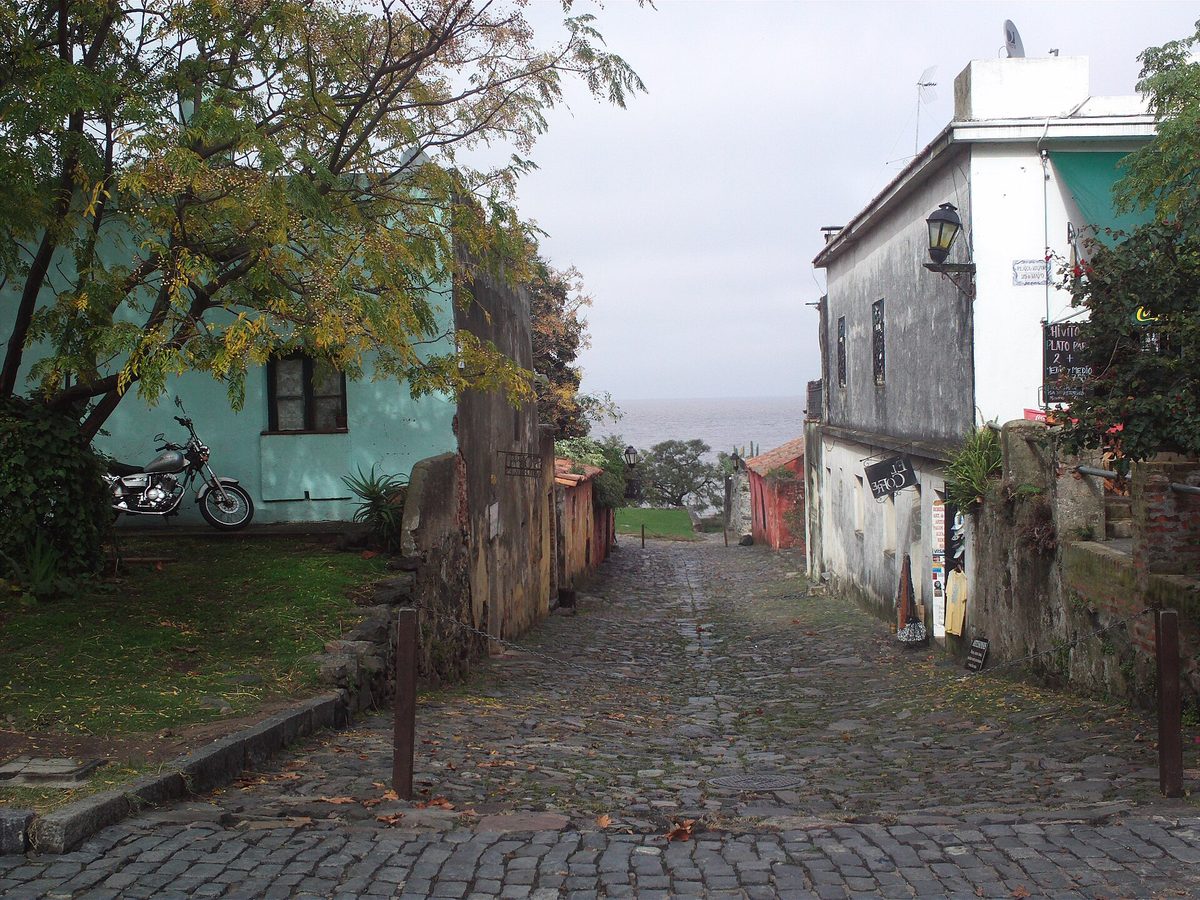
Colonia del Sacramento – cobblestones, sycamores, a lighthouse above Portuguese colonial walls – is technically doable as a day trip from Buenos Aires or Montevideo, and that’s exactly why I’d stay overnight: at 5pm the ferry crowds vanish and you get the UNESCO old town, golden light and empty lanes to yourself. The town is small enough that a second full day would be generous; one sunset is the sweet spot.
If you have more time, the interior repays curiosity: estancia stays where you ride with working gauchos, the hot-spring towns around Salto and Daymán in the northwest (a five-plus-hour bus from Montevideo – go for two nights, not a day trip), and Tacuarembó’s gaucho festival each March, the largest in the region. None of it is efficient. That’s rather the point of Uruguay.
Which Uruguay Is Yours? Tips by Traveler Type
Couples and food-and-wine travelers
You’re the demographic Uruguay quietly built itself for. Base in Montevideo’s Pocitos or Punta Carretas neighborhoods for the restaurant density, day-trip to the Canelones bodegas, then finish with two or three nights between Punta del Este and José Ignacio with a long lunch at a vineyard along the way. Book the wine lunches ahead in summer – the good estates fill – and remember the 0.0 driving law when you plan who’s pouring. March and April, with harvest season and golden light, are the months I’d pick over January every single time.
Backpackers and budget travelers
Uruguay will bruise a Bolivia-calibrated budget, but it’s manageable with the local playbook: supermarket and feria lunches (a kilo of perfect strawberries for pocket change in season), hostels with shared asado nights – often the cheapest great meal in the country – buses booked at the terminal rather than through resellers, free museums, and the free beach as your main attraction. Cabo Polonio and Punta del Diablo remain the spiritual home of the budget traveler from February onward, once January prices deflate. The VAT card discount applies to you too; a foreign debit card at a restaurant beats peso cash every time.
Families
Uruguay might be South America’s easiest family destination: safe tap water, no required vaccinations, calm river beaches on the Montevideo and Piriápolis side for small kids (the Atlantic surf east of Punta suits confident swimmers), and a culture that welcomes children everywhere at every hour – nobody blinks at a toddler in a restaurant at 10pm, though your toddler may have opinions. The catch is the schedule: those late dinners and Sunday closures take adjusting, and distances between coastal towns make a rental car worth the cost for a family of four versus juggling bus seats and beach gear.
Solo travelers and digital nomads
Solo travel here is low-friction: safe by regional standards, easy buses, hostels that actually socialize thanks to the asado-and-mate culture. The reserve I mentioned in tip 15 means locals won’t approach you first, so hostel common rooms and free walking tours carry the social load. Digital nomads get fiber-fast wi-fi, café culture that tolerates a laptop for hours, and a 90-day stamp with a simple extension path; the trade-off is costs closer to Lisbon than Medellín, and a quiet social scene outside Montevideo and the January coast.
Cruise passengers with one day
Ships dock in Montevideo’s working port, steps from Mercado del Puerto and Ciudad Vieja, and one day covers the old town, a long parrilla lunch and the Rambla – keep your phone zipped in the port blocks and you’ll have a fine time. If you’ve somehow docked with a full day and a half, a taxi-and-ferry sprint to Colonia is technically possible but defeats the purpose; spend the time on Montevideo’s neighborhoods instead and promise the rest of the country a proper return.
The Small Stuff That Saves Your Trip
A rapid-fire round of the micro-tips that didn’t earn their own number but will earn their keep:
- Pack layers in every season. The pampero wind can drop summer evenings 10 degrees in an hour, and Uruguayan buildings treat heating as optional. A real jacket earns its space even in December.
- Sunscreen is non-negotiable. Summer UV regularly reads “extreme,” and the breeze off the water disguises how thoroughly you’re burning.
- Mosquito repellent for warm evenings, especially in Rocha and anywhere near dunes or lagoons.
- Useful apps: Moovit for buses, PedidosYa for delivery when the Sunday shutdown catches you hungry, TiempoUY or your weather app of choice for the wind forecast surfers and beach-goers live by.
- Gas stations are full-service – stay in the car, let the attendant pump, tip coins.
- Sea lions, whales and capybaras are real possibilities: sea lion colonies at Cabo Polonio and Punta del Este’s port, southern right whales off the Rocha coast July through October, capybaras around the coastal lagoons at dawn.
- Día del Patrimonio (Heritage Day weekend, usually early October) opens hundreds of normally closed buildings nationwide, free – a wonderful accident to time a trip around.
- Carnival is longer than Rio’s – about 40 days from late January – and the way in is a cheap neighborhood tablado ticket or February’s Desfile de Llamadas drum parade through Barrio Sur and Palermo. Book Montevideo lodging ahead for those dates.
- Don’t photograph people drinking mate without asking. It’s not forbidden; it’s just the kind of manners that makes the next traveler more welcome.
Staying Safe, Connected, and In the Loop
24. Safety, honestly: relax, but mind the phone
Uruguay is, by most measures, among the safest countries in Latin America, and the US State Department holds it at Level 2 (“exercise increased caution”) as of this update – the same bracket as France. Solo travelers and LGBT travelers consistently report feeling at ease, and outside the capital the main danger is an over-friendly street dog adopting you on the beach.
That said, the petty-crime picture deserves straight talk. Pickpocketing and phone-snatching are real in Montevideo, concentrated in Ciudad Vieja (increasingly the city’s problem child – wander it by day, be purposeful there after dark), on crowded buses, and along busy stretches of the Rambla. In summer, beach towns see a seasonal wave of bag thefts and rental break-ins as the crowds arrive – don’t leave valuables on your towel in Punta del Este or visible in a parked car in Rocha. Violent crime against tourists is rare; opportunism is not.
The practical kit: 911 works nationwide, Montevideo posts tourist-oriented police around Ciudad Vieja in season, and the usual urban habits – phone in front pocket, bag zipped and worn forward on buses, no original passport on day walks – cover the actual risk. Read the current US travel advisory for the unvarnished official picture.
25. Get connected at the airport – then use the connectivity sparingly
Sorting a SIM takes ten minutes if you do it on arrival. Antel, the state operator, runs a kiosk in the Carrasco airport arrivals hall selling tourist prepaid chips against your passport for a few dollars, with cheap data packages on top; it has the country’s best coverage, which matters once you head into Rocha’s dunes or estancia country. If your phone takes eSIMs, the travel providers (Airalo, Saily, Holafly and friends) sell Uruguay packages for around US$15-30 for 10-20 GB that ride on Antel’s or Movistar’s network – more expensive per gigabyte, zero queue.
Uruguay is, quietly, one of the most digitally wired countries in the Americas – fiber internet reaches most homes, and free wi-fi covers plazas, malls and every café. Download offline maps and the Moovit bus app anyway: coverage gaps persist exactly where you’ll want a map most, on the empty coastal stretches that are the best reason you came.
Uruguay Travel Tips: FAQ
Is Uruguay safe for tourists?
Yes – it ranks among Latin America’s safest countries, with a US State Department Level 2 advisory, the same tier as much of Western Europe. The realistic risks are pickpocketing in Montevideo’s Ciudad Vieja and on buses, plus summer bag thefts in beach towns. Standard city precautions and a 911 speed-dial cover almost everything that’s likely to happen.
Do I need a visa to visit Uruguay?
Citizens of the US, UK, EU, Canada, Australia, New Zealand and most American countries don’t need a visa for stays up to 90 days. There’s no eVisa or entry fee; you may be asked for an onward ticket. Extensions of another 90 days are available through the immigration office in Montevideo before your initial stay expires.
Is Uruguay expensive to visit?
By South American standards, yes – it’s consistently the continent’s most expensive country. Plan around US$60-80 a day backpacking or US$130-200 mid-range, with January beach prices 30-50% higher. The tourist VAT discount on restaurant and car-rental bills paid with foreign cards claws back a meaningful chunk if you use it deliberately.
What is the best time to visit Uruguay?
December to March for beach weather, with March the sweet spot: warm ocean, thinner crowds, lower prices. January is peak chaos on the coast. Winter (June-August) is cool and damp but fine for Montevideo, wine and hot springs. See our month-by-month best time to visit Uruguay guide for the full picture.
Can tourists buy weed legally in Uruguay?
No. Despite Uruguay’s famous 2013 legalization, legal purchase is limited to registered citizens and permanent residents via pharmacies, clubs or home-growing. Possession isn’t criminalized and enforcement against consumers is lax, but any cannabis a tourist buys comes from an illegal source. The regulator has been studying tourist sales since late 2025 – rules may eventually change.
Do people speak English in Uruguay?
Less than the country’s polish suggests. Hotels, tour operators and Punta del Este manage well; bus drivers, markets and small-town restaurants mostly don’t, and menus are often Spanish-only. Twenty basic Spanish phrases plus a translation app make the trip dramatically smoother – and Uruguayans respond warmly to any attempt at all.
Final Thoughts: The Country That Grows on You
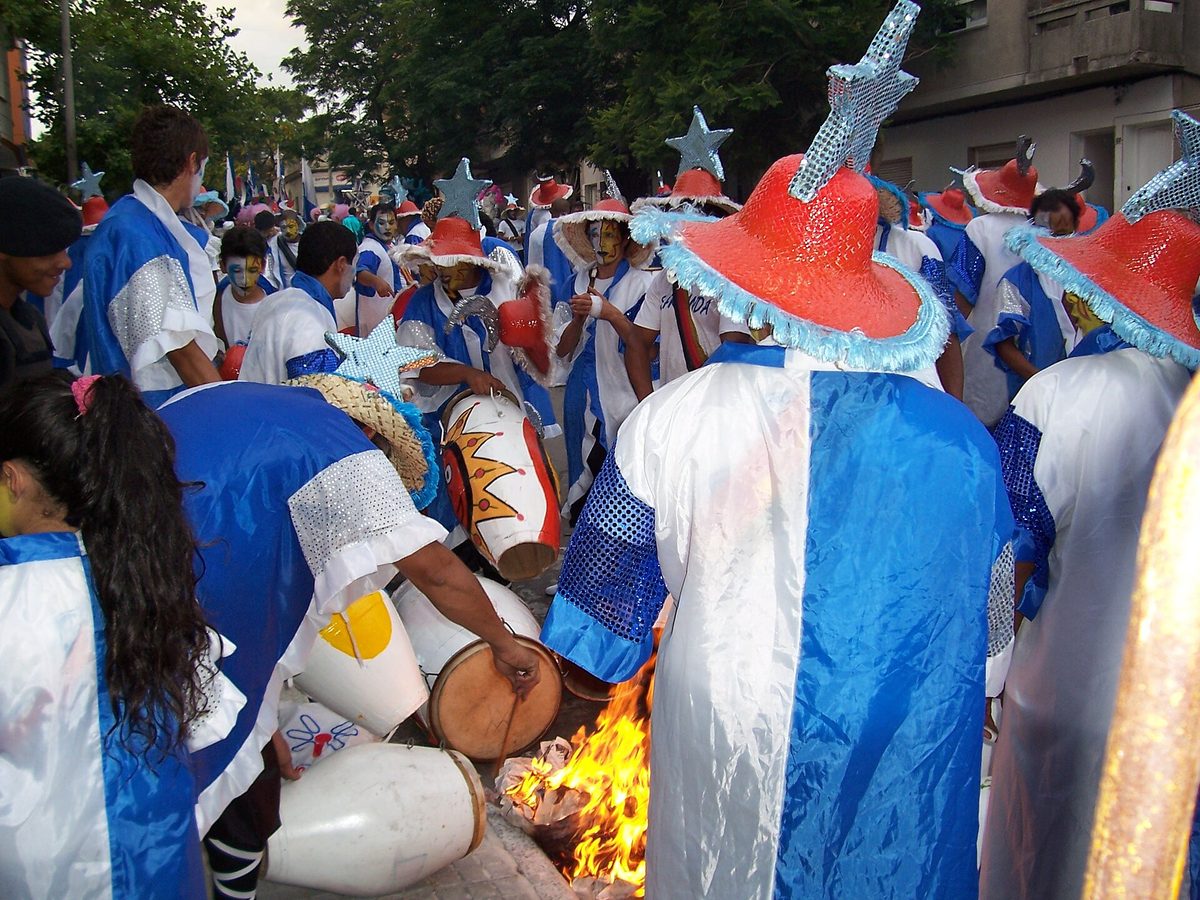
Uruguay never wows on day one. It has no Machu Picchu, no Iguazú, no skyline that sells postcards. What it has is texture: the drum line rehearsing on a Tuesday, the gourd passed around a sunset circle on the Rambla, the toll-road emptiness between one beach village and the next, a population that took one look at the 21st century and decided to keep its Sundays. Nearly every traveler I’ve met who gave it a week wants to go back; almost nobody who gave it a ferry day-trip understood what the fuss was about.
So: come with more days than you think it needs, a foreign card for the VAT discount, twenty words of Spanish, and no dinner plans before nine. Uruguay handles the rest at its own speed. Ta.
Credits & sources
Sources & Further Reading
- US State Department – Uruguay Country Information – entry requirements and the current travel advisory.
- Uruguay Natural (Ministry of Tourism) – Benefits for Non-Resident Tourists – the official word on VAT discounts and tax-free shopping.
- IRCCA – Uruguay’s cannabis regulator – current legal framework for cannabis access.
- Ministry of the Interior – official safety and emergency information.
Photo Credits
All photos via Wikimedia Commons, used with attribution and gratitude: Rambla and Pocitos beach panorama by Elemaki (CC BY 3.0); Rambla de Pocitos street scene by Felipe Restrepo Acosta (CC BY-SA 4.0); mate and thermos display by Diosverde (CC BY-SA 4.0); family asado by Fernando da Rosa, Fedaro (CC BY-SA 3.0); Calle de los Suspiros, Colonia del Sacramento by Ypsilon from Finland (CC0); Playa Brava, Punta del Este at dusk by NaBUru38 (CC BY-SA 4.0); Tres Cruces terminal platforms by JacobinoWunsh (CC BY-SA 4.0); candombe drummers before the Llamadas by Renedeveer (CC BY-SA 3.0).
1 comment
Comments are closed.