Uruguay by Bus: Tres Cruces & Intercity Travel Explained (2026)

The first time I crossed Uruguay without a car, I did it on a Tuesday with a backpack, a paper ticket, and a medialuna I’d grabbed from a counter inside Tres Cruces. Two hours and a little change later I was watching the dunes roll past on the way to the coast, having paid less than I’d have spent on parking in Punta del Este. That trip turned me into a convert.
Uruguay buses are how this country actually moves. Locals call the long-distance coaches ómnibus (as opposed to a city bus), and the network reaches almost everywhere a visitor wants to go, cheaply and often. If you’re nervous about driving on the rambla — the seafront avenue every coastal town seems to have — or you just don’t want a rental sitting idle, this is your guide.
Uruguay buses are the country’s intercity backbone: comfortable, frequent, inexpensive long-distance coaches run by private companies, almost all routed through the Tres Cruces terminal in Montevideo. You buy a seat at a counter or online, journeys run two to six hours for most destinations, and a one-way coastal fare typically costs around 10 to 20 US dollars. No car required.
This page is the overview to bus travel Uruguay-wide: how the network works, a full walk-through of Tres Cruces, who the main companies are, how to buy tickets, what the popular routes cost and how long they take, and what the ride is actually like. For two specific journeys I get asked about constantly — Montevideo to Punta del Este and Montevideo to Colonia — I’ve written dedicated pages and will point you to them rather than repeat every departure time here.
Uruguay buses at a glance: popular routes, times and fares
Here’s the cheat sheet I wish someone had handed me. Fares move with fuel prices and the peso, so treat these as ballpark figures from the last time I checked, not quotes. Times are scheduled door-to-door from Tres Cruces; in practice add a few minutes.
| Route (from Montevideo) | Journey time | Typical one-way fare | Main companies |
|---|---|---|---|
| Punta del Este | ~2h 15m | ~USD 10–14 | COT, Copsa |
| Piriápolis | ~1h 30m | ~USD 8–11 | COT, Copsa |
| Colonia del Sacramento | ~2h 45m | ~USD 14–16 | COT, Turil |
| La Paloma / Rocha coast | ~3h 30m–4h | ~USD 16–20 | COT, Rutas del Sol |
| Punta del Diablo | ~4h 30m–5h | ~USD 18–22 | COT, Rutas del Sol |
| Salto (interior, north) | ~5h 30m–6h | ~USD 22–28 | Agencia Central, Núñez, Chadre |
| Carrasco Airport (city link) | ~40m | ~USD 2–3 | COT, Copsa, CUTCSA |
A few patterns jump out of that table. The coast is cheap and well served; the deep interior costs more and runs less often; and one company, COT, shows up on nearly every line a visitor cares about. More on why below.
Tres Cruces bus terminal: the hub you’ll get to know
Almost every long-distance journey in Uruguay either starts, ends, or changes at the Tres Cruces bus terminal in Montevideo. Get comfortable here and the rest of the network falls into place. It sits on Bulevar Artigas at number 1825, a short ride from the old city and just off Avenida 18 de Julio, the capital’s main drag.
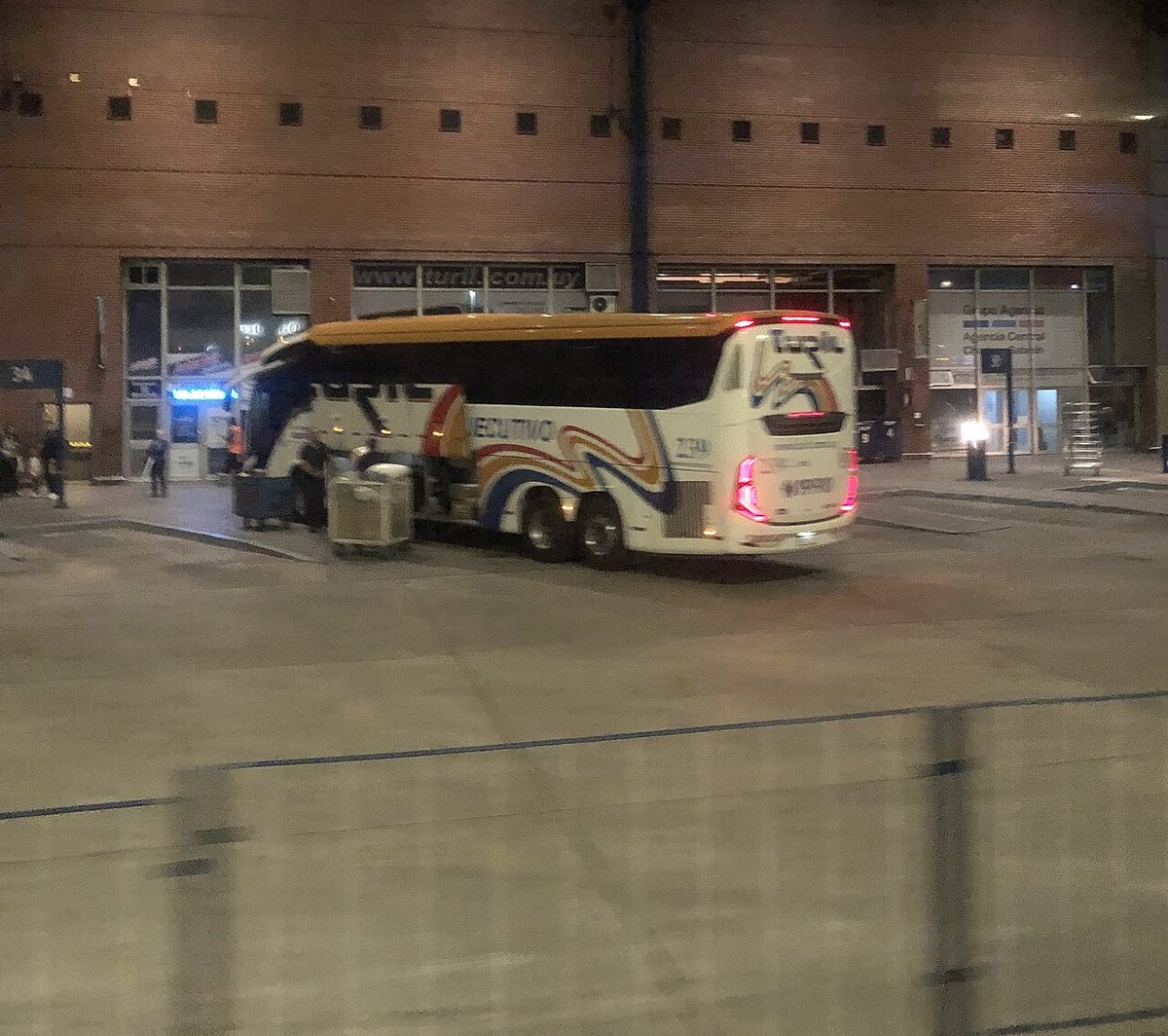
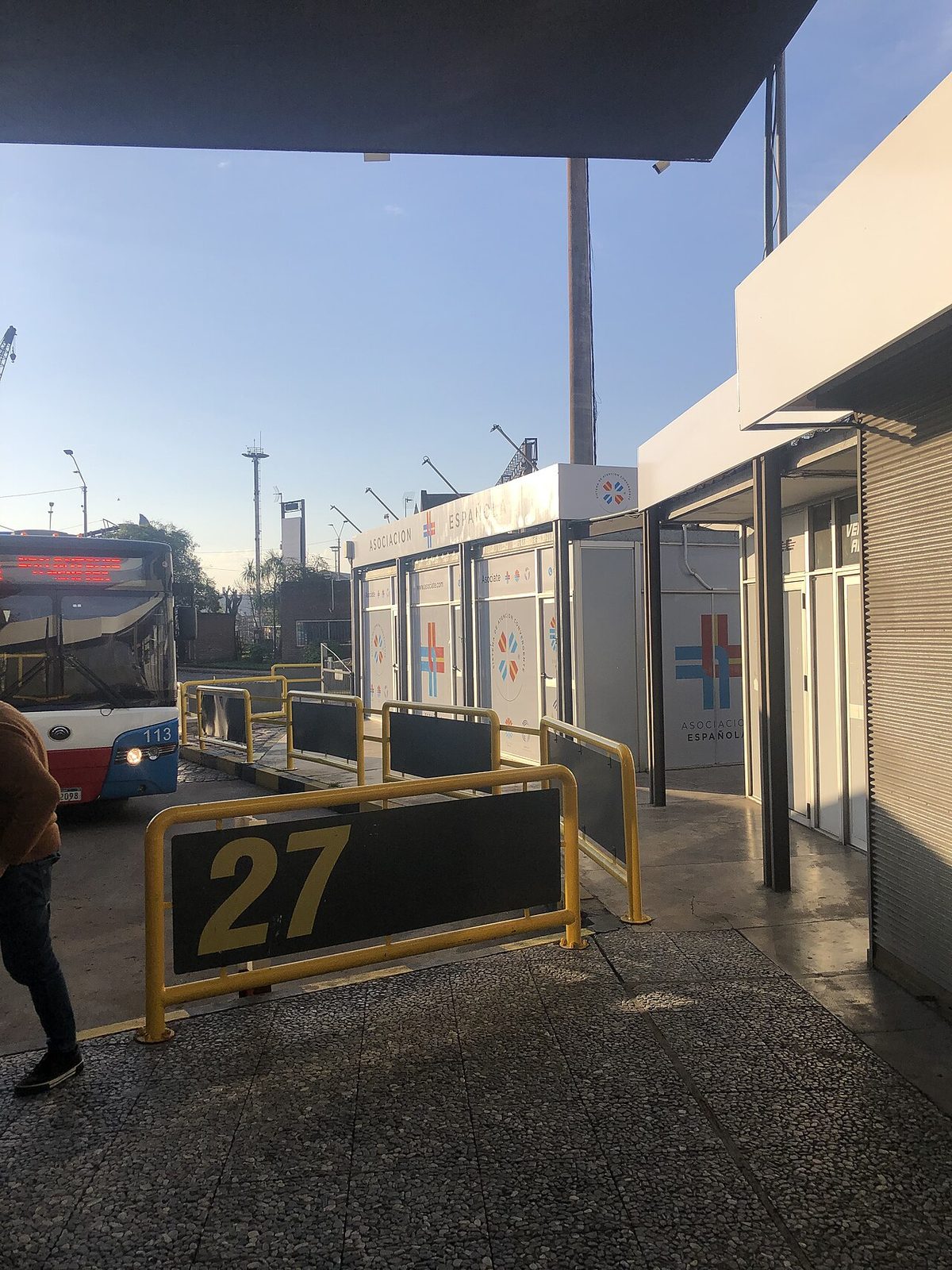
The terminal opened in late 1994 and still feels purpose-built rather than tacked on. Architecturally it’s a big curved glass-and-concrete block, and the numbers behind it are genuinely large: somewhere around 45,000 people pass through every day, roughly 30,000 of them actual bus travelers and the rest there for the shopping. Buses load and unload from a long bank of around 49 numbered platforms (plataformas) along the back.
Layout: where everything is
Walking in from the street, the ground floor is the transport floor. Along one side runs a row of ticket counters (boleterías), each marked with a company name and the destinations it serves, usually on a lit board overhead. The departure platforms are out the back through clearly numbered doors. Screens dotted around show departures by time, company and gate.
Upstairs is a proper shopping mall — three storeys in all — and this is the part that surprises first-timers. There’s a Tata supermarket (handy for stocking up on water and snacks before a long ride), a food court with the usual fast food plus a few decent cafés, clothing shops, pharmacies, ATMs and free public restrooms. A small tourist information desk on the ground floor has staff who, in my experience, will patiently point you to the right counter even in halting English.
Left luggage, and the practical bits
There’s a paid left-luggage office (guardaequipaje) on site, which I’ve used to dump a bag for an afternoon of wandering between an early arrival and a late ferry. Rates are charged per piece per period and are cheap. Don’t expect a slick airline-style locker system; it’s a staffed counter where you hand over your bag and get a tag.
One honest drawback: Tres Cruces is large and, at peak times, loud and crowded, and the signage assumes you read Spanish. The first ten minutes can feel disorienting if you’ve just stepped off a plane. Budget a little extra time on your first visit, and don’t be shy about asking — Uruguayans are unhurried and helpful in a way that takes the edge off.
Getting to and from the terminal
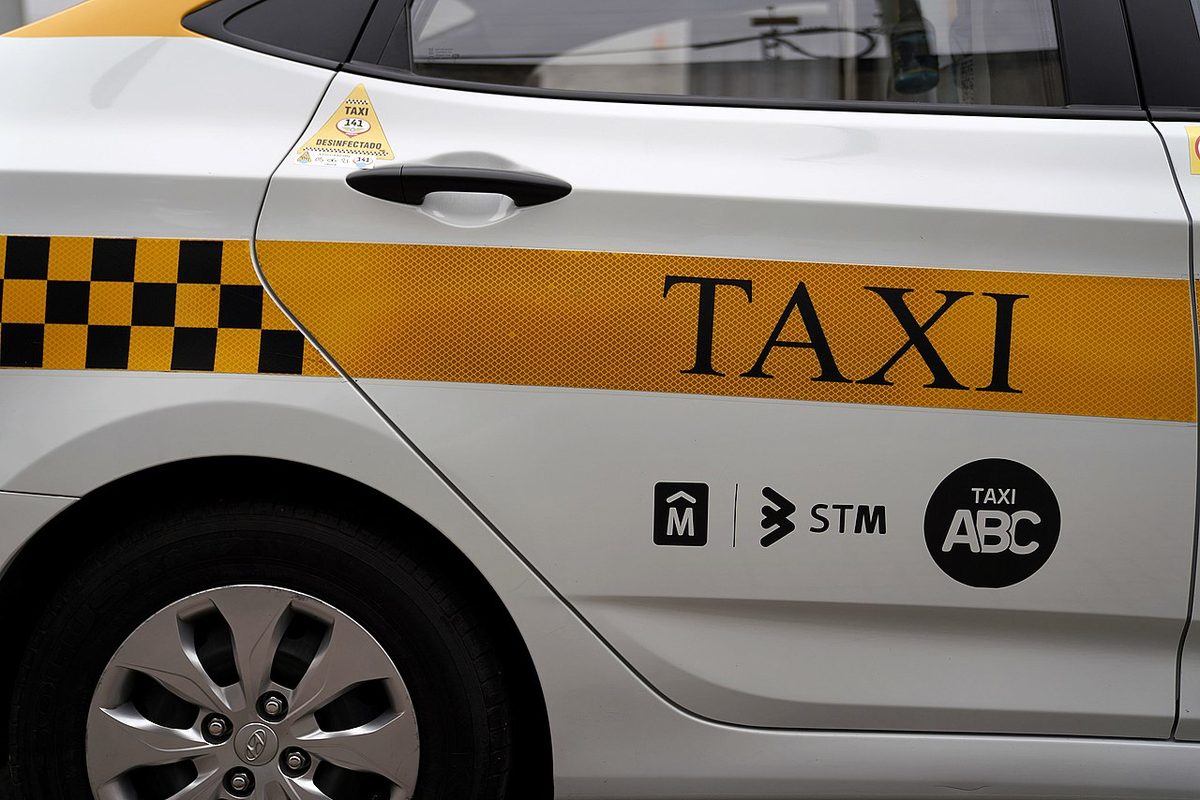
Out front you’ll find a taxi rank and a constant stream of city buses. Taxis are metered and honest; a ride to the Ciudad Vieja or the central rambla is short and inexpensive, and Uber operates in Montevideo too if you’d rather not flag one down. City buses stop right outside, though working out which line you need is its own small adventure — for most visitors a taxi or Uber from the terminal is worth the few extra dollars after a long coach ride. If you’re plotting where to base yourself, my guide to where to stay in Montevideo covers the neighborhoods and how close each one is to the terminal.
The main bus companies, and who runs where
Uruguay’s long-distance network isn’t one state operator; it’s a handful of private companies that each dominate certain corridors. You don’t need to memorize them, but knowing the cast helps you read those overhead boards at Tres Cruces and shop for a better fare or a better departure time.
Several companies sometimes serve the same destination, so it genuinely pays to walk the row of counters and compare before you buy. Here are the names worth knowing.
- COT — the one you’ll use most. COT (the cot bus uruguay travelers ask about) is the big coastal and eastern operator, running Montevideo to Punta del Este, Piriápolis, Maldonado, the Rocha beaches, Punta del Diablo, Chuy and Colonia. Frequent, modern, and the easiest to book online. If in doubt, start at the COT counter.
- Copsa — strong on the near coast and the Montevideo–Maldonado corridor, plus airport and metropolitan runs. Often a slightly cheaper alternative to COT on overlapping routes.
- Turil — a major player westbound, especially Montevideo–Colonia and on toward the Argentine border, with some long interior services too.
- Agencia Central — a big interior and long-haul operator; if you’re heading to Salto, Paysandú or the northern departments, you’ll likely be on one of theirs.
- Núñez and Chadre — interior and cross-country specialists covering the north and the litoral (the western river region).
- Rutas del Sol — the coast east of Punta, handy for La Paloma, La Pedrera and Punta del Diablo.
- EGA — primarily international, running coaches across the border to Buenos Aires (via the Fray Bentos bridge), Argentina more broadly, and Brazil.
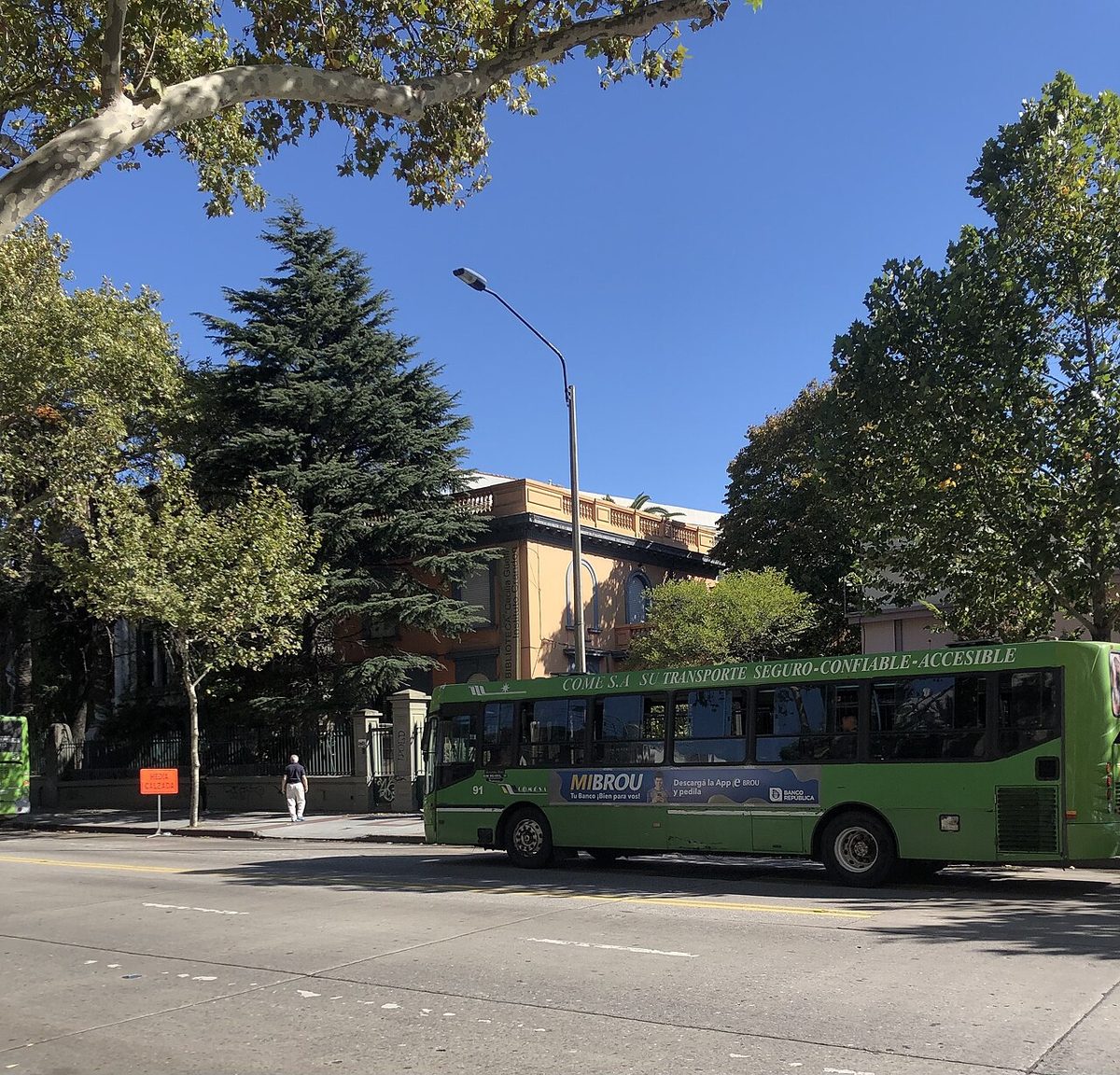
You’ll also see CUTCSA everywhere in Montevideo, but that’s the city-bus giant rather than an intercity coach line — it runs the local network and the airport link, not your trip to the beach. Worth knowing so you don’t queue at the wrong counter.

How to buy tickets: counter, app or online
Buying a ticket is the part that worries first-time visitors most, and it shouldn’t. You have three realistic options, and I’ve used all of them.
At the counter
The old-fashioned way still works beautifully. Walk up to the company’s boletería, say your destination and the next departure you want, pay, and you’ll get a printed ticket with a seat number. Cash in Uruguayan pesos is always accepted; cards usually are. For most routes most of the year, turning up and buying for the next bus is completely normal — Uruguayans do it constantly. This is my default for coastal day trips.
Online and via apps
COT sells tickets through its own website and the COT Móvil app, and there’s a useful aggregator called URUBUS that lists schedules across multiple companies and sells seats at the same price as the counter. Buying ahead lets you lock in a specific departure and seat, which I do for popular summer weekends or an early-morning start I can’t afford to miss.
Here’s the honest catch: foreign-issued credit cards don’t always sail through these Uruguayan checkout pages. Sometimes they work fine; sometimes a payment bounces for no clear reason. Have a backup card ready, and if online booking simply won’t take your card, don’t stress — you can almost always just buy at the counter on the day. I treat online booking as a nice-to-have, not a must.
The app that actually helps: SeguíTuBus
Tres Cruces put out a free app called SeguíTuBus (“follow your bus”) that shows real-time departure and platform information. It’s genuinely handy for confirming your gate and spotting delays without staring at the big board. Pair it with a screenshot of your ticket and you’re set.
A note on the STM card
You’ll hear about the STM card, the rechargeable transport card used across Montevideo’s city buses. Even visitors can get one free by showing a passport at an Abitab shop (a ubiquitous payment-and-services chain), and it shaves a bit off each city fare and unlocks free transfers within a time window. For intercity coaches it’s largely irrelevant — those are bought per journey — but if you’re spending several days riding city buses around the capital, it’s worth picking up.
The routes you’ll actually take
Most visitors stitch together the same handful of journeys, and the bus does every one of them well. Below is the shape of each; for the two I get asked about most, the linked pages go deep on schedules, where the buses drop you, and which company to pick.
Montevideo to Punta del Este
This is the workhorse coastal run, and it’s wonderfully easy. COT departs Tres Cruces roughly every half hour through the day, the ride runs about two and a quarter hours, and a one-way seat usually costs in the low-double-digit dollars. Copsa competes on price. It’s frequent enough that I never book ahead outside peak summer. For departure times, the two Punta terminals, and the door-to-door detail, see my full guide to the Montevideo to Punta del Este route, and the wider Punta del Este destination page for what waits at the other end.
Montevideo to Colonia del Sacramento
Westbound to the UNESCO-listed old town, COT and Turil share the route, the trip takes a touch under three hours, and fares land around 14 to 16 dollars. It’s a classic day trip, though Colonia rewards an overnight. I’ve laid out the timetable, the ferry-versus-bus question, and arrival logistics on the Montevideo to Colonia route page, with the town itself covered on the Colonia del Sacramento guide.
Piriápolis and the near coast
Closer than Punta and gentler in spirit, Piriápolis is about ninety minutes out on COT or Copsa for under a dozen dollars. It makes an effortless half-day escape — see the Piriápolis guide for what to do once you arrive, and my roundup of day trips from Montevideo for how it stacks up against the alternatives.
The eastern beaches: Rocha, La Paloma, Punta del Diablo
Beyond Punta, the coast gets wilder and the rides get longer — three and a half to five hours for the far beaches, on COT or Rutas del Sol. Buses thin out in winter, so check return times before you commit to a remote spot. The payoff is some of the best sand in the country; the best beaches in Uruguay guide ranks them.
The interior
Heading inland or north — Salto, Paysandú, Tacuarembó — means longer hauls (five to seven hours) on Agencia Central, Núñez or Chadre, running a few times daily rather than constantly. It’s still comfortable and cheap; just plan around the sparser timetable.
Comfort, classes and reliability: what the ride is like
Uruguayan coaches are better than most first-timers expect. The standard long-distance bus is air-conditioned, with reclining seats, generous luggage holds underneath, and frequently onboard Wi-Fi and a toilet on the longer services. On busier corridors you’ll sometimes see a step up in class — more legroom, a deeper recline (the semi-cama, “half-bed,” seat) — usually for a small premium worth taking on a five-hour interior run.
Punctuality is good. Departures leave on time far more often than they don’t, and drivers are professional. The fleets are generally modern and clean. Compared with the long-distance buses I’ve taken elsewhere in South America, Uruguay’s feel notably orderly.
The one honest drawback: onboard Wi-Fi is hit-or-miss and the announced stops are in Spanish only, so on a multi-stop route it’s easy to miss your town if you’re not paying attention. Download an offline map, drop a pin on your destination, and keep half an eye on it. Problem solved.
Planning by traveler type
How you should use the network depends a lot on what kind of trip you’re running.
The car-free coast-hopper. If your plan is Montevideo plus a string of beach towns, buses are not just viable but arguably better than a car — frequent, cheap, and no parking headaches in summer. I’ve made the case in full in the no-car coast discussion linked from my car rental guide, which lays out honestly when a car earns its keep and when it just sits there.
The day-tripper. Basing yourself in Montevideo and spoking out to Colonia, Piriápolis or Punta works perfectly on the bus. Buy in the morning, go, come back by evening. No reservation gymnastics required.
The deep-interior explorer. If you’re chasing thermal springs near Salto or gaucho country up north, buses still reach you, but the timetables are thinner and a rental car buys real freedom. This is the one case where I’d genuinely weigh the alternatives.
The just-landed flyer. Coming straight from Carrasco airport, the COT and Copsa airport buses link into the city and even direct to Punta in season — a tidy way to skip a pricey transfer. My flights to Uruguay guide covers arrival logistics, and the broader getting to Uruguay pillar puts buses in context with every other way in and around the country. For getting around the capital itself, the Montevideo city guide is your next stop.
Uruguay buses: your questions answered
Do I need to book Uruguay bus tickets in advance?
Usually not. For most routes most of the year, turning up at Tres Cruces and buying for the next departure is completely normal and what locals do. The exceptions are the big holiday peaks — Christmas, New Year, Easter and Carnival week — and popular summer weekends to the coast, when buying a few days ahead is wise to guarantee a seat.
How much does a bus from Montevideo to Punta del Este cost?
Last I checked, a one-way COT or Copsa fare ran roughly 10 to 14 US dollars, with the ride taking about two and a quarter hours and departures leaving Tres Cruces around every half hour. Prices shift with fuel and the peso, so confirm at the counter or on the COT app. See my dedicated route page for current detail.
Are buses in Uruguay safe and reliable?
Yes, on both counts. The coaches are modern and air-conditioned, drivers are professional, and departures run on time far more often than not. Uruguay is among the safer countries in the region; standard precautions with your belongings on board and at the terminal are all that’s needed. I’ve never felt uneasy riding them.
Can I travel around Uruguay without renting a car?
Easily, if you’re sticking to Montevideo and the coast. The bus network connects the capital to every major beach town frequently and cheaply, which is why so many visitors skip the rental entirely. A car only really pays off for the remote interior or very flexible, multi-stop rural itineraries.
Where do the buses leave from in Montevideo?
Nearly all long-distance buses use the Tres Cruces terminal on Bulevar Artigas, a short taxi or Uber ride from the city center. It doubles as a shopping mall, with ticket counters on the ground floor and numbered platforms out the back. A few routes also pick up at Carrasco airport.
Can I pay for bus tickets with a foreign credit card?
At the counter, cards are usually fine, and cash in pesos always works. Online is less certain — Uruguayan checkout pages sometimes reject foreign-issued cards without explanation. Carry a backup card, and remember you can always fall back to buying in person at Tres Cruces on the day.
What’s the difference between común and semi-cama seats?
“Común” is the standard reclining coach seat — perfectly comfortable for shorter coastal runs. “Semi-cama” (half-bed) offers more legroom and a deeper recline, sometimes as a higher class on longer interior routes. For a trip under three hours the standard seat is fine; for a five-hour haul north, the upgrade is worth the small premium.
Final thoughts
Skip the rental and ride the bus, at least for the coast. Few countries make car-free travel this painless: one well-run terminal, a clutch of reliable companies, fares that barely dent your budget, and coaches comfortable enough to nap on. I’ve crossed Uruguay end to end this way more times than I can count, and I’d do my next trip exactly the same.
Learn the rhythm of Tres Cruces, keep some pesos handy, and treat online booking as a bonus rather than a requirement. Do that, and the whole country opens up from a single set of platforms on Bulevar Artigas.
Credits & sources
Sources & further reading
- Terminal Tres Cruces — official terminal site (schedules, services and the SeguíTuBus app)
- COT — official site and online ticketing
- URUBUS — multi-company schedules and online booking
- Tres Cruces bus station — background and history
Photo credits
All images via Wikimedia Commons: Tres Cruces Terminal Exterior by NaBUru38 (CC BY-SA 4.0); Tres Cruces Platforms Interior by JacobinoWunsh (CC BY-SA 4.0); Cot Coach Uruguay by Marinna (CC BY-SA 4.0); Uruguay Coastal Bus Route by JacobinoWunsh (CC BY-SA 4.0); Montevideo Bus Station Uruguay by JacobinoWunsh (CC BY-SA 4.0).


1 comment