Buquebus vs Colonia Express vs Francisco: Which Ferry? (2026)
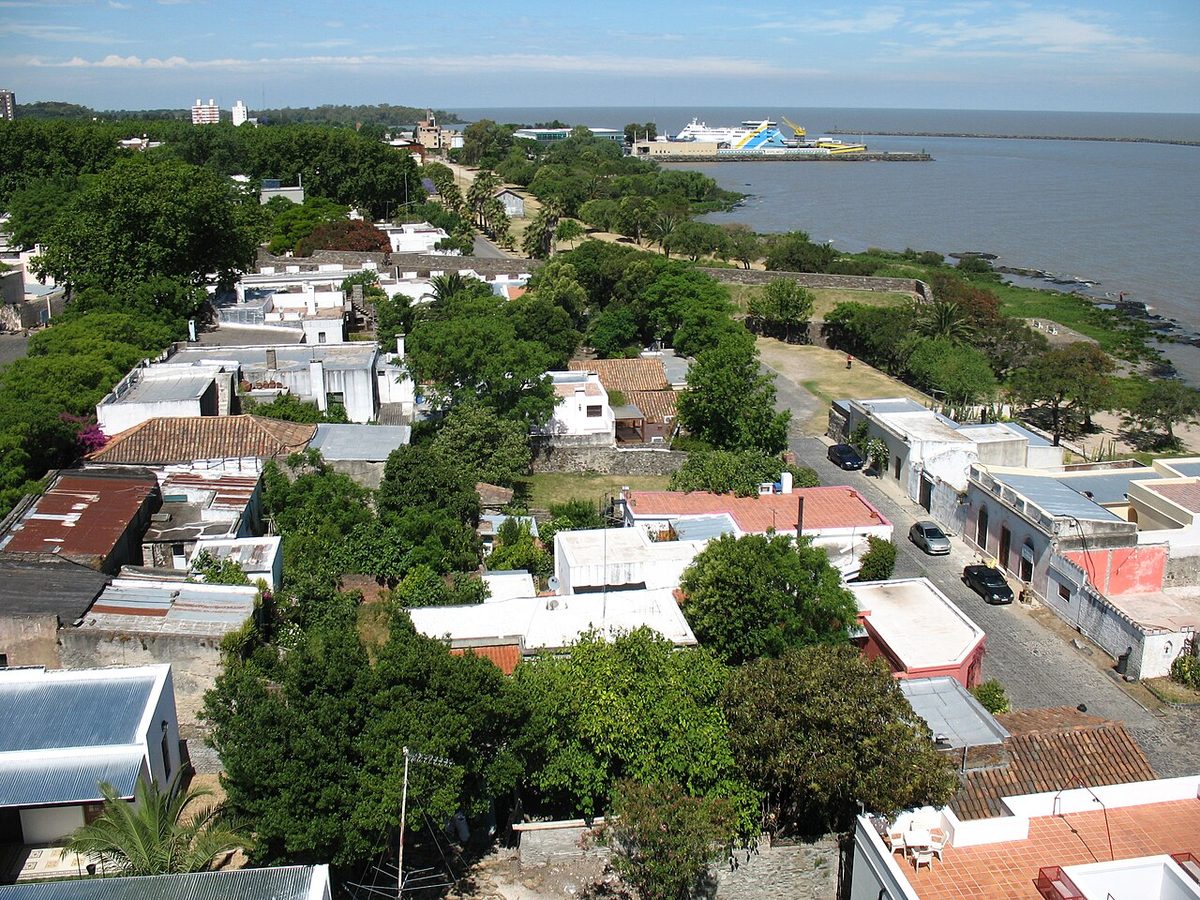
The first time I took the ferry from Buenos Aires to Colonia, I picked the wrong boat for entirely sentimental reasons — a small lesson in the buquebus vs colonia express decision that this guide will save you from. I’d read about a vessel called the Francisco, “the fastest ship in the world,” and I wanted to ride it. So I booked Buquebus, showed up at Puerto Madero, and boarded a perfectly nice fast catamaran that was emphatically not the Francisco. It took me a second crossing and a long conversation with a deckhand to understand why.
That mix-up is the whole reason this page exists. The three names people throw around for this route — Buquebus, Colonia Express, and “the Francisco” — do not map neatly onto three interchangeable choices. One of them isn’t even a company. And the difference between them, on a good day, is about forty minutes and forty dollars; on a bad day, it’s whether you make your crossing at all.
So this is my honest, ridden-it-too-many-times take on the buquebus vs colonia express question — plus where that famous Francisco actually fits. I’ve done the Río de la Plata crossing in both directions, in winter chop and summer calm, day-tripping and hauling a full suitcase. Here’s how I actually decide.
The short answer
In the buquebus vs colonia express decision for the Buenos Aires to Colonia ferry, Buquebus wins on comfort, terminal location, and the fastest sailings, while Colonia Express wins on price and on day-trip-friendly schedules. The “Francisco” is a Buquebus ship, not a third company — and it mostly runs the direct Montevideo route, not Colonia. Pick Buquebus for ease, Colonia Express to save money.
Who this is for
This guide is the head-to-head operator comparison: which company to book for the Buenos Aires↔Colonia hop, how the boats and prices and terminals actually differ, and where the famous Francisco fits in. If instead you want the direct, no-Colonia Buenos Aires to Montevideo ferry, I cover that crossing in its own deep-dive — this page stays focused on Colonia and the operator choice. For the bigger picture of every way into the country, start at the getting to Uruguay pillar. Travelers coming from further afield tend to land in Buenos Aires by necessity rather than choice, since Montevideo has almost no long-haul service; my guide to flying into Uruguay and Carrasco airport sets out which airlines actually serve it.
Buquebus vs Colonia Express vs the Francisco: at a glance
I built this table the way I wish someone had handed it to me. Prices are deliberately hedged — fares on this route swing wildly with how far ahead you book, the season, and the dollar, so treat these as last-I-checked ballparks, not quotes. Round-trip economy, Buenos Aires↔Colonia, in roughly mid-2026 money.
| Buquebus | Colonia Express | The “Francisco” | |
|---|---|---|---|
| What it is | The big incumbent operator | The budget challenger | A ship, owned by Buquebus — not a separate company |
| BA→Colonia time | ~1h 15m (fast cat); a slower ~3h sailing on some days | ~1h 15m | ~1h, but normally on the Montevideo route, not Colonia |
| BA terminal | Puerto Madero (Dársena Norte) — central, easy | Dársena Sur / La Boca side — further out | Puerto Madero (it’s a Buquebus boat) |
| Daily sailings (each way) | ~3, more in summer | ~4–5 | Typically 2 (Montevideo direct) |
| Round-trip economy, hedged | ~US$110–160, advance vs walk-up | ~US$60–120 | Montevideo-direct pricing; higher than Colonia |
| Boats | Bigger, calmer, more seating classes | Smaller high-speed catamarans | 1,000-pax LNG wave-piercer, 58-knot record holder |
| Onboard | Duty-free, café, business class, more space | Café, shop, fine but more cramped on a full boat | Full duty-free, premium classes |
| Best for | Comfort, simplicity, luggage, first-timers | Saving money, flexible day-trippers | People going to Montevideo who want the famous ship |
| The honest catch | You pay for the polish | That terminal is a genuine schlep | It’s not really a Colonia option |
If you read nothing else, read that last row. Now let me unpack each one, because the nuance is where the money and the stress live.
Buquebus: the default for a reason
Buquebus — pronounced “boo-kay-boose,” and so dominant that locals use it as a generic verb for crossing the river — is the company most people mean when they say “the ferry to Uruguay.” It’s the oldest, the biggest, and the one your hotel concierge will book without asking questions.
What you’re paying for is friction removal. The Buenos Aires terminal sits in Puerto Madero at Dársena Norte, walkable from the city center and a short, cheap taxi from most tourist hotels. The building feels like a small airport: orderly check-in, X-ray, and — the part that surprises first-timers — both countries’ immigration done right there before you board, so you step off in Colonia already stamped into Uruguay. The boats are larger, which on a windy Río de la Plata afternoon translates directly into a steadier ride and fewer green faces.

On board you get real choices: a standard economy cabin, a quieter business or “primera” class with more legroom and included refreshments, and a duty-free shop that Argentines treat as a serious part of the trip (more on that absurd ritual below). Buquebus also runs the only direct Montevideo sailings and onward bus links to Punta del Este, so if your trip is more than a Colonia day, its network is genuinely useful.
One honest drawback: you pay for all of it. Walk-up Buquebus fares can run nearly double Colonia Express, and the gap is widest exactly when you’re least flexible — booking late, traveling on a weekend, crossing in peak summer. The polish is real, but so is the premium.
Colonia Express: cheaper, scrappier, still gets you there
Colonia Express is the value play, and I want to be fair to it because the internet is full of snobbery it doesn’t quite deserve. The crossing time is essentially identical to Buquebus’s fast boats — about an hour and a quarter — on modern high-speed catamarans that are perfectly safe and reasonably comfortable. The fare is frequently the lowest on the route, sometimes dramatically so, and their schedule tends to favor day-trippers, with early-out and late-back sailings that let you squeeze a full day in Colonia del Sacramento.
Where they cost you is the terminal. For years Colonia Express ran out of a spot on the La Boca side of town, well south of the tourist core and a notably less convenient — and less reassuring after dark — corner of Buenos Aires than Puerto Madero. The company has been moving and expanding its Buenos Aires terminal (the latest relocation I’m aware of put it at Dársena Sur, around Pedro de Mendoza), so check your exact departure point on your ticket. Wherever it lands, budget extra taxi time and don’t assume you can walk there from downtown the way you can with Buquebus.

The boats are smaller, which is the trade for the price. On a sold-out summer sailing they feel it: tighter seating, busier café, more of a packed-commuter-train energy than a mini-cruise. Baggage is generous — last I checked you could bring a sizeable allowance without extra charge, with larger bags checked at the terminal — so it’s not a deal-breaker for a weekender.
One honest drawback, then, isn’t the boat or the price — it’s getting to the boat. Factor the awkward terminal into your timing, especially on the return when you’re tired and a Colonia-side delay can leave you scrambling for a taxi at the far end in Buenos Aires.
The Francisco: the ship everyone Googles, explained
Let’s clear up the confusion that cost me a wasted booking. The Francisco is not a ferry company you choose instead of Buquebus or Colonia Express. It’s a single, specific vessel — and Buquebus owns it.
Built by the Australian yard Incat and delivered in 2013, the Francisco is a wave-piercing aluminium catamaran that, on a record run in June 2013, hit 58.21 knots and was crowned the fastest commercial ship in the world. It was also the first high-speed ferry to run on liquefied natural gas, which is the kind of detail that makes ferry nerds (hi) very happy. It carries around a thousand passengers plus cars, with a proper duty-free and premium seating up top.
Here’s the catch that the search results never quite spell out: the Francisco primarily works the direct Buenos Aires–Montevideo run, not the Colonia hop. So if your heart is set on riding the famous boat, you’re choosing the longer Montevideo crossing — which I cover in detail on the Buenos Aires to Montevideo ferry page — not a Colonia day trip. Schedules shuffle and Buquebus rotates its fleet, so the exact ship on any given sailing can change; if it matters to you, ask when booking rather than trusting the route map. For pure Colonia logistics, treat “the Francisco” as a fun footnote, not a third option.

The money-saving trick nobody mentions: Seacat
If you’re price-shopping Buquebus against Colonia Express, there’s a quiet third name worth knowing: Seacat. Seacat is owned by Buquebus and, in practice, often puts you on the very same boats from the very same Puerto Madero terminal — but its tickets can come in cheaper than booking “Buquebus” directly. Same crossing, same comfort, sometimes a better price. The one wrinkle is that Seacat’s own site has historically been awkward for foreign cards, so people book it through a reseller or by phone.
I mention this because it reframes the whole comparison. The real contest often isn’t Buquebus vs Colonia Express on comfort; it’s whether you want Puerto Madero convenience (Buquebus/Seacat) or rock-bottom price (Colonia Express). Seacat lets you buy the convenience at a discount.
The decision factors that actually matter
Speed and crossing time
For Colonia, this is mostly a wash. Buquebus’s fast catamarans and Colonia Express both do the crossing in around an hour and fifteen minutes. Buquebus also runs a slower, larger ship on some departures that takes roughly three hours — fine if the schedule suits you, but check, because “Buquebus” doesn’t automatically mean “fast.” The genuine speed king, the Francisco, is a Montevideo boat. So if your only goal is to be in Colonia quickly, pick whichever fast sailing fits your day; the brand on the hull barely matters.
Price, and how to not overpay
Colonia Express is usually the cheapest sticker price; Buquebus the dearest; Seacat a sneaky middle. But the bigger variable is timing. Fares climb steeply as the departure nears — booking two to three weeks out can save a meaningful chunk versus a walk-up — and peak summer weekends are brutal. My rule: if your dates are fixed, book early on whichever line; if you’re flexible and frugal, default to Colonia Express and just plan around its terminal.
Terminals and getting there
This is the most underrated factor and, for many travelers, the actual decider. Buquebus’s Puerto Madero terminal is central, safe-feeling, and walkable from a lot of hotels. Colonia Express departs from further south near La Boca, which means a taxi and extra buffer time. The two terminals can sit a couple of kilometers apart, so don’t show up at the wrong one — I’ve watched it happen, and there’s no winning that argument with a clock.
Punctuality and reliability
Both lines run a tight river shuttle and are, in calm weather, broadly dependable. Where I’d give Buquebus a slight edge is on bad-weather resilience and recovery: bigger boats handle Río de la Plata chop better, and a larger operator has more sailings to rebook you onto if one is cancelled. Colonia Express’s smaller fleet means a single weather cancellation can leave fewer fallback options. Neither is a Swiss railway; build slack into tight connections regardless of the logo.

Baggage
For a day trip, irrelevant — bring a daypack and go. For a longer haul into Uruguay, both lines are reasonable, with generous free allowances and terminal-checked larger bags. Buquebus’s bigger boats simply have more room to stash things comfortably. If you’re moving with a full suitcase toward Montevideo or onward, the extra space is a quiet point for Buquebus.
Duty-free, the local sport
Do not underestimate how seriously Argentine passengers take the onboard duty-free, especially given the country’s import quirks — electronics, perfume, and whisky move briskly. Buquebus’s bigger ships and the Francisco have the fuller shops; Colonia Express has a smaller selection. If duty-free shopping is part of your plan (it’s a legitimate reason some locals pick Buquebus), factor it in. If you just want to get to Colonia, ignore the whole circus.

Which should you pick? By traveler type
Comparisons are useless until you locate yourself in them. Here’s how I’d actually advise people, depending on who they are.
The first-timer who wants zero hassle
Book Buquebus, fast sailing, and don’t overthink it. The central terminal, the steadier boat, and the just-works feel are worth the premium when you’re new to the crossing and figuring out two countries’ immigration in one building. Pair it with the Colonia day trip from Buenos Aires plan and you’ll have a smooth, low-stress day.
The budget backpacker
Colonia Express, every time, booked as far ahead as your plans allow. You’ll save real money for an essentially identical crossing time. Just respect the terminal: leave early, take a taxi, and don’t cut it fine. The savings fund a better lunch in the Barrio Histórico anyway.
The day-tripper optimizing hours in Colonia
Compare schedules first, brand second. Colonia Express’s early-out and late-back times often give you the longest day on the ground, but Buquebus sometimes matches them — pick the sailing that maximizes daylight in town, and let price break the tie. Whatever you choose, the cobblestones of Colonia del Sacramento reward an unhurried afternoon.
The couple combining Argentina and Uruguay
If Colonia is one stop on a bigger loop, think network, not single fare. Buquebus’s reach — direct Montevideo, onward buses to Punta del Este, and easy ticketing — makes multi-city planning simpler. Map the whole thing with the Argentina and Uruguay itinerary, and if you’re still deciding how to split your days between the two countries, the Uruguay vs Argentina comparison helps you weight it.
The Montevideo-bound traveler chasing the famous ship
You don’t really want a Colonia ferry at all — you want the Francisco or its direct siblings to Montevideo. Go straight to the Buenos Aires to Montevideo ferry guide. And if your eventual base is the capital and you’re then heading to the coast, note that Montevideo to Colonia is an easy overland leg you can tack on later. For the full country plan, the Uruguay itinerary ties it together.
Buquebus vs Colonia Express: your questions answered
Is Buquebus or Colonia Express better for a Colonia day trip?
For most first-timers, Buquebus — the central Puerto Madero terminal and steadier boat make a day trip simpler, and the fast crossing is about 75 minutes. Choose Colonia Express if saving money matters more than convenience and you don’t mind the further-out terminal. Crossing times are nearly identical, so the decision really comes down to budget versus hassle.
Is the Francisco the same as Buquebus?
Yes — the Francisco is a ship owned and operated by Buquebus, not a separate ferry company. It’s the famous wave-piercing catamaran that set a 58-knot speed record and runs on LNG. The wrinkle is that it primarily serves the direct Buenos Aires–Montevideo route, not the Colonia crossing, so booking “the Francisco” usually means choosing Montevideo over a Colonia day trip.
How far ahead should I book the Buenos Aires to Colonia ferry?
Book two to three weeks ahead if your dates are fixed, especially for summer weekends and holidays. Fares on this route rise steeply as departure nears, so advance booking can save a meaningful amount versus walking up. If you’re flexible, you can sometimes find last-minute deals midweek and off-season, but you’re gambling on availability on a busy route.
Where do the ferries leave from in Buenos Aires?
Buquebus (and Seacat) depart from the central terminal in Puerto Madero at Dársena Norte, walkable from much of downtown. Colonia Express leaves from a separate terminal further south toward La Boca — recently relocated, so confirm the exact address on your ticket. The two can be a couple of kilometers apart, so double-check which one your sailing uses before you set off.
Do I clear customs and immigration on the ferry?
You clear both countries’ immigration at the departure terminal before boarding, not on arrival — Argentine exit and Uruguayan entry are processed side by side in Buenos Aires. That’s why arriving early matters: the lines can be long, and missing the immigration queue means missing the boat even with a valid ticket. Bring your passport and have your ticket ready.
What’s the cheapest way to cross to Colonia?
Colonia Express usually has the lowest sticker price, but don’t overlook Seacat, which often puts you on Buquebus boats from the central terminal for less than booking Buquebus directly. Whichever line, book early — timing affects price more than the brand does. For a same-day return, look for round-trip day-trip promotions, which are frequently the best value.
Can I take a car on the Colonia ferry?
Yes — both Buquebus and Colonia Express carry vehicles on the Colonia route, and Buquebus’s larger boats (and the Francisco on the Montevideo run) have substantial car decks. It’s worth it if you’re planning to road-trip Uruguay’s coast, but vehicle fares add up and you’ll want to book the car space well ahead, as it sells out faster than passenger seats in high season.
Final thoughts
Strip away the marketing and the choice is simpler than the forums make it sound. Buquebus buys you convenience and calm; Colonia Express buys you a cheaper ticket at the cost of an awkward terminal; the Francisco is a magnificent ship that mostly isn’t relevant to Colonia at all. Seacat quietly splits the difference.
My own default, after all these crossings, is unsentimental: Buquebus or Seacat from Puerto Madero when I want an easy day, Colonia Express when I’m watching pesos and have time to spare. I no longer chase the famous boat on the Colonia route, because it isn’t there — and knowing that one fact would have saved my first trip a small, silly disappointment. Whichever you pick, the river is wide, the crossing is short, and Colonia is worth every minute of the faff to get there.
Credits & sources
Sources & further reading
- Buquebus official site — schedules, fares, and terminal details, including the Montevideo and Punta del Este routes.
- Colonia Express official site — fares, schedules, and the current Buenos Aires terminal location.
- Guru’Guay: buying ferry tickets Buenos Aires to Colonia — a long-running, locally grounded guide to the booking quirks.
- HSC Francisco (Wikipedia) — the ship’s specifications, speed record, and LNG history.
Photo credits
All images via Wikimedia Commons: Colonia Del Sacramento Puerto Ferry by Krzysztof Rudnik (CC BY-SA 3.0); Buquebus Ferry Terminal Puerto Madero by Elvis Boaventura (CC BY 3.0); Colonia Express Ferry Rio De La Plata by Liam Quinn from Canada (CC BY-SA 2.0); Francisco Buquebus Fast Ferry by Andrzej Otrębski (CC BY-SA 4.0); Puerto Colonia Del Sacramento Uruguay by Liam Quinn from Canada (CC BY-SA 2.0); Buquebus Ferry Buenos Aires Uruguay by Roxyuru (CC BY-SA 3.0).