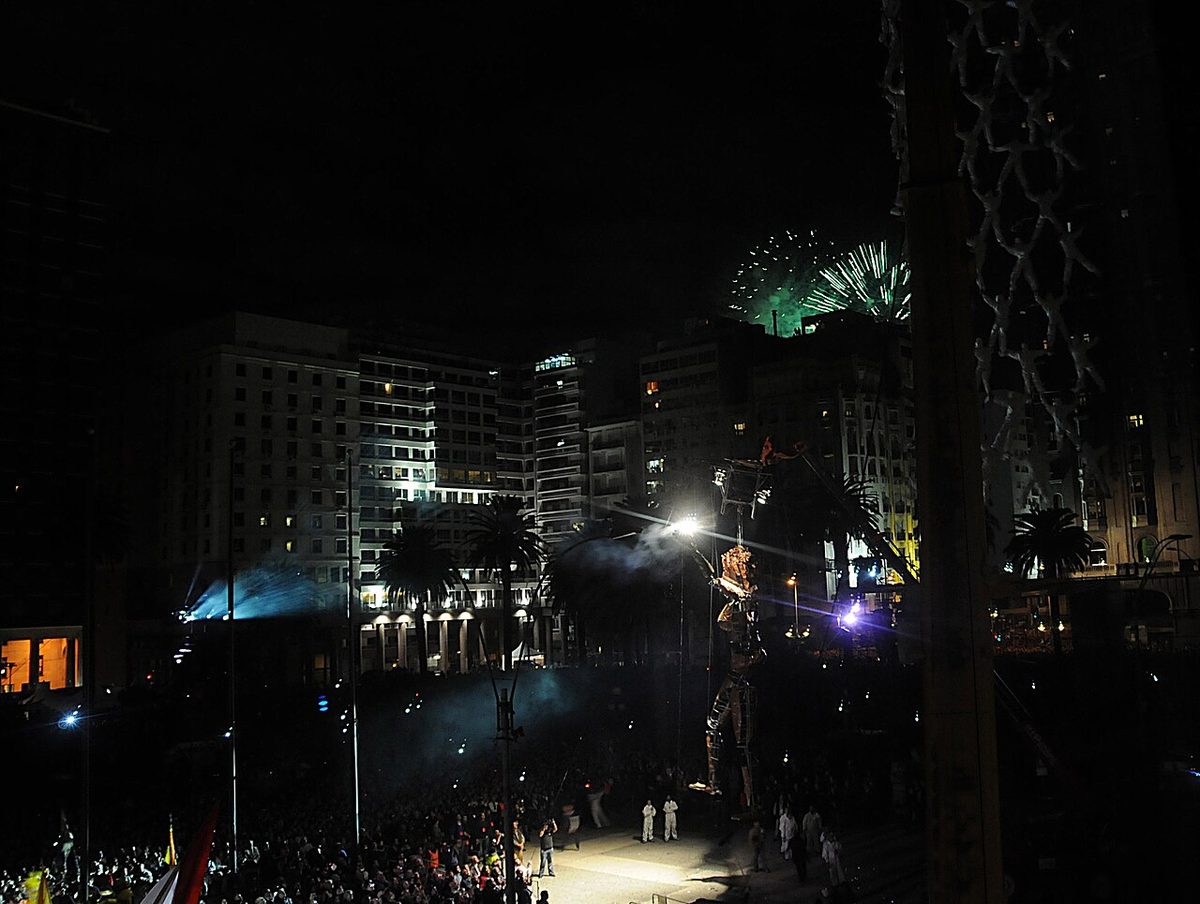
Uruguay Public Holidays 2026 (and What Actually Closes)
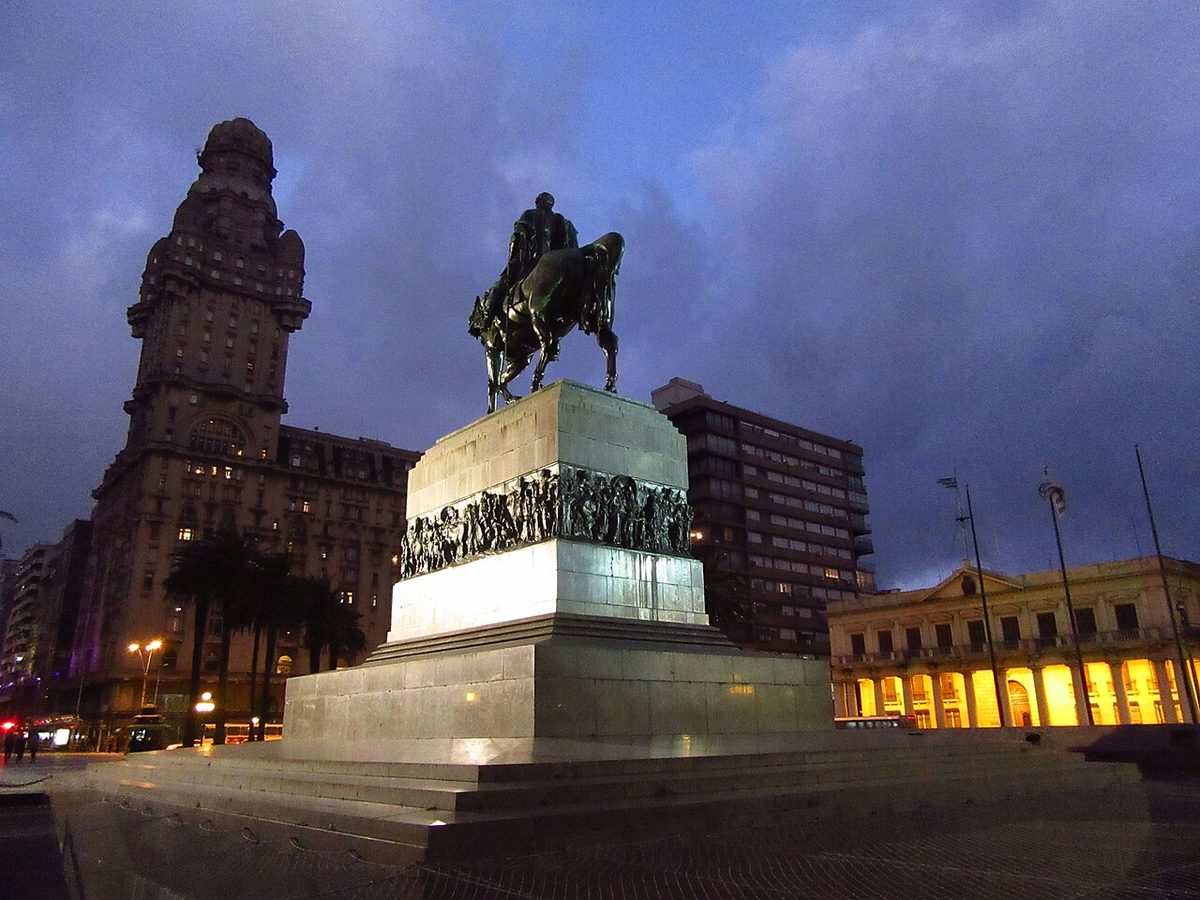
The first time I tried to change money in Montevideo on a public holiday, I walked a full loop around Plaza Independencia before a security guard outside a hotel took pity on me. “It’s feriado,” he said, the way you’d explain weather to a tourist. “Come back Thursday.” A feriado is simply a public holiday in Uruguay, and that one cost me a wasted morning and a worse exchange rate at the airport later.
That wasted morning taught me the most useful rule for traveling in Uruguay.
Uruguay public holidays fall into two legal categories. The five feriados no laborables (mandatory non-working days) shut banks, government and most shops nationwide. The roughly nine feriados laborables (working holidays) are commemorative but largely commercial as usual, and several of them move date each year. Knowing which is which is the whole game.
I’ve spent years crossing this country on and around these dates, getting it wrong often enough to finally get it right. This is the calendar I wish someone had handed me.
What this guide covers
Here’s the plan. First, a full at-a-glance table of every national holiday in 2026, with the exact date, what it commemorates, whether it’s laborable or no laborable, and what actually closes. Then the part most guides skip: the legal logic behind the two categories, why it matters to you as a visitor, and how the movable holidays shift around.
After that I go holiday by holiday with field notes, then a clear breakdown of what stays open (more than you’d think), and a practical section on planning a trip around these dates. I close with the questions travelers actually ask. If you only read one thing, read the table and the section right under it.
One honest caveat up front, because it’ll save you grief: the laborable/no-laborable split genuinely confuses people, and the two big movable blocks, Carnaval and Semana de Turismo (Tourism Week, Uruguay’s secular name for Holy Week), land on different dates every year. The dates below are correct for 2026. For any other year, verify before you book. I’ll show you exactly where.
Uruguay public holidays 2026: the full calendar at a glance
Every national holiday for 2026 is below. “No laborable” means a mandatory paid day off, so expect banks, government offices and most businesses closed. “Laborable” means a recognized holiday that is commercially a fairly normal day for shops and tourism, though banks and public offices may still close. Dates are drawn from Uruguayan press reporting on Ley 16.805 and cross-checked against international holiday calendars (sources at the end).
| Date (2026) | Holiday | Type | What actually closes |
|---|---|---|---|
| Thu 1 Jan | Año Nuevo (New Year’s Day) | No laborable | Almost everything. Banks, offices, most shops and restaurants shut, especially the morning. |
| Tue 6 Jan | Día de Reyes / Día de los Niños (Epiphany / Children’s Day) | Laborable | Little. Banks and public offices closed; shops, beaches and toy stores busy. |
| Mon 16 & Tue 17 Feb | Carnaval (Carnival Monday & Tuesday) | Laborable | Banks and offices closed; many businesses run reduced hours; nightlife and parades in full swing. |
| Mon 30 Mar – Sun 5 Apr | Semana de Turismo (Tourism Week / Holy Week) | Laborable (mixed) | Banks closed Mon–Wed; Maundy Thursday (2 Apr) & Good Friday (3 Apr) are national holidays. Coast packed, cities quiet. |
| Sun 19 Apr | Desembarco de los 33 Orientales (Landing of the 33 Patriots) | Laborable | Falls on a Sunday in 2026, so little practical change. |
| Fri 1 May | Día de los Trabajadores (Labour Day) | No laborable | Nearly everything. Even many supermarkets and restaurants close; union rallies downtown. |
| Mon 18 May | Batalla de Las Piedras (Battle of Las Piedras) | Laborable | Banks and public offices closed; shops mostly open. |
| Fri 19 Jun | Natalicio de Artigas (Artigas’ Birthday / “Never Again” Day) | Laborable | Banks and offices closed; commerce largely normal; civic ceremonies. |
| Sat 18 Jul | Jura de la Constitución (Constitution Day) | No laborable | A Saturday in 2026; banks/offices already closed, and the no-laborable status reinforces it. |
| Tue 25 Aug | Declaratoria de la Independencia (Independence Day) | No laborable | Almost everything closes. The biggest patriotic date of the year; parades and flags. |
| Mon 12 Oct | Día de la Raza (Day of the Americas / Cultural Diversity) | Laborable | Banks and offices closed; shops mostly open. |
| Mon 2 Nov | Día de los Difuntos (All Souls’ Day) | Laborable | Banks and offices closed; cemeteries busy; commerce largely normal. |
| Fri 25 Dec | Navidad / Día de la Familia (Christmas Day) | No laborable | Almost everything. The 24th evening is the main event; the 25th is quiet and shut. |
If your travel days touch any of the five bold rows, plan around them. If they touch the laborable dates, you’ll mostly be fine, with banks the main exception. The rest of this guide explains why, and where the traps hide.
The system that trips everyone up: laborable vs no laborable
Uruguay does something most countries don’t. It sorts its public holidays into two legal tiers under Ley 16.805 (as amended by Ley 17.414), and the tier changes what closes and even whether the date can move.
A feriado no laborable is a non-working holiday in the strict sense: a mandatory paid day of rest. There are only five of them, and they are the heavy hitters. On these days banks shut, government offices shut, and the great majority of private businesses shut too. These dates never move; January 1 is always January 1.
Then there is the gentler kind, the feriado laborable. The word “laborable” means “workable”, so the holiday is officially commemorated but normal work is permitted. Shops, restaurants and tourist services tend to operate, sometimes on lighter hours. The catch for a visitor is that banks and public offices often still close on these days, even though the shops are open. That gap, open stores but closed banks, is exactly what caught me out years ago.
So the practical translation is simple. No laborable means the country largely stops. Laborable means daily life mostly continues, but don’t count on a bank, a notary, a government counter, or sometimes a pharmacy off the duty rota.
Which holidays can move, and which can’t
Here’s the second layer, and it’s the one that makes year-to-year planning necessary. Some laborable holidays are trasladables, meaning they shift to create long weekends, while others are fixed in place.
The movable ones follow a rule: if the date falls on a Saturday, Sunday or Monday, it’s observed that same day; if it falls on Tuesday or Wednesday, it moves to the Monday before; and if it falls on Thursday or Friday, it moves to the Monday after. The effect is a tidy three-day weekend, which Uruguayans use to head for the coast or the campo.
But several holidays are explicitly exempt from moving. The law fixes Carnaval, Semana de Turismo, January 1, January 6, May 1, June 19, July 18, August 25, November 2 and December 25 to their exact dates. That’s why, in 2026, Día de la Raza and the Battle of Las Piedras simply sit on their Mondays (no move needed), while Artigas’ birthday on Friday June 19 stays put rather than jumping to the following Monday, because it’s on the fixed list.
If that feels fiddly, it is. The good news: you don’t need to compute it. You need the current year’s published list, which is what the table above gives you for 2026.
Holiday by holiday: what to actually expect
Dates on a table are one thing. What the day feels like on the ground is another. Here’s the field view, in calendar order.
Año Nuevo (1 January) and the Christmas pair
New Year’s Day is no laborable and very quiet. The action is the night before; January 1 itself is for sleeping in and the beach. Pair it with December 25, also no laborable, and you have the two deadest commercial days of the Uruguayan year. Supermarkets often close or run a half day, so stock up on the 31st and the 24th. I cover both in more detail in the guide to Christmas in Uruguay, including why the 24th evening matters more than the 25th.
Día de Reyes / Día de los Niños (6 January)
Epiphany doubles as Children’s Day here, the date many families exchange gifts. It’s laborable and fixed, so commerce hums along, toy shops especially. Banks and public offices close. For a traveler it barely registers except at the bank door.
Carnaval (Monday 16 and Tuesday 17 February 2026)
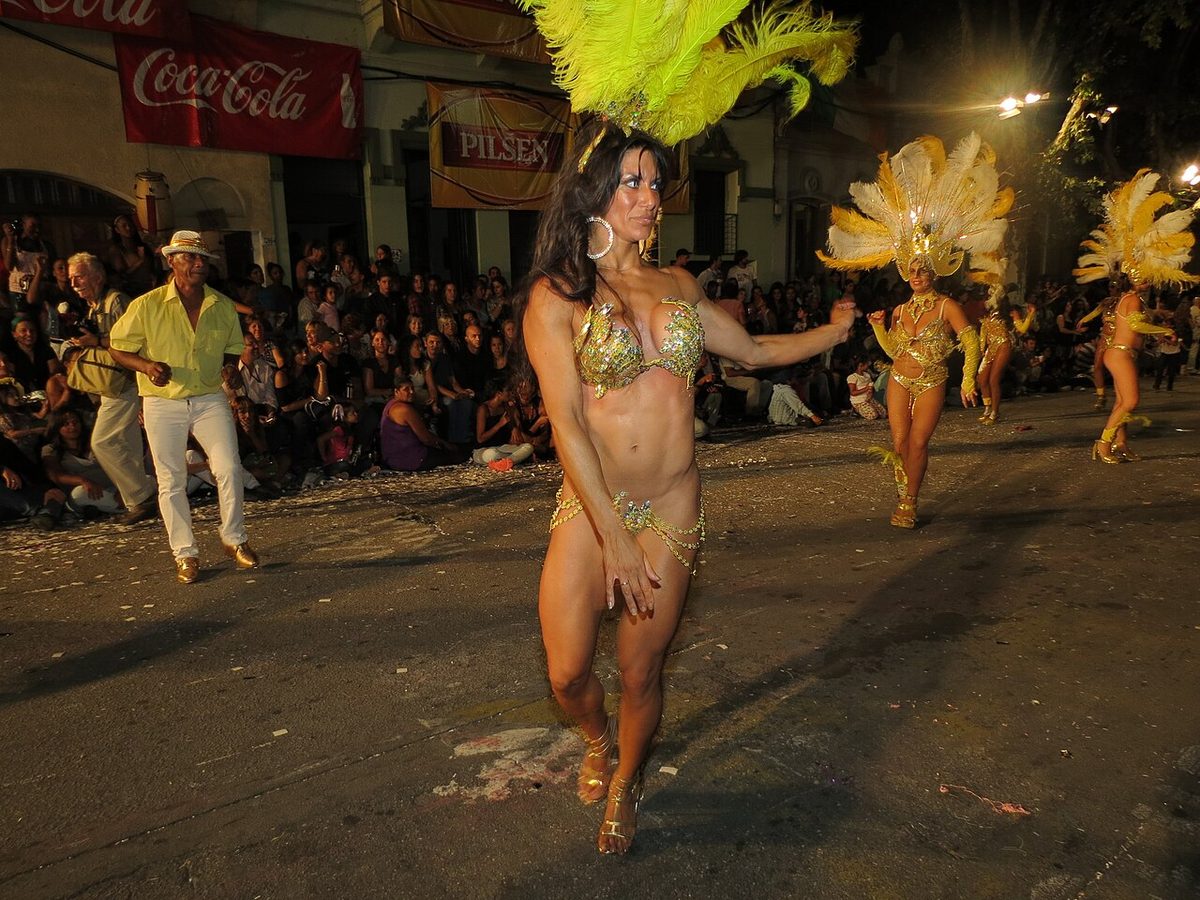
Carnaval is the longest carnival in the world by Uruguayan reckoning, stretching weeks, but the two official holidays are Carnival Monday and Tuesday. Both are laborable, so plenty stays open, though hours get erratic and some smaller businesses simply give up and join the party. Expect murga performances, the drumming of the Llamadas, and street energy late into the night. Banks close. I dig into the culture of it in the Uruguay culture guide.
One honest drawback: Montevideo over Carnaval is loud and bed prices climb, and because the dates move yearly (they track the pre-Lenten calendar), you must check the current year before booking. In 2026 it’s 16 to 17 February; in another year it could be a fortnight off.
Semana de Turismo (Monday 30 March to Sunday 5 April 2026)
This is the big one for movement, and the most misunderstood by outsiders. Semana de Turismo is Uruguay’s deliberately secular name for Holy Week, and the whole country reorganizes around it. The week’s holidays are laborable, but it’s a mixed bag: banks close Monday through Wednesday, while Maundy Thursday (2 April) and Good Friday (3 April) are observed as full national holidays.
What this means in practice: Uruguayans empty the cities and flood the coast and the interior. Montevideo goes calm and parking is easy; Punta del Este, the Atlantic beaches and the hot-springs towns on the Río Uruguay fill up. It is also the country’s biggest week for domestic asado gatherings. The date is fixed to the Easter calendar, so it moves every year, late March into April in 2026.
Desembarco de los 33 Orientales (19 April)
This honors the 1825 landing of the thirty-three patriots who launched the final push for independence. It’s laborable, and in 2026 it falls on a Sunday, so the practical impact is close to nil; a Sunday is already a Sunday. In other years, when it lands midweek, it can shift to a Monday and gift you a long weekend.
Día de los Trabajadores (1 May)
Labour Day is no laborable and, in my experience, the most thoroughly closed laborable-feeling day after Christmas. Even some supermarkets and corner shops that open on other holidays will shut. Downtown Montevideo hosts the big union rally near the start of Avenida 18 de Julio. If you need groceries, transport or a pharmacy, plan for it the day before.
Batalla de Las Piedras (18 May)
Commemorating Artigas’ 1811 victory, this one is laborable and, in 2026, conveniently on a Monday already, so no date juggling. Shops generally open; banks and offices close. A low-impact day for visitors.
Natalicio de Artigas (19 June)
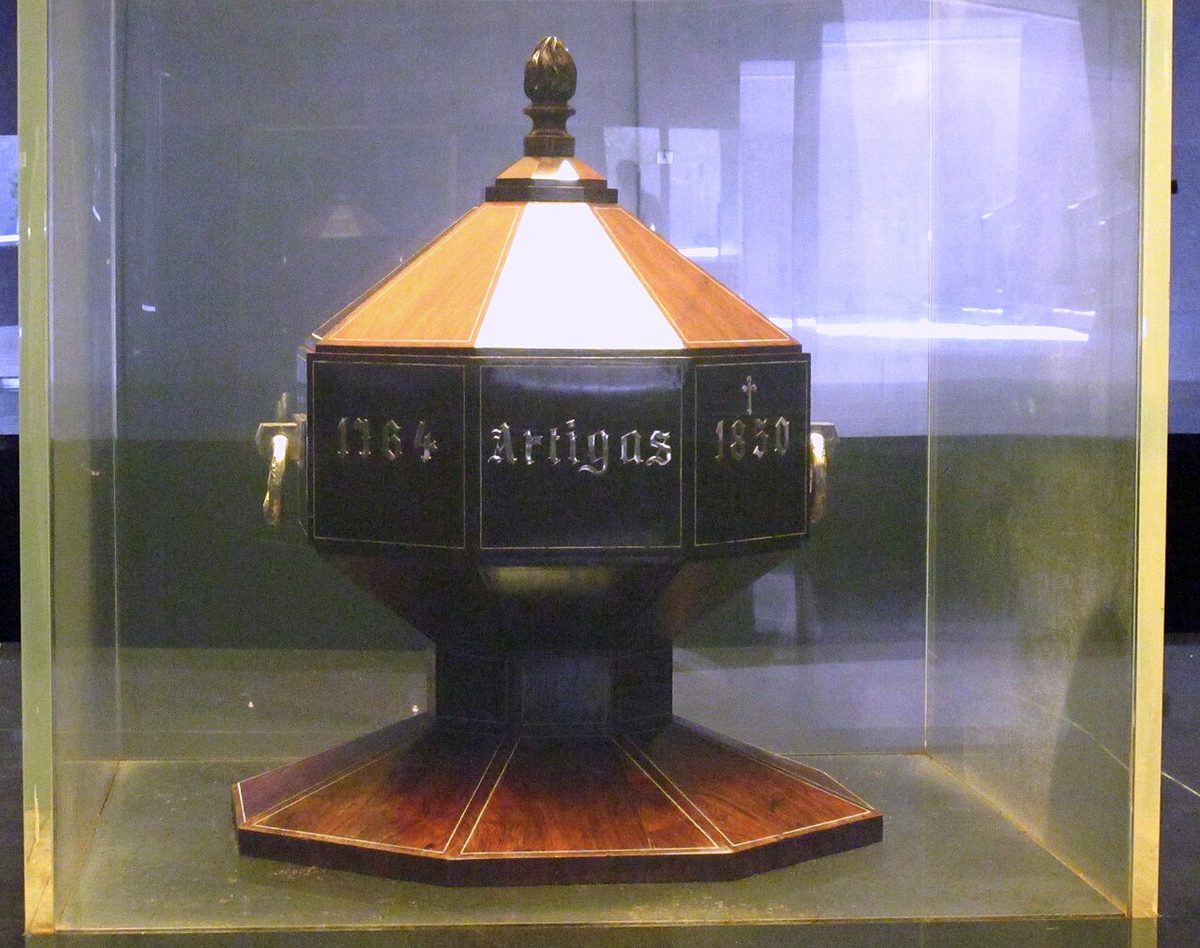
The birthday of José Gervasio Artigas, the national hero, also marked as “Nunca Más” (Never Again) Day in remembrance of the dictatorship era. It’s laborable and fixed to the date, so in 2026 it sits on Friday June 19 without sliding to Monday. Expect civic ceremonies and wreath-laying; commerce runs largely as normal.
Jura de la Constitución (18 July)
Constitution Day marks the swearing of Uruguay’s first constitution in 1830. It’s no laborable. In 2026 it lands on a Saturday, when banks and offices are closed anyway, so the no-laborable status mostly reinforces an already-quiet day rather than disrupting a working one.
Declaratoria de la Independencia (25 August)
This is the patriotic peak of the year, the 1825 declaration of independence. No laborable, and it shows: flags everywhere, military and school parades, and a genuinely closed country. In 2026 it falls on a Tuesday, so it does not create a long weekend on its own, but expect the Monday to feel slow as people stretch it. If you’re in Montevideo, the ceremonies are worth catching.
Día de la Raza (12 October)
The date Columbus reached the Americas, reframed in much of the region around cultural diversity. It’s laborable and trasladable, but in 2026 it already falls on a Monday, so it stays. Banks and offices close; shops mostly open. Minor impact for travelers beyond the bank.
Día de los Difuntos (2 November)
All Souls’ Day. Families visit cemeteries, which get busy and oddly beautiful with flowers. It’s laborable and fixed to the date, on a Monday in 2026. Commerce is largely normal; banks and government close.
Navidad / Día de la Familia (25 December)
Christmas, officially styled “Día de la Familia”. No laborable, and like New Year, the eve is the event: families gather the night of the 24th, with fireworks at midnight. The 25th is for recovery and a near-total commercial shutdown. Treat the 24th afternoon as your last chance to shop.
What actually stays open (it’s more than you fear)
The doom of a closed country is overstated, especially on laborable days. Here’s what I’ve reliably found open.
Supermarkets are the big reassurance. On most laborable holidays, the major chains and many neighborhood self-service shops open, often on slightly shortened hours. The exceptions are the no-laborable heavyweights: January 1, May 1 and December 25, when even big supermarkets frequently close or run a token morning. Check the door sign the day before.
Pharmacies never fully disappear. Uruguay runs a farmacia de turno system, a rotating duty roster so that at least one pharmacy per area stays open on holidays and overnight. The on-duty pharmacy is posted in pharmacy windows and in local listings, so even on a dead holiday you can get medicine. For weather-dependent packing that affects what you’ll need, the Uruguay weather guide is worth a look.
Summer coastal tourism barely pauses. From late December through February, the resort strip from Montevideo east to Punta del Este and beyond runs on holiday logic anyway. Beach kiosks, parrillas, ice-cream counters and balnearios stay open through the holidays because the holidays are their season. The quiet days are off-season weekdays, not summer feriados.
Restaurants, cafés and bars mostly trade on laborable holidays, and many open even on the big closed dates in tourist zones, because someone has to feed the visitors. Museums and government-run sites are the unreliable ones; assume they’re closed on any feriado unless you’ve confirmed otherwise.
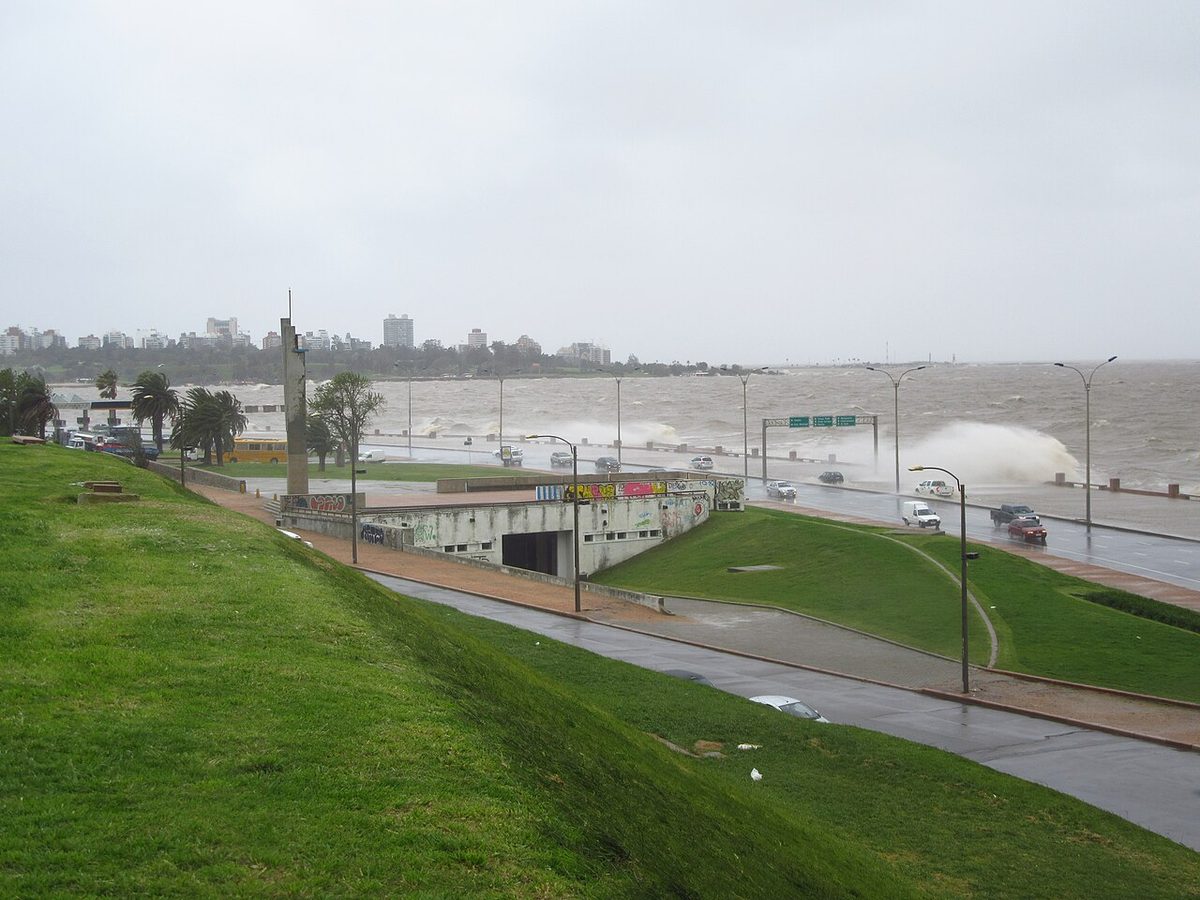
How the moving holidays shift each year
Carnaval and Semana de Turismo are the two blocks that force you to check the current year, so it’s worth understanding why. Both are tied to the pre-Easter calendar, which floats. Carnaval Monday and Tuesday fall right before Ash Wednesday; Semana de Turismo is the week leading into Easter Sunday. Because Easter moves, so do they.
In 2026 that puts Carnaval on 16 to 17 February and Semana de Turismo across 30 March to 5 April. A year earlier or later, both can slide by up to two or three weeks. The fixed no-laborable dates never move, and the trasladable ones follow the Monday rules, but these two religious-rooted blocks are the genuine wildcards.
My rule of thumb: lock down your travel month, then look up that specific year’s Carnaval and Semana de Turismo dates before you commit to coastal accommodation, because those are the weeks prices and crowds spike. The pillar guide to the best time to visit Uruguay maps these high-demand windows against weather and value.
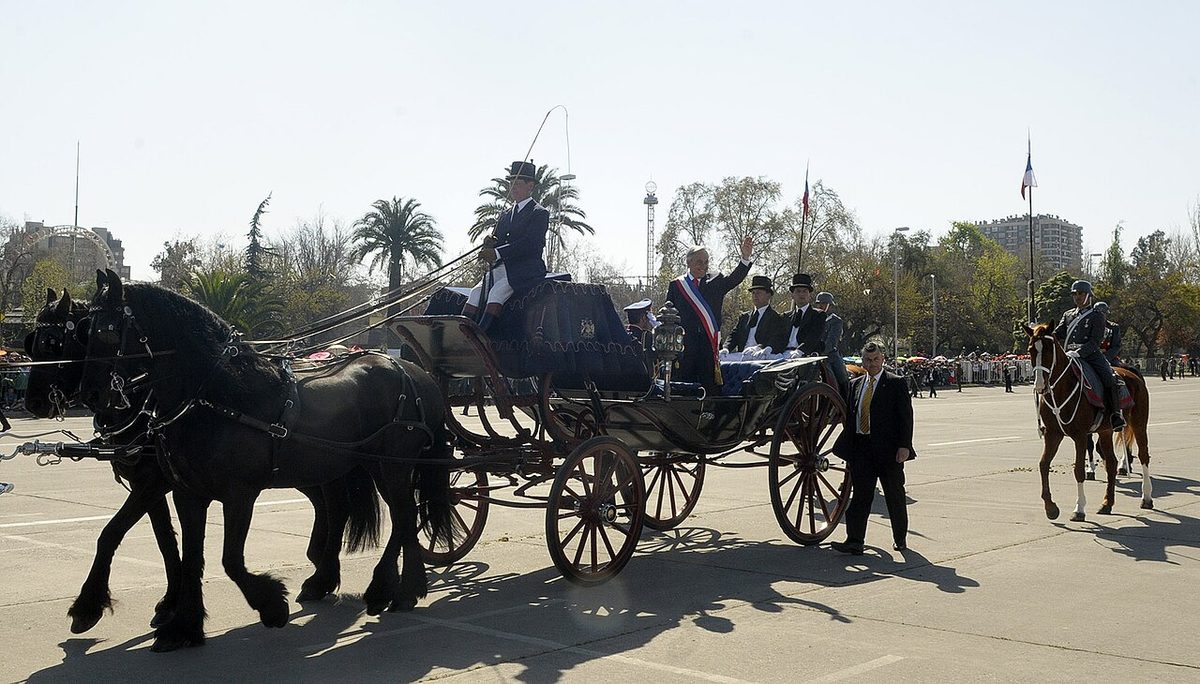
Planning your trip around Uruguay public holidays
You don’t need to avoid holidays. You need to know which kind you’re hitting and adjust a few small things. Here’s how I plan it.
Money first, because it’s the most common stumble. Banks and most exchange houses close on every feriado, laborable or not. Withdraw cash before a holiday stretch, especially before the no-laborable dates, and lean on cards and ATMs (which keep working) rather than counters. For arrival logistics and where the ATMs are, the getting to Uruguay guide is the companion piece.
Transport runs, but thinner. Intercity buses and the Buquebus ferries from Buenos Aires operate on holidays, yet on the big no-laborable dates and across Semana de Turismo, schedules thin out and seats sell out, because that’s when Uruguayans themselves travel. Book intercity and ferry tickets ahead for any holiday week. City buses in Montevideo typically run a Sunday-style reduced timetable on feriados.
Accommodation is the real budget lever. Carnaval and Semana de Turismo are peak domestic-travel weeks; coastal and hot-springs prices jump and availability tightens. If your dates are flexible, the week just before or after one of these blocks gives you the same weather for less. The Montevideo city guide and the broader things to do in Uruguay roundup help you decide where to base yourself when the coast is full.
Timing the experiences you came for matters too. Want to see Independence Day parades or the Carnaval Llamadas? Aim your dates at them. Want quiet beaches and easy restaurant tables? Avoid the no-laborable dates and the two movable blocks. For more of these small, practical calls, I keep a running list in the Uruguay travel tips guide.
One honest drawback of building a trip around the holiday calendar: the commemorative laborable days look like normal days in your photos but quietly close the services you forgot you needed, the bank, the post office, the government tourist desk. Always assume “open shops, closed institutions” on any feriado and you’ll rarely be caught out.
Uruguay public holidays: your questions answered
How many public holidays does Uruguay have?
Uruguay recognizes around 13 to 14 national holiday dates a year, split into two legal types. Five are feriados no laborables (mandatory non-working days that close banks, government and most business), and the rest are feriados laborables (commemorative working holidays where commerce mostly continues but banks often close). Carnaval counts as two days, which nudges the total.
What is the difference between feriado laborable and no laborable?
A feriado no laborable is a mandatory paid day of rest, so the country largely shuts: banks, offices and most shops close, and these dates never move. A feriado laborable is officially commemorated but work is allowed, so shops and tourist services usually open, though banks and public offices still tend to close. The split is set by Ley 16.805.
Are shops open on public holidays in Uruguay?
On laborable holidays, most shops and supermarkets open, often on shorter hours. On the five no-laborable dates, January 1, May 1, July 18, August 25 and December 25, expect widespread closures, including many supermarkets. Pharmacies stay reachable year-round through the rotating farmacia de turno duty system, and tourist-zone restaurants usually trade regardless.
When is Carnaval in Uruguay in 2026?
The two official Carnaval holidays in 2026 are Monday 16 and Tuesday 17 February. The wider Carnaval season runs for weeks around them with parades and murga, but those two dates are the public holidays. Because Carnaval tracks the pre-Lenten calendar, the dates move every year, so always confirm for your specific travel year.
When is Semana de Turismo (Holy Week) in Uruguay in 2026?
In 2026, Semana de Turismo runs Monday 30 March through Sunday 5 April. Banks close Monday to Wednesday, and Maundy Thursday (2 April) and Good Friday (3 April) are national holidays. It’s Uruguay’s biggest domestic travel week, so the coast and hot-springs towns fill up. The dates shift yearly with Easter.
Do banks close on Uruguayan public holidays?
Yes. Banks and most exchange houses close on every feriado, both laborable and no laborable, which is the detail that surprises visitors most. ATMs and card payments keep working, so withdraw cash before a holiday stretch and rely on plastic. Government offices and notaries close on the same days as banks.
Final thoughts
Once the two-tier logic clicks, Uruguay’s holidays stop being a hazard and start being useful. The five no-laborable dates tell you when to stock up and slow down; the laborable ones tell you when the shops are open but the bank isn’t; and Carnaval and Semana de Turismo tell you when the whole country is on the move and prices follow.
Get the current year’s dates, keep the table handy, and assume “open shops, closed institutions” whenever you see the word feriado. Do that and you’ll move through this small, well-organized country without ever circling an empty plaza looking for an open bank, the way I once did.
Credits & sources
Sources & further reading
- El Observador — Todos los feriados de 2026 en Uruguay (Ley 16.805 / 17.414)
- El Observador — Semana de Turismo 2026 dates and pay rules
- Office Holidays — National Holidays in Uruguay 2026
Photo credits
All images via Wikimedia Commons: Plaza Independencia Montevideo by Felipe Restrepo Acosta (CC BY-SA 4.0); Uruguay Flag Artigas Mausoleum by Elemaki (CC BY 3.0); Carnaval Llamadas Montevideo by Carnaval.com Studios (CC BY 2.0); Montevideo Rambla Quiet Street by Felipe Restrepo Acosta (CC BY-SA 4.0); Uruguay Military Parade Montevideo by Gobierno de Chile (CC BY 2.0).