Visiting Bodega Garzon: Tours, Tastings & Mallmann Lunches (2026)
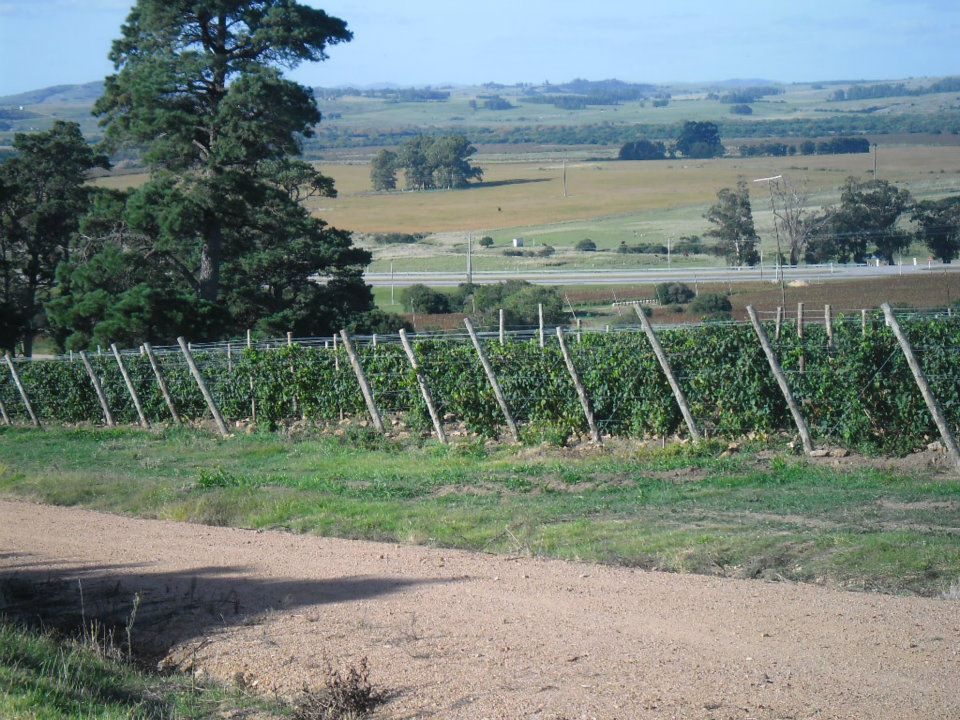
Driving inland from José Ignacio, the beach houses thin out, the tarmac gives way to ripio (gravel road), and then a low wall of pale stone rises out of the hills like something that grew there. That is the first sight of Bodega Garzon, and it does not look like any winery I had visited in Uruguay before. It looks like an airport for wine.
I have been out to Garzón three times now: once for a quick tasting, once for the full tour, and once to eat a long, smoky lunch I am still thinking about. It is the most polished wine experience in the country, and also the one travelers ask me about most. So here is the honest version.
Bodega Garzon is a large, modern winery in the hills near Garzón village in Maldonado, about a 45-minute drive inland from Punta del Este. It offers guided tours, wine and olive-oil tastings, and an open-fire restaurant overseen by chef Francis Mallmann. In late 2025 it was ranked the fourth-best vineyard in the world, the only South American winery in the top five.
This guide is a single-winery deep dive: where Garzón is and how the estate came to be, the tours and tastings on offer, the famous Mallmann lunch, what it all costs, how to get there, and where to stay nearby. For the bigger picture of the country’s wine scene, I link out to our guide to Uruguay’s wine country and best wineries throughout. If you only have time for one winery on your trip, this is the one most people pick. If you’re based in the capital instead, our guide to wineries near Montevideo covers the Canelones bodegas 15 to 60 minutes from the city.
| Detail | What to know |
|---|---|
| Where | Ruta 9, Km 175, near Garzón village, Maldonado |
| From Punta del Este | ~45 min by car (via José Ignacio); ~110 km / 2 hrs from Montevideo |
| Owner | Alejandro Bulgheroni (Argentine energy magnate) & family |
| Opened | 2016 (vineyards planted from 2008) |
| Size | ~240 ha of vines, 1,300+ plots, on a ~2,200 ha estate |
| Known for | Tannat, Albariño, Marselan; Colinas de Garzón olive oil |
| Accolade | World’s Best Vineyards: #4 (2025); LEED-certified |
| Tasting cost | Around US$45–65 per person (last I checked, 2025) |
| Mallmann lunch | Approx. $U4,300 (Garzón menu) / $U5,500 (Fires menu) per person |
| Open | Daily in high season (Nov–Easter); Wed–Sun off-season. Book ahead. |
| Best for | Couples, design lovers, a special-occasion lunch |
The Bulgheroni story: how an oil fortune became a vineyard
To understand Garzón, you have to understand its owner. Alejandro Bulgheroni is an Argentine billionaire who made his fortune in oil and gas, and Bodega Garzón is what happens when that kind of money meets a genuine obsession with wine. He and his wife Bettina fell for these granite hills and decided to build, in their words, an “emblematic” winery on Uruguay’s Atlantic coast.
They did not do it small. The estate runs to roughly 2,200 hectares, with around 240 hectares under vine split into more than 1,300 individual plots. Each plot was mapped for its slope, sun, soil and humidity, so a single hillside might be carved into dozens of micro-parcels. The first vines went in around 2008; the winery itself opened in 2016.
Winemaking is guided by the Italian consultant Alberto Antonini, one of the world’s best-known “flying winemakers,” with Uruguayan Germán Bruzzone as head winemaker. Antonini likes to say the rolling country here reminds him of Tuscany, and once you are standing among the vines, looking at the bald green hills, you see his point. The soils are the real story: weathered granite the locals call ballast, among the oldest rock on the planet, which drains hard and pushes the vines deep.
That granite shapes the wine. Garzón built its reputation on Tannat, Uruguay’s signature bold red grape, but it has become just as known for crisp coastal Albariño and a plummy red called Marselan. The icon bottle, Balasto, was the first Uruguayan wine ever sold through the Place de Bordeaux trading system, which tells you the level it is aiming at.
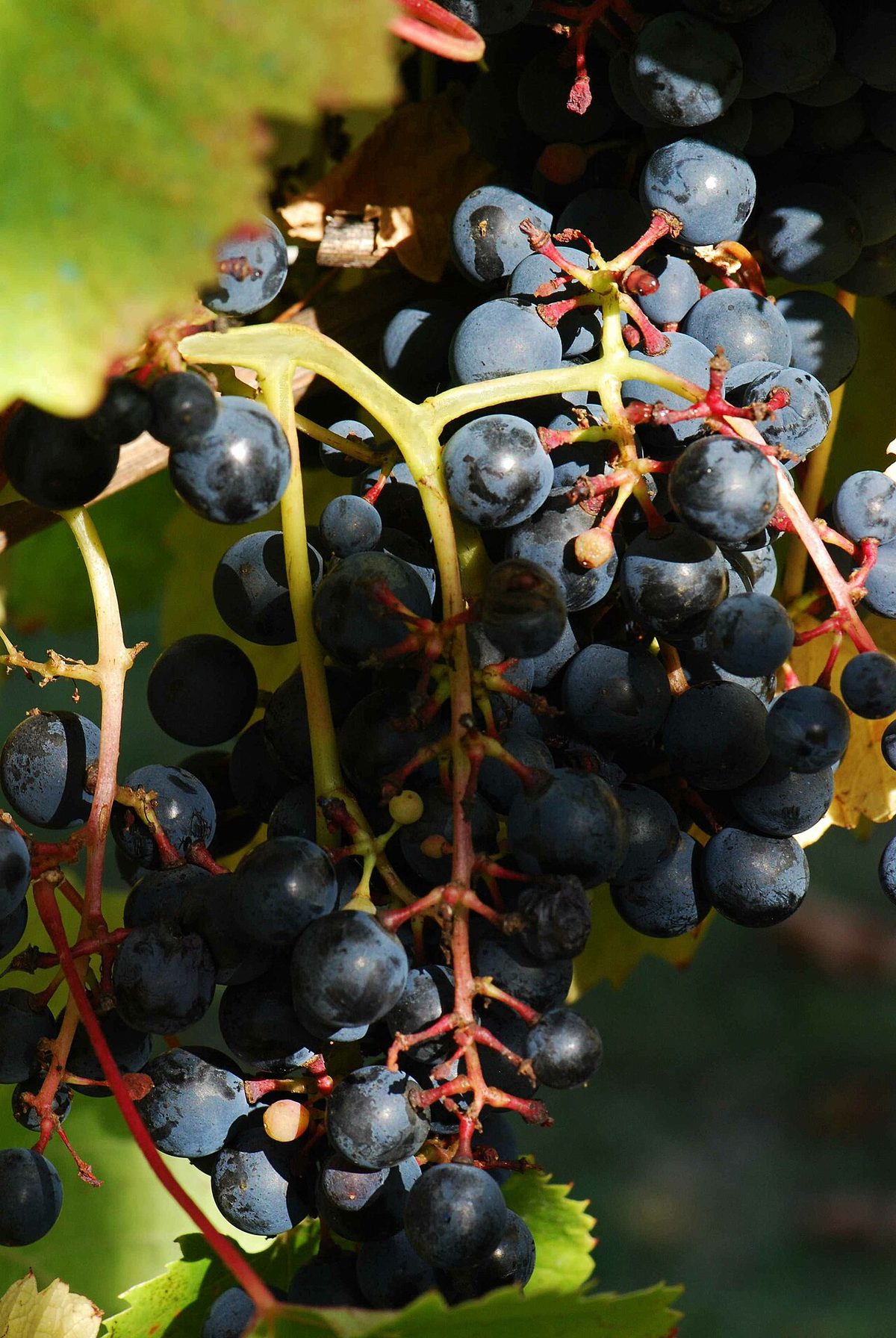
Knowing the range before you taste helps, because the tour you book often decides which wines you get poured. The entry-level Estate wines are easy, fruity blends; the Reserva line is where the varietal character (that vivid Tannat, the saline Albariño) really shows; and above that sit the Single Vineyard, Petit Clos and Balasto bottlings, made from the best plots and priced accordingly. There are also two sparkling wines and a sweet, late-harvest Petit Manseng if you want to taste outside the obvious. On a vineyard loop you will see how the plots change character across a single slope, which is the whole point of all that mapping.
Architecture, sustainability and why Bodega Garzon keeps winning awards
The building is the thing most first-time visitors react to. It is big, low and severe, terraced into the hillside in pale concrete and glass, and it works by gravity: grapes come in at the top and the wine moves down through the building by its own weight rather than being pumped. One reviewer I read described it as brutalist, which is fair, and another called it “an airport,” which is also fair. If you love smooth, modern design, you will love it. If you came hoping for a creaky old cellar with cobwebs, you will not find that here.
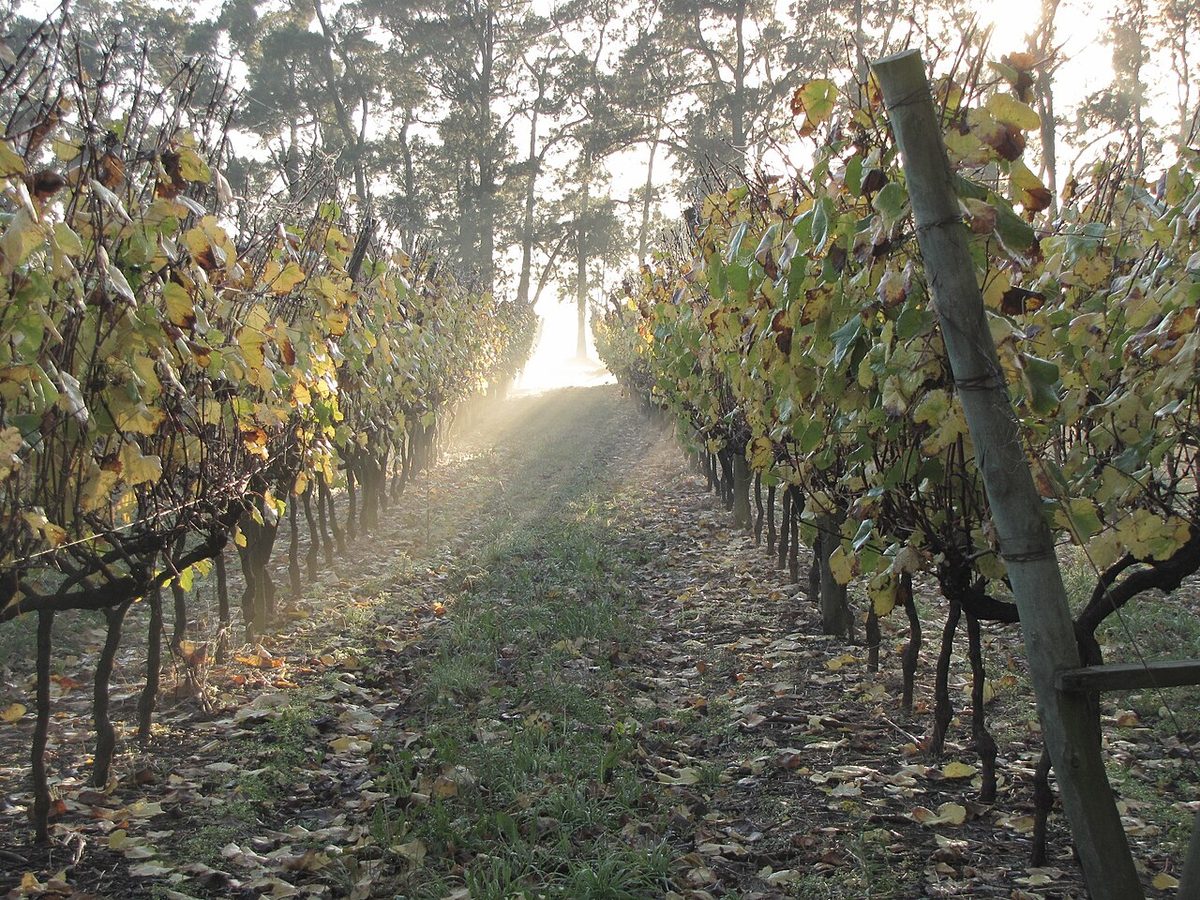
Underneath, the architects left the bare granite bedrock exposed in the barrel cellar, so the oldest part of the place is literally the rock the building sits on. Green roofs planted with native vegetation insulate the structure, rainwater is harvested and reused, and the whole site was designed around the native sub-tropical forest rather than bulldozing it.
All of that earned Garzón a genuine distinction: in 2019 it became, by its own account, the first winery in the world to have its entire set of facilities certified under LEED (the international green-building standard), not just the production hall but the hospitality and office areas too. Add Wine Enthusiast’s New World Winery of the Year (2018) and a long run inside the World’s Best Vineyards list, peaking at number four in 2025, and you have the most decorated winery in the country by a distance. It is, reliably, the only Uruguayan name on those global lists.
Tours and tastings: what you can actually book
Garzón runs a menu of experiences rather than one set tour, and the names change a little year to year, so always check the website before you go. When I last looked, the line-up ran roughly like this, from simplest to most involved.
The classic tasting and tour
The bread-and-butter option is a guided walk through the winery and a seated tasting in the bright tasting room, usually built around the Reserva range (Tannat, Albariño, Marselan and friends). A step up, the Single Vineyard tour adds a loop out into the vineyard and the nature reserve before you taste. Both run a couple of hours and include a vineyard buggy ride. Budget around US$45 to US$65 a head for the tasting experiences, more for the premium tiers.
For wine geeks there is a Premium Experience that takes you into the “hidden corners” of the place and pours the icon wines, and a hands-on Cooking Class where you learn the open-fire technique with the kitchen team and then sit down to a four-course lunch. There are also gentler add-ons: a picnic basket out among the vines, and a guided hike through the reserve. Couples on a Uruguay honeymoon tend to go for the picnic or the lunch rather than the technical tour.
Don’t skip the olive oil
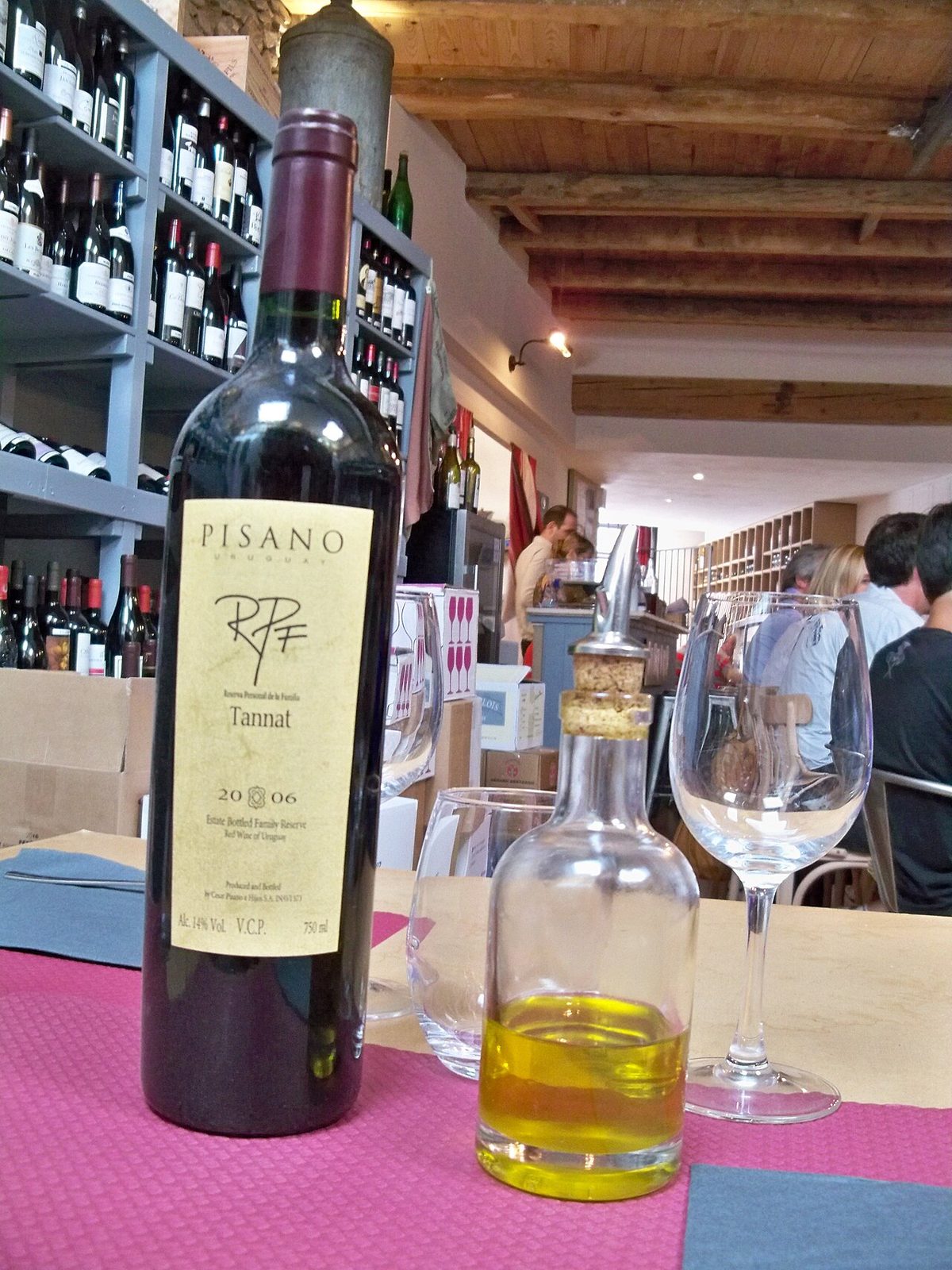
Here is the thing people miss: Garzón makes olive oil as well as wine, and it is very good. The Colinas de Garzón label is the most-awarded olive oil in Uruguay, with hundreds of international medals, and several tasting experiences let you sample the oils alongside the wines. If you have only ever done wine tastings, an olive-oil tasting, learning to tell a peppery early-harvest oil from a mellow one, is a genuinely fun change of pace. The estate grows olives and almonds between the vines, so the oil is not a gift-shop afterthought; it is part of the same farm.
The Mallmann lunch, the real draw
For a lot of visitors the wine is almost the supporting act, and lunch is the headliner. The 120-seat restaurant is overseen by Francis Mallmann, the Argentine chef who turned cooking over open flames into an art form and whom you may know from Chef’s Table. He is the “ambassador and culinary director” here, which is the honest way of saying he designed the fire-cooking style and the menu rather than standing at the grill himself day to day; the kitchen is run by chef Nicolás Acosta.
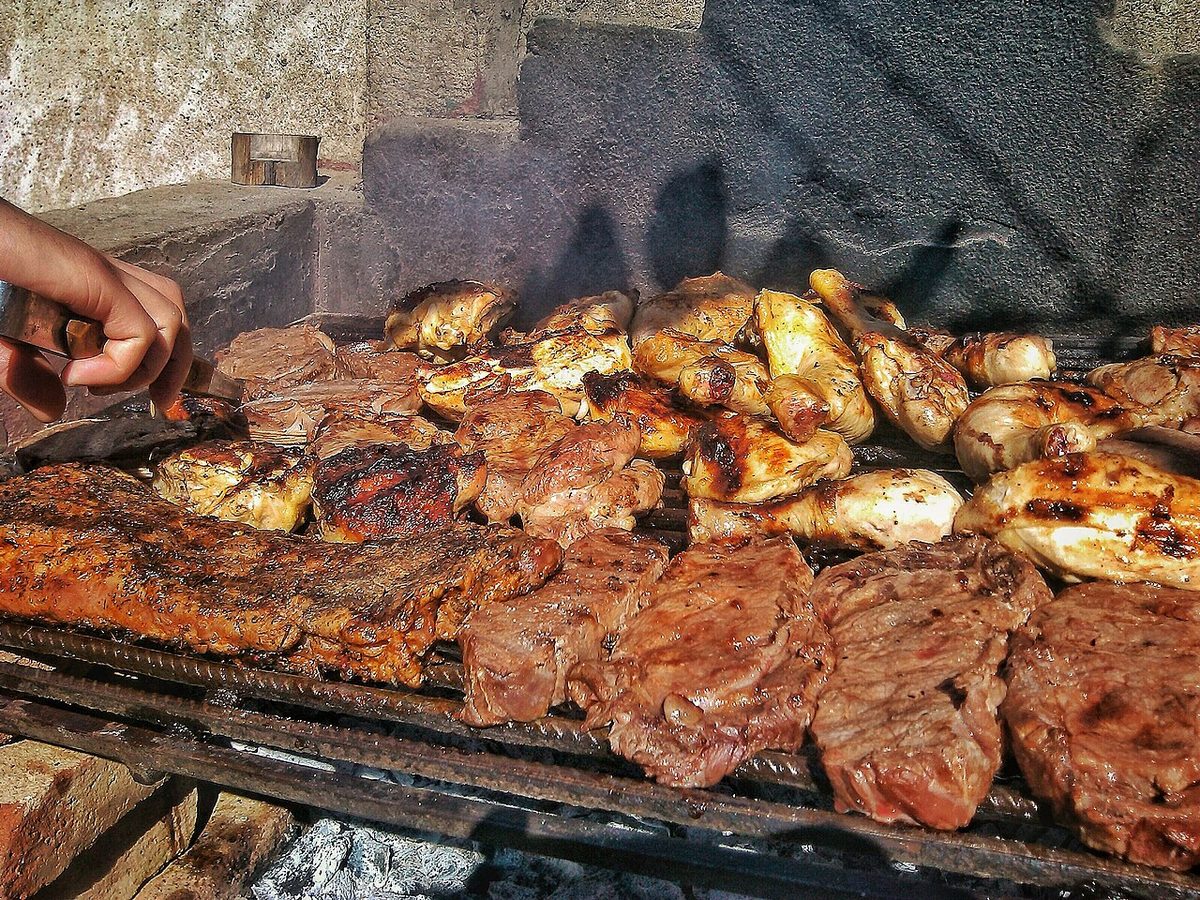
What lands on the table is unmistakably his, though: whole cuts cooked slowly over wood and embers, grilled vegetables and fruit, that faint sweet smoke on everything. You choose between the Garzón menu and the longer Fires (Fuegos) menu, and you eat it on a terrace looking straight down the valley over the vines. Pair it with the estate’s own Tannat or the Pinot Noir rosé and you have one of the best meals in the country. If you care about Uruguay’s fire-and-beef cooking tradition, this is its luxury expression.
The honest drawback: it’s polished, and priced like it
Now for the part the booking sites won’t tell you. Garzón is a corporate, beautifully run operation, and it can feel that way. This is not a rustic family bodega where the owner’s grandfather pours you a glass and tells you stories; it is a billionaire’s showpiece, and a few visitors come away feeling the experience is more about the architecture and the Instagram shot than warmth.
I have read (and partly share) three recurring gripes. Tour groups can balloon to 30 people in peak season, which makes it hard to hear the guide and easy to feel processed. The standard tour itself can be quick and a touch shallow on the winemaking detail if your guide is rushing. And the prices are firmly in special-occasion territory; a $45 tasting that ends with you handing back the glass, or a Mallmann lunch where the portions feel modest for the money, can sting if you were expecting generosity. One more practical note: the building has a lot of stairs, and accessibility is patchy, so flag any mobility needs when you book.
None of that means skip it. It means go in with the right expectations: you are paying for design, setting, a serious wine list and a special meal, not for a homespun afternoon. For that homespun afternoon, smaller wineries do it better, and I point you to a few in the main Uruguay wine guide.
How to book, when to go and what it costs
Book ahead, always. You cannot reliably just turn up, especially for lunch or in summer; reserve your tour or table online or by email, ideally a few days out (the restaurant asks for at least 24 hours and takes a card to hold the booking). Tour and lunch slots are limited and the popular times fill.
Seasons matter. High season runs from roughly November to Easter, when the winery is open daily and the village around it is at its liveliest; the rest of the year it typically opens Wednesday to Sunday, so an off-season Monday trip can find the gates shut. Hours are usually late morning into the evening, but they shift seasonally, so confirm.
On money: a wine tasting runs around US$45 to US$65 a head; the restaurant’s set menus were about $U4,300 (Garzón) and $U5,500 (Fires) per person last I checked, which lands somewhere around US$100-plus once you add wine. If you book a packaged day-trip from Punta del Este with a private transfer, expect to pay from roughly US$200 for the visit and well over US$400 for a version with the full lunch. Garzón is firmly at the upper end of what things cost in Uruguay, so I would treat it as the one big-ticket day of a trip, not an everyday outing.
Some logistics that save hassle: most experiences are offered in English as well as Spanish and Portuguese, but guides and group sizes vary, so if you want a smaller or English-only group it is worth asking when you book. Allow more time than the slot suggests; between the buggy ride, the tasting and a wander around the cellar, even the “quick” visit eats up a couple of hours, and you will not want to rush lunch. And bring something warmer than you think for an evening table, because the wind comes off the hills and the terraces can turn cool once the sun drops.
Getting to Bodega Garzón
A rental car is by far the best way to do this, and it is the option I would push you toward. Garzón sits inland off Ruta 9, and having your own wheels means you can take the long way back along the coast and stop where you like. If you are weighing it up, our guide to renting a car and driving in Uruguay covers the tolls and quirks.
From Punta del Este or José Ignacio, it is about a 45-minute drive: head east toward José Ignacio, and from the village roundabout follow signs inland to Ruta 9, then cross the highway onto Camino Arco del Sol and follow the signage to the winery. The last stretch is gravel but perfectly fine in a normal car; just go slow. From Montevideo it is closer to two hours via the Interbalnearia and Ruta 9.
No car? You have two options. Plenty of operators in Punta del Este sell Garzón day tours with a driver and sometimes lunch built in, which is the easy (if pricier) route. Or you can arrange a private transfer or taxi for the day. I would not try to do it by public bus; the winery is well off the main road and you would be stranded without a way back.
Where to stay near Garzón
You can easily visit Garzón as a day trip from the coast and most people do. The closest beach bases are Punta del Este and José Ignacio, both under an hour away; for the full rundown of areas and hotels, see where to stay in Punta del Este, and for the laid-back arty strip just east, La Barra.
If you want to stay out in the hills and lean into the slow, inland mood, the village itself has Hotel Garzón, the five-room boutique that Francis Mallmann opened back in 2003 and which put the place on the map; it is gorgeous and expensive, from around US$870 a night when I last checked. Nearby Sacromonte, a design hotel with huge views over the rolling country, is another splurge in the same orbit. Either makes a romantic over-the-top base, and both pair naturally with a long lunch at the winery and a sunset run over to Casapueblo on the coast.
Bodega Garzón: your questions answered
How much does it cost to visit Bodega Garzón?
A guided wine tasting and tour costs around US$45 to US$65 per person, depending on the experience you pick (premium tiers cost more). The Mallmann restaurant’s set menus run roughly $U4,300 to $U5,500 a head, before wine. Packaged day tours from Punta del Este with a private transfer start around US$200 and climb past US$400 when lunch is included.
Do you need a reservation for Bodega Garzón?
Yes, book ahead. Tours and especially the restaurant should be reserved online or by email before you arrive, ideally a few days out in summer. The restaurant asks for at least 24 hours’ notice and holds the booking with a credit card. Walk-ins are not reliable, particularly in high season when slots sell out.
How far is Bodega Garzón from Punta del Este?
It is about a 45-minute drive, roughly 60 km, inland off Ruta 9 near Garzón village. The easiest route runs east through José Ignacio, then inland to Ruta 9 and along Camino Arco del Sol to the winery. From Montevideo it is closer to two hours. A rental car is the most flexible way to get there.
Does Francis Mallmann cook at Bodega Garzón?
Not in person, day to day. Mallmann is the restaurant’s ambassador and culinary director: he designed the open-fire cooking style and the menus, and the kitchen is run by a resident head chef. The food is built on his fire technique and is excellent, but do not expect to see him at the grill on a normal visit. He does appear at special events at the estate.
Is Bodega Garzón worth visiting?
For most travelers, yes, especially as a special-occasion lunch with a stunning setting and a top-tier wine list. Just go in knowing it is a polished, pricey, corporate winery rather than a rustic family one. If you want intimacy and a hands-on host, pair it with a smaller bodega elsewhere on your trip; if you want design, scenery and a great meal, Garzón delivers.
What wine is Bodega Garzón known for?
Tannat above all, the bold red Uruguay is famous for, plus crisp coastal Albariño and a juicy red called Marselan. Its flagship blend, Balasto, is one of Uruguay’s most prestigious wines. The estate also makes acclaimed Colinas de Garzón olive oil, which you can taste alongside the wines on several of the experiences.
Final thoughts
Garzón is not the most soulful winery in Uruguay, and I would never tell you it is. What it is, is the most accomplished: a serious estate making serious wine in a building that genuinely belongs on a world list, with a Mallmann lunch that can be the best meal of your trip. Treat it as the showpiece day, book early, bring a healthy budget, and let the smaller, scruffier bodegas give you the homespun afternoons.
Pair it with a couple of days on the coast and a slow drive home, and you will understand why this corner of Maldonado has become Uruguay’s hottest wine country. Then go read the full Uruguay wine guide and start planning the rest of the route.
Credits & sources
Sources & further reading
- Bodega Garzón official site — experiences, restaurant and visiting info
- The World’s 50 Best Vineyards 2025 (Garzón ranked #4)
- South America Wine Guide — Garzón winery profile
Photo credits
All images via Wikimedia Commons: Uruguay Wine Country Vineyard Hills by Emagp03 (CC BY-SA 4.0); Uruguay Tannat Grapes by Pancrat (CC BY-SA 3.0); Uruguay Vineyard Autumn Rows by Viñavarelazarranz (CC BY-SA 3.0); Uruguay Winery Tasting by Véronique PAGNIER (CC BY-SA 3.0); Uruguay Open Fire Asado by mariela morales (CC BY 2.0).