Carmelo: Uruguay’s Slow-Living Wine Town (2026)
The ferry from the Tigre delta dropped me at a wooden jetty as the light went gold, and a man by a dusty car drove me to a vineyard where dinner took three hours and nobody once looked at a watch. That is the whole pitch. You come here to do less.
I had put this trip off for years, assuming a wine town two hours from Buenos Aires by boat would be busier and glossier. It is none of those things, which is exactly why I keep going back.
Carmelo Uruguay is a sleepy river-and-wine town of about 20,000 people in the Colonia department, on the Río de la Plata where the Uruguay and Paraná rivers meet. People call it “the Uruguayan Tuscany” for its flat green vineyards, family bodegas and unhurried pace; you visit for boutique wineries like Narbona, sandy river beaches, a famous swing bridge, and the rare luxury of having nothing you must do.
This guide covers the town’s vibe and whether the Tuscany comparison holds up, the wineries worth your afternoon, what to do beyond wine, where to stay across budgets, how to actually get here (the part most people get wrong), the best time to visit, and one honest drawback you should plan around before you book.
| For the planner | Carmelo at a glance |
|---|---|
| Where it is | Western Colonia department, on the Río de la Plata / Arroyo de las Vueltas |
| Known for | Boutique family wineries, Tannat, slow living, the swing bridge |
| Wineries | 7 on the official Carmelo Wine Route, all within ~16 km |
| From Buenos Aires | ~2 hr direct ferry from Tigre, or ferry to Colonia + 1 hr drive |
| From Colonia del Sacramento | ~1 hr by car (frequent buses) |
| From Montevideo | ~3 hr / 240 km by car |
| How long to stay | 2-4 nights; a weekend is the minimum that makes sense |
| Best time | Spring (Oct-Dec) and autumn (Mar-May); weekdays are quietest |
| The catch | Very quiet, zero-tolerance drink-driving, you need a car or a plan |
The vibe: does “Uruguayan Tuscany” actually hold up?
Here is the honest version. Carmelo is not Tuscany. There are no hilltop villages, no Renaissance churches, no rolling cypress ridgelines. The land is flat, the streets are sandy, and the “famous” sights you could see in an afternoon.
And yet the comparison earns its keep, because Tuscany was never really about the scenery. It is about a way of eating and drinking and wasting daylight that the modern world has mostly forgotten how to do. Carmelo has that in spades.
Picture squat bushes of lavender and rosemary, brown dirt roads, a hundred-year-old general store at a crossroads, and a few old guys chatting in the morning sun. The winegrowers here are the great-grandchildren of Italian and Basque immigrants. Several still hand-bottle a few thousand bottles a year and sell them to you personally, across a counter, with a story attached.
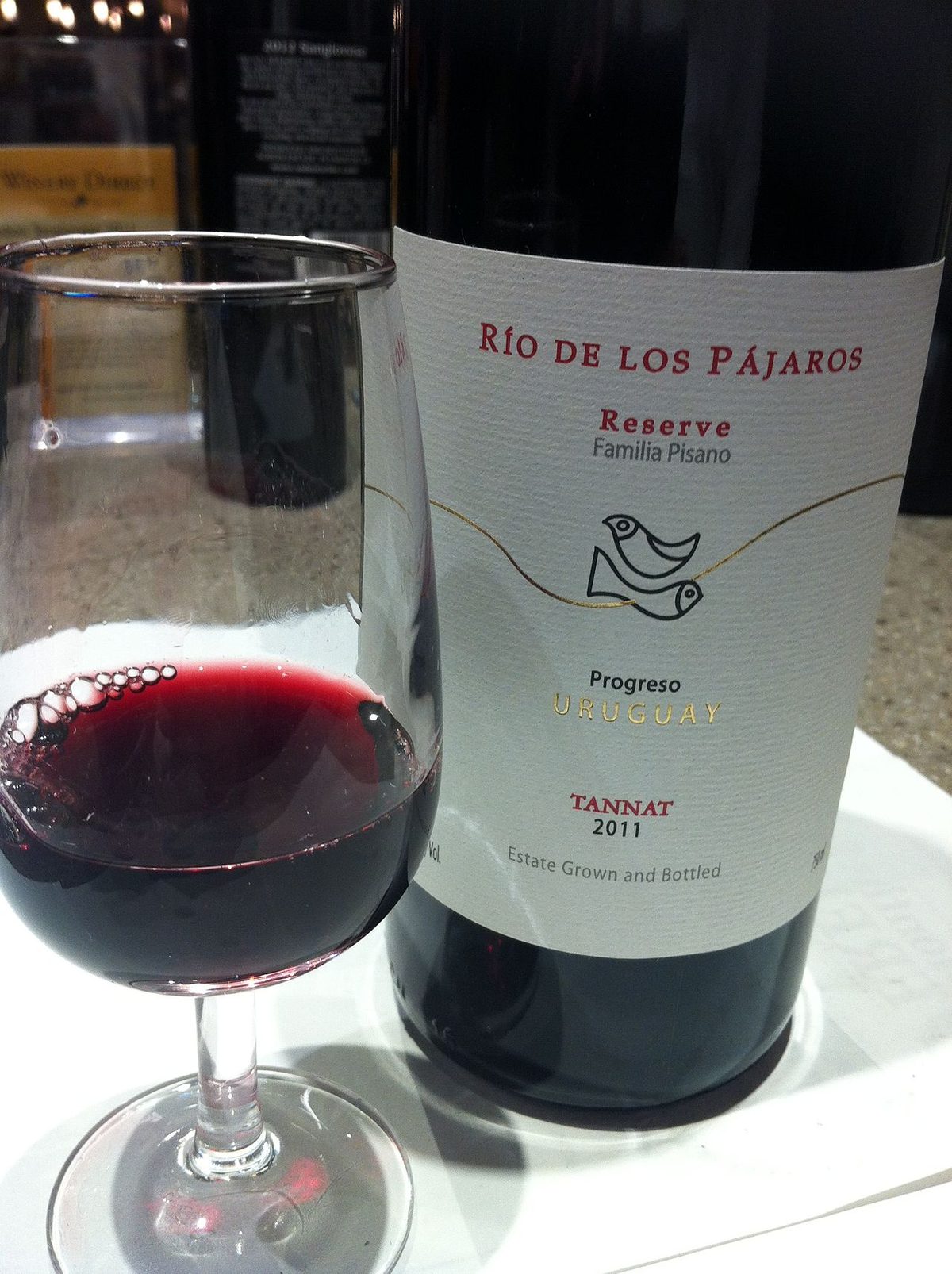
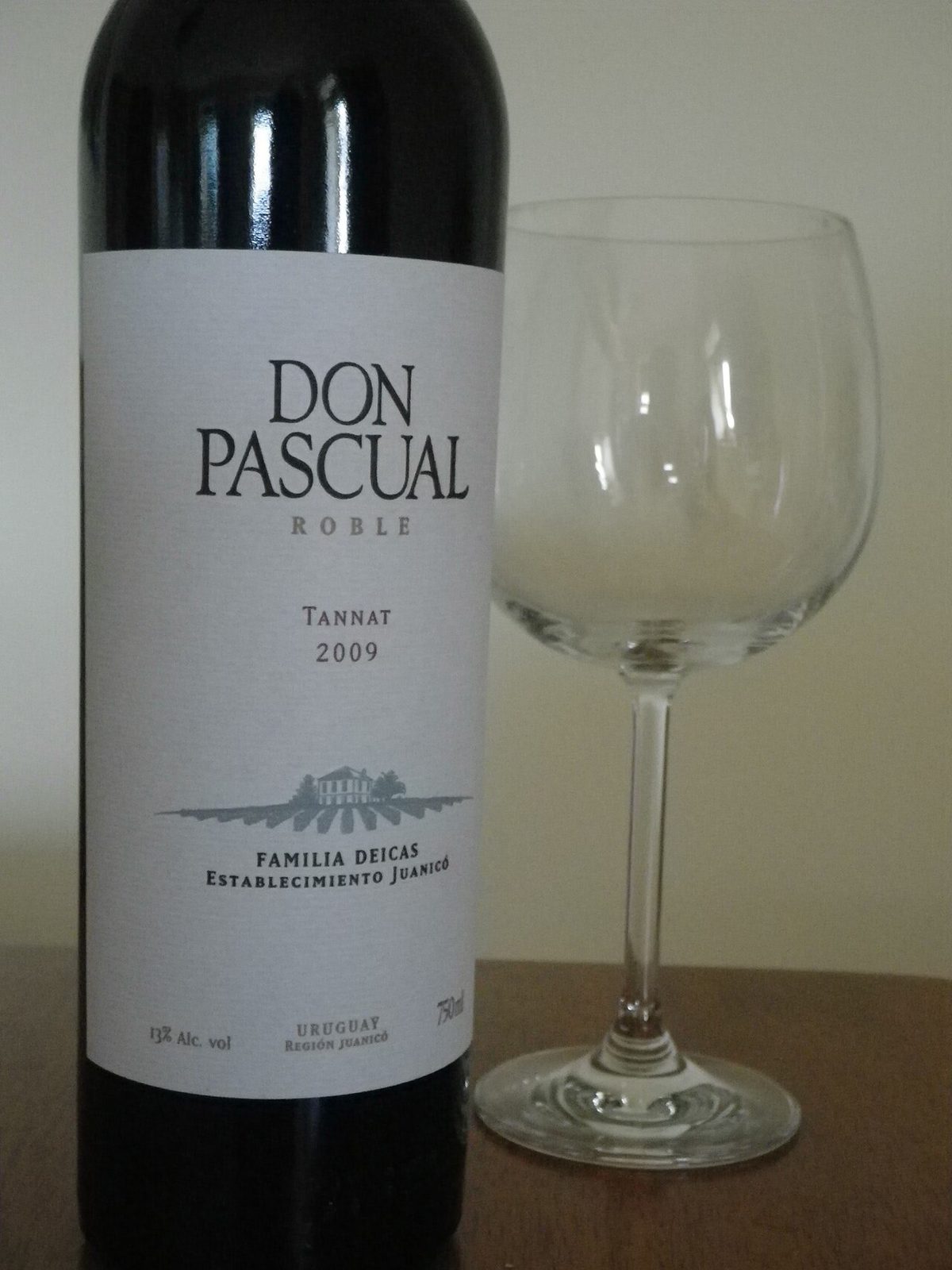
The pace is the point. A “quick” lunch is a three-hour asado (that is the open-fire barbecue that runs the social calendar of this country) with at least one bottle of tannat (Uruguay’s signature red grape, inky and tannic) and a long stretch of mate (the bitter green tea everyone carries in a gourd) afterward. Then a siesta. Then maybe the river at sunset. That is a full and correct day in Carmelo.
If you need a checklist of attractions to feel like a trip “counted,” this place will frustrate you. If you have been running too hot for too long, it is medicine.
Carmelo wineries: the bodegas worth your afternoon
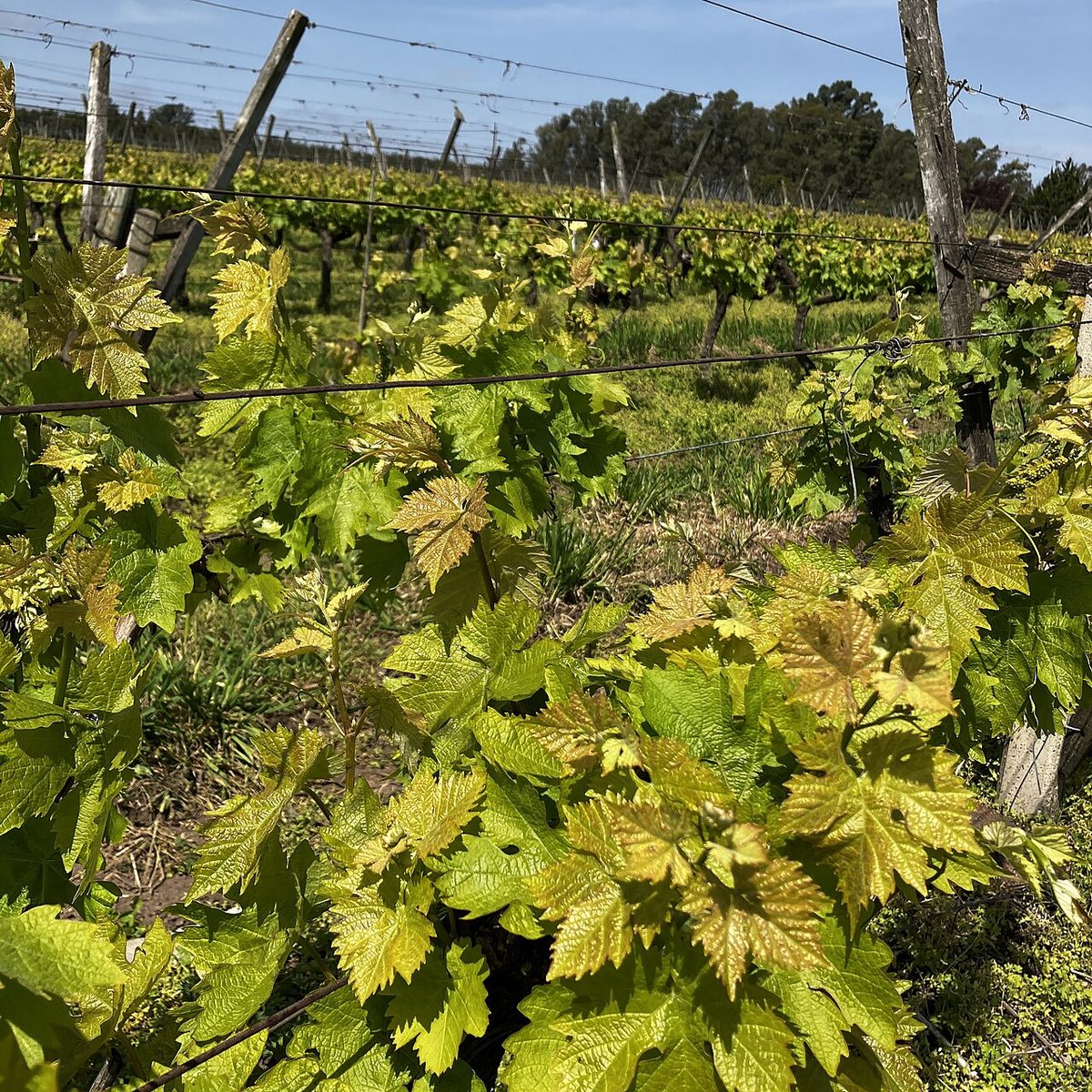
Carmelo is Uruguay’s most important wine area outside Montevideo and Canelones, and its character is completely different from both. Where the capital’s wineries near Montevideo can feel polished and corporate, Carmelo is small, family-run and personal. The terroir helps: the rivers create a microclimate two to three degrees warmer than Canelones, the soil is alkaline and full of fossil shells, and the grapes ripen early enough to dodge late frosts.
The official Carmelo wine region route counts seven bodegas (the Spanish word for winery), all within about 16 kilometres of one another. You will not visit all seven, and you should not try. Two or three a day is plenty, especially since the lunches run long. If you would rather someone else drove, our guide to Uruguay wine tours covers day trips and private drivers from Colonia. Here are the ones I would prioritize.
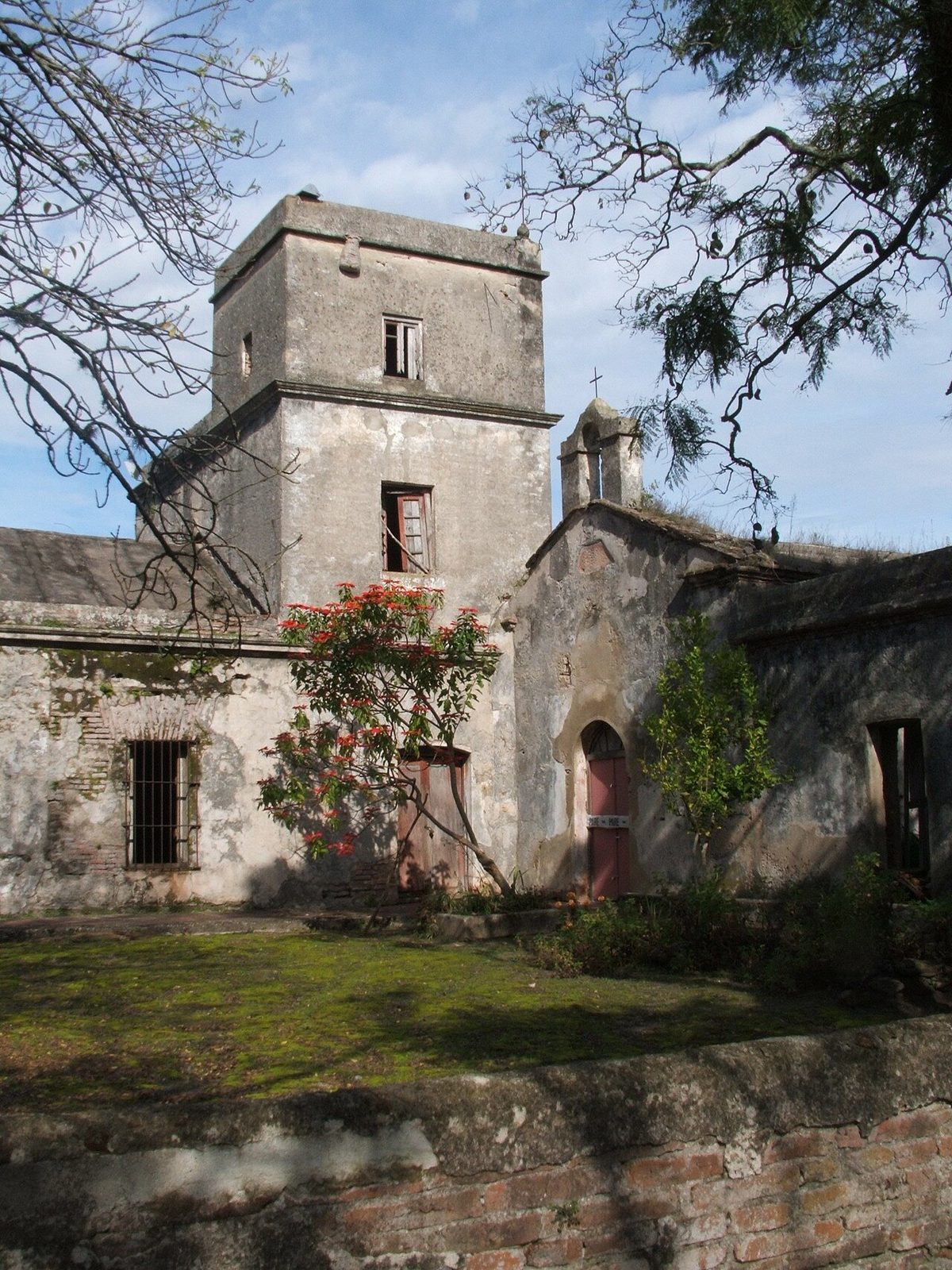
Narbona — the icon
If you do one winery, do Narbona. The estate dates to 1909, and the old stone cellar still has those fossil shells embedded in the ceiling. It is the only Relais & Châteaux property in Uruguay, which tells you the standard of the restaurant and the (very expensive) rooms.
What makes Narbona special is that it never stopped being a working farm. Alongside the Tannat, they make their own dulce de leche (the caramelized-milk spread that is a national obsession), cheeses, yogurt and olive oil. Order the flan or the pears poached in Tannat for dessert and you are eating the farm around you. Even if you stay elsewhere, book a lunch here. The deli sells the dulce de leche to take home, and you will want a jar.
Familia Irurtia — the heavyweight
Irurtia is the giant of Carmelo, which in local terms means it makes around 100,000 bottles a year rather than 3,000. Basque immigrant Lorenzo Irurtia founded it in 1913; four generations on, it is still family-run. They named one wine “Km 0” in homage to the point where the River Uruguay begins just outside town. You can visit daily, and in good weather you can even arrive by boat across the delta, which is a lovely way to do it.
El Legado — the tiny one
At the opposite extreme, El Legado farms a single hectare and bottles around 3,000 a year. It is intimate to the point of feeling like you have been invited to someone’s home, because you more or less have. Their Syrah is the one people remember. This is the Carmelo experience distilled: the person pouring your wine made it.
Almacén de la Capilla (Cordano) — the general store
Three kilometres out in Colonia Estrella, the Cordano family runs Almacén de la Capilla out of a hundred-year-old general store. Ana Paula Cordano is the first female winemaker in five generations, part of a wider wave of women now running Uruguayan bodegas. If you come in mid-February for the harvest, you can actually tread grapes here. It is as hands-on as wine tourism gets.
The other three on the route are worth a line each: Zubizarreta (a Basque family operation from 1957, still artisanal), Buena Vista (founded 1947, handsome original buildings) and Pueblo Tannat (the newcomer, opened 2023, born from a local restaurateur’s project). If you have a third day, pick whichever fits your route.
Things to do in Carmelo beyond the wine
You will not run out of wine to drink, but you might want a break from it. The good news is that the non-wine things to do in Carmelo are all low-effort and walkable or a short ride away, which suits the mood.
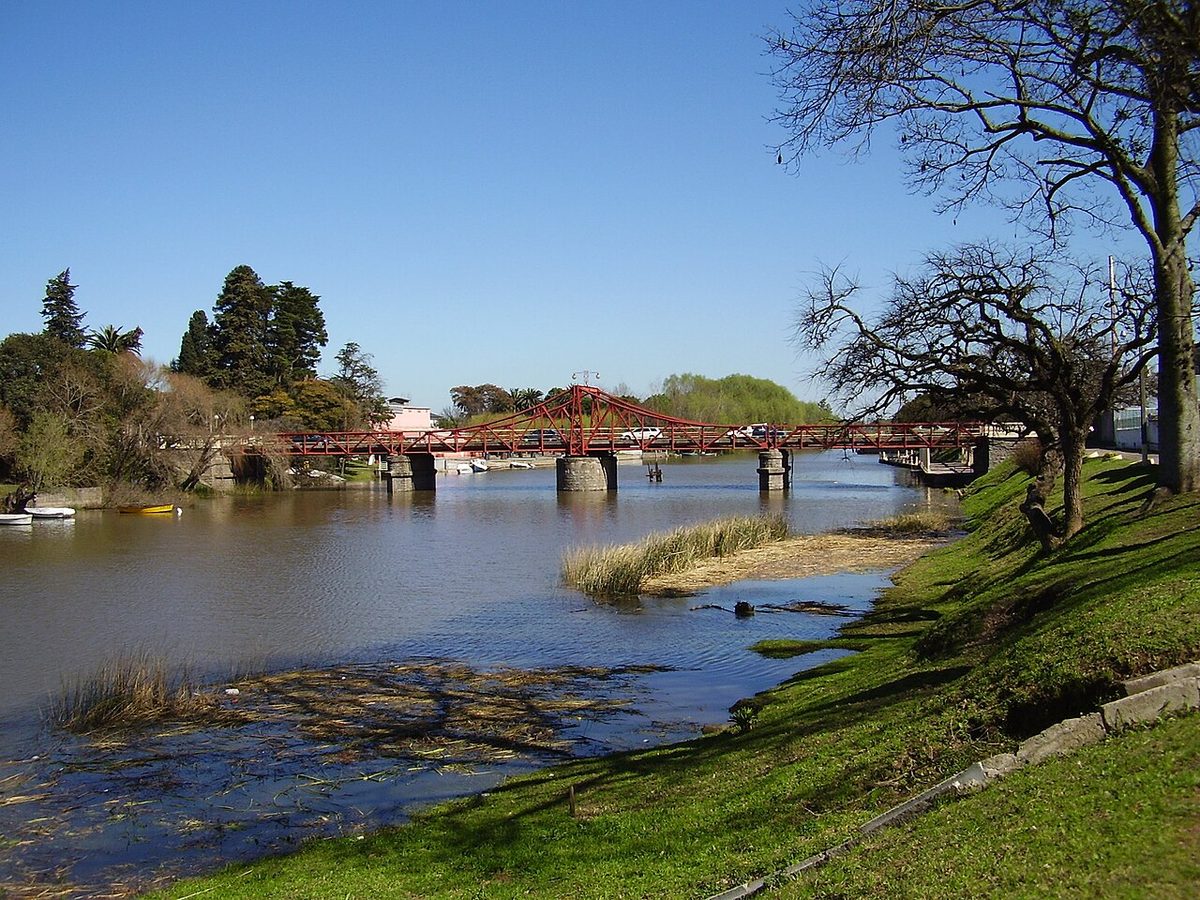
The swing bridge (Puente Giratorio)
Carmelo’s signature landmark is a bright orange-red rotating bridge over the Arroyo de las Vueltas, imported from Germany in 1912 and the first of its kind in the country. When a tall boat needs to pass, two people swing the whole span open by hand. There is a sign as you cross out of town promising that anyone who crosses the bridge will always return to Carmelo, and the locals take it half-seriously. It is genuinely charming, and it takes about ten minutes of your life.
The river beaches
Playa Seré sits a few minutes from the centre: fine sand, no waves, shallow calm water, and a handful of food stalls in summer. Locals drift down in the late afternoon with a thermos of mate to watch the river turn from soupy brown to silver as the sun drops. A little further out, near Colonia Estrella, Zagarzazú beach is arguably prettier and quieter. Neither is a swimming-holiday beach in the Punta del Este sense; they are sunset beaches, and that is the right expectation.
Kayaking the delta
The maze of channels and islands where the rivers braid together is best seen low to the water. Several operators and hotels run kayak trips and gentle nautical tours through the delta, including the boat approach to Irurtia. Birdlife is everywhere, the current is forgiving, and it is the one activity that shows you why the geography here makes the wine what it is.
Golf at Carmelo Resort
If you play, the 18-hole course at the Carmelo Resort & Spa winds around lakes, wetlands and native trees and is open to non-guests via the resort. Even non-golfers tend to concede it is a beautiful piece of land. It is also the most “resort” thing in an otherwise rustic town, for better or worse.
Punta Gorda and a strange little gallery
Drive out to Punta Gorda for the spot where you can see both riverbanks at once and watch a sunset that locals will tell you is the best in the department; it is also a sport-fishing favourite. Back in town, ask around for the José Castro wood-sculpture gallery, hidden behind a hardware store: a thousand carved figures of human folly and desire that have no business being there and yet stop you cold. This is the kind of thing Carmelo does well, the surprise you could not have planned.
Where to stay in Carmelo
Where you sleep matters more here than usual, because of the drink-driving rule (more on that below). My blunt advice: stay out among the vineyards in Colonia Estrella, not in the town centre, so you can walk or cycle to wine rather than arranging a driver every time.
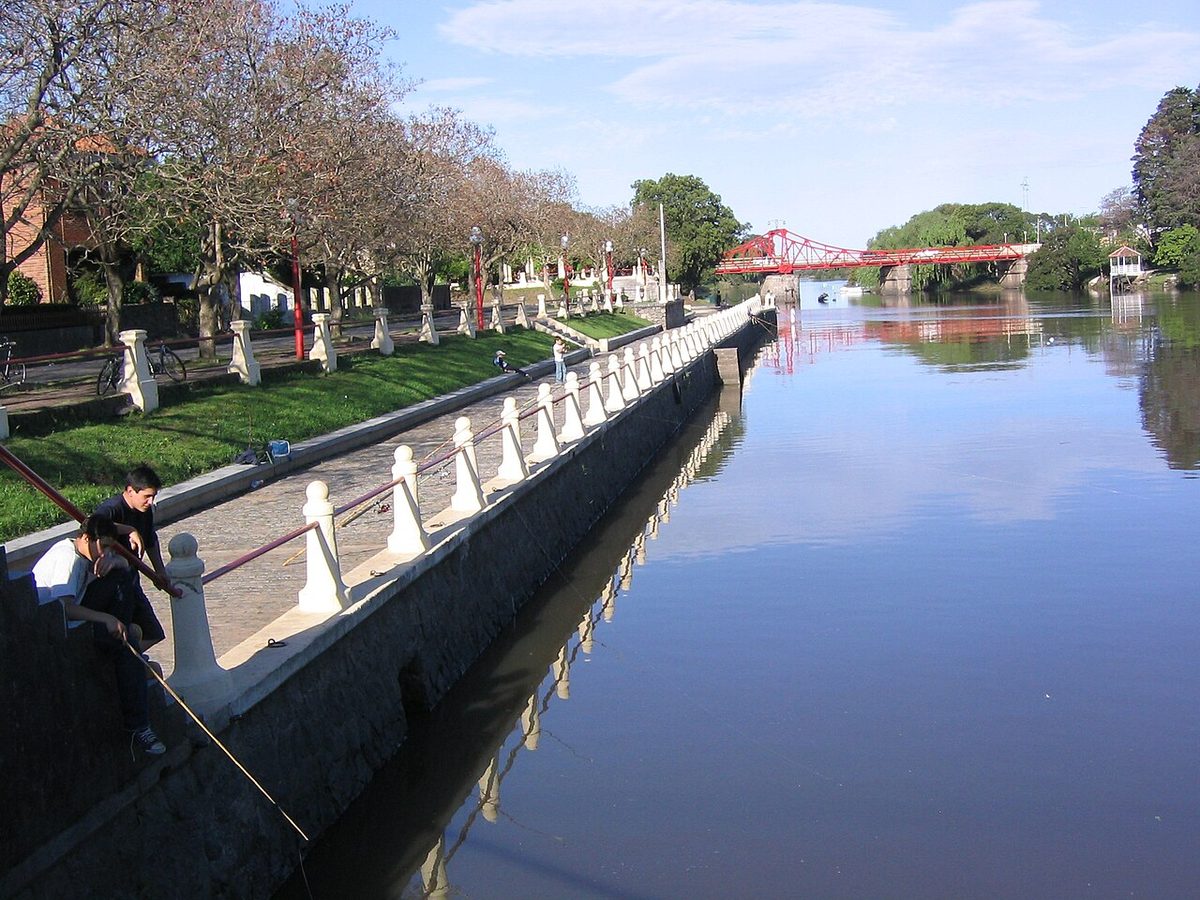
Carmelo Resort & Spa, a Hyatt Hotel
The grande dame of the area, formerly a Four Seasons, sits on the Arroyo de las Vueltas with 44 bungalows, each with a private garden, terrace and wood-burning fireplace. There is a big heated pool, an Asian-inspired spa, the golf course, free bikes and a calm that money buys. It is expensive and a little isolated from town, which is precisely the point for most guests.
Narbona Wine Lodge
For wine romantics, Narbona’s handful of rooms put you on the estate itself, steps from the cellar and that exceptional restaurant. It is Relais & Châteaux, so it is a splurge, but waking up among the vines with the farm breakfast is a particular kind of memory.
Smaller posadas and winery cabins
Carmelo’s best value is its small posadas (family-run guesthouses) and the cabins some wineries rent among the vines, including simple options around Colonia Estrella. These are where you meet people and pay a fraction of the resort rate. If you want a winery with rooms, several bodegas now offer boutique stays; book one to two months ahead for harvest season and long weekends, because the inventory is tiny.
One planning note: many travellers base in Colonia del Sacramento and day-trip to Carmelo, which works but means an hour each way and rushing the lunches. If Carmelo is the thing you came for, sleep here.
How to get to Carmelo (the part most people get wrong)
Getting to Carmelo is the single most underexplained thing about the place, and the route you choose shapes the whole trip. There are three realistic ways in.
From Buenos Aires by ferry from Tigre
This is the romantic option and the one that makes the best story. A slow ferry runs from the Tigre delta, on the northern edge of Buenos Aires, directly across the Río de la Plata and into the River Uruguay to Carmelo. The crossing takes roughly two to three hours and arrives at that little jetty I described at the top. Sailings are limited (think a handful a week, not hourly) and timings shift by season and operator, so book ahead and confirm the current schedule before you build a day around it. Give yourself the whole day, since you also need to get from central Buenos Aires out to Tigre first.
It is a lovely, gentle way to arrive, especially with kids. The catch is the infrequency: miss the boat and there is not another one in an hour.
From Buenos Aires via Colonia (the reliable version)
If the Tigre schedule does not fit, take the fast and frequent ferry to Colonia del Sacramento (about an hour from downtown Buenos Aires), then drive or bus the last hour to Carmelo. There are far more departures, and you get to see Colonia’s UNESCO old town on the way. With your own rental car this is genuinely the easiest combination, and it is what I usually recommend to first-timers.
From within Uruguay, by car or bus
From Colonia del Sacramento it is a pretty one-hour drive (or a frequent bus) up Route 21. From Montevideo it is about three hours and 240 kilometres of empty, easy highway; if you are already planning the Montevideo-to-Colonia run, Carmelo is a natural extension an hour further on. There is also a small Carmelo airport, but it currently handles private flights only, so for almost everyone the realistic arrivals are by boat or road.
Getting around once you arrive
The town itself is flat and walkable. The wineries are not in town, though, and here is where planning matters. Buses are infrequent and drop you on the main road two or three kilometres from the gates, so skip them for wine. The good ways to reach bodegas are a rental car (with a designated non-drinking driver), a hired transfer or tour, or a bicycle if you are based out in Colonia Estrella, where most hotels lend bikes free and the vineyards are a short, flat ride apart.
Best time to visit, and the one honest drawback
Spring (October to December) is my favourite window: the vineyards are green, the weather is mild, and there are fewer visitors. Autumn (March to May) is the other sweet spot, with the harvest energy of February-March tailing off and the leaves turning in May. Winter (July to September) is quiet and cosy, all wood stoves and unhurried tastings, if you do not mind grey days. Whatever the season, come midweek if you can: Argentines and Brazilians have been in on the secret for years and fill the bodegas on weekends, so a Tuesday can mean having a vineyard to yourself.
Now the drawback, because there is always one. Carmelo is very quiet, and that quiet has teeth if you have not planned for it. Uruguay enforces a zero-tolerance drink-driving law, so you literally cannot have a glass of tannat and drive to the next bodega. That means you need a designated driver, a hired transfer, or a bike-and-base setup in Colonia Estrella, every single day. Pair that with infrequent buses, some seasonal restaurants and beaches, and the fact that the town empties midweek, and a traveller expecting things to “just happen” can end up bored or stranded. Decide before you book whether you want to do nothing on purpose. If yes, Carmelo is close to perfect. If you need stimulation, base yourself somewhere livelier and visit on a day trip.
Either way, Carmelo slots neatly into a bigger trip. It pairs naturally with a two-week loop of the country, and wine-minded travellers often string it together with Bodega Garzon in Maldonado and the Canelones wineries near Montevideo for a full Uruguayan wine arc. To understand why the Tannat here tastes the way it does, it helps to read up on Tannat, the grape Uruguay made its own. And if Carmelo is your introduction to the country, the wider Uruguay wine country guide sets the whole scene.
Carmelo Uruguay: your questions answered
Is Carmelo worth visiting?
Yes, if you understand what it is. Carmelo is a slow river-and-wine town, not a sightseeing checklist, and its appeal is family-run bodegas, century-old cellars, sandy beaches and the freedom to do almost nothing. If you want luxury-resort calm and personal winery visits, it delivers. If you need nightlife and constant activity, you will be restless.
How many days do you need in Carmelo?
Two to four nights is the sweet spot. A weekend lets you visit two or three wineries, see the swing bridge and catch a river sunset without rushing. Three or four nights adds the delta, the beaches, golf and a slower second winery day. A day trip from Colonia is possible but means an hour each way and skipping the long lunches that make the place.
How do you get from Buenos Aires to Carmelo?
There are two main ways. A slow ferry runs directly from the Tigre delta to Carmelo in roughly two to three hours, but sailings are limited, so confirm the schedule first. The more reliable route is the frequent fast ferry to Colonia del Sacramento (about an hour), then a one-hour drive or bus on to Carmelo. With a rental car, the Colonia route is usually the easier choice.
What are the best wineries in Carmelo?
Narbona is the icon, with its 1909 stone cellar, Relais & Châteaux restaurant and famous dulce de leche. Familia Irurtia (since 1913) is the largest and welcomes daily visits. El Legado is a tiny, charming single-hectare producer known for Syrah. Almacén de la Capilla, run by the Cordano family in a historic general store, lets you tread grapes at harvest. Two or three a day is plenty.
When is the best time to visit Carmelo?
Spring (October to December) and autumn (March to May) offer the best weather, green vineyards and thinner crowds. February and March bring the grape harvest and its events. Winter is quiet and cosy by the wood stove. Whatever the month, visit midweek: weekends fill with Argentine and Brazilian wine tourists, while a Tuesday can leave you alone in the vines.
Do you need a car in Carmelo?
Effectively, yes, unless you base yourself among the vineyards in Colonia Estrella and use bikes, or rely on hired transfers and tours. The town is walkable, but the wineries are spread over 16 kilometres, buses are infrequent and unhelpful, and Uruguay’s zero-tolerance drink-driving law means whoever drives cannot taste. A non-drinking driver, a transfer or a bike-and-base plan is essential.
Final thoughts
Carmelo asked me to give something up, which was the habit of measuring a place by how much I saw. Once I stopped counting, the trip got better: the three-hour lunches, the silver river at dusk, the winemaker who opened a bottle he was not technically selling because he liked the conversation.
Plan the logistics properly, sort your transport before you arrive, and then let the town do what it is good at, which is almost nothing, beautifully. You will cross the swing bridge on the way out, and the sign will tell you that you will be back. Annoyingly, it tends to be right.
Credits & sources
Sources & further reading
- Carmelo Wine Route (Enoturismo Carmelo) — official wineries, routes and how to get there
- Narbona — bodega, wine lodge and farm products
- Guru’Guay: Carmelo, the Uruguayan Tuscany
Photo credits
All images via Wikimedia Commons: Uruguay Wine Country Vineyard by Efeland (CC BY-SA 4.0); Narbona Chapel Carmelo by Fadesga (CC BY-SA 3.0); Puente Giratorio Carmelo by William Bonora (CC BY-SA 3.0); Carmelo Waterfront Rio by Phil Whitehouse (CC BY 2.0); Carmelo Central Square by Hoverfish (CC BY-SA 3.0).