Uruguayan Drinks: Grappamiel, Medio y Medio & Clericó (2026)
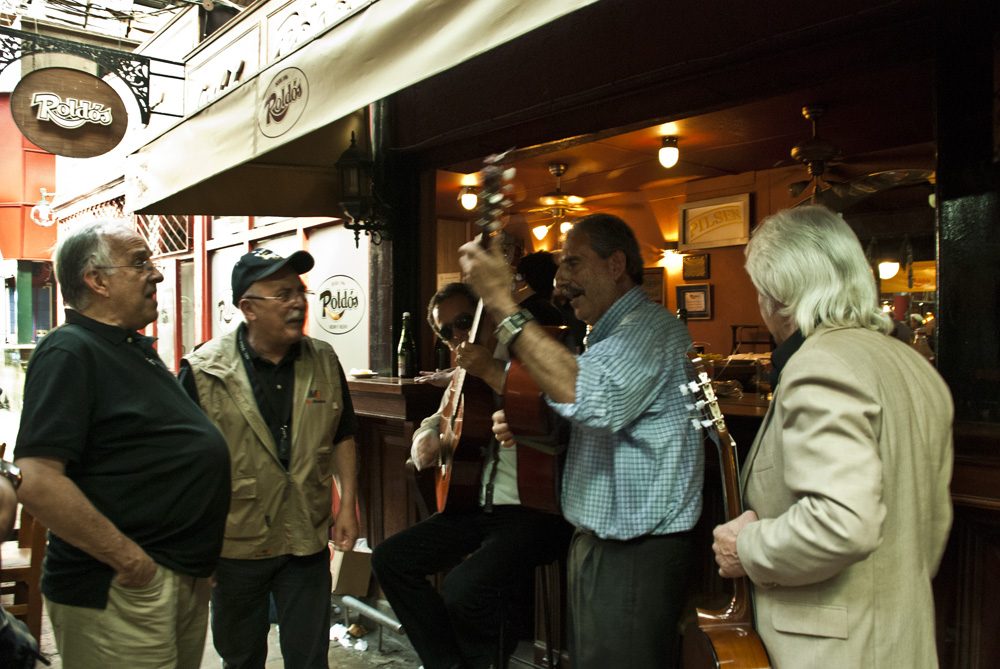
The first time I ordered a medio y medio at Roldós, I assumed it would be something fussy. A waiter in a long apron set down a small bottle and a chilled glass, poured, and walked off without a word. I took a sip expecting champagne. What I got was sweeter, rounder, and a little improbable, and I finished the bottle faster than I’d like to admit while a plate of grilled provolone cooled in front of me.
That moment told me something I’ve since confirmed across a dozen trips: Uruguayan drinks are their own thing. Not Argentine, not quite European, stubbornly local. They reward you for ordering what the people at the next table are having.
So let me walk you through what’s actually in the glass.
Uruguayan drinks: the short answer
Uruguayan drinks center on a handful of distinctive originals: medio y medio (half dry white wine, half sweet sparkling, born in Montevideo’s port market), grappamiel (grappa cut with honey, the rural cold-weather warmer), and clericó (a white-wine and fresh-fruit summer punch). Add caña and grappa spirits, Tannat red wine, and easy-drinking lagers like Pilsen and Patricia, and you have the country in a glass.
Who this guide is for
This is a drinker’s field guide, not a cocktail manual. I’m assuming you’re visiting, you’ll be eating a lot of grilled meat, and you want to order like you’ve been here before instead of defaulting to a beer you could get anywhere.
One thing up front. I’m leaving mate out of this. It’s the national obsession and it deserves its own treatment, so I’ve put it on a separate page along with the wine, which I’ll only touch lightly here. For the food these drinks go with, start at the Uruguayan food guide and work outward.
Uruguayan drinks at a glance
| Drink | What it is | Where to try it |
|---|---|---|
| Medio y medio | Half dry white wine, half sweet sparkling; semi-sweet, fizzy, chilled | Roldós at the Mercado del Puerto, Montevideo |
| Grappamiel | Grappa cut with honey, 20–25% ABV; served warm in winter, iced in summer | Old-school bars; rural cafes; the interior |
| Clericó | White-wine and fresh-fruit punch, the local sangria | Beach towns and parrillas in summer; homemade |
| Caña / grappa | Clear, strong spirits (caña from sugarcane, grappa from grape pomace) | Bars, almacenes, the back shelf of any kitchen |
| Tannat | Uruguay’s signature deep, tannic red wine | Wineries near Canelones; any restaurant list |
| Beer (the litro) | Light lager — Pilsen, Patricia, Zillertal — shared from a 1-litre bottle | Everywhere; parrillas, beaches, almacenes |
| Salus / tónica | National mineral water and tonic; the default soft drinks | Every fridge in the country |
Now the detail, starting with the one drink you should order on your first night.
Medio y medio: the drink that owns Mercado del Puerto
If you try one Uruguayan drink, make it medio y medio — literally “half and half.” It’s exactly that: half dry white wine, half sweet sparkling wine, combined into something semi-sweet and lightly fizzy that drinks far more easily than its origins suggest. You’ll see it bottled and ready-mixed, and you’ll see bars build it by the glass.
The story starts at Roldós, a bar-café that has been pouring inside the Mercado del Puerto since the 1880s. The market itself opened in 1868, an iron-framed hall whose components were forged in Liverpool and shipped across the Atlantic; it was named a National Historic Monument in 1976 and long ago traded its produce stalls for a row of wood-fired parrillas. Roldós is credited with inventing medio y medio in the late nineteenth century, and the place still does a roaring trade in it. The market, the grill smoke, and the drink are a single experience. I cover the building itself in the Mercado del Puerto guide.
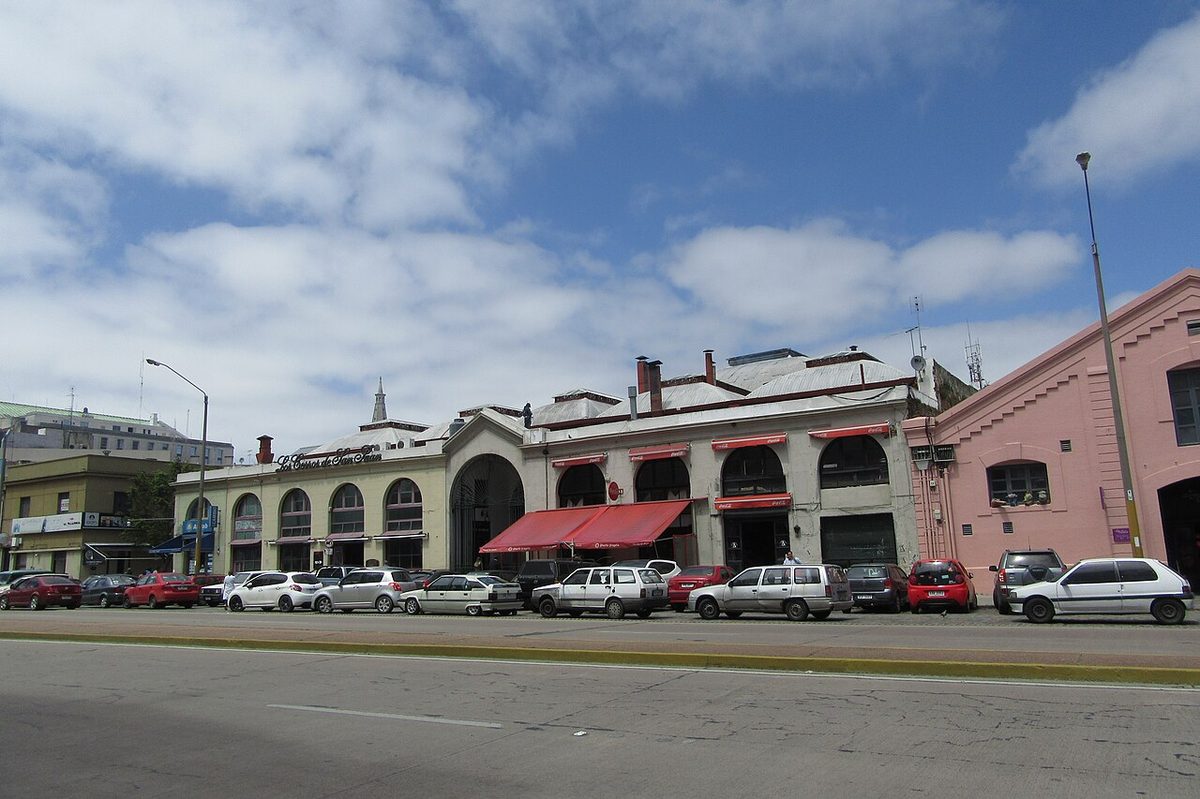
Here’s my honest drawback. Medio y medio is sweeter than most first-timers expect. If you walked in picturing crisp brut champagne, the sugar can throw you. It’s a celebration drink, a toast, a thing you have one bottle of with grilled provolone and beef — not a session pour. Treat it that way and you’ll love it. Order three bottles and you’ll regret it around dessert.
You can buy commercial medio y medio in supermarkets to take home, and the Roldós-branded bottles make a genuinely good souvenir. But the version that matters is the one poured at the marble counter with a parrilla roaring behind you. Pair it with a meal from a proper grill — I list my favourites in the best restaurants in Montevideo roundup.
One ordering tip. The bottles at Roldós are small, single-serve affairs, so a group can each have their own without committing to a full bottle of sparkling. Ask for it well chilled — a warm medio y medio loses the lightness that makes it work — and drink it early in the meal while your palate is fresh, before the heavier reds come out. It is a starter pour, not a closer.
Grappamiel: the rural warmer you’ll grow to love
Drive into the Uruguayan interior on a cold morning and you’ll meet grappamiel — “grappa-honey,” a mix of grappa (a clear spirit distilled from grape pomace, the skins and seeds left after winemaking) and natural honey, usually landing somewhere between 20 and 25% alcohol. It’s sweet, warming, and unmistakably country.
The drink is a direct fingerprint of Uruguay’s Italian immigration. Grappa came over with families from northern Italy, the honey is local, and the name simply welds the two together. It’s taken seriously enough that, under Uruguay’s trade agreements with the European Union, grappamiel is recognized as a product protected by geographical indication. That’s a small detail with a big implication: this is a defined national spirit, not a casual home blend.
Ritual is the whole point. In winter you order it in a small 25cl copa, ideally somewhere with a wood fire, and you drink it slowly while the cold does its thing outside. Street musicians and market vendors swear by it as a morning warmer. Come summer the same drink gets reinvented over a tall glass packed with ice. I’ve had the iced version on a hot afternoon and it works far better than it has any right to.
My honest take: grappamiel is a love-it-or-leave-it pour, and the honey hides a real punch. It goes down like a liqueur and hits like a spirit, so the second one sneaks up on you. Sip, don’t shoot. Brands like El Viejo Pancho and Vesubio are widely sold and travel home well in your luggage. It’s the drink I most associate with estancia country, the kind of place I write about in the estancias and gaucho country guide.
Clericó: summer in a pitcher
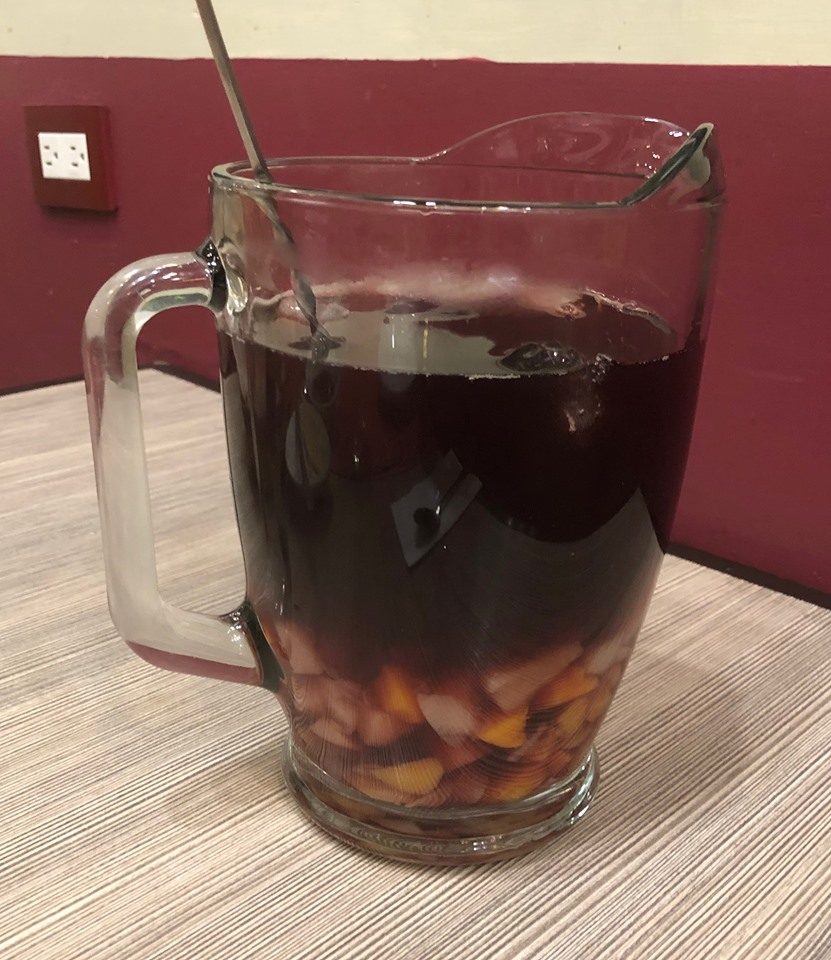
When the weather turns hot and you’re at the coast, the drink to look for is clericó — Uruguay’s white-wine sangria. It’s chilled dry white wine loaded with fresh fruit, served by the jug, and built for long lunches that bleed into the afternoon.
Its name has a quirky history. The drink descends from the British “claret cup” of the Río de la Plata’s nineteenth-century trading days; Spanish speakers reshaped “claret cup” into clericó, swapped the red claret for cheap dry white, and piled in whatever fruit was in season. That improvised spirit is still the rule.
Making it is dead simple, and you should try it at home after your trip. Here’s the version I use:
- 1 bottle of dry white wine (Sauvignon Blanc or a basic white works)
- 3 or 4 kinds of fresh fruit, diced — apple, orange, peach, grapes, strawberries, whatever’s ripe
- A spoon or two of sugar, to taste
- A splash of triple sec or a sweet liqueur (optional)
- A top-up of lemon-lime soda or sparkling water for fizz
- Plenty of ice, and at least two hours chilling — overnight is better
The honest drawback is the same trap as cheap sangria everywhere: a bad clericó is just sugary wine with soggy fruit. The good ones lean dry, use real fruit, and aren’t over-sweetened. When you find a beach bar that gets it right, you’ll order a second jug.
Caña, grappa and the strong stuff
Below the famous mixes sits a layer of honest, unglamorous spirits that locals actually drink. Worth knowing before someone pours you one at an asado.
Caña
Caña is a clear, strong spirit distilled from sugarcane, typically 38–40% alcohol and sometimes given a caramel tint and a little oak. Think of it as the rustic Uruguayan cousin of rum or cachaça — direct, a touch sweet, and traditionally knocked back neat or used in the kitchen. It’s the bottle that lives in the back of countryside almacenes and gets brought out without ceremony.
Grappa and grappa con limón
Straight grappa — the same grape-pomace spirit that underpins grappamiel, only without the honey — is everywhere, and you’ll often meet it as grappa con limón, grappa with lemon. It’s sharp, warming, and a fixture of old-man cafes and late nights. An acquired taste, but a genuinely local one.
Espinillar and uvita
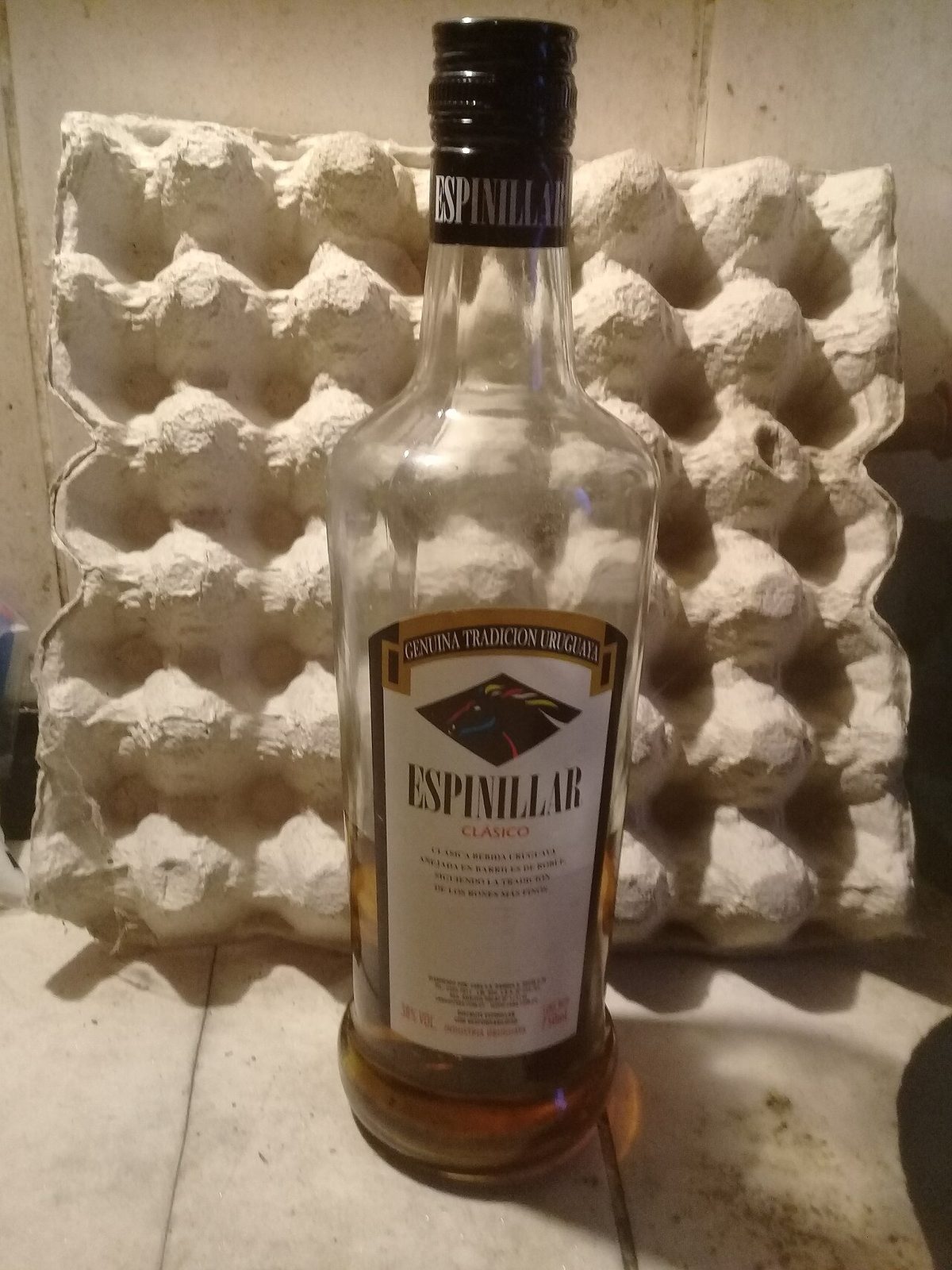
Two names you’ll see that come with footnotes. Espinillar was a state-made Uruguayan rum, created in 1958 by ANCAP to give the country a homegrown answer to whisky; production has since stopped, but the name lingers in the national memory and on nostalgic labels. Uvita (“little grape”) is a sweet fortified wine in the marsala or port family, drunk on its own and used to make other drinks. Neither is essential, but knowing them marks you as someone paying attention.
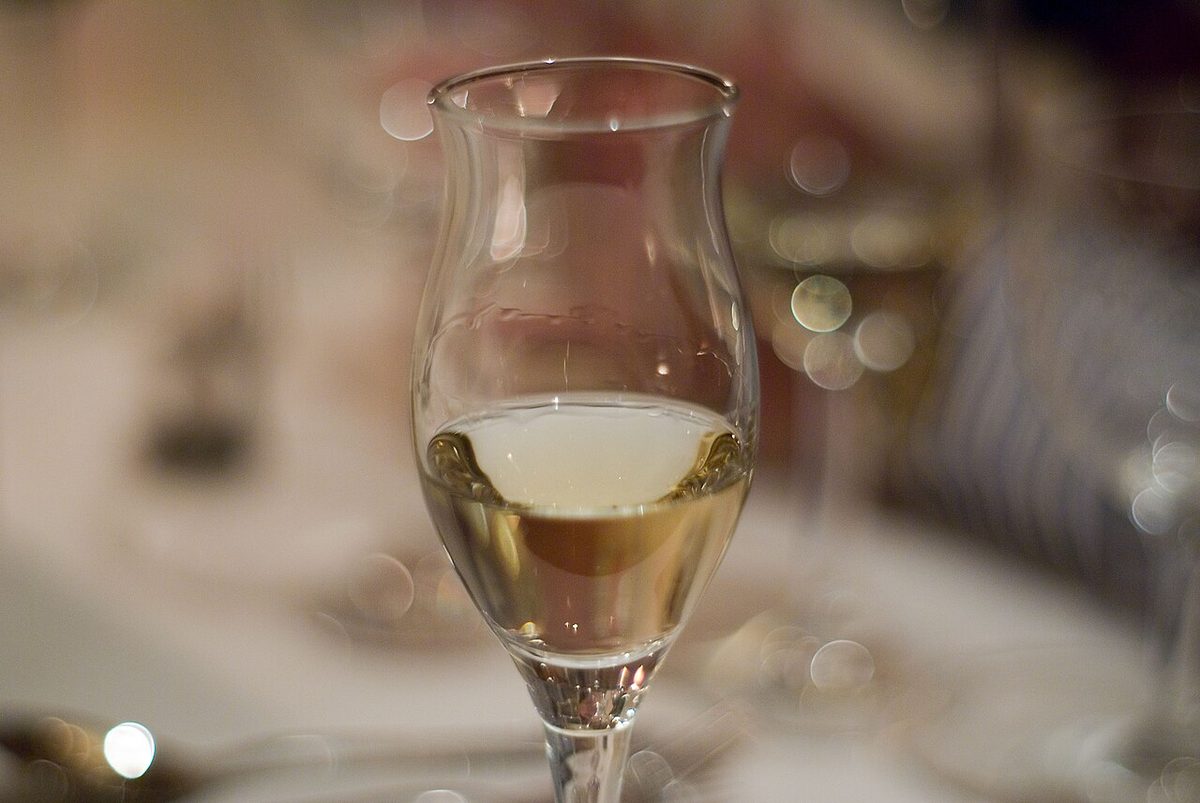
The honest caveat for all of it: this is not a polished cocktail scene. Outside the better bars in Montevideo and Punta del Este, a “cocktail” often means a spirit and a mixer, and that’s fine — just calibrate your expectations. If you want craft mixology every night, you’ll find pockets of it, but it isn’t the national mode. For where the good bars cluster, the Montevideo city guide is your starting point.
Beer and the sacred litro
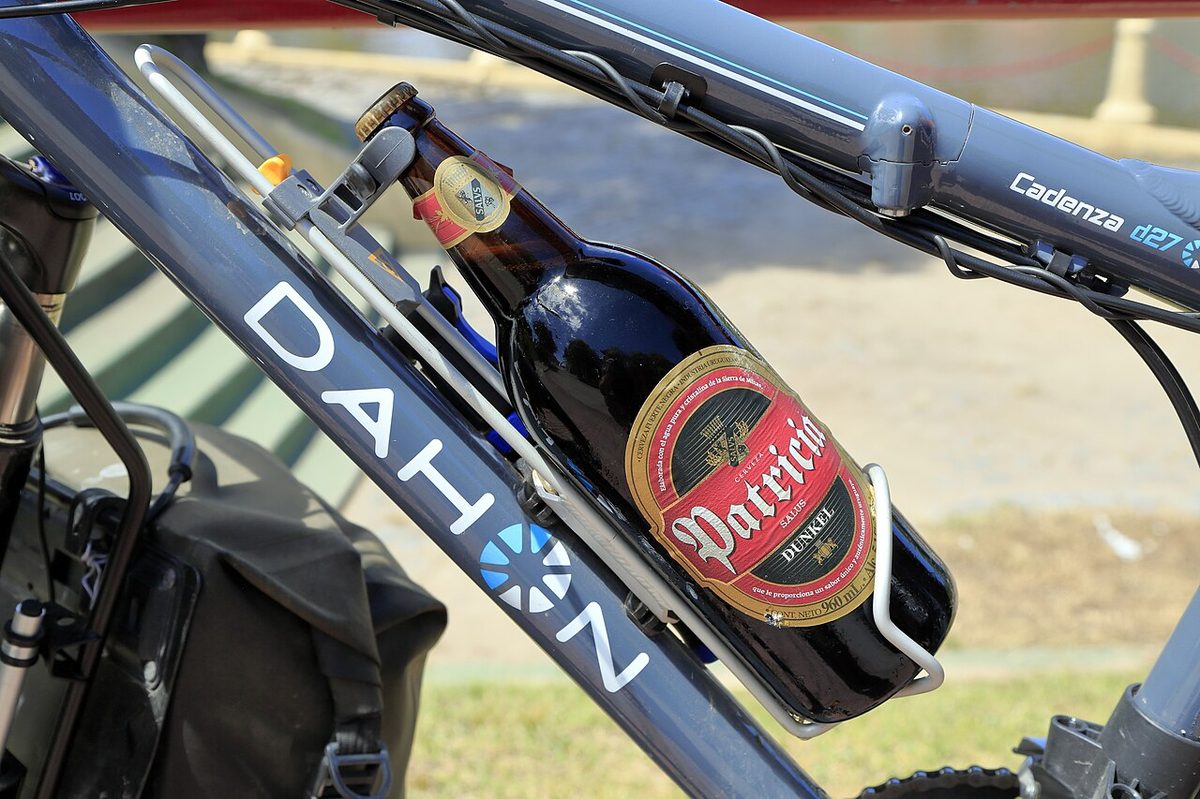
For everyday drinking, Uruguay runs on beer — light, cold lager, and lots of it. The big domestic names are Pilsen, Patricia, and Zillertal, all easy-drinking pale lagers built for heat and grilled meat rather than for contemplation.
The cultural detail that matters is the litro: the one-litre returnable bottle that you share around the table, refilling small glasses for everyone. Beer here is social by design. Pilsen even markets itself as the “soul of friends,” which sounds like ad copy until you’ve watched a single litro hold a group of four together through a whole asado. Order one for the table and pour for your neighbours; it’s the done thing.
There’s a real craft scene too, mostly around Montevideo, Canelones and Maldonado, with breweries like Mastra, Davok, Volcanica and Cabesas Bier turning out IPAs, ambers and porters. It’s small but growing, and a good craft bar in the capital will pour you something a world away from the mass-market lagers. My honest drawback: the mainstream beers are perfectly nice and almost entirely interchangeable, so don’t expect the big three to taste dramatically different from one another. The fun is in the ritual, and increasingly in the craft taps.
Tannat, in one paragraph
Wine deserves its own page, so I’ll keep this tight. Tannat is Uruguay’s signature grape — a deep, tannic, full-bodied red brought by Basque settlers in the nineteenth century that has become the national wine, and a natural partner for all that grilled beef. The country has turned a famously rough, chewy grape into something genuinely good, with the wineries around Canelones an easy day trip from Montevideo. That’s all I’ll say here, because I go deep on regions, producers and tastings in the Uruguay wine country guide. Read that one if wine is your reason for visiting.
Soft drinks, water and what kids order
Not every drink in Uruguay involves alcohol, and a few non-alcoholic staples are worth flagging.
Salus is the dominant national mineral water, bottled from springs near Minas, and you’ll see it on every table — still (sin gas) or sparkling (con gas). Tap water in Montevideo is safe to drink, but bottled Salus is the default at restaurants and nobody will blink if you order it.
Beyond water, tónica (tonic water) is popular on its own and with spirits, and the usual global soft drinks are everywhere — Coca-Cola and Pepsi both have a strong presence, alongside local and regional sodas. For something more Uruguayan, look for fresh-squeezed juices and, in summer, the fruit-forward clericó served virgin for the kids. None of this is exotic, but it’s the practical reality of what’s in the fridge.
And then there’s mate — the green, bitter herbal infusion that half the country carries under one arm. It’s technically a drink, the most important one here, but it’s a whole culture unto itself. I’ve given it the full treatment in the mate in Uruguay guide, so I’ll point you there rather than squeeze it in.
How to order, what it costs, and the rules
A few practicalities so you drink comfortably rather than tentatively.
How to order. Sit-down service is the norm — find a table, flag a waiter, and ask for the table to share. At a parrilla, “un litro” of beer plus a bottle of Salus covers most groups. If you want the local experience, ask what’s regional: say “algo típico de acá” (something typical from here) and you’ll often get pointed toward medio y medio or grappamiel.
Prices. Drinks are reasonable by Western standards but not dirt cheap. As a rough guide, expect around 150–300 pesos for a beer or soft drink at a casual spot, more at tourist-facing restaurants in Punta del Este. A bottle of medio y medio at the Mercado del Puerto runs a bit more because of where you’re drinking it. Supermarket prices for the same bottles are a fraction of bar prices if you’re stocking up.
The rules. The legal drinking age is 18 and it’s taken seriously in shops. Public drinking is common and relaxed — beach beers and a litro in the plaza are normal — but stay sensible. Drink-driving enforcement is strict; Uruguay has a near-zero blood-alcohol limit for drivers, so if you’re road-tripping, the person at the wheel doesn’t drink. Plan around that.
When things are open. Uruguayans eat and drink late. Bars in Montevideo and Punta del Este fill up well after 10pm, and a quiet venue at 8pm tells you nothing about its midnight self. If you are hunting for the craft-beer or cocktail crowd, go late. Outside the cities and the summer season, though, many small-town bars keep early, unpredictable hours, so do not count on a nightcap in a sleepy interior village.
Tipping. Rounding up or leaving about 10% is appreciated at restaurants and bars, though not the iron obligation it is in North America.
For the wider money and budgeting picture, the what Uruguay is known for guide gives useful context on how the country presents itself, food and drink very much included.
Uruguayan drinks: your questions answered
What is the national drink of Uruguay?
Mate, the shared herbal infusion, is the cultural national drink, but for an alcoholic one most people point to grappamiel — grappa with honey — which is sometimes called the national libation. For a single iconic mixed drink, medio y medio, the half-white half-sparkling wine from Montevideo’s port market, is the most famous.
What does medio y medio taste like?
Semi-sweet, lightly sparkling, and easy to drink. It blends dry white wine with sweet sparkling wine, so it lands between a fizzy white and a light dessert wine. First-timers are often surprised by the sweetness — it’s a celebratory toast rather than a crisp, dry brut. Best enjoyed cold, in moderation, alongside grilled food.
Is grappamiel strong?
Yes. Grappamiel usually runs 20–25% alcohol by volume, and the honey masks that strength so it slides down like a liqueur. It’s served in a small copa in winter for a reason. Sip it slowly; the warmth is the point, and a second one arrives faster than you expect.
What beer do they drink in Uruguay?
Mostly light lager. The big domestic brands are Pilsen, Patricia and Zillertal, typically shared from a one-litre returnable bottle called a litro. There’s also a small, growing craft scene around Montevideo and Maldonado, with breweries like Mastra and Davok pouring IPAs and ambers for anyone wanting more than mass-market lager.
Is Uruguay a good place for wine?
Very much so, and Tannat is the reason — a bold, tannic red that has become the national grape and pairs beautifully with the country’s grilled beef. The wineries near Canelones are an easy trip from Montevideo. I cover regions, tastings and the best producers in detail in the dedicated Uruguay wine guide.
Can you drink the tap water in Uruguay?
Yes, tap water in Montevideo and most of the country is safe to drink. That said, bottled Salus mineral water is the default at restaurants and cheap to buy, so most visitors order it out of habit rather than necessity. Ask for it con gas for sparkling or sin gas for still.
Final thoughts
Drinking in Uruguay isn’t about a long cocktail list. It’s about a few specific, characterful things done well: a bottle of medio y medio with grilled provolone, a small copa of grappamiel against the winter cold, a jug of clericó on a hot afternoon, and a shared litro that keeps the table going.
My advice is to order the local thing first and the familiar thing second. The beer will always be there. The medio y medio poured at a marble counter inside a 150-year-old market is the kind of small, specific pleasure you came here for. Pour one for the table and stay a while.
Credits & sources
Sources & further reading
- Grappamiel — Wikipedia (composition, ABV, and EU geographical-indication status)
- Mercado del Puerto — Wikipedia (history of the market and the origin of medio y medio at Roldós)
- Best Rated Alcoholic Beverages in Uruguay — TasteAtlas (overview of regional drinks)
- How to Make Clericó — Wine Enthusiast (recipe and background on the Río de la Plata punch)
Photo credits
All images via Wikimedia Commons: Medio Y Medio Roldos Mercado Del Puerto by Fabrício Marcon from Bagé, Brazil (CC BY 2.0); Mercado Del Puerto Parrilla Montevideo by Felipe Restrepo Acosta (CC BY-SA 4.0); Grappamiel Uruguay Honey Grappa by Neurorebel (CC BY-SA 4.0); Cana Grappa Uruguay Spirits by Carsten Tolkmit from Kiel, Germany (CC BY-SA 2.0); Pilsen Cerveza Uruguay Litro by Falk2 (CC BY-SA 4.0); Clerico Uruguay White Wine Fruit Punch by MX (CC BY-SA 4.0).