Uruguayan Street Food & Bakeries: Tortas Fritas to Bizcochos (2026)
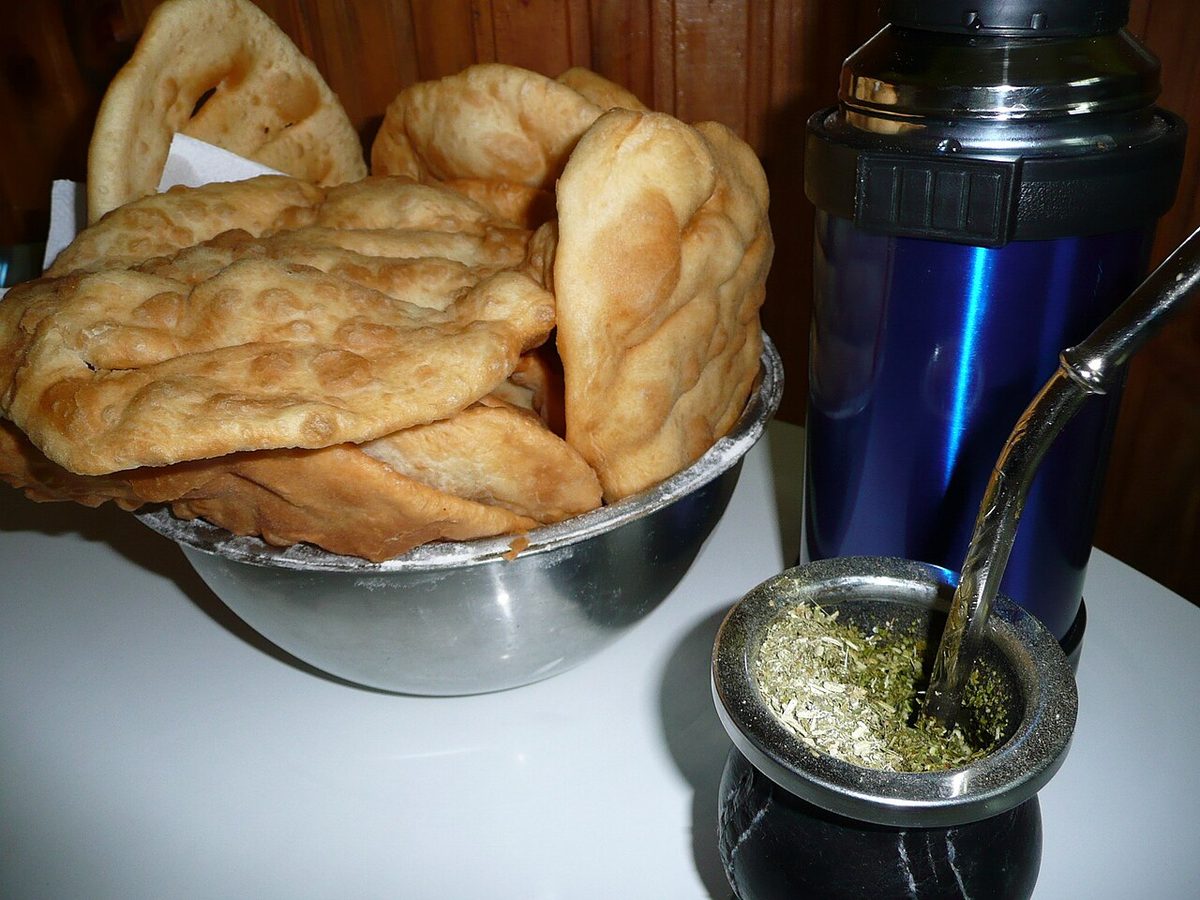
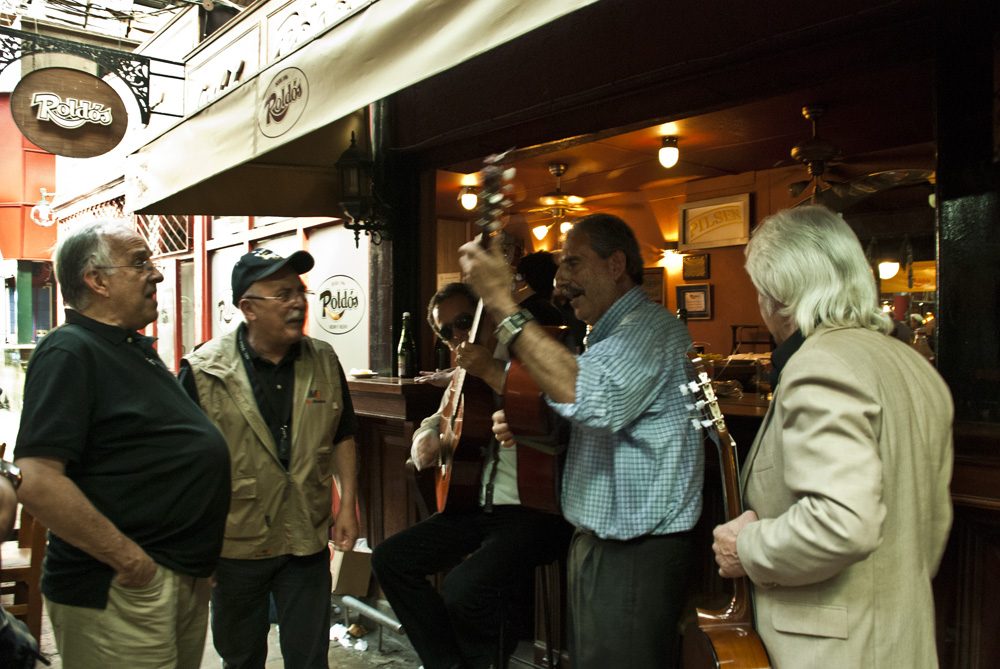
The first time I understood Uruguayan street food, it was raining. I was standing under a dripping awning in Montevideo’s Cordón neighborhood, and within twenty minutes three separate people had told me, unprompted, that I should go home and make tortas fritas (flat, fried discs of dough, dusted with sugar). Not buy them. Make them. Rain in Uruguay is a recipe, and the recipe is fried dough.
That’s the thing about eating on the street here. It runs on rules nobody writes down. There’s a pastry you eat at 8am and a sandwich you eat at 4am, and a chickpea flatbread you order on top of pizza because ordering pizza alone is somehow not enough. I’ve spent a good chunk of several trips chasing this stuff down, getting grease on my notebook, and being gently corrected by panadería ladies who could not believe I’d never had a vigilante.
This guide is my attempt to map it for you. Not the white-tablecloth version, the corner-counter version: the one that costs a couple of dollars and gets eaten standing up.
Uruguayan street food is the country’s handheld, snackable, eat-it-standing-up cuisine: fried tortas fritas, flaky bakery bizcochos, baked and fried empanadas, grilled choripán and pancho hot dogs, square pizza with chickpea fainá, and the over-stuffed sandwiches sold from panaderías, rotiserías, food carts and weekend ferias. It leans Italian and German by heritage, beef-heavy by instinct, and cheap by design.
Who this is for, and what “street food” means here
Quick honesty before we eat: Uruguay doesn’t have a sprawling street-cart scene like Bangkok or Mexico City. What it has instead is an institution-based street food culture. The food comes out of three workhorses you’ll see on nearly every block: the panadería (bakery), the rotisería (a takeaway deli-counter selling roast chicken, savory tarts and prepared food), and the parrilla or food cart firing sausages over coals. Add the weekend feria (open-air street market) and you’ve covered most of where Uruguayans actually eat on the move.
So if you came hoping to graze a night market, recalibrate. If you came to eat brilliantly for pocket change between sights, you’re in exactly the right country. This article covers the savory and snack side. The pure sweets, dulce de leche, alfajores, chajá, get their own deep dive, and I’ll point you there when we brush past them.
Uruguayan street food at a glance
Here’s the cheat sheet I wish I’d had on day one. Prices are in US dollars, rounded and hedged, because Uruguay is not cheap and exchange rates wander.
| Snack | What it is | Where & when to find it | Rough price |
|---|---|---|---|
| Tortas fritas | Flat fried dough discs, sugared | Carts and homes, especially on rainy days | around US$0.50 each |
| Bizcochos | Flaky bakery pastries, sweet or salty | Every panadería, mornings best | around US$4–6 per dozen |
| Empanadas | Stuffed pastry pockets, baked or fried | Panaderías, rotiserías, dedicated empanada shops | around US$1–2 each |
| Choripán | Grilled chorizo in a roll | Football matches, ferias, roadside parrillas | around US$3–5 |
| Pancho / húngaro | Hot dog / spicy sausage in bread | Street carts, kiosks, late at night | around US$2–4 |
| Pizza + fainá | Square pizza with chickpea flatbread | Pizzerías and pizza-by-the-slice counters | around US$2–3 a slice |
| Garrapiñada | Candied peanuts in a paper cone | Street stalls, autumn and winter | around US$1–2 a cone |
Tortas fritas: the rainy-day ritual
Let me start where Uruguay starts, with fried dough and bad weather. Tortas fritas are simple to the point of austerity: flour, water, salt, and a knob of fat, kneaded into a soft dough, rolled flat, slit in the middle so they fry evenly, and dropped into hot lard until they puff and blister. You eat them hot, smothered in sugar, and ideally with a thermos of mate, the bitter green tea Uruguayans drink constantly, balanced on your knee.
Why the rain? The folk explanation is gaucho-era practical: out on the plains, a wet afternoon meant no work in the fields, so there was suddenly time to stand over a pot of hot fat. Rainwater even got worked into the dough, the story goes. Whether or not that’s literally true, the association has fossilized into national reflex. Cold grey drizzle rolls in off the Río de la Plata and Uruguayans get a craving so synchronized it’s almost funny. Bakeries sell out. Family group chats light up.
You’ll find them two ways. The homemade version is the real one, and if a Uruguayan invites you over on a rainy day, say yes. The street version comes from carts, sometimes a single painted food truck parked on the Rambla (Montevideo’s long waterfront promenade), selling them piping hot to people who eat as they walk. Some carts stuff them with cheese or spread them with dulce de leche, which is gilding the lily but I won’t stop you.
Honest drawback: they are heavy and they are greasy. A torta frita is essentially a sugar-dusted oil sponge, and two is plenty. Eat three and you will feel them sitting in your stomach like ballast for the rest of the afternoon. Glorious, but not light.
The panadería and the art of the bizcocho
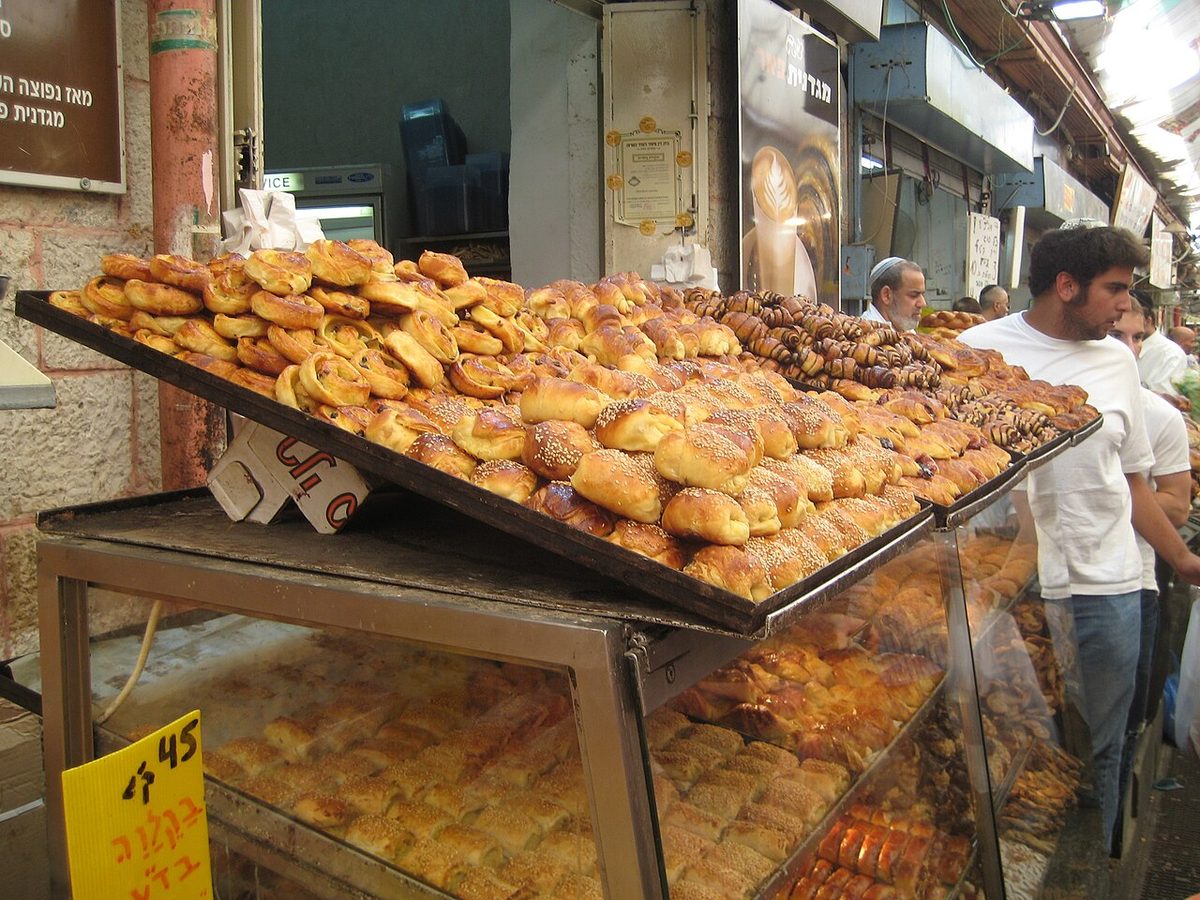
If tortas fritas are Uruguay’s rainy-day mood, bizcochos are its every-single-morning habit. And this is the section where I get evangelical, because bizcochos are the most underrated baked goods in South America and almost nobody outside the region has heard of them.
Start with the word. A bizcocho in Uruguay is not a sponge cake (that’s what the same word means in Spain). Here it’s a small, flaky, laminated pastry, somewhere between a croissant and a Danish, that you buy by the dozen from a panadería (bakery). They come sweet and they come salty, often from the same tray, and Uruguayans buy a mixed bag, bizcochos surtidos, to graze through with coffee or mate.
The secret ingredient, and the thing that makes them taste unmistakably Uruguayan rather than French, is beef fat. Grasa. French viennoiserie uses butter; the classic Uruguayan panadería laminates its dough with rendered beef fat, which gives the pastry a savory, almost meaty depth that I found strange for about one bite and then craved for the rest of the trip.
The bizcochos worth knowing by name
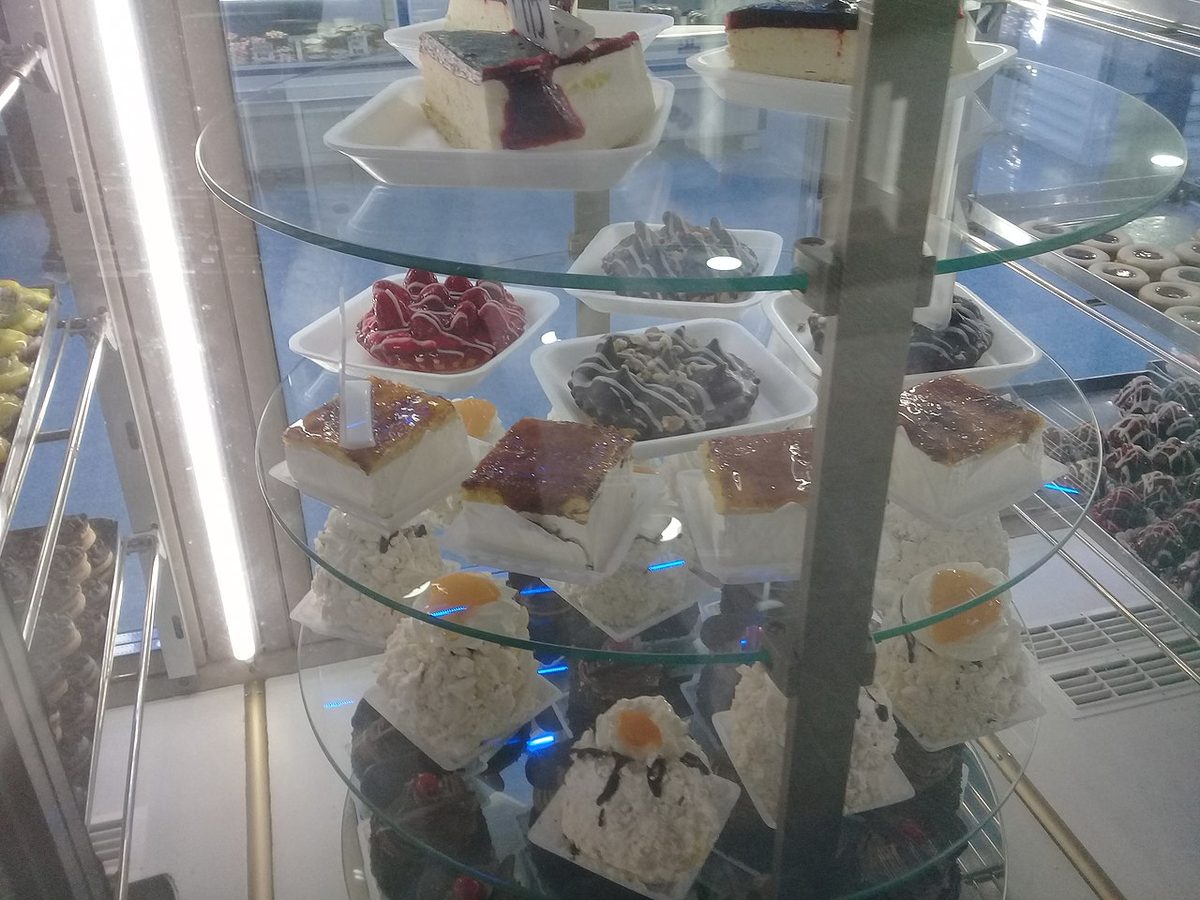
Walk up to the counter and you’ll face a glass case of these, usually unlabeled, sold by weight. A rough field guide:
- Pan con grasa — the salty icon. A spiral-shaped, beef-fat pastry, also called a cañón in some cities for the way the dough points up like a little cannon. Savory, flaky, addictive.
- Vigilante — long, thin and crunchier, dusted with sugar on top. The name supposedly comes from bakers leaving them out for the night watchman.
- Margarita — a sweet, flower-shaped pastry with a dab of dulce de leche or pastry cream in the center.
- Bizcocho de hojaldre — pure puff pastry, sweet-glazed, shatteringly flaky.
- Cañón de dulce de leche — a tube of pastry piped full of dulce de leche. Dangerous.
My advice: don’t overthink it. Point at a mix, ask for half a dozen (media docena), and eat them within the hour while they’re still crisp. A good panadería bag costs around four to six dollars and feeds two people a generous breakfast.
The same counter also sells medialunas (literally “half-moons,” the local croissant). Uruguayan medialunas come two ways and it matters which you order: de manteca are sweet, soft, glazed with sugar syrup; de grasa are smaller, saltier and made with that beef fat again. Ask for them calentitas (warm) if you can, straight from the oven they’re a different food entirely. There’s even a popular chain literally named Medialunas Calentitas built on exactly that promise.
One more panadería staple that bridges snack and lunch: pascualina, a flaky spinach-and-egg tart sold in heated rectangles. It’s about as close to a vegetable as Uruguayan street food gets, and for that reason alone I ate a lot of it. If you’re traveling meat-free, the panadería and pizza counter will become your best friends, and I get into that more in the vegetarian and vegan guide to the land of beef.
Honest drawback: the beef-fat thing is genuinely divisive. Some travelers find the savory note in a “pastry” off-putting, and if you keep strictly kosher, halal or vegetarian, the grasa-based bizcochos and medialunas are off the menu entirely, ask, because it’s not always obvious which is which.
Empanadas: the reliable workhorse
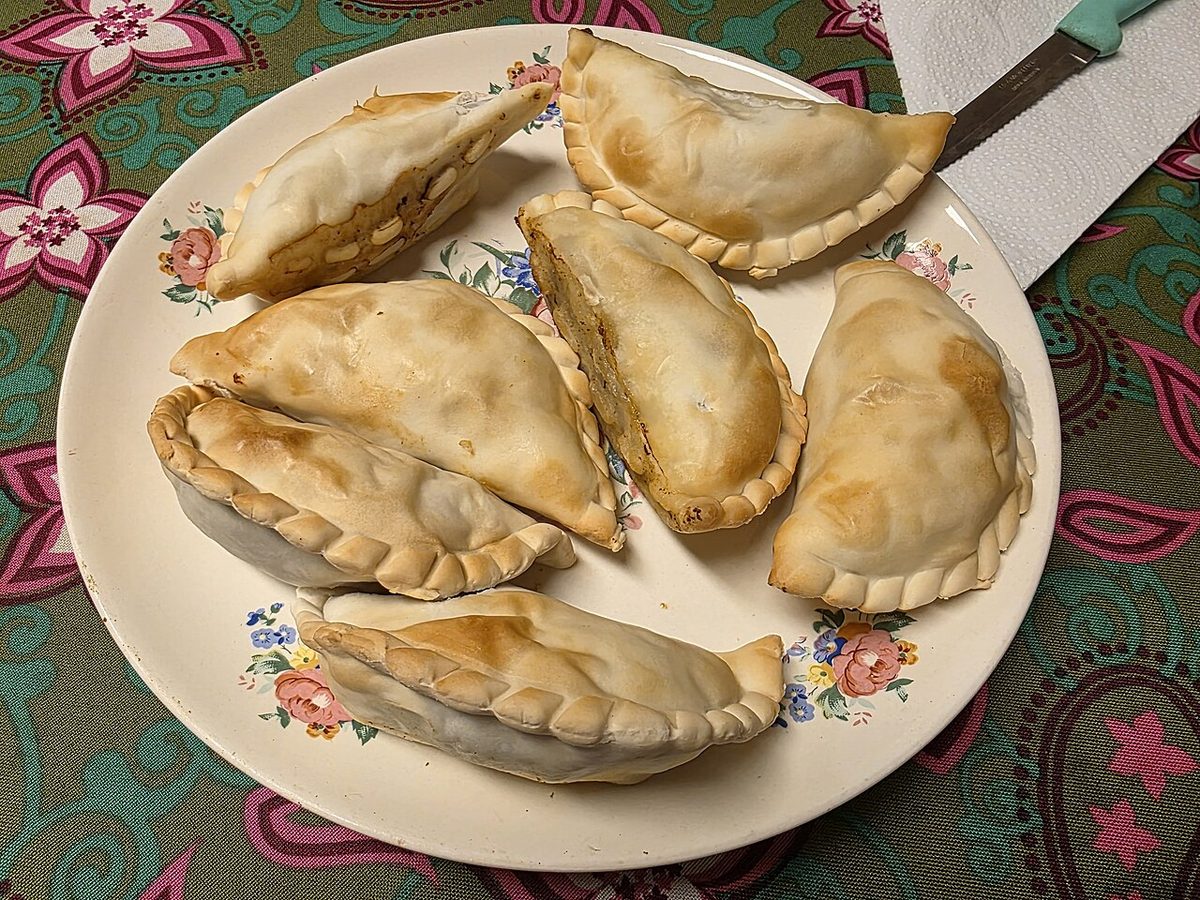
Empanadas (stuffed pastry pockets) are the snack you’ll lean on most, because they’re everywhere and they travel well in a paper bag. Uruguayan empanadas tend to be a little less spiced and a little more restrained than the famous Argentine versions, the rivalry is real and a Tucumán loyalist will fight you, but they’re consistently good.
The two you’ll meet constantly are de carne (beef, usually with onion, hard-boiled egg, sometimes olives) and de verdura (greens, typically chard or spinach with white sauce). Beyond those, de jamón y queso (ham and cheese), de pollo (chicken) and de humita (sweet corn) round out a standard menu.
Here’s a practical tip that took me embarrassingly long to learn: the empanada’s crimped edge, the repulgue, is a code. Good empanada shops crimp each filling differently so the cooks (and you) can tell them apart without cutting one open. If you’re at a proper empanadería, ask which crimp means what.
You’ll find them baked (al horno) or fried (fritas). Baked are lighter and more common at bakeries; fried are richer and turn up more at parties and ferias. Both are usually around a dollar or two each, and three or four make a genuine cheap lunch.
Honest drawback: quality swings hard. A fresh empanada from a dedicated shop is a small miracle; a reheated one that’s been sitting in a gas-station warmer since the morning is a sad, soggy disappointment. Buy where there’s turnover.
Panchos, húngaros and choripán: the grilled-meat-in-bread family
Now we get to the part of Uruguayan street food that smells the best. Somewhere on any given block there’s a cart or counter putting sausage near fire, and the results come in three tiers you should know how to order.
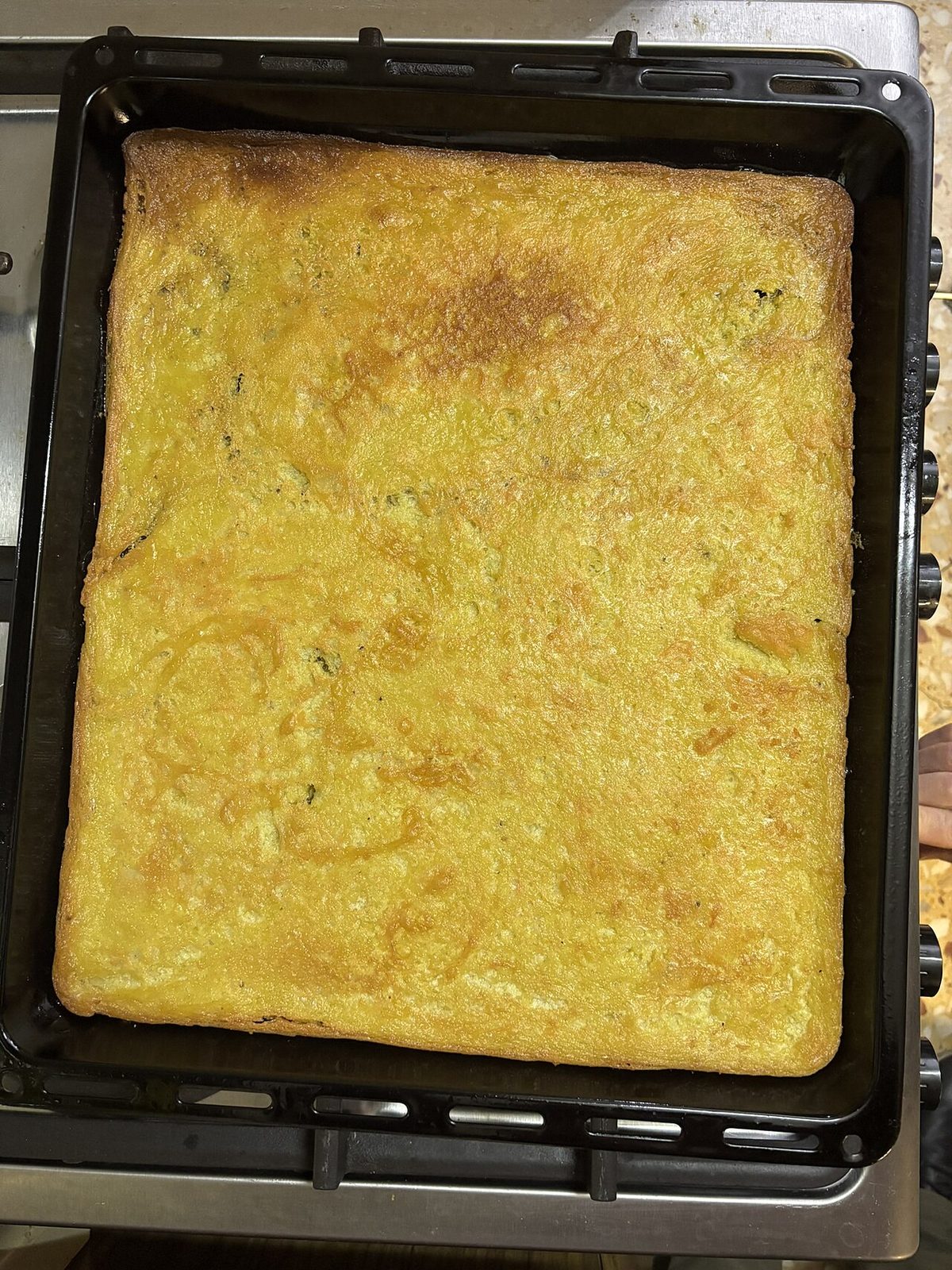
The pancho is the baseline: a hot dog, the proper New-York-ish kind with a smooth frankfurter in a soft bun, not to be confused with anything fancy. The upgrade everyone recommends is the pancho con papas, the same dog buried under a fistful of crispy shoestring potatoes (papas pay), which add crunch and turn a snack into a meal. Squeeze on ketchup, mustard and, if you’re brave, the green mayo. It’s the classic late-night and after-school food.
Trade up again and you reach the húngaro (literally “Hungarian”), named for a spicier, smokier sausage of pork, beef and bacon that the cart cooks on a griddle rather than boiling. Stuffed into bread with the same toppings as a pancho, the húngaro is what I order when a plain hot dog feels like a missed opportunity. It has actual heat and char, which is rare in famously mild Uruguayan cooking.
Then there’s the king of the category: choripán. The name jams together chorizo (sausage) and pan (bread), and that’s exactly what it is, a fat, juicy, two-thirds-beef chorizo split and grilled over wood coals, slapped into a crusty roll, and dressed with chimichurri (a garlicky herb-and-oil sauce) or salsa criolla (chopped tomato, onion and pepper). You’ll smell a choripán stand before you see it, usually at a football match, a feria, or the edge of any public gathering. It’s the tailgate food of the Río de la Plata, and it is fantastic.
The choripán shares its DNA with the full Uruguayan asado, the slow wood-fire barbecue that is practically a national religion, so think of the street choripán as asado’s portable little cousin.
Honest drawback: this is fire-cooked sausage from a cart, and quality and hygiene vary wildly. A busy stand with a hot grill and high turnover is a safe bet; a lukewarm sausage that’s been sitting at the back of a quiet cart is asking for trouble. Go where the locals are queuing.
Street sandwiches: refuerzos, the chivito and the 4am sandwich
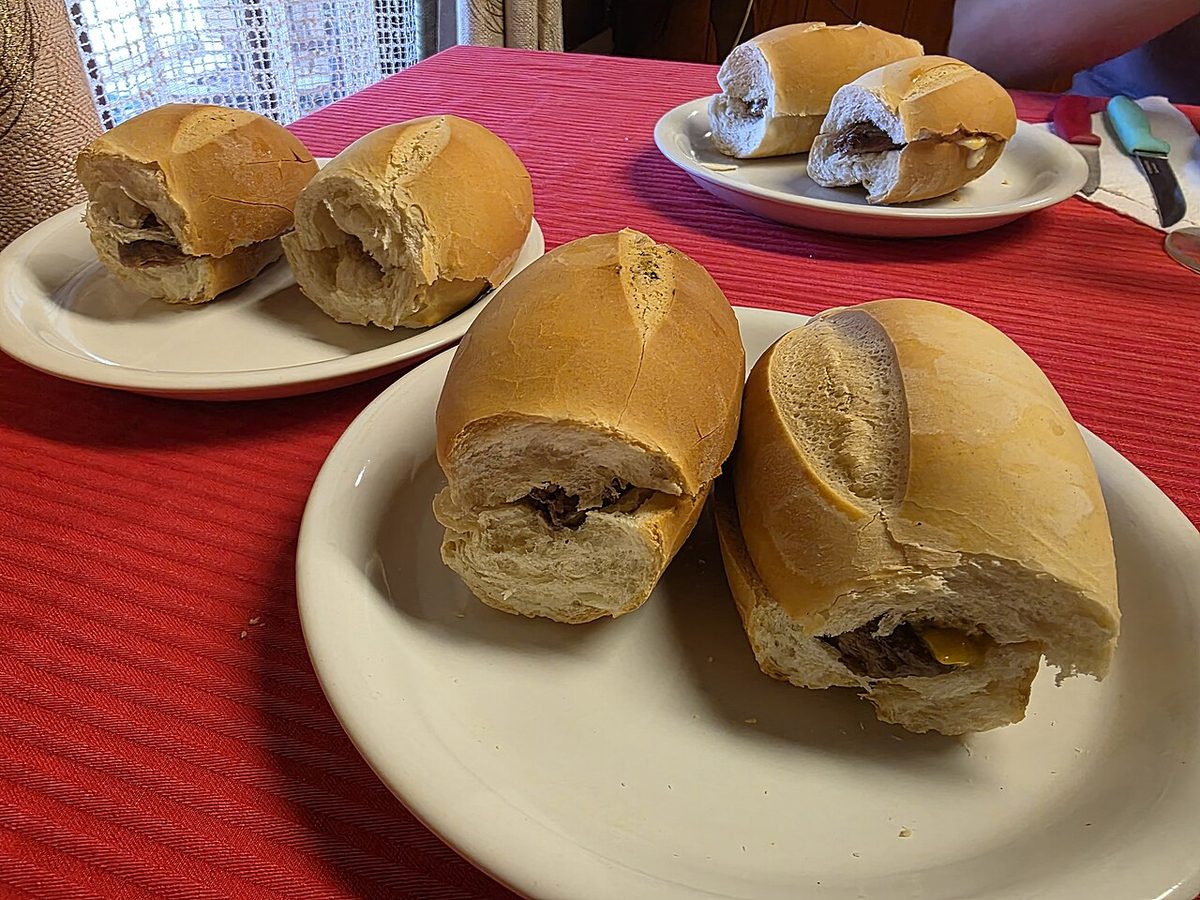
Uruguay takes sandwiches seriously enough to have invented a whole vocabulary for them. Sandwiches here split into two camps: the sándwich (the light, often crustless triangle, think ham-and-cheese tea sandwiches) and the refuerzo (literally “reinforcement,” the substantial, filled, meal-sized kind). When someone offers you a refuerzo, get hungry.
The undisputed heavyweight is the chivito: a hot sliced-steak sandwich piled with ham, melted cheese, bacon, a fried or hard-boiled egg, lettuce, tomato, mayo and frequently a half-dozen other things. It is enormous and it is glorious and it deserves more than a paragraph, which is why it has its own full guide to Uruguay’s national sandwich. The street-corner cousin is the chivito al pan (in a roll, as opposed to the knife-and-fork chivito al plato), which you can grab from a bar or rotisería and eat with your hands if you’re committed.
Other refuerzos worth chasing: the milanesa al pan (a thin breaded-and-fried beef or chicken cutlet in bread, the Uruguayan schnitzel sandwich, often the best value on any menu) and the olímpico (a tall club sandwich layered with meat, cheese, egg, lettuce and tomato). Rotiserías and old-school bars do these best.
Honest drawback: portion sizes here are not a suggestion. A chivito completo can defeat two people, and ordering one “to keep going” between sights is how you accidentally cancel dinner. Pace yourself.
Pizza, fainá and the Italian street counter
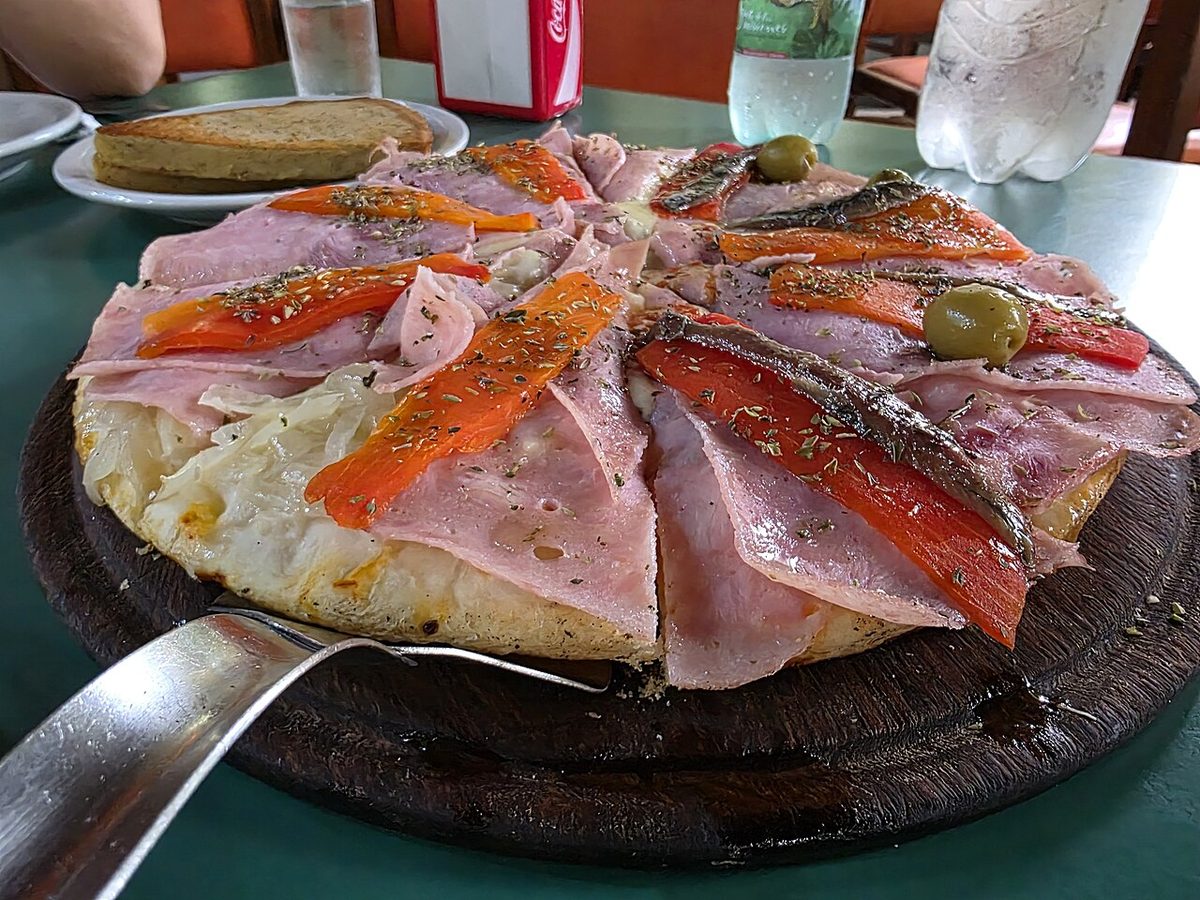
Uruguay is, by ancestry, startlingly Italian, and nowhere is that clearer than at the pizza counter. But forget round Neapolitan pies. The street format here is pizza al tacho or pizza por metro, thick, rectangular, sold by the slice or literally by the meter, with a shape that comes straight from the wooden paddles bakers used to slide them into the oven.
The slices are doughy, generously cheesy, and built for eating fast off a paper plate at a stand-up counter. Order al corte (by the slice) and you’re set for a couple of dollars.
And then there’s the move that confuses every first-timer: fainá. This is a thin, savory flatbread made from chickpea flour, olive oil and pepper, baked until the edges crisp, a direct descendant of Ligurian farinata brought over by Genoese immigrants. The local order is pizza a caballo, literally “pizza on horseback,” meaning a slice of fainá laid right on top of a slice of pizza, eaten together. Is it carbs on carbs? Absolutely. Is it delicious? Also yes. Get a slice of each and stack them; you’ll look like you know what you’re doing.
Honest drawback: street pizza in Uruguay is a comfort food, not a refined one. The cheese can be heavy, the base can be bready, and if you’re expecting a crisp wood-fired Margherita you’ll be puzzled. Order it for what it is, cheap, hot, filling, and lean on the fainá to cut the richness.
Ferias and markets: where street food actually lives
If you want to eat street food in Uruguay the way Uruguayans do, go to a feria (an open-air street market) on the weekend. These pop up across Montevideo and every town on set days, selling produce, secondhand everything, flowers and, crucially, food carts firing choripán and tortas fritas into the crowd.
The most famous is the Feria de Tristán Narvaja, which has run every Sunday morning in Montevideo’s Cordón since 1909. It sprawls for blocks, it’s gloriously chaotic, and it’s the single best place to graze, grab a choripán, watch the city, and let the morning unspool. Get there before noon; most of it packs up by mid-afternoon. It’s one of the best free things to do in the city, and it slots neatly into any Montevideo sightseeing plan.
For a more permanent food hall, the Mercado Agrícola de Montevideo (the MAM) is a restored 1913 market building full of food stalls, a notch more polished than a street feria but still local. And then there’s the legendary Mercado del Puerto in the Ciudad Vieja, which is less street food and more a cathedral of open-fire parrilla grills, but it’s an essential eating experience and I cover it in its own dedicated guide to Montevideo’s cathedral of beef.
Outside the capital, every beach town and country fair has its own version. A roadside choripán stand on the way to Punta del Este, or a torta frita cart at a small-town festival, is street food at its most honest.
The sweet street snacks, in brief
I’m keeping this short on purpose, because Uruguay’s sweets deserve, and have, their own full treatment. But a few sugary things genuinely live on the street alongside the savory stuff, so you should recognize them:
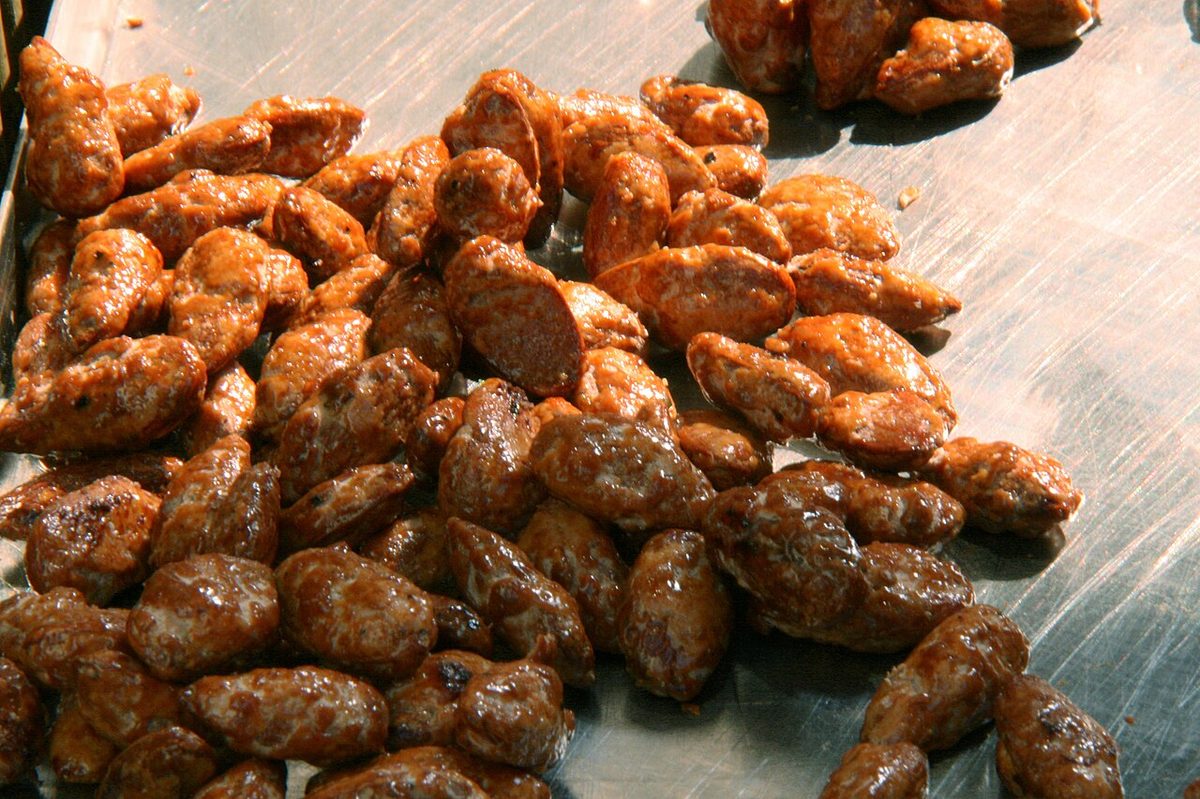
- Garrapiñada — peanuts (or almonds) candied in caramelized sugar and sold warm in a paper cone from street stalls, mostly in the cooler months. The smell of the sugar cooking is its own advertisement. A cone costs a dollar or two and is the perfect thing to eat while walking the Rambla.
- Churros — fried dough sticks, sometimes piped full of dulce de leche, sold from carts and at the beach.
- Dulce de leche, on everything — the caramelized-milk spread that ends up inside, on top of, or alongside roughly half the food in this article.
For the alfajores, the chajá, the massini and the rest of the sugar pantheon, head to the full guide to Uruguayan desserts and dulce de leche. This article is the savory half of the story; that one is the sweet half.
When, where and how to eat street food in Uruguay
A few practical notes from doing this the trial-and-error way.
Timing matters more than you’d think. Bizcochos and medialunas are a morning thing, freshest right out of the oven. Tortas fritas appear when it rains and at weekend ferias. Choripán and pancho carts come alive in the late afternoon and evening, and around stadiums on match days. The húngaro and pancho also have a strong after-midnight life, they’re classic going-home-from-the-bar food.
Prices. Uruguay is not the bargain some of its neighbors are, and I won’t pretend otherwise; if you’re budgeting a trip, the honest breakdown of real costs in Uruguay is worth a read. That said, street food is where your money stretches furthest. A couple of empanadas, a pancho con papas, a bag of bizcochos, these are the cheap, filling meals that keep a Uruguay trip affordable between restaurant dinners.
Hygiene, honestly. Uruguay is a clean, well-regulated country and street food is generally safe, the tap water is drinkable in cities, which already puts it ahead of much of the continent. The usual cart-food sense applies: choose stands with a hot grill and a queue, prefer food cooked to order over food sitting in a warmer, and trust your nose. I’ve eaten off a lot of carts here and never once regretted it.
For families and fussy eaters. Street food is a kid magnet, panchos, pizza slices, garrapiñada and plain medialunas are easy wins, and it’s a low-stakes way to let everyone try something new.
All of this sits inside the bigger picture of Uruguayan food and the 25 dishes and drinks you have to try, which is the parent guide to this whole delicious rabbit hole, and street eating is honestly part of what Uruguay is known for once you scratch past the beaches and beef.
Uruguayan street food: your questions answered
What is the most popular street food in Uruguay?
The choripán, a grilled chorizo sausage in a crusty roll with chimichurri, is the most iconic, especially at football matches and ferias. For everyday eating, though, bizcochos (flaky bakery pastries) and empanadas are what Uruguayans actually grab most often. The pancho, the local hot dog, is the late-night favorite. Together those four cover most of the street-food map.
What are tortas fritas and why are they eaten on rainy days?
Tortas fritas are flat discs of fried dough, dusted with sugar, made from flour, water, salt and fat. The rainy-day tradition traces back to gaucho times, when wet weather meant no work in the fields and suddenly time to fry dough over the fire. The association stuck so firmly that Uruguayans now crave them the moment it starts to rain, and bakeries sell out fast.
What is the difference between a bizcocho in Uruguay and elsewhere?
In Spain a bizcocho is a sponge cake, but in Uruguay it means a small, flaky, laminated pastry, closer to a croissant or Danish, sold by the dozen at bakeries. The defining difference from French viennoiserie is that classic Uruguayan bizcochos are made with rendered beef fat rather than butter, giving them a distinctive savory depth. They come both sweet and salty.
Is street food in Uruguay safe to eat?
Generally, yes. Uruguay is clean and well-regulated, and the tap water is safe to drink in cities, which lowers the usual travel risk. Stick to the standard rules: choose busy stands with high turnover, favor food cooked fresh to order over anything sitting in a warmer, and trust your nose. Cart-grilled sausages and fresh bakery items are very low-risk.
What is fainá and how do you order it?
Fainá is a thin, savory flatbread made from chickpea flour, olive oil and pepper, baked until crisp, an Italian import from Liguria. The classic order is pizza a caballo (“pizza on horseback”): a slice of fainá laid on top of a slice of pizza and eaten together. You’ll find it at virtually any pizzeria or pizza-by-the-slice counter in Uruguay.
What is a húngaro in Uruguay?
A húngaro (“Hungarian”) is a spicier, smokier sausage made from pork, beef and bacon, cooked on a griddle and served in bread like a hot dog. It’s the flavorful upgrade from a plain pancho, with real heat and char that’s unusual in otherwise-mild Uruguayan cooking. You’ll find it at street carts and kiosks, and it’s popular as late-night food.
Final thoughts
Street food in Uruguay won’t overwhelm you the way a Southeast Asian night market does. It works differently, quietly, on rules and rhythms, out of bakeries and rotiserías and carts that have been doing the same thing for a century. Give it a few days and it gets under your skin.
My honest advice: don’t treat it as a checklist. Buy a mixed bag of bizcochos one morning and eat them warm on a bench. Order a choripán at a feria because the smoke pulled you over. Wait for a rainy afternoon and let someone show you tortas fritas. That’s how this food is meant to be eaten, casually, cheaply, and standing up, and it’ll tell you more about Uruguay than any restaurant ever could.
Credits & sources
Sources & further reading
- Saveur — 7 Essential Street Snacks in Montevideo, Uruguay
- Wikipedia — Uruguayan cuisine
- Wikipedia (Spanish) — Bizcocho (Uruguay)
- Wikipedia — Feria de Tristán Narvaja
Photo credits
All images via Wikimedia Commons: Tortas Fritas Uruguay Fried Dough by adrian, https://www.flickr.com/photos/acanti/ (CC BY 2.0); Bizcochos Panaderia Montevideo by Joe Goldberg from Seattle, WA, USA (CC BY 2.0); Empanadas Uruguay Baked by Horacio Cambeiro (CC BY-SA 3.0); Choripan Uruguay Grill by Horacio Cambeiro (CC BY 3.0); Pizza Faina Uruguay by Horacio Cambeiro (CC BY-SA 4.0); Garrapinada Street Vendor Uruguay by Tamorlan (CC BY 3.0).