Horseback Riding in Uruguay: Beaches, Sierras & Estancias (2026)
The first time I rode along an empty beach in Rocha, my guide pointed his criollo (the local horse breed) at the firm sand near the waterline, clicked his tongue, and the whole world tilted into a gallop. No traffic, no fences, no other riders for a kilometre in either direction. Just hooves, surf, and a horse that knew the route better than I knew my own street. I have ridden in a dozen countries since, and almost nothing competes with that.
So I keep coming back, because horseback riding Uruguay is one of the easiest things to organise and one of the most rewarding things you can do here. This is a country you can get on a horse and actually go somewhere, without the showy ranch-resort pricing you find elsewhere in the Americas.
What horseback riding Uruguay actually delivers
Done right, horseback riding Uruguay means cantering on deserted Atlantic beaches in Rocha, climbing the low sierras (hills and ranges) of Lavalleja on a sure-footed criollo, or spending a slow día de campo (a “day in the country”) at a working estancia (a ranch). Beginners are welcome almost everywhere; rides run from one hour to multi-day point-to-point treks; costs are modest by global standards.
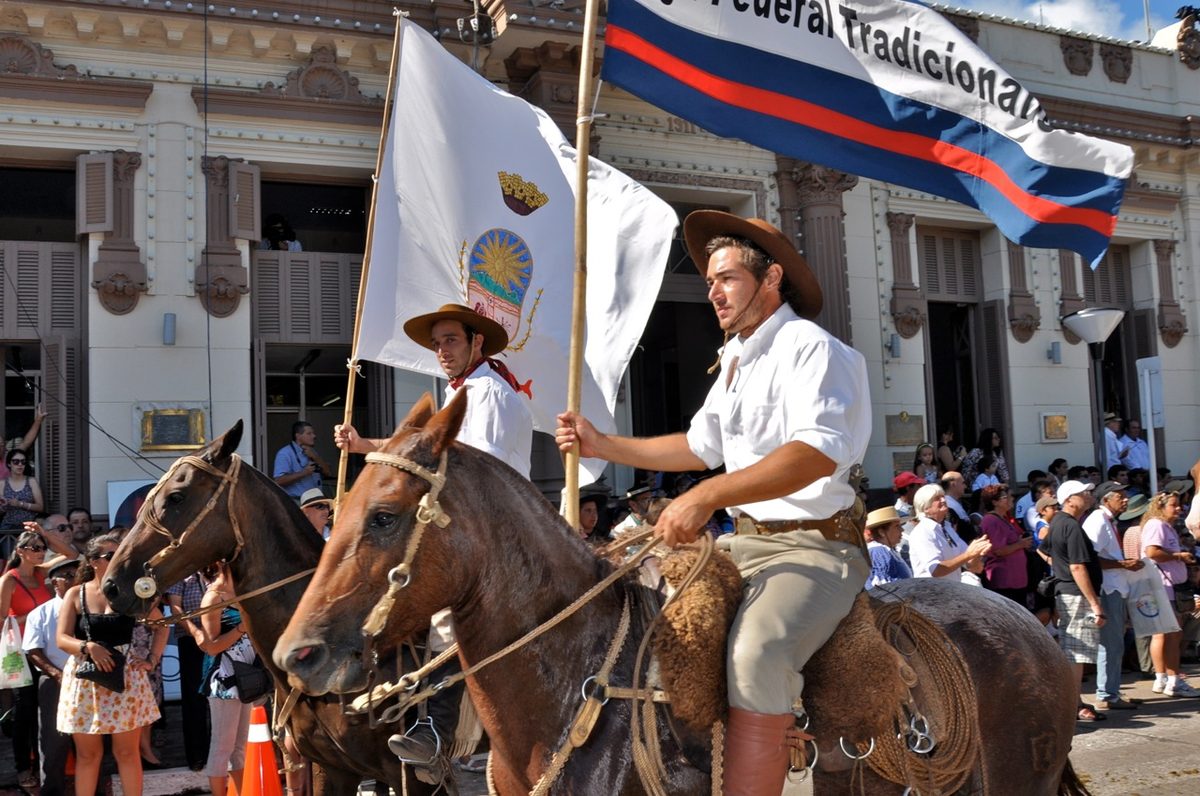
Here is the orientation most articles skip. Uruguay is roughly the size of England and Wales combined, and it is essentially one enormous, gently rolling grassland with a coast on the bottom edge. That matters for riders because the country has no dangerous wildlife, almost no elevation extremes, and a horse culture that runs through everyday rural life rather than being staged for tourists. The gaucho (the South American cowboy) is not a costume here. He is a job description. Cattle still get worked from the saddle, and the horse most people put you on is the same breed those workers trust with their livelihoods.
If you want the deeper story of that world, I cover it in the guide to gaucho culture in Uruguay and in the broader overview of estancia tourism, which is the umbrella this activity sits under. This page is the practical sibling: where to ride, what it costs, and how not to get a sour horse.
The criollo, and why Uruguay is a riding country
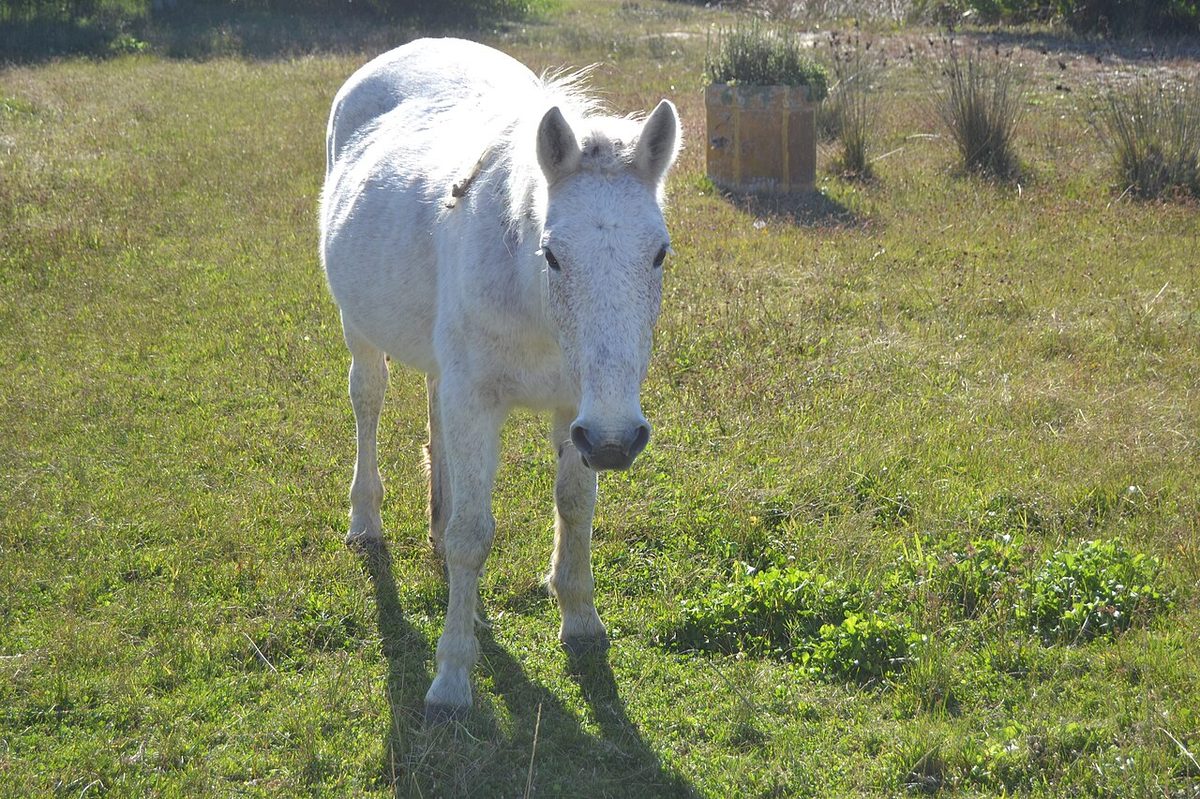
Start with the horse, because the horse is the reason any of this works. The criollo descends from the Iberian stock the Spanish brought over five centuries ago, then refined itself across generations of running half-wild on the pampa (the open plains). The survivors were tough, calm, economical with energy, and built low to the ground. Today’s criollo stands roughly 1.45 to 1.55 metres, which sounds small until you watch one carry a heavy gaucho across rough country all day without fuss.
Three things make the breed a gift for visitors. It is unflappable, so a strange beginner bouncing around up top rarely rattles it. It is surefooted on the loose ripio (gravel-road) tracks and rocky sierra paths that would make a hotter horse stumble. And it has a comfortable, ground-covering gait, so a long ride does not leave you wrecked. The traditional sheepskin-padded recado saddle helps too; it is essentially a soft platform, and after a day in one I understood why the gauchos never bothered switching to anything English.
Because horses are woven into rural work, the supply of good riding country is enormous and cheap to access. You are not paying to recreate a frontier fantasy. You are borrowing a slice of how the countryside still runs.
At a glance: where to ride in Uruguay
| Setting | Scenery | Difficulty | Best season | Rough price |
|---|---|---|---|---|
| Rocha beaches & dunes | Empty Atlantic sand, lagoons, Cabo Polonio | Easy walk, optional gallop on firm sand | Spring & autumn | From ~US$50 half-day |
| Sierras of Lavalleja/Maldonado | Low rocky hills, native forest, waterfalls | Easy to moderate (climbs) | Autumn for colour | ~US$20–40 per hour |
| Open pampa at an estancia | Rolling grassland, cattle, big sky | Easy, flat | Spring & autumn | ~US$120+ full día de campo |
| Vineyard rides (Canelones/Maldonado) | Vines, tasting at the end | Easy | Mar–Apr harvest | ~US$70–100 with tasting |
| Multi-day point-to-point | Beach, wetland, forest combined | Moderate (hours in saddle) | Spring & autumn | From ~US$1,200 all-in |
Prices are deliberately hedged. The local market quotes in pesos, foreign-facing operators quote in dollars or euros, and both move. Treat the table as a sense of scale, not a quote.
Riding the Rocha coast: beaches, dunes and Cabo Polonio
Rocha is the eastern department where Uruguay’s coast goes feral. The towns thin out, the rambla (the seafront promenade) gives way to dirt, and you get long arcs of sand backed by dunes and lagoons. This is the postcard ride, and it earns the reputation. On firm wet sand near the tideline a criollo can open up safely, and a controlled canter beside the Atlantic with nobody else in frame is the closest thing to flying I have done on a horse.
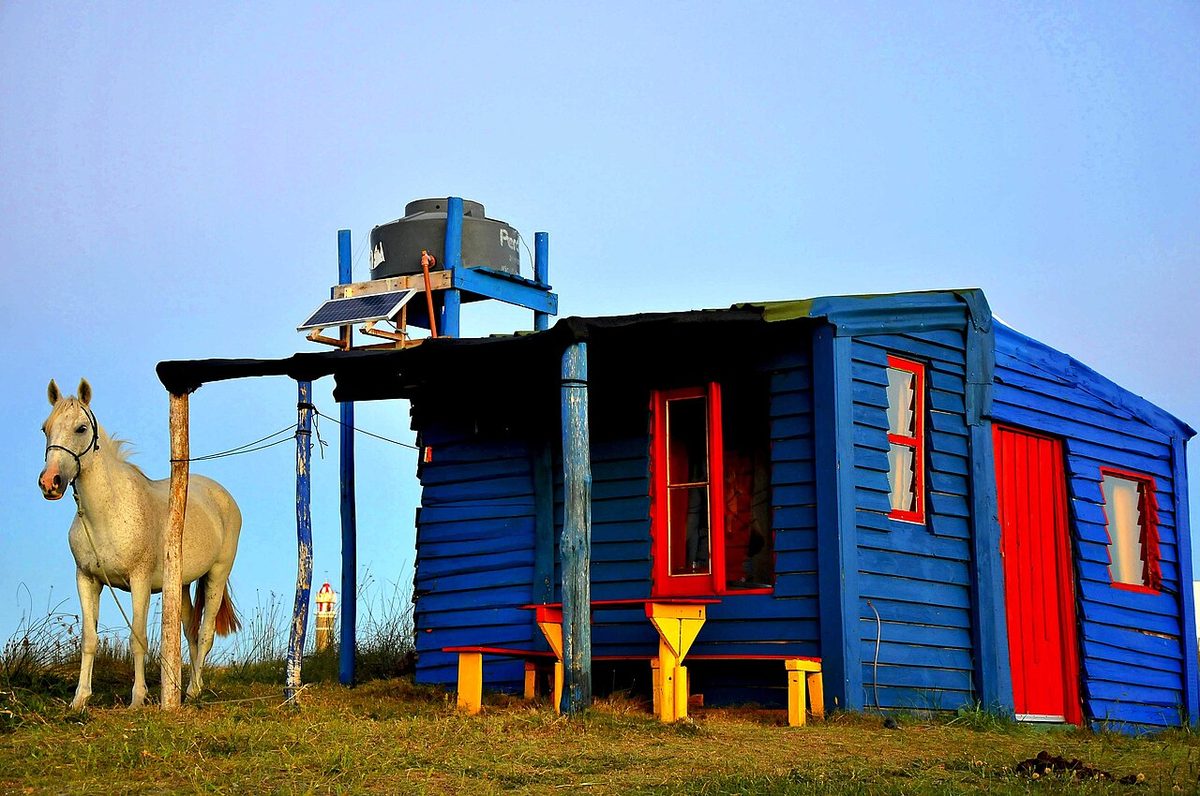
The headline setting is the rolling dune field around Cabo Polonio, a roadless village reached over sand. Riding across those dunes, with the lighthouse ahead and a sea lion colony barking somewhere downwind, is genuinely strange in the best way. Further north toward La Coronilla and the Brazilian border, several multi-day trips finish with a flat-out gallop along kilometres of unbroken beach. Inland from the coast sit the wetlands and palm groves of the UNESCO biosphere reserve, where you might cross paths with capybara, rheas, and an absurd amount of birdlife; the wildlife guide covers what to look for.
One honest drawback: this coast is a summer party zone in January and early February, and the most photogenic beaches get busy and hot. Ride here in spring or autumn and you get the empty version. For the wider picture of the area, the Rocha travel guide and the roundup of the best beaches in Uruguay are the natural next reads.
The sierras of Lavalleja and Maldonado
Inland and slightly west, the land crumples into the sierras. These are not real mountains; the high points barely top 500 metres. What they offer instead is texture: granite outcrops, native bush, clear streams, and viewpoints that open suddenly after a climb. For riding, the appeal is variety. One trail can take you up a rocky spine, down into a forested gully, and across a creek in the space of an hour, which keeps a half-day ride from ever feeling repetitive.
The cluster around Minas and Villa Serrana is the classic base. Villa Serrana is a tiny hill hamlet built into the slopes, good for a short cabalgata (a horse ride or trek) and a slow lunch. Nearby, the waterfall at Salto del Penitente makes a natural turnaround point for a ride, and the protected canyon of Quebrada de los Cuervos is one of the more dramatic backdrops in the country, all sheer walls and circling birds. If you would rather see this country on foot as well, the hiking guide pairs neatly with a riding day.
Over in Rocha’s own hill range, the Sierra de Rocha, a few small operators run rides that climb to a sunset viewpoint then pick their way back down in the dark. The drawback in the sierras is the ground: after heavy rain the rocky tracks get slick, and good operators will downgrade the route or cancel rather than risk a horse slipping. Take that as a sign of competence, not a wasted day.
The open pampa: riding at an estancia
For most visitors the gateway to riding is a stay or a day at an estancia. Out on the open grassland the riding is flat and easy, which makes it ideal if you have never sat a horse, but the real draw is context. You are riding through a working cattle operation, often alongside a gaucho who is genuinely moving stock rather than performing. A horse, a dog, a flat horizon, and a job to do; it is a quiet, unhurried kind of magic.
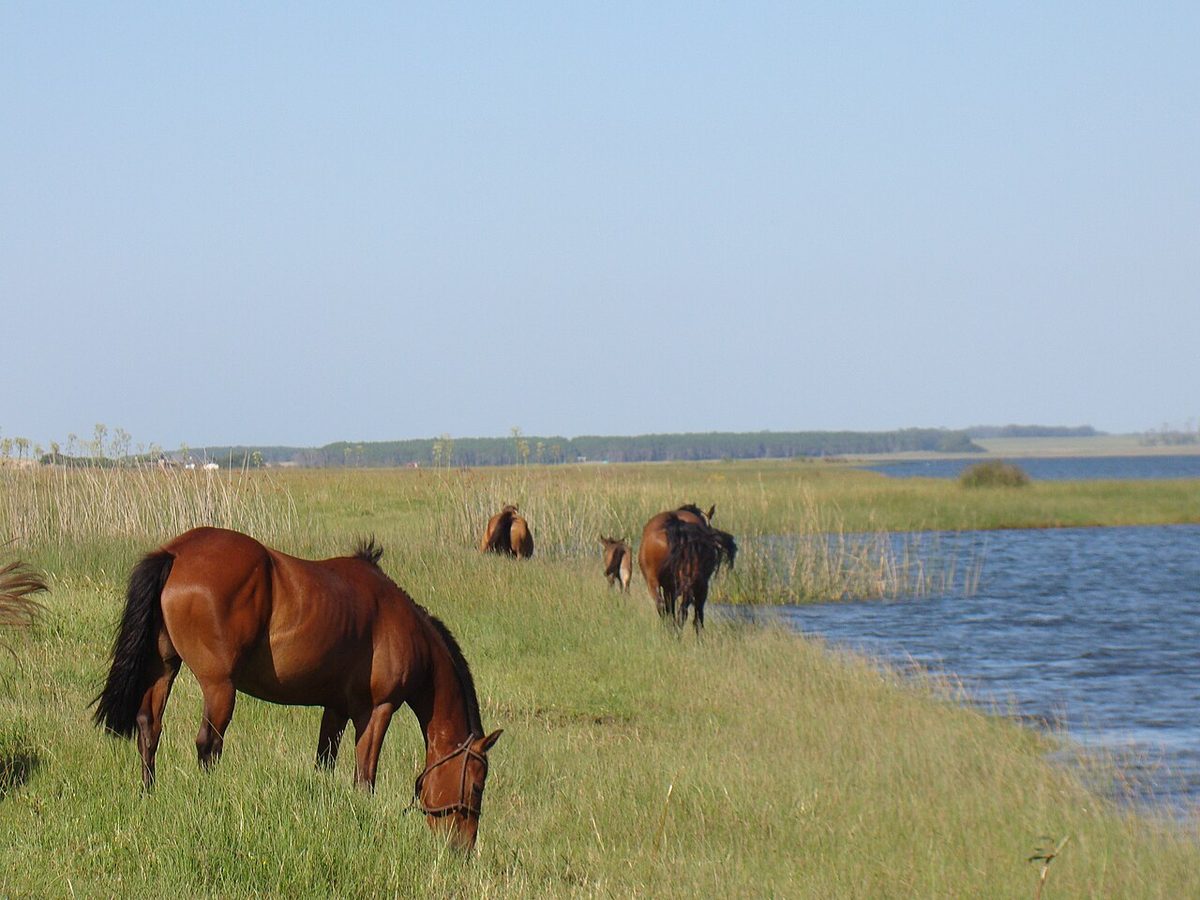
The classic format is the día de campo: you arrive mid-morning, ride for an hour or two, then sit down to an asado (the Uruguayan barbecue) that runs for the rest of the afternoon. Many estancias also rent rooms, so you can turn it into an overnight and ride again at dawn when the light is best and the air is cool. I get into the lodging side properly in the guide to estancia stays, and the parent estancia overview explains how the whole rural-tourism scene fits together.
Uneven horsemanship is the drawback at estancias. A handful are run by people who clearly love their animals; others treat the riding as a box-ticking add-on between the welcome drink and the barbecue, with tired horses and basic instruction. Ask before you book how long the rides actually run and whether a guide stays with the group.
Vineyard rides and other variations
A newer twist pairs horses with wine. In Canelones and parts of Maldonado, a few wineries now offer a gentle ride through the vines that ends, sensibly, with a tasting. It is not a serious ride; it is a pleasant 60 to 90 minutes with a glass of tannat waiting at the end, and it works well as a half-day with non-riders in the group. Harvest season around March and April is the prettiest time, when the vines turn and the cellars are busy.
Families have options too. Plenty of estancias keep a few placid ponies and will lead small children at a walk, which makes a riding afternoon one of the more reliable crowd-pleasers; the family travel guide and the broader list of things to do in Uruguay have more ideas for mixed-ability groups.
Types of ride: from a one-hour cabalgata to a week in the saddle
It helps to know the formats before you book, because “horse riding” covers wildly different days out.
The short cabalgata
One to two hours, walk and maybe a gentle trot, fully guided. This is the entry point: enough to feel the landscape and decide if you want more, cheap enough to do on a whim. In the sierras you will climb to a viewpoint; on the coast you will amble the sand. No experience needed.
The full día de campo
Half a day or more, built around an estancia. You ride, you eat a long asado, you see how a ranch works. Think of it as a cultural day with riding inside it rather than a riding day with lunch attached. The best value if you want the whole rural experience in one go.
Multi-day point-to-point rides
This is the serious end, and where Uruguay quietly excels. Over three to eight days you ride from place to place, sleeping in a mix of estancias, lodges, and the occasional tent with the horses. A typical route stitches together beach gallops, wetland crossings, and forest tracks; the well-known itineraries link the Rocha coast with the inland reserves, finishing with a long beach run near La Coronilla. You need a basic level of fitness and to be comfortable at a canter, but you do not need to be an expert. These trips run roughly from US$1,200 all-in.
The beach gallop
Sometimes it is its own thing: a short outing whose entire point is opening up on firm sand. Operators on the Rocha coast offer this, usually in the cooler shoulder seasons when the beaches are empty and the horses are fresh. If a controlled gallop beside the Atlantic is the image in your head, say so when you book, because not every “beach ride” includes one.
Who it suits, and whether beginners are fine
Short version: beginners are fine almost everywhere. The criollo’s temperament and the guided, walk-paced format of most tourist rides mean people who have never sat a horse routinely do a one-hour or half-day ride and love it. Good operators give a quick paddock lesson first, adjust your stirrups, and keep a guide with the group throughout.
Where it gets more demanding is the multi-day trips. Hours in the saddle ask something of your body even at a walk, and most serious itineraries include canter sections where you need to be balanced and in control. You do not need polished technique, but you should be honest about your fitness and confidence. Reputable operators ask for a frank self-assessment for a reason; oversell your ability and you make the trip worse for yourself and everyone else.
Riders with disabilities or specific needs can often be accommodated at the estancia level, where the pace is gentle and the ground is flat, but call ahead. This is a small, personal industry, and a phone conversation sorts out far more than a booking form.
Planning a riding trip: seasons, kit, costs and choosing well
When to go
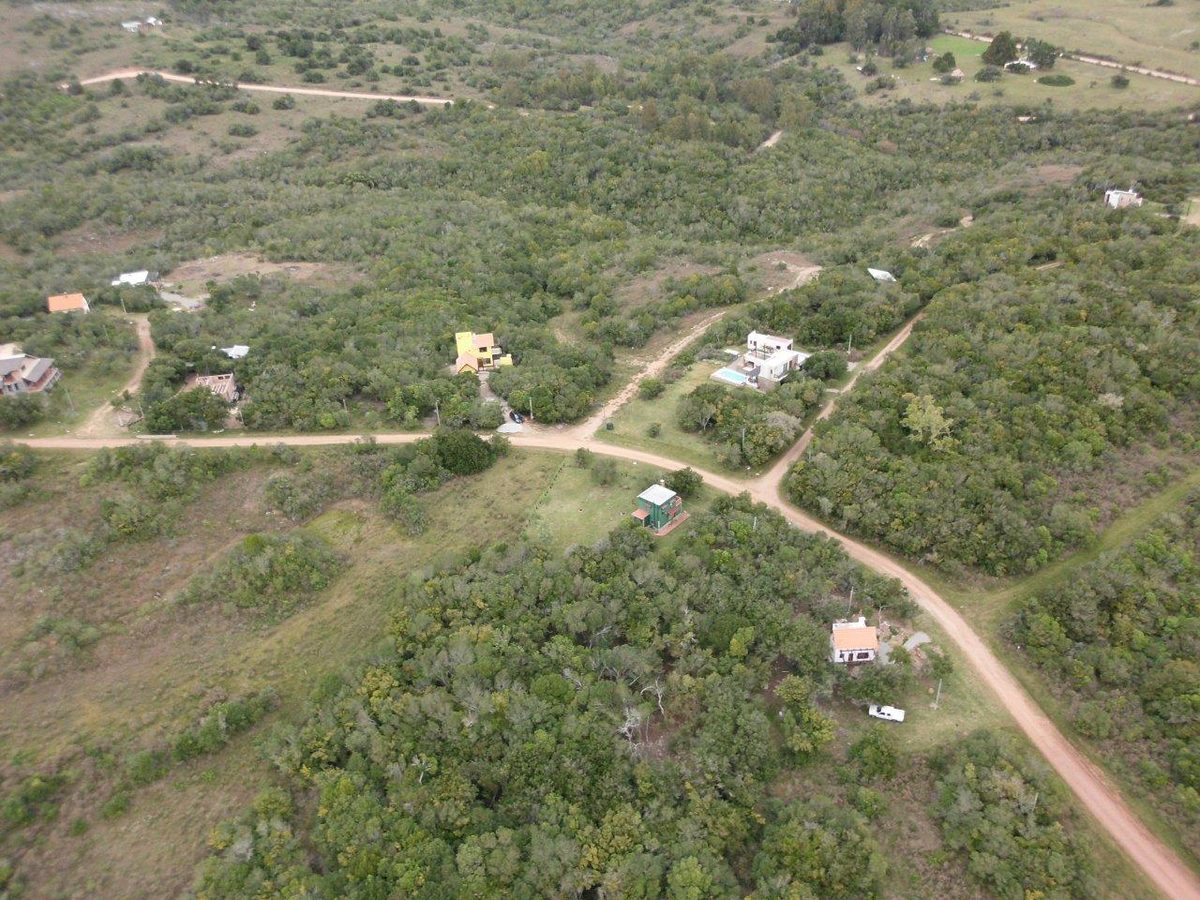
Spring (roughly September to November) and autumn (March to May) are the prime riding seasons, and I would argue autumn just edges it. The summer heat eases, the light goes golden, the grassland and the sierras shift colour, and the crowds that clog the coast in January are gone. Summer riding is still possible but tends to start early or late in the day to dodge the heat. Winter is quiet and can be cold and wet, though a crisp dry winter day on the pampa has its own appeal.
What to wear
Keep it simple. Long, comfortable trousers (jeans or leggings) to stop the saddle chafing your legs, and closed shoes with a small heel if you have them; a trainer is acceptable, sandals are not. Bring a light layer because temperatures swing, especially at dusk, plus sun protection, a hat that will not blow off at a canter, and water. For multi-day trips, pack gloves and a waterproof. Most operators do not insist on helmets and many will not have your size, so if you want one, bring your own; for children I would treat a helmet as non-negotiable.
What it costs
Rough, hedged figures for 2026. A short one-hour cabalgata runs around US$20 to US$40 per person on the local market. A half-day ride sits around US$50 to roughly US$115. A full día de campo with the asado and ranch access is around US$120 and up. Vineyard rides with a tasting land somewhere around US$70 to US$100. Multi-day guided trips start from about US$1,200 and climb with comfort and length. Foreign-facing operators that handle everything in English and dollars charge more than a local estancia you book by WhatsApp, which is the trade-off between convenience and price.
Choosing an operator
This is where a good day is made or lost. Before you commit, ask four things: how long is the actual riding (not the total experience), does a guide stay with the group, how many riders go out together, and how do they assess and match horses to ability. The answers tell you a lot. A serious outfit talks easily about its horses as individuals. A weak one talks only about the lunch.
Safety and the one drawback worth naming
Riding is low-risk here by the standards of the activity, helped by calm horses and gentle terrain. The honest, recurring drawback across Uruguay is that horse welfare and tack standards are not regulated to any consistent line. Most operators care; a few do not, and you can end up on a tired, under-conditioned horse with worn gear. You can usually tell within minutes: look at the horses’ body condition, whether the tack is sound, and how the staff handle the animals. If anything feels off, you are allowed to walk away. Vetting your operator is the single most useful thing you can do, and it is why I keep nudging you toward the ones with a track record.
A few operators and estancias that ride well
Names change and standards drift, so treat this as a starting shortlist rather than gospel; confirm current details directly. These are the ones that come up repeatedly for the right reasons.
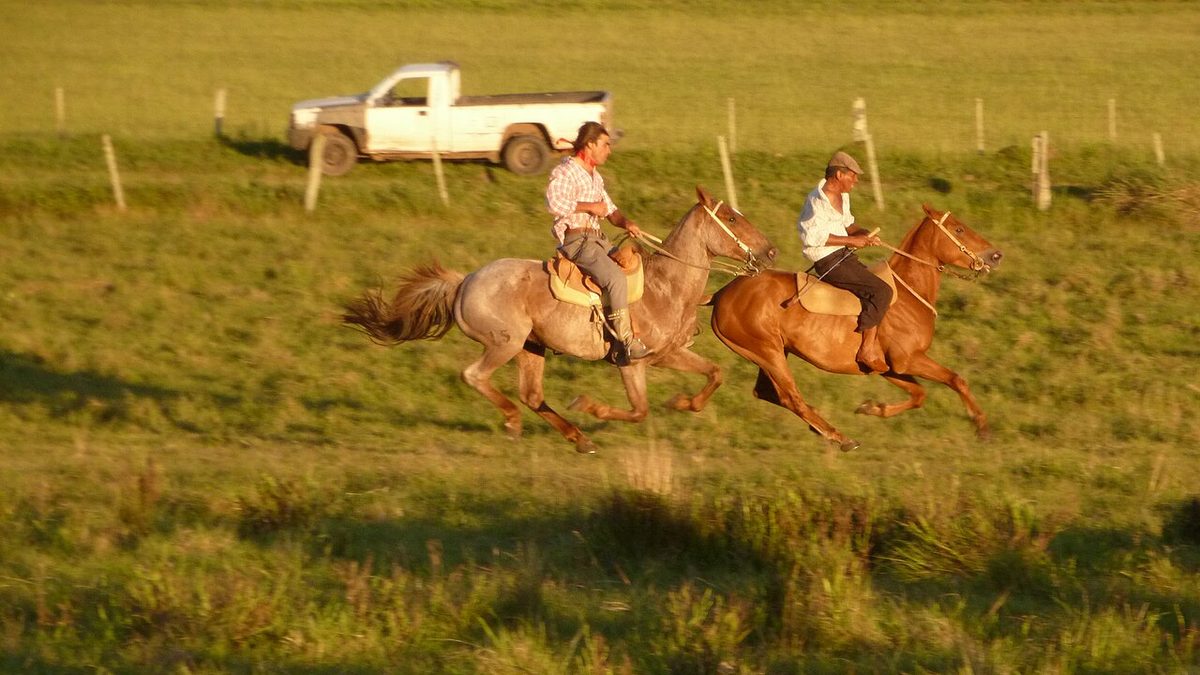
Caballos de Luz, in the Sierras de Rocha about 25 minutes from the coast, is the one I send most riders to. It is a small vegetarian guesthouse run by Lucie, who trains her criollos with natural-horsemanship methods and gives beginners a paddock lesson before heading into varied sierra terrain, often ending on a sunset ridge. Rooms are rustic and the food is genuinely good. They also do ride-and-lunch day visits if you cannot stay over.
Estancia Águila Blanca, in the Sierra de Minas in Lavalleja, is a more traditional estancia option with hill-country rides and a working-ranch feel. Huellas Cabalgatas runs guided equestrian experiences across several regions and is a useful first contact if you are not sure where you want to ride. For the multi-day, point-to-point trips, the dedicated riding-holiday specialists, including international operators such as Ride Andes, Hidden Trails, and the Rocha-based ecolodge programmes around Barra de Valizas, package the logistics, accommodation, and English-speaking guides into a single booking.
One drawback worth flagging: the best small operators book up fast in the shoulder seasons and may run rides only on certain days, so the spontaneous “let’s ride tomorrow” plan does not always work. Message ahead.
Horseback riding Uruguay: your questions answered
Do I need riding experience for a cabalgata in Uruguay?
No, not for the standard tourist rides. Most short cabalgatas and día-de-campo rides are walk-paced, fully guided, and run on calm criollo horses used to beginners. Good operators give a quick lesson, adjust your gear, and stay with the group. Multi-day trips are the exception; for those you should be fit and comfortable at a canter.
How much does horseback riding in Uruguay cost?
Roughly, and with the usual caveats: a one-hour ride is around US$20 to US$40, a half-day around US$50 to US$115, and a full día de campo with an asado around US$120 and up. Multi-day guided trips start from about US$1,200 all-in. Foreign-facing operators charge more than local estancias you book directly.
Where is the best place to ride in Uruguay?
It depends on the picture in your head. For empty beach gallops, the Rocha coast around Cabo Polonio and La Coronilla is unbeatable. For varied trails and viewpoints, the sierras of Lavalleja and Rocha. For the working-ranch, big-sky experience, an estancia out on the open pampa. Many multi-day trips combine all three.
Can you ride horses on the beach in Uruguay?
Yes, and it is one of the country’s signature rides. The long, undeveloped beaches of Rocha let you canter or gallop safely on firm sand near the waterline, often with nobody else around in the shoulder seasons. The dunes around Cabo Polonio and the beaches near La Coronilla are the standout settings.
When is the best time of year to go riding?
Spring (September to November) and autumn (March to May). Autumn is my pick: mild temperatures, golden light, colour in the grassland and sierras, and far fewer people than the packed summer coast. Summer rides run early or late to avoid the heat; winter is quiet, sometimes cold and wet, but fine on a clear day.
Is it safe, and what about the horses’ welfare?
It is low-risk by riding standards, thanks to gentle terrain and steady horses. The real concern is inconsistent welfare and tack standards, since the sector is not tightly regulated. Most operators care for their animals well; a few do not. Check the horses’ condition and the gear on arrival, and do not be shy about walking away if something feels wrong.
Final thoughts
Riding is, to me, the single best way to understand Uruguay. The country was built around the horse, and getting on one drops you straight into the version of the place that the buses and the beach towns never show: the silence, the open ground, the unbothered competence of people who still work from the saddle. Whether it is a one-hour amble in the sierras or a week tracing the coast, the experience scales to whatever you bring to it.
Pick your setting, ride in spring or autumn, and spend ten minutes vetting your operator before you hand over any money. Do that, and a horse here will give you a day you will be telling people about for years. Mine still does.
Credits & sources
Sources & further reading
- Guru’Guay: Caballos de Luz, horseback riding in the Uruguay sierras — first-hand review of a top sierra operator.
- Guía Turista Uruguay: how much a cabalgata costs in 2026 — current local pricing and regional breakdown (Spanish).
- Ministerio de Turismo del Uruguay — official national tourism body.
Photo credits
All images via Wikimedia Commons: Cabalgata Beach Rocha Uruguay by Casaseneleste (CC BY 2.0); Horses Cabo Polonio Dunes Uruguay by Nicolas camacho (CC BY-SA 3.0); Gaucho Criollo Horse Pampa Uruguay by Nkandra19 (CC BY-SA 3.0); Villa Serrana Sierras Riding Uruguay by Luis Irigoyen (CC BY 3.0); Jinete Criollo Horse Uruguay by Bienflorencia (CC BY-SA 4.0).