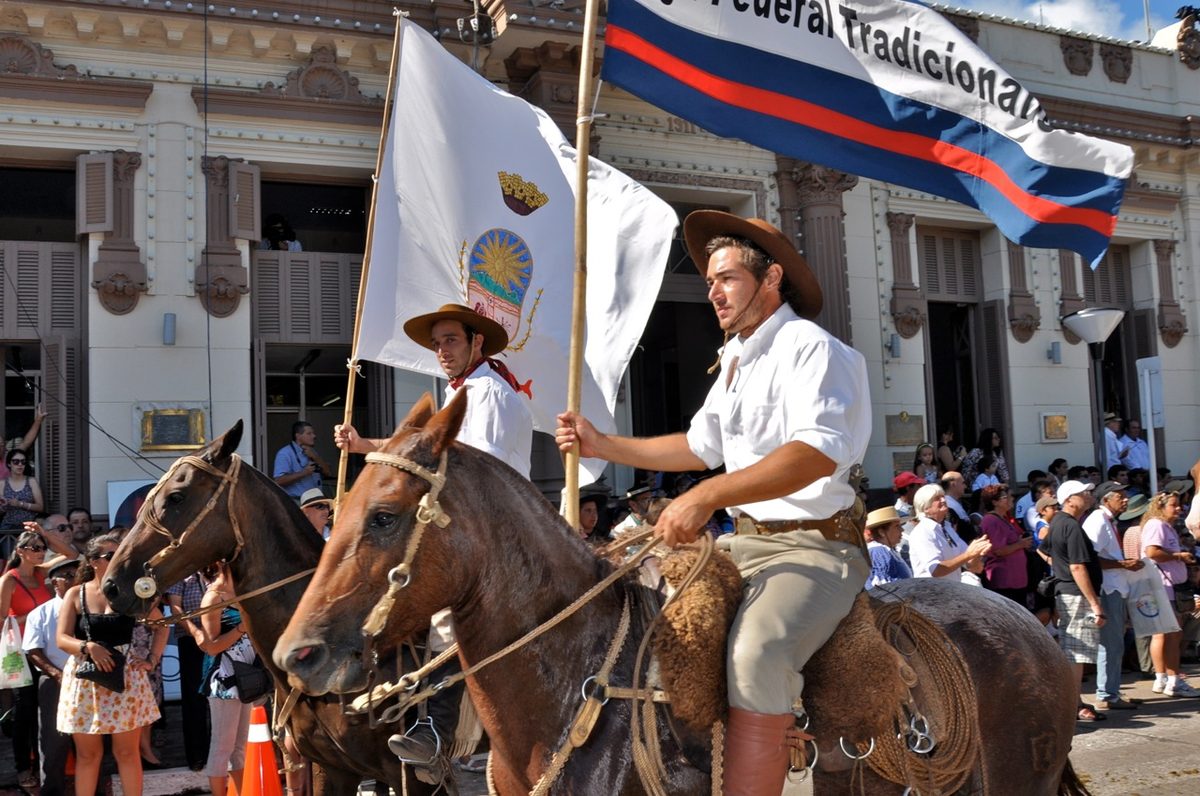
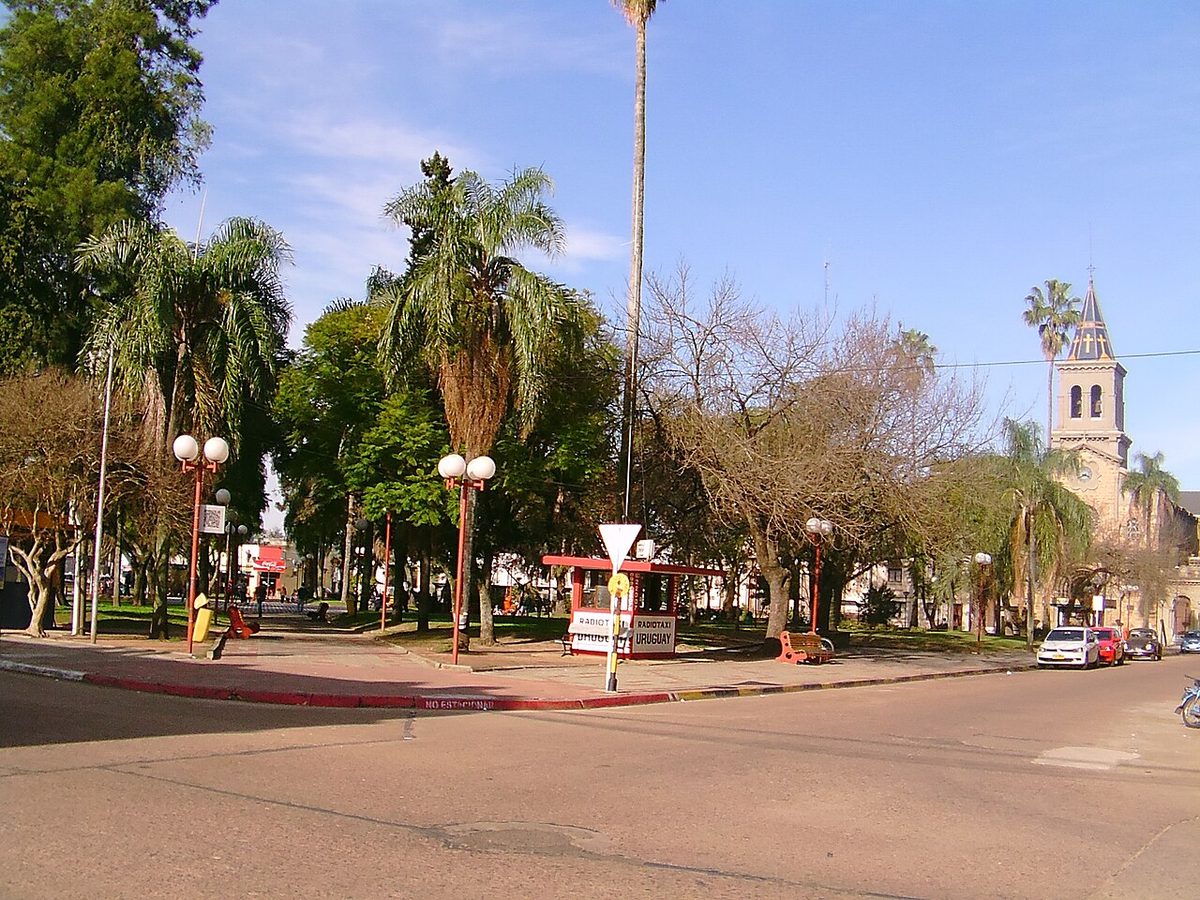
The Best Estancia Stays in Uruguay (2026)
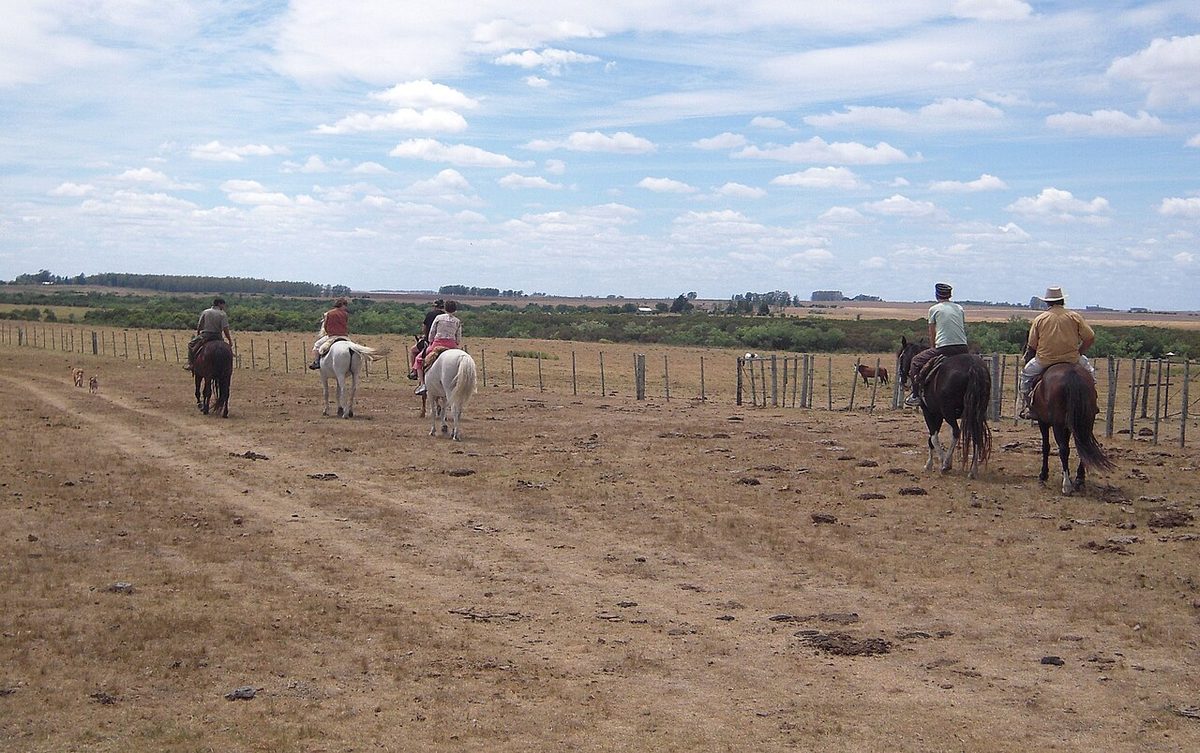
The first thing I noticed on the drive out to the campo was the silence, and the way the wind across open grassland swallows everything else. By the gate, a man on a horse waved me down a track lined with eucalyptus, and the city drained out of me.
An estancia stay Uruguay trip means sleeping on a working or restored cattle ranch (an estancia) deep in the countryside, where days revolve around horseback riding, open-fire cooking and a slower clock. The best estancias in Uruguay sit one to four hours from Montevideo and range from rustic farm bunks to polished rural lodges, with most charging for full board.
That rural Uruguay is the part most visitors skip on their way between Montevideo beaches and the wine country. I have stayed at half a dozen of these places, from a rough-and-ready cattle operation to a country hotel with a heated pool, and I keep going back.
This guide is the practical accommodation and experience side of the story: what these stays actually involve, the real estancias I would point a friend toward by region, what is included, what it costs, and how to get there. For the deeper history of the gaucho and the culture behind it, that belongs to our complete guide to estancias in Uruguay, which this article sits beneath.
A quick word on language first. An estancia is a large rural ranch. A gaucho is the South American cowboy who works it. An asado (open-fire barbecue) is the meal that anchors every visit, cooked on a parrilla (grill). And a día de campo (a day in the country) is the day-visit version of all this, which I will get to below.
Estancia stay Uruguay: what these ranches actually are
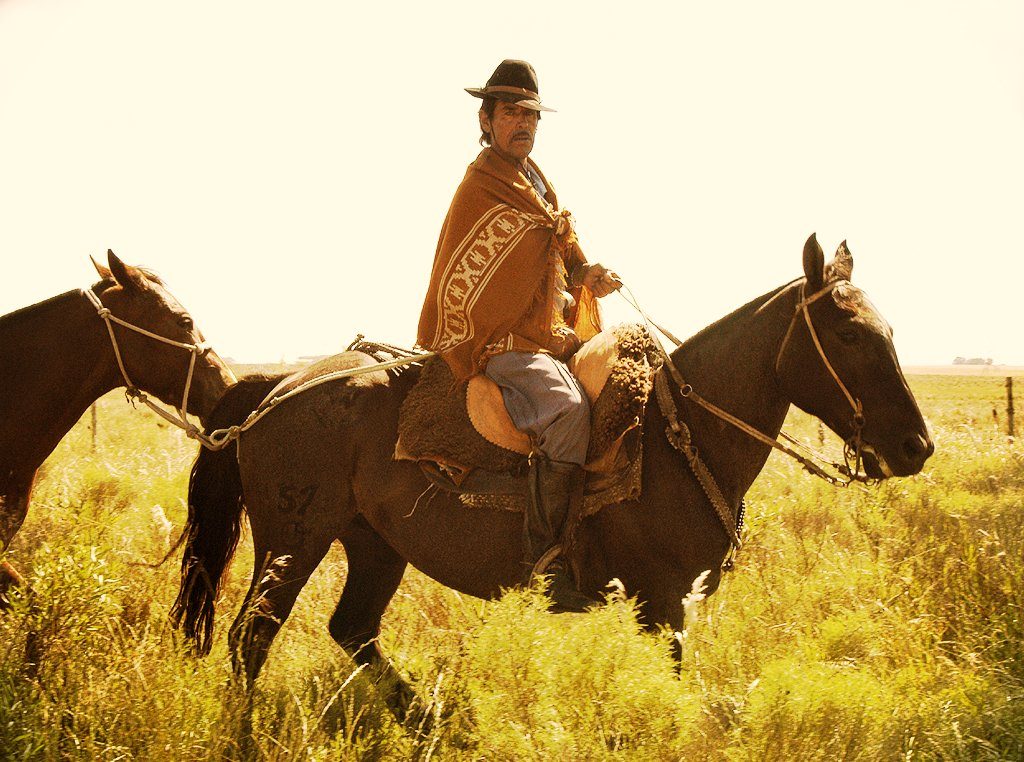
Forget the word “resort.” A Uruguayan estancia is first and foremost a farm. The country has more cattle than people by a factor of about three, and the estancia is the unit that raises them. Some have been in the same family for six generations; some were colonial land grants that survived intact.
What turns a farm into a place you can sleep is a decision the owners made somewhere along the line to take in guests. How far they took that decision is exactly what separates one experience from another, and it is the single most useful thing to understand before you book.
I think of them in three broad bands. Getting the band right matters more than the star rating, because a five-star price tag on a working ranch buys something completely different from the same money at a design hotel near the coast.
The working cattle ranch
This is the real thing: a ranch that earns its living from livestock and happens to keep a few guest rooms. You eat what the kitchen cooks, you ride out with the gauchos because that is what is happening anyway, and you may end up helping move sheep. Accommodation is simple and the Wi-Fi is a rumour.
Panagea, up in Tacuarembó in the gaucho heartland of the north, is the classic example. It is a genuine cattle and sheep operation that takes backpackers, runs on horseback every single day, and matches you to one of several horses by your riding level. Last I checked it ran around 60 US dollars a day including all meals and riding, which is remarkable value.
The honest drawback: this is not comfort. Rooms are basic, electricity can be limited, and if you want a spa and a wine list you will be disappointed. You go for the immersion, not the thread count.
The polished tourist estancia
These still feel like real farms, but the owners have leaned into hospitality. Think nicely restored buildings, a pool, en-suite bathrooms, a proper cook, organised rides and a programme of farm activities laid on for guests. Many host weddings. Several are still working ranches underneath.
Finca Piedra in San José, about 125 km from Montevideo, fits here neatly. It runs cattle and Criollo horses (the hardy local breed) across 1,000 hectares but also has 20 hectares of vineyards producing Tannat, 13 en-suite rooms with underfloor heating, a pool and a chef. You can ride, cycle, fish or just taste the estate’s own wine. It is rural life with the corners smoothed.
The drawback here is that the polish can tip into theme-park if you let it. Some of the gaucho “demonstrations” are staged for guests rather than spontaneous. Lean into the genuine bits and let the rest wash over you.
The luxury rural lodge
At the top end, the estancia becomes a design destination that happens to sit on ranch land. The rooms are gorgeous, the food is restaurant-grade, and horses are one option among many. You are paying for seclusion, style and service as much as for the campo itself.
Estancia Vik, on a huge spread inland from José Ignacio, is the headline name: an art-filled luxury property where the riding is real but the aesthetic is the point. Estancia Santa Cruz, minutes from José Ignacio, does the same trick around polo. These are the places couples choose when they want the countryside without giving up a great bed.
The drawback is obvious and it is the price. You can pay more for one night at the luxury end than for a week at Panagea, and some of what you are buying is the brand rather than a deeper connection to rural Uruguay. Worth it for a special trip; overkill for an honest taste of the campo.
| Estancia (region) | Type | Vibe | Price band (per night, full board) | Best for |
|---|---|---|---|---|
| Panagea (Tacuarembó) | Working ranch | Rustic, immersive | around US$60 pp | Backpackers, riders, real gaucho life |
| Estancia El Ceibo (Florida) | Working ranch | Historic, unhurried | around US$150–200 pp | Heritage lovers, short on time |
| Finca Piedra (San José) | Polished estancia | Wine + country comfort | around US$170–230 pp | Couples, wine fans, families |
| San Pedro de Timote (Florida) | Country hotel | Grand, historic, full-service | around US$180–250 pp | Families, groups, weddings |
| El Charabón (Rocha) | Polished estancia | Working farm near the coast | around US$180–260 pp | Riders wanting beach + sierra |
| Estancia Vik (Maldonado) | Luxury lodge | Design-led, exclusive | around US$600+ pp | Couples, a splurge weekend |
Those figures are a guide, not a quote. Estancia rates shift with season, occupancy and the exchange rate, and most are quoted per person with all meals included rather than per room. Treat the bands as a way to compare, then confirm directly. For a wider look at where these fit among the country’s stays, our overview of where to stay in Uruguay sets out the alternatives.
Best estancias in Uruguay by region
Geography shapes the experience more than you might expect. The north is deep cattle country and feels remote; the south and the Maldonado interior are within striking distance of the beaches and tend to be more polished. Here is how I would map the best estancias in Uruguay across the country.
Colonia and Carmelo (the west)
If you are arriving by ferry from Buenos Aires, the west is your gateway and an easy first stop. The land around Colonia and Carmelo is gentle, green and dotted with both ranches and vineyards, so you can fold an estancia night into a wine itinerary without much detour.
This corner pairs naturally with a glass in hand, and our guide to Tannat and Uruguayan wine covers the cellars worth combining with a ranch stay. Several estancias here lean toward the polished end, with comfortable rooms and short transfers from Colonia.
San José and Florida (the historic heartland)
An hour or two north of Montevideo, this band of country holds some of the most storied estancias in the nation and is the easiest region to reach if your time is short. Finca Piedra sits in San José, near the Sierras de Mahoma, combining a working ranch with vineyards and family-friendly comfort.
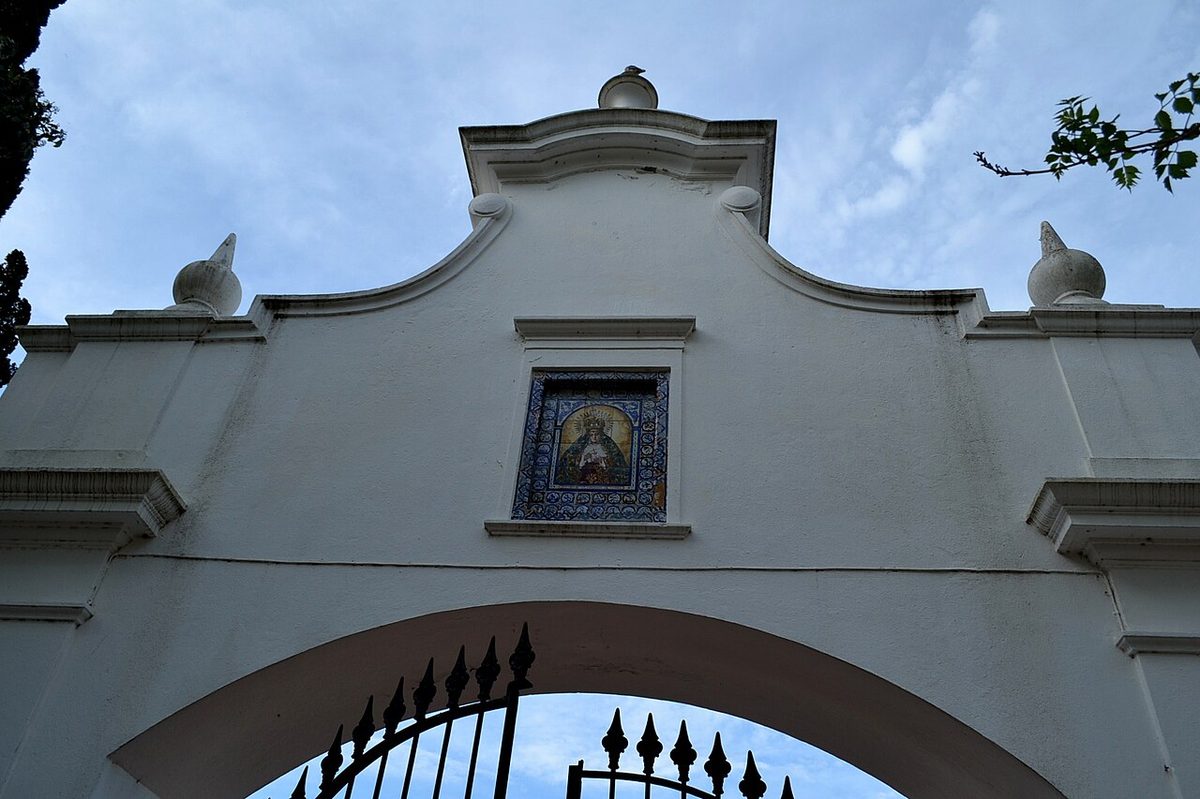
Florida is home to San Pedro de Timote, arguably the country’s most historic estancia: 200 years old, with grand colonnaded buildings, multiple pools, a chef and dozens of rooms. It is a country hotel rather than a rough farm, which makes it a reliable choice for families and groups. Also in Florida, Estancia El Ceibo has barely changed since 1849 and sits just an hour from Montevideo, so it is my pick when someone wants a real ranch but cannot face a long drive.
Maldonado interior and Rocha (near the coast)
Inland from the glamour of Punta del Este and José Ignacio, the country turns to rolling sierra within an hour of the sea. This is where you find the luxury lodges (Estancia Vik, Estancia Santa Cruz) alongside working farms like Martín Pescador, a sierras ranch about an hour from the ocean that does riding and trekking properly.
Push east into Rocha and the landscape grows wilder. El Charabón, around 225 km from Montevideo and 80 km from Punta del Este, is a 950-hectare working cattle and sheep ranch among the hills of Rocha with a beach within riding distance and nine comfortable suites. It is a fine base for combining horseback days with the empty Atlantic beaches the region is known for, many of which feature in our roundup of Uruguay’s quieter corners.
Tacuarembó and Cerro Largo (the deep north)
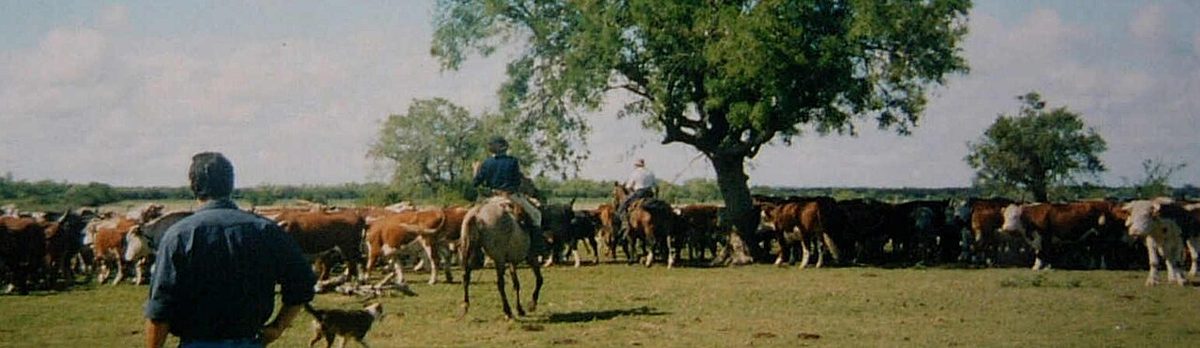
Go north and you reach the real thing: Uruguay profundo, the deep country where the gaucho tradition is strongest and the roads get rougher. Tacuarembó is the heartland, and Panagea is its standard-bearer for anyone wanting unvarnished ranch life on horseback.
Be honest with yourself about the distance, though. Tacuarembó is four to five hours from Montevideo, and the last stretch to some ranches is ripio (gravel road). The reward is the most authentic estancia experience in the country; the cost is a long haul to reach it.
What a stay is actually like
Days on an estancia have a rhythm that takes about a day to settle into and then becomes addictive. Mornings tend to start early, when the air is cool and the horses are fresh. There is usually a ride before lunch, the heat of the afternoon for resting or a swim, and a second outing as the light softens.
Riding is the heart of it. On a working ranch you ride out with the gauchos and may genuinely help round up stock; at the polished places it is a guided cabalgata through the hills. Good estancias match the horse to your ability and will happily teach a complete beginner, so you do not need to arrive knowing how to ride.
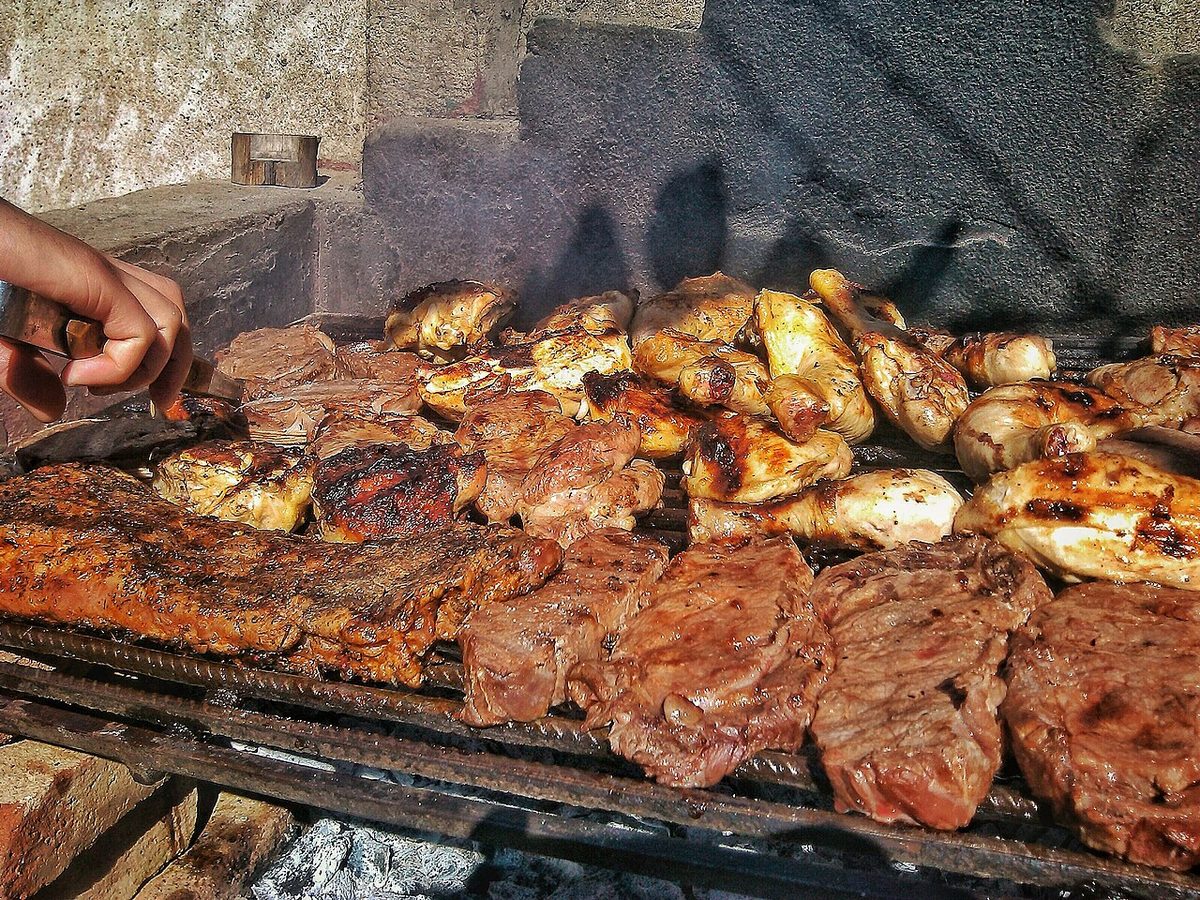
Then there is the food, which is half the reason to come. Meals are generous and built around the asado, with cuts cooked slowly over wood and embers on the parrilla while everyone hovers nearby. Expect home-grown vegetables, the estate’s own wine at the smarter places, and mate (the bitter herbal tea Uruguayans drink constantly from a shared gourd) passed around at odd hours. To understand why the asado matters so much, our piece on the Uruguayan asado goes deep on the ritual.
Beyond riding and eating, expect farm activities depending on the season and the place: helping with the animals, birdwatching, fishing, cycling, or learning a few gaucho skills. What you will not find is a packed schedule. The point is to do less, and the better estancias protect that.
Día de campo: the day-visit alternative
Not everyone wants to commit a night, and you do not have to. The día de campo (a day in the country) is the day-visit version of the estancia experience, and it is a brilliant option if you are short on time or just testing the water.
A typical day runs from late morning to late afternoon: a welcome with mate or a drink, a guided ride, a demonstration of farm work, and a long asado lunch with wine. Some estancias near the coast or the wine country run these specifically for visitors staying elsewhere, so you can base yourself at the beach and still spend a day on horseback.
I rate the día de campo highly for families with younger kids, who often hit their limit before an overnight is worth it, and for travellers on a tight loop. If it grabs you, you can always come back for a proper stay. For more day-trip thinking, our list of things to do in Uruguay places it among the country’s other outings.
The honest drawback of a day visit is that you miss the best part, which is the evening: the quiet after the day-trippers leave, the stars with no light pollution, and the slow second asado. A day in the country is a taste; a night is the meal.
What an estancia stay costs
Prices vary enormously by band, and almost always include meals, which changes how you should compare them. A working ranch like Panagea sits around 60 US dollars per person per day with all food and riding thrown in, which is about as cheap as a memorable experience gets in Uruguay.
The polished and historic estancias cluster in a wide middle band, very roughly 150 to 260 US dollars per person per night for full board, depending on the property, the room and the season. San Pedro de Timote, for instance, has hovered around the 180-plus mark per night last I looked. The luxury lodges then jump to a different planet, with Estancia Vik and its peers running several hundred dollars and up.
Two things to keep in mind. First, most rates are per person on a full-board basis, not per room, so a couple should not simply halve the headline figure. Second, the all-inclusive nature means the sticker price is closer to your real spend than at a city hotel, where meals and activities pile up on top. Uruguay is not a cheap country, and these stays reflect that, but the value at the working-ranch end is genuinely strong.
Getting there, and why a car helps
Almost every estancia sits well off the main roads, which is the entire point and also the main logistical hurdle. The good ones are one to four hours from Montevideo, and the last stretch is frequently ripio (gravel road) that a normal car handles fine in dry weather but that turns slippery after rain.
Renting a car is the single biggest upgrade to an estancia trip. It lets you reach the more remote places, stop in country towns, and combine a ranch with the wine roads or the coast on your own schedule. Our guide to renting a car in Uruguay covers the paperwork, and a ranch stay slots beautifully into a wider Uruguay road trip.
If you would rather not drive, you have options. Many estancias arrange transfers from Montevideo, Punta del Este or the nearest town for a fee, and the luxury places assume you will not self-drive at all. Long-distance buses reach the regional capitals such as Tacuarembó and Florida, from where the estancia can usually collect you. It is more friction than a car, but it is doable.
Planning your stay: when to go, booking and packing
Season changes the experience more than the price. Spring, from late September into early December, is my favourite: the countryside blooms, lambs and calves arrive, and it is cool enough to ride at any hour. Autumn, March to May, is the calm, golden alternative with little wind and superb birdwatching.
High summer, mid-December through February, is hot enough that the middle of the day is for shade and the waterhole rather than the saddle, so you ride early and late. Winter is quiet and atmospheric, and July brings la yerra, the cattle-branding season that is as gaucho as it gets if you want the working calendar in full swing. For a fuller breakdown, slot this into a wider Uruguay itinerary.
Booking is best done directly with the estancia or through a specialist; the smaller working ranches in particular are not always on the big hotel sites, and emailing them is normal. Stay at least two nights, ideally three or four, because the magic is in slowing down and one night barely lets you exhale. Horse people should plan longer.
Packing is simple. Bring closed shoes or boots you do not mind dusting up, long trousers for riding, a hat, sunscreen and a warm layer for the evenings, which cool off fast even in summer. Cash is useful for tips and the smaller places, and do not count on a phone signal. Families travelling with children should read our notes on visiting Uruguay with kids, as estancias are one of the country’s best options for them.
One last planning note: an estancia pairs well with almost anything. A couple of ranch nights between the beaches and the wine country, or bolted onto a loop of the best places to visit in Uruguay, gives a trip a change of pace that travellers consistently tell me was their highlight.
Estancia stay Uruguay: your questions answered
Is an estancia stay in Uruguay worth it?
For most travellers, yes. It offers something the beaches and cities cannot: genuine rural life, riding across open country, and food cooked over fire, often at fair prices given that meals are included. If you have even a passing interest in horses, the outdoors, or seeing how Uruguayans actually live, a night or two on an estancia is frequently the most memorable part of the trip.
How much does a Uruguay ranch holiday cost?
It spans a wide range. Working ranches start around 60 US dollars per person per day including meals and riding. Polished and historic estancias generally run roughly 150 to 260 dollars per person per night on full board, while luxury lodges climb to several hundred and up. Because most rates include all meals, the headline figure is close to your real daily spend.
What is a día de campo in Uruguay?
A día de campo is a day in the country: a day visit to an estancia without staying overnight. It usually runs late morning to late afternoon and includes a guided horseback ride, a demonstration of farm work, and a long asado lunch with wine. It is ideal for travellers short on time or families with young children who may not last a full overnight.
Do you need to know how to ride a horse?
No. Good estancias keep a range of horses sorted by temperament and pace, and the gauchos are used to teaching complete beginners the basics before heading out. You can ride as gently or as adventurously as you like, and riding is optional anyway; plenty of guests fish, cycle, walk or simply read under a tree instead.
When is the best time to visit an estancia?
Spring (late September to early December) and autumn (March to May) are the sweet spots, with mild temperatures, blooming or golden countryside, and comfortable riding at any hour. Summer is hot enough that you ride early and late, while winter is quiet and atmospheric. Avoid booking around heavy rain if you can, since the gravel access roads get slippery.
How far are estancias from Montevideo?
The best estancias sit one to four hours from Montevideo by car. The historic heartland of San José and Florida is closest, often within two hours, while the deep gaucho country of Tacuarembó in the north is four to five hours away. A rental car makes the journey far easier, though many estancias arrange transfers if you prefer not to drive.
Final thoughts
Of everywhere I have stayed in Uruguay, the estancias are what I recommend most insistently, and the most often ignored. They ask a little more of you, a drive, a willingness to unplug, sometimes a rougher bed, and they repay it with a version of the country that the coast simply does not show.
Pick your band honestly. Choose a working ranch for immersion, a polished estancia for comfort with character, a luxury lodge for a splurge, and a día de campo if a night is too much. Then give it a couple of days, let the silence do its work, and see if you do not end up planning your way back like I did.
Credits & sources
Sources & further reading
- Ministerio de Turismo del Uruguay – the country’s official tourism ministry.
- Guru’Guay: Uruguay ranches & estancias – long-running independent guide with first-hand estancia reviews.
- Welcome Uruguay: estancias directory – a broad listing of rural-tourism establishments by region.
Photo credits
All images via Wikimedia Commons: Estancia Uruguay Pradera Caballos by Helge Høifødt (CC BY-SA 3.0); Gaucho Uruguay Caballo Campo by Vince Alongi (CC BY 2.0); San Pedro De Timote Estancia Florida by Lopezlagarreta (CC BY-SA 3.0); Asado Parrilla Uruguay Fuego by mariela morales (CC BY 2.0); Campo Uruguay Pradera Ganado by Peer Voss (Public domain).