Villa Serrana, Cerro Arequita & the Hills of Lavalleja (2026)
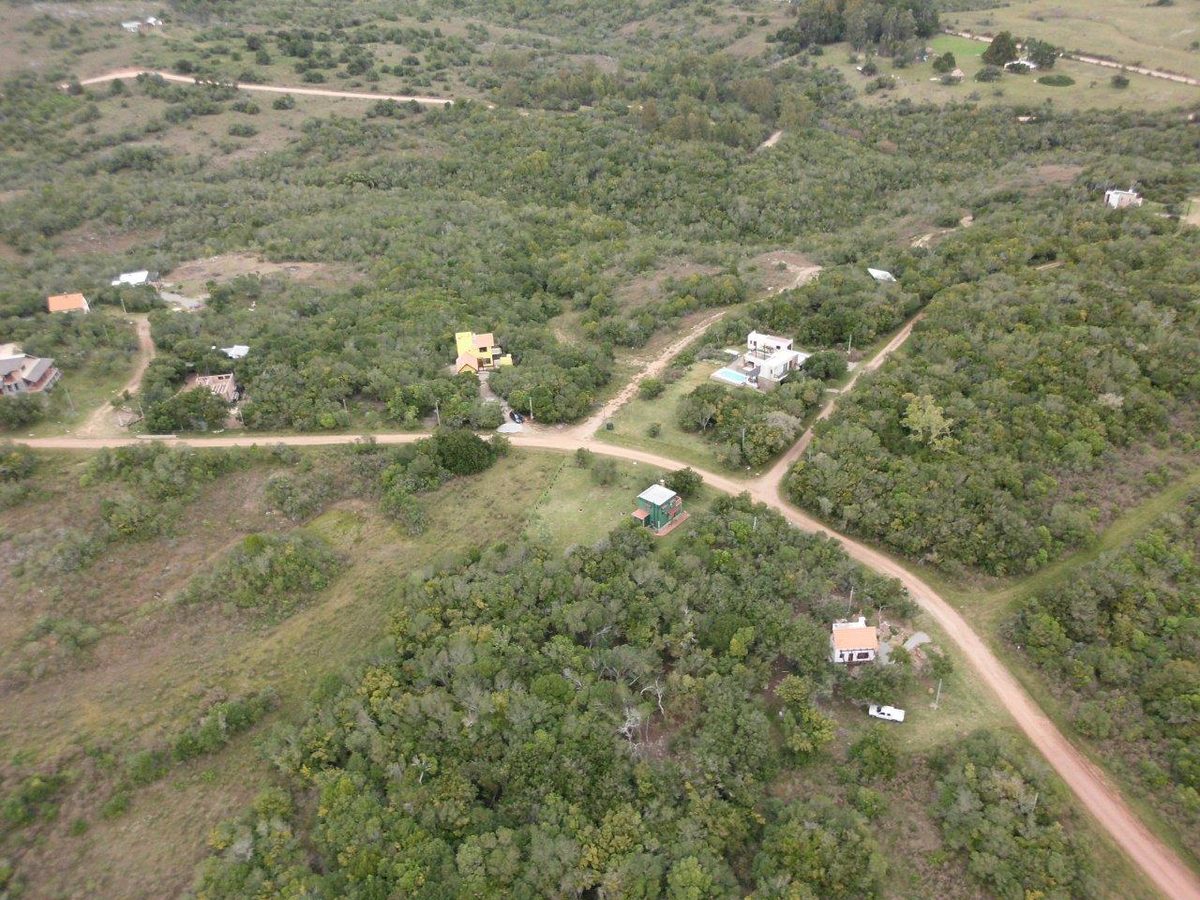
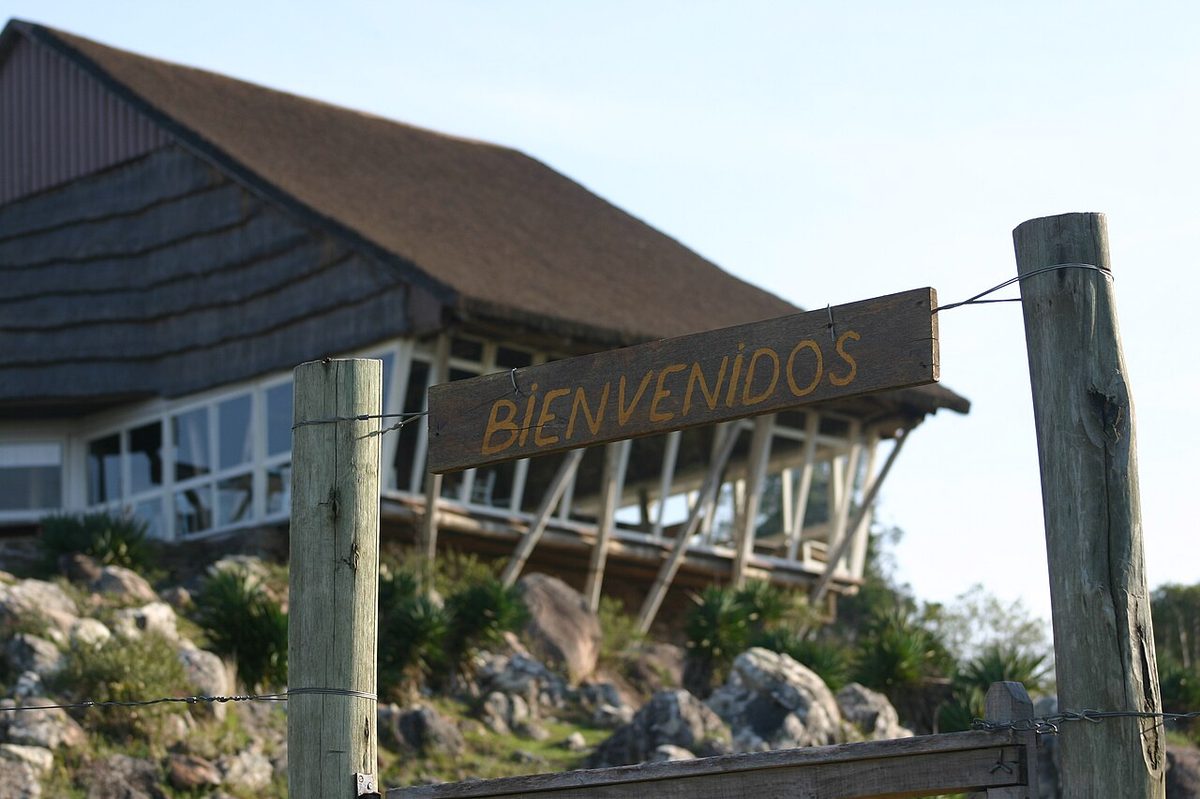
The road peels off Route 8 at a small wooden sign, drops its asphalt almost at once, and winds down into a valley of low green hills. My hire car crunched onto gravel. Below, half-hidden by eucalyptus, sat a long stone building with a tiled roof, and beyond it a flat sheet of water holding the sky. I turned the engine off. What came back was the absence of everything I had driven from: no traffic, just wind in the trees. That building is the Ventorrillo de la Buena Vista. You have arrived in Villa Serrana.
Villa Serrana Uruguay is a tiny hillside hamlet in the Lavalleja department, about 140km northeast of Montevideo and 26km from the city of Minas, planned in the 1940s partly by the celebrated architect Julio Vilamajó. Fewer than a hundred people live here year-round. It sits at the heart of Uruguay’s gentle hill country, within easy reach of Cerro Arequita, the Salto del Penitente waterfall, and Minas itself. It rewards anyone who wants quiet, walking, and old stone architecture over nightlife.
This guide covers the whole Lavalleja sierra (a sierra is a low range of hills): Villa Serrana and its Vilamajó buildings, Cerro Arequita with its cave and ombú forest, the Salto del Penitente, and the town of Minas. I will give you real drive times, where to stay, when to come, the short walks worth doing, and a one-to-two-day loop that ties it all together. And because I would rather you trust me than book on a fantasy, I will tell you plainly what is missing up here too.
| Place | What it is | Distance from Minas / Montevideo | Best for |
|---|---|---|---|
| Villa Serrana | Hillside hamlet with Vilamajó stone buildings and a small lake | 26km / 140km | Quiet stays, architecture, slow walks |
| Cerro Arequita | 305m volcanic hill with a cave (gruta) and an ombú forest | ~10km / 130km | Short climbs, caves, native woodland |
| Salto del Penitente | Uruguay’s tallest waterfall (60m+) inside an adventure park | ~20km / 140km | Families, zip-lines, day trips |
| Minas | Capital of Lavalleja; cathedral, plaza, confectioneries | 0km / 120km | Supplies, food, a real town base |
| Cerro & Monument to Artigas | 18m equestrian statue on a hill above Minas | ~3km / 122km | Big views, a quick photo stop |
| Parque Salus | Nature reserve and famous mineral springs | ~9km / 130km | Easy green walks, the Salus spring |
| Verdún | Hilltop sanctuary above Minas with a Via Crucis path | ~3km / 122km | A short uphill walk, pilgrims in April |
Villa Serrana: Vilamajó’s last great idea
Most of Uruguay is famously flat. So the first thing that strikes you about Villa Serrana is that it is not. The hamlet is draped over a fold of the Cuchilla Grande, the long spine of low hills that runs up the country’s interior, and the roads here do not so much follow contours as surrender to them. They are unpaved on purpose. That was the plan from the start.
In 1945 the architect Julio Vilamajó, by then the most respected designer in the country and the man behind the Facultad de Ingeniería in Montevideo, was asked to imagine a holiday settlement in these hills. He treated it as a single piece of landscape architecture rather than a grid of lots. Streets curve to keep the views. Buildings are meant to grow out of the slope rather than sit on top of it. He worked with local stone and tile, and a young collaborator named Miguel Ángel Odriozola did much of the on-the-ground work. Vilamajó died in 1948, only a year or two into the project, so what you see is the beginning of a vision he never got to finish. Knowing that gives the place a slightly wistful quality, at least it did for me.
The Ventorrillo de la Buena Vista and the Mesón de las Cañas
Two buildings anchor the whole hamlet. The Ventorrillo de la Buena Vista, built in 1946 on the slope of Cerro Guazubirá, is the one you will recognise from every postcard: a low, stone-and-tile mesón (an old word for a roadside inn) perched so it catches the long view down the valley. It was declared a National Historic Monument in 1979. Today it runs as a small restaurant and guesthouse, and even if you are not staying, it is worth climbing up for a coffee on the terrace and a look at how Vilamajó set the windows to frame the hills.
Down the slope sits its sibling, the Mesón de las Cañas, from 1947, the other Vilamajó landmark and another inn. The two were designed as reference points, the things you steer by when you are wandering the lanes. In 2019 a small museum, the Espacio Vilamajó, opened to honour the architect. It is modest. But if you care at all about how a building can belong to a place, half an hour there will change how you see the rest of the village.
One honest note on the Ventorrillo: it is beloved and it is busy at weekends and over summer, so the terrace coffee that feels like a private discovery on a Tuesday in May can mean a wait on a Saturday in January. Go midweek or go early.
The lake and the lanes
Below the buildings lies the lake. Its formal name is the Stewart Vargas dam, built in 1958 on the Arroyo Miraflores to hold water for the area, but everyone calls the resulting mirror Lago del Hornero. It is small, calm, and ringed by reeds, and on a still morning it doubles the hills perfectly. You can walk down to it and around parts of it. There is no grand promenade. That is the point.
The real pleasure of Villa Serrana is just walking the lanes with no destination. Cabins hide behind hedges. Horses graze in unfenced corners. The light in the late afternoon goes gold and slow. There is a longer marked walk to a spot called the Baño del Indio, a little waterfall and dam reached by a pretty path, wrapped in a sad local legend about a drowned woman, a thieving suitor, and the puma, hill and crow they each became. Ask at your guesthouse for the current state of the trail before you set off; it can get overgrown.
Cerro Arequita: the cave, the ombú forest, the climb
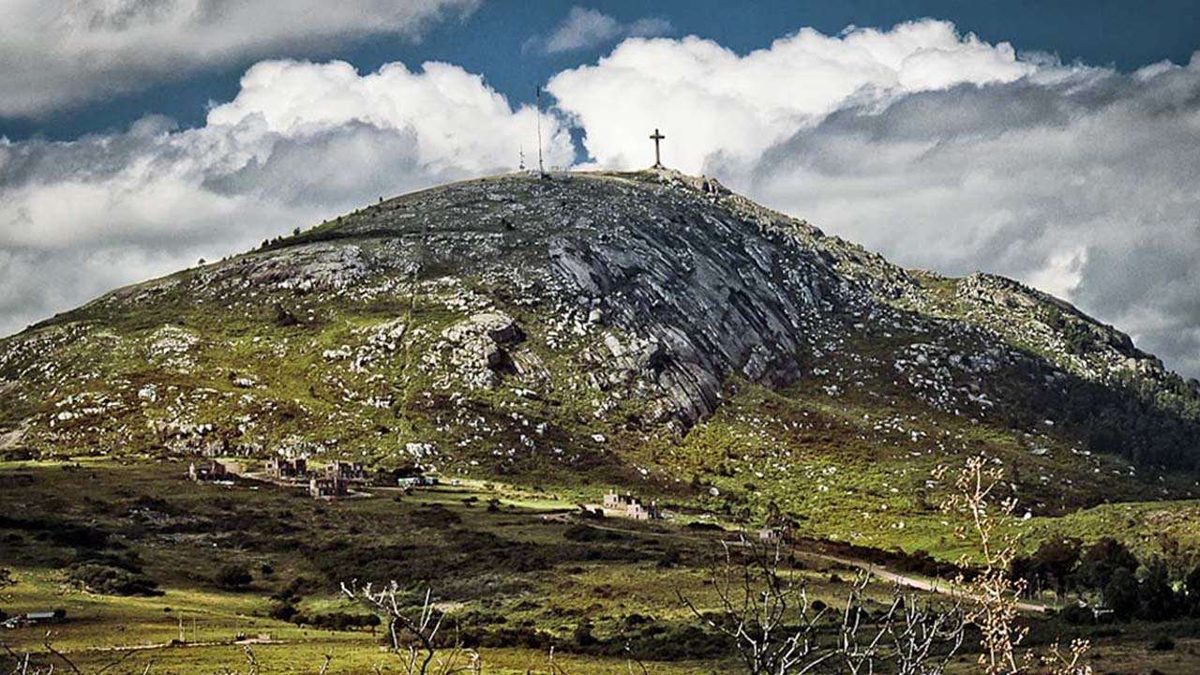
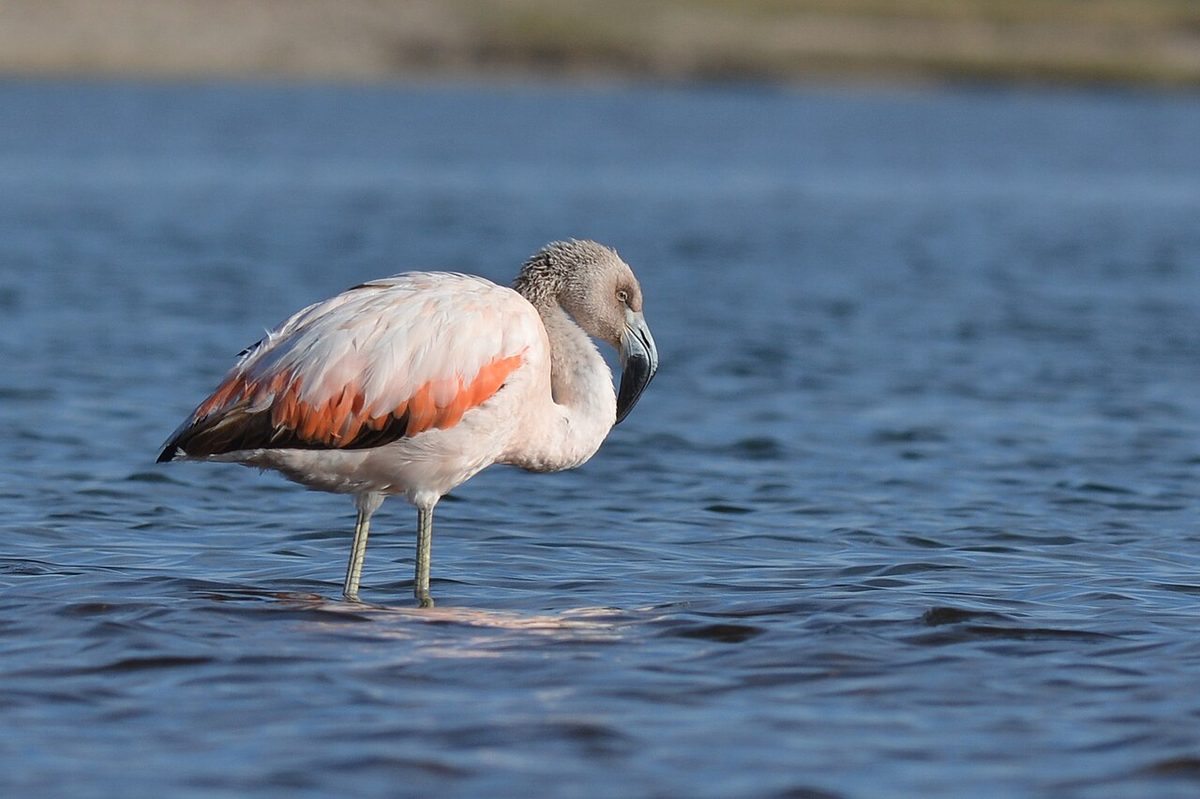
About 40km from Villa Serrana, and only 10 to 12km north of Minas, a strange flat-topped hill rises straight out of the plain. This is Cerro Arequita, a cerro (the local word for a hill) of volcanic origin standing around 305m. Its name comes from Guaraní and means something like “water falling from the high rock over the caves,” which tells you exactly what you are coming to see. The hill is so emblematic of the region that it appears on both the coat of arms and the flag of Lavalleja. Since 2024 it has been protected as the Parque Arequita national park, home to armadillos, foxes, the small wild Geoffroy’s cat, capybaras and a great many birds.
The gruta
Its headline attraction is the cave, the Gruta del Colón, also just called the Gruta de Arequita. A gruta is a cave, and this one bores into the hillside and opens out through what was once the chimney of an extinct volcano. It is home to bats, which pour out at dusk to feed, so if you are squeamish about them, time your visit for daylight. Guided visits to the gruta and up to the summit are usually arranged from the parador (a roadside lodge-restaurant) at the base. Last I checked you paid a small fee and it was cash; bring some, because card signal up here is unreliable.
The ombú forest and the summit
On the slopes grows something genuinely unusual: a dense stand of ombú, called the Isla de Ombúes. The ombú is a huge, soft-wooded tree of the South American grasslands, more giant herb than true timber, usually seen standing alone on the pampa as a single landmark. To find a whole compact forest of them clustered among the rocks, as you do here, is rare and faintly otherworldly. Their trunks bulge and twist; the shade beneath them is deep and cool.
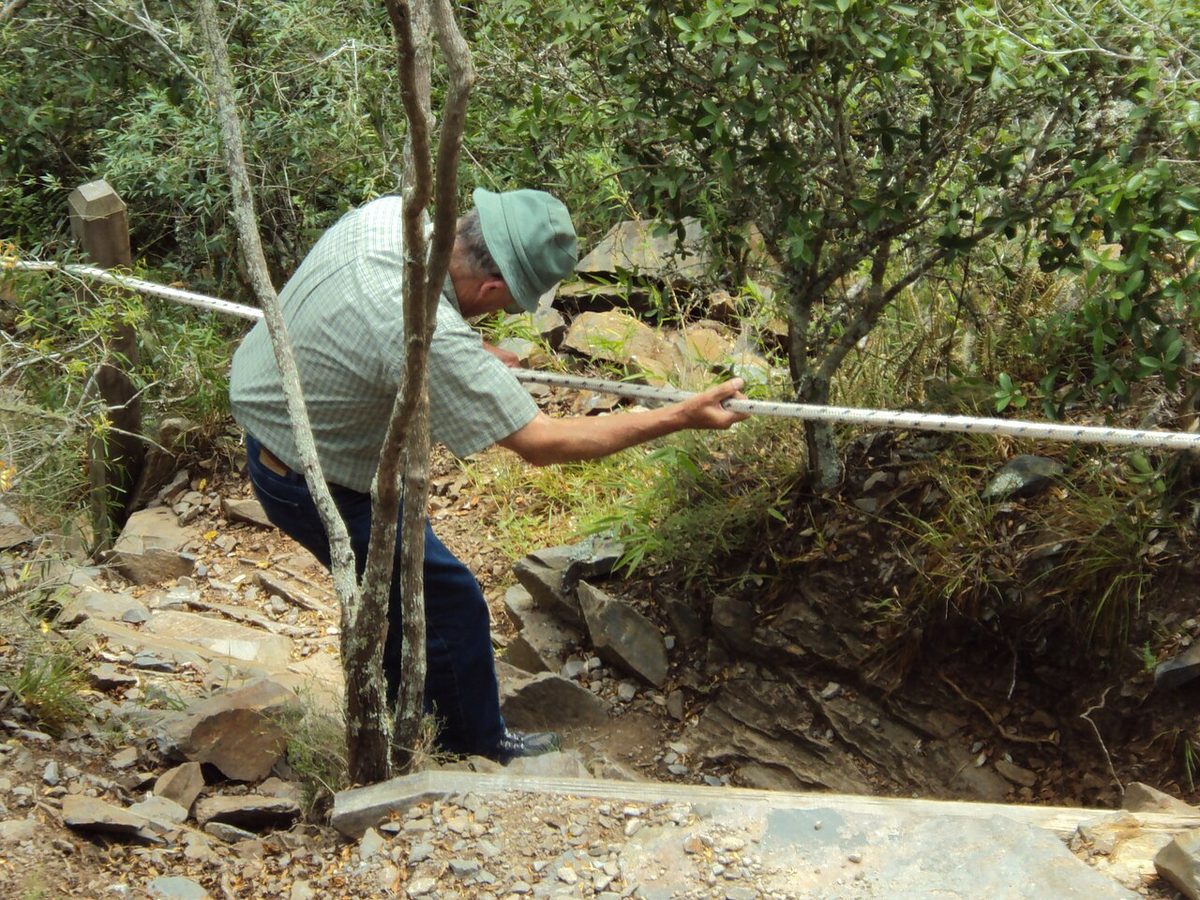
The climb to the top is a proper short hike rather than a stroll: think a steady scramble of an hour or so up, with loose rock in places, rewarded by a wide view across the sierra and, two kilometres off, the Laguna de los Cuervos glinting below. The drawback is honest and simple: there is shade in the ombú forest but very little on the open rock, so in midsummer go early, take more water than you think you need, and skip it altogether in the noon heat.
Salto del Penitente: the tallest waterfall and an adventure park
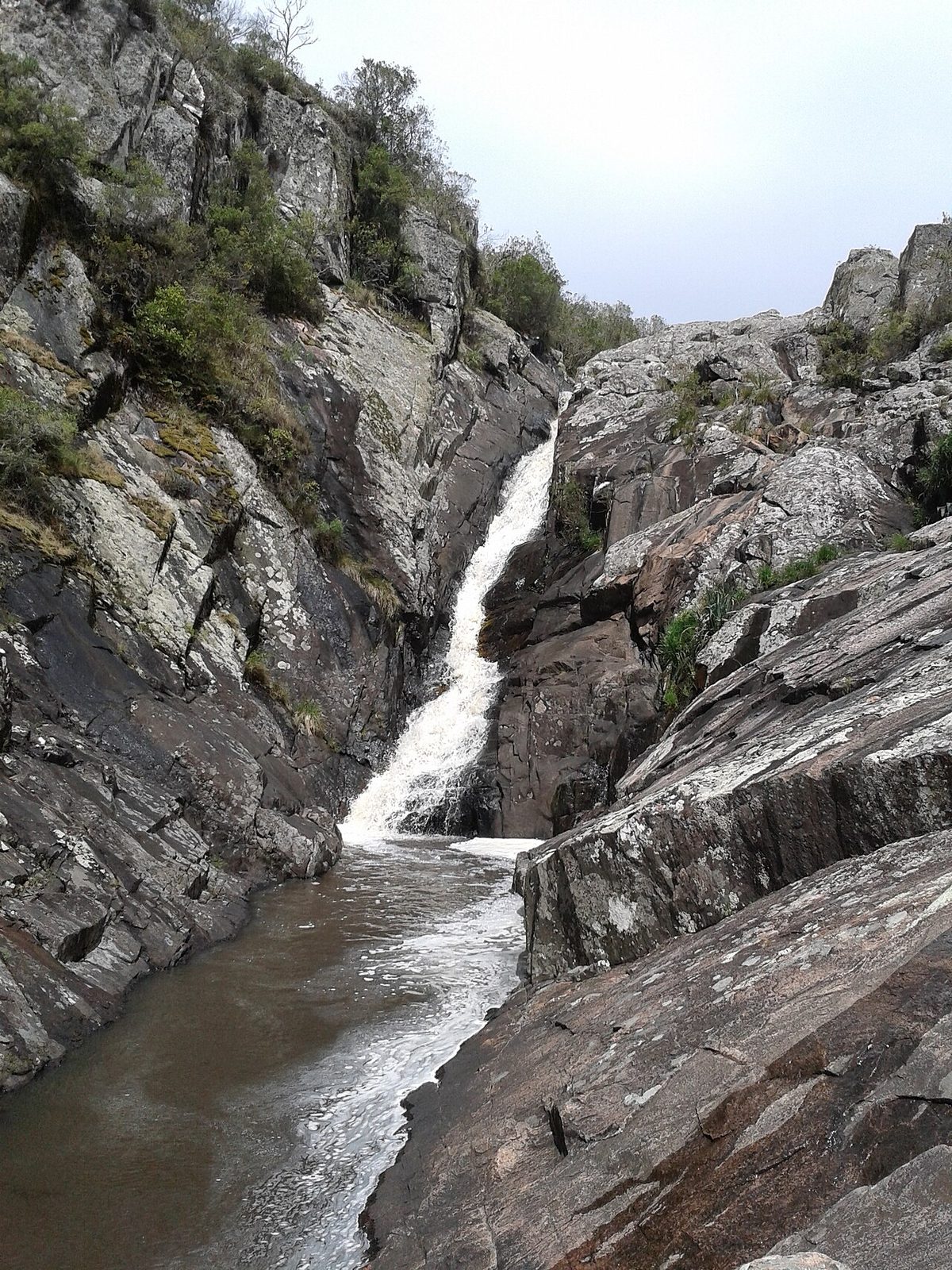
Roughly 20km from both Minas and Villa Serrana, signed off Route 8, the land suddenly drops and the Penitente stream throws itself off a ledge. The Salto del Penitente falls more than 60m, which makes it the tallest waterfall in Uruguay, a country not otherwise known for its drama in this department. It feeds clear pools at the bottom where, when the flow is gentle enough, you can swim.
The falls sit inside a privately run park of nearly 60 hectares. The land was donated decades ago by a man named Francisco Ferber, and in 2004 a restaurant was built into the hillside in a clever way, entered through its own roof so as not to spoil the slope. Today the park leans into adventure: zip-lines strung across the gorge, rappelling, horseback riding, mountain-bike and walking trails, plus picnic areas and viewpoints. It is genuinely good for families and for anyone who wants their nature with a bit of adrenaline attached.
Two practical things I would not want you to learn at the gate. First, it is cash only, so bring notes, there is no reliable card payment and not much signal. Second, the waterfall’s volume swings hard with the season: after autumn and winter rain it roars, but by the end of a dry summer it can thin to a trickle. If the cascade is your main reason for coming, aim for the wetter months. If you are coming for the zip-lines and the walks, any dry day works.
Minas: cathedral, a giant Artigas, and famous water
You will probably base yourself in Villa Serrana for the quiet, but Minas is where the region actually lives, and it is only about 26km away on a good road. As Uruguayan towns go it is handsome and unhurried, the capital of Lavalleja, built on low ground with the sierra rising on every side. Come here to refuel, to eat properly, and to see a few things that are genuinely worth your time.
The cathedral and the plaza
Minas’s cathedral, dedicated to the Immaculate Conception, fronts the main square with a clean neoclassical face and twin towers. The plaza in front of it, Plaza Libertad, is the town’s living room: shaded benches by day, families and music by night, an old fountain at its centre. While you are in town, do as the locals do and buy something at the historic Irisarri confectionery, the damasquitos (little apricot sweets) and serranitos are the things to ask for.
Cerro and the Monument to Artigas
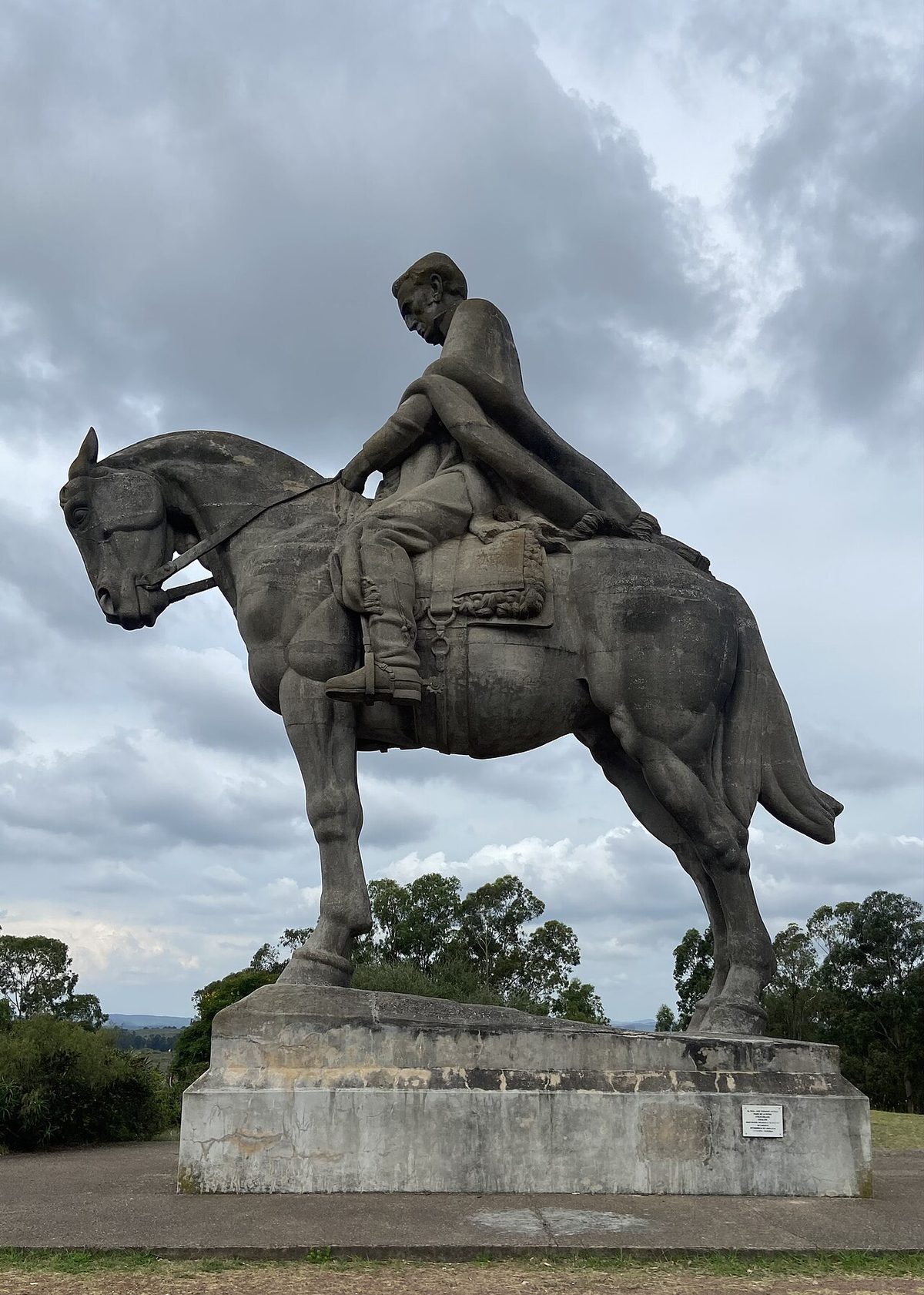
A couple of kilometres out of town, on the Cerro Artigas, stands a sight that genuinely surprised me: an 18m equestrian statue of José Gervasio Artigas, the father of Uruguayan independence, sculpted by José Belloni and his son. For years it was the largest equestrian statue in the world, and it is still among the very largest, now behind only the colossal Genghis Khan in Mongolia. Artigas is shown not as a triumphant general but as a weary gaucho, head bowed, lost in thought. The drive up is short, the walk from the car park easy, and the view over Minas and the surrounding hills is the best in the area.
Parque Salus, the springs, and Verdún
If the brand of bottled water in Uruguayan fridges looks familiar by your second day, this is its home. About 9km from Minas, at the foot of the Sierra de las Ánimas, lies the Parque Salus, a green reserve around the spring that gives Salus water its name. There is a fountain crowned by a puma, tied to a legend about the big cat that supposedly found the spring, and gentle paths through the woods. Visits to the reserve and spring are usually arranged in advance, so check before you drive out.
Closer to town rises the Cerro Verdún, topped by a small sanctuary to the Virgin of Verdún, with a Via Crucis path climbing the slope. On 19 April every year it draws one of the country’s larger pilgrimages. On any other day it is simply a short, breezy uphill walk with a view as your reward.
Getting there and getting around
The drive from Montevideo is the easy part. Head out on Route 8 to the northeast and stay on it; the whole run to the Villa Serrana turnoffs is about 140km and takes a touch over two hours, call it two hours and fifteen minutes without stops. There are two signed entrances, at roughly km 139.5 and km 144 of Route 8, both dropping you onto gravel for the last stretch down into the hamlet. Minas sits a little before that, around 120km and under two hours from the capital.
Here is the part I cannot soften: you really do need a car. Buses on Route 8, the ones heading for Treinta y Tres, Melo or Aiguá, will drop you at the entrance, but then you are stranded at the top of a gravel road with no easy way to reach the lake, let alone Arequita or the Penitente. There is no local public transport stitching these sights together. Distances between them are short but they are real, and the roads are rural. Rent a car in Montevideo, or build Villa Serrana Uruguay into a wider road trip, and the whole region opens up. Try to do it by bus and you will spend the trip frustrated. A normal car is fine in dry weather; after heavy rain the gravel can get greasy, so take it slowly.
Where to stay in the Lavalleja hills
For the full hill-country experience, sleep in Villa Serrana itself. The choices are small and characterful rather than slick: the inn at the Ventorrillo de la Buena Vista for the historic-monument romance, the Mesón up the way, and a scatter of cabins and posadas with names like Aroma de la Sierra dotted through the trees, plus a healthy supply of cabins and houses on the usual rental sites. Prices are moderate by Uruguayan standards, though they climb in January.
If you would rather have shops, restaurants and a pharmacy on your doorstep, base yourself in Minas instead and day-trip out; the town has straightforward hotels and is only twenty-odd minutes from the hamlet. A third option, for the adventurous, is to bed down right inside the Salto del Penitente park, in its refuges or campsite. For a fuller rundown of accommodation styles across the country, see my guide to where to stay in Uruguay, and if you want the most atmospheric version of all, a working ranch, look at staying on an Uruguayan estancia.
The honest drawback up here is the same one that makes it lovely: services are thin. There is no supermarket in Villa Serrana, restaurant hours can be short and seasonal, and outside summer and weekends a place can feel close to deserted. Bring snacks, fuel up in Minas, and do not count on finding dinner at nine on a wet Wednesday.
When to go
The sierra has a real four-season rhythm, which not everywhere in Uruguay does. My favourite time is autumn, roughly March to May: the eucalyptus and native trees turn, the light softens, the days are mild for walking and the summer crowds have gone home. I have written more about that season in my piece on Uruguay in autumn, and it suits this region especially well.
Spring (September to November) is the other sweet spot, green and flowering, with the waterfalls still fed by winter rain. Summer (December to February) brings the warmth and the swimmable pools but also the heat on those exposed climbs and the busiest weekends, so plan walks for early morning. Winter (June to August) is quiet, sometimes genuinely cold and damp in these hills, but it is when the Salto del Penitente is at its most powerful and when you will have the lanes entirely to yourself. There is no bad season; there is only matching the season to what you came for. My general best time to visit Uruguay guide goes wider if you are planning a longer trip.
A one-to-two-day Lavalleja loop
Here is how I would actually spend the time, assuming you have a car and want to see the lot without rushing.
Day one, the hamlet and the falls. Drive up from Montevideo in the morning and check into a posada in Villa Serrana. Walk the lanes, go down to Lago del Hornero, and climb up to the Ventorrillo for a late lunch on the terrace. In the afternoon drive the 20-odd kilometres to the Salto del Penitente, see the waterfall, and either walk the trails or, if you have the nerve and the cash, do a zip-line. Back to the hamlet for a quiet dinner and that enormous silence after dark.
Day two, the hill and the town. Start early and drive to Cerro Arequita while it is cool. Take the guided visit into the gruta, wander the ombú forest, and climb to the summit if you are fit and the heat allows. Come down, drive into Minas for lunch and the cathedral, buy damasquitos at Irisarri, then finish with the short drive up to the Monument to Artigas for the big view before you point the car home. If you only have one day, drop the summit climb and the Penitente, and do hamlet plus Arequita plus the Artigas viewpoint.
This region pairs beautifully with the rest of the interior. It is a natural stop on a wider Uruguay road trip, it sits within the world of the country’s protected landscapes I cover in my guide to Uruguay’s national parks, and it makes a satisfying contrast to a coastal base like Piriápolis, which is only an hour or so south. Keen walkers should also read my broader guide to hiking in Uruguay for trail etiquette and what to pack; and if it is birds you are after, the sierra is rich, so see my notes on birdwatching in Uruguay. There is another fine protected ravine further east, the Quebrada de los Cuervos, well worth adding if you have more days, though I have not yet written it up here.
Villa Serrana Uruguay: your questions answered
Is Villa Serrana worth visiting?
Yes, if you want quiet, hills and old stone architecture rather than beaches or nightlife. Villa Serrana Uruguay is a tiny hamlet with two National Historic Monument buildings by Julio Vilamajó, a calm lake, and walking on its doorstep, all within reach of a waterfall and a cave. It is one of the loveliest slow corners of the country, but it is not for travellers who need lots to do.
How do I get to Villa Serrana from Montevideo?
Drive northeast on Route 8 for about 140km, a little over two hours, and turn off at the signed Villa Serrana entrances around km 139.5 or km 144 onto gravel. You really need a car. Buses on Route 8 only drop you at the entrance with no onward transport, leaving you stranded at the top of the access road with the village and sights well out of walking reach.
What is there to do around Minas, Uruguay?
In and around Minas you can climb to the giant 18m Monument to Artigas for the best view, see the Catedral and Plaza Libertad, visit the Parque Salus and its famous spring, and walk up Cerro Verdún to the sanctuary. Within a short drive are Cerro Arequita’s cave and ombú forest, the Salto del Penitente waterfall, and Villa Serrana, making the town a practical base.
How tall is the Salto del Penitente waterfall?
The Salto del Penitente drops more than 60 metres, which makes it the tallest waterfall in Uruguay. It sits inside a roughly 60-hectare adventure park about 20km from both Minas and Villa Serrana, with zip-lines, horseback riding and trails. The cascade is at its most powerful after autumn and winter rain and can thin considerably by the end of a dry summer, so time your visit accordingly.
Can you climb Cerro Arequita?
Yes. Cerro Arequita is around 305m and the ascent is a short but real hike of about an hour, with loose rock in places, usually arranged with a guide from the parador at its base. The same lodge runs visits into the Gruta del Colón cave. Bring water and cash, go early in summer to avoid the heat on the exposed upper rock, and allow time for the ombú forest on the slopes.
Final thoughts
What stays with me about the Lavalleja hills is not any single sight but the texture of the place: gravel under the tyres, the smell of eucalyptus after rain, the long view from a stone terrace Vilamajó set just so almost eighty years ago. This is not a region that performs for you. It is quiet, occasionally to a fault, and it asks you to bring your own car, your own snacks and a willingness to do very little. Give it that, and the Ventorrillo, the cave, the waterfall and the giant brooding Artigas add up to one of the most quietly rewarding corners of Uruguay. Villa Serrana Uruguay is not a place you tick off; it is a place you slow down for. Come in autumn if you can, drive slowly, and let the silence do its work.
Credits & sources
Sources & further reading
- Villa Serrana on Wikipedia for the founding history and Vilamajó’s role.
- Cerro Arequita on Wikipedia for the geology, fauna and Parque Arequita status.
- Parque Salto del Penitente official site for park activities, opening info and access.
- Lavalleja official tourism portal for the wider department and up-to-date practical details.
Photo credits
All images via Wikimedia Commons: Villa Serrana View by Luis Irigoyen (CC BY 3.0); Ventorrillo De La Buena Vista by Aaalita (CC BY-SA 3.0); Cerro Arequita Ombu by Facundo Maximiliano (CC BY-SA 3.0); Cerro Artigas Minas by Filipposfortuna (CC0); Salto Del Penitente by Chrono-strife (CC BY-SA 3.0).