Uruguayan Desserts: Dulce de Leche, Alfajores & Chajá (2026)
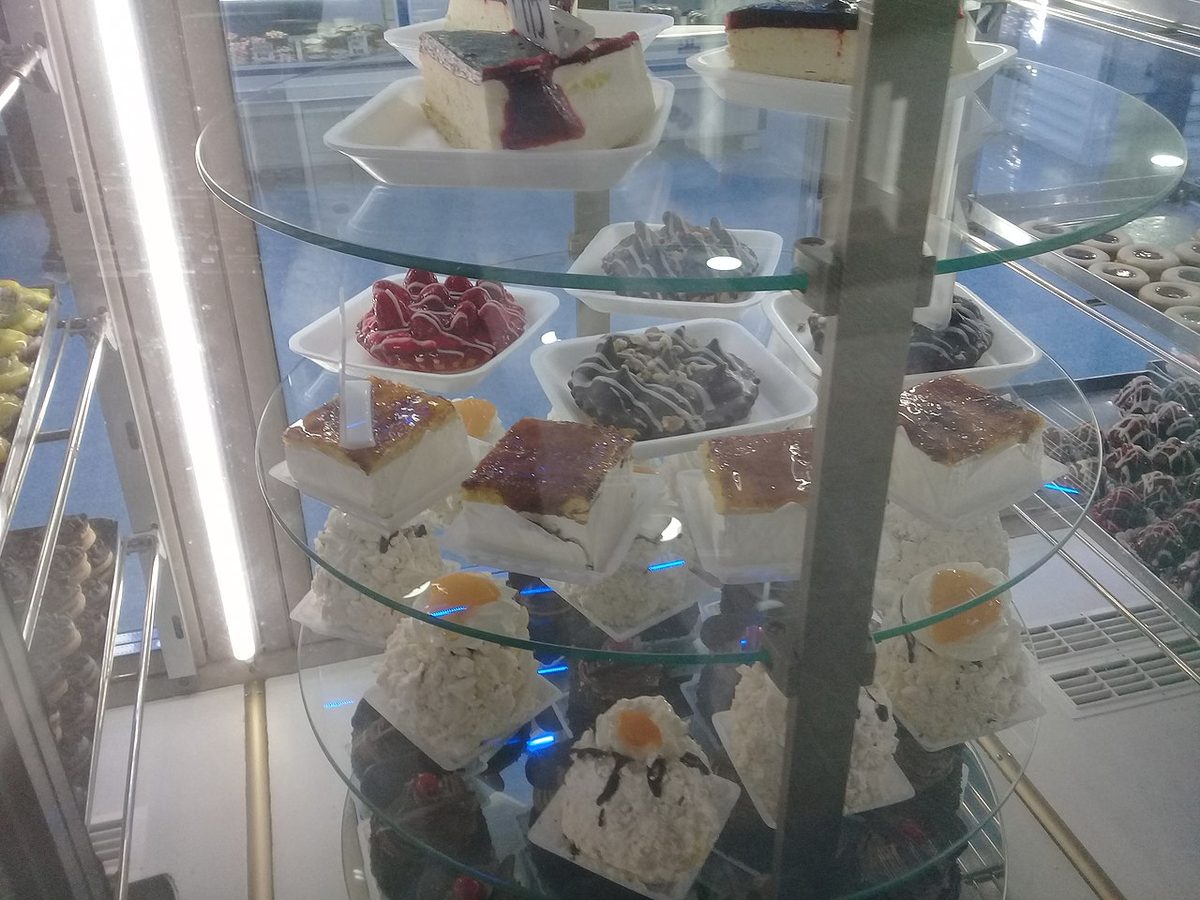
The first time Uruguay properly ruined me for sugar was a Tuesday afternoon in a confitería in Montevideo’s Ciudad Vieja. Uruguayan desserts had not been on my radar until that afternoon. A confitería is a sit-down cafe-bakery, the kind with a glass case and a tired ceiling fan. I pointed at a slab of something pale and towering, paid less than I expected, and ate it with a tiny fork while the owner watched me from behind the till like he already knew how it would end.
That slab was a postre chajá, and it rearranged my idea of what a cake could be. Cloud-light meringue, sponge soaked in syrup, whipped cream, tinned peaches, the whole thing somehow not collapsing under its own ambition. I have eaten a great many sweet things in this country since. Most of them were excellent. A few were too much even for me, and I have a real problem.
So let me walk you through the sweet side of a country that takes its dairy very seriously and its desserts even more so.
Uruguayan desserts revolve around one obsession: dulce de leche, a thick caramelized-milk spread that finds its way into nearly everything sweet here. The headline acts are alfajores (dulce-de-leche-filled sandwich cookies), the chajá (a meringue, cream and peach cake from Paysandú), and a deep bench of classics like martín fierro, isla flotante and pasta frola. Expect everything to be sweeter than you think.
Who this guide is for (and what it covers)
This is a tour of Uruguay’s sweets, written for travelers who want to know what to order, what to take home, and what is genuinely worth the calories. I cover the foundation (dulce de leche), the everyday star (the alfajor), the showpiece (chajá), a handful of older classics you will meet in cafes and at family tables, and the practical stuff: where to buy, which brands matter, and what it costs.
What I am not doing here is the full food picture. Mate, Uruguay’s national drink, gets its own deep dive, and so do the savory side of things. If you want the broader meal, start with the complete guide to Uruguayan food and circle back here when your sweet tooth flares up. For what to pour alongside, from medio y medio to grappamiel, see our guide to Uruguayan drinks.
One honest warning before we start. Uruguayan baking leans sweet, then leans on it again. If you find dulce de leche cloying, several items below will defeat you. I will flag the worst offenders.
Uruguayan desserts at a glance
If you only have room in your stomach (or your suitcase) for a few, here is the shortlist I hand to friends before they fly down.
| Dessert | What it is | Where to try it |
|---|---|---|
| Alfajor | Two soft cookies sandwiched with dulce de leche, coated in chocolate, powdered sugar or coconut | Any kiosk, supermarket or bakery, nationwide |
| Postre chajá | Meringue, sponge, whipped cream and peaches; Uruguay’s signature cake | Confiterías and supermarkets; the original in Paysandú |
| Dulce de leche | Thick caramelized-milk spread; the base flavor of the whole repertoire | Every supermarket; eat it by the spoon |
| Martín fierro | A wedge of firm cheese with quince paste (membrillo) | Parrillas, almacenes, home tables |
| Isla flotante | “Floating island” of poached meringue on custard with caramel | Old-school confiterías and family restaurants |
| Pasta frola | Lattice tart filled with quince or dulce de membrillo | Bakeries (panaderías) everywhere |
| Garrapiñada | Caramel-coated peanuts or almonds, sold warm in paper cones | Street carts, plazas, fairs |
Dulce de leche: the thing everything else is built on
Start here, because nearly every dessert in this guide leans on it. Dulce de leche is milk and sugar cooked down slowly until it caramelizes into a thick, glossy, spreadable brown paste. The name translates literally as “sweet of milk.” It is not quite caramel and not quite fudge; it is its own category, and Uruguayans treat it as a pantry staple rather than a treat.
How is it used? Easier to ask where it is not. Uruguayans spread it on toast at breakfast, fold it into ice cream, fill cakes and pancakes with it, pipe it into alfajores, and eat it straight from the jar with a spoon at midnight. There is a softer, runnier version called dulce de leche repostero meant for baking, and a firmer table version for spreading. If a Uruguayan dessert is brown and sweet, this is usually why.
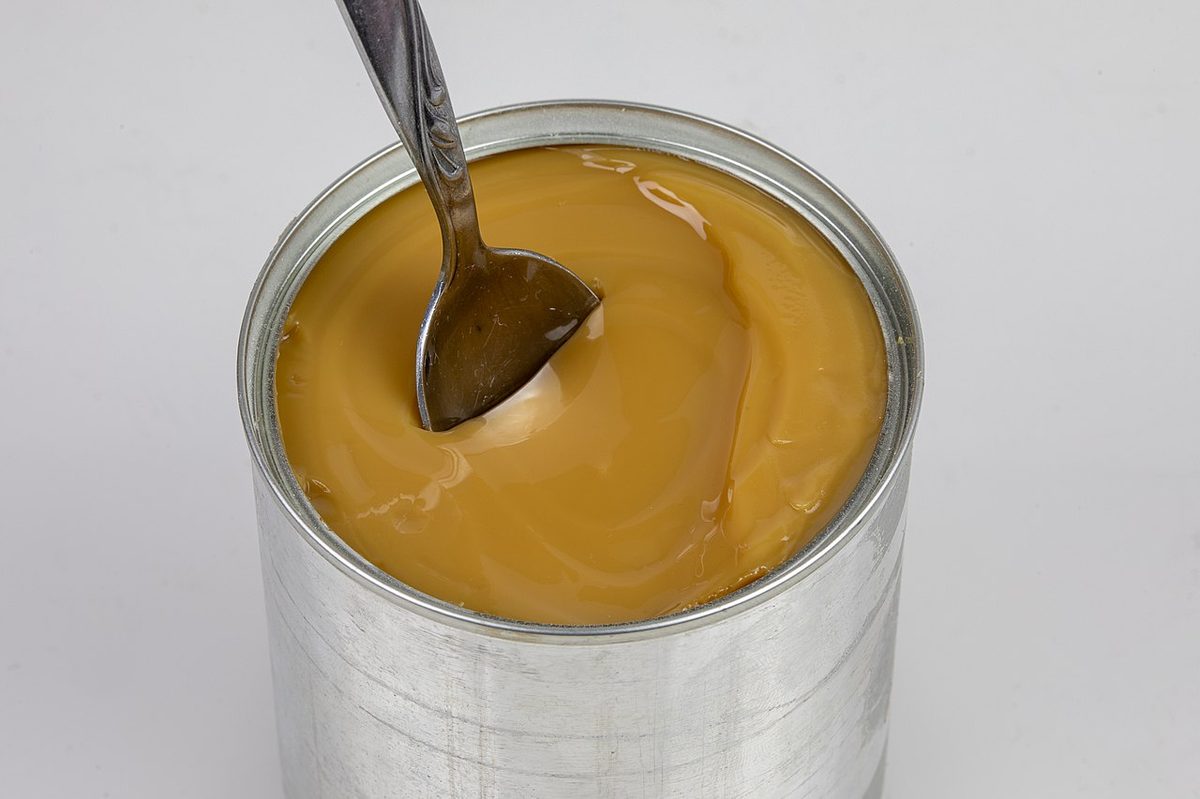
The brand to know is Conaprole, the giant national dairy cooperative whose dulce de leche is the default in most kitchens and on most supermarket shelves. It is reliable, gluten-free, and sold in tubs from around 450 grams up to nearly a kilo. You will also find Manjar and various boutique producers, but Conaprole is the one locals reach for without thinking.
One honest drawback is that good dulce de leche is dangerously easy to overdo. It is intensely sweet, and because it hides inside so many desserts, you can end up eating far more than you planned across a single day. Pace yourself, or accept the consequences like I eventually did.
Worth saying: Argentina makes superb dulce de leche too, and the two countries will argue about whose is better until the sun burns out. If you are weighing a trip across the river, the Uruguay versus Argentina comparison covers more than just the sweets.
Alfajores: the everyday icon you should buy by the dozen
If dulce de leche is the foundation, the alfajor is the building everyone actually lives in. An alfajor (say it “al-fa-HOR,” with a soft Spanish j) is two or more soft cookies sandwiched with a generous layer of dulce de leche, then finished on the outside with chocolate, powdered sugar, or coconut. They are cheap, sold absolutely everywhere, and they travel beautifully. If you try only one supermarket food in Uruguay, make it this.
These are daily life, not a foodie trend. Kids carry them in school lunchboxes. Adults grab one with coffee at a kiosk. The moment a long-distance bus pulls out of the terminal, you hear the first wrapper crinkle. The word itself comes from Arabic, traveled through Spain, and crossed the Atlantic with colonizers; one classic Uruguayan producer, Alfajores de las Sierras de Minas, has been at it since 1953.
The three classic types you will see everywhere
Do not overthink the shelf. Three styles form the baseline, and everything else is a variation on them.
Chocolate is the default. Two cookies, dulce de leche between them, the whole thing coated in milk or dark chocolate. Grab a random alfajor without reading the wrapper and this is probably what you have.
Nieve (the word means “snow”) is the white one, finished with powdered sugar or a pale coating. It is softer and a little less intense than chocolate, which makes it the smart choice in summer heat when chocolate turns to soup in your bag.
Maicena is the homemade-feeling one: crumbly cornstarch cookies (maicena is cornstarch) filled with dulce de leche, with shredded coconut pressed around the exposed edges. This is the most distinctly Uruguayan style and, not coincidentally, the most fragile. Do not toss one loose into a backpack.
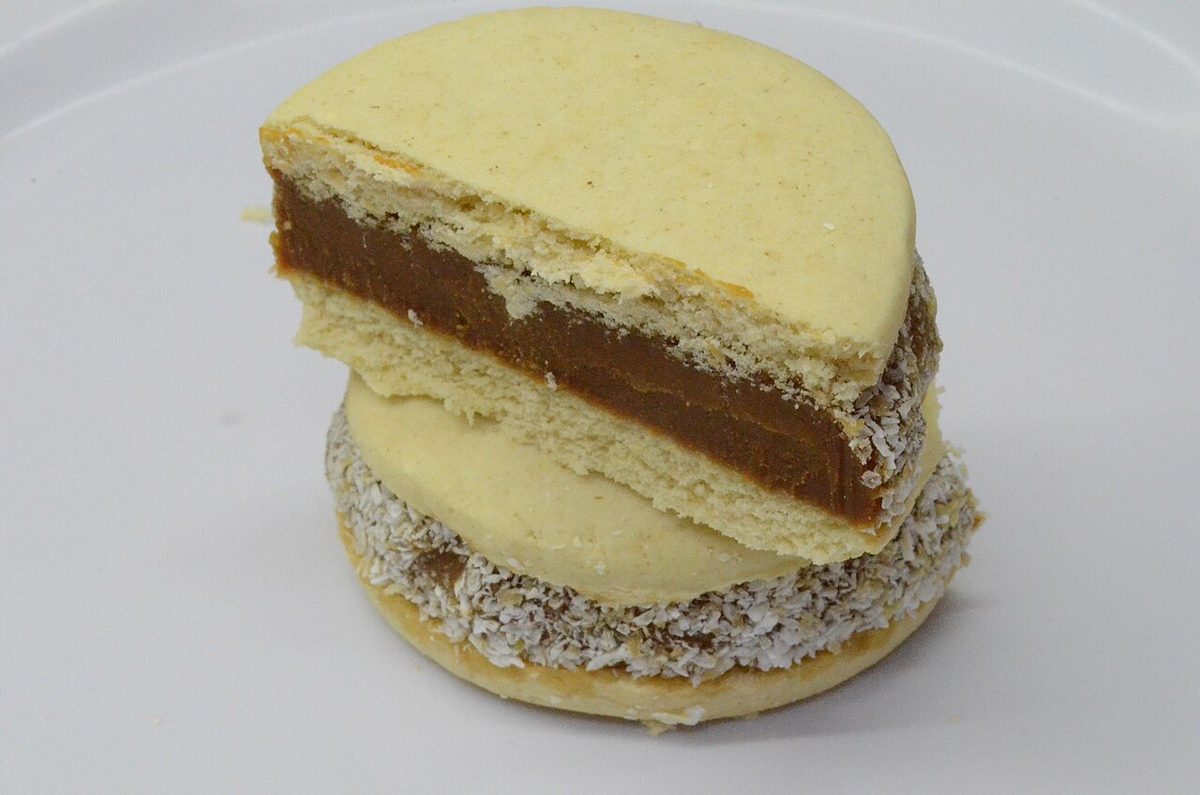
You will also meet the “triple” (three cookie layers, two of filling, twice the commitment) and the “yo-yo,” a softer, creamier cousin you should try once if a bakery window offers one.
The Uruguayan twist versus Argentina
People love to frame this as a rivalry, and Argentina wins on sheer scale, putting away something like 900 million alfajores a year. What Uruguay does differently shows up in the recipe: many Uruguayan alfajores blend wheat flour and cornstarch in similar proportions, giving that soft, almost sandy crumb, where most Argentine versions skew firmer. The Uruguayan ones taste more like something an aunt made in her kitchen. Both can be true; you do not have to pick a side to enjoy the cookie.
The brands worth knowing
For mainstream, found-anywhere options, Portezuelo (around since 1971) is the safe pick, with a huge range from classic white and black to mousse-filled and triple versions. Punta Ballena is the brand visitors recognize most and the one Uruguayan name that regularly cracks international rankings. Marley is the unapologetic sugar hit, smooth dulce de leche under chocolate, the one you reach for when you ordered dessert after a big steak and regret nothing.
Looking for something more interesting? Head to Alfajores del Uruguay, a dedicated boutique by Mercado del Puerto in Ciudad Vieja with 35-plus flavors, including yerba mate, Tannat wine, pistachio and the native butiá fruit. They have won “Best Alfajor of Uruguay” and a pile of medals in Buenos Aires, which is a decent sign they take the craft seriously. If you are mapping out where to eat in the capital anyway, the Montevideo restaurant guide pairs well with an alfajor crawl through the old city.
The honest drawback with alfajores is that quality is wildly uneven. They are so cheap and so ubiquitous that plenty of forgettable, waxy-chocolate versions exist alongside the great ones. The fix is simple and pleasant: buy six to ten different small ones across brands and styles, run your own tasting, and you will learn more in twenty minutes than any ranking can teach you.
Chajá: Uruguay’s signature cake, born in Paysandú
Now for the showpiece. The postre chajá is the dessert Uruguay sends out into the world, and it has a precise birthday. On April 27, 1927, Orlando Castellano, owner of the Confitería Las Familias in the river city of Paysandú, assembled the first one. He named it after the chajá, the southern screamer, a big marsh bird whose loose, fluffy plumage matches the cake’s airy texture.
What is in it? Layers of light sponge cake (bizcochuelo) soaked in syrup, folded together with billows of meringue, whipped cream, and pieces of peach. Some versions slip in dulce de leche or strawberries. The result is tall, pale, wobbly, and far less heavy than its size suggests; the meringue keeps it from feeling dense. Eaten cold, ideally after a day in the fridge so the layers settle, it is one of the genuinely great cakes of South America. TasteAtlas readers ranked it among the best desserts on the planet, and for once the internet is right.
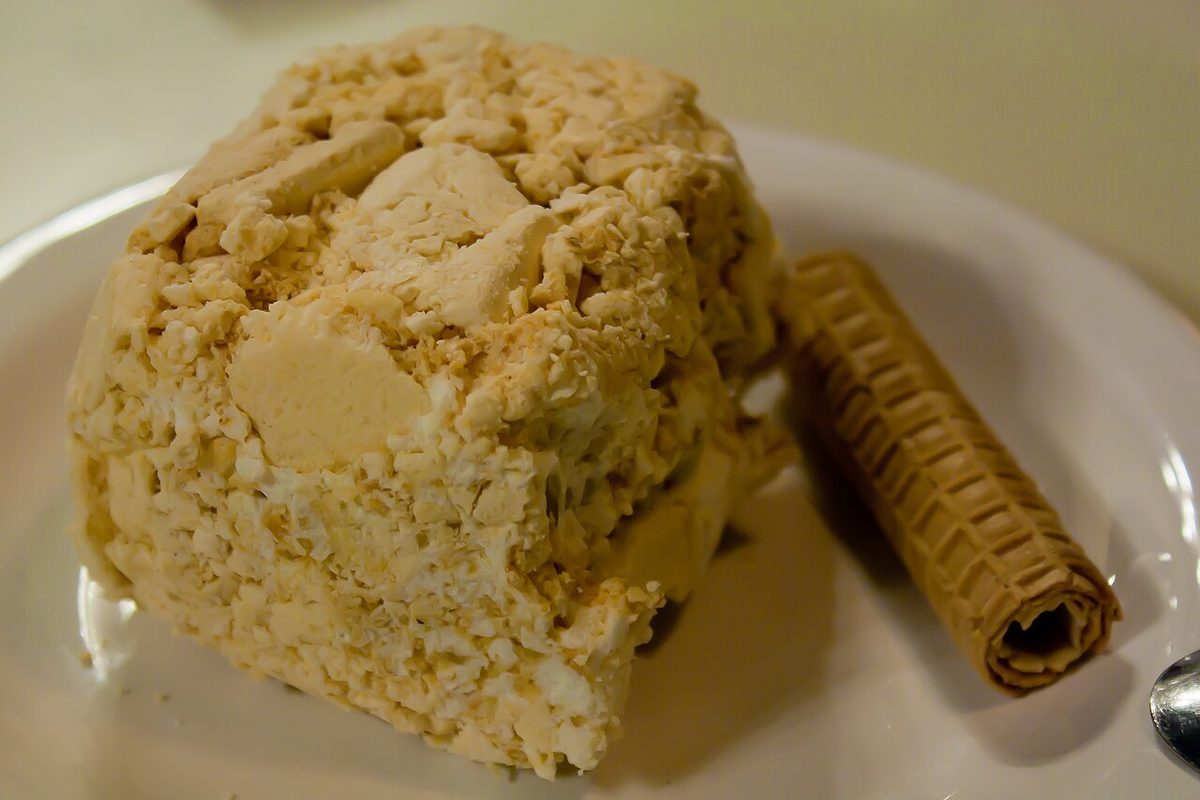
The original recipe is still a closely guarded secret, and the cake is assembled by hand in Paysandú because no machine has managed to replicate it. It now ships to Argentina, Brazil, Paraguay and the United States, but eating a fresh slice in Uruguay is a different experience entirely. You will find chajá in confiterías and supermarket cold cases nationwide; if your route takes you up the Litoral toward the hot springs, Paysandú is the place to taste it at the source.
Sweetness is the honest drawback, again. A full slice is a lot of cream and syrup, and it can tip from heavenly to overwhelming around the halfway mark. Share one, or order a small portion and a strong coffee to cut through it.
The other classics worth your fork
Beyond the big three, Uruguay’s dessert tradition runs deep, much of it inherited from Italian and Spanish immigrants and then sweetened to local taste. These are the ones you will actually encounter.
Martín fierro
Simple, beloved, and the closest thing to a “cheese course” you will get here. Martín fierro is a slab of firm cheese paired with a slab of membrillo, the dense quince paste also called dulce de membrillo. The salty-sweet contrast is the whole point, and it shows up at the end of an asado as often as in a cafe. Named after the gaucho hero of Uruguay and Argentina’s shared epic poem, it is rustic and very good with coffee.
Isla flotante
“Floating island” is exactly what it sounds like: a soft mound of poached meringue drifting on a pool of vanilla custard, the whole thing drizzled with caramel. It is an old-school confitería dessert, the kind your Uruguayan grandmother would make, and it is lighter than most things in this guide, which by now you will recognize as high praise.
Postre Balcarce and massini
Two cake-counter regulars. The postre Balcarce stacks sponge, meringue, dulce de leche and cream into a soft, layered slice. The massini is similar in spirit, a sponge-and-cream cake often crowned with a thin sheet of caramelized sugar or a yolk-rich topping. Both are confitería staples and both are, you guessed it, sweet.
Pasta frola
The everyday bakery tart. Pasta frola is a buttery shortcrust base filled with quince paste or dulce de membrillo, topped with a lattice of pastry strips. Some versions use dulce de leche or sweet potato (batata) instead. It is the kind of thing you buy by the slice with an afternoon coffee, and it is one of the less aggressively sweet options on the bakery shelf.
Garrapiñada and ricard
Street sugar. Garrapiñada is peanuts or almonds coated in hardened caramel, sold warm in paper cones from carts in plazas and at fairs; the smell of it cooking is half the appeal. Ricard is a related caramel-peanut confection you will spot at kiosks. Neither is fancy, both are addictive, and they cost almost nothing.
Sweet bizcochos
A quick word on bizcochos, the small flaky pastries Uruguayans eat with coffee at all hours. Most are savory, and the bakery side of that story belongs to the street-food guide. On the sweet end, look for ones glazed with sugar or filled with dulce de membrillo or dulce de leche, often called bizcochos dulces. They are the perfect low-stakes thing to grab with a cortado while you figure out the rest of your day.
Where to buy desserts in Uruguay
Sweets are everywhere, so the real question is price, freshness and selection. Here is how the options stack up.
Supermarkets are the value play for most travelers. Devoto, Tienda Inglesa and Géant carry the widest range of alfajores, packaged chajá, dulce de leche and biscuits, plus frequent promotions and multipacks that are ideal for gifts. This is where I do most of my buying.
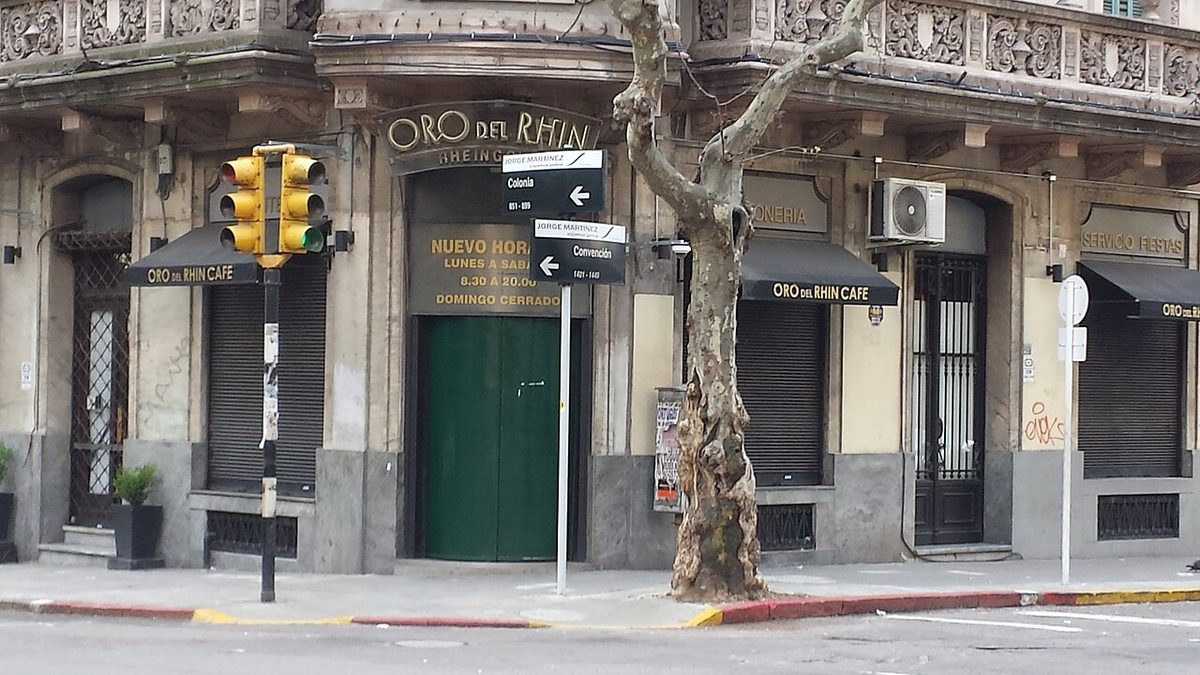
Confiterías and panaderías (cafe-bakeries and bakeries) are where you eat the good stuff fresh: a slice of chajá, a martín fierro, an isla flotante, a warm pastry. Sit down, order a coffee, and treat it as the afternoon ritual locals call la merienda. Ciudad Vieja and the Pocitos and Punta Carretas neighborhoods are thick with them; the broader Montevideo city guide points you toward the right areas.
Kiosks are everywhere and open long hours, perfect for a single alfajor on the move, though per-unit prices run a little higher than the supermarket.
One thing to skip: airport duty-free for alfajores. Selection is thin and prices can run roughly double what you would pay on the street. Buy your gifts at a supermarket the day before you fly. That is the single most useful sentence in this guide.
On cost generally, sweets are a bargain by travel standards. A standard supermarket alfajor usually costs less than a coffee, often well under a dollar; a boutique one runs a couple of dollars. Whole chajá cakes and confitería slices are still gentle on the wallet. If you want the full picture on prices, the guide to whether Uruguay is expensive breaks down real daily costs.
Best sweets to take home (and notes for special diets)
Desserts make some of the best souvenirs Uruguay offers, with a couple of caveats. Alfajores travel best: light, shelf-stable for weeks, and easy to share around an office. Buy multipacks at a supermarket for value, then add a few boutique flavors for the people who deserve them. Keep them in their individual wrappers inside a hard container so they survive the suitcase; maicena styles are the most fragile, chocolate the most heat-sensitive.
A jar of Conaprole dulce de leche is the other obvious haul, sealed and sturdy and unmistakably Uruguayan. A whole chajá is wonderful but perishable, so treat that one as a here-and-now pleasure rather than carry-on cargo.
On dietary needs, Uruguay is not the easiest country for restrictions, but alfajores are a pleasant exception. Look for “Sin TACC” on labels, which means gluten-free; brands like Juana La Loca and Guenoa make gluten-free, no-added-sugar and even some vegan versions, easiest to find in larger supermarkets and Montevideo specialty shops. If you keep a glass jar of dulce de leche, note that Conaprole’s classic is gluten-free as well.
Pairing tip for the road: an alfajor and a mate is a deeply Uruguayan combination, and the bitter-sweet balance is better than it has any right to be. The guide to mate culture explains the ritual you will see in every park and on every beach.
Uruguayan desserts: your questions answered
What is the most famous dessert in Uruguay?
The postre chajá is Uruguay’s signature dessert. Created in Paysandú in 1927, it layers light sponge cake, meringue, whipped cream and peaches into a tall, airy cake. It is the one Uruguayans are proudest of and the one that has earned international recognition. Alfajores are the most eaten sweet, but chajá is the flagship.
What is the difference between Uruguayan and Argentine alfajores?
They are close cousins, since both countries adore dulce de leche. The main difference is the cookie: many Uruguayan recipes blend wheat flour and cornstarch in similar proportions for a softer, sandier crumb, while most Argentine alfajores are firmer. Argentina has the bigger industry and famous brands; Uruguay leans on excellent dulce de leche and homestyle regional producers.
What is dulce de leche made of?
Dulce de leche is made from just milk and sugar, cooked slowly until the sugars caramelize into a thick, glossy brown paste. The name means “sweet of milk.” A firmer version is used for spreading on bread, and a softer one, dulce de leche repostero, is made for filling cakes and pastries. It is the base flavor of most Uruguayan desserts.
Where can I buy chajá in Uruguay?
You can buy chajá in confiterías (cafe-bakeries) and supermarket cold cases across the country, sold whole or by the slice. For the original, head to Paysandú, where the Confitería Las Familias invented it in 1927. Eat it fresh and cold; the packaged supermarket versions are good, but a confitería slice is better.
Are Uruguayan desserts very sweet?
Yes, noticeably. Uruguayan baking is built on dulce de leche and tends toward the very sweet end of the scale, so cakes like chajá, Balcarce and alfajores can overwhelm if you are not used to it. The lighter options are isla flotante, martín fierro and pasta frola. Sharing portions and pairing with strong coffee helps a lot.
What sweets should I bring home from Uruguay?
Alfajores are the best edible souvenir: light, shelf-stable for weeks, and easy to share. Buy supermarket multipacks for value and a few boutique flavors as gifts. A sealed jar of Conaprole dulce de leche travels well too. Skip airport duty-free, where alfajores cost roughly double, and buy at a supermarket the day before you fly.
Final thoughts
Uruguay’s desserts will not win prizes for restraint, and that is exactly the point. This is a country that turned milk and sugar into a national identity, and the best way to understand it is to surrender to a slice of chajá in a quiet confitería and an alfajor on a bus and a spoonful of dulce de leche you did not strictly need.
My honest advice: lean into the lighter classics when you can, share the heavy ones, and do your own alfajor tasting on day one. You will eat too much regardless. Everyone does. Plan the rest of the trip around it with the Uruguay travel tips guide, and save room.
Credits & sources
Sources & further reading
- Chajá (Wikipedia) — origin, date and ingredients of the Paysandú cake.
- Best Rated Desserts in Uruguay (TasteAtlas) — crowd-ranked overview of Uruguayan sweets.
- The alfajor (Uruguay Natural, Ministry of Tourism) — official background on Uruguay’s favorite cookie.
- Conaprole dulce de leche — the national dairy cooperative’s product range.
Photo credits
All images via Wikimedia Commons: Uruguayan Desserts Spread by Neurorebel (CC BY-SA 4.0); Dulce De Leche Jar by Superbass (CC BY-SA 4.0); Alfajor De Maicena by Mbulig (CC BY-SA 4.0); Postre Chaja Slice by robertorodriguex (CC BY-SA 2.0); Confiteria Montevideo Display by Mevrob (CC BY-SA 4.0).