La Pedrera: Clifftop Cool on the Rocha Coast (2026)
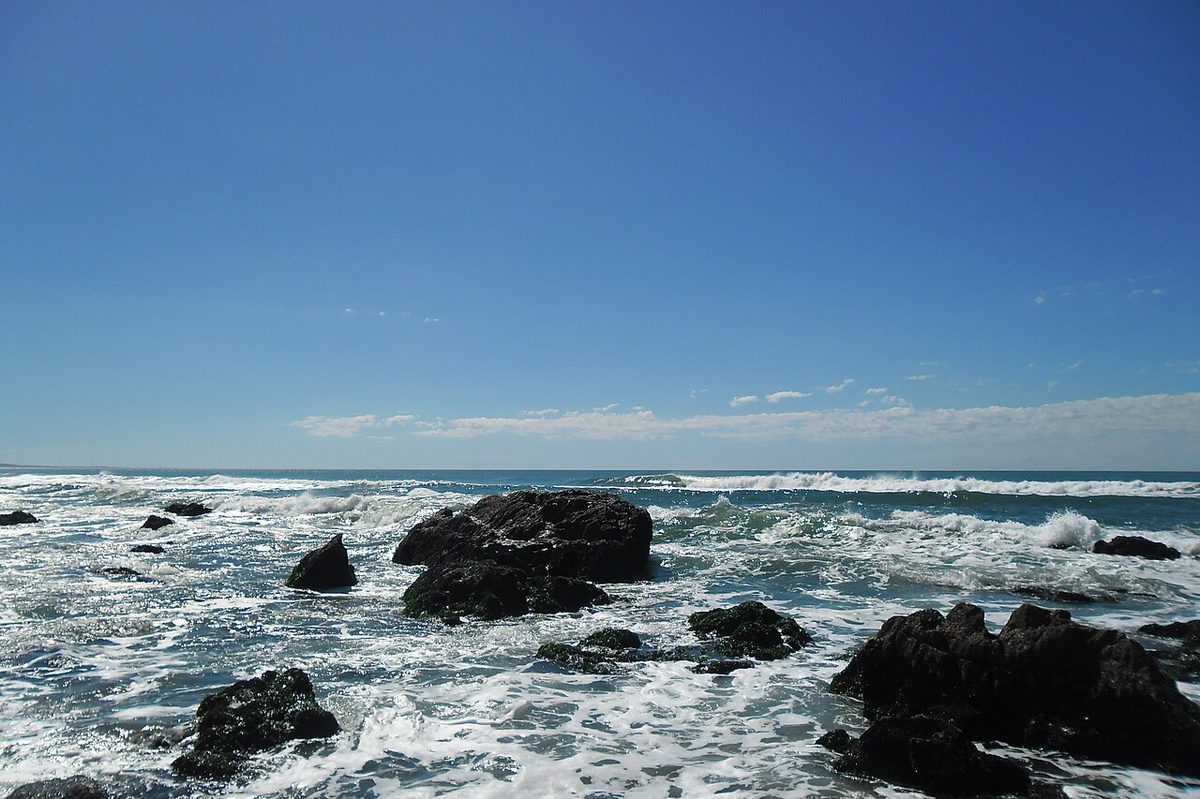
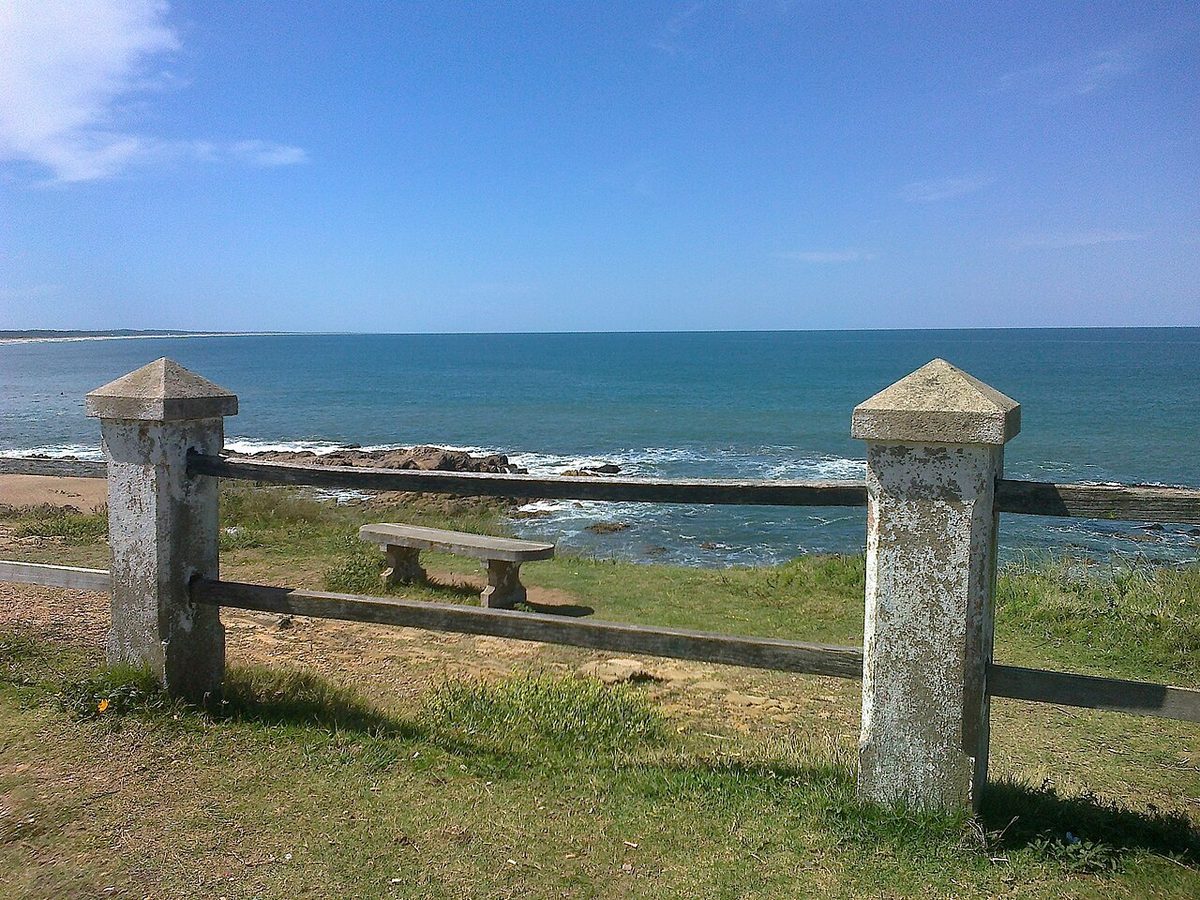
The first thing I noticed in La Pedrera was the wind, and the second was the quiet underneath it. People kept telling me La Pedrera Uruguay was all parties; the first thing it actually handed me was weather. I had driven up from La Paloma on a grey afternoon in late spring, parked near the top of the main avenue, and walked out to the edge where the land simply stops and drops onto dark rock. The sea was doing that Atlantic thing it does here, throwing itself at the coast with no particular urgency. A few surfers sat out the back. A dog trotted past with the confidence of an animal that has never once been on a lead. I had read that this was Rocha’s party town, and I stood there in near silence wondering whether I had the right place.
I did. La Pedrera Uruguay is a small clifftop village on the Rocha coast, set on low rocky bluffs above the Atlantic about 230 kilometres east of Montevideo and a short hop north of La Paloma. For most of the year it is a slow, slightly chic surf-and-art village of a few hundred people; for roughly two weeks around New Year and Carnival it becomes one of the rowdiest young-crowd destinations in the country. Both versions are real, and which one you meet depends entirely on when you show up.
What this guide covers
My aim here is to be useful rather than exhaustive, so this is a guide to La Pedrera itself: the village and its clifftop main street, the beaches that fan out on either side, the rusting shipwreck that gave Playa del Barco its name, the surf, and the legendary summer parties that built the town’s reputation. I cover where to stay and eat, who the town suits, and where it falls flat. La Pedrera sits inside the wider Rocha coast, so when I mention its neighbours I link out rather than re-explaining them here.
| At a glance | La Pedrera, Rocha |
|---|---|
| What it is | Small clifftop village; upscale-bohemian surf town |
| Where | Rocha department, Atlantic coast, ~230 km east of Montevideo |
| Getting there | ~3.5–4 hr bus from Montevideo (Tres Cruces); ~15 km north of La Paloma |
| Main beaches | La Pedrera (town beach), Playa del Barco (the wreck), El Desplayado (wilder, free/nude, to the north) |
| Known for | Cliffs, surf, the New Year and Carnival crowds, craft shops |
| Best for | Surfers, couples, design-minded slow travellers; young party crowds at New Year |
| Peak season | Late December to February; absolute peak ~28 Dec–early Jan and Carnival |
| Surf | Reputed home of one of Uruguay’s two best right-handers; waves to ~2 m |
| Honest caveat | A zoo at New Year/Carnival; very quiet and half-shut the rest of the year |
The village and the clifftop
La Pedrera is built along the top of a low cliff line, and the whole place is organised around that one good idea. The name means something like “the quarry” or “the stony place,” and you understand why the moment you look down: the coast here is bands of dark rock rather than the endless soft sand you get further along at Punta del Diablo. The village proper is tiny. One main avenue runs from the highway turn-off down toward the sea, and almost everything you came for is strung along it or a block to either side.
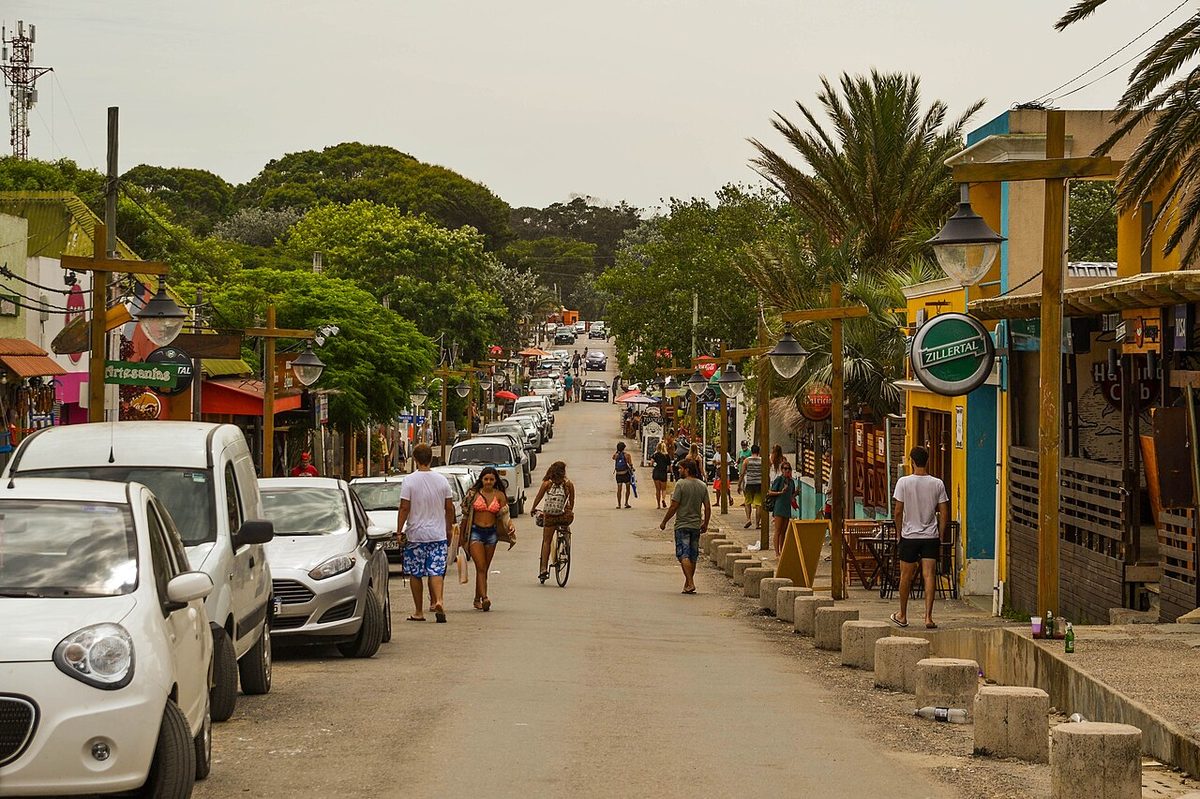
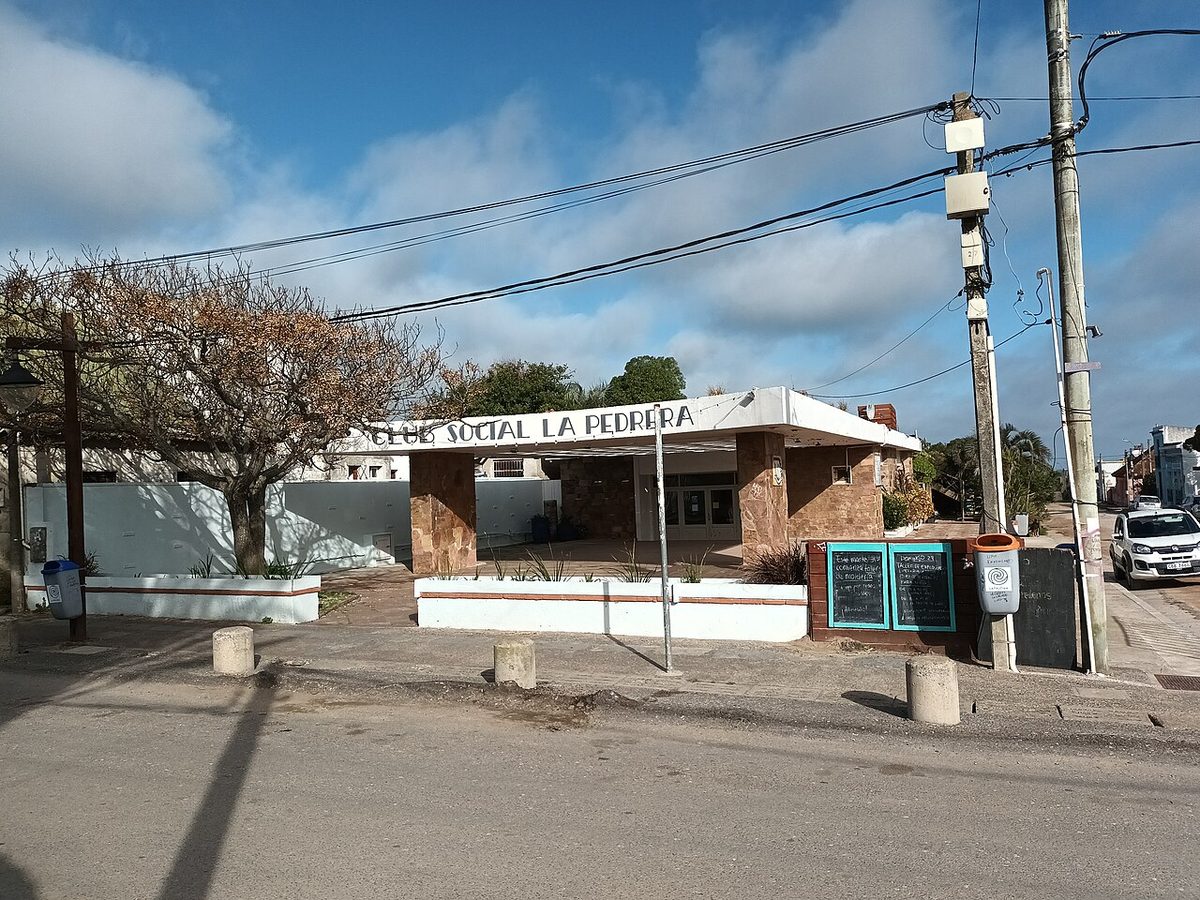
That avenue is the social spine of the town. In summer it fills with craft stalls, a small artisans’ market, bakeries, surf shops and a row of restaurants and bars, several with terraces angled at the water. The Club Social y Deportivo, the old social-and-sports club, anchors the cultural life with shows, fairs and events. The building stock is deliberately low and unflashy: timber, render, the odd architect-designed beach house tucked behind the dunes. There are no high-rises and, by local consensus, there never will be. After the brash towers of Punta del Este this restraint feels like a relief, and it is a big part of why a certain Montevideo and Buenos Aires set has quietly adopted the place.
The clifftop also makes for one of the best free things to do here, which is simply walking. A path runs north along the bluffs toward Punta Rubia, the next hamlet up, and on a clear day it is a genuinely lovely hour on foot, all wind-bent vegetation and surf below. Between roughly July and October you can sometimes spot southern right whales offshore from these cliffs as they pass along the coast. One honest caveat about the setting: those low cliffs are pretty but not always friendly, and several stretches of this coast have rocks and rip currents rather than gentle shelving sand, so the village beach is for walking and watching at least as much as for casual swimming.
Playa del Barco and the wreck of the Cathay VIII
Walk south from the centre and you reach the beach that gives La Pedrera its strangest landmark. Playa del Barco, “the beach of the boat,” is named for a rusting shipwreck that has sat in the sand near the rocky point since 1977. Locals just call it “el barco,” the boat, and a photo with it is one of the small rituals of a visit here.
The story is good. On a stormy night in September 1977 a brand-new Chinese fishing vessel, the Cathay VIII, lost power and drifted onto the sands of La Pedrera, fetching up close to the risky rocky point of the village. The crew of twenty-one all survived and washed up among astonished locals, who fed them and gave them somewhere to sleep while they waited for help to arrive from the other side of the world. Through the summer of 1978 there were attempts to refloat the ship. None worked. So it stayed, and over the decades the sea and the salt did the slow work that the salvage crews could not, eating the hull down until mostly the bow remains, half-buried and orange with rust.
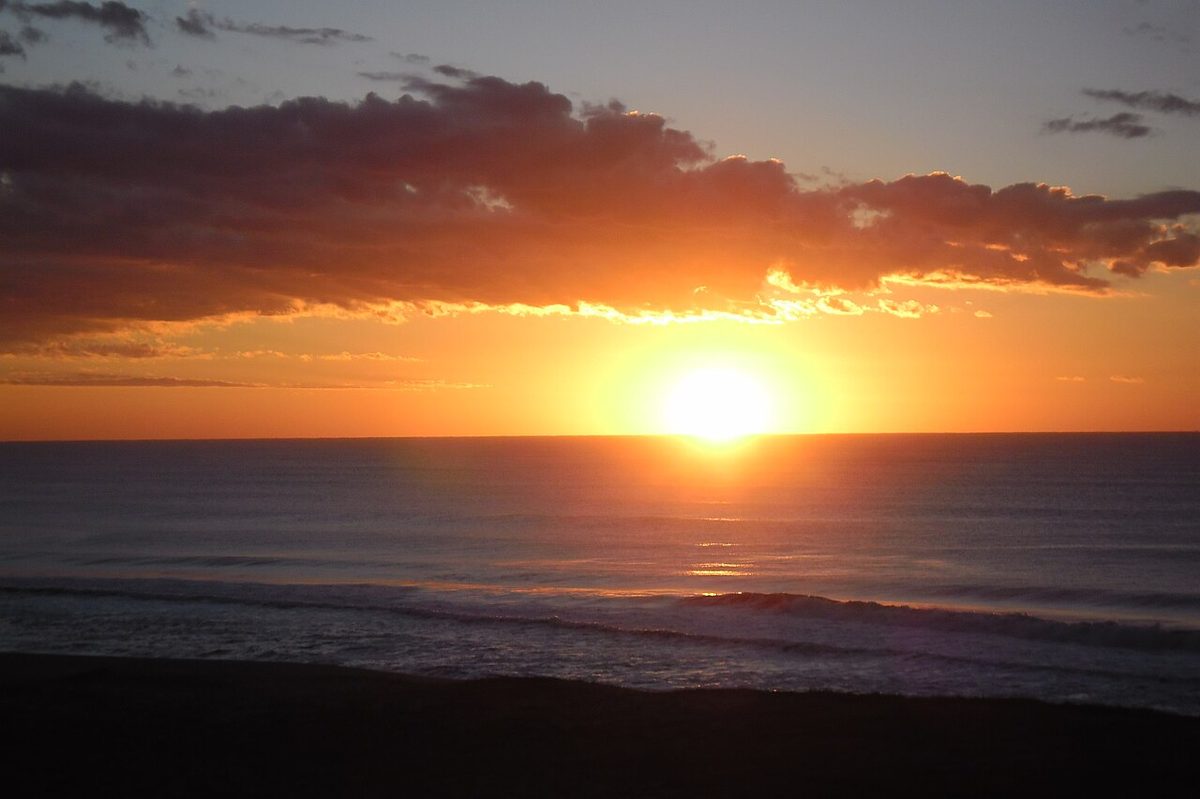
What I find genuinely interesting is that the wreck is not static. Sand covers and uncovers it depending on the season and the storms, and after big swells the Cathay VIII can re-emerge dramatically, more of its skeleton suddenly exposed than locals have seen in years. So you may find a substantial chunk of rusted ship or just a few ribs poking through, depending on your luck. Either way, go at low tide, watch your footing on slippery metal and rock, and keep an eye on the water, because this is the same risky point the ship hit and the swell here is no joke. It is a photograph and a piece of local history, not a swimming beach.
La Pedrera beaches: El Desplayado and the rest
For such a small place, La Pedrera has a satisfying spread of beaches, and they have distinct personalities. Knowing which is which saves you walking to the wrong one with a picnic.
The town beach
Directly below the village sits La Pedrera’s main beach, the one most people mean when they say they are “going to the beach.” It is the easiest to reach, a short walk down from the avenue, and it is where families spread out in January and where the after-beach drinks happen as the sun drops. It is also where the New Year crowds concentrate. In high summer this beach is the busy, sociable heart of the town; out of season it can be almost empty, which is its own kind of wonderful.
Playa El Desplayado
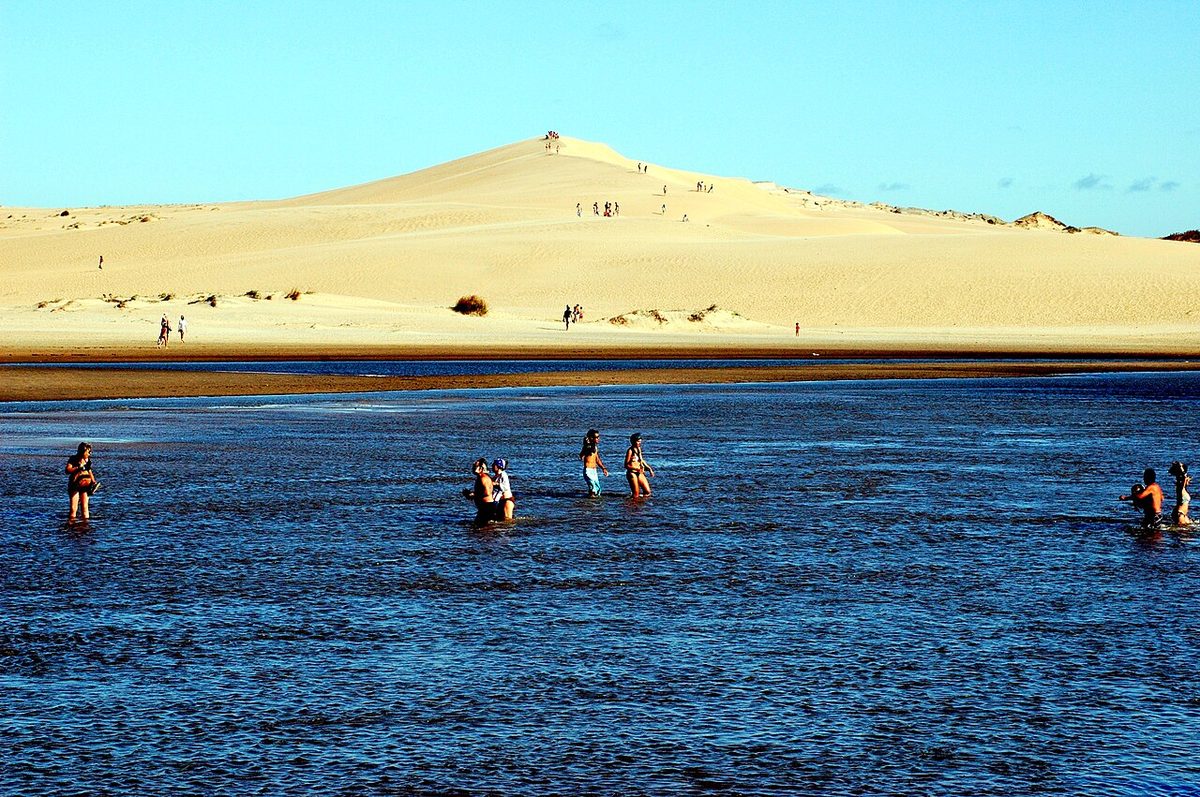
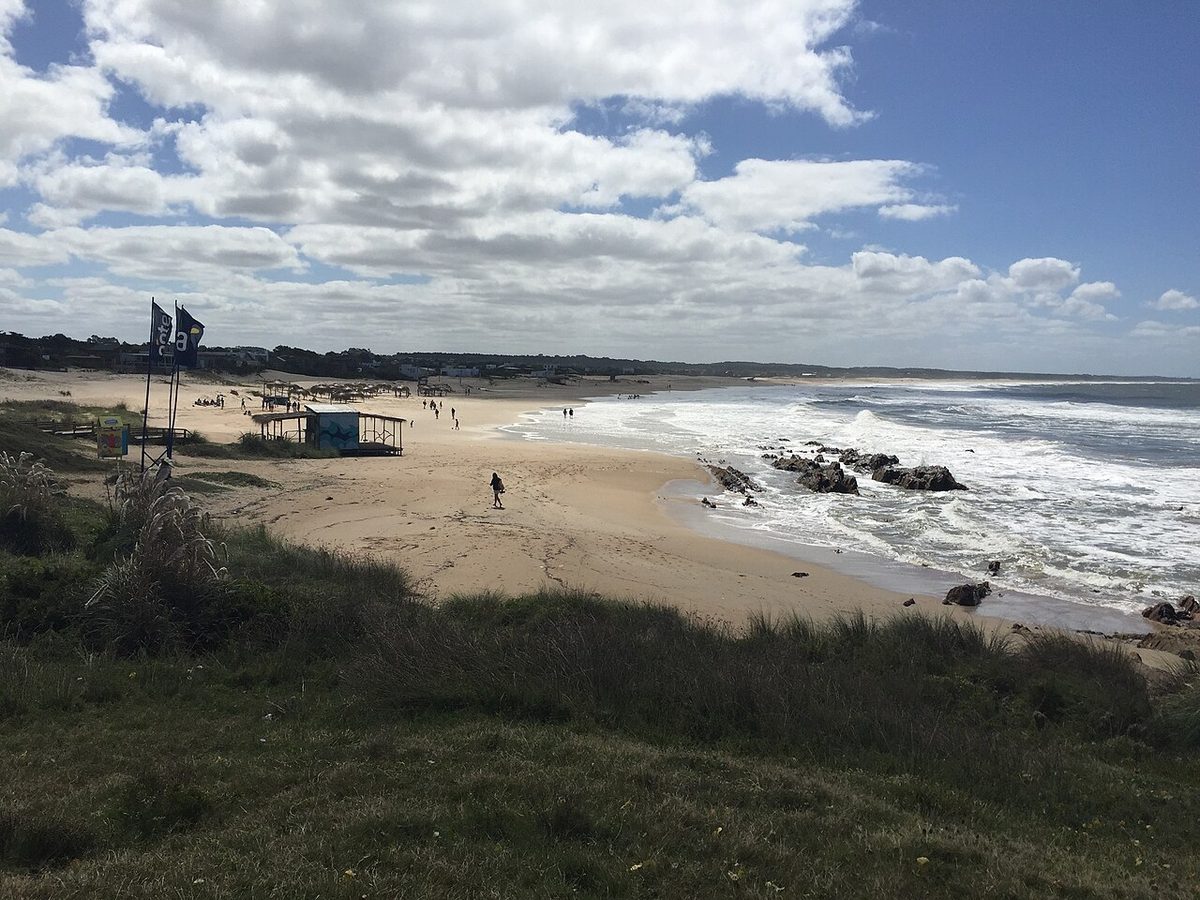
North of the centre, El Desplayado is the wilder one and, by long tradition, La Pedrera’s unofficial free beach, where clothing is optional and nobody much minds either way. It is less developed, backed by dunes and rock rather than buildings, and it has a small bay tucked between the rocks that locals will tell you is fine for families on calm days. The name roughly means the “spread-out” or low-tide flat, and at the right state of tide it opens up generously. It is the beach to walk to when you want fewer people and a rawer stretch of coast. Go with the understanding that it is genuinely unsupervised: no lifeguards, no parador handing out beers, just you and the Atlantic.
One honest warning about the water
Here is the drawback that the glossy guides skate over. La Pedrera’s beaches are beautiful and they are not uniformly safe. The coast is rocky in places, the Atlantic swell can be powerful, and rip currents are a real feature, especially around the points and at Playa del Barco. Lifeguard coverage exists in peak summer on the main beaches but thins out fast at the edges and vanishes off-season. If you are not a confident ocean swimmer, treat the wilder beaches as places to walk rather than to plunge into, ask locals or surfers where it is safe on the day, and take the warm-looking water seriously. This is not a swimming-pool coast.
Surfing in La Pedrera
Surf is woven into La Pedrera’s identity in a way that goes beyond the shops selling board shorts. Local lore, backed by the Rocha tourism board, holds that the village is home to one of the two best right-hand waves in the country, with wave trains that hold their shape and run a long way before they close out near the sand. For a small town that is a serious claim, and in the right conditions it lives up to it.
The two surf beaches break differently, which is part of the appeal. El Desplayado fires when the wind comes from the north or northwest at medium strength; the wave there can reach around two metres and breaks with real precision, though when it gets big the takeoff sits close to rock and you have to time your paddle-out carefully between sets. Playa del Barco is a deeper beach with consistent sandbanks where the wave throws with weight and volume, working well on east-southeast swells and offering both lefts and rights up to a similar size. Beginners can find gentler days here, and there are instructors and board rental around in summer, but this is an exposed Atlantic break, not a forgiving beginner pool. If you are learning, go on a small, clean day and ideally with someone who knows the spot. For the wider picture, I have a separate guide to surfing in Uruguay, and La Pedrera earns its place in any list of the country’s best beaches.
New Year and Carnival: the famous influx
Now for the thing La Pedrera is most notorious for. For most of the year this is a sleepy village, but for two short windows it transforms into one of the biggest young-crowd parties on the Uruguayan coast, and it is worth understanding exactly how that works before you book.
New Year is the wilder of the two. In the days around 28 December through the first week of January, thousands of mostly young Uruguayans and Argentines descend on the town. The party spills onto the main beach and the avenue, with bonfires (fogones in the local Spanish) on the sand and music running until the sun comes up. It is loud, it is crowded, and for a certain age and mood it is exactly the point. Accommodation is booked out months ahead and prices jump accordingly.
Carnival is the other peak, and it has become the town’s signature event. The first official edition was held in 1999 and drew about 200 people; within fifteen years it was pulling crowds reported around 20,000. It falls in late February or early March, on the Uruguayan carnival dates, and it has a particular flavour. By day the main avenue turns into a giant, good-natured battle of water, foam and flour, with everyone soaked and dusted white; by night there are parties, drums and costumed groups. Locals are at pains to point out it has a family and community side too, with a children’s parade and traditional murga and candombe drumming, not only the spuma-and-beer chaos.
And here is my honest drawback, the big one for this town. At New Year and Carnival, La Pedrera is a zoo. I mean that descriptively, not as a warning to stay away if that is what you want. The village is tiny and the crowds are enormous, so the infrastructure groans: queues, scarce and pricey rooms, rubbish, noise that does not stop, and a vibe that tips well over from chic toward sheer mayhem. If you are coming for the quiet clifftop village I described at the top of this guide, these are precisely the two weeks to avoid. If you are coming for the party, arrive with a booking, low expectations of sleep, and a sense of humour. The two crowds want opposite things from the same small town, and the calendar is how you choose which one you are.
Where to eat and stay in La Pedrera
Eating well in La Pedrera is easy in summer and patchier off-season, so calibrate your expectations to the calendar. In peak months the avenue and the lanes around it offer fresh seafood, wood-fired pizza, the inevitable and excellent chivito, and a clutch of cafe-bakeries doing good breakfasts with homemade bread. Several posadas run their own restaurants that are open to non-guests. The cooking leans casual-bohemian rather than fine-dining, which fits the town; this is somewhere you eat grilled fish in your beach clothes, not somewhere you dress up. My one honest caveat: outside the December-to-February window, a real share of these places simply close, and in the deep off-season you may find your dinner options narrowed to a couple of spots and the supermarket.
For sleeping, La Pedrera is firmly posada-and-cabin territory rather than big-hotel territory. The stock runs from a handful of hostels for the surf-and-backpacker crowd up through a good range of posadas and boutique guesthouses, several of them genuinely stylish and a few with sea views or their own gardens and pools. Some sit right by Playa del Barco; others cluster a short walk from the avenue. The catch, and it is a real one, is that budget options are thin and seasonal: cheap beds exist mostly in the hostels and mostly in summer, prices climb sharply in January and go vertical at New Year, and a number of places shut entirely in winter. If you want the relaxed shoulder-season version of La Pedrera, you trade a livelier town for a quieter and cheaper one, and you check opening dates before you travel. For the wider regional picture, see my guide to where to stay in Uruguay.
Planning your trip: who La Pedrera suits, and how to get there
Whether La Pedrera is right for you comes down to timing and temperament more than anything else. Here is how I would think about it by traveller type.
Couples and slow travellers
This is the town’s sweet spot outside the party fortnights. December’s start and the back half of February into March give you warm water, open restaurants and a relaxed, design-aware village without the New Year chaos. Come for the clifftop walks, the long lazy lunches and the surf-watching. It pairs naturally with the quieter rhythms of the rest of the Rocha coast.
Surfers
Build your trip around the swell, not the calendar. La Pedrera rewards surfers who can read a forecast and pick their beach, and the shoulder seasons of autumn and spring often serve up clean conditions with hardly anyone in the water. Bring or rent a wetsuit; this is the Atlantic, not the tropics.
Young party crowds
If the all-night beach party is the draw, then New Year and Carnival are your dates, and you should book months ahead and travel with friends. Just know what you are signing up for, which is closer to a festival than a beach holiday.
Families and budget travellers
This is the honest mismatch. The rocky, rip-prone coast and the limited cheap accommodation make La Pedrera a harder sell for families on a budget than its softer-sand neighbours. La Paloma, just down the road, is flatter, calmer and better set up for kids and tighter wallets.
Getting there and around
La Pedrera sits about 230 kilometres east of Montevideo. The simplest way without a car is the bus: companies including COT, Rutas del Sol and Cynsa run from Montevideo’s Tres Cruces terminal, and the trip takes roughly three and a half to four hours. From Punta del Este in summer there are limited direct services; otherwise you connect through San Carlos. Honestly, though, this whole coast is made for driving. With your own car you can village-hop along the shore at your own pace, and La Pedrera slots beautifully into a wider Uruguay road trip. The local roads off the main highway are often ripio, the unpaved gravel that is standard in rural Rocha, so take the dust and the slower speeds as part of the deal.
One last orientation point. La Pedrera is a natural base or stop for the whole eastern arc. The wilder, off-grid Cabo Polonio and the bigger backpacker scene at Punta del Diablo lie further north and east, while La Paloma sits just to the south. Beyond Cabo Polonio, Barra de Valizas is the rawest stop of all, famous for its giant dunes. If you are weighing this coast against the glossier resort scene, my comparison of Punta del Este versus Rocha lays out the trade-offs.
La Pedrera Uruguay: your questions answered
Is La Pedrera worth visiting?
Yes, with one big condition: go at the right time for you. Outside the New Year and Carnival peaks, La Pedrera is one of the most relaxed and characterful villages on the Rocha coast, with good surf, dramatic cliffs and a low-key chic streak. During those peaks it is a packed young-crowd party. Match the season to what you actually want and it is well worth the trip.
What is there to do in La Pedrera?
The main things to do in La Pedrera are walking the clifftop and the beaches, visiting the rusting Cathay VIII shipwreck at Playa del Barco, surfing or watching the surf, browsing the craft stalls and shops along the main avenue, and eating fresh seafood with a sea view. The cliff walk north toward Punta Rubia and whale-spotting between July and October round it out.
Why is it called Playa del Barco?
Playa del Barco, the “beach of the boat,” takes its name from the wreck of the Cathay VIII, a Chinese fishing vessel that ran aground here in a storm in 1977. All twenty-one crew survived, salvage attempts failed, and the hull has slowly corroded in the sand ever since. Locals call it simply “el barco,” and it is one of La Pedrera’s signature sights.
When is the La Pedrera Carnival?
La Pedrera’s carnival falls on the Uruguayan carnival dates in late February or early March, usually across a long weekend. By day the main avenue becomes a battle of water, foam and flour; by night there are parties and drumming. It began in 1999 with a couple of hundred people and now draws crowds reported around 20,000, so book accommodation well ahead.
Is La Pedrera good for families?
It can be, off-peak and with care, but it is not the obvious family choice. The coast is rocky in places with real rip currents, lifeguard cover is limited, and budget accommodation is thin. The small bay at El Desplayado works on calm days, but families wanting easy swimming and more facilities are often better served by neighbouring La Paloma.
How do I get to La Pedrera from Montevideo?
Buses run from Montevideo’s Tres Cruces terminal with companies such as COT, Rutas del Sol and Cynsa, taking roughly three and a half to four hours for the 230-kilometre trip. Driving gives you far more freedom to explore the coast, though expect some ripio (gravel) on the smaller roads once you leave the main highway.
Final thoughts
La Pedrera is really two places sharing one address. There is the loud, legendary party that owns the headlines for two weeks a year, and there is the quiet, slightly chic clifftop village that owns the other fifty. I came expecting the first and fell for the second: the dark rock and the wind, the rusting boat in the sand, the surfers strung out along an empty winter beach. Pick your fortnight with that in mind, treat the water with respect, check what is actually open before you go, and La Pedrera will give you whichever version you came for.
Credits & sources
Sources & further reading
- Turismo Rocha — La Pedrera (official destination site)
- Turismo Rocha — the Cathay VIII shipwreck at Playa del Barco
- Turismo Rocha — surf beaches in La Pedrera
Photo credits
All images via Wikimedia Commons: La Pedrera Clifftop Coast by Casaseneleste (CC BY-SA 4.0); La Pedrera Main Avenue by TitiNicola (CC BY-SA 4.0); La Pedrera Sunset by Casaseneleste (CC BY-SA 4.0); La Pedrera El Desplayado Beach by Casaseneleste (CC BY-SA 4.0); La Pedrera Town Street by Sadads (CC BY-SA 4.0); La Pedrera Clifftop Lookout by Casaseneleste (CC BY-SA 4.0).