Tannat: The Bold Grape Uruguay Made Its Own (2026)
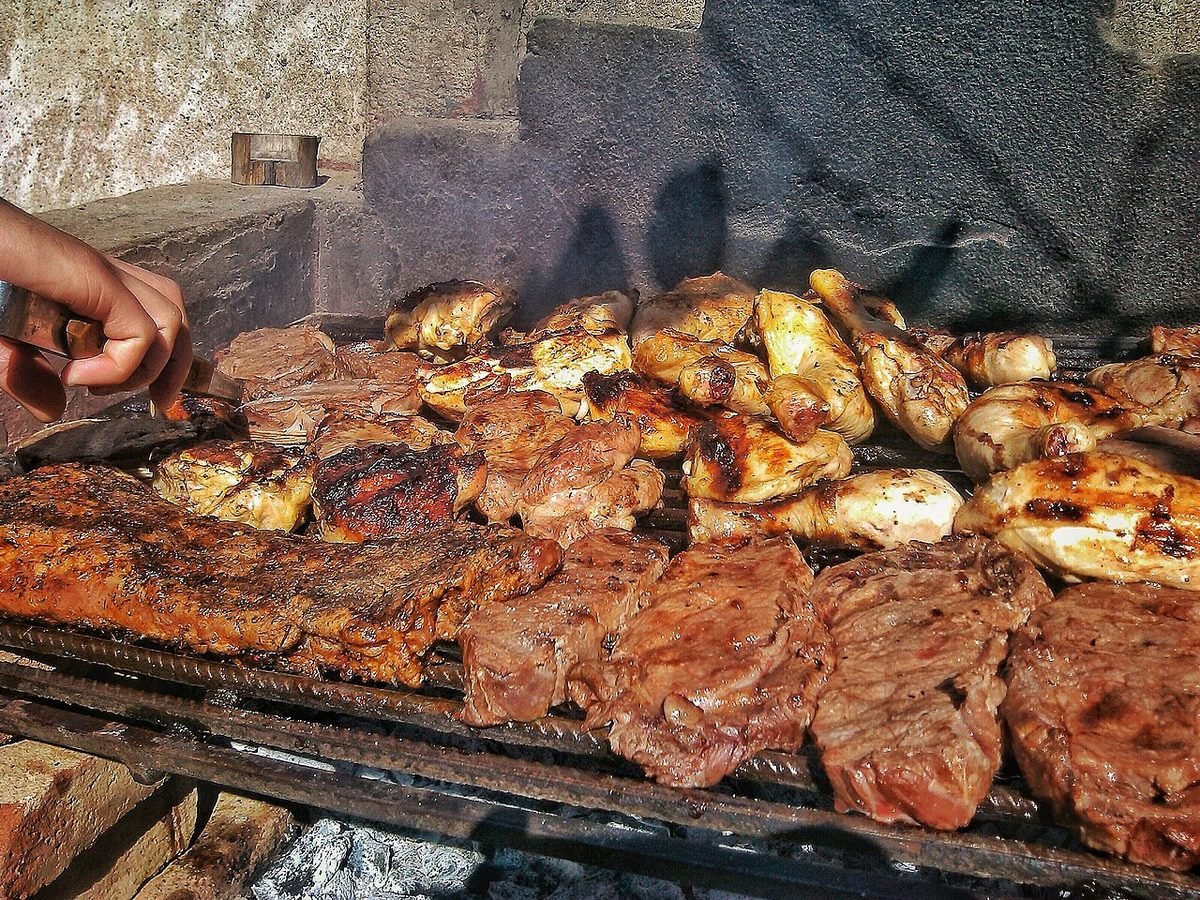
The first time I really understood Tannat wine, I wasn’t in a tasting room. I was standing next to a parrilla (a wood-fired grill) outside a farmhouse near Canelones, holding a tumbler of something dark and grippy while the asado man flipped ribs over the coals. The wine was almost purple. It dried my mouth out on the first sip, then the fat from the beef wiped the slate clean, and I went back for more of both. That loop, beef then wine then beef, is the whole point of this grape.
I’d had Tannat before in the way most people abroad have it: a confusing, tooth-staining glass that felt like chewing on a tea bag. In Uruguay it finally made sense, because here it isn’t a curiosity. It’s the house red of an entire country.
Tannat wine is a deeply colored, high-tannin red made from a thick-skinned grape that originated in southwest France but found its true home in Uruguay, where it’s now the national variety. Expect dark fruit (blackberry, plum), firm structure, and a savory edge. Uruguayan versions tend to be softer, fruitier and more approachable than the brooding French originals from Madiran, which makes them an ideal partner for grilled red meat.
This is the grape guide, not a winery itinerary or a broader trip plan. I’ll cover what Tannat actually is, how a Basque immigrant named Pascual Harriague planted the seeds of an industry in the 1870s, why Uruguay’s damp Atlantic climate suits a grape almost nobody else can tame, what it tastes like, the famous (and overhyped) health angle, how it’s made, and what to eat with it. For where to drink it and which bodegas to visit, I’ll point you to the right places as we go.
| Tannat at a glance | The short version |
|---|---|
| What it is | A red wine grape; Uruguay’s national variety (locally also called Harriague) |
| Origin | Southwest France, around Madiran in the Basque/Gascon foothills of the Pyrénées |
| Arrived in Uruguay | 1870s, brought by Basque immigrant Pascual Harriague |
| Taste | Dark, dry, full-bodied; blackberry, plum, licorice, smoke; high tannin, medium-high acidity |
| Uruguayan style vs French | Softer, rounder, fruitier, often oak-aged and drinkable younger |
| Typical alcohol | Around 13.5–14.5% |
| Best with | Asado, lamb, choripán, hard and blue cheeses; anything fatty off the fire |
| Price in Uruguay | Solid bottles from roughly USD 8–15; icon wines USD 30+ (last I checked) |
| Famous claim | Among the highest in procyanidins and resveratrol of any red — interesting, not a health plan |
What is Tannat wine, exactly?
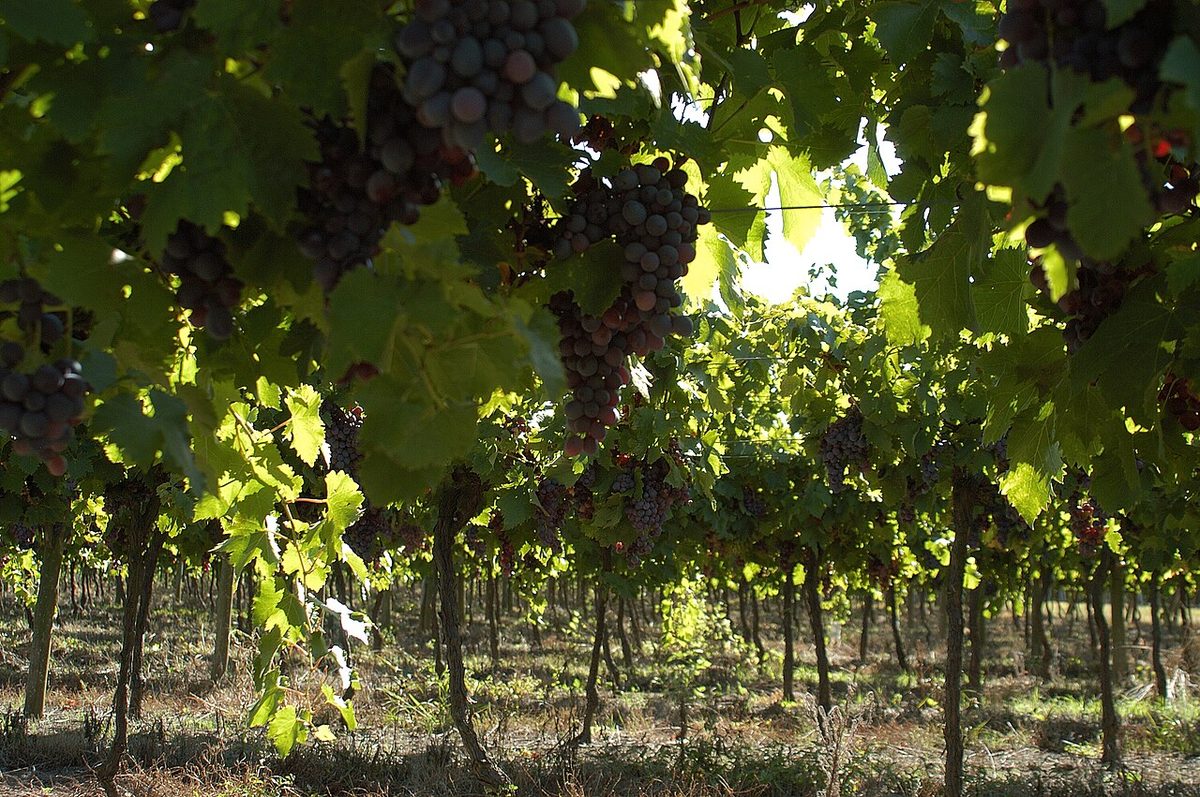
Strip away the romance and Tannat is a grape with thick skins, a lot of seeds, and an attitude. Those thick skins are the key to everything. Skins are where a red wine gets its color, its tannin (the drying, grippy compounds that make your gums pucker) and a big chunk of its flavor, and Tannat has them in abundance. A Tannat berry often carries around five seeds where most grapes have two or three, and seeds add tannin too.
The upshot is a wine that pours out almost black, stains the glass, and hits the palate with serious structure. In its raw form it’s one of the most tannic red wines on earth, which is exactly why it spent most of its history as a blending grape and a regional curiosity rather than a star.
The name itself is a clue. Most wine writers trace “Tannat” back to tan, the same root as tannin, a nod to those mouth-gripping skins. Whether or not the etymology is airtight, it’s a useful way to remember the grape: Tannat is the tannin grape. The whole story of how Uruguay made it lovable is the story of taming that one trait without killing it.
One quick myth to retire: Tannat is not sweet. A handful of producers make late-harvest dessert and Port-style versions, and there are pink and even sparkling Tannats, but the wine you’ll be handed at almost any Uruguayan table is bone dry. The ripe, jammy fruit can read as “sweet” if you’re new to it, but there’s no real sugar there.
From Madiran to Montevideo: how Tannat got here
Tannat’s old country is a small, stubborn corner of southwest France. Around the town of Madiran, in the Gascon and Basque foothills below the Pyrénées, the grape made famously austere wines: dark, tannic, built to age for a decade before they’d let you near them. For centuries Tannat barely traveled. It was a local hero with a local reputation for being difficult.
Then came the immigrants. In the 19th century, Basque families crossed the Atlantic to the River Plate, and they brought vine cuttings with them. The name that stuck is Pascual Harriague, a Basque-French settler who, in the 1870s, established Tannat successfully in the north of Uruguay around Salto. It took to the soil and the muggy climate so well that the grape is still called Harriague here, after the man who planted it. Uruguay even celebrates Tannat Day every April 14, the date Harriague died in 1894.
For a long time Tannat just survived rather than shone. Through the 20th century it shared vineyards with workhorse hybrid grapes and got turned into rough table wine for local drinking. The turning point came in the 1970s and especially the 1980s and ’90s, when Uruguay pivoted toward quality wine. International consultants flew in, looked at what grew reliably year after year through the rain, and told the bodegas the same thing: keep the Tannat. Make it your flag.
They were right. Today Uruguay grows more Tannat than France does, with something on the order of 1,600 hectares planted, roughly a third of the country’s serious red-wine production. A grape that was an afterthought in its homeland became the identity of a nation 11,000 kilometers away. If you want the bigger picture of how this all fits together, my guide to Uruguay’s wine country maps out the regions, the history and the wineries worth your time.

Why Uruguay’s climate and soil suit a difficult grape
Here’s the counterintuitive part. Uruguay shouldn’t, on paper, be a great wine country. It’s humid, it’s flat-ish, it rains, and the Atlantic throws weather at it constantly. Most fine-wine grapes hate that. They rot, they get fungal disease, they refuse to ripen evenly.
Tannat doesn’t care. Those thick skins that make the wine so tannic also make the grape tough in the vineyard: more resistant to humidity, rot and disease, and steadier from one wet vintage to the next. Where a thin-skinned grape would collapse in a rainy March, Tannat shrugs and delivers color, acidity and aroma anyway. As one Uruguayan winemaker likes to put it, they didn’t choose Tannat, Tannat chose them.
The climate also softens it. Uruguay’s growing season is moderate and Atlantic-cooled, without the brutal heat spikes of some New World regions, so the grapes ripen steadily and keep their freshness. That long, gentle ripening is a big reason Uruguayan Tannat ends up rounder and fruitier than the same grape grown in France.
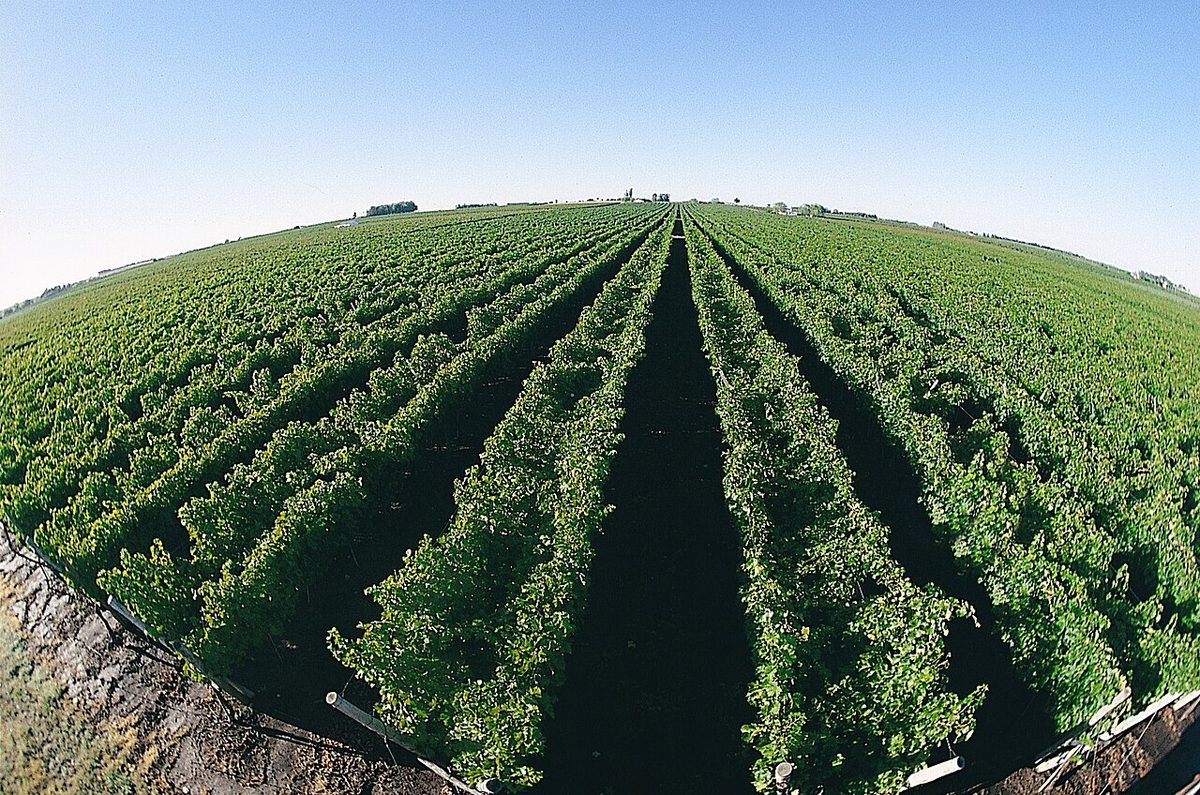
Soil matters too, and it’s where things get interesting for anyone who likes detail. Most of the historic vineyards sit in Canelones, just north of Montevideo, on heavier clay-limestone soils that give deep, structured, savory wines; the district of Las Violetas is often called the grand cru of the region. Down on the coast around Maldonado and Garzón, free-draining granite and gravel soils produce brighter, more mineral, energetic Tannat. And on the schist outcrop of Sierra de Mahoma to the west, the wines turn meatier and more savory. Same grape, very different glass, which is exactly what’s making Uruguayan Tannat exciting right now.
What Tannat tastes like
Pour a young Uruguayan Tannat and the first thing you notice is the color: opaque, inky, purple-black to the rim. Then the nose, which leans dark and a little brooding. Think blackberry and black plum up front, with blackcurrant, licorice, and a savory thread of smoke, tobacco or dried herbs underneath. Oak-aged versions add chocolate, coffee, vanilla and a dusting of sweet spice.
On the palate it’s dry and full-bodied, with that signature firm, slightly chewy tannin and a backbone of fresh acidity that stops it feeling heavy. Good Tannat manages a neat trick: it’s powerful but not flabby, rich but still lifted. The tannins are real, but in well-made modern examples they’re more like fine sandpaper than gravel.
Two honest cautions. A cheap, young, over-extracted Tannat can genuinely be a chore, all astringency and no charm, and that’s the version that gives the grape a bad name abroad. And even good Tannat rewards a little air. If you can, decant it for half an hour to an hour, or just pour it and let the first glass sit. It opens up noticeably.
Tannat vs Malbec, and vs Cabernet
Travelers coming from Argentina almost always ask how Tannat compares to Malbec. Short version: Tannat is the bolder, more tannic, more structured of the two. Malbec is plush, round and fruit-forward with softer tannins and a velvety texture; Tannat has more grip, more acid and a darker, more savory profile. If Malbec is a comfortable armchair, Tannat is a firm handshake.
Against Cabernet Sauvignon, Tannat is in the same heavyweight class but with its own accent: usually more licorice and smoke, a touch less of the green, herbal edge Cabernet can show, and often softer acidity. The other difference worth knowing is price. Because Uruguay is still under most wine drinkers’ radar, you get a lot of structure and aging potential for the money compared with big-name Cabernet.
French Madiran vs Uruguayan Tannat: the same grape, two personalities
This is the comparison that tells you the most about the grape. Take one variety, grow it in two places, and you get two genuinely different wines.
French Tannat (Madiran) is the original: dense, firmly tannic, austere in youth, built to age. Producers there often blend in Cabernet Sauvignon or Cabernet Franc to soften the astringency, and the wines can need years in the cellar before they’re friendly. This is also where the modern fix was born. In 1990, Madiran winemaker Patrick Ducournau developed micro-oxygenation, a technique that feeds tiny, controlled amounts of oxygen into the wine to tame those harsh tannins. It’s now used worldwide, and it started with this one difficult grape.
Uruguayan Tannat is the friendlier cousin. Thanks to the gentler climate, decades of clonal selection toward softer-tannin vines, and a more fruit-forward winemaking approach, it comes out rounder, riper and more approachable, often delicious within a year or two of the vintage. Many producers oak-age it to polish the texture further; others now use little or no oak to keep the fruit pure. Either way, you generally don’t need a decade of patience. That accessibility is a big reason Uruguay, not France, has become the place Tannat is winning new fans.
The health angle: honest talk about Tannat’s “healthiest wine” reputation
You’ll hear it everywhere in Uruguay, sometimes from the person pouring your glass: Tannat is the “healthiest” red wine in the world. There’s a real kernel of truth here, and also a lot of wishful thinking, so let me lay it out straight.
The kernel of truth: because of those thick skins and all those seeds, Tannat is unusually rich in polyphenols, the plant compounds that include tannins, anthocyanins and resveratrol. In particular it’s high in procyanidins, a type of condensed tannin, and studies have measured Tannat among the highest of any red wine for these compounds. Procyanidins are the polyphenols most associated in research with cardiovascular benefits, which is where the “good for your heart” reputation comes from. Tannat is also frequently cited as one of the richest reds in resveratrol, the antioxidant that gets all the headlines.
Now the honest part. None of that makes wine a health food. Alcohol is the dominant ingredient in any wine, it’s classified as a carcinogen, and major health bodies are clear that you should not start drinking, or drink more, for health reasons. The polyphenols in Tannat are genuinely interesting to scientists, and you can get many of the same compounds from grapes, berries, dark chocolate and tea without the alcohol. Treat the “healthiest wine” line as a fun piece of trivia and a point of national pride, not as medical advice. Drink Tannat because it’s delicious with a steak, not because you think it’s a supplement.
How Tannat is made: single-varietal, blends, and everything in between
Part of what makes a Tannat trip fun is how many forms the grape takes. Once you know the main styles, a wine list in Montevideo stops being intimidating.
Single-varietal Tannat is the flagship. This is 100% (or nearly so) Tannat, and it’s where you taste the grape’s full personality. Within this category, locals talk about two schools. The traditional style is heavily extracted, deeply colored, oak-aged and built to last, sometimes needing years to soften. The modern style uses gentler extraction, juicier fruit, less or no oak, and is made to drink young and fresh. Both are worth trying back to back; the contrast is the lesson.
Blends are everywhere too, and they’re often the easiest entry point. Tannat blended with Merlot, Cabernet Franc or Cabernet Sauvignon keeps the structure but rounds off the edges, the same logic French producers in Madiran have used for generations. You’ll also find more playful blends unique to Uruguay, like Tannat with a splash of Viognier for perfume, or Artesana’s well-known Tannat-Zinfandel.
The outliers are worth a detour. There are dry Tannat rosés, a few sparkling red Tannats, and sweet late-harvest and Port-style versions for dessert. None of these are the main event, but they show how completely Uruguay has made this grape its playground.
If you want to go deeper on the full spectrum of what Uruguayans drink, from clericó on a hot afternoon to grappamiel after dinner, my rundown of classic Uruguayan drinks covers the rest of the table.
Tannat food pairing: built for the fire
This is where Tannat stops being a wine-geek topic and becomes obvious. The grape and the national diet evolved together, and the pairing that defines it is Tannat and asado (Uruguay’s slow, wood-fired barbecue).
The reason it works is simple chemistry you can taste. Tannins love fat and protein. A piece of beef dripping off the coals coats your palate in fat; the Tannat’s tannins cut straight through it, scrubbing your mouth clean and resetting you for the next bite. The wine’s smoke and dark fruit echo the char on the meat, and its acidity keeps everything bright. Neither one bullies the other. It’s a genuine dialogue, and it’s hard to reproduce outside a country that takes both this seriously. For the full ritual of the grill itself, read my deep dive into Uruguayan asado.
Beyond the asado, the natural partners are all rich and savory:
- Lamb — arguably the single best match. Uruguay is so sure of this that June hosts a month-long festival of Tannat and lamb (cordero). The earthy fat of slow-roasted lamb and a structured Tannat is a knockout.
- Choripán and sausages — the chorizo sandwich that opens every asado is a perfect, casual Tannat pairing.
- Hard and blue cheeses — aged sheep’s cheese, or a salty blue, stands up to the tannin beautifully. Blue cheese with a touch of sweetness in the wine is a classic.
- Slow-cooked pork — pork belly, ribs, anything braised and fatty.
- Rich pasta and mushrooms — for non-meat options, a tomato-and-cheese baked pasta or stuffed Portobello mushrooms works well, especially with a lighter, modern-style Tannat.
What to avoid? Delicate fish, light salads and anything subtle; the wine will simply flatten them. And if you’re traveling without much beef in your plans, know that Tannat is so meat-focused that it’s worth choosing the lighter, unoaked styles. My guide to eating vegetarian in Uruguay has more on navigating the land of beef, and for the whole national table, see what makes up classic Uruguayan food.
Who makes great Tannat: a short, non-exhaustive list
I’m not going to turn this into a “buy these ten bottles” listicle, because the fun is in discovering your own. If you do want a shortlist, our guide to the best Uruguayan wines names bottles worth bringing home. But if you want a few reliable names to anchor a tasting, these producers consistently do Tannat well, in different styles:
- Bouza — a small Montevideo bodega that helped define modern super-premium Tannat; polished, age-worthy, and a benchmark.
- Bodega Garzón — the big, internationally famous coastal estate near José Ignacio, known for fresh, Atlantic-influenced Tannat (its icon Balasto is the headline act).
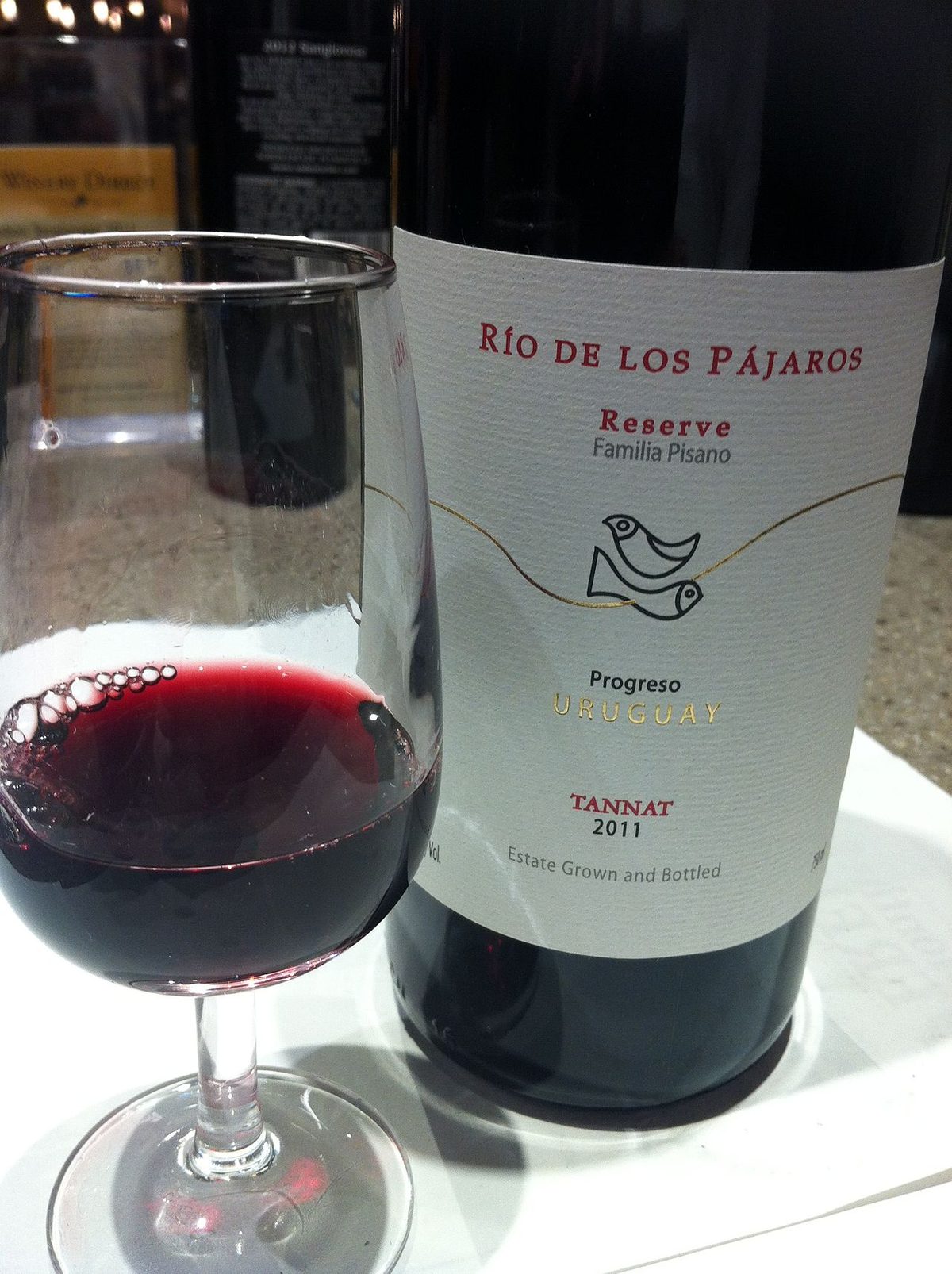
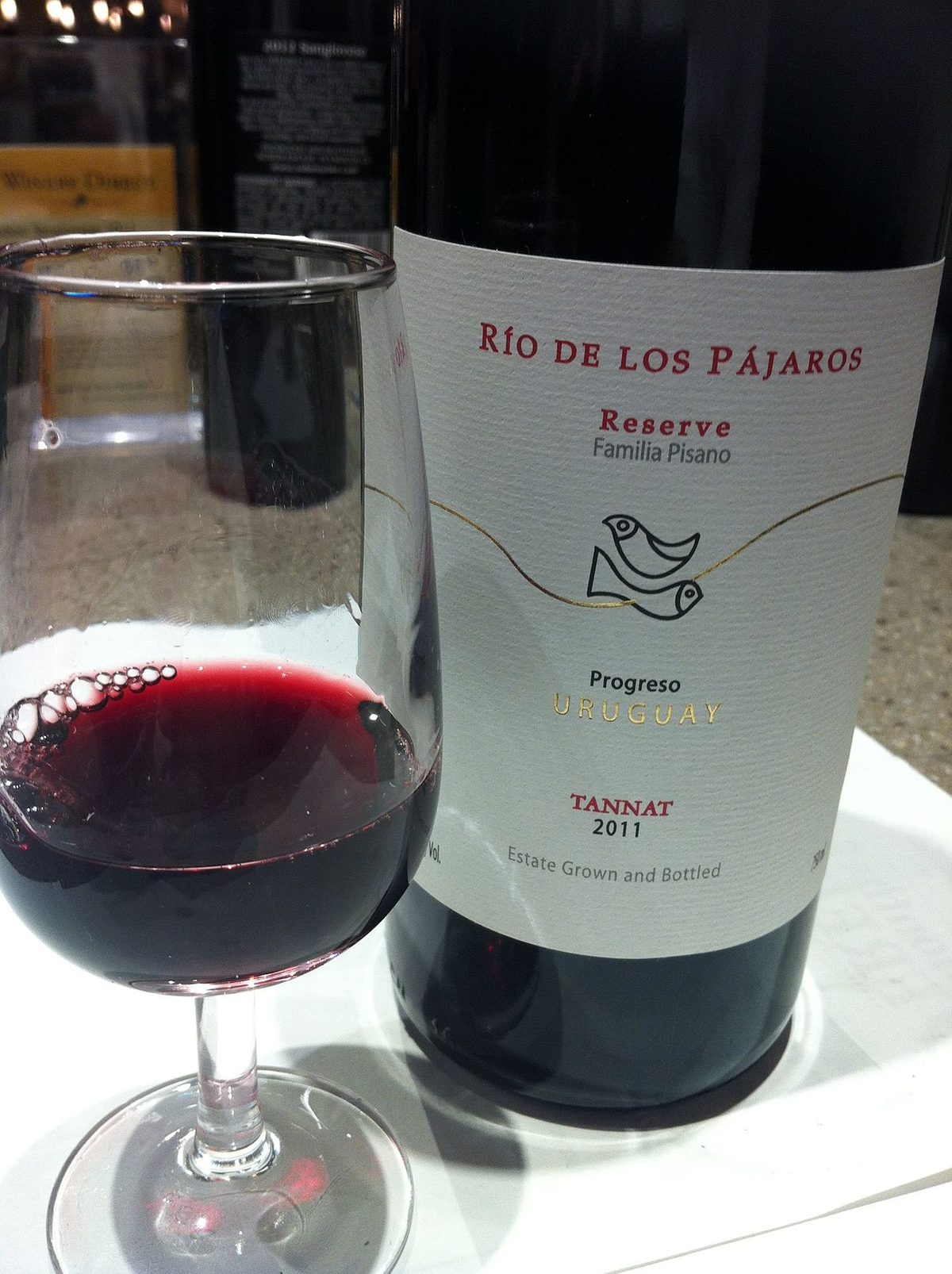
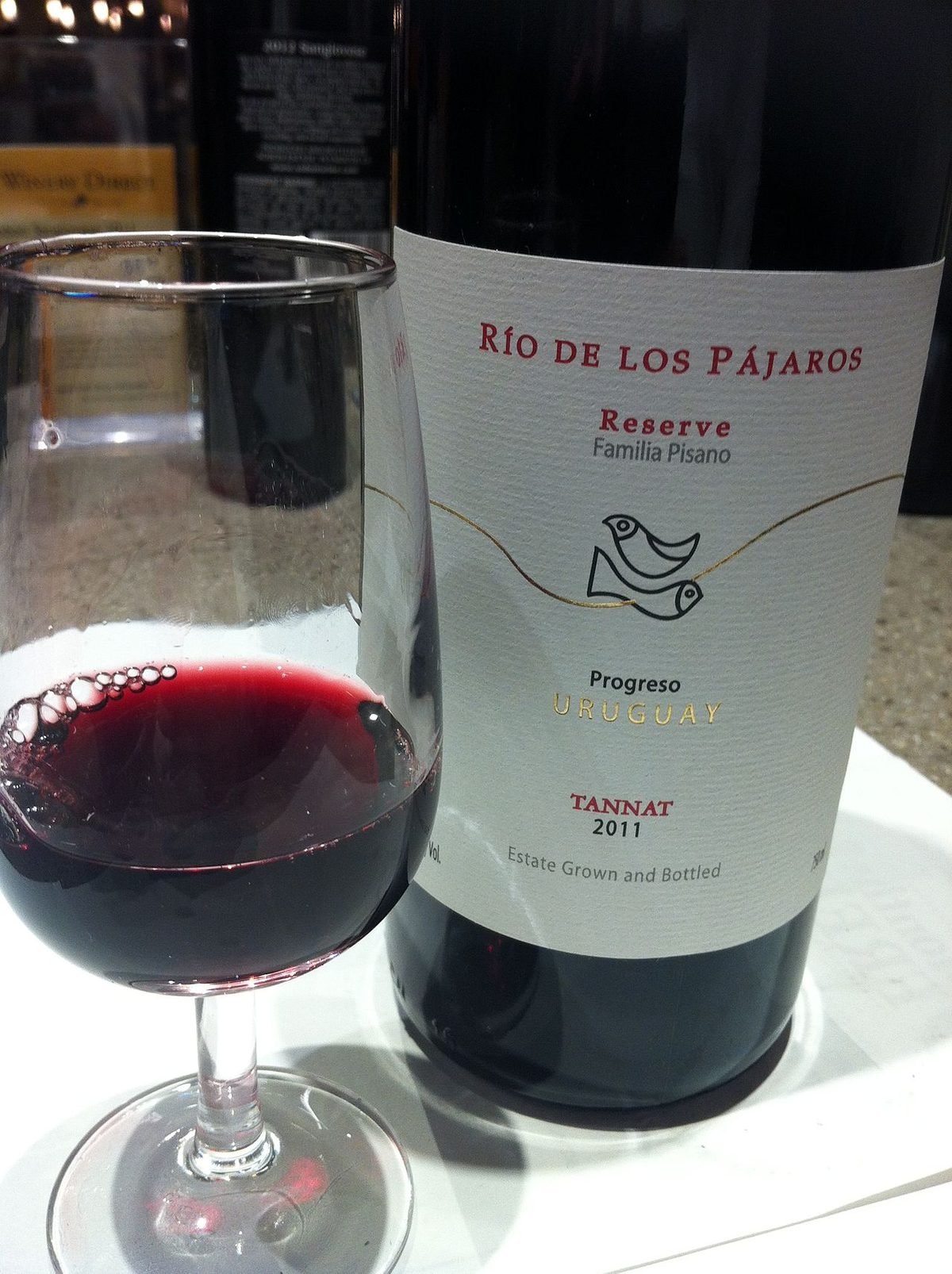
- Pisano — a historic Progreso family making everything from serious reserve Tannat to a quirky sparkling red.
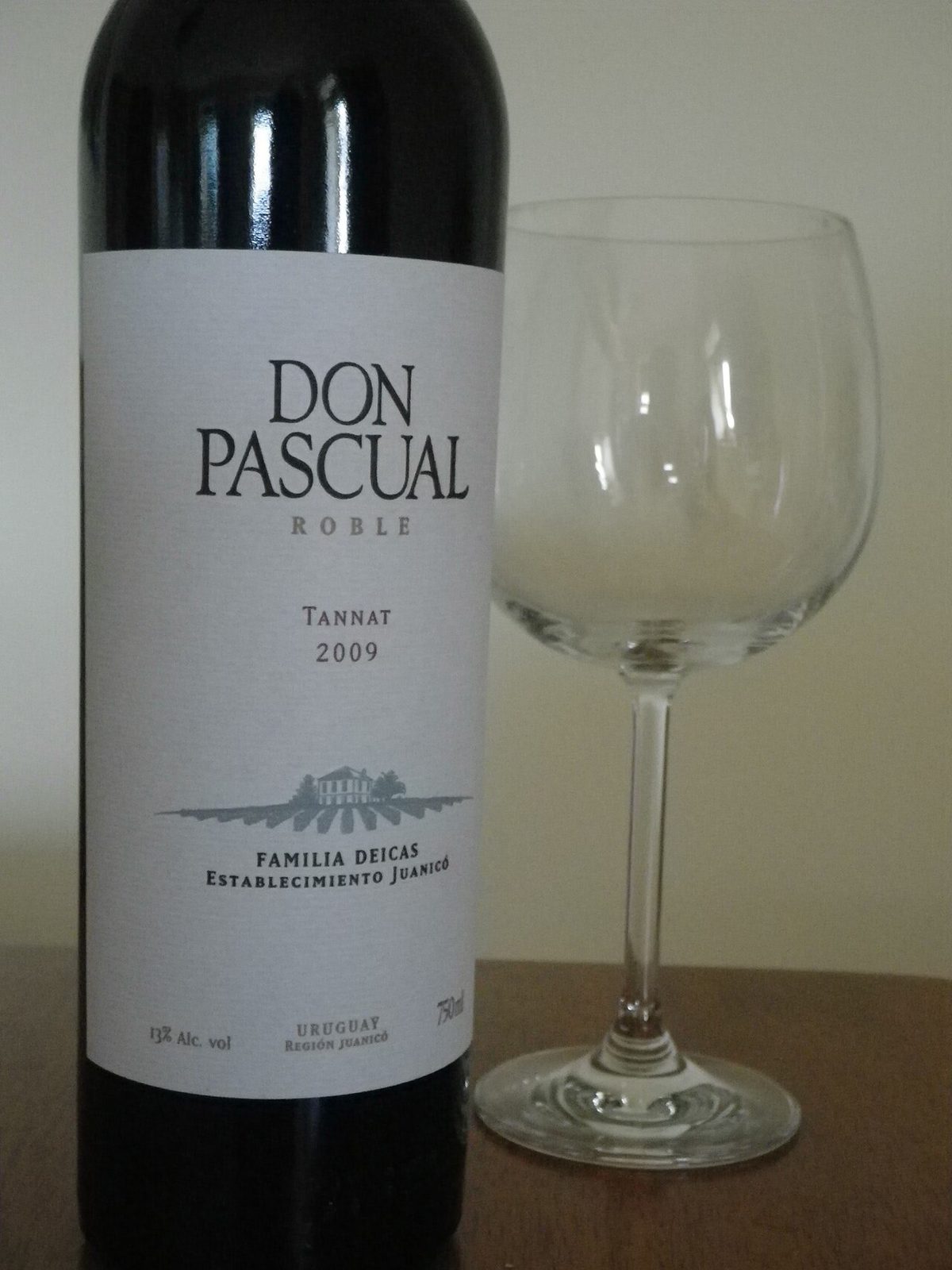
- Familia Deicas / Juanicó — the Juanicó estate’s Massimo Deicas is one of the most revered Tannats in the country.
- Artesana — a small producer worth seeking out for its distinctive Tannat and Tannat-Zinfandel blend.
- Pizzorno, Marichal and Bracco Bosca — family wineries in Canelones that are easy to visit and reliably good.
That’s a starting point, not a ranking. For which of these you can actually tour, taste at, and how to plan it, lean on the Uruguay wine country guide rather than this page.
How to drink Tannat as a traveler: a practical guide
You don’t need a cellar or a sommelier to enjoy this grape on the ground in Uruguay. A few practical notes by traveler type:
If you’re a casual drinker, start with a modern, unoaked or lightly oaked Tannat, or a Tannat-Merlot blend, by the glass at any decent parrilla. It’ll be soft enough to enjoy without homework and cheap enough not to overthink, often just a few dollars a glass. Order it with whatever’s on the grill.
If you’re a curious enthusiast, do a side-by-side: ask for one traditional oak-aged Tannat and one young modern one, and taste them against each other. The contrast teaches you more than any article. Montevideo’s better restaurants and wine bars almost always have both. My roundup of the best restaurants in Montevideo flags the places with serious lists, and the Mercado del Puerto is the obvious spot to pair a glass with grill smoke.
If you’ve got a car and a day to spare, the historic wineries of Canelones are a short, easy drive north of Montevideo and make a relaxed half-day; the coastal estates near Maldonado and Garzón fold neatly into a Punta del Este or José Ignacio trip. Either way, taste at the source. Just remember Uruguay’s drink-driving limit is effectively zero, so nominate a driver, hire one, or join a tour.
On price and buying: in shops and supermarkets, very good Tannat starts at roughly USD 8–12, with icon bottles climbing past USD 30 (prices hedged, and they move). Foreign visitors paying by card get the VAT knocked off restaurant meals, which quietly makes that bottle with dinner cheaper than the menu suggests. If you want to bring some home, buy at the winery or a specialist shop rather than the airport.
When to go: harvest runs roughly February to April and the wineries are at their liveliest then, but they pour year-round. If you’re timing a trip partly around wine and food, my guide to the best time to visit Uruguay breaks it down by season.
Tannat wine: your questions answered
What is Tannat wine?
Tannat is a red wine grape, originally from southwest France and now the national variety of Uruguay. It makes deeply colored, full-bodied, dry red wines with high tannins, fresh acidity, and flavors of blackberry, plum, licorice and smoke. Uruguayan versions are softer and fruitier than the firmer French originals from Madiran, and pair famously well with grilled red meat.
Is Tannat wine dry or sweet?
Almost always dry. The standard Tannat you’ll be served in Uruguay has no real residual sugar; its ripe, dark fruit can taste “sweet” if you’re new to bold reds, but it isn’t. The exceptions are deliberate: a handful of producers make late-harvest and Port-style sweet Tannat for dessert, which are clearly labeled as such.
How is Uruguayan Tannat different from French Madiran?
Same grape, two personalities. French Madiran is denser, more austere and more aggressively tannic, often needing years to soften. Uruguayan Tannat is rounder, riper and more approachable, thanks to a gentler climate, softer-tannin vine clones and more fruit-forward winemaking. In short, the French version is built for patience; the Uruguayan version is built to enjoy now.
Is Tannat actually good for you?
It’s genuinely high in polyphenols, especially procyanidins and resveratrol, which is why it’s nicknamed the “healthiest” red wine. That said, it’s still alcohol, which is a known carcinogen, and no health authority recommends drinking for health benefits. Enjoy Tannat for its taste, not as medicine; you can get the same antioxidants from grapes, berries and tea.
Tannat or Malbec: which is bolder?
Tannat. It has higher, firmer tannins, more acidity and a darker, more savory profile, while Argentine Malbec is plusher, rounder and more immediately easy-drinking. If you love big, structured reds and a wine that grips, choose Tannat. If you want velvety and forgiving, Malbec is your pick. With fatty grilled meat, Tannat usually wins.
How should I serve and store Tannat?
Serve it slightly below room temperature, around 16–18°C, in a large-bowled glass. Decant or aerate young, tannic bottles for 30–60 minutes; it makes a real difference. Traditional oak-aged Tannats can age well for a decade or more, while modern unoaked styles are best drunk within a few years of the vintage.
Final thoughts
Tannat is the most Uruguayan thing in a glass. It’s a grape that nobody wanted to drink straight, grown in a climate nobody thought could make fine wine, that a small country quietly turned into a point of national pride. The wine mirrors the place: unfussy, generous, built around the table and the fire rather than the trophy cabinet.
My honest advice is to drink it where it belongs. A bottle of Uruguayan Tannat in a foreign supermarket is fine. The same bottle next to a plate of ribs off a wood-fired parrilla, with the fat cutting against the tannin, is a different experience entirely, and a cheap one by world-wine standards. Order the local red, get something fatty off the grill, and let the grape do what a century and a half of Uruguayan winemakers taught it to do.
Credits & sources
Sources & further reading
- Wikipedia: Tannat — origins, history, and how Uruguayan and French styles diverge.
- Wine Folly: The Comprehensive Guide to Tannat — tasting profile, polyphenol data and serving notes.
- South America Wine Guide: Tannat Guide — regional Tannat styles, producers and pairings by Amanda Barnes.
Photo credits
All images via Wikimedia Commons: Tannat Grapes Vineyard Canelones Uruguay by Viñavarelazarranz (CC BY-SA 3.0); Bodega Bouza Tannat Vineyard Montevideo by Cristinabodega (Public domain); Tannat Wine Glass Asado Parrilla Uruguay by mariela morales (CC BY 2.0); Tannat Bottles Uruguay Wine Tasting by Agne27 (CC BY-SA 3.0); Tannat Vineyard Rows Uruguay by Viñavarelazarranz (CC BY-SA 3.0).