Wineries Near Montevideo: The Canelones Wine Region (2026)
My first wine day out of Montevideo started badly. I’d assumed I could just turn up at a bodega the way you’d wander into a tasting room in Mendoza, only to find a locked gate and a sign that said visits were by reservation. One sheepish phone call later I was under the vines in Canelones with a glass of chilled Tannat, wondering why I’d doubted it.
The best wineries near Montevideo sit in Canelones, the farm province that wraps around the capital, and most are 15 to 60 minutes from the city center. You can tour the closest one before lunch or build a two or three-bodega day with a driver. Almost all require booking ahead, and several close Sunday or Monday — the single fact that trips up the most visitors.
This guide covers the Canelones wine region specifically: the day-trip bodegas (a bodega is simply a winery) you can realistically tour and lunch at without leaving the metro orbit. I’ll profile each one honestly, with one drawback apiece, then walk through how to actually do it — rental car versus hired driver versus organized tour versus Uber, which days work, and how many wineries you can fit before it stops being fun. I’m not covering Garzón out in Maldonado or the bodegas around Carmelo here; those are different trips, and I link to them where they belong.
For the bigger picture on grapes, terroir and the country’s wine story, start with my guide to Uruguay’s wine country and where to drink it. This piece is the practical, boots-on-the-gravel companion to that one.
| Winery | Sub-region | Drive from Montevideo | Best for | Booking |
|---|---|---|---|---|
| Bodega Bouza | Melilla | 15–20 min | Polished tour + car museum + lunch | Reserve ahead; open daily |
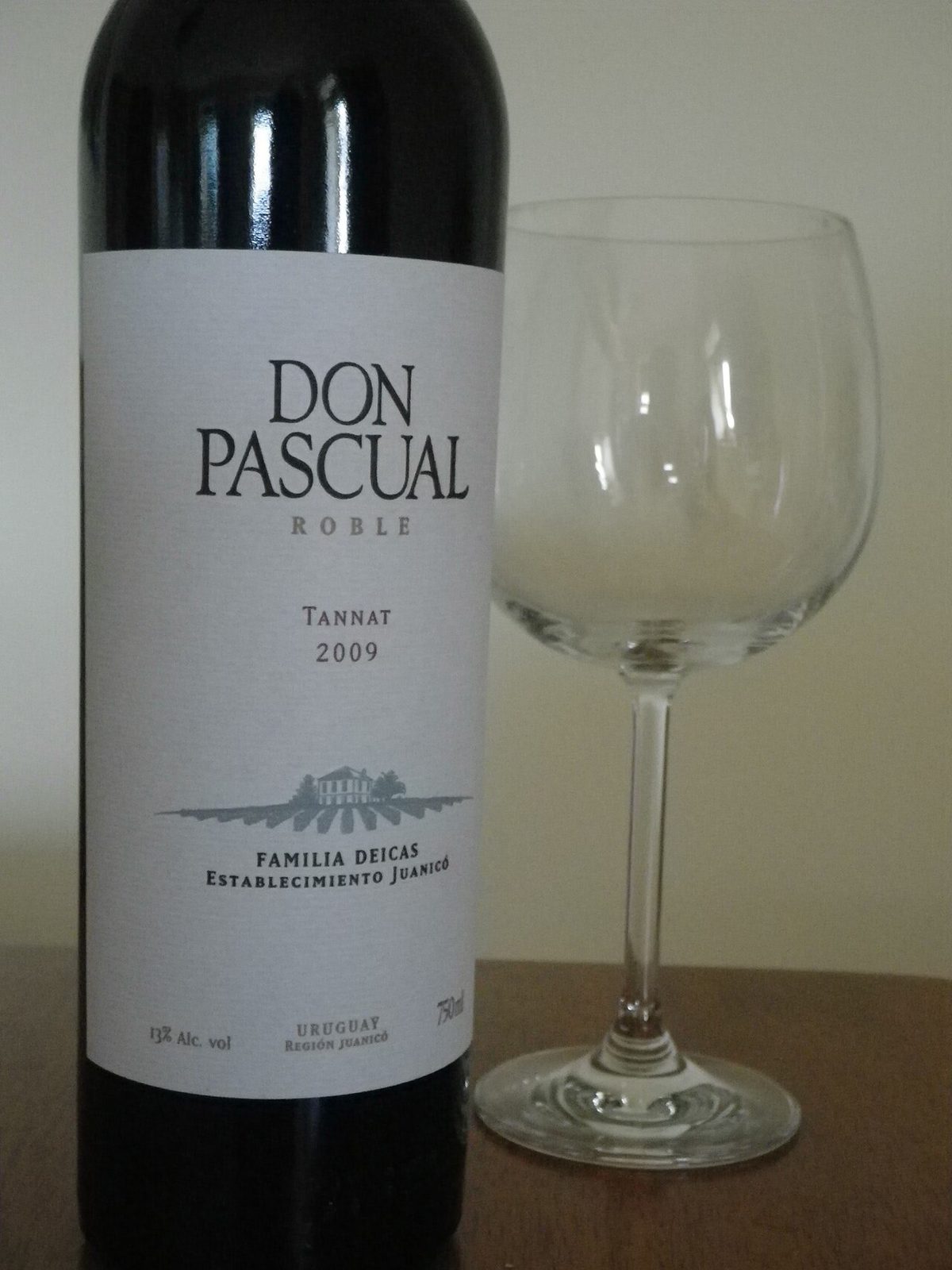
| Familia Deicas (Juanicó) | Juanicó | 35–40 min | History, Jesuit cellar, fine wine | Reserve ahead |
| Pizzorno | Canelón Chico | 30–35 min | Restaurant lunch + posada stay | Reserve; open daily |
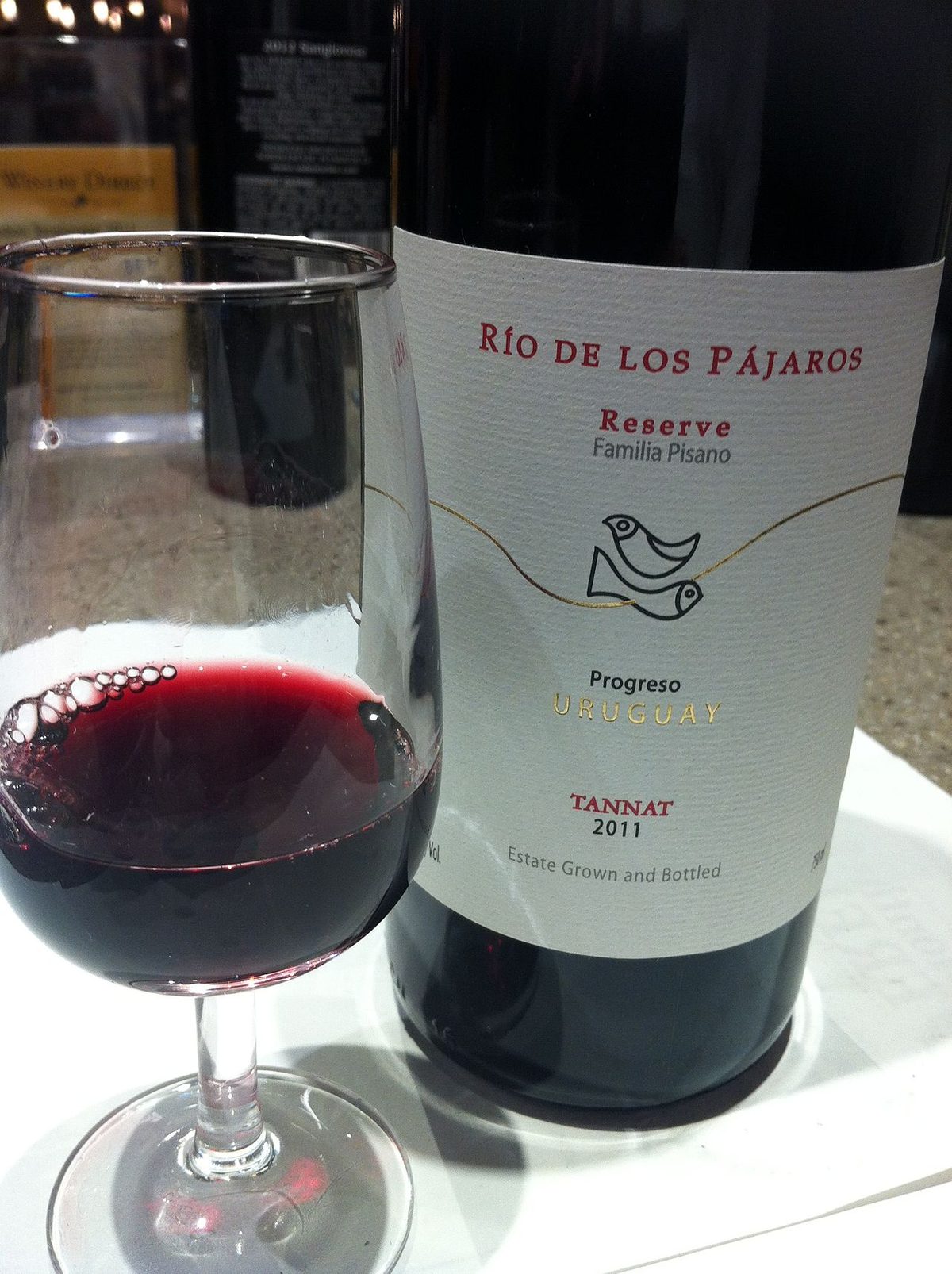
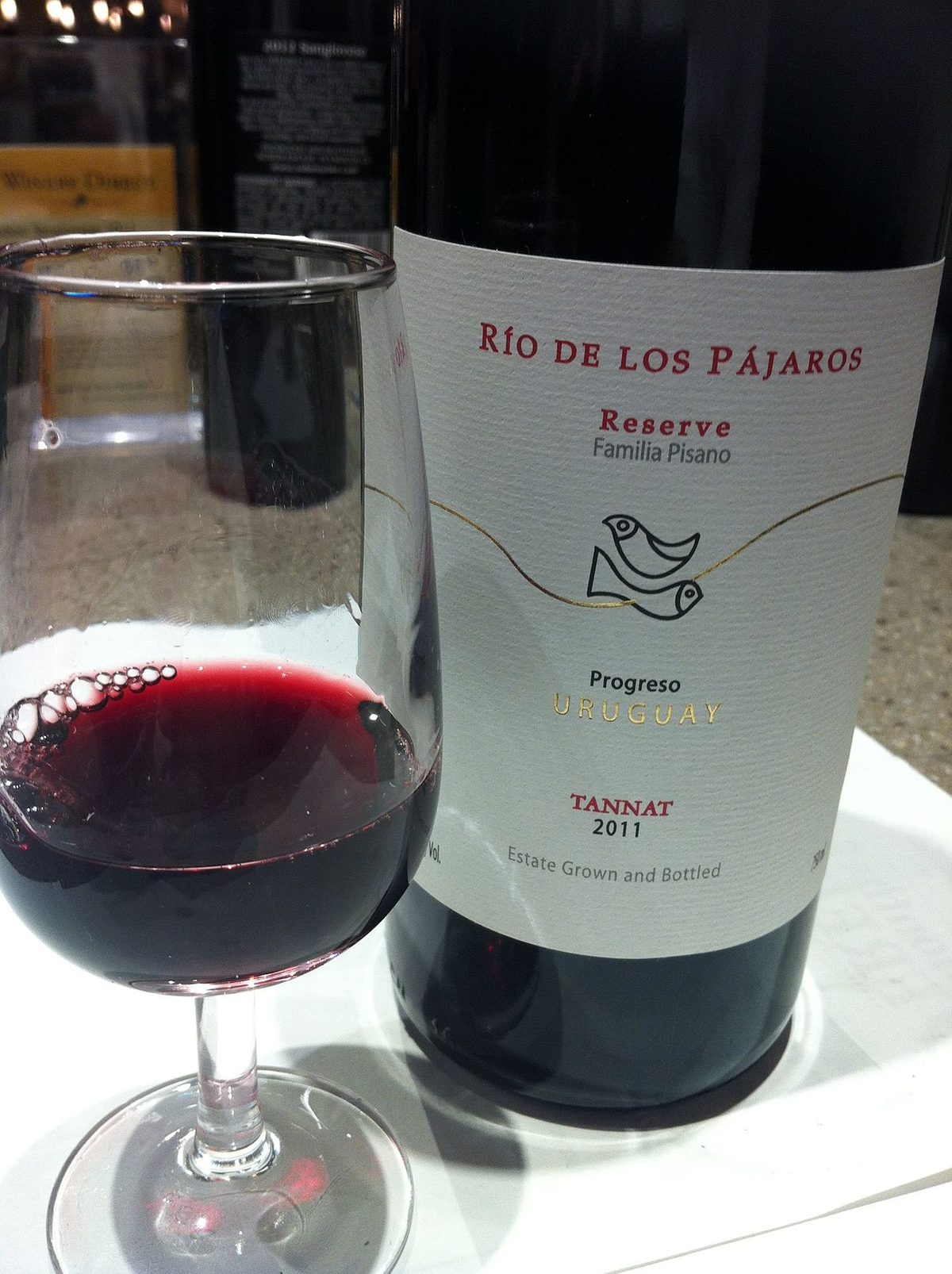
| Pisano | Progreso | 30–35 min | Old-school family cellar, big reds | Reserve; weekdays best |
| Artesana | Las Brujas | 30–35 min | Boutique, women-led, Zinfandel | Reserve; small groups |
| Marichal | Etchevarría | 40 min | Sparkling, relaxed family visit | Mon–Fri, 24h notice |
| Bracco Bosca | Atlántida | 45–60 min | Coastal terroir, asado on request | Reserve ahead |
Why the wineries near Montevideo are the easiest wine trip in Uruguay
Canelones is where Uruguayan wine actually lives. Eight of every ten vineyards in the country sit in this province and neighbouring Montevideo, and there are more than a thousand small plots out here, most of them owned by families who’ve been growing grapes for three or four generations. The big regional draw is Tannat — the dark, tannic, faintly leathery red that Uruguay adopted from southwest France and made its own. If you want the full story on the grape, I dug into Tannat and why Uruguay leans on it so hard separately.
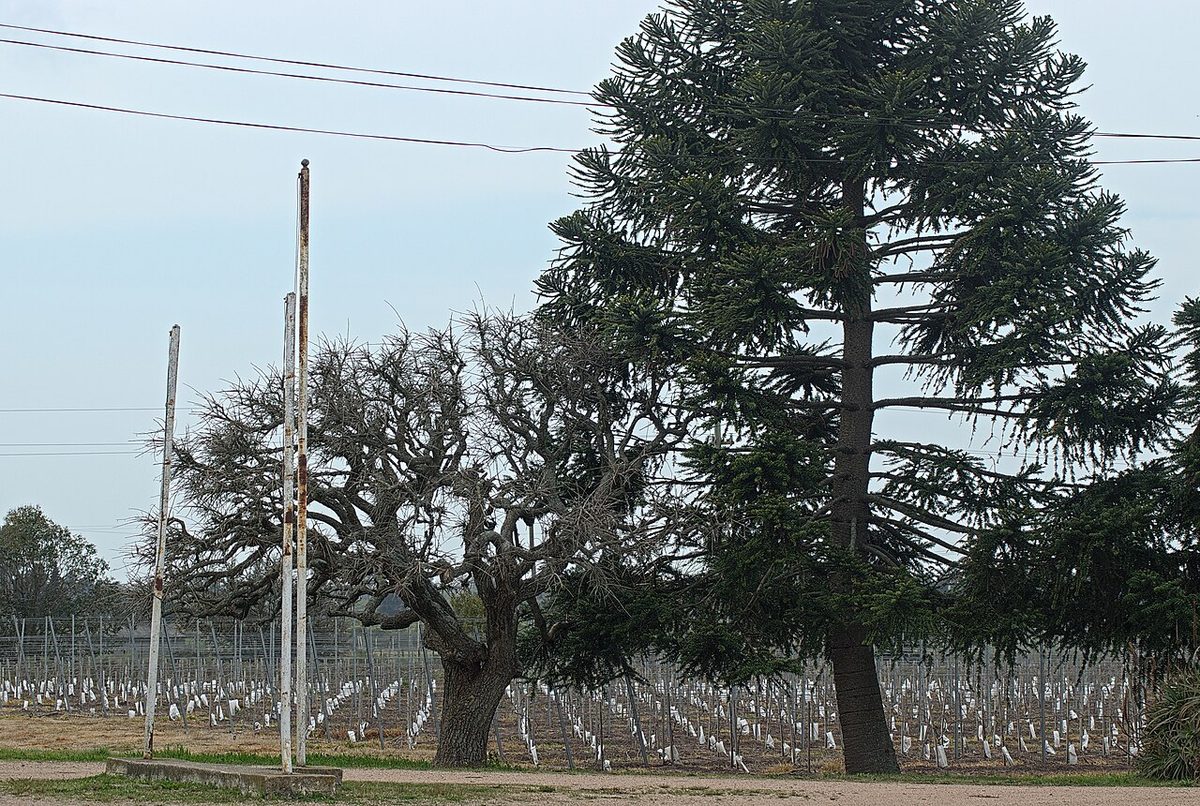
What makes this region so visitable isn’t the wine alone — it’s the geography. The vineyards begin almost at the city’s edge, so you’re not committing to an overnight or a four-hour drive. You can be standing among the vines 20 minutes after leaving your hotel. That proximity is the whole reason these wineries near Montevideo work as a half-day or full-day outing rather than a separate leg of a trip.
The soils here are rich and clay-heavy, which historically meant high yields and forgettable bulk wine. The interesting producers now do the opposite — drop their yields hard, green-harvest ruthlessly, and chase concentration. The result is a region with enormous range, from juicy carbonic-maceration Tannat you drink chilled to serious, age-worthy reds. The catch, and there’s always a catch, is that quality is genuinely uneven. Pick your bodegas; don’t just drive to the nearest gate.
Bodega Bouza: the closest, the most polished, and yes, a car museum
If you only have time for one winery, make it Bouza. It sits in Melilla, barely 15 to 20 minutes from the center of Montevideo, which makes it the most convenient serious bodega in the country. It’s also the most photogenic and the most foreigner-ready — tours run in English, Spanish and Portuguese, and the whole operation is built to receive visitors.
The estate is a partnership between Juan and Eliza Bouza and the winemaker Eduardo Boido, and the wines punch well above what you’d expect from somewhere this accessible. Boido’s Merlot from Las Violetas is, to my taste, one of the best in the country, and the Tannat and Albariño are both excellent. The guided tour runs about 45 minutes through the vineyard, winery and cellar, and the tasting typically pours four wines — a white and three reds — each paired with a bite.
Then there’s the car museum, which sounds like a gimmick and isn’t. Juan Bouza’s collection of more than thirty vintage cars and motorcycles from the 1920s onward is displayed in the same hall where you taste — the space is literally called Vinos Garage — and it’s genuinely lovely, all gleaming chrome and old leather next to the wine glasses. The on-site restaurant has been running since 2003 and does Mediterranean-leaning Uruguayan cooking with the estate wines; a tasting-plus-lunch experience is the way to do it if you can swing the time.
Rough cost: a straightforward tour and tasting runs in the low tens of dollars per person, while the full lunch-and-pairing experience climbs well into the hundreds. Last I checked, a standard guided visit sat around USD 20, with the lunch experiences far higher — confirm when you book, because they revise menus and prices regularly. Reservations are strongly recommended and essential for lunch.
The honest drawback: Bouza is polished to the point of feeling slightly corporate. It’s the least “we’ll pour you a glass and chat in the kitchen” of the bunch, and on a busy day you’ll share the experience with other groups. If you came for intimacy, it’s not here — but if you came for a reliably excellent first taste of Uruguayan wine, nothing’s easier.
Familia Deicas (Juanicó): history under your feet
Familia Deicas — the Juanico winery, as many people still call it after the estate and the town — is the prestige stop. It’s about 35 to 40 minutes north on Ruta 5, and it’s where you go for the sense of standing inside Uruguayan wine history rather than just sampling it.
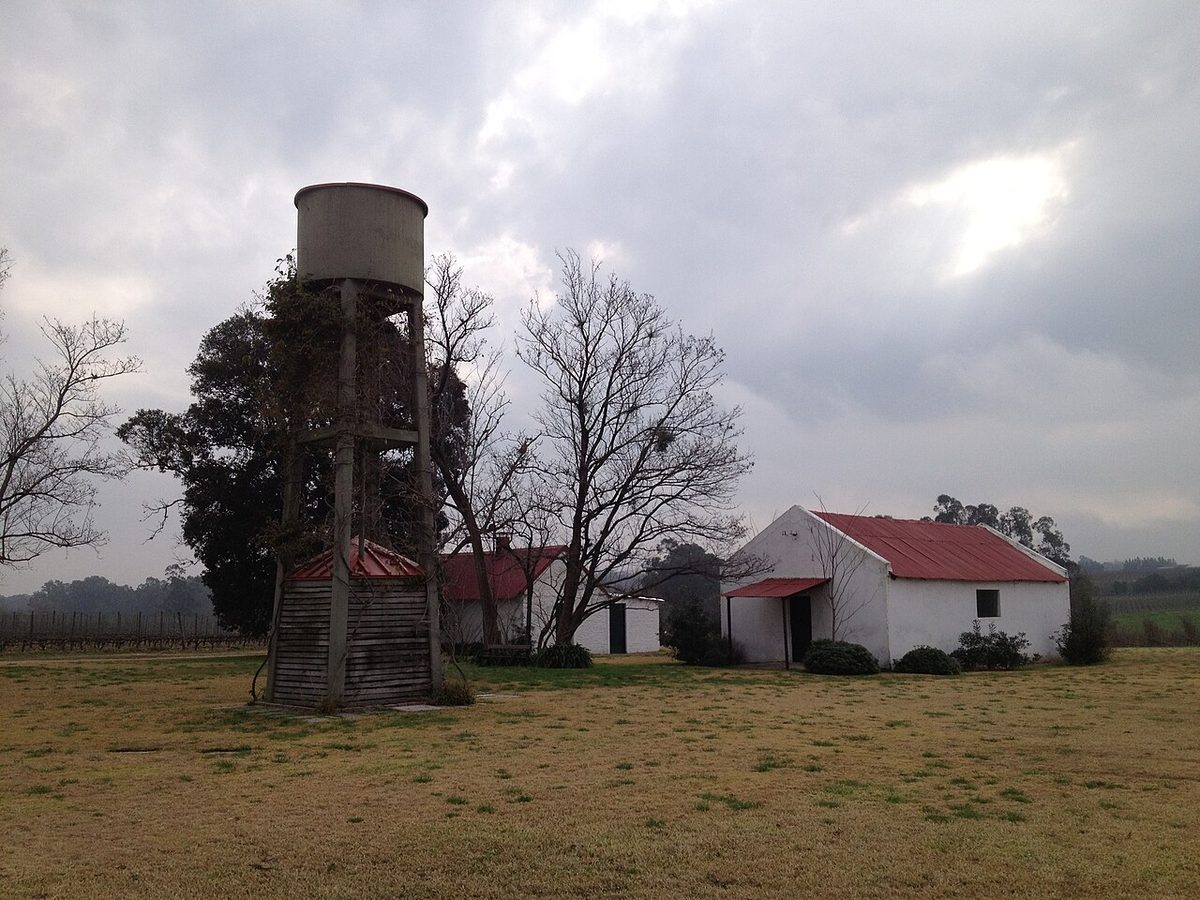
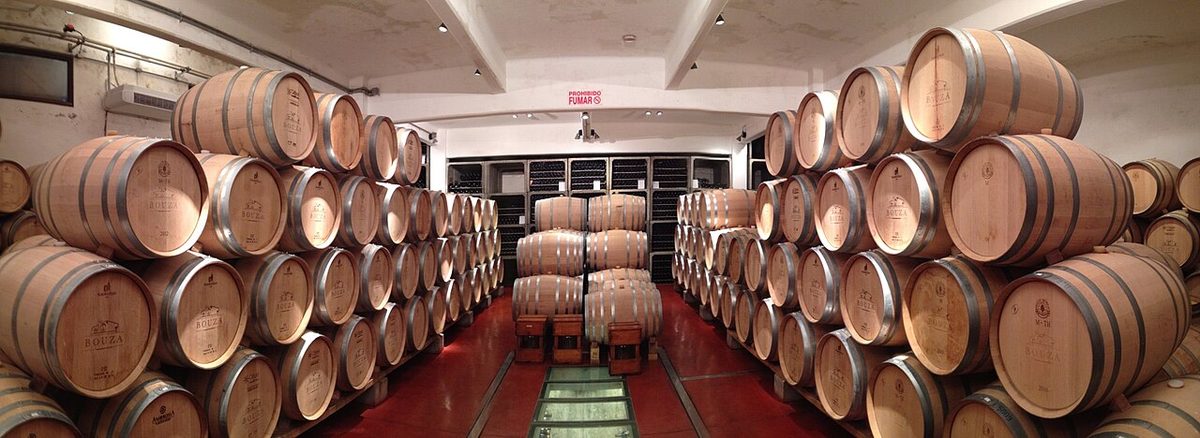
The headline is the cellar. Beneath the modern winery runs an underground stone cava built by Jesuits in 1745, now a declared national historical monument, and walking through it is genuinely atmospheric in a way the newer bodegas can’t replicate. Above ground, the Deicas family — now into the third generation with Santiago Deicas making the wines — runs one of the most ambitious operations in the country. Ask about the Suelo Invertido, or “inverted soil,” vineyard: to deal with heavy clay sitting over limestone, they physically flipped a block of earth upside down before planting Tannat. It’s the kind of wine-geek detail that makes the visit.
Tastings here are generous, usually their South Atlantic and single-vineyard wines paired with local cheeses, cured meats, artisan bread and their own olive oil. Visits are customizable, so if you care about the history you can lean into the cellar, and if you care about the wine you can lean into the flights. Expect to pay somewhere around USD 70 for a full tasting experience, more with a proper lunch.
The honest drawback: this is a big winery, and on the standard tour it can feel that way — more institution than family kitchen. The Jesuit cellar is the magic; the production scale around it is impressive but less charming. Book a more in-depth experience if you want the personal touch.
Pizzorno: the one with the restaurant and the rooms
Pizzorno, in Canelón Chico about 30 to 35 minutes out, is the bodega I send people to when they want the full eat-drink-linger afternoon rather than a quick tour. Fourth-generation and family-run, it’s one of the most forward-thinking wineries in Canelones — they made Uruguay’s first carbonic-maceration Tannat (a juicy, chillable style that upends everything you think Tannat is) and they make ice wine too.
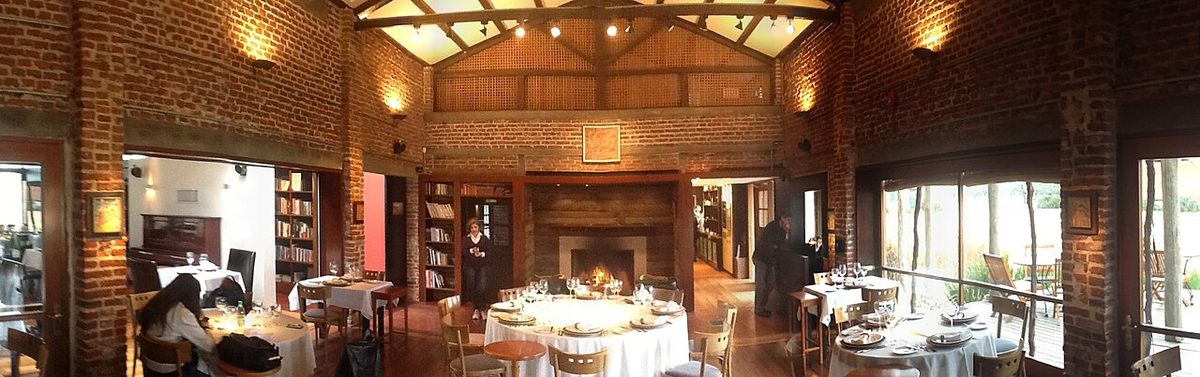
The tourism side is the real reason to come. There’s a proper restaurant doing a three-course wine-paired lunch with options for each course, a small posada (a B&B) if you want to stay among the vines overnight, and — for the budget-blind — helicopter flights over the vineyard. Tasting options scale from a four-wine “classic” up to an eight-wine “expert” flight, plus a sparkling-and-chocolate option for the sweet-toothed. It’s open daily, which makes it a useful Sunday or Monday fallback when stricter bodegas are shut.
That carbonic Tannat is my pick here — it’s my default by-the-glass Tannat when I’m in Uruguay, all bright red fruit and a peppery whisper of tannin. Drink it cold.
The honest drawback: because Pizzorno leans so hard into hospitality, the lunch can feel like the main event and the wine education like the warm-up. If you’re a serious taster who finds the helicopter-and-three-courses energy a bit much, you might prefer somewhere more austere. For most visitors, though, that polish is exactly the appeal.
Pisano: old-school family cellar in Progreso
Pisano, on Ruta 68 in Progreso about 30 to 35 minutes out, is the antidote to anything that feels too slick. Three brothers — Gustavo on the wine, Eduardo on the vines, Daniel on exports — run a winery their Ligurian family started over 150 years ago, and a visit here feels like being let into a working operation rather than a tourism product.
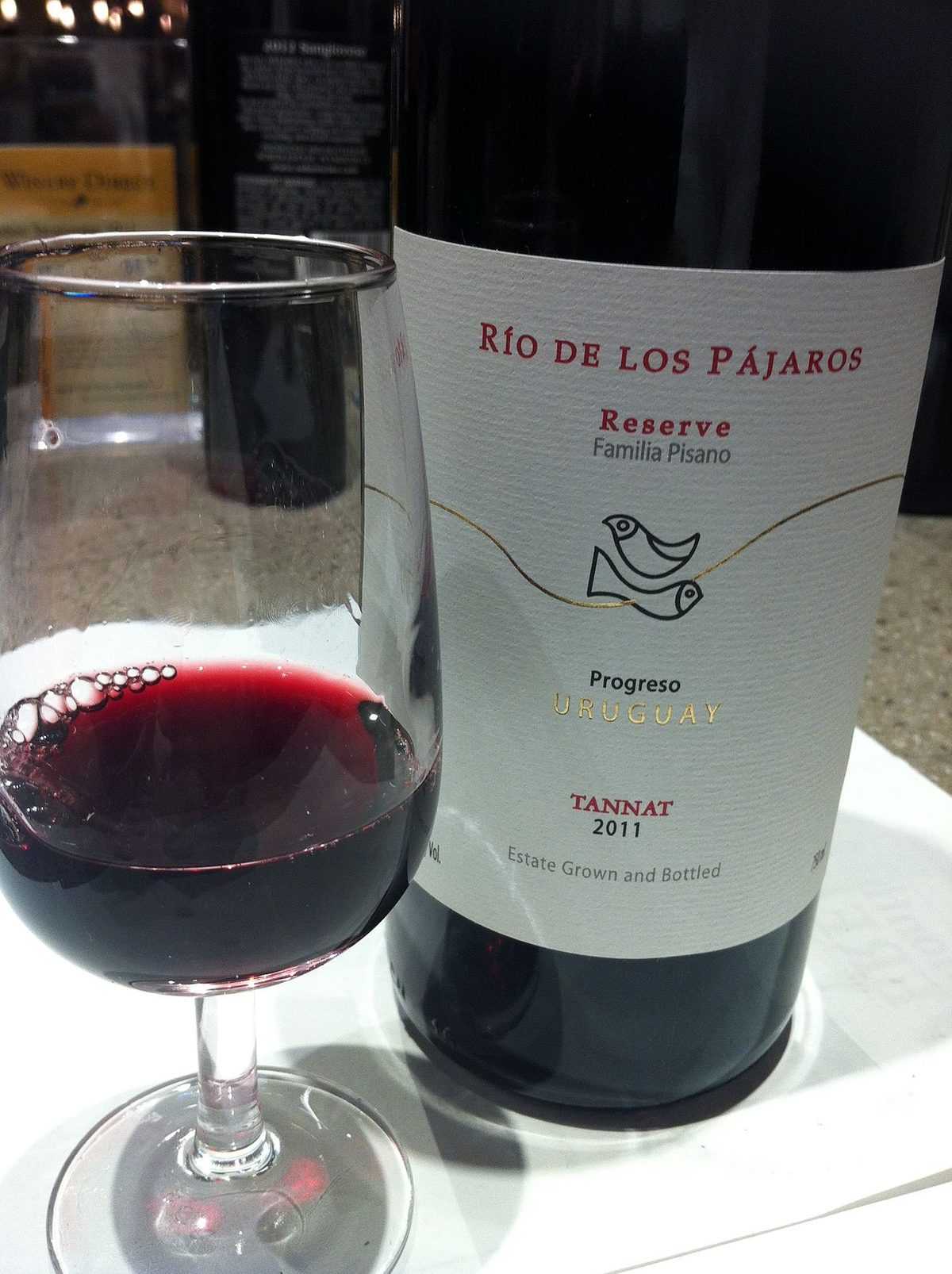
The wines are serious. Pisano makes some of the most respected premium bottles in Uruguay, from powerful reds to a textural, mineral Sauvignon Blanc that surprised me more than almost anything else I tasted in Canelones. The boutique on site sells the full range, including sparkling Tannat, and the family’s experimental label Viña Progreso — run by the next-generation winemaker Gabriel Pisano — produces some of the most exciting natural-leaning wines in the country.
This is a weekday winery at heart. Visit Tuesday through Friday for the quieter, more personal experience; you’ll often get more direct contact with the family or their team than at the bigger names. Book ahead either way — this is not a turn-up-and-taste operation, as I learned the hard way.
The honest drawback: Pisano is built around wine, not tourism, so the visitor polish is thinner — fewer English-language frills, a more workmanlike feel, and no restaurant to roll into afterward. If you want manicured gardens and a tasting-menu lunch, look elsewhere. If you want the real thing, this is it.
Artesana: boutique, women-led, and Uruguay’s only Zinfandel
Artesana, out in the Las Brujas sub-region about 30 to 35 minutes from the city, is the small-and-personal pick. It’s a boutique estate founded in 2007 with around 8.5 hectares of vines, and it has two claims that make it worth the detour: it’s the only producer of Zinfandel in Uruguay, and its winemaking has been notably women-led, with female winemakers running the cellar and Leslie Fellows as owner-director.
The name itself — a feminized form of the Spanish word for artisan — tells you the philosophy. Tastings here are intimate, often with someone closely involved in the wine walking you through it, and the standout pour is the Tannat-Zinfandel-Merlot blend: juicy, spiced, faintly chocolatey, the kind of wine that quietly rearranges your expectations of what Canelones can do. They also grow Cabernet Franc, Chardonnay and Petite Manseng.
Because it’s so small, this is the visit that feels least like a transaction. You’re a guest at a working boutique winery, not a number on a tour roster.
The honest drawback: the smallness cuts both ways. There’s no restaurant, no grand cellar, no big spectacle — and because the team is tiny, you absolutely must arrange your visit in advance, and they can’t always accommodate drop-in timing. Pair it with a bigger bodega the same day if you want a full itinerary.
Two more worth knowing: Marichal and Bracco Bosca
If you’re building a second or third day, or the names above are booked out, two more deserve a mention.
Marichal, in Etchevarría about 40 minutes out, is a fourth-generation family winery with over a century of grape-growing behind it and a real strength in traditional-method sparkling wine. Visits run Monday to Friday with 24 hours’ notice and last around three hours — a relaxed, generous format with a guided vineyard and cellar walk, a tasting, and a homemade lunch that often includes, fittingly, canelones (the stuffed pasta the province is named for). The honest drawback: the weekday-only, advance-notice rule makes it the least spontaneous option on this list.
Bracco Bosca, out in Atlántida toward the coast (45 to 60 minutes, edging into a longer day), is a fifth-generation boutique vineyard just eight kilometres from the sea, where the cooler maritime air shows up in bright, fresh whites, rosé and a lovely Cabernet Franc. The owner will prepare a traditional asado (the slow wood-fire barbecue that’s central to Uruguayan life) on request, which makes for one of the most memorable lunches out here. The honest drawback: it’s the farthest of the bunch, so it really wants to be the anchor of its own day rather than one stop among several.
How to actually do a winery day from Montevideo
The logistics are simpler than they look, but there are real choices to make. Here’s how each option shakes out.
Rental car: maximum freedom, minus the drinking
A rental car is the cheapest and most flexible way to string together two or three bodegas, and the roads out into Canelones are easy — paved, well-signed, light traffic once you clear the city. The obvious problem is that someone has to stay sober, which at a wine tasting is a genuine sacrifice. If you’re a couple and only one of you really cares about driving home clear-headed, this can work; for a group of friends it tends to ruin somebody’s day. One Uruguay-specific quirk: headlights must be on at all times, day or night, and roundabouts are common. I cover the details in my guide to renting a car in Uruguay.
Hired driver: my usual recommendation
For most people, hiring a driver or a private car-and-guide for the day is the sweet spot. Everybody gets to taste, you don’t navigate, and a good driver knows which gate to pull up to and when the bodegas actually open. It costs more than a rental but far less than you’d fear when split across a group, and it removes the single biggest stressor of a wine day. Several Montevideo operators run private wine days; ask your hotel, or book a specialist. This is what I default to when I’m showing visitors around. Our guide to Uruguay wine tours compares the organized, private-driver and DIY options from Montevideo, Punta del Este and Colonia.
Organized group tour: easiest, least control
If you’d rather not plan anything, a packaged small-group tour will pick you up from your hotel, usually hit two family wineries with a sommelier guide, and handle every reservation and logistic. It’s the most foolproof option and often the best value for solo travelers or couples who don’t want to charter a whole car. The trade-off is fixed timing and a fixed itinerary — you taste where they take you, for as long as they’ve scheduled. Pickups commonly run from Carrasco, Punta Carretas and Ciudad Vieja.
Uber: fine for one winery, awkward for a circuit
Uber works in and around Montevideo and is a perfectly good way to reach a single close bodega like Bouza — cheap, easy, no parking. Where it gets awkward is the return and any winery-hopping: out in rural Canelones you can’t count on a car being available when you walk back to the gate, so you may wait, or pay the driver to wait. For one winery near the city it’s great. For a multi-stop day it’s a gamble. My full breakdown of using Uber and taxis in Uruguay has the specifics.
Which days, and how many wineries
Two rules save the day. First, book ahead — almost every bodega here requires a reservation, and the locked-gate disappointment is entirely avoidable. Second, watch the calendar: several wineries close Sunday and/or Monday, and the strictest (Marichal, for one) only receive visitors Monday to Friday. If you’re traveling on a weekend, lean on the bodegas that open daily, like Bouza and Pizzorno.
As for how many: two is ideal, three is the absolute maximum, and one-plus-a-long-lunch is a perfectly good day. Each visit runs one to three hours with the tour, tasting and travel between gates, and Uruguayan winery lunches are not rushed. Try to cram in four and you’ll spend the day watching the clock and tasting nothing properly. I’d rather you did Bouza in the morning and Pizzorno over a long lunch than sprinted through five.
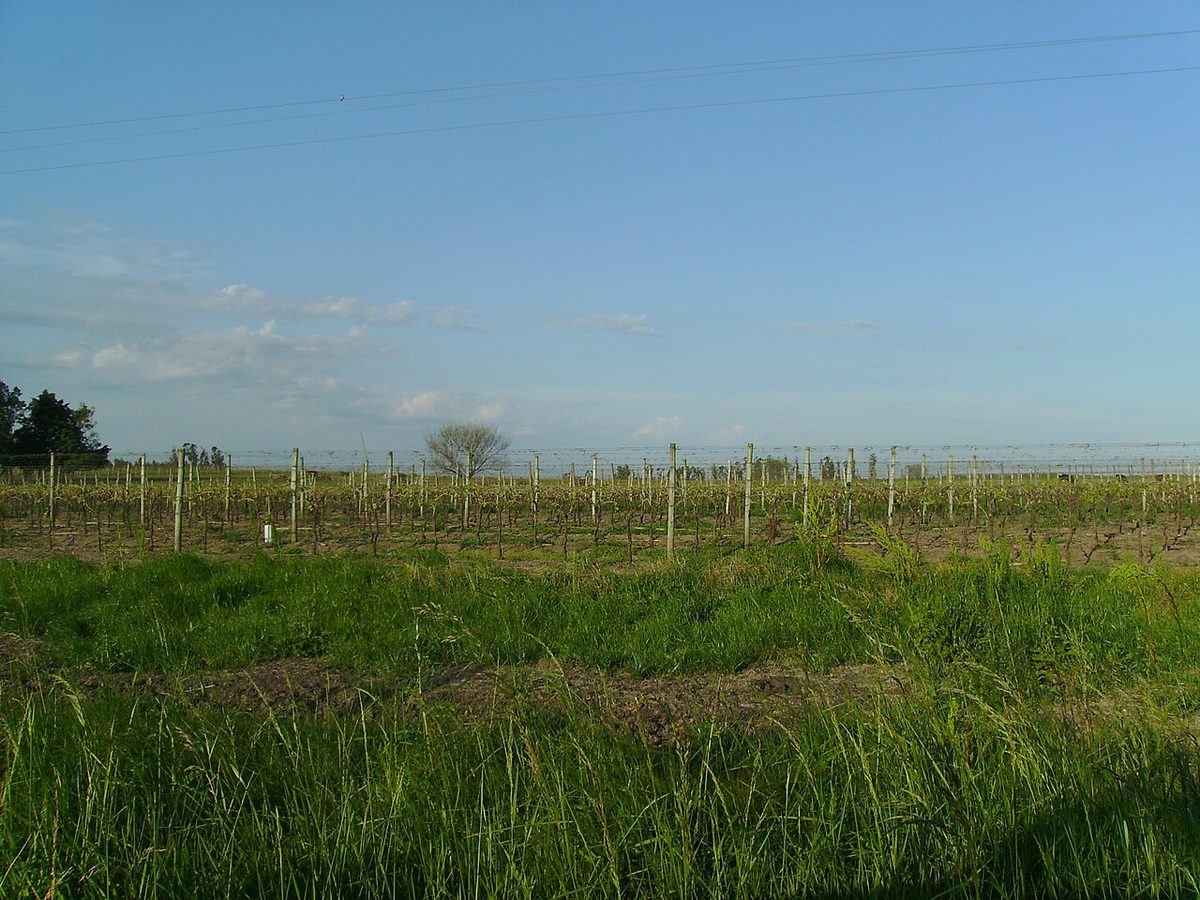
What it costs and when to come
Budgeting is straightforward. A basic tour-and-tasting at most Canelones bodegas runs from the low tens of dollars per person up to around USD 30; add a proper paired lunch and you’re into the USD 70–150 range depending on the winery and how many courses. Bouza’s headline lunch experiences sit at the top end. Transport is the other line item — a shared group tour might run USD 80–150 a head all-in, while a private driver for the day spread across four people can work out similar or better. For the wider picture on trip costs, see whether Uruguay is expensive.
On timing: the vines look their best from roughly November through April, with harvest (the vendimia) usually falling in February and March — a lively, smell-of-crushed-grapes time to visit, though also the busiest for the wineries. The bodegas pour year-round, so a grey winter day with a fire and a glass of Tannat has its own appeal. My month-by-month guide to the best time to visit Uruguay breaks down the seasons.
A winery day also slots neatly into a wider Montevideo itinerary. Spend a morning wandering Ciudad Vieja’s old streets, do the bodegas the next day, and book somewhere central to crash — my guide to where to stay in Montevideo has neighbourhood picks. If you’re assembling the whole trip, the best day trips from Montevideo rundown puts wine country alongside the coast and Colonia.
Canelones wineries: your questions answered
How far are the wineries from Montevideo?
Closer than most people expect. Bodega Bouza in Melilla is just 15 to 20 minutes from the city center, and the cluster of family wineries in Canelones — Pizzorno, Pisano, Artesana, Familia Deicas — sits roughly 30 to 40 minutes out. Even the farther coastal options like Bracco Bosca top out around an hour. This is what makes Canelones an easy half-day or full-day trip rather than an overnight.
Do I need a reservation to visit wineries near Montevideo?
Almost always, yes. Unlike some wine regions where you can wander into a tasting room, the Canelones bodegas generally require booking ahead, sometimes 24 hours in advance. Showing up unannounced often means a locked gate. Reserve by email or phone, or book through a tour operator who handles it for you. This single step prevents the most common winery-day disappointment.
Which winery is best for a first-time visit?
Bodega Bouza, for most people. It’s the closest to Montevideo, the most set up for international visitors, runs tours in English, makes genuinely excellent wine, and throws in a vintage car museum and a strong restaurant. It’s the lowest-friction introduction to Uruguayan wine. If you want something smaller and more personal, Artesana or Pisano deliver a more intimate, family feel.
What wine is the Canelones region known for?
Tannat above all — the bold, tannic red Uruguay adopted from France and turned into its signature grape. Canelones grows the lion’s share of the country’s vines, so you’ll taste Tannat in every style from juicy, chillable carbonic versions to serious age-worthy reds. The region also does excellent Merlot, Albariño, Sauvignon Blanc, Cabernet Franc and even Uruguay’s only Zinfandel, at Artesana.
How many wineries can I visit in one day?
Two comfortably, three at a stretch. Each visit runs one to three hours with the tour, tasting and travel, and Uruguayan winery lunches are leisurely affairs. Trying to fit in four or more means rushing every stop and enjoying none of them. A relaxed day of one winery plus a long paired lunch, or two bodegas with a break between, beats a frantic circuit every time.
Can I visit wineries without a car?
Easily. For a single close bodega like Bouza, an Uber from central Montevideo is cheap and simple. For a multi-winery day, a private driver or a small-group organized tour is the way to go — both handle the transport and the reservations, and they mean everyone in your group can actually drink. Relying on Uber for a rural winery circuit is risky, since return cars aren’t guaranteed out in the countryside.
Final thoughts
Wine country here rewards a little planning and punishes none of it. Get a reservation, pick two bodegas that genuinely interest you, sort a driver if you want everyone to drink, and you’ve got one of the best and easiest days out from the capital — vines, Tannat, a long lunch, and a vintage car or two, all within an hour of the city.
Start with Bouza if you only do one. Add Pizzorno or Pisano if you want a second. And if the wine bug really bites, point yourself next toward Bodega Garzón out in Maldonado or the bodegas around Carmelo — different trips, equally worth it, and the natural next chapters after you’ve fallen for Canelones.
Credits & sources
Sources & further reading
- South America Wine Guide — Canelones & Montevideo wine regions
- National Geographic — Wine tourism in Uruguay
- Bodega Bouza — official site (tours & bookings)
- Familia Deicas (Juanicó) — official site
Photo credits
All images via Wikimedia Commons: Tannat Vineyard Canelones Uruguay by Ezarate (CC BY-SA 4.0); Bodega Bouza Vines Montevideo by Paulo JC Nogueira (CC BY-SA 3.0); Canelones Winery Restaurant by Paulo JC Nogueira (CC BY-SA 3.0); Canelones Winery Barrel Cellar by Paulo JC Nogueira (CC BY-SA 3.0); Wine Tasting Glasses Uruguay Bodega by Agne27 (CC BY-SA 3.0); Canelones Vineyard Landscape Uruguay by María del Carmen Fourment (CC BY-SA 3.0).