The Best Uruguayan Wines to Try (and Bring Home) (2026)
The first bottle that made me reconsider Uruguay entirely was a Tannat I bought almost by accident, off a supermarket shelf in Montevideo, for less money than a decent lunch. I was expecting a rough, tooth-staining wall of tannin. What I got was dark, plummy, a little smoky, and far more polished than the price suggested. I have been chasing that feeling around the country’s wine shops and bodegas ever since.
That hunt is what this guide is about: not winery visits, but the actual liquid, and how to get some of it into your suitcase.
The best Uruguayan wines to try and bring home start with Tannat, the bold red the country has made its own, and increasingly Albariño, a crisp Atlantic white that punches above its weight. Across price tiers you will find honest everyday bottles, serious single-vineyard reds from names like Bouza and Garzón, food-friendly rosés, sparkling Tannat, and dense dessert wines. Most cost a fraction of comparable European wine.
Here is who this is for. If you want to walk out of a Montevideo shop, a Tienda Inglesa supermarket, or the Carrasco airport duty-free with bottles worth carrying, this is your guide. I cover specific labels by style and price, honest flavor notes, where to buy, what is realistically allowed to fly home, and what makes a good gift. For the vineyards themselves, I will point you to siblings as we go.
A quick note on prices. Everything here is hedged on purpose. I have used rough Uruguayan retail and US import prices as of my last few trips and the latest listings I could find, but wine prices move, vintages sell out, and the peso wanders. Treat every figure as “around,” not gospel. For the currency side, the guide to money and the tourist VAT discount is worth a look before you spend.
| Style | Try first (label) | Rough price band | Best for |
|---|---|---|---|
| Everyday Tannat | Pisano, Pizzorno, Don Pascual, Marichal | ~USD 8–15 in Uruguay | Asado, casual drinking, suitcase fillers |
| Icon Tannat | Garzón Single Vineyard, Bouza Las Espinas, Pisano “RPF” | ~USD 25–60 | A serious gift or a special bottle |
| Albariño (white) | Bodega Garzón Reserva, Bouza Albariño | ~USD 15–25 | Seafood, summer, the easy crowd-pleaser |
| Tannat blend / rosé | Alto de la Ballena Tannat-Viognier, Artesana Tannat Rosé | ~USD 12–25 | Versatile food wines, lighter palates |
| Sparkling / dessert | Pisano “Río de los Pájaros” sparkling Tannat, Familia Deicas Licor de Tannat, Narbona | ~USD 15–35 | Celebrations, after dinner, unusual gifts |
Tannat: the bold red that makes Uruguay worth packing a bottle
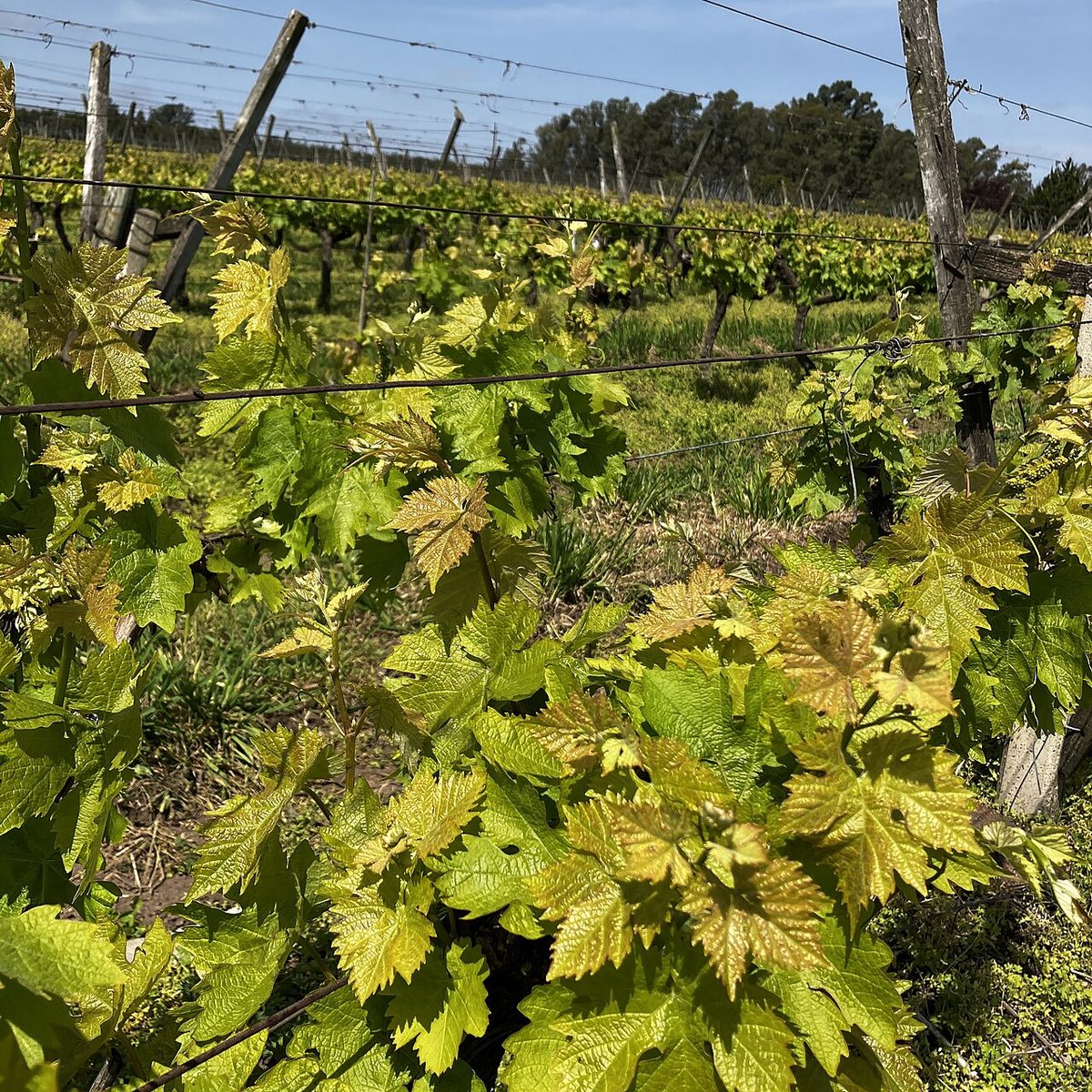
If you buy one type of wine here, make it Tannat (pronounced tah-NAHT). Roughly one in every three bottles Uruguay produces is Tannat, and the grape has become a national point of pride. Basque immigrants brought it from southwest France in the 1870s, and it took to Uruguay’s humid, changeable coastal climate better than it ever did at home.
What does it taste like? Think deep violet-black color, dark plum and blackberry, liquorice, a savory mineral edge, and firm, grippy tannins. The French versions can be brutally tannic in youth. Uruguayan Tannat is usually rounder, riper and drinkable far younger, which is exactly why it travels well as a gift. If you want the full backstory of the grape, the deep dive on Tannat covers its history and regional styles. This is the part of the Uruguay wine country guide where I tell you which actual bottles to grab.
Everyday Tannat (around USD 8–15)
This is where Uruguay quietly humiliates a lot of the wine world on value. Family wineries with century-old roots make honest, well-made Tannat for the price of a sandwich.
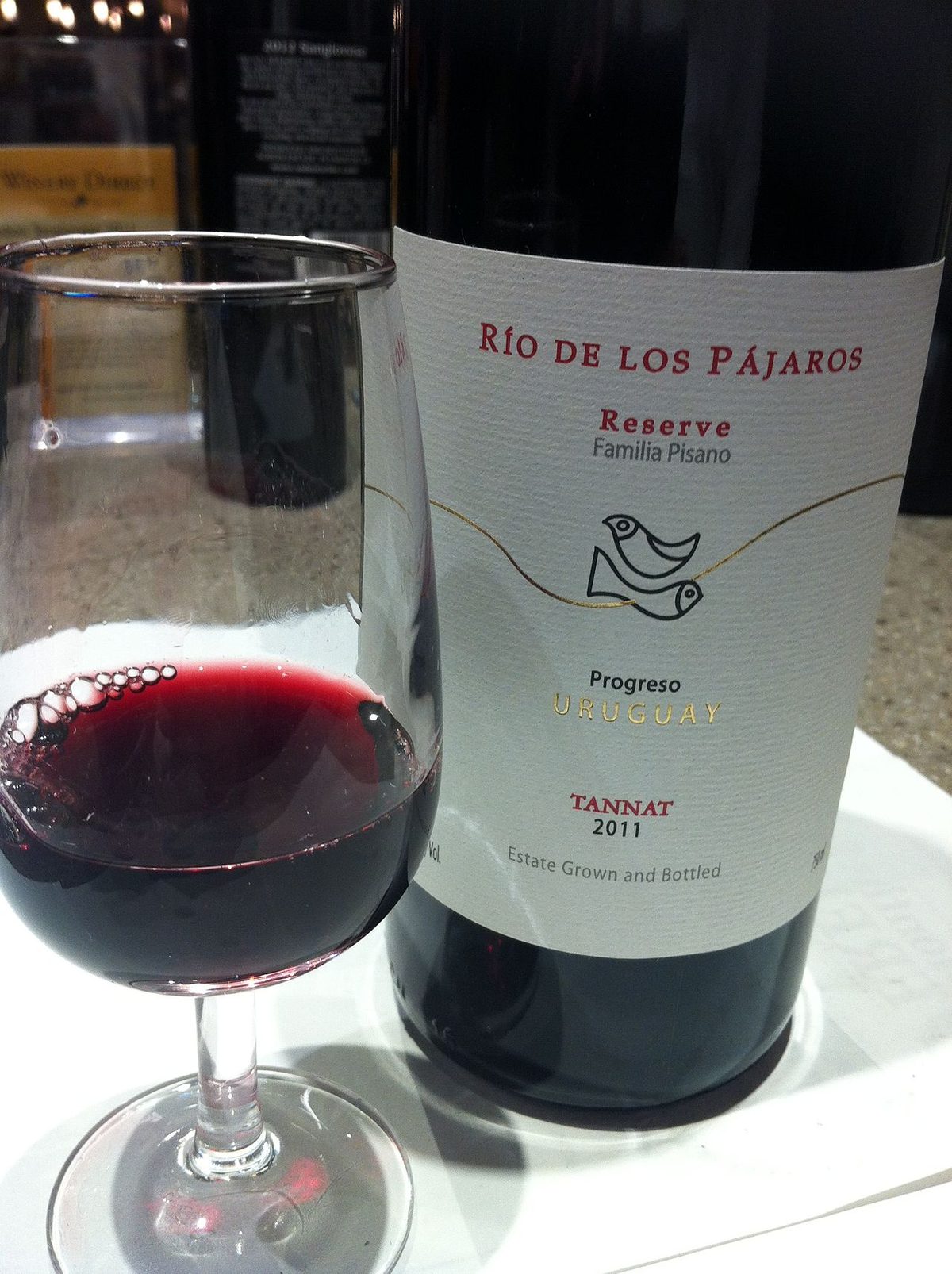
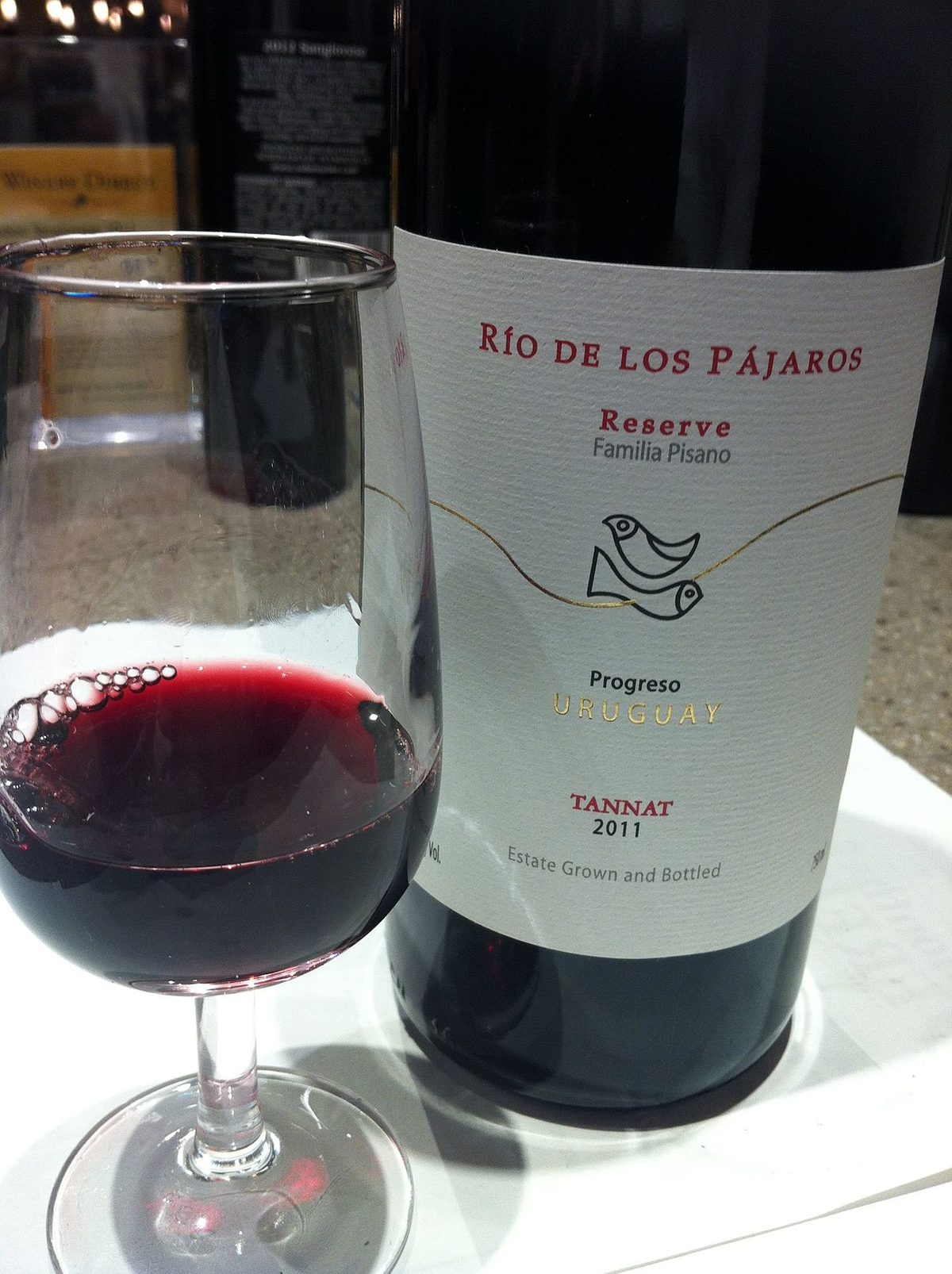
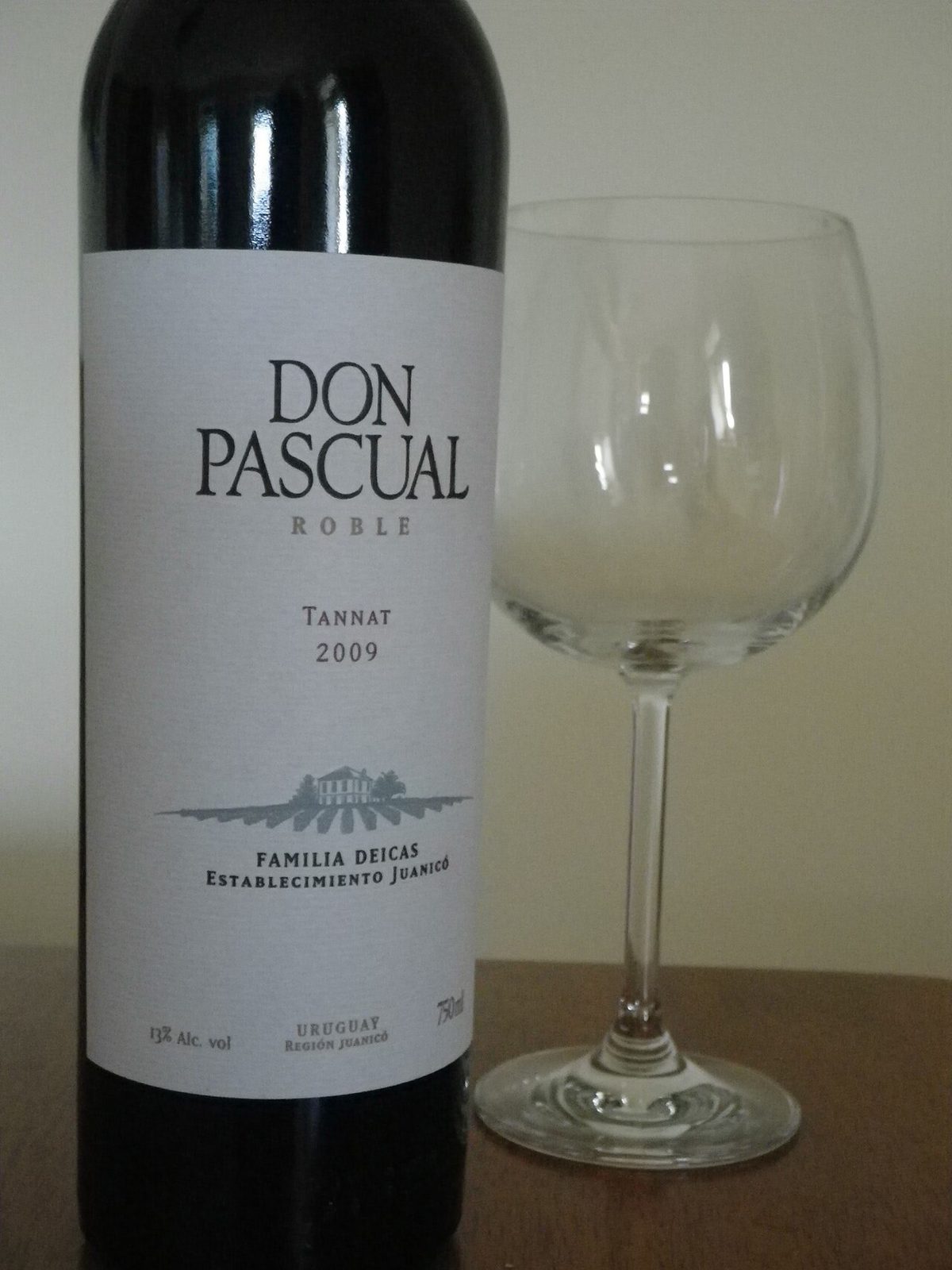
Pisano (founded 1914, in Progreso) is my reliable default. The entry-level bottles are juicy and clean; the family clearly knows what they are doing top to bottom. Pizzorno (1910) is a benchmark name and pioneered Uruguay’s first carbonic-maceration Tannat, a lively, juicy, faintly herbaceous style that drinks beautifully young. Marichal (1916) makes refined, terroir-honest reds. And Don Pascual (the export label from Juanicó, Uruguay’s largest winery) is the one you will see everywhere, including abroad, and it rarely disappoints at the price.
For a specific cheap thrill, look for Viñedo de los Vientos “Anarkía” Tannat from Pablo Fallabrino, an almost-organic, low-sulfite version that has appeared on the list at The Fat Duck in England yet costs around ten dollars at home. The one honest caveat: at this tier, vintages and exact cuvées rotate constantly, so don’t get attached to a specific year. Grab the producer and trust them.
Icon Tannat (around USD 25–60)
This is the tier worth a spot in your checked bag. These are single-vineyard or reserve bottles that show what Tannat can really do, and they still undercut comparable Bordeaux or Napa reds.
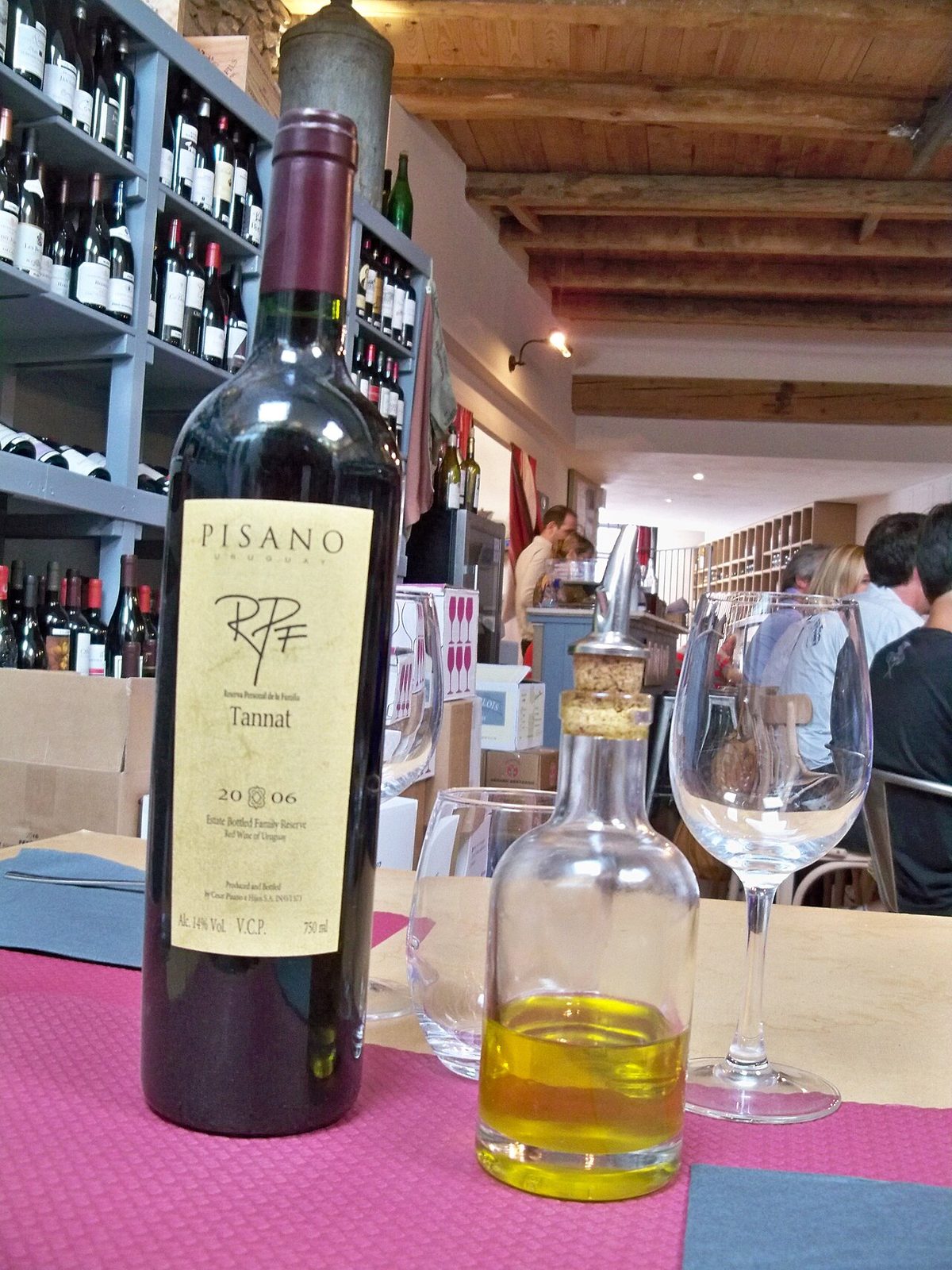
Bodega Garzón Single Vineyard Tannat (Maldonado, around USD 45–50 abroad, less in Uruguay) is polished, modern and reliably excellent; the granite soils near the coast give it freshness. Bouza is the cult favorite. Their “Las Espinas” Tannat and the single-parcel “Parcela Única” B26 from the Las Violetas zone are dense, structured and built to age. Pisano “RPF” Tannat (“Reserva Personal de la Familia”) uses only the best low-yield plots in the best vintages; it is a big-personality wine made for beef. For pure trophy hunting, Pisano “Axis Mundi” and Familia Deicas “Massimo” sit at the top of the Vivino rankings for the country.
The honest drawback for this whole tier: the most sought-after single-vineyard bottles are made in tiny quantities and sell out, and the very best ones are sometimes easier to buy in Uruguay than to find on an export shelf. If you fall for one at a tasting, buy it there and then.
The collector’s bottle: Familia Deicas “Preludio”
Worth singling out. Preludio from Familia Deicas (Juanicó) is one of Uruguay’s most celebrated blends, a barrel-select wine that regularly tops “best of Uruguay” conversations. There is a red and an acclaimed barrel-select white, the latter running around USD 48. It is not cheap by local standards, but as a “this is the best my country makes” gift, it is hard to beat.
Albariño: the white wine quietly stealing the show
Five years ago I would have told you Uruguay was a red-wine country, full stop. Now the most exciting bottle I open here is often white, and it is almost always Albariño, the same crisp, saline grape made famous in Spanish Galicia. Uruguay’s Atlantic coast turns out to be a near-perfect home for it.
Two producers in particular have made Uruguayan Albariño a thing worth seeking out, and conveniently they are the same two big names you already know from Tannat.
Bodega Garzón Reserva Albariño (Maldonado, around USD 18–22) is the benchmark and the easiest to find abroad. It is all peach, citrus pith, white flowers and a stony, mineral finish, with the acidity to handle a plate of seafood. Wine Enthusiast has rated recent vintages around 90 points, and Garzón makes more of it than any other white in their cellar, so availability is good. Bouza Albariño is the other one to grab: a little richer and rounder, often partly barrel-influenced, and a lovely thing with grilled fish.
If you want to go off-piste, Alto de la Ballena in Maldonado makes a respected single-variety Albariño too, and Familia Deicas “Atlántico Sur” Albariño (around USD 19) is a solid value version. The one drawback worth flagging: Uruguayan Albariño is best drunk young and fresh, so it is a “drink it this year” purchase, not a cellar wine. Buy it to enjoy, not to hoard.
Blends, rosés and other styles worth a look
Tannat and Albariño are the headline acts, but a few other bottles deserve room in your bag, especially if you want range rather than four identical reds.
Blends led by Tannat soften the grape’s edges and often make the most food-friendly wines in the country. Alto de la Ballena Tannat-Viognier is the classic, a French-style blend with the Tannat’s power lifted by floral Viognier aromatics. Pizzorno “Select Blend” is a complex, barrel-aged Tannat-based red with ripe blackberry and real elegance. Artesana does an unusual Tannat-Zinfandel, and several producers blend Tannat with Merlot or Cabernet Franc to round it out.
Rosé is underrated here. Uruguayan rosé tends to be made from Tannat, which gives it more color and backbone than a pale Provençal pink. Artesana Tannat Rosé is wonderfully versatile, good with fish, beef or pasta, and Narbona (in the Carmelo wine country) makes a deeper, more brooding style. These are easy, low-risk bottles to gift to someone who claims not to like big reds.
Sparkling is where Uruguay gets playful. Pisano “Río de los Pájaros” is a sparkling red Tannat, which sounds wrong and tastes delightful, and there are traditional-method sparkling whites and rosés around too. They make great conversation-starter gifts because almost no one outside the country has tried sparkling Tannat.
Sweet and dessert wines: the unexpected souvenir
If you want a gift that nobody can buy at home, this is the category. Uruguay makes serious dessert and fortified-style wines from Tannat, and they pack the grape’s dark fruit and liquorice into something rich and ageworthy.
The standout is Familia Deicas “Licor de Tannat,” a sweet, port-style wine at around 20 percent alcohol, made following the traditional methods of the Douro. It concentrates Tannat’s liquorice, black fruit and coffee notes into something you sip slowly after dinner, ideally next to blue cheese or dark chocolate. It usually comes in a 500ml bottle, which also makes it easy to pack. Narbona, Montes Toscanini and Pisano all make late-harvest or liqueur Tannat styles worth a look.
One honest drawback: these are intense, and a little goes a long way, so they are a “special occasion” bottle rather than something you will work through quickly. As a one-bottle gift, though, the surprise factor is unbeatable.
Where to buy wine in Uruguay
You have four realistic options, and the right one depends on how much you care and how much you want to spend. Here is how I actually shop.
Supermarkets
For everyday bottles and suitcase fillers, the big supermarket chains are genuinely good. Tienda Inglesa is the one I steer people to (its flagship is at Montevideo Shopping), and Disco and Devoto are everywhere too. You will find Don Pascual, Juanicó, Pisano, Carrau, Bouza and Garzón on the shelves, usually at the best prices you will see anywhere in the country. The catch is selection: you get the producers’ mainstream lines, not the rare single-vineyard bottles.
Wine shops (vinotecas)
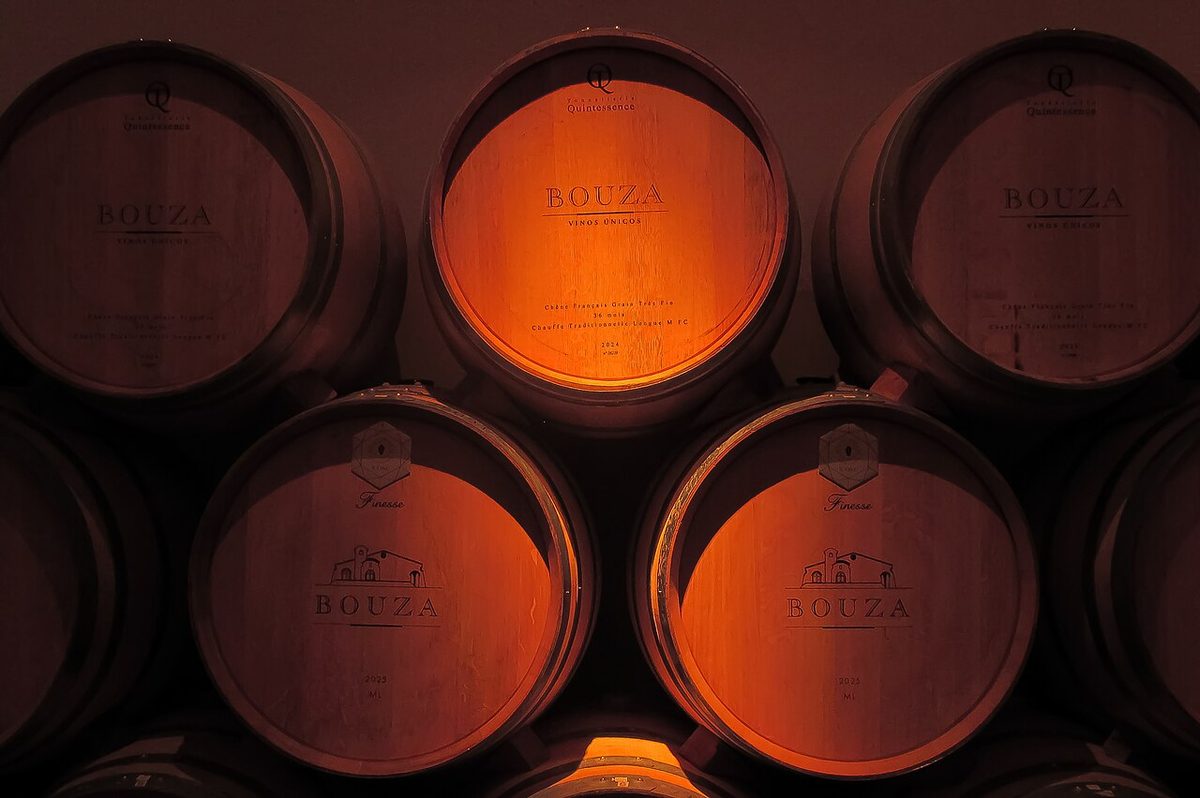
Anything special calls for a dedicated wine shop, where someone can actually guide you. In Montevideo my go-to names are La Vinoteca (huge range, home delivery, will sort you out over WhatsApp), Vinos del Mundo (with a handy Ciudad Vieja location near Plaza Independencia), and La Sacristía, a gourmet shop with several branches. These are where you will find the small-production reds, the Preludios and Bouza parcel wines, and staff who can point you to something you would never find yourself. Prices run higher than the supermarket, but so does the quality of advice.
At the bodega
Buying straight from the winery is often the only way to get the rarest bottles, and you usually taste before you commit. If you are heading out to wine country anyway, this is the move. The Canelones wineries near Montevideo are an easy half-day, Bodega Garzón near José Ignacio has a polished cellar-door shop, and the slow-living wine town of Carmelo is Narbona’s home turf. For planning the visits themselves rather than the shopping, see the guide to Uruguay wine tours.
The Carrasco airport duty-free
This is the one people assume is the best deal and it often is not, so read the next section carefully before you bank on it.
Getting it home: duty-free, customs and packing
Here is the part most buying guides skip, and the part that actually matters once you are standing at the airport with three bottles and a fragile suitcase.
The Carrasco duty-free reality. Montevideo’s airport has duty-free shops in both departures and arrivals, open around the clock, and you can pre-order online and collect on the day you fly. They are good for international spirits at a tax discount. But the wine selection skews toward imported Spanish, French and Italian labels (think Protos, Ramón Bilbao, Louis Jadot), not the deep range of Uruguayan boutique wines. For genuinely interesting local bottles, a Montevideo wine shop or the bodega beats the airport. Treat duty-free as a last-minute backstop, not your main plan.
What you can fly home with. This depends entirely on your destination country, not Uruguay. As a rough guide, the United States lets returning residents bring one liter of alcohol back duty-free, with more allowed if you are willing to declare and potentially pay a small duty (rules vary by state). The UK and EU allow more, typically several bottles. The practical limit for most travelers is not the law but your luggage: most airlines are fine with wine in checked bags, and you simply cannot carry full bottles through security in your hand luggage. Always check your own country’s current allowance before you load up, because these figures change.
Packing without tears. Wine in checked luggage survives fine if you pack it properly. Wrap each bottle in clothing, keep it in the center of the case away from the edges, and seal it in a zip bag in case of breakage. If you are buying more than two or three bottles, a padded wine sleeve or a hard-sided wine-shipping box is worth the small outlay, and many wine shops will pack bottles securely if you ask. A few producers and shops can arrange international shipping, but for a handful of bottles it is rarely worth the cost; your suitcase is cheaper.
A money note. Wine shops and bodegas take cards, but the tourist VAT discount that applies to some purchases is worth understanding before you pay; the Uruguay money and VAT guide explains how it works. Carrying a little cash also helps at smaller rural wineries.
Buying wine as a gift: a quick cheat sheet
Different recipients want different bottles. Here is how I match them.
For the serious wine person: a single-vineyard Bouza or Garzón Tannat, or a Familia Deicas Preludio. Something they cannot easily buy at home and will recognize as the real deal.
Someone who “doesn’t like red”? a Garzón or Bouza Albariño, or an Artesana Tannat Rosé. Crisp, easy, hard to dislike.
A dinner-party host? a mid-range Tannat blend like Pizzorno Select Blend, which flatters food and feels generous without being precious.
The person who has everything? Pisano’s sparkling red Tannat or a Familia Deicas Licor de Tannat. The novelty does the work; almost no one has tried either.
One small thing that elevates any of these: Uruguayan wine pairs naturally with the country’s food, so a bottle of Tannat gifted alongside a story about the asado you ate it with lands far better than the bottle alone. If your recipient is a foodie, the Uruguayan food guide gives you plenty of pairing ammunition.
The best Uruguayan wines: your questions answered
Is Uruguayan wine any good?
Yes, and increasingly so. Uruguay has quietly become one of the world’s centers of quality Tannat, and its Albariño now wins international praise too. Producers like Bouza and Garzón rank among the world’s best vineyards, and Uruguay’s changeable Atlantic climate gives the wines freshness and structure. For the price, the quality-to-cost ratio is among the best you will find anywhere.
What is Uruguay’s most famous wine?
Tannat, without question. It is the country’s flagship grape and is treated as national heritage, accounting for roughly a third of all production. Brought by Basque immigrants in the 1870s, Tannat adapted so well that Uruguay is now the variety’s spiritual home. Albariño is the rising white star, but Tannat is the wine Uruguay is known for worldwide.
How much does a good bottle of Uruguayan wine cost?
Less than you would expect. In Uruguay, honest everyday Tannat runs around USD 8–15, and excellent single-vineyard or reserve bottles sit around USD 25–60. Even the country’s most celebrated wines rarely reach the prices of comparable Bordeaux or Napa reds. Supermarkets offer the lowest prices; wine shops charge more but offer better guidance and rarer bottles. Prices shift, so treat these as ballpark.
Can I bring Uruguayan wine back home on the plane?
Almost always, yes, but check your own country’s allowance first. The United States permits one liter duty-free, with more allowed if declared; the UK and EU allow several bottles. You cannot carry full bottles through security, so wine must go in checked luggage. Pack each bottle wrapped in clothing and sealed in a bag, or use a padded wine sleeve for peace of mind.
Where is the best place to buy wine in Montevideo?
For everyday bottles, supermarkets like Tienda Inglesa, Disco and Devoto have the best prices. For anything special or rare, head to a dedicated wine shop such as La Vinoteca, Vinos del Mundo or La Sacristía, where staff can guide you to small-production wines. The airport duty-free is a convenient backstop but has a thinner selection of local boutique wines than the city shops.
Is Albariño from Uruguay worth trying?
Very much so. Uruguay’s Atlantic coast suits Albariño beautifully, producing crisp, mineral, peach-and-citrus whites with good acidity. Bodega Garzón’s Reserva Albariño is the benchmark and the easiest to find, while Bouza’s version is richer and rounder. It is best drunk young and fresh, and it makes an excellent crowd-pleasing gift for anyone who finds Tannat too bold.
Final thoughts
What keeps me buying Uruguayan wine is not just that it is good, which it is, but that it still feels like a secret. The world has caught on to Argentine Malbec and Chilean Cabernet; Uruguay’s bottles are where the value and the surprise still live. A serious Tannat or a coastal Albariño here costs a fraction of what its quality would command from a more famous region.
So buy a little more than you think you should. Grab a couple of cheap, brilliant Tannats for everyday, one icon bottle to remember the trip, an Albariño for the warm nights, and something strange like a sparkling red or a Tannat liqueur for the person back home who has tried everything. Pack them carefully, and you will be pouring Uruguay long after the tan has faded.
If this whetted your appetite for the source, the wine country guide and the wider things-to-do guide will help you build the rest of the trip around the bottle.
Credits & sources
Sources & further reading
- Wines of Uruguay (INAVI) — the national wine institute’s official portal on producers and grapes.
- South America Wine Guide: Uruguay — Amanda Barnes’s award-winning regional reference.
- Carrasco International Airport — official site for duty-free and departure information.
Photo credits
All images via Wikimedia Commons: Uruguayan Tannat Bottle by Bonvol (CC BY-SA 3.0); Tannat Vineyard Canelones Uruguay by Ezarate (CC BY-SA 4.0); Bodega Bouza Albarino by Paulo JC Nogueira (CC BY-SA 3.0); Bodega Bouza Montevideo Wine by Feitidede (CC0); Uruguay Wine Tasting by Véronique PAGNIER (CC BY-SA 3.0).