San Gregorio de Polanco: Uruguay’s Open-Air Art Town (2026)

The first mural I noticed wasn’t on a wall. It was a fish, painted across a garage door on a quiet street, mouth open as if it had just surfaced from the lake two blocks downhill. I’d driven a long way on a bad road to get here, and I was tired, and then suddenly I was grinning at a fish on a garage. That’s the effect this place has. You round a corner expecting a sleepy interior town and instead a saint, a horse, or a giant blue wave is looking back at you.
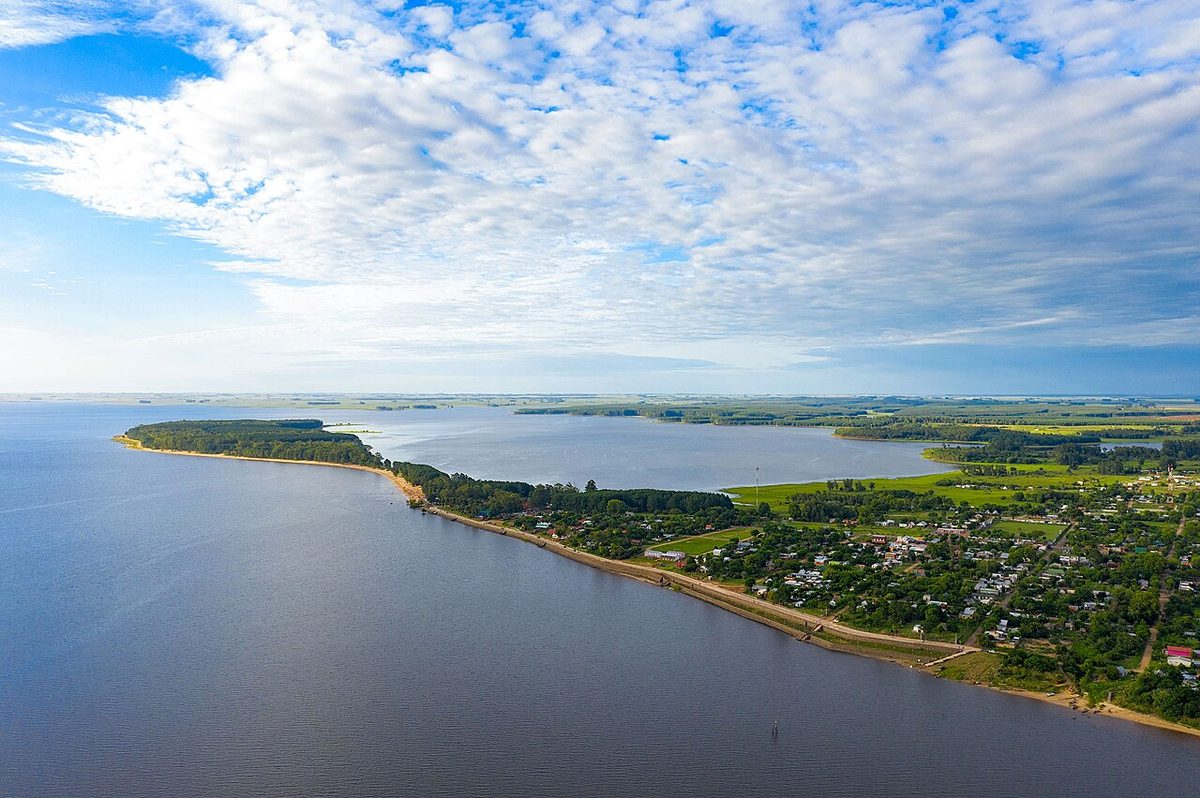
San Gregorio de Polanco is a small town in Uruguay’s Tacuarembó department, on a sandy peninsula where the Río Negro widens into the country’s largest reservoir. It is famous for two things at once: a freshwater summer beach, and the oldest open-air mural museum in the Americas, launched in 1993 when artists painted the town’s walls.
Let me set the scene before we get into the details. You are roughly in the geographic middle of Uruguay here, far from the Atlantic coast that most visitors come for. The water in front of you is not the sea; it’s an embalse (a reservoir), held back by a dam built in the 1940s. The streets behind the waterfront carry dozens of murales (murals) painted across house fronts, garden walls, and shopfronts. It is part beach town, part open-air gallery, and entirely off the standard tourist circuit. For most travelers it pairs naturally with a wider Uruguay road trip through the interior rather than a day trip from anywhere.
I’ll be honest from the start: getting here takes commitment, and out of season the town can feel almost empty. But if you like the idea of a beach you can have largely to yourself, framed by art that a whole community decided to make, this is one of the more original stops in the country’s deep interior.
| At a glance | San Gregorio de Polanco |
|---|---|
| Where | Tacuarembó department, north-central Uruguay, on the north shore of the Rincón del Bonete reservoir (Río Negro) |
| Distance from Tacuarembó city | Around 140 km by road (Route 5 + Route 43), roughly 1.5–2 hours |
| Distance from Montevideo | Around 350 km north; plan on 4.5–5 hours driving |
| Population | About 3,400 (a few thousand more in peak summer) |
| Claim to fame | First open-air visual-arts museum in the Americas (1993); dozens of murals and sculptures throughout town |
| Best season | December–March for the beach; murals are visible year-round |
| Good for | Mural-walking, a quiet freshwater beach, sunsets, fishing, slow travel |
San Gregorio de Polanco and its open-air mural museum
Here’s the story, because it’s a good one. In the early 1990s this was a struggling fishing and farming town of a few thousand people, watching its young people leave and its economy thin out. A working group of artists, residents, and teachers from Montevideo’s National School of Fine Arts came up with an unusual plan to put the place back on the map: turn the whole town into a canvas.
On 10 April 1993, San Gregorio de Polanco was inaugurated as the first open-air visual-arts museum in Uruguay, and the first of its kind in the Americas. The idea was borrowed from Escariche, a small village in Spain that exiled Latin American artists had painted years earlier. That first season, around 50 artists created roughly 25 works directly onto the facades and walls of the town.
It didn’t stop there. From the mid-1990s onward, established Latin American painters joined in, and sculptures began appearing in the streets and along the waterfront around 1999 and 2000. The collection kept growing. Today people throw around numbers like 70, 80, or even 150 murals, and the truth is nobody can give you an exact count, because this is a living museum. Paint fades in the sun and rain, old works get touched up or painted over, and new ones appear. The official name has grown too: it’s now the Museo a Cielo Abierto de Artes Visuales (the open-air visual-arts museum), sometimes tagged with its Ibero-American scope.
How to actually see the murals
The best approach is simple: walk. The painted streets cluster in the older grid of town, a few blocks back from the water, and you can cover the main concentration on foot in a couple of unhurried hours. There’s no ticket and no opening time, because the gallery is the town itself. I’d start in the morning when the light is soft and the streets are quiet, then circle back in the late afternoon when the low sun warms the colours.
You’ll see a real range: religious imagery, gauchos and horses, abstract geometry, lake and fish motifs, and a long painted “carpet” along part of the main street that was added for the museum’s twentieth anniversary. Some pieces are luminous; some are clearly weathered and waiting for attention. That unevenness is part of the honest character of the place, but if you arrive expecting every wall to look freshly restored, you may be disappointed. Bring that expectation down and you’ll enjoy it more.
The murals connect this remote town to Uruguay’s wider creative life in a way that’s worth slowing down for. If you’re interested in that side of the country, the murals make a natural companion to broader reading on Uruguayan culture, and they’re one of the reasons San Gregorio turns up on lists of Uruguay’s lesser-known places worth the detour.
The beach and the reservoir
What makes the murals more than a curiosity is the water they sit beside. San Gregorio occupies a peninsula on the north shore of the Rincón del Bonete reservoir, also called the Embalse del Río Negro. The Río Negro, which locals’ ancestors knew as the Hum, was dammed in 1945 by the Gabriel Terra hydroelectric works downstream. That dam flooded the low ground and turned a narrow river into a vast lake.
How vast? Rincón del Bonete is the largest body of fresh water in Uruguay, sprawling over roughly 1,200 square kilometres when full. From town it simply looks like a calm inland sea, with low wooded shores fading into the distance and not a wave of saltwater anywhere.
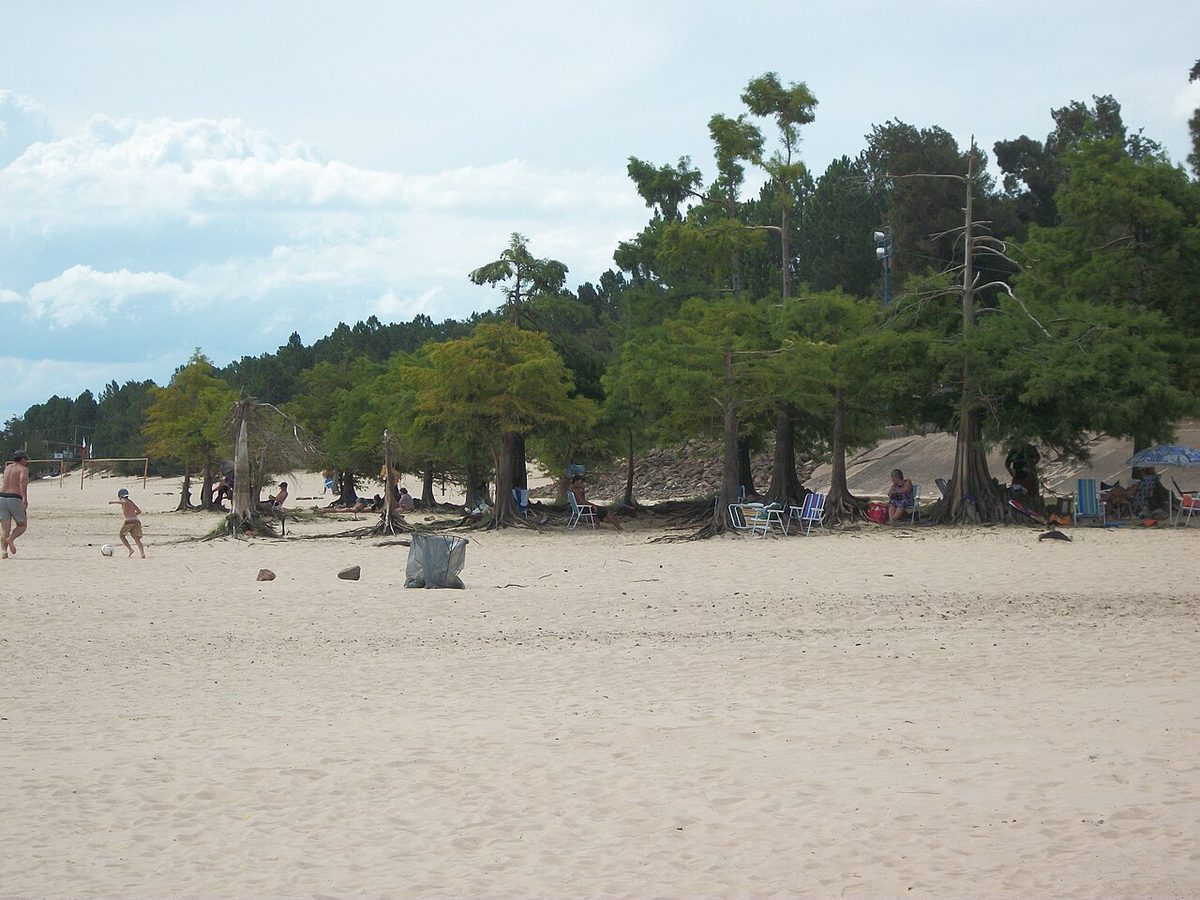
The flooding gave San Gregorio its beaches. The main sandy stretch sits right below the town, an easy walk from the central streets, with shallow, warm freshwater that’s gentle for kids. There are other beaches and coves around the peninsula too, including a barranco (a low bluff) area that locals favour for the view. This is a true balneario (a beach and bathing resort town), just one built around a lake instead of the ocean.
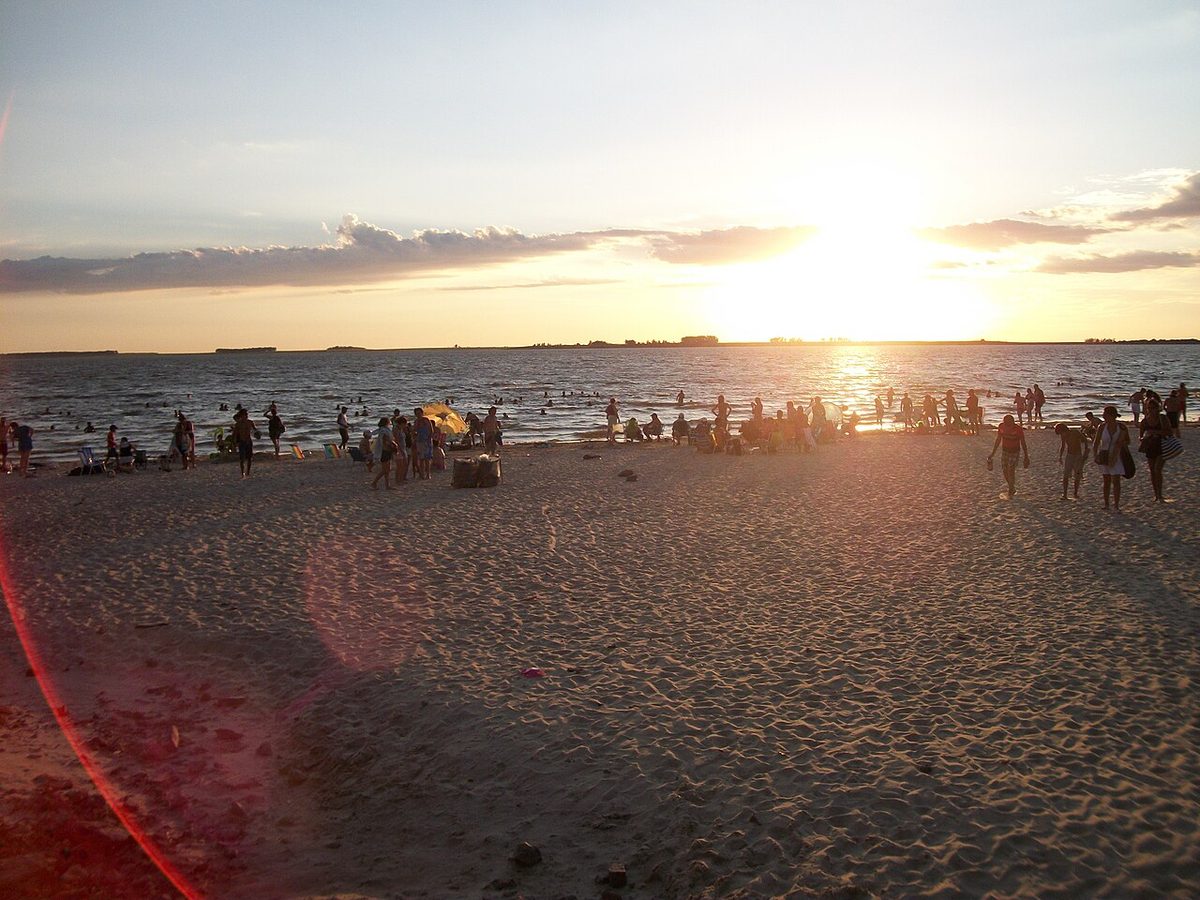
I find the sunsets here genuinely hard to beat. Because the town faces broad open water to the west, the evening light spreads across the reservoir and the sky goes through every shade of orange and violet. People drift down to the sand with a thermos, and it gets quiet in the best way. If you’ve spent time on Uruguay’s Atlantic shore, the contrast is striking: no surf, no crowds, no salt, just still water and that enormous sky. It belongs on any honest list of the country’s best places to visit for travelers who’ve already done the coast.
One caveat about the lake. Because Rincón del Bonete is a working reservoir tied to hydroelectric generation, water levels shift through the year and from season to season. In a dry stretch the shoreline can sit further out than the photos suggest; after heavy rain it can rise. The beach is reliable in summer, but it’s not a fixed, manicured coastline, and that’s worth knowing before you build a whole trip around a specific cove.
Things to do in San Gregorio de Polanco
Nobody comes here for a packed itinerary, and that’s rather the point. The pleasures are small and unhurried. Still, there’s more to fill a couple of days than you might expect from a town this size.
Walk the murals and the rambla
Beyond the painted streets, the rambla (the waterfront promenade) is where the town gathers. It’s a low-key strip rather than a grand boulevard, but it’s the natural place for an evening stroll, an ice cream, and a slow circuit of the craft stalls that appear in summer. Local makers sell ceramics, leatherwork, and small paintings; it’s modest, but the crafts here have a genuine link to the art-town identity rather than feeling bolted on.
Swim, paddle, and fish
In season you can rent kayaks and small boats and get out onto the reservoir, which is the best way to appreciate just how big it is. Fishing is a real draw: the Río Negro system is known for species like dorado, and you’ll see locals and visitors casting from the shore and from boats. If you want a guide or a boat, ask around at your accommodation; this is a word-of-mouth town, not a booking-platform one.
Slow mornings and mate by the water
Do not underestimate the value of doing very little here. Buy fresh bread, take a mate (Uruguay’s shared bitter herbal tea, drunk from a gourd) down to the sand, and watch the light change. The whole appeal of San Gregorio is that it gives you permission to slow down. After the structured sightseeing of Montevideo or Colonia, that can feel like a luxury, and it’s one of the calmer entries on any list of things to do in Uruguay.
Use it as a base for the interior
San Gregorio also works as a quiet anchor for exploring Tacuarembó department, the heartland of Uruguay’s cattle country. The wider region is the home of gaucho life, and a stay here pairs well with the deep ranch culture you’ll find across the north. If that draws you, read up on gaucho culture and consider a night or two on a working Uruguayan estancia, the country ranches that anchor this whole part of the map. Many travelers combine the murals with an estancia stay and a half-day of horseback riding across the open campo.
The town and its mood
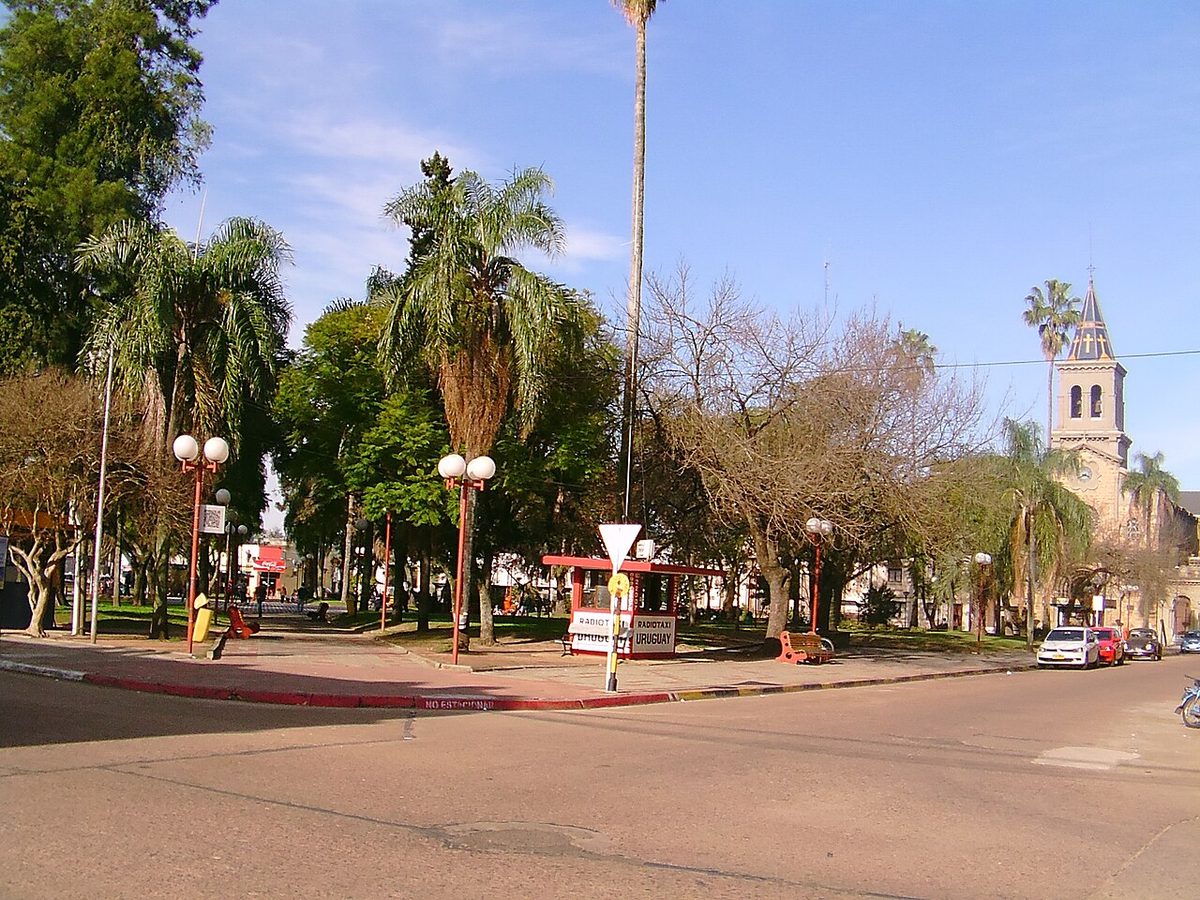
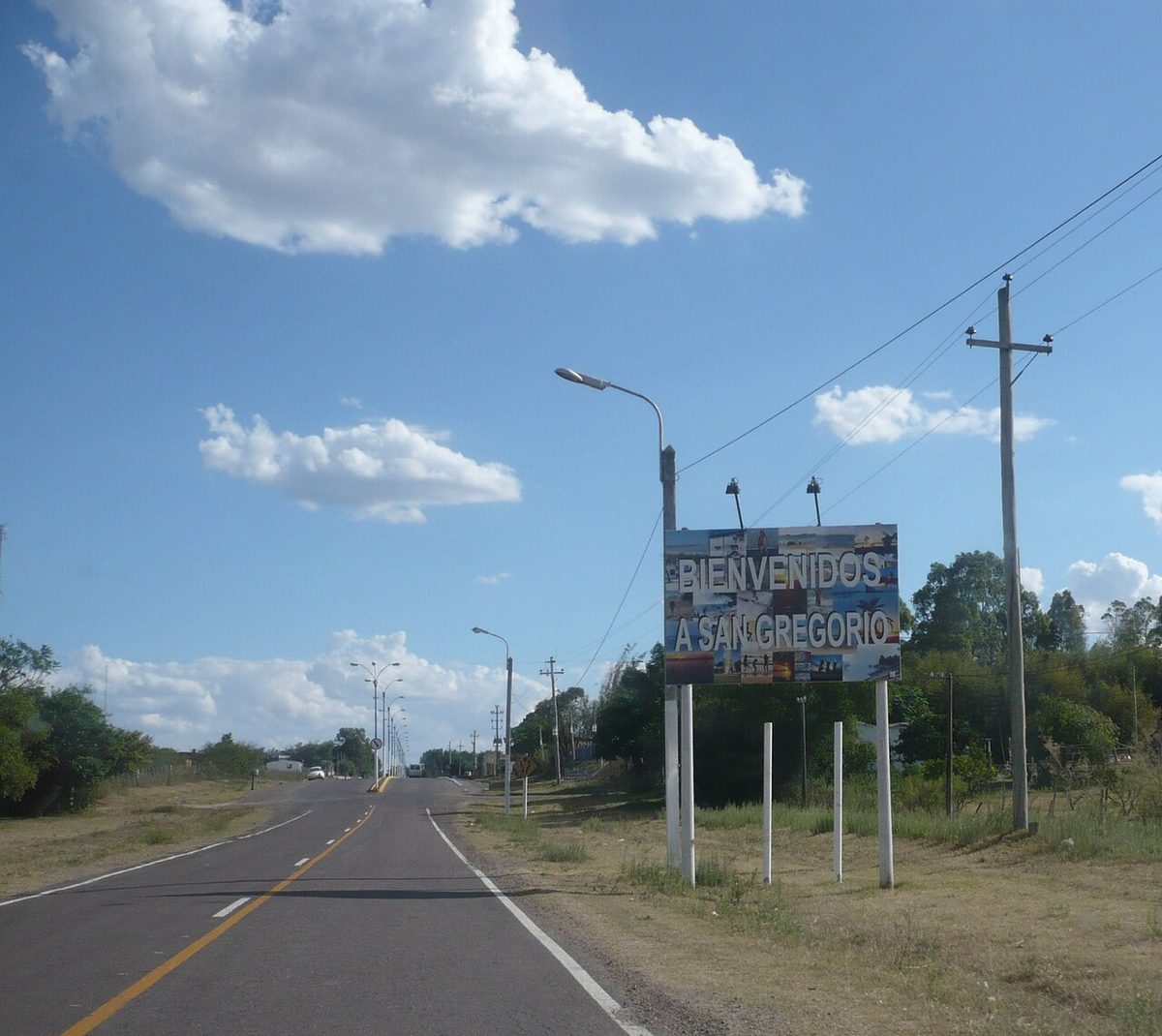
Stripped of its murals and its beach, San Gregorio would still be a pleasant interior Uruguayan town: low houses, wide streets, a handful of shops and bakeries, dogs asleep in the shade. It was founded in 1853 and named for General José Gregorio Suárez, with “de Polanco” added from the old river crossing here, the Paso de Polanco. The pace is firmly rural and the welcome is unhurried and genuine.
Summer flips a switch. From December into March the population swells with Uruguayan families, the camping ground fills, the rambla comes alive in the evenings, and there’s a relaxed holiday hum to the place. It never reaches the intensity of the Atlantic resorts, which is exactly why people who know it keep coming back. This is the antithesis of the see-and-be-seen scene at Punta del Este.
Out of season, be ready for the opposite. Visit in winter or on a grey midweek day in the shoulder months and you may find half the businesses shuttered, the beach deserted, and very few other travelers around. Some people find that magical; others find it bleak. I’d rather tell you plainly than have you arrive expecting a lively town in July and feel let down.
Planning your trip: getting there, staying, and when to go
This is the part that needs the most thought, because San Gregorio’s remoteness is real and it shapes everything about a visit.
Getting there
Almost everyone arrives by car, and I’d strongly recommend having your own wheels. From Montevideo, the usual route is north on Route 5 for roughly 300-plus kilometres, then a turn onto Route 43, which runs the final 50–60 km into town. Budget around 4.5 to 5 hours all in. From the city of Tacuarembó it’s about 140 km.
A word of caution on the last leg: Route 43 is lonely and, in stretches, in poor condition, with rough patches where you’ll want to slow right down. Fuel up before you commit to it, check your spare tyre, and don’t count on services along the way. There’s a long history of crossing the Río Negro here by balsa (a vehicle ferry) at Puerto Romero, linking the peninsula toward the Durazno department side of the lake, so if your route involves that crossing, confirm it’s running before you rely on it. For the bigger picture of distances and driving in the country, this fits into the wider question of getting to and around Uruguay.
Without a car it’s harder but not impossible. Long-distance buses run from Montevideo’s Tres Cruces terminal toward Paso de los Toros or Tacuarembó, with onward local connections to San Gregorio; schedules are limited and best confirmed locally, so build in slack. The town also sits within reach of Tacuarembó, which is the obvious gateway and worth a stop in its own right.
Where to stay
Accommodation is modest and that’s the whole vibe. The most popular option is renting a cabaña (a cabin), and there are dozens around town, many with lake views; expect to pay somewhere around 90 to 100 US dollars a night in season, less off-peak, though prices vary widely. There are also a few small posadas (guesthouses) and simple hotels, plus a municipal campsite for those travelling light. In peak summer it genuinely fills up, and you should book ahead; turning up on a January weekend without a reservation is asking for trouble. The flip side is that there’s no big chain hotel and no resort, so don’t come expecting one.
Where to eat
Dining is simple and seasonal. In summer you’ll find a handful of restaurants and parrillas (grill houses) serving the Uruguayan staples, asado (barbecue), milanesas, fresh-caught fish from the lake, alongside cafés and ice cream on the rambla. Out of season the choice narrows sharply and some places close entirely, so it’s smart to keep some supplies in your cabin. This is not a foodie destination; it’s a place where a grilled river fish and a cold drink by the water taste better than they have any right to.
When to go
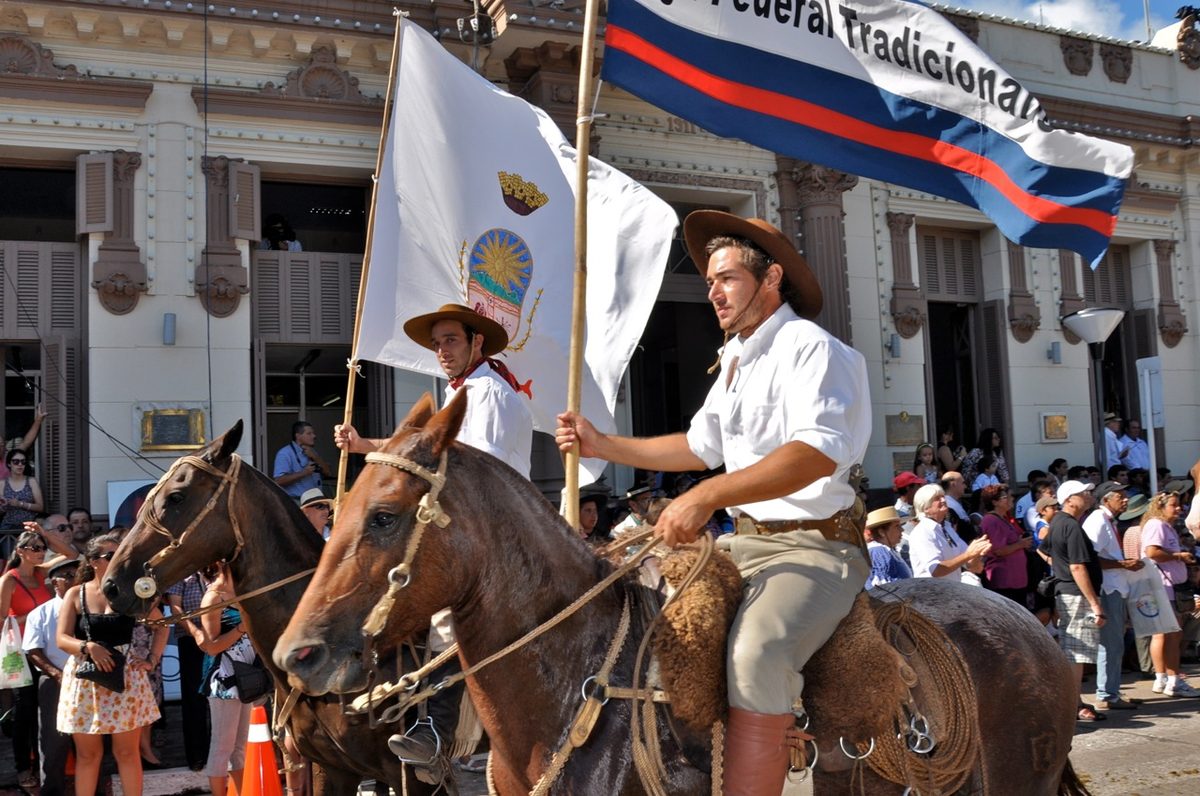
For the full experience, beach included, come between December and March, with January the busiest month. For the murals alone, any time of year works, and the shoulder seasons of spring and autumn can be lovely for walking the streets in cooler weather without crowds. Just go in clear-eyed: the further you get from peak summer, the sleepier and more shuttered the town becomes. If you want to time a visit around the region’s big cultural moment, look at the calendar for the Fiesta de la Patria Gaucha in nearby Tacuarembó, and the wider roster of Uruguayan festivals through the year.
San Gregorio de Polanco: your questions answered
Why is San Gregorio de Polanco famous?
It’s famous as the first open-air visual-arts museum in the Americas, launched in 1993, when artists were invited to paint murals across the town’s walls and house fronts. Today dozens of murals and sculptures fill the streets. The town is also a summer beach resort on the shore of Uruguay’s largest reservoir, which is an unusual combination.
How many murals are there in San Gregorio de Polanco?
There’s no fixed number, because it’s a living museum where paintings fade, get restored, or are replaced. It began with about 25 works in 1993 and has grown well past that; estimates today range from roughly 70 to as many as 150 murals and sculptures. Expect a real mix of pristine and weathered pieces when you walk the streets.
How do you get to San Gregorio de Polanco?
Most people drive. From Montevideo it’s about 350 km north on Route 5, then Route 43 for the final stretch, roughly 4.5 to 5 hours. From Tacuarembó city it’s around 140 km. The last leg on Route 43 is remote and rough in places, so fuel up first. Limited buses run via Paso de los Toros or Tacuarembó for those without a car.
What is the lake at San Gregorio de Polanco?
It’s the Rincón del Bonete reservoir, also called the Embalse del Río Negro, an artificial lake created when the Río Negro was dammed in 1945 for hydroelectricity. It’s the largest body of fresh water in Uruguay. The town’s sandy beaches formed along its shore, which is why you can swim here in warm, calm freshwater rather than the ocean.
When is the best time to visit San Gregorio de Polanco?
For the beach and the lively summer scene, come December to March, with January busiest. For the murals, any season works, and spring or autumn can be pleasant for walking without crowds. Out of season the town is very quiet and many businesses close, so set your expectations accordingly if you visit in winter.
Is San Gregorio de Polanco worth visiting?
Yes, if you value originality and quiet over convenience. The murals are genuinely special and the freshwater beach is a calm, uncrowded alternative to the coast. The honest catch is the distance: it’s far from everything and sleepy out of season. Pair it with Tacuarembó and the interior rather than treating it as a quick stop.
Final thoughts
Few small towns decide to remake themselves with paint, and fewer still pull it off. What I like about San Gregorio de Polanco is that the murals don’t feel like a marketing gimmick bolted onto a beach; they grew out of a real community trying to keep itself alive, and that intention still shows on the walls more than thirty years later.
Manage your expectations and you’ll love it. This is a remote, modest, seasonal place, not a polished resort, and the road in will test your patience. But stand on that sandy shore at sunset, with a painted town at your back and Uruguay’s biggest lake going gold in front of you, and the long drive makes complete sense. It’s one of the country’s quiet originals, and it rewards travelers willing to go a little out of their way.
Credits & sources
Sources & further reading
- San Gregorio de Polanco – Wikipedia (location, history, population, and the 1945 reservoir)
- Tacuarembó Tourism: the open-air museum (MAAIS) (official background on the mural museum)
- Municipio de San Gregorio de Polanco: Historia (local history of the town and the museum)
Photo credits
All images via Wikimedia Commons: San Gregorio De Polanco Mural Street by Embajada de los Estados Unidos en Uruguay from Montevideo, Uruguay (Public domain); San Gregorio De Polanco Aerial Peninsula by Marcelo Campi from Costa de Oro, Uruguay (CC BY-SA 2.0); San Gregorio De Polanco Playa Beach by Carohv91 (CC BY-SA 3.0); San Gregorio De Polanco Town Street by Carohv91 (CC BY-SA 4.0); San Gregorio De Polanco Rincon Del Bonete Sunset by Carohv91 (CC BY-SA 3.0).