Termas del Daymán: Uruguay’s Most Popular Hot Springs (2026)
I have soaked in every thermal pool Uruguay’s northwest has to offer, and I keep coming back to the same conclusion: if you only have time for one, make it Daymán. The water is hotter, the village wraps right around the pools, and at nine at night, steam rising off the surface while families pass around a thermos of mate (the bitter herbal tea Uruguayans drink constantly), it feels less like a tourist attraction and more like a national habit you have been let in on.
Termas del Dayman is the busiest and most developed of Uruguay’s hot springs, an open-air municipal pool complex about 8 km south of Salto where water surfaces from the Guarani Aquifer at up to 44°C. You get terraced thermal pools at graded temperatures, the Acuamania water park next door, and a small village of hotels and parrillas (grill restaurants) built around the steam. It is the easiest thermal day in the country to organise.
This guide covers the Daymán complex itself: the pools, Acuamania, where to sleep and eat right at the springs, getting there from Salto, prices, and what a day or an overnight actually feels like.
| At a glance | Details (check before you go) |
|---|---|
| Distance from Salto | About 8 km south on Ruta 3, 15 min by car |
| Pool temperatures | Graded, roughly 32°C to 44°C |
| Municipal entry (adult) | Around UYU 200; residents ~150; kids 6–12 ~120; under 6 free |
| Opening hours | Daily, roughly 8:00 to 23:00 |
| Acuamania water park | Separate ticket (~UYU 910 adult), seasonal, ~10:30–18:30 |
| Best months | May to September for the hot-water contrast; winter is prime |
| Day trip or overnight? | Doable as a day trip; an overnight is far better |
The thermal pools: what soaking at Daymán is actually like
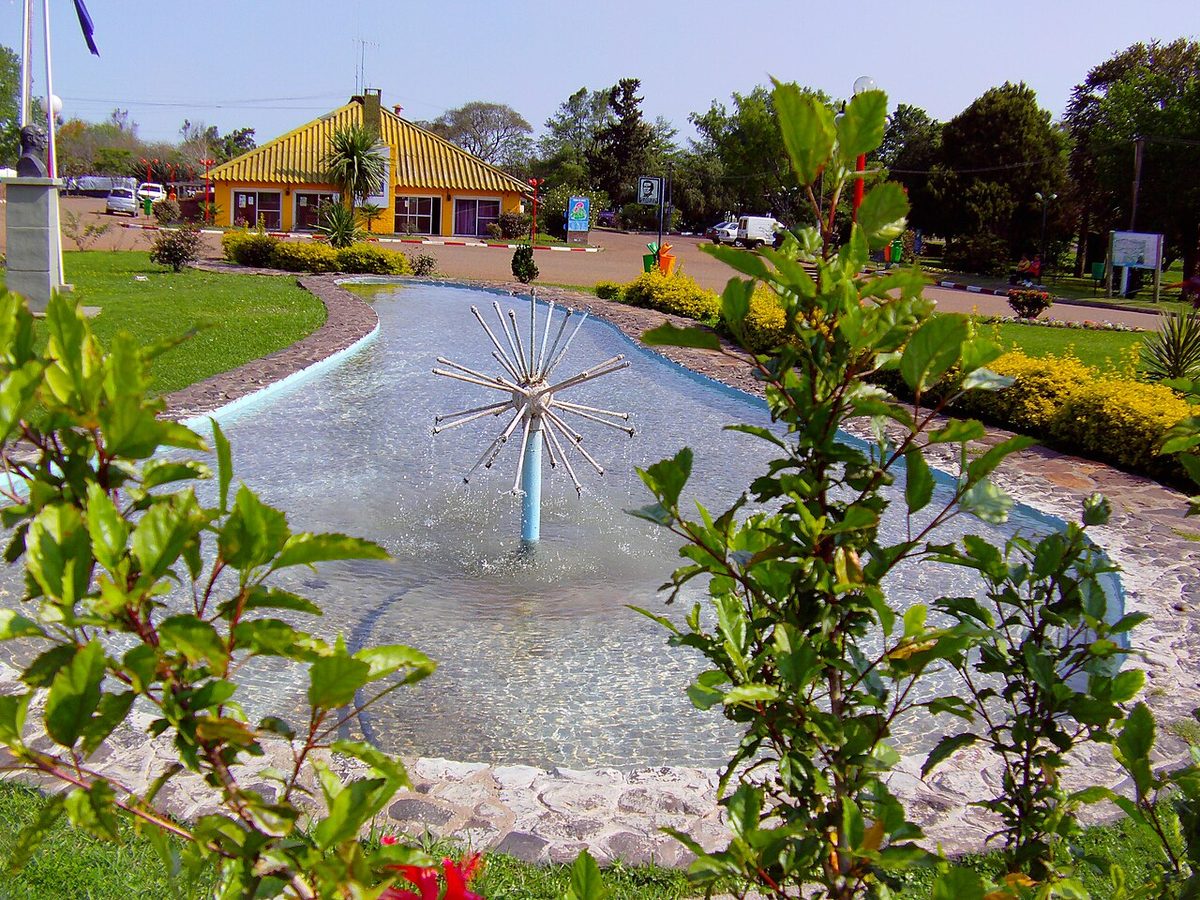
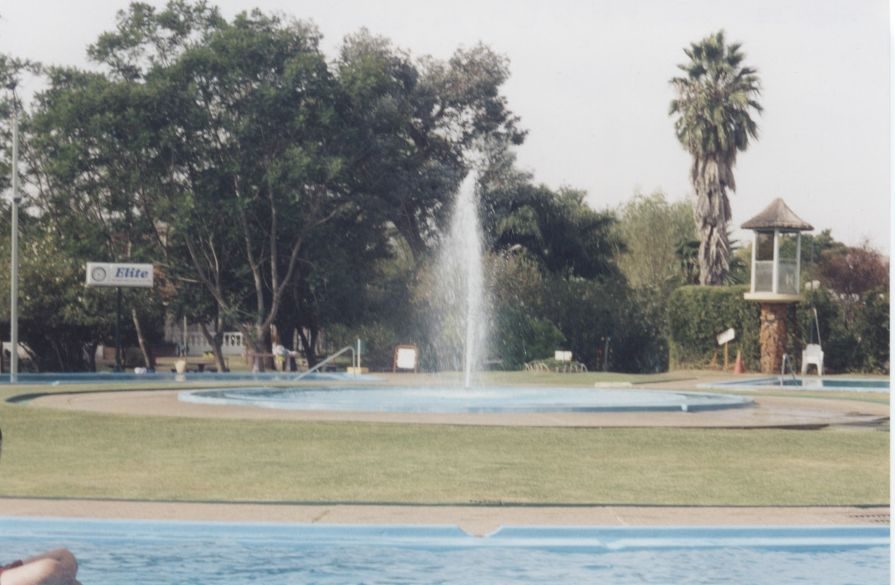
The heart of the place is the municipal thermal complex, a series of open-air pools stepped down a gentle slope. “Termas” just means hot springs, and here the water comes up genuinely hot, around 44°C at its source, drawn from the Guarani Aquifer two kilometres below your feet. The pools are graded, so you drift from the scorching small ones near the top to the cooler, larger pools where you can actually swim a few strokes.
My routine is to start cool and work up. The hottest pools are the small ones, and you will not last long in them: a few minutes turns your fingers pink and sends you scuttling for a cooler tank. Locals treat this as the point. They sit chest-deep, mate in hand, rotating between temperatures the way you would move between a sauna and a plunge pool. The water has a faint mineral smell and leaves your skin feeling soft for hours.
What I genuinely love is the evening. The complex stays open late, and after dark the crowds thin, the underwater lights come on, and the steam looks theatrical against the night sky. A winter night soak here, air cold enough to see your breath, water hot enough to keep you submerged to the chin, is one of the better hours I have spent in Uruguay.
The honest drawback: this is a public municipal pool, not a polished spa. Concrete edges, plastic chairs, changing rooms that have seen heavy traffic. On a busy weekend the main pools fill up and the calm evaporates. If you want manicured serenity you will be disappointed; if you want a real, slightly worn, deeply local thermal experience, it delivers. For the genuinely quiet, upscale soak, the smaller springs at Arapey and Guaviyú covered in the main hot springs guide suit better.
The spa and massages
Within the complex and at several hotels you can book massages, hydromassage, and mud treatments (fangoterapia). Prices are low by international standards, last I checked a basic massage ran a fraction of what you would pay back home. Manage expectations on technique. I have had a massage here that was more of a gentle back-tickle than deep tissue work, and friends report the same hit-or-miss quality. At these prices, it is worth a gamble.
The different complexes at Daymán
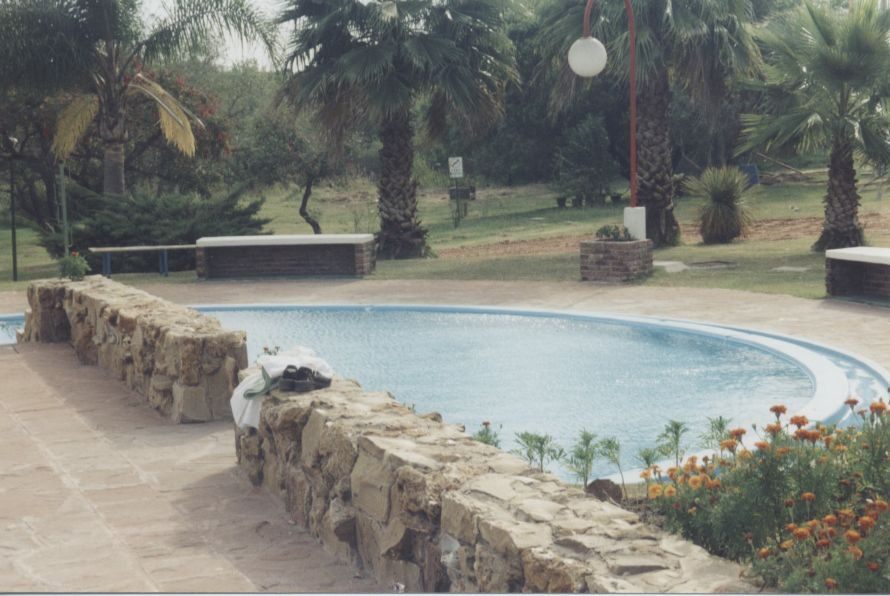
One thing that confuses first-timers: “Termas del Daymán” is really several distinct operations sharing the same village, not one ticket for everything. The big municipal complex with the graded pools is the budget public option and the one most people mean. Acuamania is the separate water park. And there is Agua Clara on the Rambla Circunvalación (the riverside loop road), the most modern complex in the village, with hot and cold showers, hydromassage, wifi, and a resto-pub. On top of those, several hotels run their own private thermal pools for guests only.
My advice is not to overthink it. Pay into the municipal pools for the classic, cheap, sociable soak; add Acuamania only if you have kids or want slides; and treat a hotel with its own pool as the upgrade that buys you a quiet after-hours dip. Mixing one public day with one private-pool hotel is, for my money, the ideal combination.
Acuamania: the water park next door
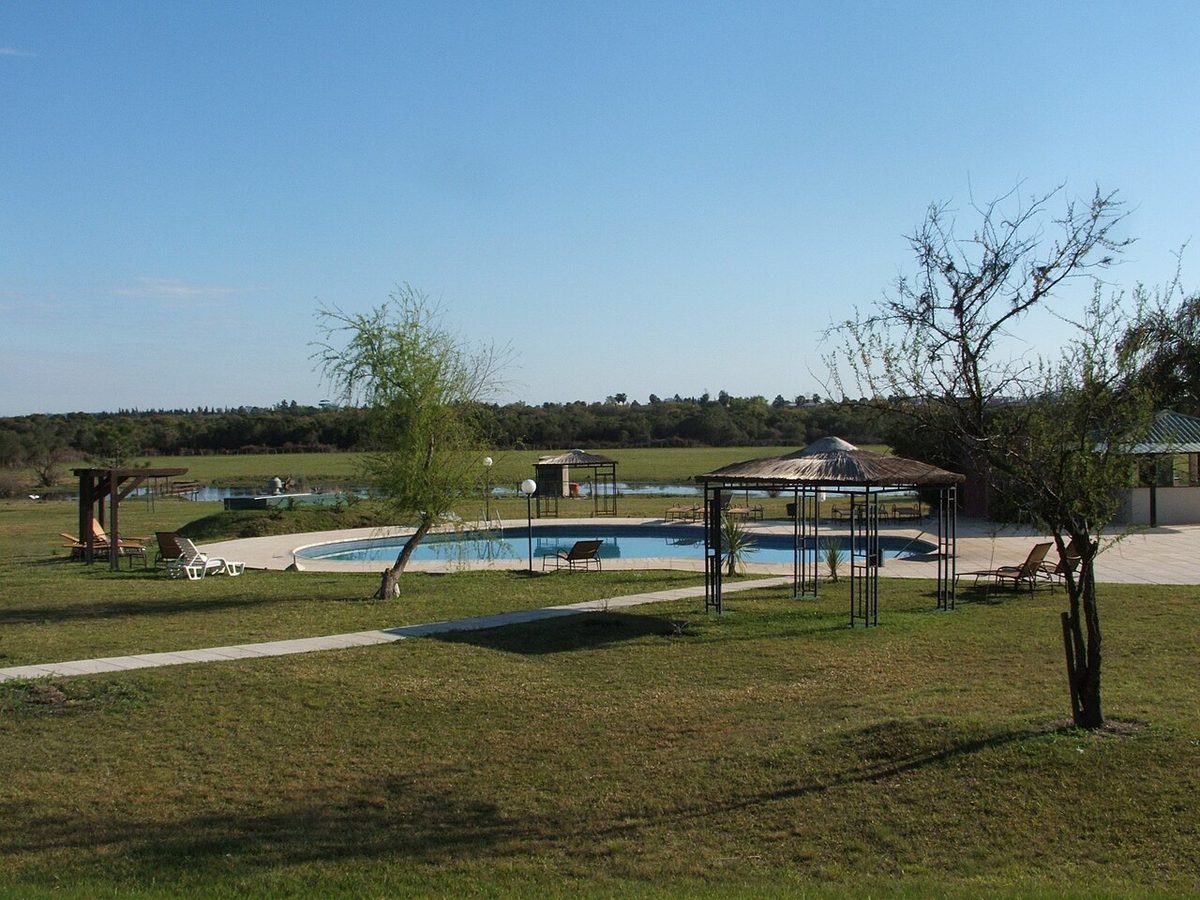
Right beside the thermal pools sits Acuamania, billed as the first thermal-water aquatic park in South America and the largest water park in Uruguay. This is where the families and busloads of teenagers head. The water is cooler than the soaking pools but still thermal-warmed, which means slides that are genuinely pleasant even in winter, a rare thing.
The headline attraction is the Kamikaze, a closed-tube toboggan that reaches speeds of up to 60 km/h, plus open slides up to 70 metres long, pool basketball, splash zones, and minigolf. It is well run and a real hit with kids and anyone who wants more adrenaline than a quiet soak provides.
Two things to know. First, Acuamania is a completely separate ticket from the municipal pools, around UYU 910 for adults and UYU 660 for children 4 to 10 last I checked, with multi-day passports if you are staying a while. Buy online to skip the queue. Second, and this is the big one: Acuamania is seasonal and keeps shorter hours, roughly 10:30 to 18:30, and it closes entirely in the off-season. I have turned up in winter expecting splash-park chaos and found the gates padlocked while the thermal pools next door hummed along. If Acuamania is the reason for your trip, confirm it is open before you commit a date.
The Daymán village: more than just pools
Daymán is not a resort with a fence around it. It is a small balneario (a holiday spa village) that has grown up around the springs, and you can walk the whole thing in fifteen minutes. The layout orients around a roundabout, the rotonda, with big SALTO letters where everyone takes the same photo, and the interdepartmental bus terminal sits right there too. From that hub, lanes of hotels, ice-cream shops, grills, and small supermarkets fan out toward the Río Daymán.
Walking the village in the evening is half the pleasure. People stroll between their hotel and dinner in flip-flops and robes, hair still wet, stopping for an ice cream at Bilack or Queen. There is a small craft and food market, a couple of supermarkets (autoservicios) for stocking your bungalow fridge, and the river itself at the edge of town, where the newest activity is stand-up paddle on the calm Río Daymán at sunset. None of it is fancy. All of it is easy.
Where to stay right at the springs
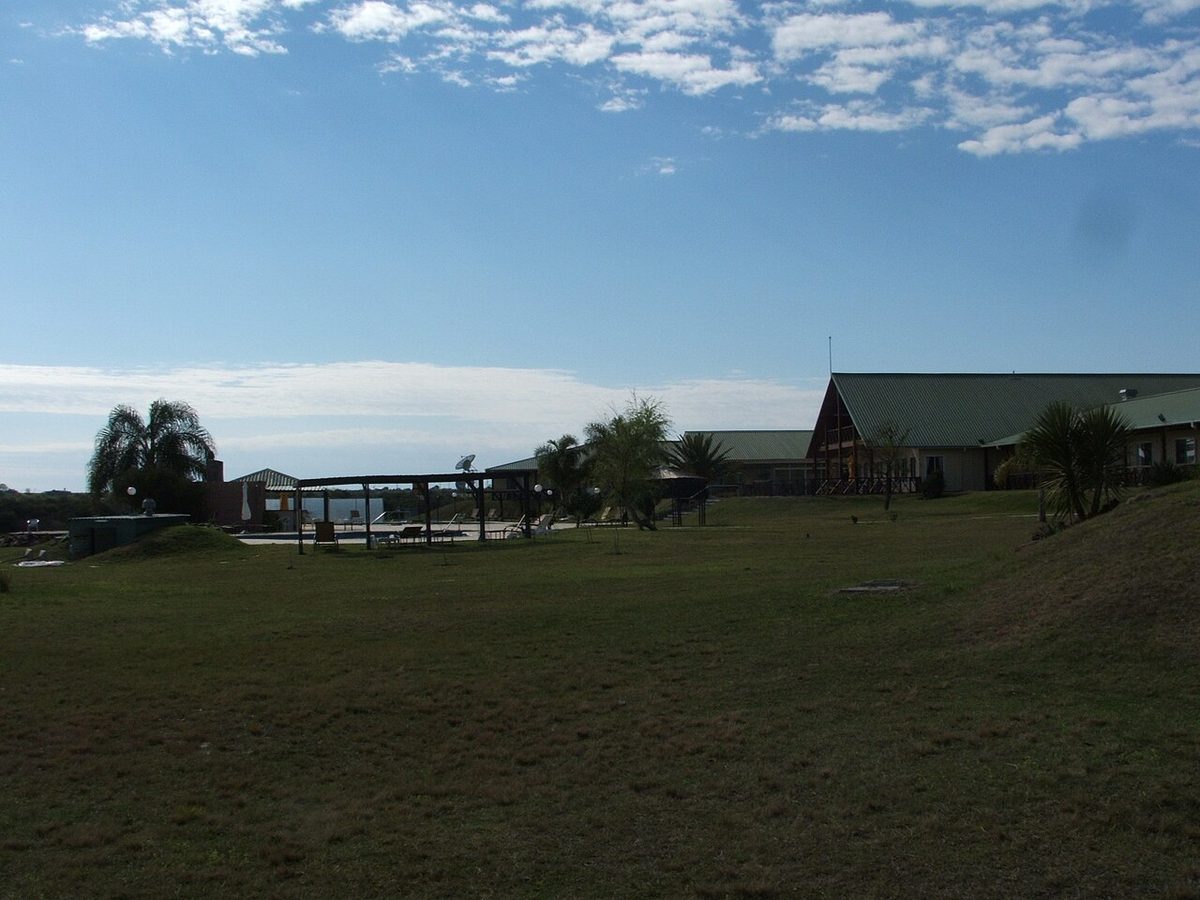
Sleeping in Daymán is the move I recommend most often, and the reason is simple: you can soak at night when it is quiet and again before breakfast before the day-trippers arrive. The village runs the full range from camping to comfortable apart-hotels, and many properties have their own thermal pool so you never have to leave.
Hotels and apart-hotels
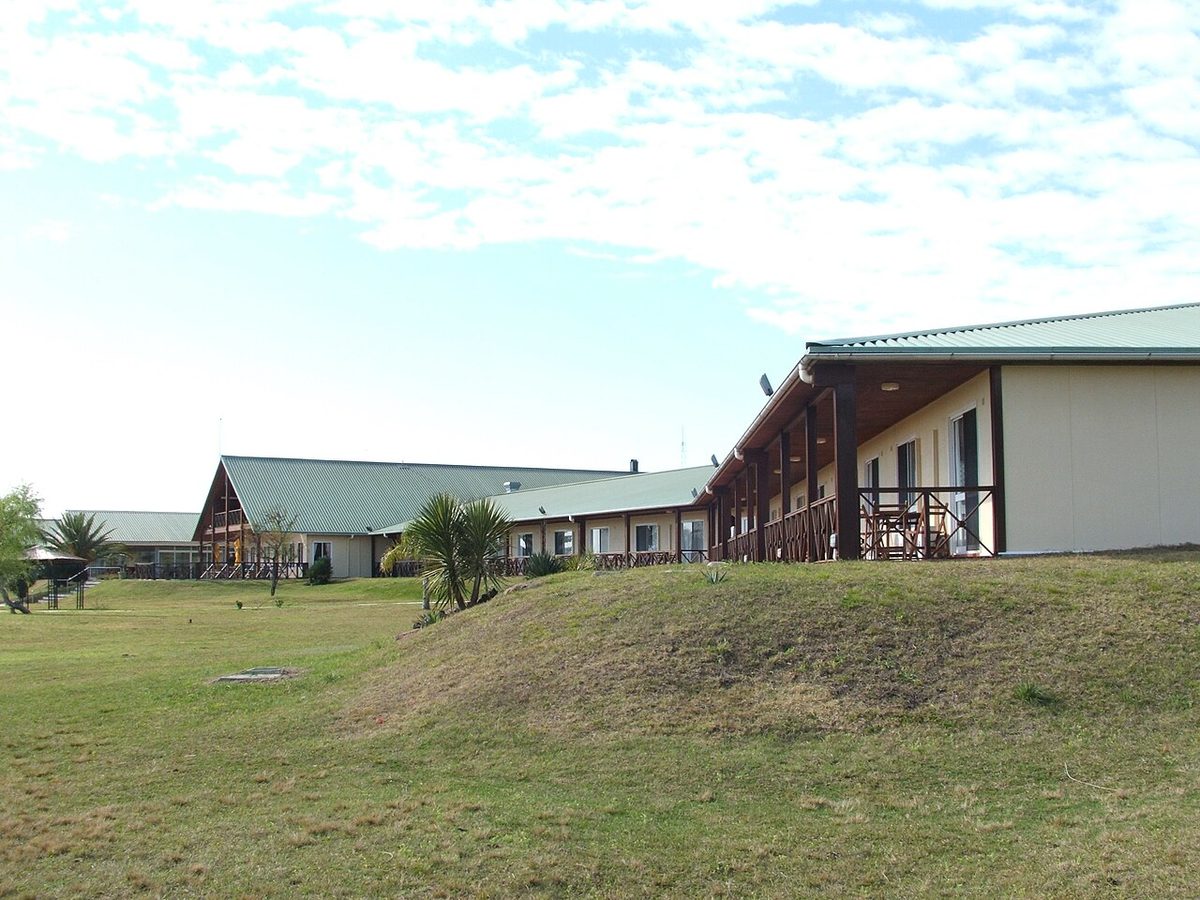
For a proper bed with a private thermal pool, places like El Remanso Apart Hotel, Armonia Apart, Daymán Apart Hotel, and Jardines de Daymán (hotel and bungalows facing the springs) are the kind of mid-range options I point people toward. Several throw in discounted entry to the thermal parks or breakfast, and some sit a short walk from the pool gates. Rooms with a kitchenette are worth seeking out if you plan to cook. For the wider picture on lodging across the country, my guide to where to stay in Uruguay sets out the room types and booking norms.
Camping and budget
La Posta del Daymán is the name to know on a budget. It is a six-hectare wooded campground open 365 days a year, twenty metres from the entrance rotonda and right by the bus terminal, with its own thermal pools, thermal showers, and barbecue areas, plus a colonial-style hotel and hostel on the same grounds. Pitching a tent with hot thermal water in the bathrooms is a particularly Uruguayan kind of bargain. Daymán is one of the better-value stops on any Uruguay road trip, and it leans cheap by the standards I lay out in my breakdown of how expensive Uruguay really is.
One honest caveat on accommodation: do not expect international chains or slick design hotels. This is family-run, slightly homespun lodging. The wifi can be patchy, the decor is dated, and you book by emailing or messaging on WhatsApp as often as through a booking site. That is part of the charm, but go in expecting it.
Where to eat: parrillas, panchos and pizza
Daymán eats the way the rest of Uruguay eats: meat, then more meat. The parrilla is the centre of gravity, and a classic asado (a barbecue of grilled cuts) is the meal to have. El Fogón de Mandinga is the traditional parrillada I send people to for a proper sit-down grill with the full lineup of chorizo, pamplona, and beef. Parrilla El Paisa is the rougher, cheaper roadside-grill version, open mainly midday and evening.
For something lighter after hours in the water, This Time is the reliable family all-rounder, grill plus pizza plus a chivitería (the chivito is Uruguay’s loaded steak sandwich and national obsession). Pizzería Nápoles handles the casual pizza craving. And then there is El Remanso, locally famous for the Super Pancho, a half-metre hot dog that is exactly as ridiculous and satisfying as it sounds. For the full primer on what to order around the country, see my rundown of Uruguayan food.
The drawback here is range. If you are after refined dining, vegetarian variety, or anything beyond the meat-pizza-pancho axis, Daymán is thin. Eat the asado, embrace the pancho, and save your fancy meal for Montevideo or a coastal town.
Getting to Termas del Dayman from Salto
Daymán sits about 8 km south of Salto on Ruta 3, and getting there is refreshingly simple, which is more than I can say for some of Uruguay’s other thermal spots.
By bus
A local línea runs between Salto city and the Daymán terminal regularly through the day, and the fare is small, a dollar or two, with the ride taking around 20 minutes. The bus drops you right at the rotonda by the SALTO letters, steps from the pool gates. For getting to Salto in the first place, and for the long-distance picture, my guide to getting around Uruguay by bus walks through the network. Coming from Montevideo, it is roughly 490 km and six hours by road via Ruta 3.
By car or taxi
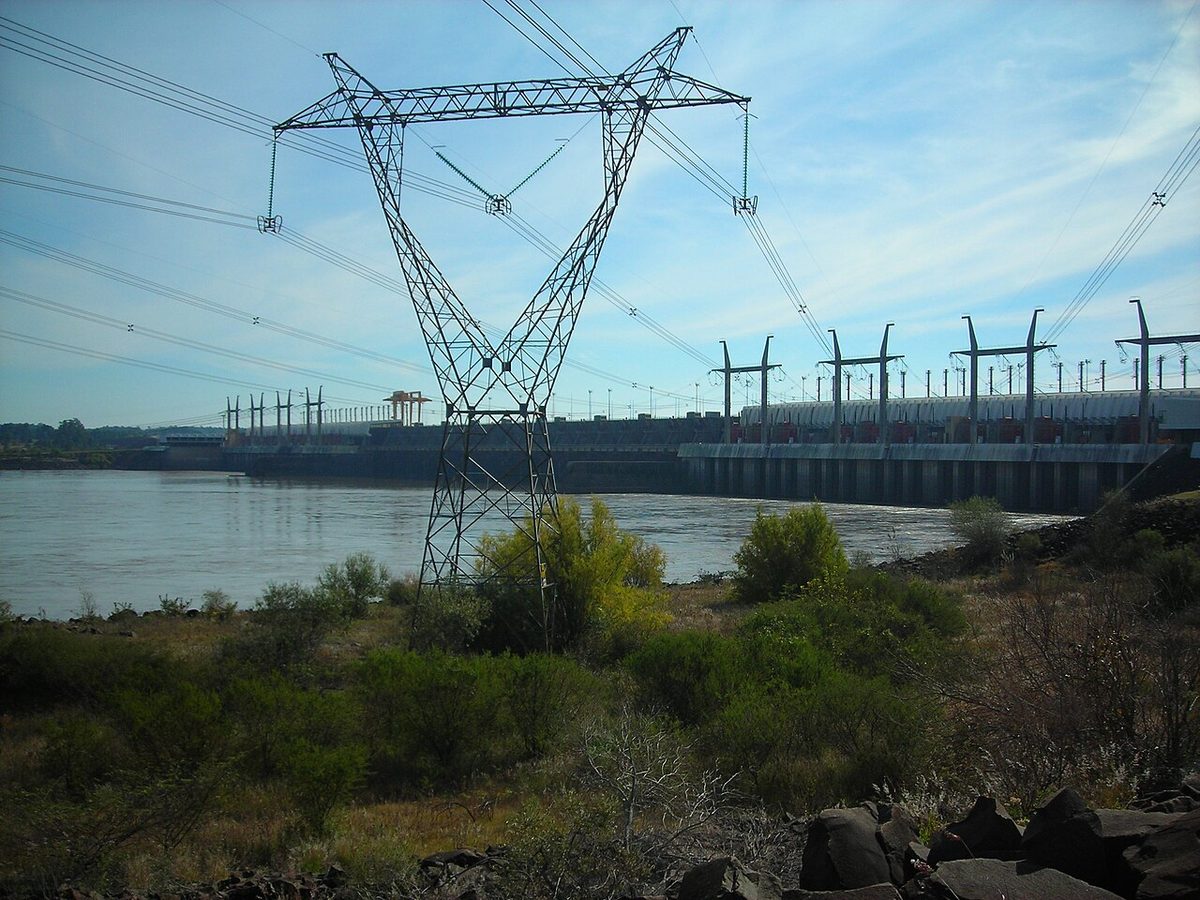
If you have wheels, the drive from Salto is fifteen minutes and the route is paved the whole way, no ripio (loose gravel road) to worry about. Parking around the complex is easy. A taxi or remise from Salto runs roughly the price of a couple of beers and takes about twelve minutes. Driving gives you the freedom to combine Daymán with Salto Grande dam or a day in the city; my guide to renting a car in Uruguay covers the paperwork, and Daymán slots neatly into a wider Uruguay itinerary.
From Argentina
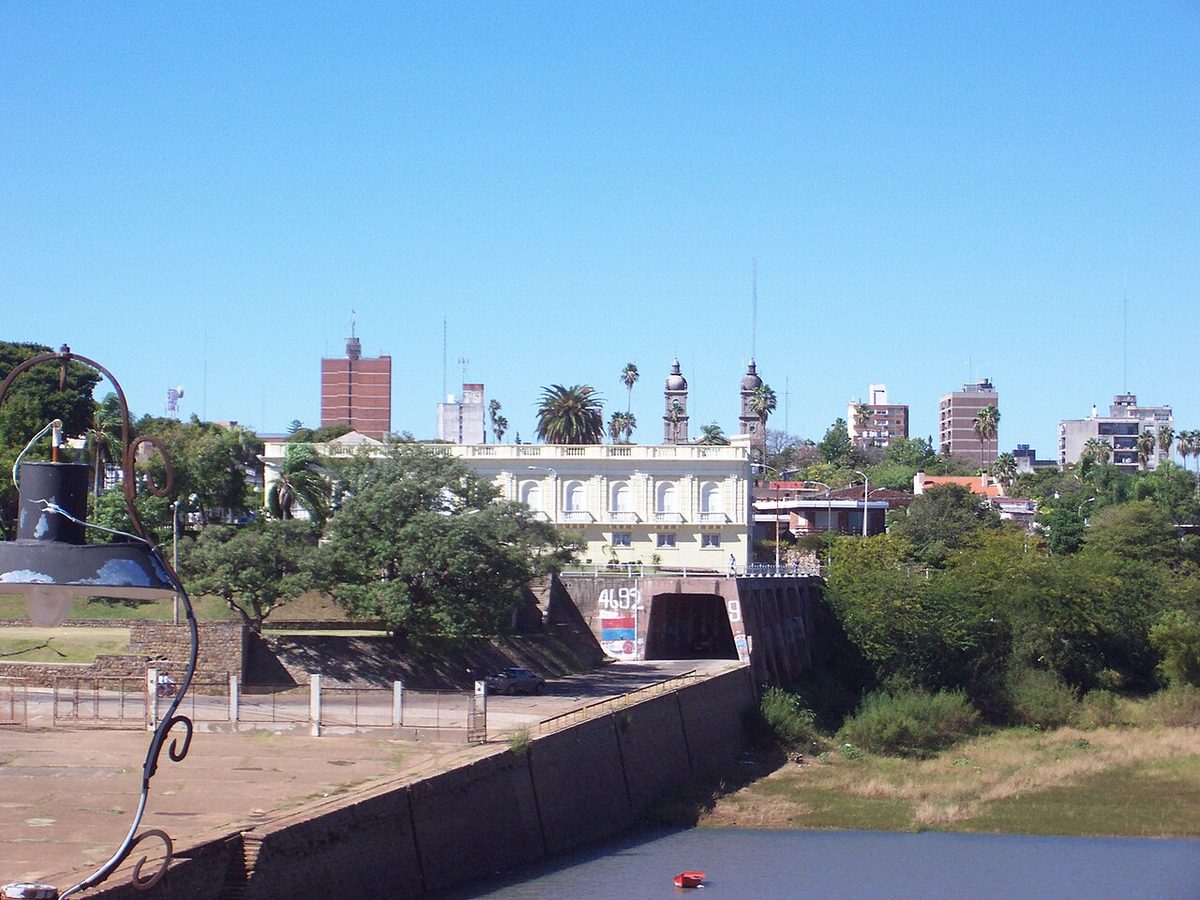
Salto sits on the Río Uruguay directly across from Concordia, Argentina, linked by the Salto Grande dam road crossing. Plenty of Argentine visitors come over for the thermal weekend. If you are routing your whole trip, see how the borders and entry points work in my overview of getting to Uruguay.
Day trip or overnight? My honest take
You can absolutely do Daymán as a day trip from Salto, and many people do. Bus over in the morning, soak, eat an asado, catch Acuamania if it is open and you have kids, bus back. It works.
That said, I think it sells the place short. The best version of Daymán is the night soak and the early-morning soak, both of which require sleeping in the village. Stay one night, ideally midweek, and you get the pools at their quietest twice. You also get the slow village evening, the unhurried asado, the stroll back to your room in a robe. For a relaxation destination, rushing it defeats the purpose. One overnight is my standard recommendation; two if you also want a full Acuamania day or a side trip to the city.
Planning by traveller type
Families
Daymán is arguably the most kid-friendly thermal spot in Uruguay, precisely because of Acuamania. Pair a morning at the slides with afternoons in the gentler thermal pools, base yourself in a bungalow with a kitchenette, and the logistics are easy. Just confirm Acuamania’s season, because in deep winter the water park may be shut.
Couples
Skip the water park and lean into the evening soaks, a massage, an unhurried grill dinner, and a hotel with a private thermal pool so you can soak after the public complex closes. Midweek and shoulder season keep it calm.
Budget travellers
This is where Daymán shines. Municipal entry is a couple of dollars, camping at La Posta is cheap and comes with its own thermal water, and a pancho or a slab of pizza keeps food costs near nothing. To stretch pesos further, read my notes on money and currency in Uruguay and the broader Uruguay travel tips.
Best time to visit
Counter-intuitively, winter is peak season at Daymán, and it makes complete sense once you are there. The colder the air, the more magical that 40-degree water feels, and June through September is when Uruguayans pour in for thermal weekends. The flip side is crowds and the need to book ahead on long weekends and during July school holidays. My deep dive on visiting Uruguay in winter makes the case for a cold-season thermal trip, and the wider best time to visit Uruguay guide puts the seasons in context.
Summer works too, especially on a cloudy day or for the water park, but the hot pools feel less special when it is already 32°C outside, and the crowds are heaviest in January. My sweet spot is a midweek visit in late autumn or early spring: warm water, thin crowds, mild days.
Termas del Dayman: your questions answered
How much does it cost to get into Termas del Dayman?
Entry to the municipal thermal complex is cheap, around UYU 200 for an adult last I checked, with residents paying less, children 6 to 12 around UYU 120, and under-sixes free. Acuamania is a separate, pricier ticket of roughly UYU 910 for adults. You can pay at the gate by cash or card, or buy in advance at an Abitab shop. Always confirm current rates before you go.
How far is Termas del Dayman from Salto?
The springs are about 8 km south of Salto on Ruta 3, which is 15 minutes by car or taxi and around 20 minutes by the local bus. The bus is cheap and drops you at the rotonda right beside the entrance. Driving lets you combine the visit with Salto Grande dam or the city centre easily.
Can I bring my own food, drinks and chairs?
Yes. You may bring food and drink into the municipal complex as long as they travel in a cooler, bag, or backpack, and you can bring reclining chairs too. Pets, however, are not allowed inside the thermal park. There is also a 24-hour ATM at the bus terminal by the SALTO letters if you need cash on arrival.
Do they accept Argentine pesos?
It is safest to carry Uruguayan pesos or US dollars. Most businesses in Daymán take international credit and debit cards, and there is an ATM at the terminal, but Argentine pesos are not reliably accepted. If you are crossing from Concordia, change money or withdraw Uruguayan pesos rather than counting on spending Argentine cash.
Is Acuamania open all year?
No, and this trips people up. Acuamania, the water park, is seasonal and keeps shorter hours of roughly 10:30 to 18:30, closing entirely in the off-season while the thermal pools next door stay open daily into the night. If the slides are your main reason for visiting, confirm Acuamania is operating on your dates before booking anything.
When is the best time to visit Termas del Dayman?
Winter, from June to September, is the most rewarding time, because the contrast between cold air and 40-degree water is the whole point of a thermal soak. It is also the busiest, so book accommodation ahead on long weekends and July holidays. For a quieter trip with still-warm water, target a midweek date in late autumn or early spring.
Final thoughts
Daymán will not win awards for design, and the massages are a coin flip, but it remains my first recommendation for anyone wanting a real Uruguayan thermal experience without logistical hassle. The water is the hottest in the country, the village makes an overnight effortless, and a winter night soak with steam in the air is genuinely special. Come midweek if you can, stay at least one night, eat the asado, and let the pace of the place do its work. For the full lineup of the country’s springs and where Daymán sits among them, start with my complete guide to Uruguay’s hot springs, and to slot Daymán into a bigger trip, see my pick of the best places to visit in Uruguay.
Credits & sources
Sources & further reading
- Intendencia de Salto: official Termas del Daymán information and bus schedules
- Acuamania: official water park site and online tickets
- Bradt Guides: Termas de Daymán overview
Photo credits
All images via Wikimedia Commons: Termas Del Dayman Thermal Pools by Góngora (CC BY 2.5); Dayman Hot Springs Evening Steam by Góngora (CC BY 2.5); Dayman Thermal Pool Graded Temperatures by Fadesga (CC BY-SA 3.0); Dayman Village Salto Uruguay by Fadesga (CC BY-SA 3.0); Dayman Apart Hotel Thermal Pool by Fadesga (CC BY-SA 3.0); Salto Grande Dam Uruguay River by Lenilucho (CC BY 3.0).