Termas de Guaviyú & Almirón: Paysandú’s Quiet Hot Springs (2026)
The first time I drove north out of Paysandú toward the springs, I almost talked myself out of it. The famous Uruguayan termas are at Daymán and Arapey, an hour or two further on, and every guidebook points you there. But a man at a fuel station near Quebracho told me to skip them and go to Termas de Guaviyu instead. “Less money, more shade, fewer Argentines,” he said, only half joking. He was right on all three counts, and Guaviyú has been my quiet favorite ever since.
Termas de Guaviyú and Termas de Almirón are two low-key thermal-spring complexes in Uruguay’s Paysandú department, both cheaper and calmer than the better-known Daymán and Arapey. Guaviyú sits in a big palm-shaded campground about 60 km north of Paysandú; Almirón, near Guichón, has the only salt-water springs in the country. Both suit campers, families and budget travelers.
This guide covers the two Paysandú-department springs in detail: the pools and the campground at Guaviyú, the salt water at Almirón, what camping and cabañas cost, how to drive there, and who each one suits. I have done both more than once, in different seasons. For the famous neighbors I will link out rather than repeat myself, and for the city itself there is a separate Paysandú guide.
“Termas” just means thermal springs or hot springs. A “cabaña” is a cabin or bungalow, usually with its own kitchen; “camping” is exactly what it sounds like, a marked tent-and-vehicle site; a “parrilla” is the wood or charcoal grill that comes attached to almost every Uruguayan campsite and cabin. Keep those four words in your head and the rest of this reads easily.
| Termas de Guaviyú | Termas de Almirón | |
|---|---|---|
| Distance from Paysandú | ~60 km north (about 45–60 min) | ~80 km east (about 1 hr 10 min) |
| Nearest town | Quebracho (~20 km) | Guichón (~7 km, about 9 min) |
| Water type | Fresh, mineral-rich | Salt water (only one in Uruguay) |
| Pool temperatures | Roughly 34–38°C, one pool a touch hotter | Around 32–36°C, cooler overall |
| Pools | Several outdoor plus indoor, hydromassage | 3 outdoor salt + 1 fresh + 2 indoor heated |
| Camping | Large, shaded; around 300 UYU pp/day | Smaller; baths, grills, electricity |
| Cabañas | Municipal + private, with parrillas | Municipal cabins + Hotel Salinas del Almirón |
| Vibe | Family, retiree, slow, palm-shaded | Quieter still, therapeutic, small-village feel |
| Best months | April–September (cool air, hot water) | April–September; weekdays in summer |
Termas de Guaviyú: the pools and the park
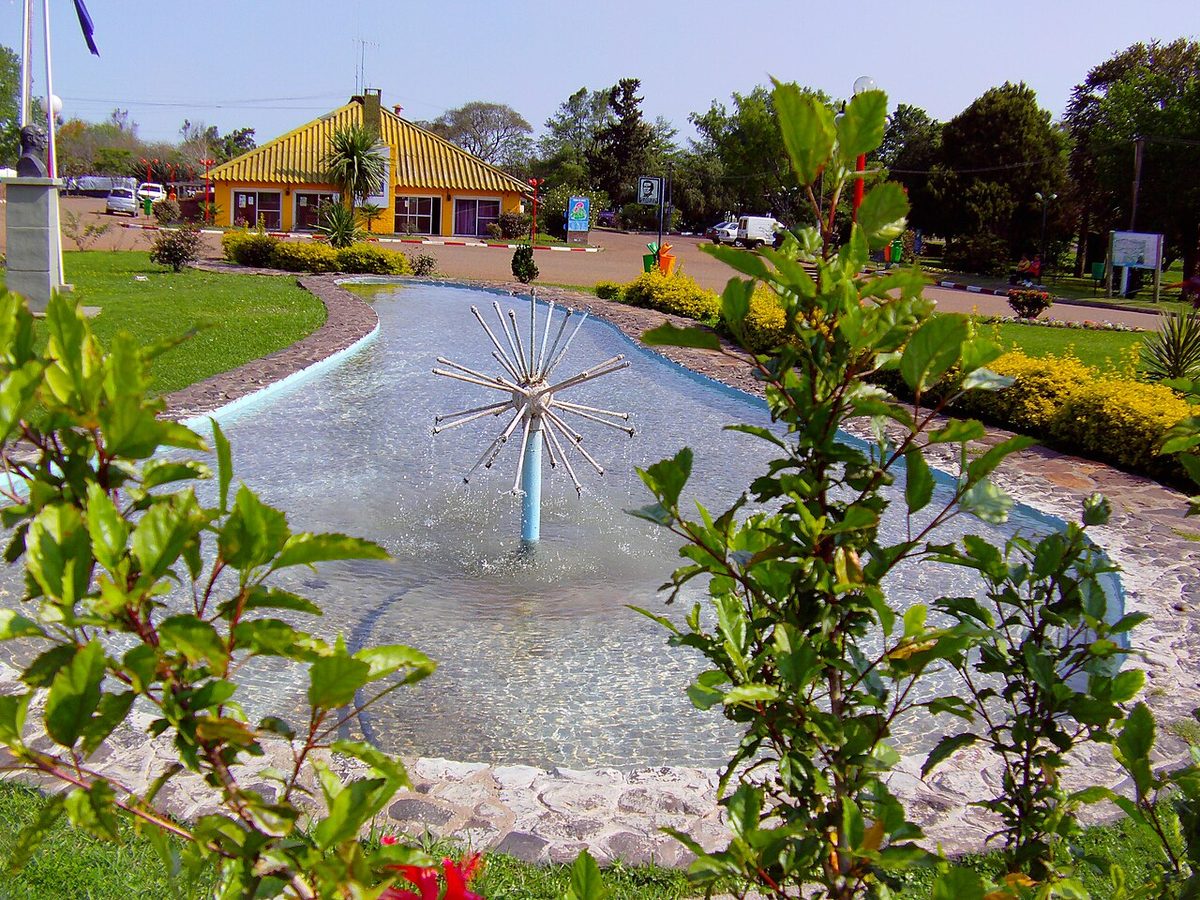
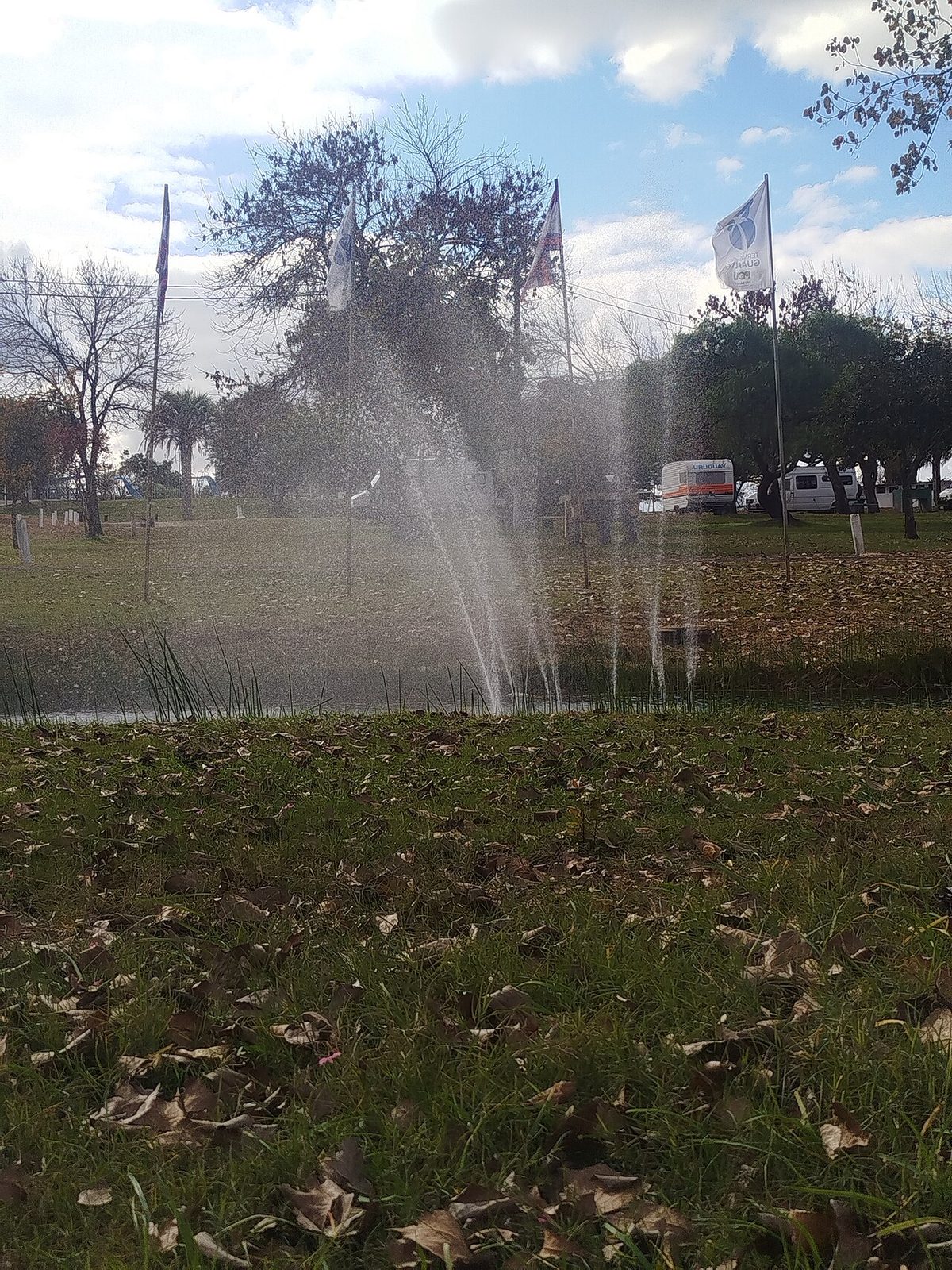
Guaviyú is, before anything else, a park. The thermal complex spreads across more than a hundred hectares of palm trees, mown grass and the slow brown thread of the arroyo Guaviyú, the stream that gives the place its name. You pay a small daily entry fee at the gate, and then the pools are yours for the day. When I first walked in I was struck by how unflashy it all is. No water slides screaming overhead, no resort towers. Just pools, palms and people in no hurry.
The water comes up from the Guaraní aquifer, the same deep reservoir that feeds every spring in this corner of Uruguay, and it arrives mineral-rich and warm. There are several outdoor pools at staggered temperatures, so you can drift from a merely pleasant one into something properly hot. My pick is always the hydromassage pool, where submerged jets work at your shoulders; on a cold morning I have sat in it until my fingers wrinkled. One pool runs hotter than the rest, above 38°C, and on a winter day when the air sits in single digits that contrast is the whole point of coming.
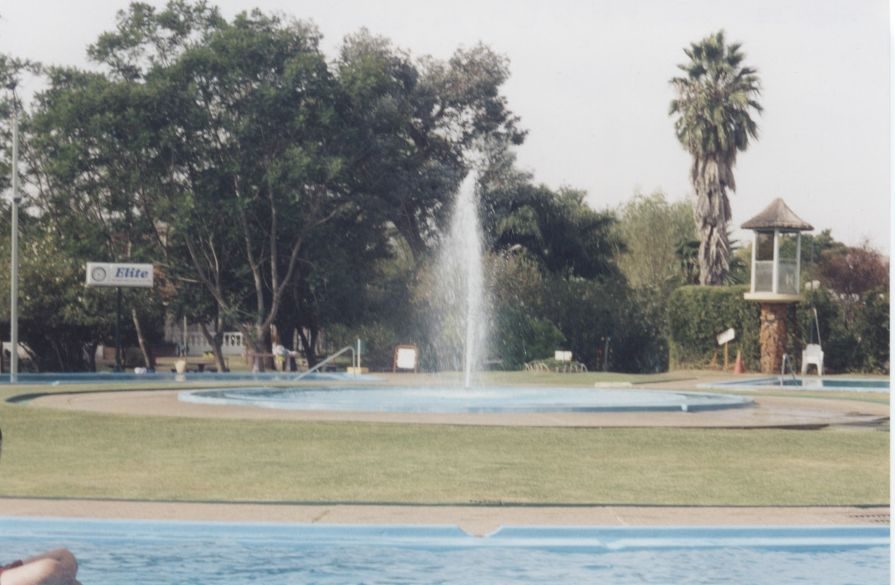
There are indoor pools too, covered and heated, which matters more than you would think. Uruguay’s litoral norte can turn grey and drizzly even in the warm months, and the indoor water means a wet day never cancels the trip. The pools are kept clean. The water is genuinely good. What Guaviyú does not have is polish: some of the changing rooms and tiling have clearly been there a while, and the complex feels its age in places. If you need a spa that looks like a magazine, this is not it. If you want hot mineral water under old trees for the price of a sandwich, it absolutely is.
The campground and who you will meet there
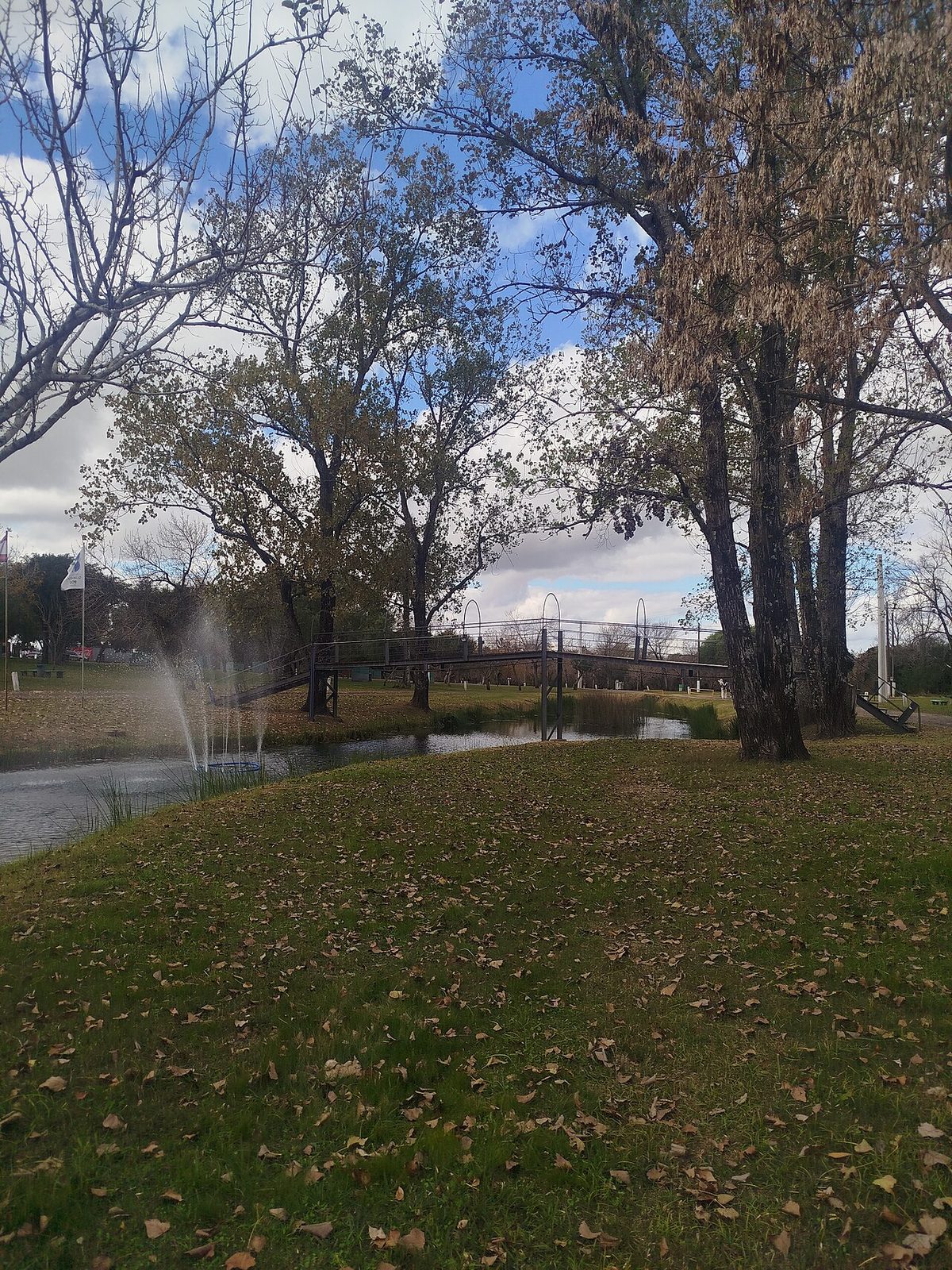
Camping is the soul of Guaviyú. The site is large and properly shaded, threaded with those palms, and it fills up with a particular Uruguayan crowd: families with coolers and folding chairs, retirees who come for a week and barely move, the same couples who have parked in the same spot every winter for a decade. There is a slow social rhythm to it. Someone always has the parrilla going by late afternoon, and the smell of an asado, the long Uruguayan barbecue, drifts across the grass while kids run between the tents.
Pitches come with access to the grills and grassy areas, and the bath blocks, while not new, are kept in order. Rates have hovered around 300 Uruguayan pesos per person per day, climbing toward 450 during the busy weeks of Carnaval and Semana de Turismo (Uruguay’s Easter-week holiday). In hard numbers that is a handful of US dollars a night. I have rarely paid less to sleep so well. If you are weighing up the wider cost of a trip here, my piece on how expensive Uruguay is puts these prices in context, because the springs are one of the genuine bargains in the country.
Cabañas, bungalows and sleeping indoors
Not everyone wants a tent, and Guaviyú knows it. Inside the park the Intendencia de Paysandú, the local government, runs municipal cabañas: simple, affordable cabins with basic kitchens, their own parrillas, and a short walk to the pools. They are the best-value beds on the site and, predictably, the first to go. On a long weekend they book out weeks ahead. There are private cabaña complexes too, places like Cabañas Tacuabe with equipped kitchens and individual grills, and a couple of small hotels and aparts near the entrance for travelers who want a restaurant and a made bed.
One honest planning note. If you arrive without a reservation on a busy date and find everything full, the fallback is to drive 45 minutes back to the city, where you will find more hotels and far more places to eat. I cover those beds in the separate Paysandú city guide, and if everything here is full it is worth weighing the bigger resort beds at Termas del Daymán instead. My own preference, on a clear winter night, is still the tent and the palms.
Termas de Almirón: Uruguay’s only salt-water springs
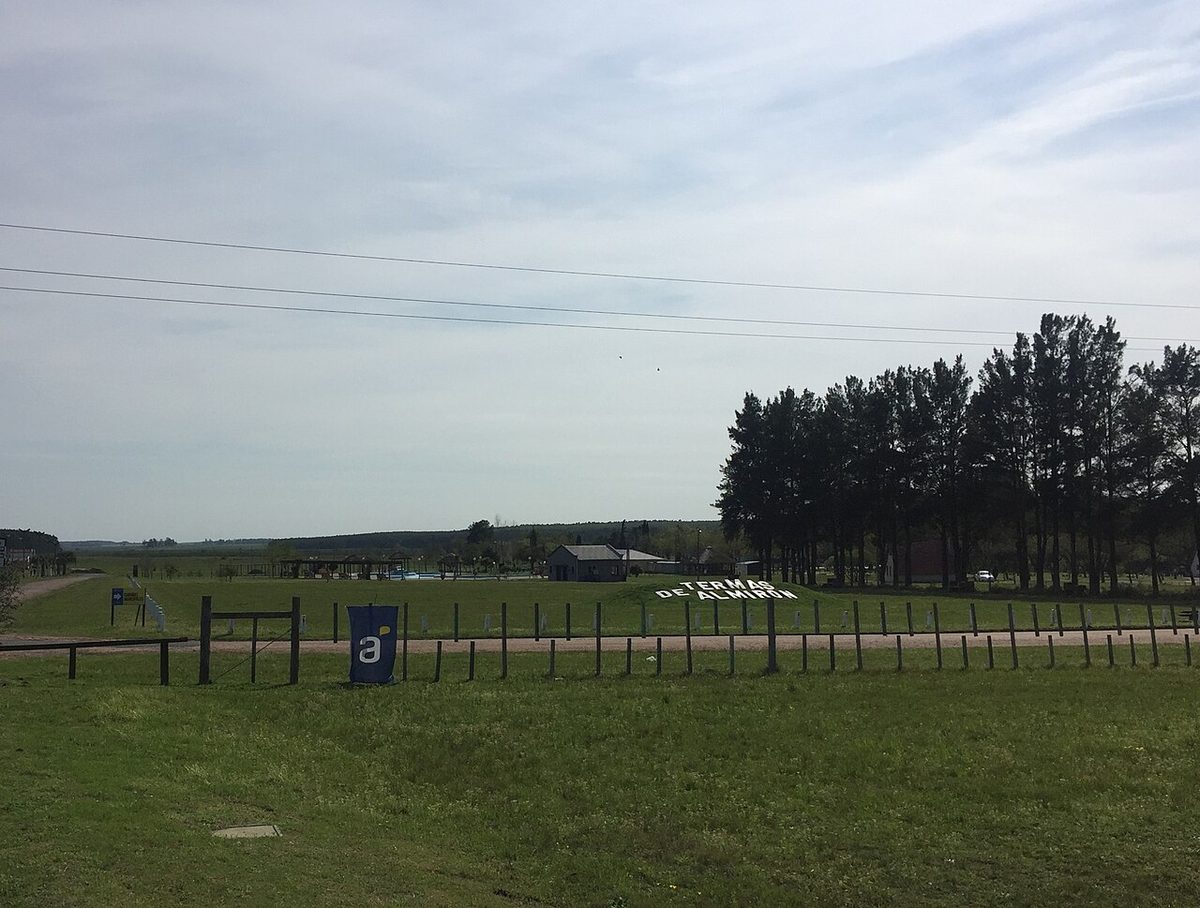
Almirón is the stranger, quieter sibling, and the more unusual of the two by some distance. It sits out east of Paysandú near the small town of Guichón, on the bank of the arroyo Guayabo Chico, which is why older signs and locals sometimes call it Termas de Guayabos. What sets it apart from every other spring in the country is the water itself: Almirón is the only salt-water thermal complex in Uruguay. The story goes that the hot water was found by accident in 1958, when the state oil company was drilling for petroleum and hit warm brine instead; the springs opened to the public in 1974.
That salt makes the experience distinct. The water is loaded with chlorides, calcium and magnesium, and it has a faintly mineral, almost sea-like character that fresh-water springs do not. People come here as much for the body as the head; the salt water has a long local reputation for easing rheumatic and skin complaints, and you will share the pools with a fair few regulars who treat it as medicine rather than a day out. There are three outdoor salt-water pools, a fresh-water pool at ambient temperature for cooling off, and two indoor heated salt pools for the colder months, some with ramps for visitors with limited mobility.
Here is the honest drawback, and it is the same one I would give a friend. Almirón runs cooler than its rivals. The source water tops out around 34°C and the pools generally sit in the low-to-mid 30s, so if you have come straight from the near-scalding water at Termas del Daymán you may find Almirón gentle to the point of tepid on a cold day. I see that as a fair trade. You give up a few degrees and get near-silence in return: no loud music, birdsong over the pools, and a small-village calm that the bigger resorts lost years ago.
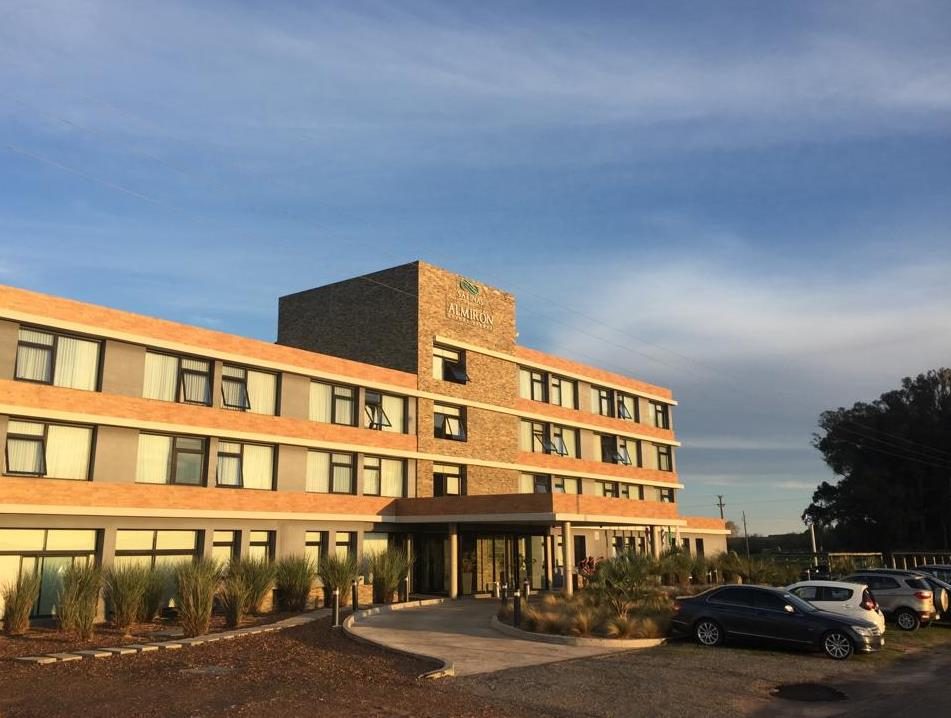
Sleeping at Almirón follows the same pattern as Guaviyú, on a smaller scale. The Intendencia runs municipal cabins, and there is a camping area kitted out with bath blocks, grills and electricity. Since 2016 there has also been a proper hotel on site, the Salinas del Almirón Resort, with a spa, restaurant and its own pools for travelers who want comfort over a tent. A short way off in Guichón you will find cheaper hostels and rental houses if the complex is full. As at Guaviyú, some corners could do with maintenance, and dining options on site are thin, so plan to cook or to stock up in town.
Food, the parrilla and stocking up
Neither of these springs is a place you come to eat out. That is the plain truth, and it shapes how you should pack. Guaviyú has a restaurant or two inside the complex and a hotel dining room, but the on-site food is limited and reviews politely call the gastronomy a weak point. Almirón is thinner still, with a kiosk-style parador and a small shop. What both have, in abundance, is the parrilla.
The Uruguayan way here is to bring your own food and cook it. Buy your meat, your chorizo, your bread and your vegetables in Paysandú or Guichón before you arrive, carry a bag of charcoal, and fire up the grill that comes with your pitch or cabin. An asado at dusk, with the pools cooling behind you and a thermos of mate in hand, the bitter green tea Uruguayans drink at all hours, is the actual experience of these places. Treat the springs as self-catering and you will eat better and spend less. Turn up expecting restaurants and you will be disappointed.
Getting to Guaviyú and Almirón
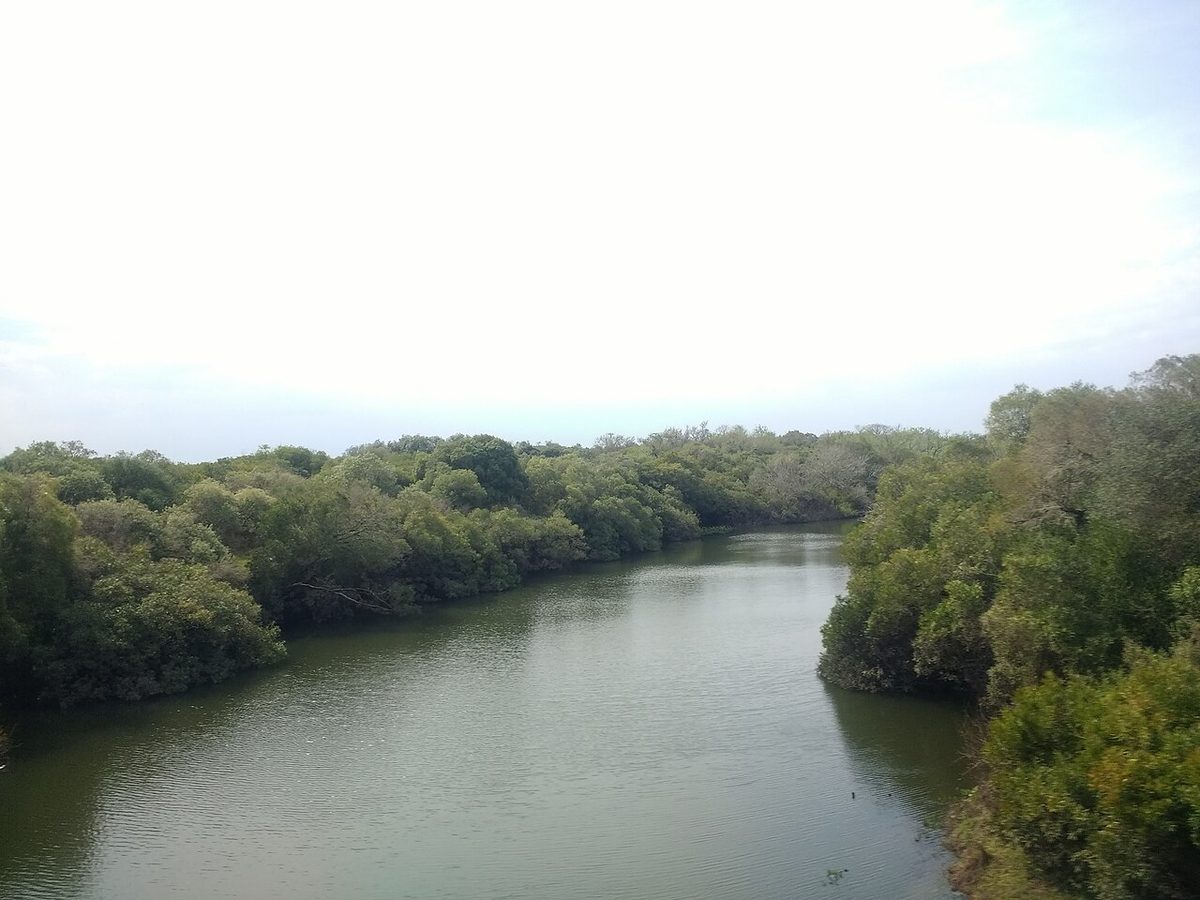
A car changes everything out here. Both springs sit in rural Paysandú department, inland from the riverside city on the Río Uruguay and off the main tourist routes, and while buses exist they are infrequent and leave you a walk or a taxi from the gate. If you can drive, do; my guide to renting a car in Uruguay covers the paperwork, and these springs slot neatly into a wider Uruguay road trip through the north.
For Guaviyú, the complex sits at kilometer 432 of Ruta 3, roughly 60 km north of Paysandú. The road is fully paved and well signed, and the drive takes around 45 minutes to an hour depending on where you start; from Salto it is a similar distance to the northeast. You will not touch ripio, the loose gravel roads common in rural Uruguay, to reach the gate. Almirón is the longer haul: head east from Paysandú on Ruta 90 toward Guichón, about 80 km and an hour and ten minutes, with the springs a final 7 km or so beyond the town. Getting between the two takes a couple of hours by road, since you essentially return toward Paysandú and strike out the other way, so I would not try to do both in a single day.
Coming from further afield, most travelers reach this region overland from Montevideo (Guaviyú is roughly 380–400 km, four to five hours) or across one of the bridges from Argentina. The logistics of arriving in the country sit in my guide to getting to Uruguay, and these northern springs fit best as a leg of a longer northern road trip rather than a destination you fly in for.
What makes Guaviyú and Almirón different (and cheaper)
People always ask me why they should bother with these two when Daymán and Arapey are right there with more pools and more polish. The answer is in the question. Guaviyú and Almirón are the budget, camping, slow-paced end of Uruguay’s thermal scene, and that is precisely their appeal.
Three things set them apart. First, price: entry fees run to a couple of hundred pesos, and a night under canvas is a few dollars, where the flashier resorts charge resort money. Second, the crowd and the pace; these are family-and-retiree places where the loudest sound is a grill spitting fat, not a pool bar. Third, the setting, all palms and grass and stream rather than concrete. Almirón adds its salt water, a genuine oddity you cannot get anywhere else in the country. The trade-offs are real and I will not pretend otherwise: older infrastructure, thin dining, and at Almirón, cooler pools. For me those are a price worth paying. For a fuller comparison of all the country’s springs, the parent guide to Uruguay’s hot springs lays them out side by side, and Termas de Arapey is the one to read if you want the upmarket alternative.
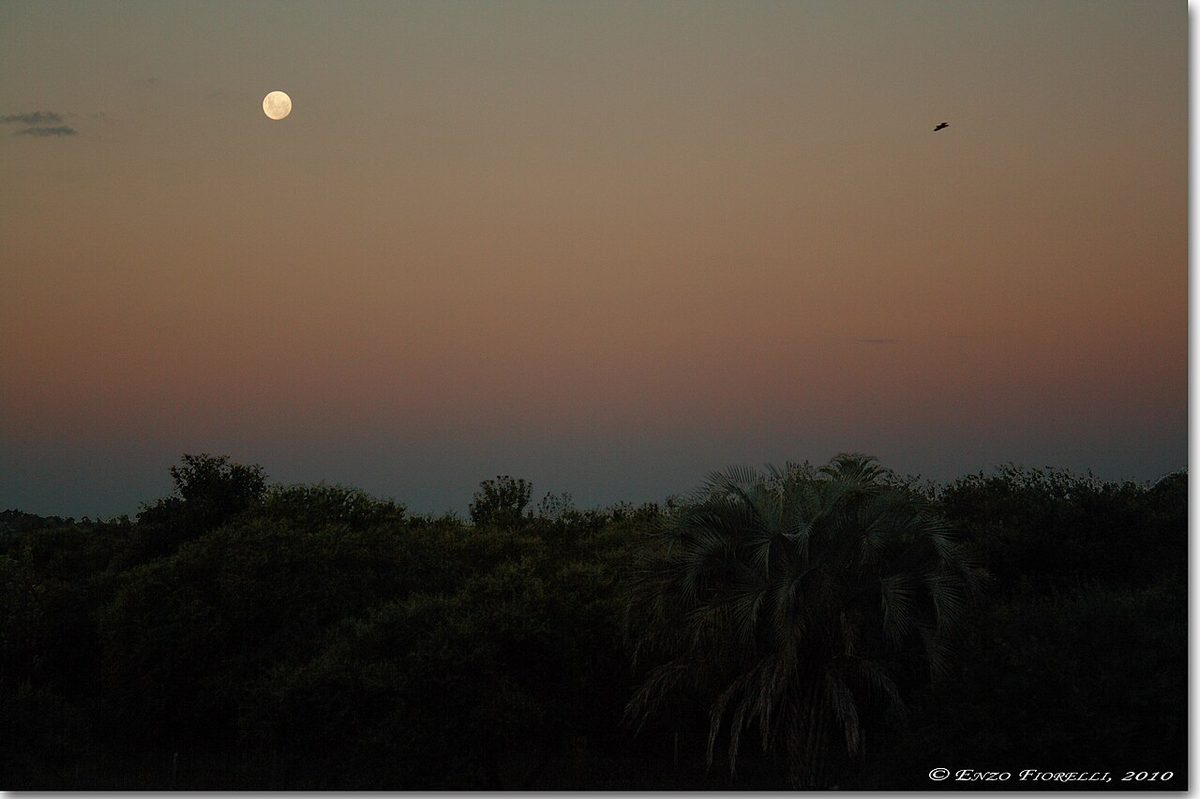
Which spring suits which traveler
After several visits in different company, I have a fairly clear sense of who each place is for.
Families with kids
Both work, but Guaviyú edges it. The shaded park gives children room to run, the range of pool temperatures means there is always somewhere warm-but-not-too-hot for small bodies, and the under-fives go free. Camping makes it cheap enough that a few days does not dent the budget. Almirón is calmer and a little more therapeutic in feel, better suited to families with older or quieter kids.
Campers and overlanders
This is the heart of the audience. Guaviyú’s big, established campground is one of the best thermal camping spots in Uruguay, popular with road-trippers and the overlander crowd driving through. Almirón’s site is smaller but equipped, with grills and electricity. Bring your own everything, settle in for a few nights, and you have the formula these places were built for.
Budget travelers
If you are counting pesos, these are your springs. Entry is cheap, camping is cheaper, and self-catering on the parrilla cuts the biggest remaining cost. You can spend two or three days soaking in mineral water for less than a single night at a coastal resort. The springs are a strong argument that the country rewards travelers willing to go slow and rural, a point I make again in my piece on how expensive Uruguay really is.
Retirees and the wellness-minded
Almirón comes into its own here. The salt water’s reputation for soothing aching joints draws an older, returning crowd who come for a week of quiet soaking, and the slow pace suits that perfectly. Guaviyú’s hydromassage pool earns its keep for the same reasons. Neither is a luxury spa, but both deliver the simple, genuine thing: warm mineral water and time to do nothing.
When to go
My strong advice is to come in the cooler half of the year. From around April to September the air turns crisp and the contrast with the hot water becomes the whole pleasure; sinking into a 38°C pool while your breath fogs is a different and better experience than doing it in summer heat. This is the case for the springs as a winter destination, which I make at length in my guide to Uruguay in winter. Both complexes keep indoor heated pools, so a cold or wet day is never wasted.
Summer is not wrong, just different. December to February brings warm weather and the freshwater pools become a place to cool down rather than warm up, but it also brings the biggest crowds, especially around Carnaval and Semana de Turismo, when prices rise and the campground fills. If you must come in summer, aim for weekdays. For the wider seasonal picture across the country, my breakdown of the best time to visit Uruguay goes month by month, and these northern springs are one of the destinations that genuinely peak in the off-season.
Termas de Guaviyu: your questions answered
How much does it cost to get into Termas de Guaviyú?
Day entry has run around 200 Uruguayan pesos for adults and about 130 for children aged six to twelve, with under-fives free. That is only the gate fee for the pools; camping is charged separately, at roughly 300 pesos per person per day. Prices edge up during Carnaval and Semana de Turismo, so confirm the current rate before you travel.
Can you camp at Termas de Guaviyú?
Yes, and camping is the main draw. The complex has a large, shaded campground among the palms, with grills, grassy pitches and bath blocks. It is popular with Uruguayan families, retirees and overlanders. Rates are low, but the best municipal cabins and pitches book out fast on long weekends and holidays, so reserve ahead if you can.
What is the difference between Guaviyú and Almirón?
Guaviyú is bigger, closer to Paysandú, set in a palm-shaded park with fresh mineral water and slightly hotter pools. Almirón, near Guichón, is smaller and quieter, and has the only salt-water springs in Uruguay, though its pools run cooler. Both are cheap and camping-friendly. Guaviyú suits a family trip; Almirón suits a slow, therapeutic stay.
Are the Paysandú hot springs better than Daymán or Arapey?
Not better, different. Daymán and Arapey have more pools, hotter water and more polish, but they cost more and draw bigger crowds. The Paysandú hot springs at Guaviyú and Almirón trade those for lower prices, shade, camping and calm. If your priority is budget and quiet over facilities, the Paysandú pair wins; if you want resort comforts, look to the bigger two.
How do you get to Termas de Almirón?
Drive east from Paysandú on Ruta 90 toward Guichón, roughly 80 km and about an hour and ten minutes, with the springs a final 7 km past the town. The road is paved. Buses run to Guichón but are infrequent and leave you short of the gate, so a car is by far the easiest way to arrive.
Are the pools open all year?
Yes. Both Guaviyú and Almirón operate year-round and keep indoor heated pools alongside their outdoor ones, so cold or rainy weather does not close them. The springs are arguably at their best in the cool months from April to September, when the warm water contrasts with the crisp air. Summer works too, mainly for the cooler freshwater pools.
Final thoughts
I keep coming back to these two because they deliver something the famous springs have largely traded away: quiet, shade, real value, and the slow social warmth of a Uruguayan campground at dusk. Guaviyú is the easy first choice, a big palm-shaded park 60 km from Paysandú where you can pitch a tent, fire up a parrilla and soak in mineral water for a few dollars a day. Almirón is the curiosity, the country’s only salt-water springs, cooler and calmer, out near Guichón.
Neither is glossy, and I have been honest about that: the infrastructure shows its age, the food is thin, and at Almirón the pools run gentle. Bring your own asado, come in the cool months, and travel with a car, and these become two of the most rewarding low-key stops in the north. Read them alongside the parent guide to Uruguay’s hot springs and slot them into a wider plan, and you will understand why a man at a fuel station near Quebracho sent me here in the first place.
Credits & sources
Sources & further reading
- Guía de las Termas de Guaviyú (regional tourism portal)
- Termas de Almirón — Wikipedia (water chemistry, history)
- Descubrí Paysandú — official departmental tourism site
Photo credits
All images via Wikimedia Commons: Termas De Guaviyu Thermal Pools by BiblioJu (CC BY-SA 4.0); Camping Guaviyu Grounds by BiblioJu (CC BY-SA 4.0); Salinas Del Almiron Hotel by Fadesga (CC BY-SA 4.0); Termas De Almiron Guichon by Fadesga (CC BY-SA 4.0); Arroyo Guaviyu Stream by Mx. Granger (CC0); Atardecer Termas Guaviyu by enzofloyd (CC BY-SA 3.0).