Termas de Arapey: Uruguay’s Remote Thermal Resort (2026)
The last thirty kilometres to Termas de Arapey do something to your sense of scale. Salto is behind you, the radio fades to static, and Route 3 gives way to a narrow road that runs east through cattle country toward the river. There is one filling station, then nothing, then suddenly a cluster of palm trees and pool steam rising over a village of maybe two hundred people. I have driven this road three times now, and each time I have the same thought somewhere around the bridge over the Arapey Grande: nobody ends up here by accident.
That is the whole point of the place.
Termas de Arapey is the most remote of Uruguay’s big thermal resorts (termas means hot springs, and the country has a whole string of them along the Río Uruguay). It sits roughly 80 to 90 kilometres north of Salto, a self-contained spa village built around the country’s oldest thermal source. You come for the pools, the quiet, and a particular faded-grandeur resort feel you will not find at the busier Daymán closer to town. The catch is the isolation, and I will be honest about that throughout.
This guide covers Arapey specifically: the thermal pools, the three resort hotels and the camping, the village atmosphere, the river it sits on, how to actually get there, and how it stacks up against its livelier sibling down the road. For the wider picture, I lean on the parent guide to Uruguay’s hot springs a few times, because Arapey makes the most sense as one option among several.
| The basics | What to expect at Arapey |
|---|---|
| Distance from Salto | About 80–90 km north; roughly 1 hour to 1 hr 15 by car |
| Distance from Montevideo | Around 580 km via Route 3 (a 6–7 hour drive) |
| Pool temperatures | Roughly 32–40°C depending on the pool and season; source averages ~39°C |
| Where to stay | Three thermal hotels (Altos del Arapey, Arapey Thermal Resort, Arapey Oasis) plus a large municipal campground and cabañas |
| Rough cost | All-inclusive resorts from around US$180–350/night last I checked; camping a few dollars a night; municipal pool entry modest |
| Best months | April–October (cooler air makes the hot water shine); Easter and July are busiest |
| How to get there | Drive (easiest), bus to Salto then a connection, or a transfer arranged by your hotel |
The pools: warm, mineral-rich, and gloriously unhurried
Water is why anyone built a village out here in the first place. The story goes that in 1941 a state geological team was drilling near the Arapey Grande looking for oil. They never found oil. What came up instead was a column of hot mineral water from the Guaraní Aquifer, the vast underground reservoir that feeds thermal springs across Uruguay, Argentina, Brazil and Paraguay. That accidental well turned into the oldest thermal establishment in the country, and the place simply grew around it.
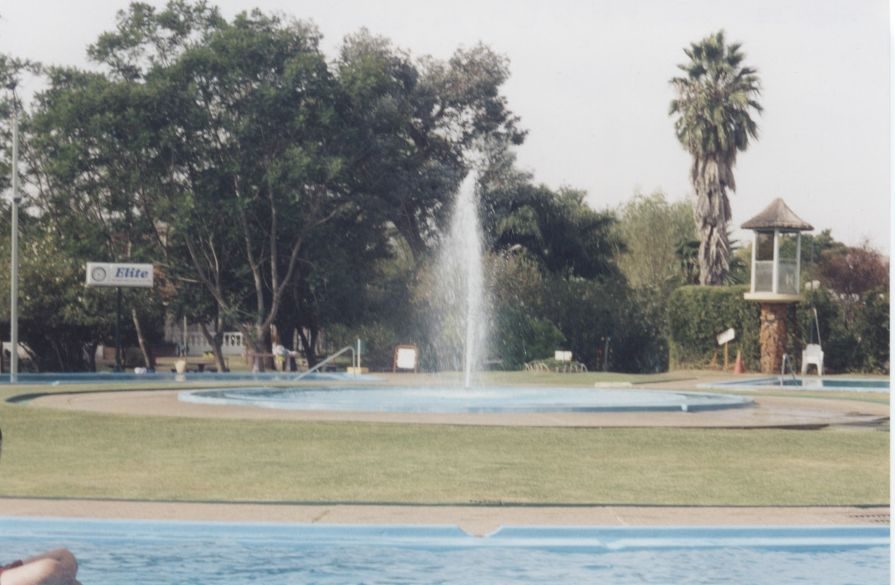
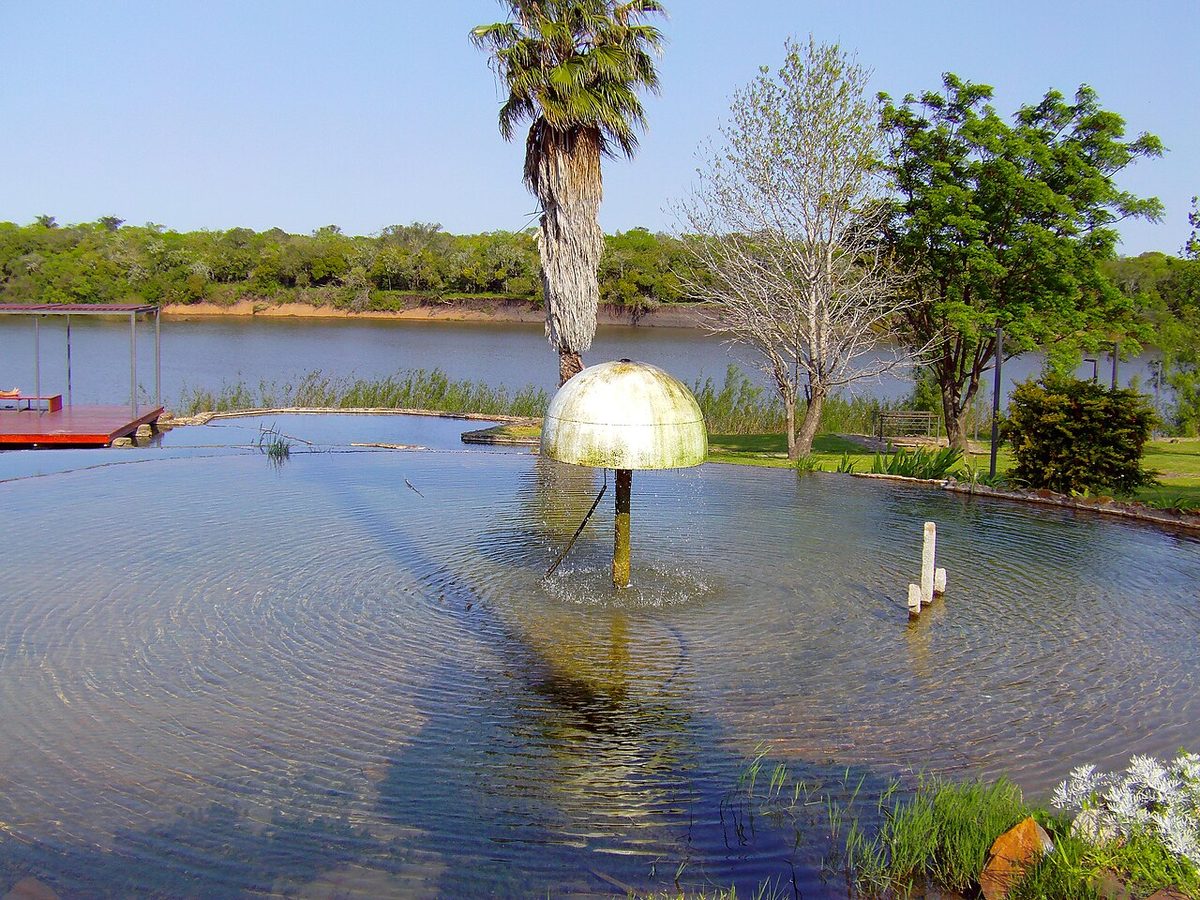
The municipal complex is the heart of it. You will find a spread of pools here — some fully outdoor, some roofed for cold or wet days, and at least one semi-covered pool that gives you warm water and open sky at once. Temperatures generally sit somewhere in the low-to-high 30s Celsius, with the source water averaging close to 39°C. That is comfortably hot without being the scalding 46°C you can hit at Daymán. I actually prefer Arapey’s range; you can stay in for an hour without feeling cooked, which matters when the whole activity is lying in water doing nothing.
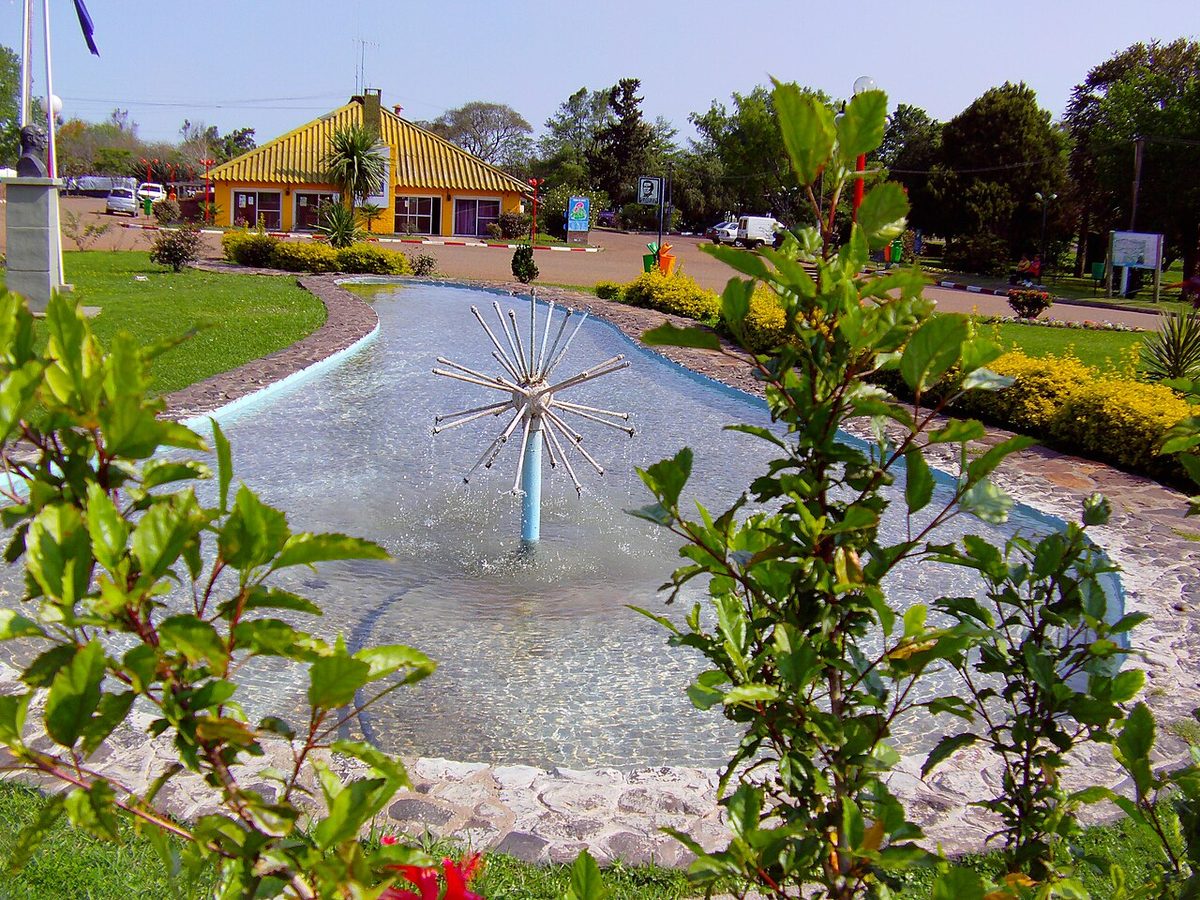
Around the pools the grounds open out into lawns, gardens and shade. The full municipal estate runs to a few hundred hectares, which is part of why the place never feels packed even when the car park is full. There is a children’s zone with slides, a solarium, sports areas, a small cinema, and even a little historical museum if the weather turns and you need somewhere dry to wander. None of it is glossy. All of it works.
One honest drawback: maintenance at Arapey is uneven, and it shows. On a good visit the pools are spotless and the gardens are trimmed. On a less good one you will spot peeling paint, a pool drained for repairs, or tiling that has seen better decades. It is part of the texture of the place rather than a dealbreaker, but if you need everything pristine, adjust your expectations before you arrive.
When the water is at its best
Thermal pools are a cold-season pleasure, full stop. The contrast of crisp air against hot water is the entire magic, and it mostly disappears in a humid 33°C January afternoon. I would put April through October at the top of the list, and I am not alone — this is exactly when Uruguayans pour north for a thermal weekend. If you want the broader case for the off-season, I made it at length in my piece on visiting Uruguay in winter, and the short version is that the termas are the single best reason to come when it is cold.
Timing around the calendar matters too. Easter (Semana Santa, called Semana de Turismo locally) and the July school holidays are the genuine peaks, when the resorts fill and the campground hits capacity. For a quieter soak, aim for a midweek stretch in May, June, September or October. My general notes on seasons live in the best time to visit Uruguay guide if you are still deciding when to come at all.
Termas Arapey hotels: where to actually sleep
Here is where Arapey separates itself from the rest of Uruguay’s hot springs. At most of them you visit the pools and stay in town. At Arapey there is barely a town to stay in — just 184 permanent residents — so the lodging is the resort, on site, often all-inclusive, and you essentially move into the spa for a few days. There are three main thermal hotels plus a serious campground, and they sort cleanly by budget and mood.
Altos del Arapey — the upscale one
Altos del Arapey Club de Golf & Hotel Termal is the genuinely five-star option, and the one I would point a couple toward if budget allows. It has its own private thermal well (so the water supply does not depend on the municipal source), a clutch of outdoor pools plus a large indoor-outdoor pool, a swim-up bar, a spa, and an 18-hole golf course wrapped around the property — a rare thing in this part of Uruguay. The all-inclusive runs Caribbean-style: buffets, live cooking stations, drinks at any hour, themed evenings. Rates last I checked started somewhere around US$220 a night and climbed from there depending on season and board.
The drawback is simply that it is a manicured resort bubble. You could spend three days here and never feel the rough, remote, slightly-faded character that is half of Arapey’s charm. If you want the cocoon, that is a feature. If you want the place, you might want to wander out.
Arapey Thermal Resort & Spa — the faded grande dame
Arapey Thermal Resort & Spa is the big, older all-inclusive — around 200 rooms, six interconnected thermal pools, an indoor-outdoor pool, spa, gym, restaurants and a games room. When it is on form, it is a likeable, slightly retro family resort with warm staff and genuinely good food. When it is not, it is the place a memorable TripAdvisor reviewer compared to “a Carnival cruise ship run aground” — peeling paint, pools drained or neglected, sports courts gone to seed. Both versions are real, sometimes in the same week.
I still have a soft spot for it. The bones are good, the all-inclusive is decent value when occupancy is high, and there is something honest about a grand resort that has stopped pretending to be brand new. My one firm piece of advice: read very recent reviews before you book, because the condition genuinely fluctuates, and confirm what is open. The drawback is right there in the previous sentence — you are gambling a little on which Arapey Thermal you get.
Arapey Oasis Termal — the mid-range pick
Arapey Oasis Termal is the smaller, more relaxed choice — around 40 bungalows set in gardens, with one indoor and one outdoor thermal pool, a spa, sauna, jacuzzi and an à-la-carte restaurant. It is not all-inclusive, but the breakfast is good and the price-to-quality ratio is the best of the three. The bungalows are comfortable and have a frigobar and a table, though no kitchen, so do not plan on cooking. For travellers who want their own quiet bungalow rather than a 200-room resort machine, this is the sweet spot.
Camping and cabañas — the cheap, social option
Then there is the municipal campground, which is an institution. It is large (capacity runs into the thousands), genuinely cheap, and surprisingly well-equipped: electricity, hot water and a parrillero (a built-in barbecue grill) on each plot. Families come back to the same patch of grass year after year. In high season there can be a minimum-stay requirement of around a week, so it suits a proper holiday more than an overnight. There are also simpler cabañas (cabins) and moteles dotted around the village for people who want a roof and a bed without resort prices. If you are weighing accommodation styles across the country, my broader where to stay in Uruguay guide puts these options in context.
The village: small, sleepy, and the point
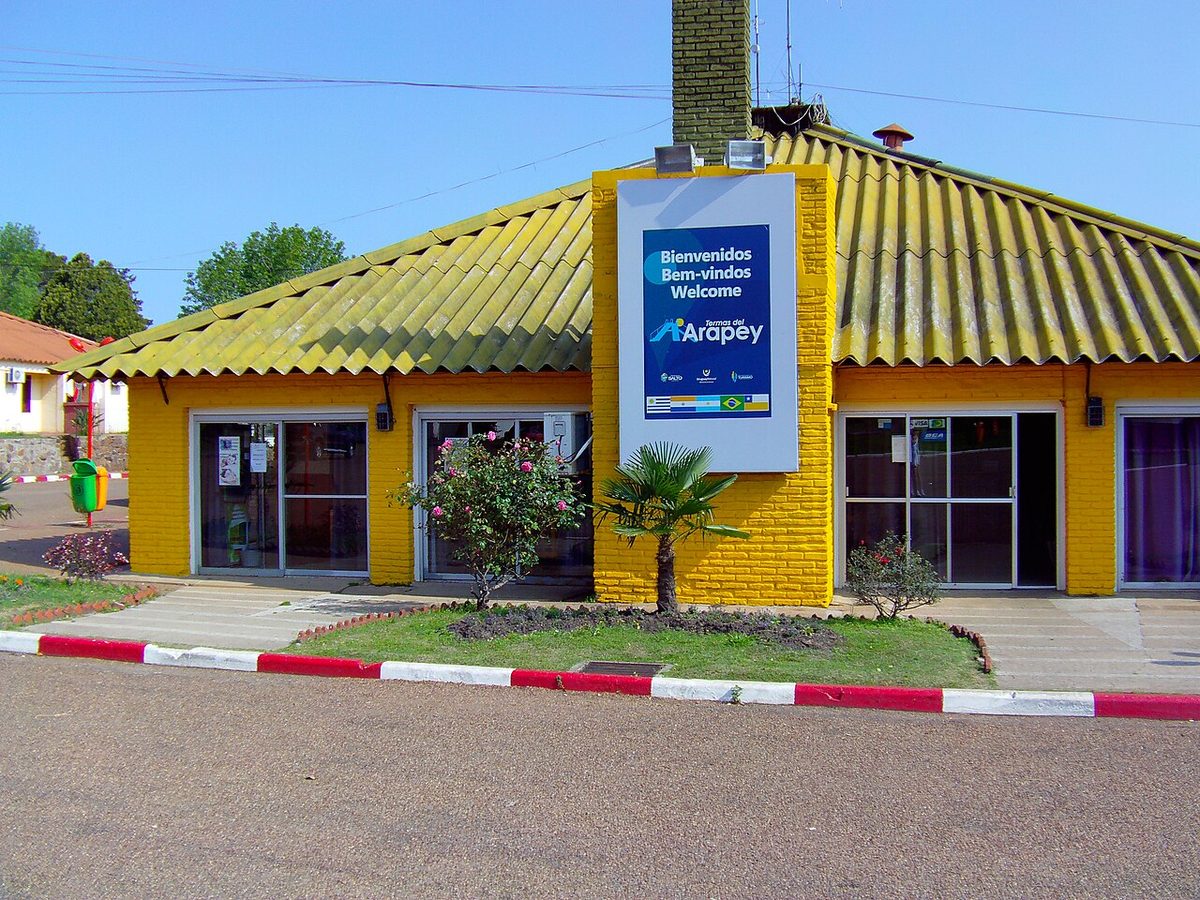
Calling Arapey a village slightly oversells it. With under two hundred permanent residents, it is really a thermal complex that a handful of people happen to live in year-round, swelling to thousands when the holidaymakers arrive. There is no real high street, no nightlife to speak of, and the commercial bits amount to a few shops, a couple of places to eat, and the resorts’ own facilities.
I find that emptiness restful rather than dull, but it is not for everyone. Evenings here are about a slow asado (a barbecue, the national obsession), a walk under more stars than you ever see near a city, and a soak before bed. Days are about the water. If your idea of a good trip involves bars, museums or things to tick off a list, you will be bored within a day, and you would honestly be happier somewhere else. Arapey rewards people who actively want to do very little.
The flip side of remoteness is calm. Because Arapey is hard to reach, it filters out the casual day-tripper crowd that floods Daymán on a sunny afternoon. Even in a busy week the place breathes. That trade — less convenience, more peace — is the central bargain of the whole destination, and it is worth being honest with yourself about which side you fall on before you commit to the drive.
The Arapey Grande river: the resort’s other water
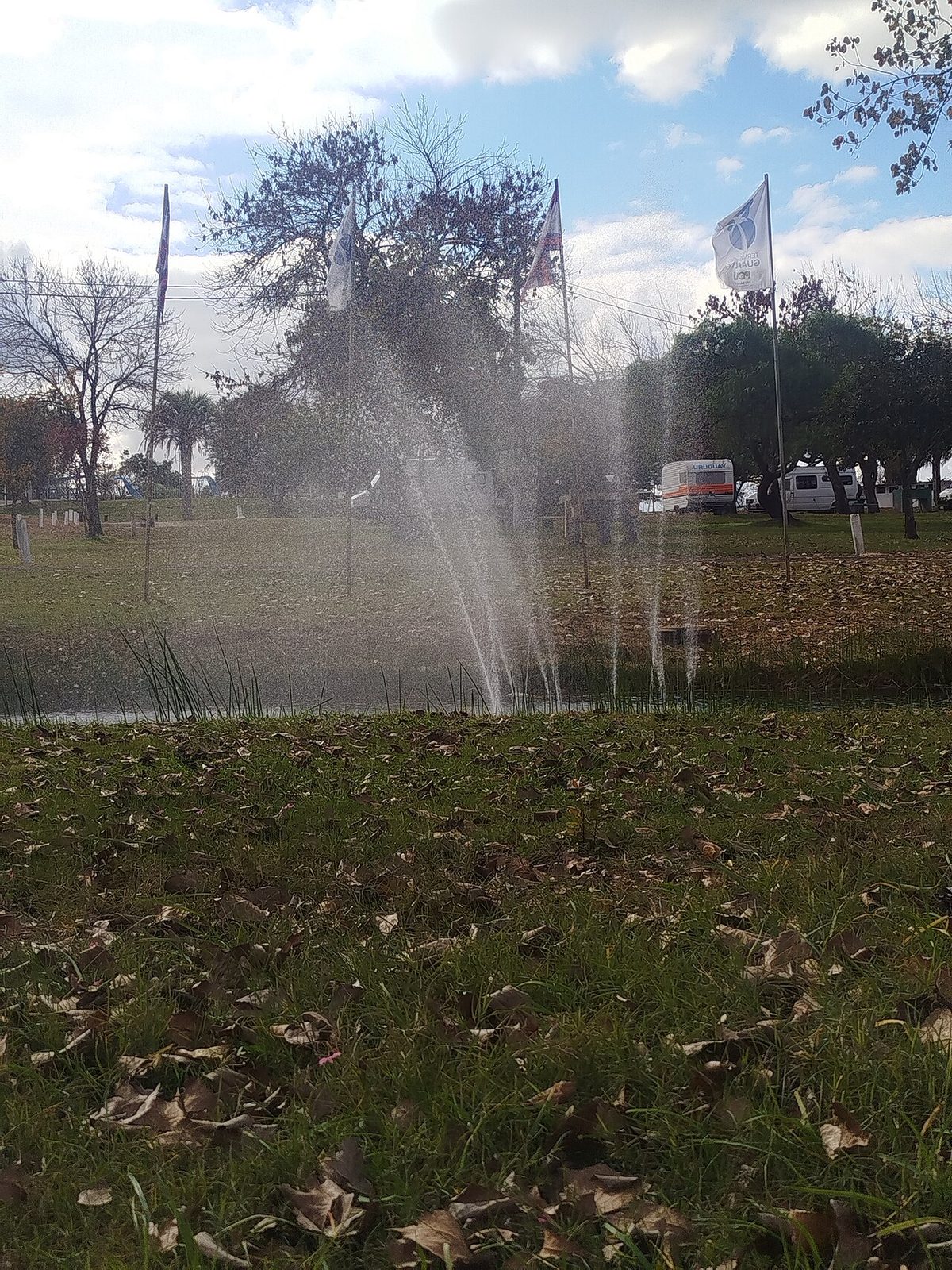
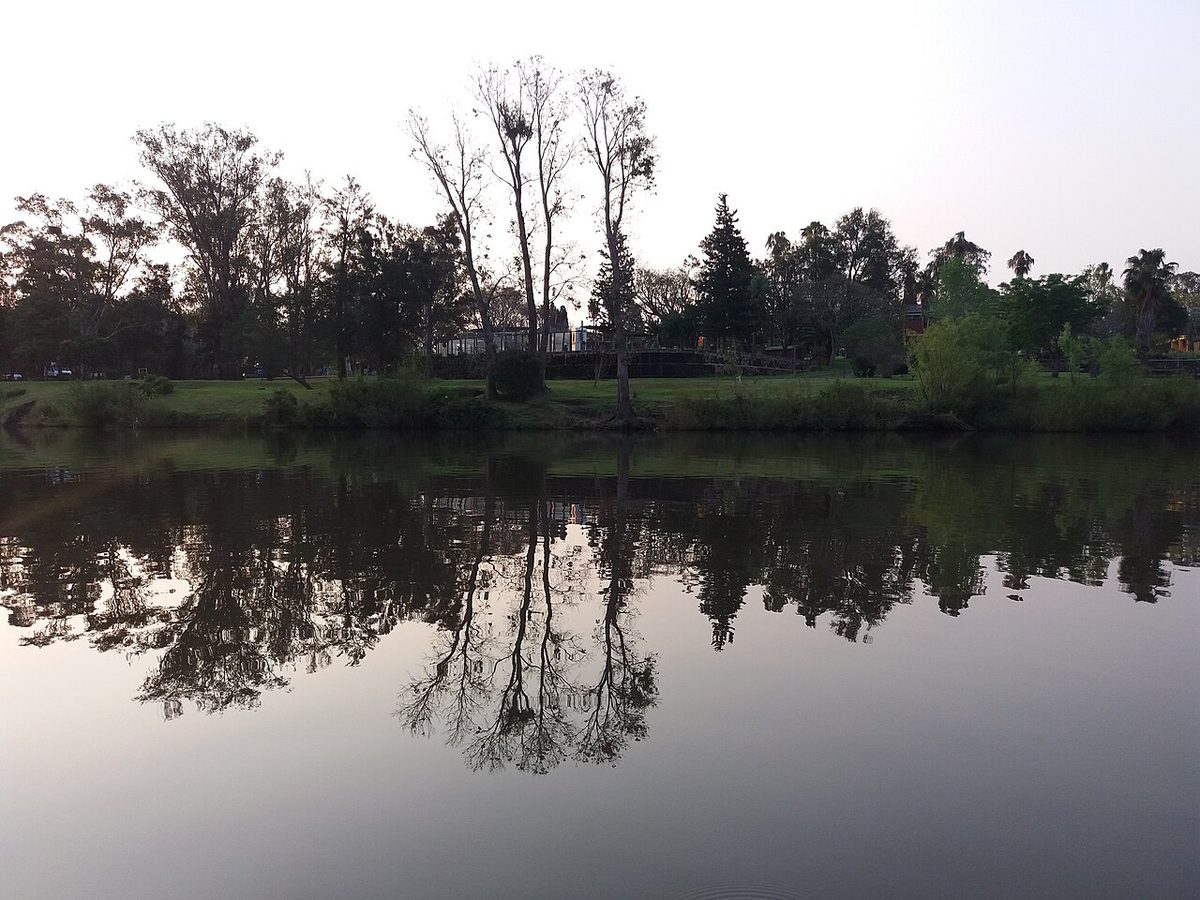
People come for the hot pools and forget that Arapey sits on a genuinely lovely river. The Arapey Grande (Río Arapey Grande on maps) is a tributary of the Río Uruguay, and the resort village is strung along its banks right after the access road crosses the bridge. The water is calm, tree-lined and the colour of weak tea, and it gives the whole place a softer, greener feel than a complex of concrete pools would on its own.
It is worth a wander even if you never get in. There are stretches for a cautious swim in warm weather, spots where locals drop a line for fishing, and shaded riverbank where a flask of mate (the bitter herbal tea Uruguayans drink constantly from a shared gourd) and a folding chair count as a full afternoon’s entertainment. The contrast is the nice part: hot mineral pools on one side, a cool slow river on the other, palm trees over both.
One caution worth stating: this is unmanaged natural water, not a lifeguarded pool. Currents and depth vary, conditions change with rainfall, and there is nobody watching. Treat the river with the respect you would give any wild stretch of water, keep an eye on children, and do not assume it is safe to swim just because it looks placid.
Eating at Arapey: asado, buffet, and not much else
Food at Arapey divides neatly. If you are at one of the all-inclusive resorts, you eat at the buffet — and at their best these are genuinely good, with grilled meats, fresh bread, local wine and a dessert table that families take very seriously. The quality varies with the hotel and the season, but nobody goes hungry, and the all-inclusive model means you rarely leave the property for a meal.
Outside the resorts, options thin out fast. There are a few parrillas (grill restaurants) and casual spots in and around the village, where the move is the obvious one: a plate of asado, a simple salad, a glass of tannat, done. Self-caterers should stock up in Salto before driving out, because the village shops are limited and pricier than a city supermarket. If you are camping, the parrillero on your plot is half the fun — buy good beef in town and cook it yourself like everyone around you will be doing.
Do not come to Arapey for a dining scene. The honest truth is the food is a supporting act to the water, and the best meals here are the simplest. That suits the place. It would feel wrong to eat anything fussy in a swimsuit at the edge of a thermal pool anyway.
Getting to Arapey: the part people underestimate
Arapey is the hardest of the big termas to reach, and pretending otherwise does nobody any favours. From Salto you head north on Route 3, then turn east onto the side road that runs the final 20-odd kilometres to the village, crossing the bridge over the Arapey Grande near the end. The whole trip is roughly 80 to 90 kilometres and takes around an hour to an hour and fifteen, depending on the state of that access road.
About that road. The connection in from Route 3 has a reputation for being rough, and at times it has been partly ripio (loose gravel) or simply poorly maintained tarmac with potholes. It is perfectly drivable in a normal car — you do not need a 4×4 — but take it slowly, especially after rain, and do not expect a smooth motorway run for the last stretch. Check current conditions if you can, because road quality here genuinely comes and goes.
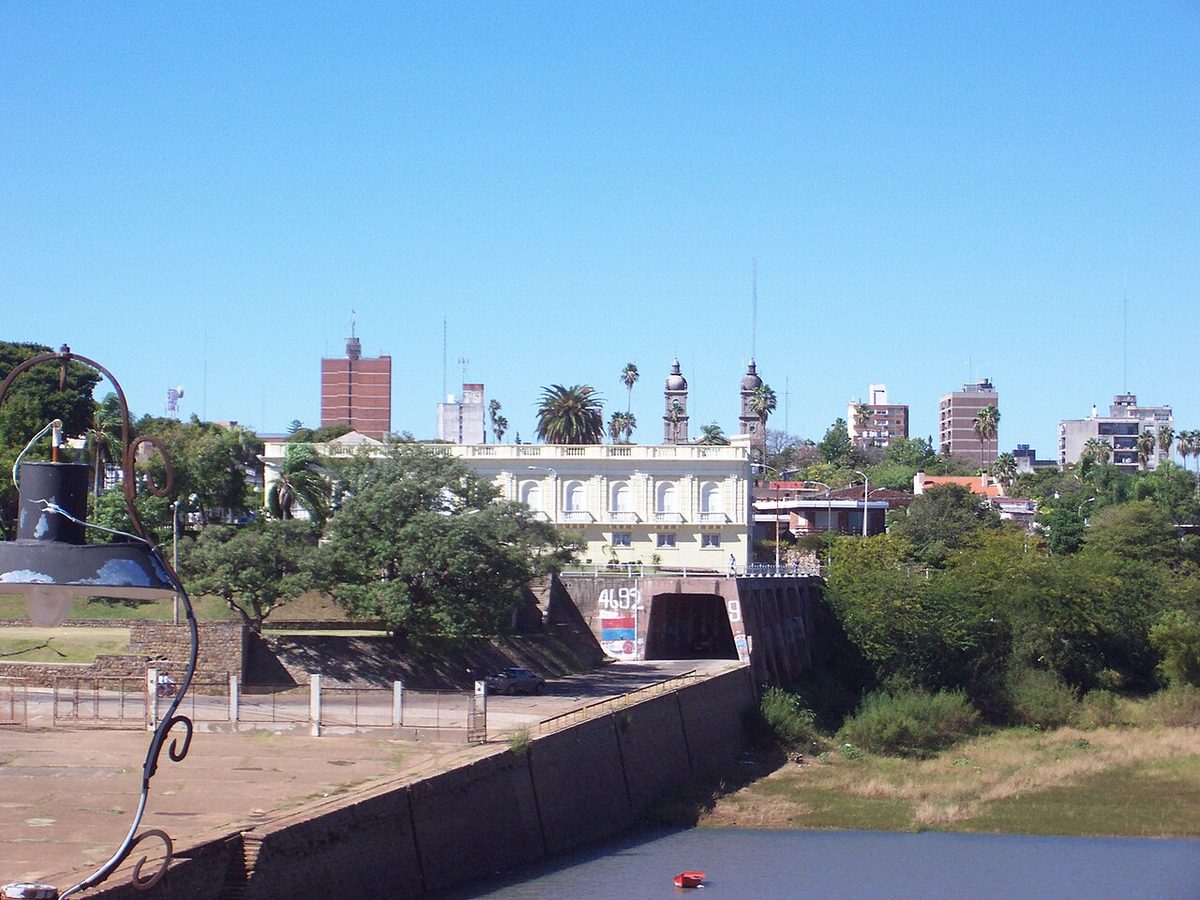
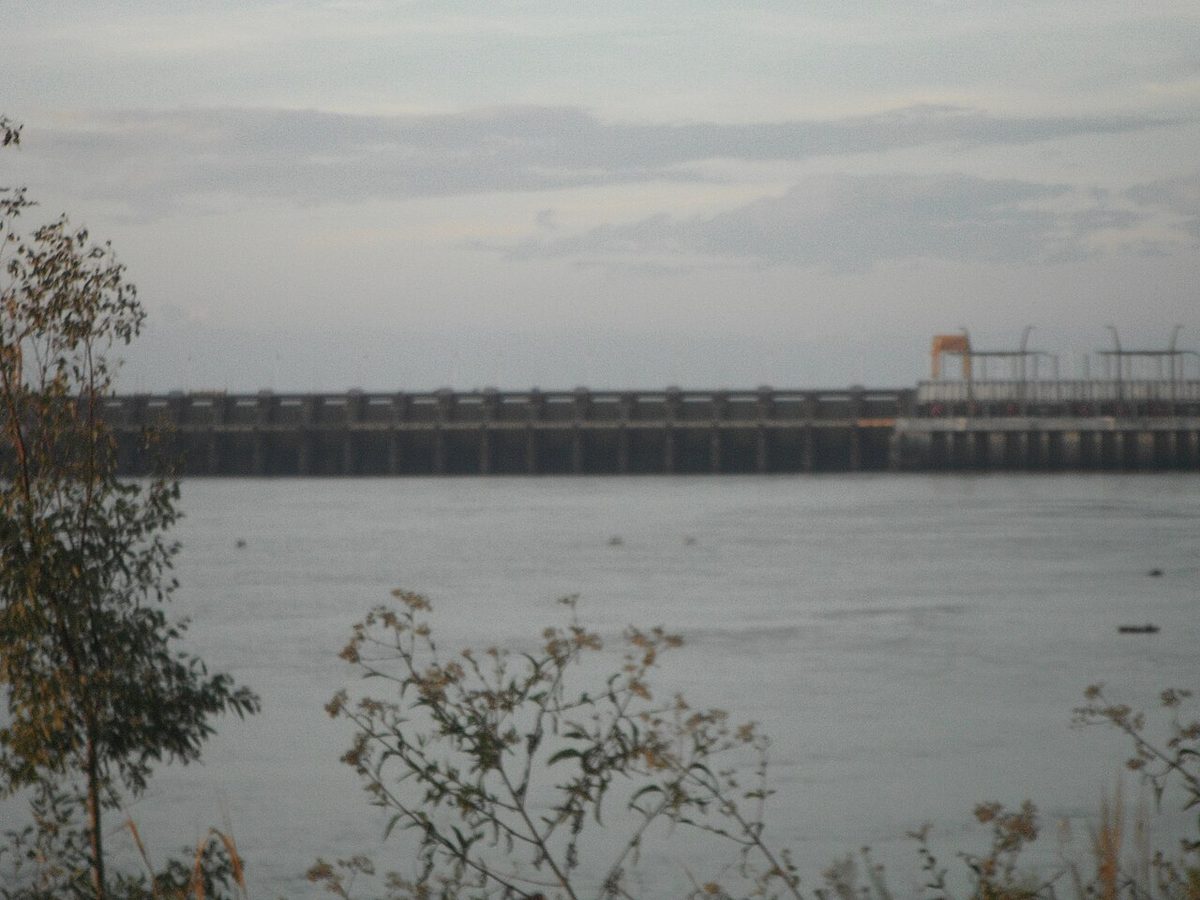
Driving yourself is far and away the best way to do Arapey, and a road trip up the thermal coast is one of my favourite ways to see this side of the country — I sketch a route in the Uruguay road trip guide. If you do not have wheels yet, my notes on renting a car in Uruguay cover the practicalities. Without a car, your options are a long-distance bus to Salto followed by a local connection or taxi, or — simplest of all — asking your hotel to arrange a transfer, which the bigger resorts will happily do. For getting into the country in the first place, the getting to Uruguay guide has the airport and border details; many visitors here actually cross from Argentina at the Salto Grande dam.
Arapey vs Daymán: the only comparison that matters
Almost everyone planning a thermal trip to this corner of Uruguay is really choosing between two places: Arapey and Daymán. They are both in the Salto department, both fed by the same aquifer, and they could hardly be more different in feel. I have stayed at both, and the decision comes down to a few honest trade-offs.
Daymán is the easy, popular one. It sits just a few kilometres south of Salto, so you can be soaking within ten or fifteen minutes of the city. It has the country’s hottest water (up to around 46°C), a dense cluster of pools, a water park for kids, and dozens of hotels, cabañas and restaurants right outside the gates. It is livelier, cheaper to reach, and far more convenient — and correspondingly busier and more commercial. I cover it properly in the Termas del Daymán guide.
Arapey is the opposite bargain. It is an hour-plus farther out, quieter, greener, more of a self-contained resort village than a thermal suburb, and built around on-site hotels rather than a strip of independent ones. You trade convenience and a bit of nightlife for calm, space and that faded-grand resort atmosphere. Choose Daymán if you want easy, hot and social; choose Arapey if you want remote, restful and resort-style. Neither is better in the abstract — they answer different questions. If you genuinely cannot decide, the parent Uruguay hot springs guide lines all of them up side by side, including the quieter Guaviyú farther south.
Who Arapey is really for
Because Arapey asks more of you to get there, it pays to know in advance if you are the right traveller for it. A few honest profiles, based on who I have watched enjoy the place and who I have watched count the hours.
Couples and retirees: the natural fit
This is Arapey’s core audience, and the place is built for them. A couple after a few slow days — long soaks, a spa treatment, an unhurried asado, an early night under the stars — will find Arapey close to ideal, especially at Altos del Arapey or Arapey Oasis. Retirees love the calm and the gentle, therapeutic warmth of the water for stiff joints. If you are planning a broader trip around this kind of pace, Arapey slots neatly into the slower legs of a Uruguay itinerary.
Families: works, with the right base
Families do well here too, just with realistic expectations. The all-inclusive resorts have kids’ pools, slides, games rooms and recreation staff, and the municipal complex has a children’s zone, so younger kids are entertained. The campground is a classic Uruguayan family holiday — cheap, social, barbecue every night. The honest caveat is teenagers: with no nightlife and no town, older kids can get restless, and for them the water park energy of Daymán or Salto Grande may land better. For little ones, though, Arapey is lovely.
Budget travellers: yes, via the campground
You do not need resort money to enjoy Arapey. The municipal campground and the cheaper cabañas make it genuinely accessible, and the municipal pools cost very little to enter. The real expense is getting out here and the minimum-stay rules in peak weeks, so budget travellers should come with their own transport, their own food bought in Salto, and a few days to spare so the journey is worth it. On the general question of costs, my is Uruguay expensive guide sets expectations, and the broader Uruguay travel tips piece covers the money-saving basics. Arapey can be a splurge or a bargain — that part is up to you.
Termas de Arapey: your questions answered
Where exactly is Termas de Arapey?
Termas de Arapey is a small thermal resort village in the Salto department of north-western Uruguay, on the banks of the Arapey Grande river. It lies roughly 80 to 90 kilometres north of the city of Salto and about 580 kilometres from Montevideo, reached by turning east off Route 3 for the final stretch.
How far is Arapey from Salto, and how do I get there?
It is around 80 to 90 kilometres, or roughly an hour to an hour and fifteen by car. The simplest way is to drive north on Route 3 from Salto, then turn east onto the access road for the last 20-odd kilometres. Without a car, take a bus to Salto and arrange a hotel transfer or local taxi for the final leg.
Is Arapey better than Daymán?
Neither is better outright; they suit different trips. Daymán is closer to Salto, hotter, livelier and far more convenient. Arapey is more remote, quieter, greener and built around on-site resorts. Pick Daymán for an easy, social soak near the city, and Arapey for a restful resort village where the main activity is doing very little.
How hot is the water at Arapey?
The pools generally sit somewhere in the low-to-high 30s Celsius, with the underground source averaging close to 39°C. Different pools are kept at different temperatures, and some are cooled in summer. It is pleasantly hot rather than scalding — gentler than Daymán, where the water can reach around 46°C, which many people find more comfortable for a long soak.
Can you visit Arapey just for the day?
You can, but it rarely makes sense. The municipal pools are open to day visitors for a modest entry fee, yet the long drive from Salto and back eats most of a day for a couple of hours in the water. Arapey rewards an overnight stay or longer, when you can settle into the pace. For a quick thermal day trip, Daymán is the obvious choice.
Is Termas de Arapey open all year?
Yes. The thermal complex and the resorts operate year-round, with heated pools that work in any season. That said, the experience is at its best in the cooler months from about April to October, when the contrast between chilly air and hot water is most enjoyable. Easter and the July holidays are the busiest stretches.
Final thoughts
Arapey is not the thermal resort I would send a first-timer to, and I mean that as a recommendation rather than a warning. It asks for an hour-plus on a sometimes-rough road, it has none of the easy convenience of Daymán, and the flagship resort can be charmingly worn around the edges. Earn all of that, though, and you get something the busier termas cannot offer: a genuinely quiet spa village on a slow river, where doing nothing for three days feels like the most sensible plan you have made all year.
Go with the right expectations and the right base — Altos del Arapey or Oasis for comfort, the campground for the classic Uruguayan version — and Termas de Arapey delivers exactly what it promises. Just confirm what is open and book ahead in peak weeks, because remote places reward a little planning. If it sounds like your kind of nothing, it probably is.
Credits & sources
Sources & further reading
- Wikipedia: Termas del Arapey — location, history and population background.
- TripAdvisor: Arapey Thermal Resort & Spa reviews — current guest reports on condition and service.
- Intendencia de Salto: thermal centres — official departmental tourism information (in Spanish).
Photo credits
All images via Wikimedia Commons: Termas De Arapey Thermal Pools by Alejgon (CC BY-SA 4.0); Arapey Uruguay Outdoor Thermal Pool by Alejgon (CC BY-SA 4.0); Arapey Thermal Resort Hotel Village by Alejgon (CC BY-SA 4.0); Rio Arapey Grande River by Alejgon (CC BY-SA 4.0); Salto Grande Uruguay Route by ManuelaGB (CC BY-SA 3.0); Arapey Uruguay Thermal Village Gardens by Alejgon (CC BY-SA 4.0).