Things to Do in Salto, Uruguay: A Local’s Guide (2026)
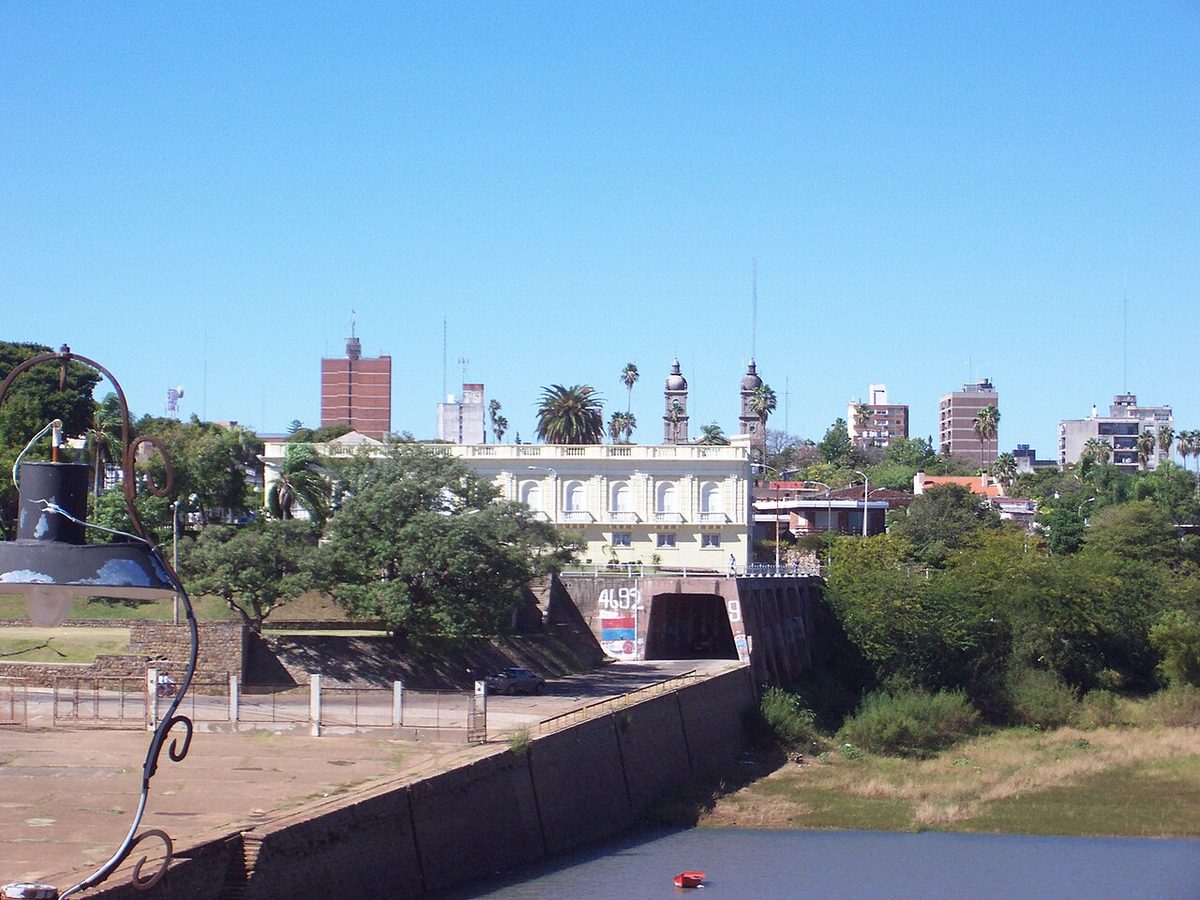
The first thing I noticed in Salto Uruguay was the smell of oranges. I’d come up on the night bus from Montevideo, stiff and underslept, and stepped out into a warm northern morning that smelled like a fruit bowl left in the sun. That is the citrus capital for you. The second thing I noticed was the river. The Río Uruguay here is wide and slow and the colour of weak tea, and the whole city seems to lean toward it.
I’d half expected Salto to be a place you pass through on the way to the hot springs. It is not. Uruguay’s second city has its own gravity, and after three days using it as a base I left genuinely fond of the place. This is a working city, not a resort, and it rewards a traveller who slows down.
Salto Uruguay sits on the east bank of the Río Uruguay in the country’s northwest, opposite Concordia in Argentina. It is Uruguay’s second-largest city, the hub of its citrus and thermal-springs region, and the gateway to the binational Salto Grande dam. Most travellers use it as a base for the nearby termas (hot springs).
This guide covers the city of Salto and its immediate surroundings as a destination and a base: the Salto Grande dam, the historic centre and its plazas, the riverfront and beaches, the parks, the citrus country, the museums, and the day trips, including the springs and the crossing into Argentina. For the hot-springs resorts themselves, I link out to dedicated guides as we go.
| At a glance | Salto, Uruguay |
|---|---|
| Where it is | Northwest Uruguay, east bank of the Río Uruguay, opposite Concordia, Argentina; about 496 km (308 mi) northwest of Montevideo by Route 3 |
| How to get there | Direct buses from Montevideo (around 6–7 hours); by car on Route 3; nearest functioning international airport is Salto’s own, but with no scheduled commercial flights at present |
| Days needed | 2–3 days for the city and dam; add nights if you want daily soaks at the springs |
| Top sights | Salto Grande dam, Calle Uruguay and Plaza Artigas, the costanera and river beaches, Parque Harriague, Museo Casa Quiroga |
| Best months | Spring (Sept–Nov) and autumn (Mar–May); thermal season peaks in the cooler months (May–Sept); summer is very hot |
| Base for termas? | Yes, ideal. Daymán is about 8 km south; Arapey and Guaviyú are longer day trips |
Salto Grande dam and lake: the city’s biggest sight
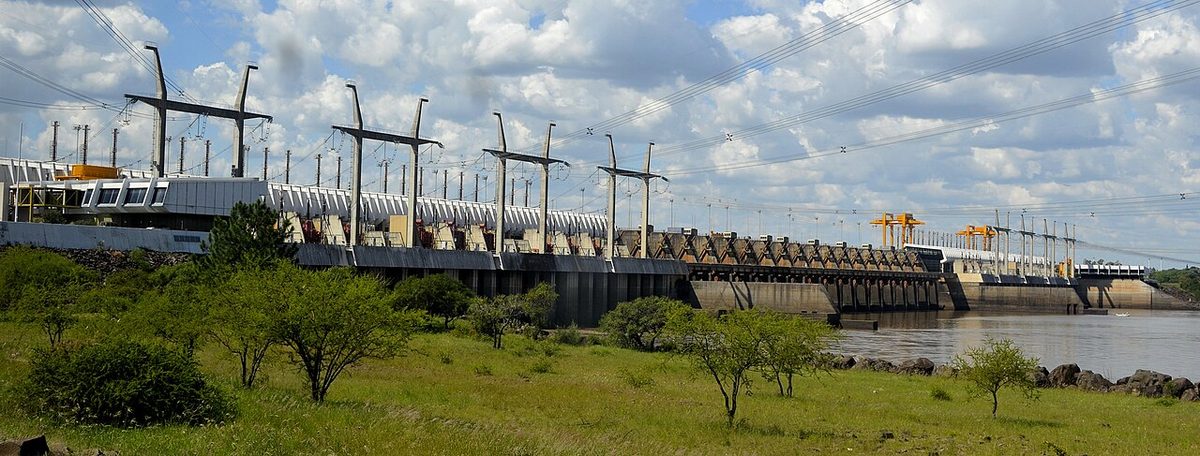
If you do one thing on a half-day in Salto, make it the Salto Grande dam. It sits about 15 km (9 miles) north of the centre on Route 3, and it is far more interesting than “a big dam” makes it sound. This is the first binational dam in Latin America, built jointly by Argentina and Uruguay, and the engineering still has the power to make you go quiet.
The numbers help. The two governments signed their agreement back in 1946, the order to build came in 1974, and more than 4,500 workers descended on a bend in the river called Ayuí. The first of fourteen turbines spun up in 1979; the international bridge across the top opened in 1982, joining the railways of Argentina, Uruguay and Paraguay for the first time; and by 1983 the whole thing was running at full power. Today it supplies a large share of Uruguay’s electricity, which for a country this size is no small thing.
Best of all, the guided tour costs nothing, which still surprises me. You start with a short film on the construction, then a room with a scale replica of one of the turbines, where a guide walks you through the size and the workings. After that a shuttle takes you out along the viewpoints and onto the international bridge, so you can look down on the spillway and across to Concordia on the Argentine side. The whole visit runs about two hours and the walking is easy.
A few practical notes. Tours generally run daily, roughly 9am to 4pm on the Uruguayan side, but slots fill and the first ones of the day are the most reliable, so go early. Bring your passport even if you do not intend to cross, because the bridge is an international border and security takes it seriously. There is no city bus that drops you at the dam gate, so most people take a taxi or drive; budget around 600–900 pesos each way for a taxi from the centre, or rent a car if you want the freedom.
The honest drawback: the tour is run as an industrial-heritage and energy experience, not a slick tourist attraction, and the timings can be rigid. If you turn up at 2pm hoping to wander in, you may be turned away. Treat it as a morning commitment and you will not be disappointed.
Below the dam, the reservoir, the Lago de Salto Grande, spreads out across the landscape and has become a low-key recreation spot for locals, with fishing and small boats. It is not a polished lake resort, but it is a pleasant detour if you have a car and an hour to spare.
The historic centre, Calle Uruguay and the plazas
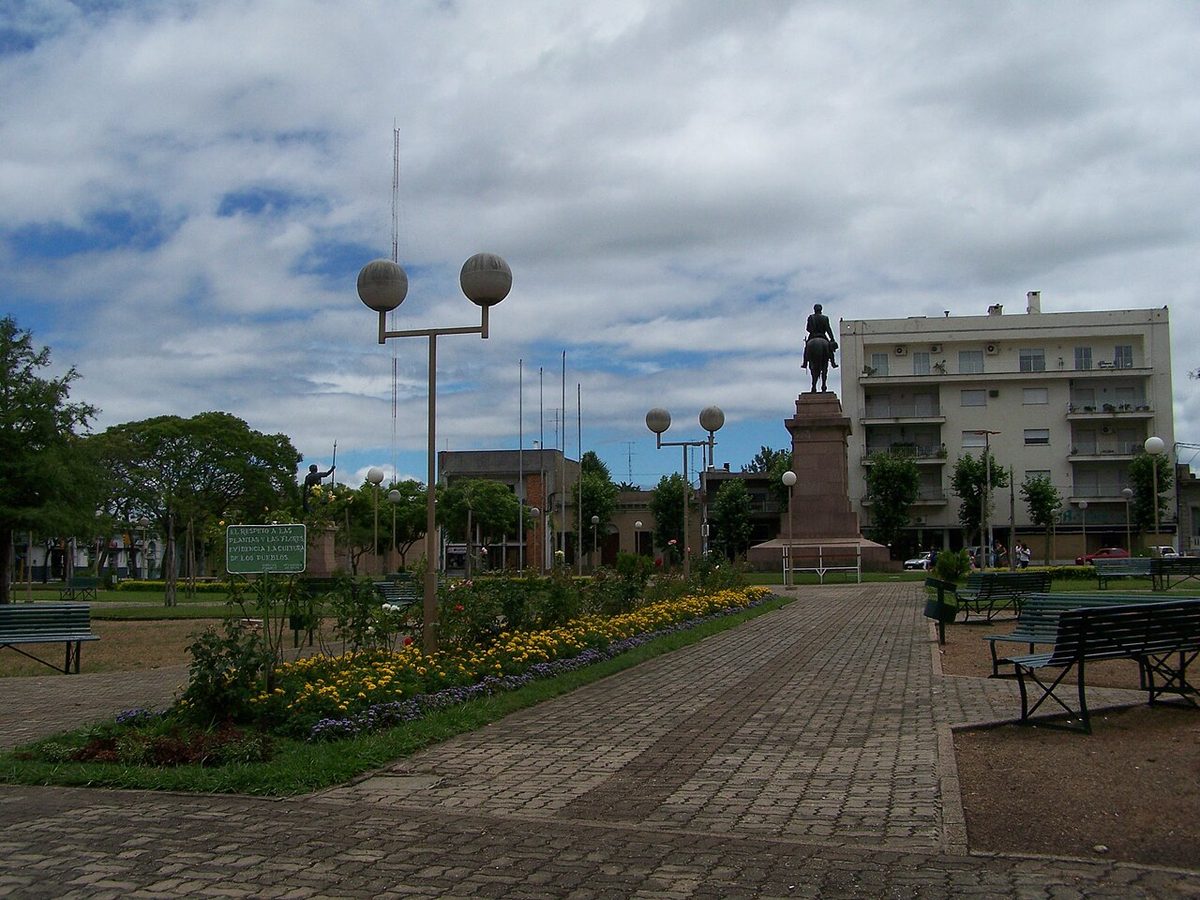
Back in town, life organises itself around Calle Uruguay. This is the main commercial street, partly pedestrianised, lined with shops, exchange houses, cafés and the kind of solid late-19th-century buildings that tell you Salto was once rich on the back of river trade and citrus. In the early evening the street fills with salteños (people from Salto) out for a stroll, many of them carrying a thermos and a gourd of mate, the bitter herbal tea Uruguayans drink constantly.
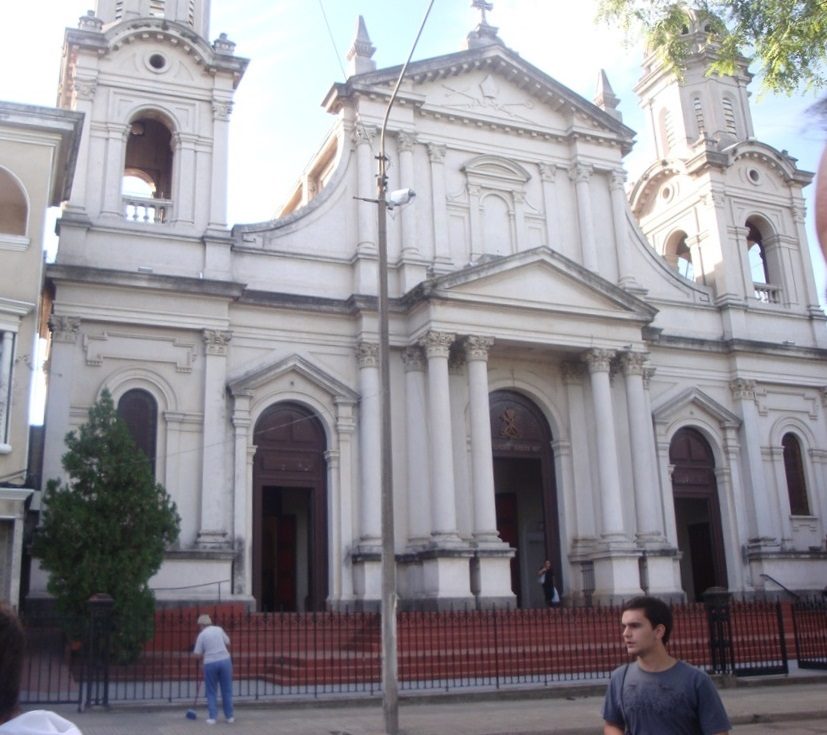
The civic heart is Plaza Artigas, a leafy square with a fine statue of José Gervasio Artigas, Uruguay’s independence hero, sculpted by Edmundo Prati. It is a good place to sit, watch the city go about its day, and feel the rhythm of a provincial capital that does not perform for tourists. Around it stand government buildings and the Cathedral Basilica of San Juan Bautista, whose façade anchors the skyline.
Architecture worth slowing down for
Salto has a surprising architectural pedigree. The great Uruguayan engineer Eladio Dieste, famous for his soaring brick vaults, left several works here, and at the entrance to the city stands his memorial structure nicknamed “La Gaviota” (The Seagull). Wander a few blocks off Calle Uruguay and you find tiled façades, ironwork balconies and quiet plazas that reward an aimless walk with a camera.
The Mercado Municipal, the covered market, is my favourite stop for a cheap and honest breakfast: produce stalls, cold cuts, a bakery, and a counter or two where you can get coffee and a medialuna (croissant). It is where the city feeds itself rather than where it sells to visitors, and it is all the better for it.
One honest drawback about the centre: parts of Salto have struggled with crime in recent years, more than the gentle Uruguayan average. The tourist core around Calle Uruguay and the plazas felt fine to me by day and busy evening, but I would not wander unfamiliar outer barrios late at night, and I kept the usual city wits about me.
The riverfront, the costanera and the river beaches
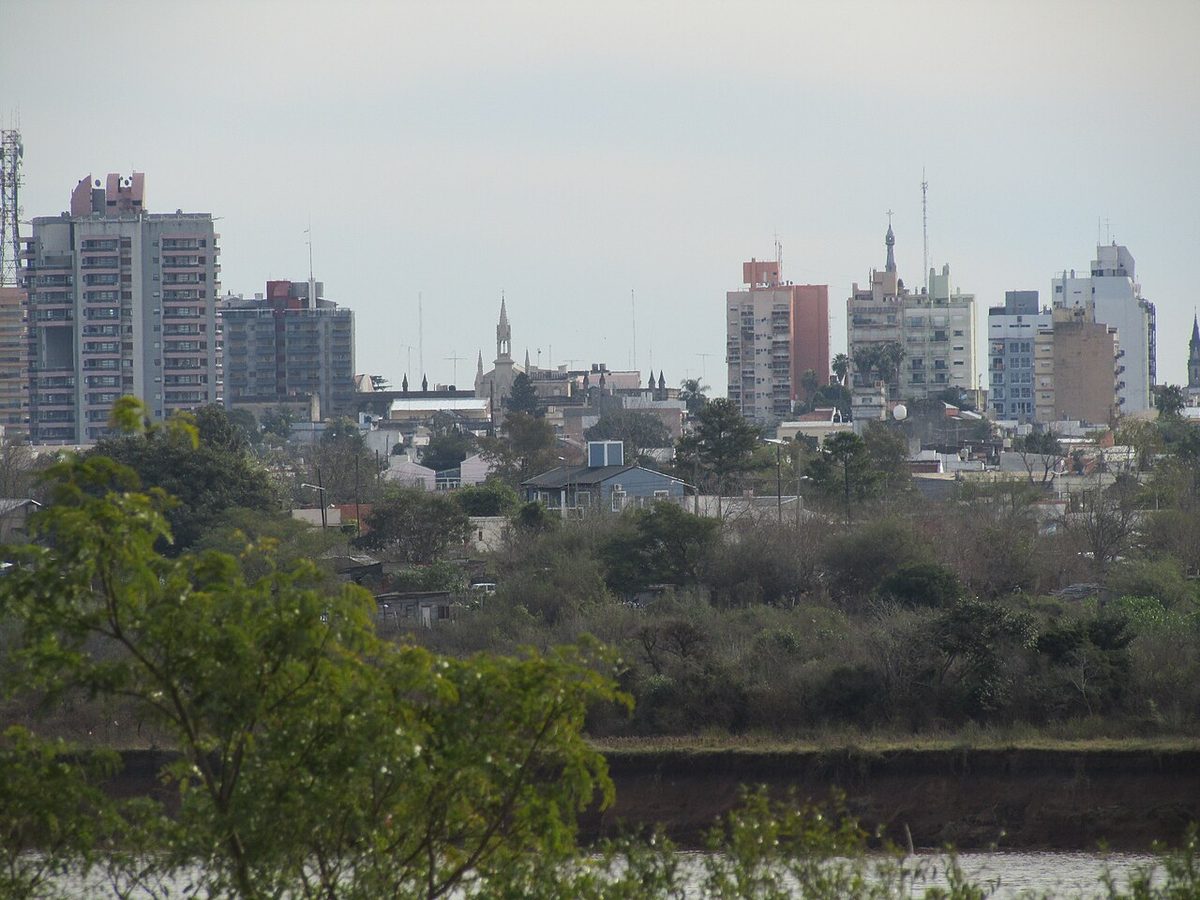
Water is the reason Salto exists, so it would be strange not to spend time at the river. The costanera (riverside avenue) and its rambla (waterfront promenade) run along the Río Uruguay and make for an easy walk, especially in the hour before sunset when the light goes gold and the far bank of Argentina turns to a low blue line.
Along the way you pass the Muelle Negro, an old dock with benches and good river views where people fish, drink mate and watch the water. In summer, the river is a swimming destination in its own right. Salto has a handful of river beaches on the Uruguay, with calm shallow water that locals flock to when the heat climbs, and it climbs a lot here, with summer afternoons that can push past 40°C (104°F).
These are river beaches, so set your expectations. The sand is modest, the water is fresh rather than clear, and you will not mistake it for the Atlantic coast at Punta del Este. What you get instead is a relaxed, local scene where families set up for the afternoon with mate and a parasol. For a wider sense of where the country’s coastline shines, our roundup of the best places to visit in Uruguay puts Salto’s river beaches in context.
The honest drawback: river swimming depends on conditions. After heavy rain upstream the Uruguay runs high and muddy, and the dam’s management of the flow can affect levels, so it is worth asking locally before you commit to a beach day.
Parks, the zoo and green Salto
For a city of just over 114,000 people, Salto is generously green. The largest park is Parque Solari, a broad municipal space where locals jog, picnic and play football, and a fine antidote to a hot afternoon on the pavement.
My favourite, though, is Parque Harriague, named for Pascual Harriague, the man who introduced serious grape cultivation, and the tannat grape, to Uruguay. The park holds the Teatro de Verano Víctor Lima, an open-air amphitheatre that seats around 4,000 and packs in far more for summer concerts and the Carnival season. It also contains the municipal zoo, home to roughly 150 species. I will be candid: the zoo is a modest provincial affair, better than many in South America but no showpiece, and animal-welfare-minded travellers may want to skip it and simply enjoy the gardens.
Citrus country and the wine that started here
The countryside around Salto is the citrus heartland of Uruguay. Drive any direction out of the city and you pass orange and mandarin groves running to the horizon, and in season the roadside stands sell fruit so fresh it almost glows. The region supplies much of the country’s citrus and exports a good deal besides, and the oranges genuinely are some of the best I have eaten.
This is also the cradle of Uruguayan wine. Pascual Harriague planted tannat here in the 19th century, the grape that has since become Uruguay’s national red, and the surrounding department keeps a quiet wine tradition alongside the fruit. A few estates in the wider region welcome visitors, though this is not a polished wine-route in the way Carmelo or the south is, so arrange visits ahead rather than expecting to drop in.
The drawback here is simple seasonality. Citrus is at its glorious best in the cooler months, roughly autumn through winter, so a high-summer visit means groves heavy with green fruit rather than orange. Time it right and the citrus alone is a reason to come.
Museums and the literary side of Salto
Salto punches above its weight culturally, and the best place to feel that is the Museo Casa Quiroga. This is the former home of Horacio Quiroga, the great short-story writer who was born in Salto in 1879 and is one of Latin America’s masters of the dark, jungle-tinged tale. The 19th-century house displays his personal objects and, strikingly, his funerary urn. Even if you have never read him, the house is an atmospheric window into a particular Uruguayan life.
For something more hands-on, the Museo del Hombre y la Tecnología (Museum of Man and Technology) runs through the region’s social and industrial history, from indigenous prehistory to the machinery that built modern Salto. It is well suited to a hot afternoon or to travellers with curious children.
The Teatro Larrañaga, a restored early-20th-century theatre near the centre, is worth a look for its décor even if nothing is playing, and it still hosts concerts and plays through the year. Salto also wears its football heritage with pride: this small city produced both Luis Suárez and Edinson Cavani, and you will not get far in conversation without it coming up.
Food: chivito, asado and the river city’s table
Salto eats the way Uruguay eats, which is to say with great seriousness about meat. The parrilla (grill restaurant) is the institution, and a long lunch of asado (barbecued beef and short ribs cooked slowly over wood embers) is one of the country’s quiet pleasures. You will find several parrillas along and around Calle Uruguay.
The dish to chase, though, is the chivito, Uruguay’s monumental steak sandwich layered with ham, cheese, egg, lettuce and tomato, usually with chips. Locals will steer you to small places that do it well; a long-running favourite in town is known simply for serving the best chivito around. Wash it down with a tannat, or do as everyone does and carry your mate.
For more on the national dishes you will meet here and across the country, our guide to Uruguayan food is a useful primer before you sit down.
Day trips: the termas and crossing to Argentina
Salto’s location makes it one of the best bases in the country for short trips, and two in particular define a visit.
The thermal springs near Salto
Salto is the gateway to Uruguay’s thermal-springs region, and this is what brings most visitors north in the first place. The closest, Termas del Daymán, sits only about 8 km south of the city, with frequent local buses running along Calle Brasil and a journey of roughly 25 minutes. It is the easiest soak you can imagine from a city base, with public and private pools kept warm year-round. I have kept the pool-by-pool detail for our full guide to Termas del Daymán, which covers the resorts, prices and which complex suits which traveller.
Further out lie two more options that reward a longer day or an overnight. Termas de Arapey, to the northeast, is the grandest of the northern springs and a classic Uruguayan thermal resort. Termas de Guaviyú, set in parkland toward Paysandú in the south, is the quietest and most affordable of the trio. For the bigger picture of how these springs fit together, start with our pillar guide to Uruguay’s hot springs, which I would read before deciding where to base yourself.
Using Salto as your base for all three is the move I would recommend: you sleep in a real city with restaurants, banks and museums, and day-trip to whichever springs you fancy, rather than marooning yourself at a single resort. Our advice on where to stay in Uruguay goes into the trade-offs in more depth.
Crossing the river to Concordia, Argentina
The other great day trip points west, across the Río Uruguay to Concordia in Argentina. There are two ways over. The international bridge atop the Salto Grande dam carries a cross-border bus that takes around an hour with the formalities, while a small passenger ferry crosses the river itself in a matter of minutes from a terminal near the centre. Both require you to clear immigration on each side, as this is a genuine international border.
Concordia is a pleasant Argentine provincial city, and locals cross in both directions to shop, eat and visit family. It is also a launch point for travellers heading on toward Iguazú Falls without backtracking through Buenos Aires. Do check current schedules and entry requirements before you go, though.
The honest drawback: services have always been thinner at weekends, and historically there was little or no crossing on Sundays. Confirm the day’s timetable locally, carry your passport, and do not leave the crossing until the last minute if you have a bus to catch on the far side.
Planning your trip to Salto
Getting there
Most visitors arrive by bus. Direct services run from Montevideo’s Tres Cruces terminal and take around six to seven hours, climbing the length of the country on Route 3. It is a long but comfortable ride, and the overnight option saves you a night’s accommodation. For the full rundown of routes, companies and booking, see our guide to getting around Uruguay by bus.
Driving is the other strong option, and it is the one I would pick if the springs and citrus country are on your list, since a car frees you from bus timetables for the dam and the outlying termas. Route 3 is good tarmac the whole way, with some stretches of ripio (gravel road) only if you detour to the smaller springs. Our notes on renting a car in Uruguay cover the paperwork and the quirks, and a Salto leg slots neatly into a wider Uruguay road trip.
By air, the situation is frustrating. Salto has its own Nueva Hespérides International Airport, but it has had no scheduled commercial flights since 2015, so in practice you cannot fly in on a regular ticket. If you are arriving in the country from abroad, our overview of getting to Uruguay explains the realistic entry points, almost all of which mean a bus or a drive north afterwards.
Where to stay
For a first visit, I would stay in the centre, within walking distance of Calle Uruguay and the plazas. The area is walkable, well served by restaurants and banks, and the safest part of the city after dark. Salto has a spread of hotels here, including the historic Gran Hotel Concordia on Calle Uruguay, often described as the oldest hotel in the country, along with plenty of mid-range and budget options.
The alternative is to sleep out at Termas del Daymán, where a cluster of thermal hotels lets you soak morning and night. It is calmer and lovely for a wellness-focused stay, but it is less walkable and you will rely on buses or taxis to reach the city. My preference is the centre for the things-to-do trip, with Daymán reserved for travellers whose whole purpose is the pools. Either way, our guide to where to stay in Uruguay helps you weigh it up.
Getting around
Central Salto is compact and easily walked; most of the sights I have described sit within twenty to thirty minutes on foot of one another. Local buses are cheap and run through the day, with the Daymán line being the one most travellers use. Taxis and shared colectivos (shared taxis) fill the gaps and are inexpensive by international standards. For the dam and the further springs, though, a car or a hired taxi is the practical choice. If you are stitching Salto into a longer route, our Uruguay itinerary ideas show how the north connects to the rest of the country, and our general Uruguay travel tips cover money, language and the small practicalities.
One more thought on timing. The city is at its kindest in spring and autumn, when the heat is bearable and the citrus is good. The thermal season peaks in the cooler months from about May to September, when a hot pool feels best. High summer, December to February, is intense, with afternoons that can top 40°C (104°F), so plan river swims and shade rather than long walks. If you like finding the quieter corners of the country, Salto also features in our look at Uruguay’s hidden gems.
Salto Uruguay: your questions answered
Is Salto, Uruguay, worth visiting?
Yes, if you give it time. Salto is a real working city rather than a resort, and its pleasures are unhurried: the Salto Grande dam, the riverfront, the citrus country, an excellent literary museum and a relaxed café culture along Calle Uruguay. Most people come for the nearby thermal springs, but the city itself rewards two or three days.
What is Salto, Uruguay, known for?
Salto is known as Uruguay’s second city, its citrus capital, and the gateway to the country’s northern thermal springs. It is also famous for the binational Salto Grande dam on the Río Uruguay, for being the birthplace of footballers Luis Suárez and Edinson Cavani, and as the home town of the writer Horacio Quiroga.
How do you get from Montevideo to Salto?
The usual way is by direct bus from Montevideo’s Tres Cruces terminal, a journey of roughly six to seven hours up Route 3. Overnight services are popular and save a night’s lodging. Driving takes a similar time and gives you the freedom to reach the dam and the outlying springs. There are currently no scheduled commercial flights into Salto’s airport.
Can you visit the Salto Grande dam?
Yes. The Salto Grande dam, about 15 km north of the city, offers a free guided tour that includes a film, a turbine replica and a shuttle out to the viewpoints and the international bridge. Tours run daily, generally from around 9am to 4pm, but slots fill, so arrive early and bring your passport, as the bridge is an international border.
How far is Salto from the hot springs?
The closest, Termas del Daymán, is only about 8 km south of Salto, roughly 25 minutes by frequent local bus. Termas de Arapey to the northeast and Termas de Guaviyú to the south are longer day trips, each about an hour or more away by road. Many travellers base themselves in Salto and visit all three on separate days.
Can you cross from Salto to Argentina?
Yes. You can cross to Concordia, Argentina, either by a bus over the international bridge atop the Salto Grande dam, which takes about an hour with formalities, or by a short passenger ferry across the Río Uruguay from near the centre. Both require clearing immigration on each side. Weekend and Sunday services have historically been limited, so confirm schedules before you travel.
Final thoughts
Salto surprised me, and I do not say that lightly about a city most guidebooks reduce to a footnote on the way to the pools. Give it a couple of unhurried days and you get a genuine slice of northern Uruguay: a great dam, a slow brown river, the smell of oranges, a literary ghost or two, and the easygoing café life of Calle Uruguay in the evening. Use it as your base for the termas, by all means, but do not skip the city in the rush to the water. It has more to offer than it lets on.
Credits & sources
Sources & further reading
- Salto, Uruguay — Wikipedia (history, population, geography and climate)
- Salto Grande Dam — Wikipedia (the binational dam and bridge)
- Salto travel guide — Wikivoyage (transport, crossings and practicalities)
Photo credits
All images via Wikimedia Commons: Salto Uruguay Rio Uruguay Waterfront by Shant (CC BY 2.5); Salto Grande Dam Uruguay Argentina by Nicolasmh (CC BY-SA 3.0); Rio Uruguay Salto Concordia by Dario Alpern (CC BY-SA 3.0); Catedral De Salto Uruguay by Fadesga (CC BY-SA 3.0); Salto Uruguay Historic Centre Plaza by Cornelius (CC BY-SA 2.0).