Where to Stay in Montevideo: Neighborhood Guide (2026)

The first time I booked a few nights in Montevideo, I got it wrong. One guide swore by the old port; another said stay on the beach or stay home; a third pushed a leafy suburb that turned out to be a long drive from everything. I picked badly, learned the hard way, and have since slept in five different barrios across half a dozen trips.
So let me save you the trouble.
Deciding where to stay in Montevideo comes down to one trade-off: the historic, walkable core versus the calmer beachfront barrios strung along the river. For a first short visit centred on sights and food, base yourself in Ciudad Vieja or Centro. For a longer, more relaxed stay near the water, choose Pocitos or Punta Carretas. Carrasco suits early flights and quiet, little else.
This guide walks you through every neighborhood (a barrio, in local Spanish) where travelers actually stay, with honest pros and cons, rough nightly price bands, and example places to sleep by budget. I’ve leaned on my own nights in each, plus what locals told me when I asked where they’d put their own visiting parents. The centrepiece is a straight Pocitos-vs-Ciudad-Vieja-vs-Carrasco showdown, because that’s the comparison everyone asks about and almost nobody answers properly. For the bigger picture of the city, see our full things to do in Montevideo city guide, and if you’re planning multiple stops around the country, start with the national where to stay in Uruguay pillar instead.
| Neighborhood | Vibe | Best for | Rough price band (double, low–high season) | The watch-out |
|---|---|---|---|---|
| Ciudad Vieja | Historic, arty, lively by day and dead at night | First-timers, short stays, walkers | Budget to mid (~US$45–110) | Empties out after dark; port edge feels rough |
| Centro | Workaday downtown, grand old facades | Budget travelers, transport links | Budget (~US$35–80) | Side streets can feel sketchy late |
| Cordón | Studenty, bohemian, real-city texture | Long stays, cheap eats, markets | Budget (~US$35–85) | Few “destination” hotels; thin on sights |
| Parque Rodó | Leafy park, bars, young crowd | Nightlife, families with small kids | Budget to mid (~US$45–100) | Hotels are scattered and hard to find |
| Pocitos | Modern beach barrio, high-rises, walkable | Most visitors, longer stays, beach | Mid (~US$60–130) | You’ll commute to the historic sights |
| Punta Carretas | Upscale, safe, mall and lighthouse | Comfort-seekers, families, nervous first trips | Mid to upper (~US$70–160) | Newer hotels feel generic; transit to sights |
| Carrasco | Green, low-rise, mansion-lined, airport-close | Early flights, quiet, a splurge night | Mid to top (~US$80–220) | Far from everything; beach unkempt May–Nov |
| Buceo | Residential, marina, modern towers | Long stays, value near the water | Budget to mid (~US$50–110) | Quiet to the point of sleepy at night |
Prices above are ballpark doubles in well-rated mid-market spots, and they swing hard with season. Expect the top of each range (and then some) over Carnival in February, New Year, and Semana de Turismo, so it pays to check the best time to visit Uruguay before you fix dates. Treat the bands as a compass, not a quote.
Ciudad Vieja: history within walking distance
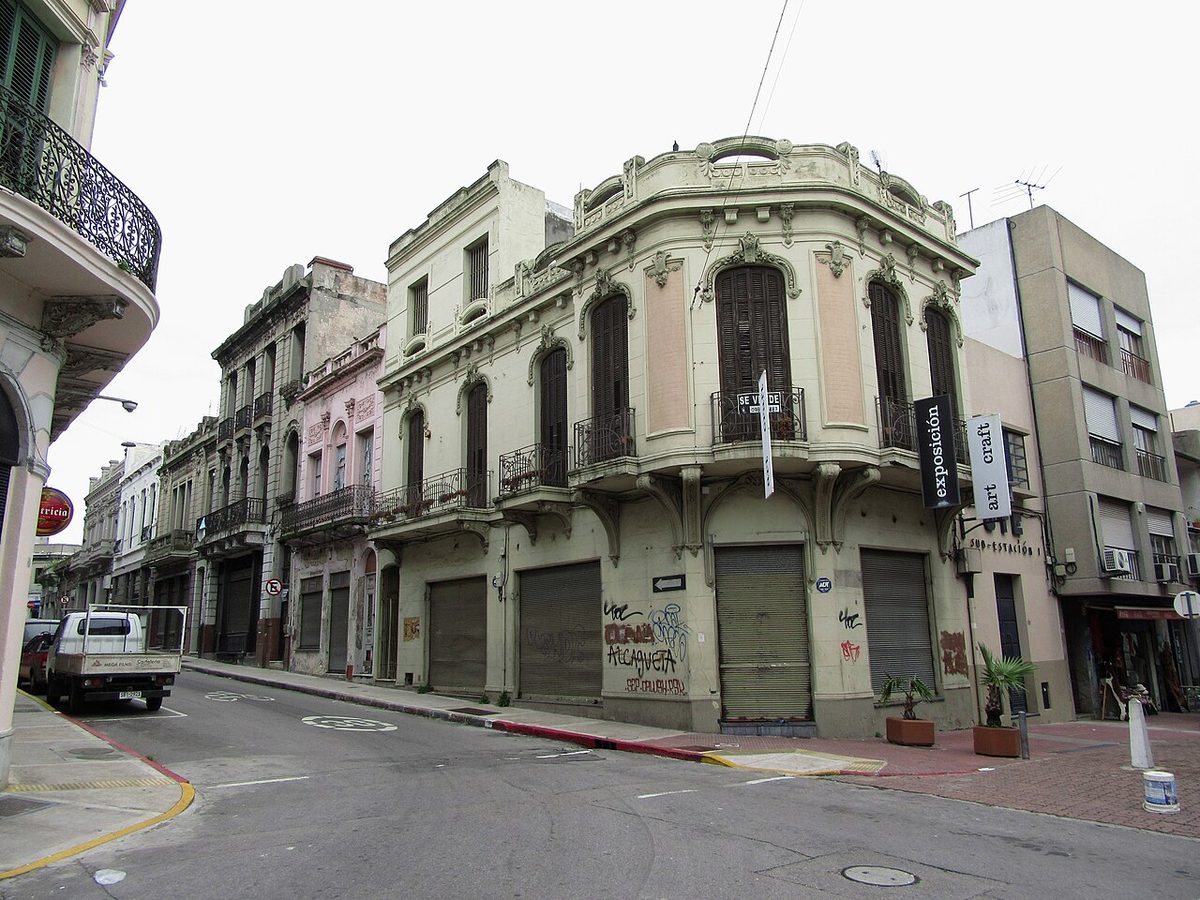
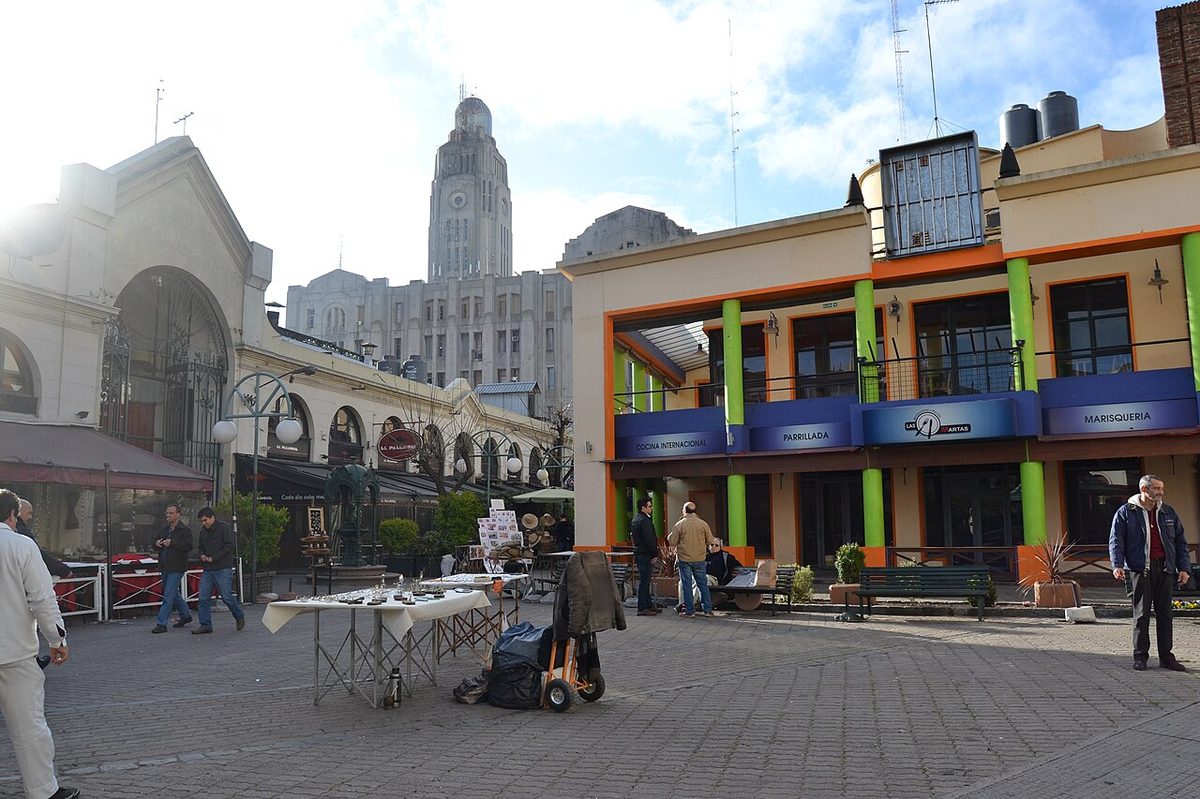
Ciudad Vieja, the Old City, sits on a small peninsula with the River Plate on three sets of streets. It was once the entirety of Montevideo, and it still holds the heaviest concentration of what you came to see: Plaza Independencia, the colonnaded squares, the theatres, the auction houses, the antiques shops, and the cathedral of beef that is Mercado del Puerto. If your trip is short and sightseeing-led, no other barrio puts more within a ten-minute walk.
What surprised me most is how the neighborhood breathes on a clock. Weekdays it hums with office workers, lunch crowds and street musicians. Then around 2pm on Saturday the shutters roll down, and by Sunday it can feel like a film set after the crew went home. Plan your evenings elsewhere or know exactly which restaurant is open, and you’ll be fine.
Who it suits
Culture-first travelers, anyone here for two or three nights, and people who’d rather walk than wait for a bus. It’s also a natural landing spot if you arrive by ferry from Buenos Aires, since the terminal is right here. For the full rundown of what to do on your doorstep, our guide to Ciudad Vieja goes deep.
The honest drawback
After dark the area thins out fast, and the blocks nearest the port feel genuinely rough once the sun drops. The Old City is heavily camera-monitored and statistically safe by day, but at night I stick to the busier bar streets around Bartolomé Mitre or simply take a cheap Uber the few blocks home rather than wander.
Where to sleep
Budget: sociable hostels with rooftop terraces cluster near Plaza Matriz, with dorms often in the US$15–25 range. Mid-range: a clutch of design-led boutique hotels occupy restored mansions, many around Mercado del Puerto, typically US$80–120. Apartments: the Old City has become a strong short-let market, and a one-bedroom in a renovated building can be excellent value for a few nights.
Centro and Cordón: downtown texture and budget value
Just east of the Old City, Centro is downtown proper, built around the long spine of Avenida 18 de Julio. It is the most workaday part of Montevideo and, frankly, not pretty at eye level. Lift your gaze, though, and the upper floors reveal some of the finest early-twentieth-century architecture in the city. Standard two- and three-star hotels here are usually the cheapest in town, and you’re a short walk or one bus stop from the sights.
North and inland sits Cordón, which I’ve come to like more than I expected. Students from the nearby university give it a scruffy, creative energy, and the bars and cheap eats are genuinely good. Every Sunday the Tristán Narvaja street market unspools for blocks, selling everything from secondhand books to live rabbits. For a longer, lived-in stay on a budget, Cordón delivers real-city texture that the polished beach barrios can’t.
Who it suits
Budget travelers, backpackers, and anyone who values being near transport links over having a view. Centro is also handy if you’re catching early intercity buses from Tres Cruces terminal.
The honest drawback
Both barrios can feel edgy on quiet side streets after dark, with the usual big-downtown mix of empty blocks and the occasional rough sleeper. Walk the main, well-lit avenues at night and take a taxi when in doubt, and it’s a non-issue.
Where to sleep
Budget: reliable hostels and plain-but-clean hotels along and just off 18 de Julio, often US$30–60 for a private double. Mid-range: a few business-style hotels near the avenue add comfort for US$70–100. Apartments: Cordón is full of affordable monthly and weekly lets popular with remote workers.
Parque Rodó: park, beach and the night out
Named for the huge green park at its heart, Parque Rodó is where younger Montevideo comes out to play. The park itself wraps around a boating lake and an old-fashioned amusement area, and it spills down to Playa Ramírez, a shallow, sheltered beach that’s ideal if you’re traveling with small children. Come evening, the bar and pub scene around the barrio fills up well before midnight.
Sitting between the Old City and Pocitos, it’s a sensible compromise location: closer to the historic core than the beach barrios, closer to the beach than downtown. The catch is lodging supply. Hotels here are fewer and oddly scattered, so you’ll likely end up in a guesthouse or a short-let apartment rather than a big-name property.
Who it suits
Nightlife-minded travelers, couples who want bars within stumbling distance, and families drawn to the park and the gentle beach. It pairs naturally with a walk along the waterfront, which our guide to the Rambla covers end to end.
The honest drawback
Accommodation is thin and dispersed, so the “perfect” place may not exist on your dates, and some venues are spread far enough apart that you’ll want to plan your evening rather than wander and hope.
Where to sleep
Budget: a handful of well-run hostels near the park, dorms around US$18–28. Mid-range: small guesthouses and a couple of mid-size hotels, US$60–100. Apartments: plenty of stylish lets in the leafier streets, often the best-value option here.
Pocitos: where most visitors end up (for good reason)
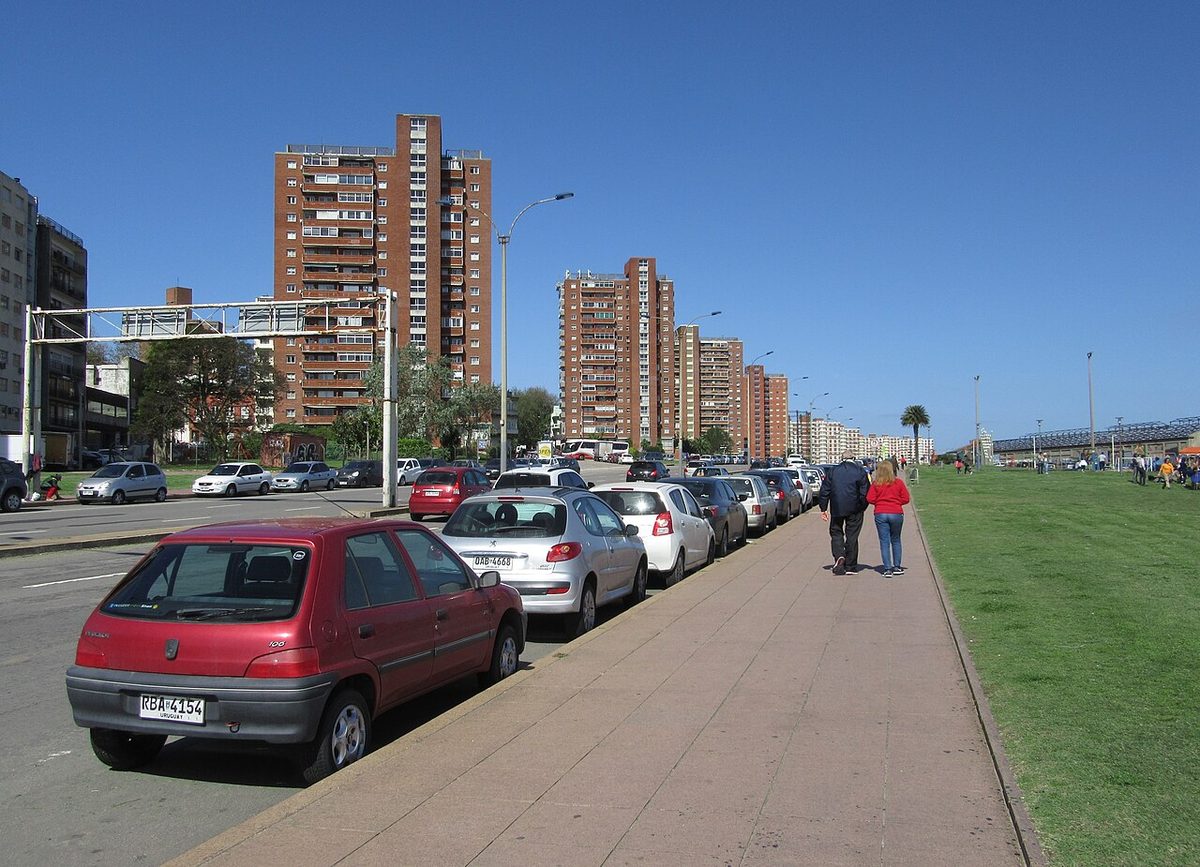
Pocitos is the answer the city quietly defaults to. It’s a modern, mostly residential barrio of high-rise apartments curving around a crescent of white-sand beach, with the Rambla running right past the front doors. The sand is genuinely nice by city standards, the streets feel safe at all hours, and a reliable bus ride or short Uber drops you in the Old City whenever you want the sights. For a longer stay, or a first trip where comfort matters, it’s hard to argue against.
Beyond the beachfront, “old Pocitos” inland keeps some charming, slightly labyrinthine streets that survived the building boom. You’re also within a 15- to 20-minute walk of two large shopping malls, and the restaurant density is high enough that you never have to plan dinner around closing day, unlike in the Old City. Several of the parrillas and cantinas in our roundup of the best restaurants in Montevideo are in these streets.
Who it suits
Most people, honestly. Beach lovers, families, remote workers settling in for a week or more, and anyone who wants to feel safe walking home after dinner. If you only read one section of this guide, this is the safe default pick.
The honest drawback
You are not where the headline sights are. Reaching Plaza Independencia or Mercado del Puerto means a 15- to 25-minute trip each way, which adds up over a sightseeing-heavy trip. The other quiet cost: the wall of high-rises has stripped away a lot of the architectural character you’d find in the Old City.
Where to sleep
Budget: a few good hostels a block or two back from the water, dorms around US$16–26. Mid-range: the barrio’s sweet spot, with modern hotels and aparthotels near the Rambla running US$70–120. Upscale: several full-service hotels with sea views push US$130–180 in season. Apartments: abundant, and a Rambla-facing one-bedroom is one of the best long-stay deals in the city.
Punta Carretas: comfort, the mall and the lighthouse
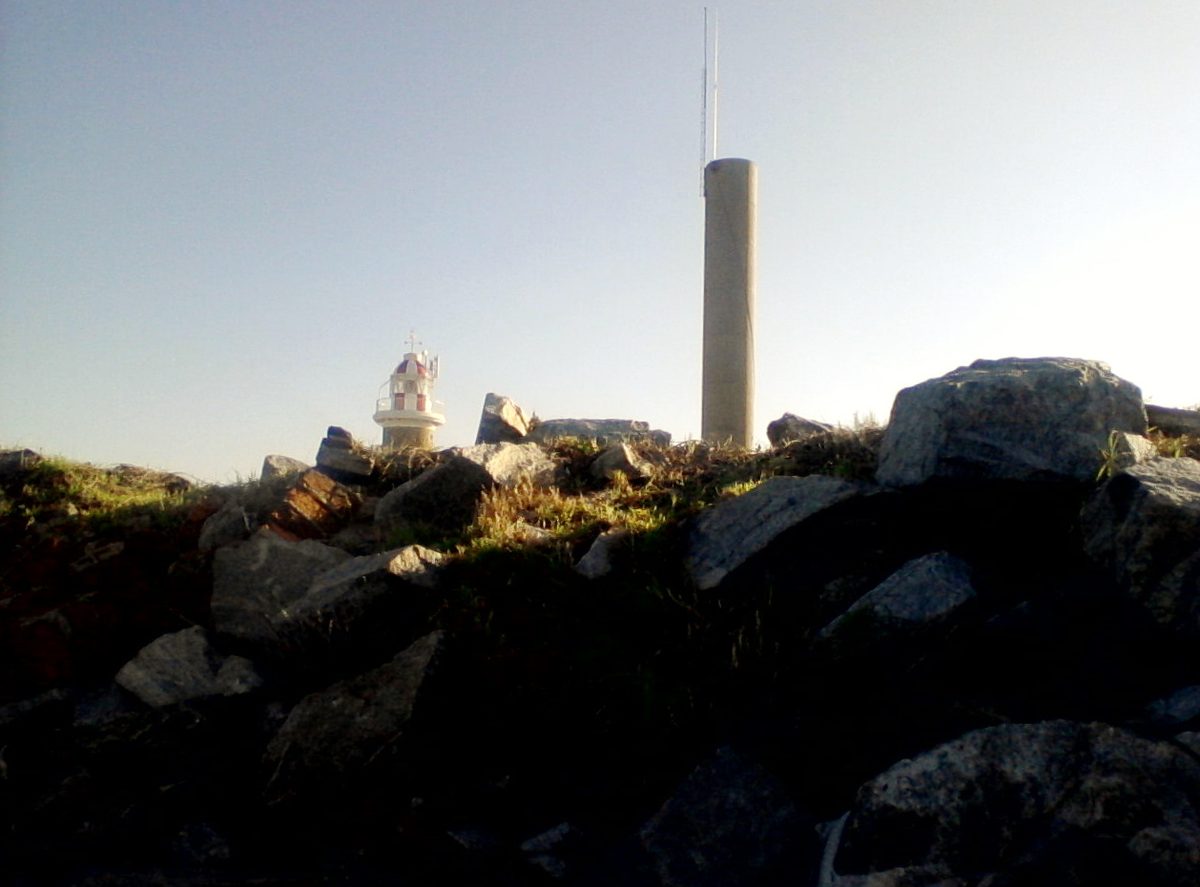
Right next to Pocitos and jutting out at the southern tip of the city, Punta Carretas is the upscale, reassuring choice. This is where I’d send anxious first-timers, older travelers, or families who want everything to simply work. The barrio is genuinely one of the safest in Montevideo, the Rambla loops around two small beaches, and the working 1870s Faro de Punta Brava lighthouse anchors a pleasant waterfront walk.
The local landmark is the Punta Carretas Shopping mall, built inside a converted nineteenth-century prison, which sounds grim and is in fact bright, busy and full of good restaurants. Hotels here lean modern and comfortable, and you’re a flat 15-minute walk from Pocitos beach in one direction and the green tip of the city in the other.
Who it suits
Comfort-seekers, families, and travelers who’ll happily trade a little local character for safety and polish. It’s also a smart base if you’re nervous about a first South American trip.
The honest drawback
The newer hotels have little personality, and you could wake up not quite sure which country you’re in. As in Pocitos, you’ll also need transport to reach the historic sights.
Where to sleep
Mid-range: a strong run of business and boutique hotels near the mall and the rambla, typically US$80–130. Upscale: a few higher-end properties with full facilities reach US$140–200 in peak weeks. Apartments: elegant lets in the towers, popular for longer comfortable stays.
Buceo: the quiet value play by the marina
Further east along the coast, Buceo wraps around a yacht harbour and a sweep of modern apartment towers. Travelers rarely think of it first, which is exactly why it can be good value. It’s leafy and residential, close to a beach and the big Montevideo Shopping mall, and well placed if you want the water without Pocitos prices.
I’d describe Buceo as pleasant rather than exciting. There’s a smart marina to walk around, decent local restaurants, and easy bus links along the Rambla, but it is unmistakably a place where people live rather than party.
Who it suits
Long-stay visitors and remote workers hunting value near the coast, plus anyone who actively wants a calm residential base over a buzzy one.
The honest drawback
It’s quiet to the point of sleepy after dark, with little street life of its own, so you’ll travel for nightlife and the headline sights alike.
Where to sleep
Budget to mid: a modest spread of hotels and aparthotels, often US$55–100. Apartments: the real reason to choose Buceo, with competitively priced modern one-bedrooms near the marina.
Pocitos vs Ciudad Vieja vs Carrasco: the comparison everyone asks
These three barrios get pitted against each other more than any others, and for good reason. They represent three completely different versions of a Montevideo trip: beach-side modern living, historic walkable density, and leafy airport-edge calm. I’ve stayed in all three. Here’s how they actually stack up.
Carrasco, first, because it needs a fair hearing
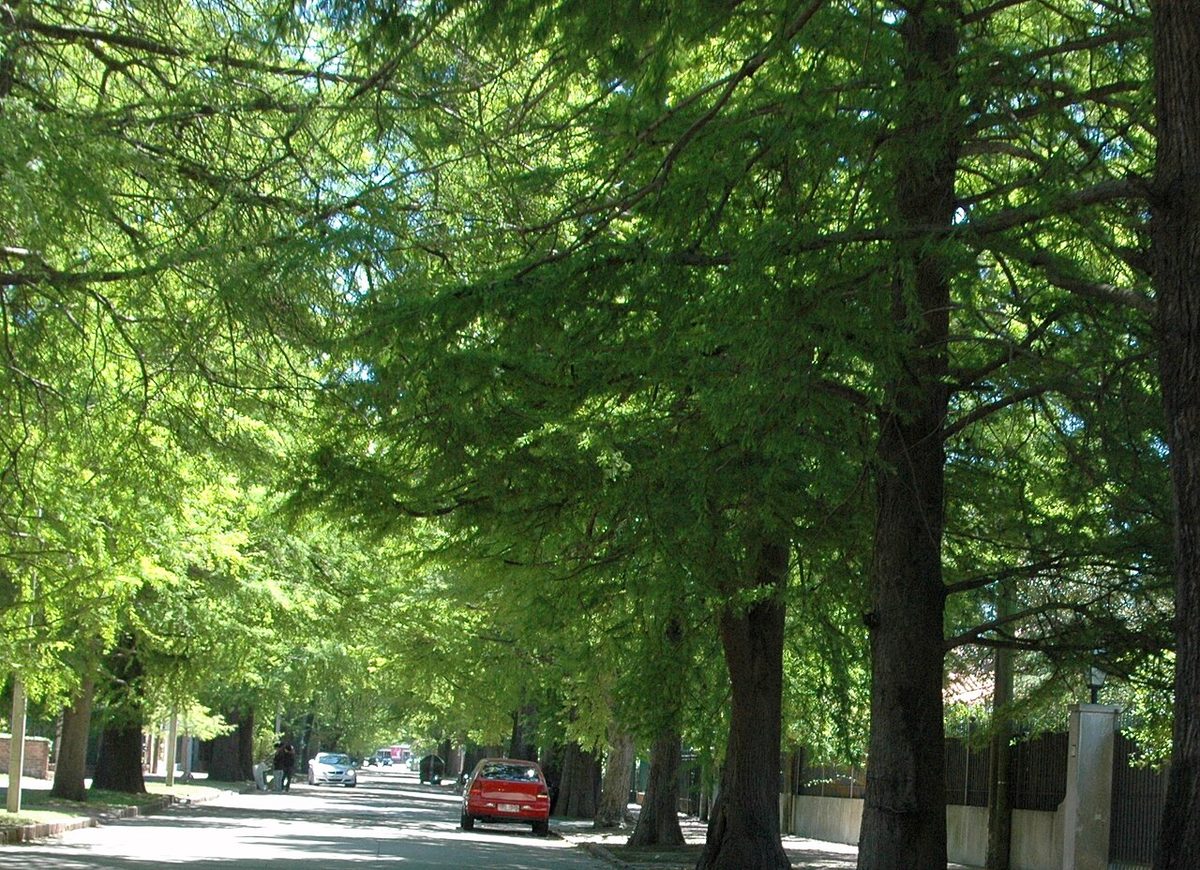
Carrasco is the city’s ritziest barrio, a green, low-rise district of grand houses, embassies and old money about 20 kilometres east of the centre. It has a long beach, a famous historic hotel, a walkable little high street of cafes, and it sits five to ten minutes from the international airport. It is calm, safe and good-looking, and for one night before a dawn flight, or for a quiet splurge, it makes real sense.
The trouble is using it as a base. A taxi to the Old City runs roughly US$18–25 one way, and you’ll make that trip constantly because the sights are nowhere near. The beach, lovely in summer, goes uncleaned in the off-season and collects washed-up debris between roughly May and November. As one local put it to me, kids who grow up in Carrasco know Miami better than downtown Montevideo. Stay here on purpose, not by accident.
Head to head, at a glance
| Factor | Pocitos | Ciudad Vieja | Carrasco |
|---|---|---|---|
| Best for | Comfortable longer stays, beach | Short sightseeing-led trips | Early flights, quiet, a splurge |
| Walk to major sights | No (15–25 min by bus/Uber) | Yes, you’re in them | No (20+ min drive) |
| Beach | Good city beach, on the doorstep | None to speak of | Long beach, unkempt off-season |
| Night-time feel | Safe, walkable, residential calm | Empties out; stay alert near port | Very quiet, almost suburban |
| Character | Modern high-rises, some old streets | Heaps of history and grit | Leafy, moneyed, low-rise |
| Cost of staying | Mid | Budget to mid | Mid to top, plus high taxi costs |
| Airport distance | ~25–30 min | ~30–40 min | ~5–10 min |
So which one?
Pick Ciudad Vieja if your trip is two or three nights and you want to walk out the door into the history. Pick Pocitos if you’re staying a week, want the beach and the safe evening stroll, and don’t mind a short hop to the sights. Pick Carrasco only if you have a brutally early flight, you’re after a calm and upmarket night or two, or peace and quiet outrank everything else. Most travelers asking pocitos vs ciudad vieja are really choosing between a short culture trip and a longer beach stay, and the honest answer is that both are right, just for different trips.
Which area for which traveler
Strip away the detail and the choice gets simple once you know what kind of trip you’re taking. Run your eye down this and book the row that sounds most like you.
| If you’re… | Stay in | Why |
|---|---|---|
| A first-timer here for 2–3 nights | Ciudad Vieja | Walk to nearly every major sight |
| Settling in for a week or more | Pocitos | Beach, safety, restaurants, easy life |
| Traveling with young kids | Punta Carretas or Parque Rodó | Safe streets, gentle beaches, parks |
| On a tight budget | Cordón or Centro | Cheapest beds, real-city energy |
| Here for nightlife | Parque Rodó or Ciudad Vieja | Bars and live music close at hand |
| Nervous about a first South America trip | Punta Carretas | Polished, safe, everything works |
| Catching a dawn flight | Carrasco | Five minutes from the airport |
| A remote worker chasing value | Buceo or Cordón | Affordable apartments, calm base |
| Arriving by ferry from Buenos Aires | Ciudad Vieja | The terminal is right there |
One practical note that applies everywhere: Montevideo is small and cheap to cross by taxi or ride-share, so no choice here is a disaster. A “wrong” neighborhood costs you a 20-minute ride, not your trip. If you’re slotting the city into a wider route, our Uruguay itinerary guide shows how many nights to give it.
Where to Stay in Montevideo: your questions answered
What is the safest neighborhood to stay in Montevideo?
Punta Carretas and Pocitos are widely considered the safest barrios for visitors, with quiet, well-lit streets you can walk after dinner. Carrasco is also very safe but far from the centre. Ciudad Vieja is fine and camera-monitored by day, though it thins out at night near the port, so keep the usual city-centre awareness after dark.
Is Pocitos or Ciudad Vieja better for a first visit?
For a short first visit of two or three nights focused on sights, Ciudad Vieja wins because you can walk to almost everything. For a longer or more relaxed first trip, Pocitos is better, with its beach, safe evenings and easy comfort. Many travelers split the difference and spend a couple of nights in each.
How many nights should I spend in Montevideo?
Two full days, so three nights, covers the headline sights, the Rambla and a proper meal at the port market without rushing. Add a night or two if you want beach time, day trips, or a slower pace. Plenty of visitors use the city as a relaxed base for a week and never feel short of things to do.
Do I need a car if I stay in Montevideo?
No. The city is compact, buses are cheap and frequent, and Uber and Cabify run everywhere at low fares. A car is more hassle than help for a city stay, with parking the main headache. Rent one only when you leave town for the coast or the interior, which our getting around guide explains.
Which area is best for beach access in Montevideo?
Pocitos has the most popular city beach right on its doorstep, with Punta Carretas and Buceo close behind. Parque Rodó’s Playa Ramírez is shallow and good for small children. Carrasco has the longest stretch of sand, but it goes uncleaned outside summer, so weigh the season before banking on it.
Final thoughts
If I had to hand you a single answer, it would be this: stay in Ciudad Vieja for a short, sights-first trip, and in Pocitos for anything longer or beachier. Those two cover the vast majority of travelers. Everything else on this page is fine-tuning for your particular trip, whether that’s a dawn flight from Carrasco, a budget week in Cordón, or a comfortable family base in Punta Carretas.
Remember that Montevideo rewards the unhurried. Wherever you land, you’re a cheap ride from the rest of it, and half the pleasure is wandering the Rambla at dusk with no fixed plan. Book the barrio that fits your trip, then let the city do the rest. For the wider country, our national lodging guide and our roundup of the best places to visit in Uruguay will point you onward.
Credits & sources
Sources & further reading
- Rambla of Montevideo (Wikipedia) — background on the riverside boardwalk that links nearly every barrio in this guide.
- Uruguay Ministry of Tourism (Uruguay Natural) — official national tourism information and seasonal travel advice.
- Intendencia de Montevideo — the city government’s official portal, useful for neighborhoods, transport and events.
Photo credits
All images via Wikimedia Commons: Pocitos Beach Montevideo by Elemaki (CC BY 3.0); Ciudad Vieja Montevideo Street by Felipe Restrepo Acosta (CC BY-SA 4.0); Mercado Del Puerto Montevideo by Mverocai (CC BY-SA 3.0); Rambla Pocitos Montevideo by Felipe Restrepo Acosta (CC BY-SA 4.0); Punta Carretas Faro Montevideo by Gerardo Silveira (CC BY-SA 3.0); Carrasco Montevideo Leafy Street by Andrés Franchi Ugart… (CC BY-SA 3.0).


